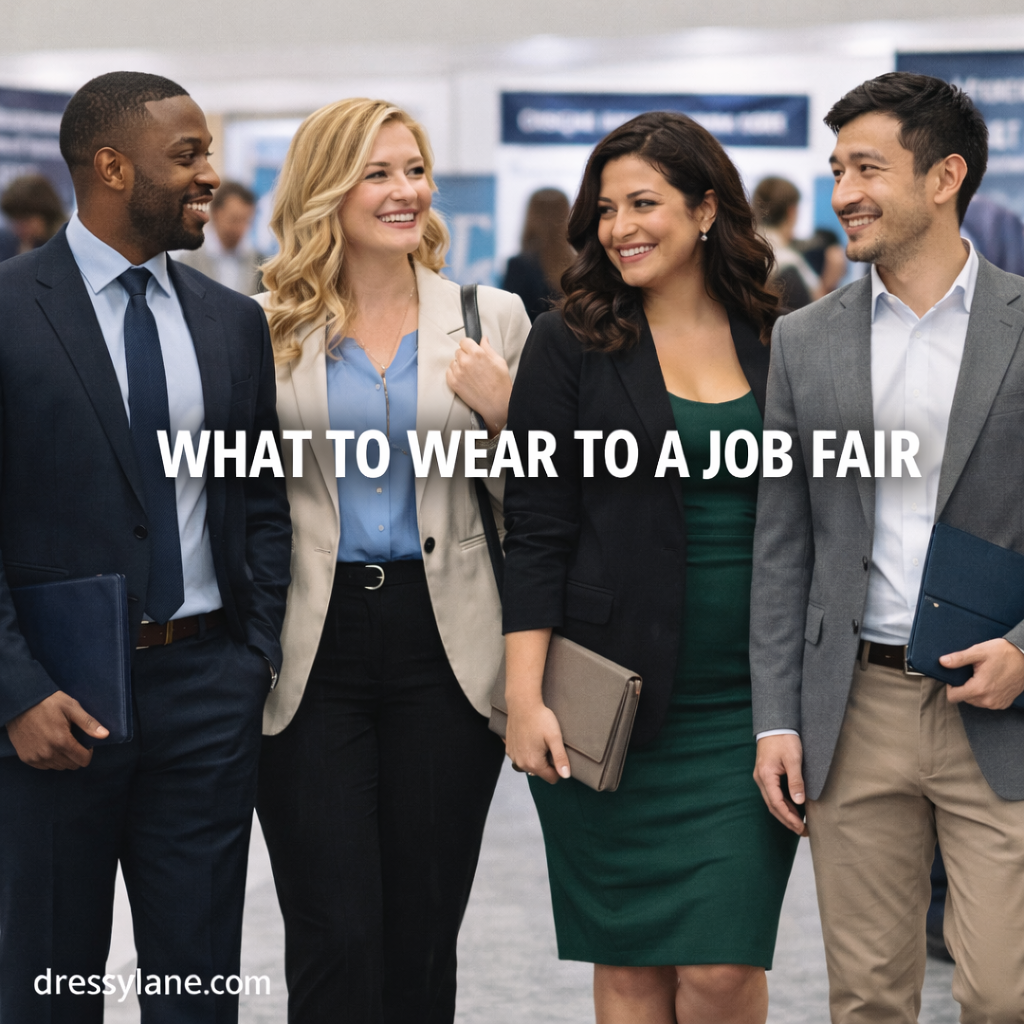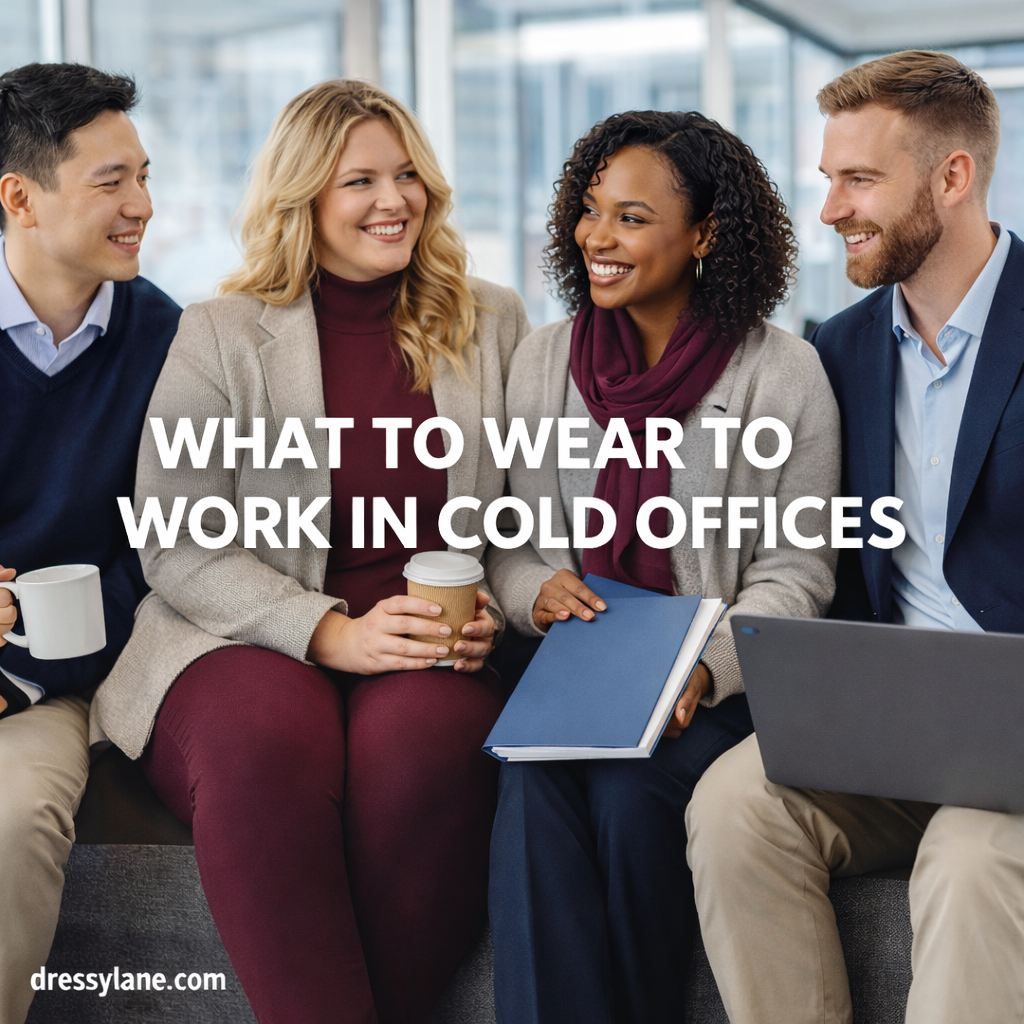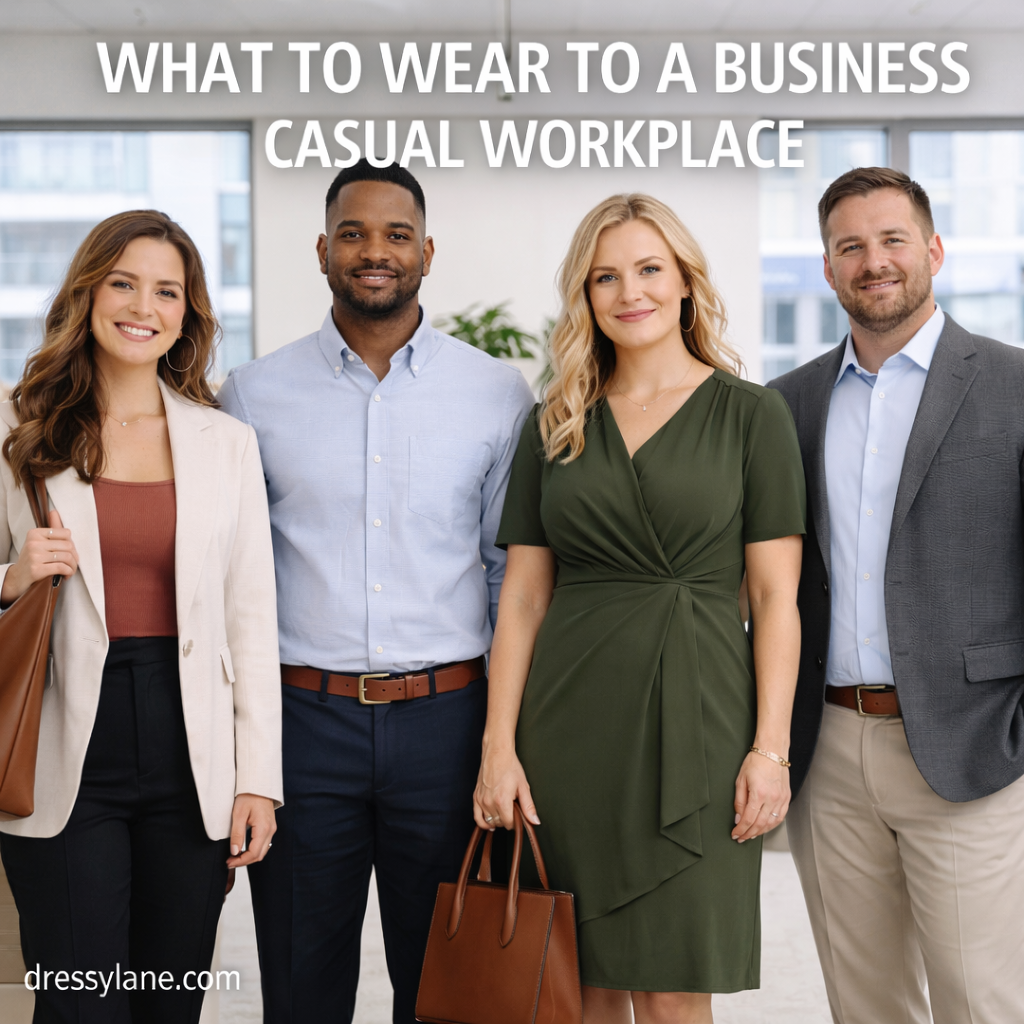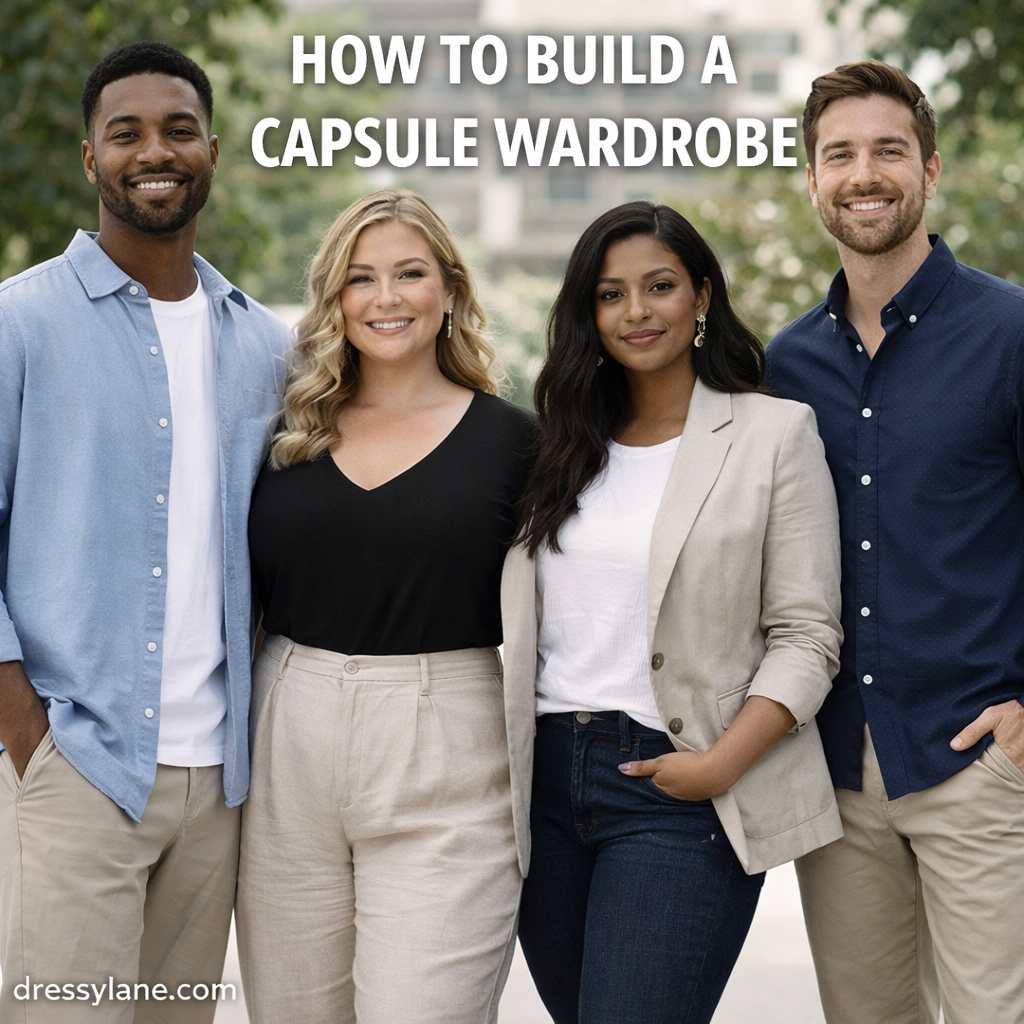
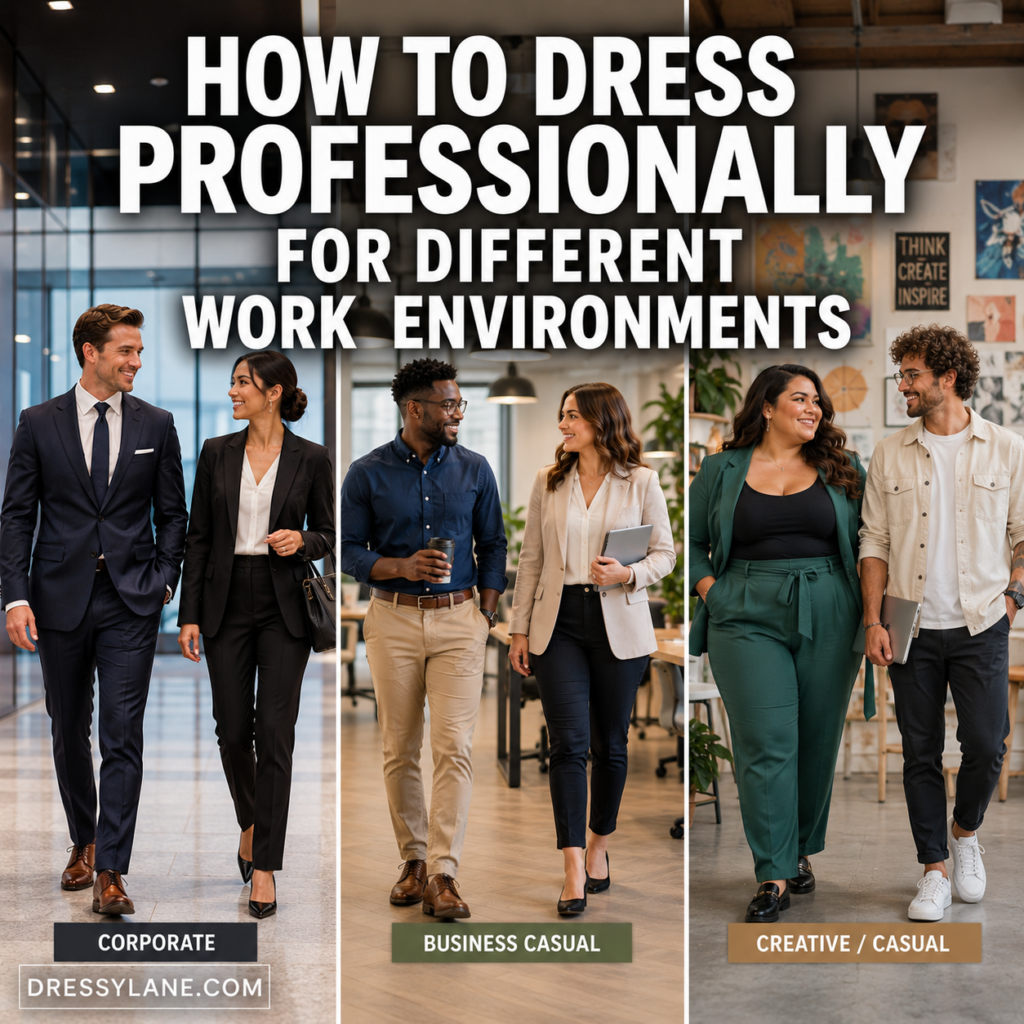
Dressing professionally isn’t one-size-fits-all. A navy suit that looks completely natural in a traditional law office could feel unnecessarily formal at a small design studio. Dark jeans that work perfectly well at a software company may be too casual for a client presentation at a financial firm.
Your job matters, but so do your workplace culture, responsibilities, commute, climate, schedule, and the people you’ll interact with that day.
The most useful approach is not to memorize a long list of clothing rules. Instead, learn how to adjust the formality, comfort, and practicality of your clothes to the environment you’re actually working in.
This guide covers professional dressing across corporate, business-casual, creative, casual, hybrid, remote, client-facing, travel, and changing work environments, with practical advice for both women and men.
Professional Dressing at a Glance
Think about five things before choosing a work outfit:
- Workplace culture: How do people around you actually dress?
- Your role: Are you behind the scenes, managing people, meeting clients, or representing the company publicly?
- Your day: Will you sit, walk, commute, present, travel, or attend an evening event?
- The weather: Are you dealing with heat, rain, cold, or aggressive office air conditioning?
- The stakes: An ordinary desk day and an executive presentation don’t necessarily call for the same outfit.
The goal isn’t to be the best-dressed person in the office. It’s to look like you understand the environment you’re in.
Corporate and Traditional Work Environments
Traditional industries tend to have the clearest expectations.
These may include:
- Law
- Banking
- Finance
- Government
- Consulting
- Insurance
- Executive corporate offices
- Certain sales and client-service roles
The exact dress code varies by employer, but tailored clothing and conservative styling remain common.
Professional Options for Women
Useful pieces include:
- Tailored trousers
- Pantsuits or skirt suits
- Structured blazers
- Midi or knee-length dresses
- Pencil or A-line skirts
- Silk, crepe, or refined cotton blouses
- Fine-gauge knitwear
- Loafers
- Pumps
- Slingbacks
- Polished flats
A charcoal pantsuit with a cream blouse and loafers, for example, looks formal without depending on heels.
Professional Options for Men
Traditional choices include:
- Navy or charcoal suits
- Wool trousers
- Crisp cotton dress shirts
- Conservative ties where expected
- Blazers
- Oxford or derby shoes
- Leather loafers
You don’t always need a suit, however.
In an office where separates are accepted, gray wool trousers, a pale-blue Oxford shirt, navy blazer, and brown leather derbies can look highly professional without being a matching suit.
For a more detailed explanation of where formal clothing ends and business casual begins, see Business Casual vs. Formal: What’s the Difference?.
Business-Casual Work Environments
Business casual gives you considerably more flexibility, but the word business still matters.
Reliable pieces include:
- Chinos
- Tailored trousers
- Midi skirts
- Casual blazers
- Oxford shirts
- Blouses
- Fine-knit sweaters
- Knit polos
- Shirt dresses
- Loafers
- Flats
- Chelsea or ankle boots
For women, straight-leg trousers with a fine-knit top and loafers make an easy everyday combination.
For men, chinos with an Oxford shirt, merino sweater, and leather loafers accomplish the same thing.
A matching suit generally isn’t necessary.
The easiest way to keep business casual from becoming too casual is to combine relaxed pieces with something structured. If you’re wearing chinos, add a crisp shirt. If you’re wearing a soft knit top, combine it with tailored trousers.
Creative, Tech, Startup, and Casual Industries
A casual industry doesn’t mean appearance stops mattering. It means the definition of professional changes.
Design studios, media companies, startups, technology firms, nonprofits, and other creative workplaces may allow:
- Dark jeans
- Casual trousers
- Clean sneakers
- Overshirts
- Knitwear
- Polos
- Relaxed dresses
- More color and pattern
- Contemporary silhouettes
You can usually express more personal style here.
The important distinction is between relaxed and neglected.
Dark straight-leg jeans, a substantial cotton T-shirt, overshirt, and clean leather sneakers can look intentional. A stretched T-shirt, stained jeans, and worn running shoes communicate something different.
Fit, condition, and coordination become especially important when the dress code itself provides fewer rules.
Dressing Professionally When Expectations Are Unclear
Sometimes there isn’t a meaningful dress code at all.
This happens frequently when you’re:
- Starting a new job
- Working at a small company
- Entering an unfamiliar industry
- Visiting another office
- Working with a new client
- Attending an off-site event
Start slightly more polished than you think you’ll eventually need to be.
A removable layer is useful. Wear a blazer, knit jacket, cardigan, or overshirt over an otherwise simple outfit. You can easily remove it once you understand the room.
Also pay attention to the people doing work similar to yours—not just the most formally dressed executive or the most casually dressed employee.
After a week or two, you’ll have a much better idea of the real dress code.
How to Dress When You’re New at Work
Being new creates a similar problem: you haven’t yet learned the unwritten rules.
For the first few days, choose simple combinations that don’t depend heavily on trends:
Women: tailored trousers + blouse or knit top + loafers + optional blazer
Men: chinos or wool trousers + Oxford shirt + loafers or derbies + optional blazer
Then observe.
Are jeans common? Are sneakers normal? Do managers dress differently? Does everyone become more formal when clients visit?
You can relax your wardrobe once you have evidence that it’s appropriate.
How to Dress as Your Role Changes
The appropriate wardrobe for your job can change even when you stay at the same company.
Moving into management, sales, leadership, training, or a client-facing position may increase the amount of time you spend representing the organization.
You don’t need to reinvent yourself overnight.
Instead, upgrade selectively:
- Swap casual chinos for wool trousers on important days
- Add a blazer to outfits you already wear
- Replace worn sneakers with leather loafers
- Introduce a structured dress or jacket
- Keep a formal option available for presentations
If you’re interviewing for that next role, the same principle applies: look like a polished version of yourself rather than suddenly dressing like a different person. Our How to Dress for a Promotion Interview guide covers that situation specifically.
Dressing When You’re Senior vs. Behind the Scenes
Seniority doesn’t automatically require a suit.
A senior designer at a creative studio and a senior attorney may dress very differently.
What changes with seniority is often visibility. Leadership meetings, presentations, recruiting, public events, and client interactions may require more adaptable clothing.
Keep one step-up option available even if your daily wardrobe is relaxed.
Behind-the-scenes employees generally have more flexibility because they have fewer external-facing responsibilities. Comfort can take greater priority, provided your clothes still meet safety and workplace standards.
Don’t dress for a theoretical version of your profession. Dress for what you actually do.
Client-Facing Work Requires Another Calculation
Once clients enter the picture, your company’s internal dress code isn’t the only consideration.
A casual software company may serve conservative financial institutions. A creative agency might pitch executives who dress formally.
For important client interactions, moving approximately one level above your normal office clothing is a useful starting point.
That might mean adding:
- A blazer
- Tailored trousers
- A structured dress
- A crisp shirt
- More polished shoes
The goal isn’t to imitate the client. It’s to reduce unnecessary contrast and keep attention on the work you’re discussing.
See How to Dress for Work When You’re Client-Facing for more specific examples.
How Men Can Look Professional Without a Suit
A suit is useful, but it isn’t the only route to professional menswear.
Try combinations such as:
- Gray wool trousers + Oxford shirt + loafers
- Chinos + knit polo + unstructured blazer
- Dress trousers + merino sweater + collared shirt
- Dark chinos + button-down + leather derbies
Texture helps separates look intentional. Oxford cloth, merino wool, cotton twill, hopsack, brushed cotton, and suede can add interest without looking flashy.
If the workplace is formal enough to require suits, follow that expectation. Otherwise, well-fitted separates often provide more versatility.
How Women Can Look Professional Without Heels
Heels aren’t a requirement for looking professional.
Good alternatives include:
- Leather loafers
- Pointed-toe flats
- Slingback flats
- Low block heels
- Refined ankle boots
- Simple leather oxfords
Pay attention to shape and condition rather than heel height.
A polished loafer with tailored trousers can look considerably more professional than an uncomfortable high heel that makes walking difficult.
This becomes especially important if your job involves commuting, standing, or walking throughout the day.
Dressing Comfortably Without Looking Sloppy
Comfort and professionalism aren’t opposites.
If traditional office clothes bother you, identify what is actually uncomfortable.
If a rigid waistband digs in while you’re sitting, look for wool-blend or ponte trousers with stretch or discreet elastic.
If stiff shirts restrict your shoulders, try:
- Knit polos
- Fine-gauge sweaters
- Soft cotton shirts
- Viscose or crepe blouses
If structured blazers feel restrictive, try an unstructured jacket or knit blazer.
The visual difference between comfortable and sloppy usually comes from silhouette and condition—not whether a garment feels soft.
For more alternatives, see How to Dress for Work When You Hate Office Clothes.
What to Wear When You Sit All Day
Desk workers should pay particular attention to waistbands, fabric recovery, and wrinkling.
Look for:
- Trousers with 2–5% elastane
- Ponte knit
- Wool blends
- Stretch cotton
- Soft waist construction
- Jackets with enough room through the shoulders
Before buying trousers for desk work, sit down in the fitting room.
I’ve found this simple test catches more bad workwear purchases than inspecting yourself standing in a mirror. A waistband can look perfect standing and become unbearable after three hours at a desk.
What to Wear When You Walk or Stand a Lot
Build the outfit from the shoes upward.
Good options include supportive:
- Loafers
- Leather sneakers where permitted
- Low boots
- Flats
- Oxfords
- Derbies
Avoid saving uncomfortable shoes for a workday just because they “look professional.”
Trousers with a little stretch and skirts that allow a natural stride also matter when you’re moving between buildings, working an event, or spending hours on your feet.
What to Wear for a Long Commute or Long Workday
Long days require clothes that still feel reasonable at 6 p.m.
Prioritize:
- Breathable base layers
- Wrinkle-resistant trousers
- Shoes you can genuinely walk in
- Stretch where you need movement
- Removable layers
- A bag that doesn’t overload one shoulder
For public transit or walking commutes, you can also commute in practical footwear and change shoes at work if your office requires something dressier.
A long workday isn’t the right time to experiment with a new pair of shoes.
Dressing for Hybrid Workdays
Hybrid days may involve a home video call in the morning, a commute, several hours in the office, and dinner afterward.
Versatility matters more than maximum formality.
Try:
Women: tailored trousers + knit top + blazer + loafers
Men: chinos + Oxford shirt + merino layer + loafers
The outfit is comfortable enough for sitting at home but presentable enough to walk into an office.
Choose layers that look finished both on and off. That way removing a blazer doesn’t leave you with an undershirt that was never intended to be seen.
Dressing Professionally While Working From Home
You don’t need office-level formality for most remote work.
You do, however, want clothing that helps you transition mentally into the workday and leaves you ready for unexpected video calls.
A practical remote uniform might be:
- Knit polo + comfortable trousers
- Fine-gauge sweater + stretch pants
- Simple blouse + relaxed trousers
- Clean substantial T-shirt + cardigan
Unless your work requires it, there is little reason to wear formal shoes around the house.
The goal is a middle ground between a suit and pajamas.
How to Dress Across Seasons
Your dress code doesn’t disappear when the temperature changes.
Instead, change fabric weight and layering.
Spring
Use:
- Cotton poplin
- Lightweight merino
- Cotton twill
- Light trench coats
- Unlined blazers
Prepare for changing temperatures with removable layers.
Summer and Extreme Heat
Choose:
- Tropical-weight wool
- Linen blends
- Cotton poplin
- Seersucker where appropriate
- Lightweight crepe
- Breathable viscose blends
Relaxed silhouettes allow better airflow than very tight clothing.
Pure linen is excellent in heat but wrinkles quickly. A linen-cotton or linen-viscose blend can be easier for office wear.
Keep a lightweight cardigan or blazer at work if the building is heavily air-conditioned.
Fall
This is an easy season for layering:
- Merino sweaters
- Wool trousers
- Overshirts
- Blazers
- Lightweight coats
- Loafers and ankle boots
Winter
Add warmth through:
- Wool flannel
- Merino
- Cashmere blends
- Ponte
- Tweed
- Heavier wool suiting
Don’t rely on one extremely heavy indoor garment. Several lighter layers give you more control as you move between outdoors, transportation, and heated buildings.
See How to Dress for Seasonal Comfort at Work for a deeper seasonal breakdown.
How to Dress for Work While Traveling
Business travel rewards repetition.
Instead of packing individual outfits, build a small capsule around interchangeable pieces.
For example:
- 2 trousers
- 3 tops or shirts
- 1 blazer
- 1 sweater
- 1 primary pair of professional shoes
- 1 casual or walking shoe
Choose a consistent palette—navy, gray, cream, brown, and pale blue, for example—so nearly everything coordinates.
Wool is particularly useful for travel because quality wool trousers and jackets resist odors and recover from wrinkles better than many people expect.
For the travel day itself, wear the bulkiest layer and shoes rather than filling your suitcase with them.
This same approach works for general travel outfits: build around repeatable layers rather than packing a different look for every possible situation.
How to Build Work Outfits That Repeat Well
Nobody needs 20 completely different office outfits.
Repetition becomes less noticeable when you repeat foundation pieces and change the surrounding combination.
For example, one pair of charcoal trousers can work with:
- White shirt + loafers
- Blue blouse + cardigan
- Merino sweater + boots
- Knit polo + blazer
Neutral bottoms, simple shoes, and versatile outer layers usually deserve more wardrobe space than highly distinctive pieces that only work one way.
Build a Reliable Work Uniform
A work uniform doesn’t have to mean wearing identical clothing every day.
It can simply be a formula.
Examples:
Women: trousers + knit/blouse + optional blazer + loafers
Men: chinos/wool trousers + collared shirt/knit polo + optional jacket + leather shoes
Once you know the proportions and fabrics you like, you can vary color and texture without reinventing the outfit each morning.
This is particularly helpful if choosing clothes causes unnecessary stress.
Dressing for Work With Minimal Pieces or Limited Closet Space
A compact wardrobe can still cover most professional situations.
Start with versatile pieces such as:
- 2–3 trousers
- 4–5 shirts, blouses, or knit tops
- 1 blazer
- 1 cardigan or sweater
- 1 professional dress or additional trouser option
- 2 pairs of work shoes
Choose pieces that work with at least two or three other items you own.
A small closet actually benefits from consistency. If everything coordinates, 10 useful garments can create far more practical outfits than 30 unrelated ones.
How to Dress for Work Without Buying New Clothes
Before shopping, look at what you already own differently.
A plain crew-neck sweater may become work-appropriate with tailored trousers and loafers. A casual button-down may look sharper tucked into trousers with a belt.
Also check:
- Fit
- Wrinkles
- Missing buttons
- Trouser hems
- Shoe condition
- Pilling
- Stains
Sometimes tailoring a pair of trousers or polishing your shoes improves your work wardrobe more than buying another shirt.
Don’t automatically respond to a new job by replacing your entire closet.
Dressing to Blend In—or Stand Out Subtly
There are situations where you may intentionally want to blend into the workplace.
Use the dominant level of formality, familiar silhouettes, and restrained colors. You don’t need to copy coworkers exactly; simply avoid making your clothing the loudest thing in the room.
If you’d rather stand out subtly, change one controlled element:
- An interesting watch
- A textured blazer
- Burgundy loafers
- A patterned blouse
- A rich but restrained color
- Distinctive glasses
- A simple piece of jewelry
One memorable detail usually looks more sophisticated than combining several attention-grabbing elements.
How to Dress Confidently at Work
Confidence isn’t produced by a particular jacket.
Work clothes support confidence when you aren’t constantly thinking about them.
That means:
- Nothing needs continual adjustment
- Your shoes don’t hurt
- You can sit comfortably
- You know the outfit suits the environment
- You aren’t worried about transparency, gaps, wrinkles, or fit
A reliable outfit you’ve worn five times can be far more useful on an important day than a new “power outfit” you’re unsure about.
Transitioning a Work Outfit From Day to Night
Sometimes your workday ends with a restaurant, reception, networking event, or party.
Rather than bringing a completely different outfit, change a few elements.
You might:
- Remove a tie
- Swap a work tote for a smaller bag
- Change shoes
- Add jewelry
- Replace a cardigan with a blazer
- Change from an office shirt into a dressier top
- Add a sport coat
If the evening is still professionally connected, don’t shift so far into nightlife clothing that the outfit feels disconnected from the event.
For a work-related meal, see What to Wear to a Business Dinner. For professional mixers and receptions, see What to Wear to a Networking Event.
For a purely social party after work, shoes should match the venue and activity: loafers, boots, flats, block heels, dress shoes, or clean elevated sneakers can all work depending on the dress code. Comfort matters if you’ll be standing for several hours.
A Simple Professional Wardrobe Strategy
If you want work dressing to require less thought, build around three levels.
Level 1: Everyday
Your normal office uniform.
Examples: chinos, knitwear, trousers, blouse, polo, flats, loafers.
Level 2: Polished
For presentations, clients, leadership meetings, networking, or important conversations.
Add a blazer, sharper trousers, structured dress, crisp shirt, or dressier shoes.
Level 3: Formal
For workplaces and occasions where traditional professional attire is appropriate.
Think suits, coordinated tailoring, dress shirts, refined blouses, and formal footwear.
This system is much easier than trying to assign a unique outfit to every possible professional situation.
For occasions outside the workplace, How to Dress for Different Occasions: Complete Guide applies the same idea more broadly.
Frequently Asked Questions
How do I avoid looking too casual at work?
Add one structured element. Tailored trousers, a blazer, collared shirt, polished leather shoe, or structured bag can make an otherwise simple outfit feel intentional. Avoid relying on several casual elements at once.
What should I wear when comfort matters most?
Start with comfortable trousers, breathable fabrics, and supportive shoes. Ponte, stretch wool, merino, cotton blends, and fine knits are particularly useful because they can feel comfortable without resembling loungewear.
What should I wear if I sit all day?
Prioritize forgiving waistbands, stretch, wrinkle recovery, and comfortable shoes. Always test trousers while sitting before buying them.
What if I walk a lot for work?
Choose your shoes first. Supportive loafers, boots, oxfords, flats, or workplace-appropriate sneakers are better than designing an outfit around shoes you can’t comfortably walk in.
How should I dress for an extremely hot workplace commute?
Use breathable cotton, linen blends, tropical wool, seersucker, or lightweight crepe. Keep your outer layer in a bag or at the office rather than wearing a blazer throughout a hot commute.
What should I wear for a long workday?
Choose clothes you’ve already tested for several hours. Avoid new shoes, restrictive waistbands, fabrics that wrinkle badly, and garments that need constant adjustment.
How do I make work clothes less stressful?
Create two or three outfit formulas and repeat them. Knowing that your gray trousers work with four tops is more useful than owning four additional outfits you rarely wear.
Can men look professional without wearing suits?
Yes, where the dress code permits it. Wool trousers, chinos, Oxford shirts, knit polos, blazers, loafers, and derbies can create polished professional outfits without a matching suit.
Do women need heels to look professional?
No. Loafers, flats, low boots, oxfords, slingbacks, and low block heels can all look professional. Condition and design matter more than heel height.
How do I dress when my job changes?
Observe people already performing the new role. If it involves more leadership, presentations, or client contact, add a few more polished pieces rather than replacing your entire wardrobe.
What should I wear if I work behind the scenes?
Follow your employer’s dress and safety requirements, then prioritize practicality. Employees without regular client or public interaction often have more room for comfortable, casual professional clothing.
What should I wear when working from home?
Choose comfortable clothing that still makes you feel ready to work: knit polos, sweaters, simple blouses, clean T-shirts, cardigans, and comfortable trousers work well. Keep an easy polished layer nearby for video meetings.
How do I dress for a hybrid workday?
Choose clothes comfortable enough for home but polished enough for the office. Stretch trousers, knit tops, collared shirts, loafers, and removable jackets are particularly useful.
What if I have very little closet space?
Prioritize interchangeable pieces over variety. Two good trousers, several tops, a jacket, knitwear, and two pairs of shoes can cover a surprising number of work situations.
How do I dress professionally without buying anything new?
Start by combining your existing pieces differently, then improve presentation. Iron or steam clothing, polish shoes, remove pilling, repair buttons, and tailor poorly fitting staples before shopping.
What should I wear if I go directly from work to an evening event?
Build the daytime outfit around a foundation that already works for the evening, then change one or two pieces such as shoes, jewelry, jacket, bag, tie, or shirt.
Final Thoughts
Dressing professionally is less about following one universal dress code and more about understanding context.
A traditional corporate office may call for wool trousers, structured tailoring, dress shirts, blouses, and polished leather shoes. A creative studio may allow denim and sneakers. Remote work may require little more than comfortable, presentable clothing and a good layer for video meetings.
Your responsibilities matter too. Client meetings, promotion interviews, leadership roles, networking events, travel, long commutes, and evening functions can all justify adjusting your everyday uniform.
The most practical work wardrobe is therefore not necessarily the largest or most formal one. It’s the wardrobe that can move up or down one level when your day changes.
Start with comfortable pieces that fit properly. Choose fabrics suited to your climate and routine. Keep a few polished options for higher-stakes situations. And pay attention to what successful people actually wear in your particular environment rather than dressing for a generic idea of what “professional” is supposed to look like.
Once you understand that, professional dressing becomes much simpler.