Getting dressed for work becomes tricky when the temperature outside has little in common with the temperature inside your office. You might leave home on a chilly morning, walk through afternoon heat, and spend eight hours beneath an air-conditioning vent.
The solution isn’t to maintain four completely separate work wardrobes. It’s to choose fabrics that suit the weather, build outfits around removable layers, and keep a few reliable pieces available for unpredictable temperatures.
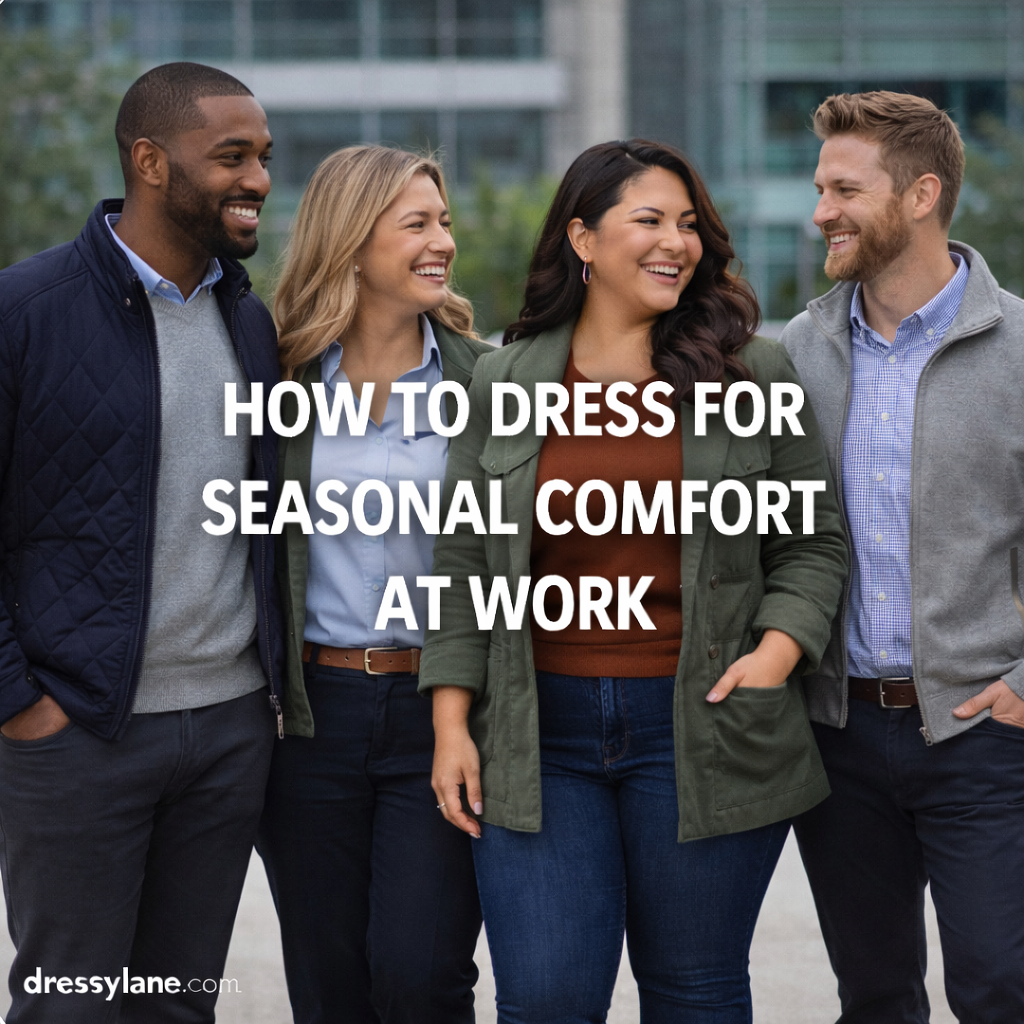
Here’s how to dress for seasonal comfort at work without sacrificing a polished appearance.
Start With the Temperature Inside Your Office
Before planning an outfit around the weather forecast, consider where you’ll spend most of your day.
If your office runs cold year-round, a sleeveless blouse might be uncomfortable even in August. If your building has unreliable heating, a thick winter coat won’t help much once you’re sitting at your desk.
I recommend keeping one neutral cardigan or lightweight blazer at work rather than carrying extra layers back and forth every day.
A navy merino cardigan, for example, works over a cotton shirt, fine-knit top, or simple dress without looking out of place in a business casual office.
The important detail is choosing a layer that looks good both on and off. Your outfit should still feel complete when you remove it.
Choose Fabrics That Work With the Weather
Fabric weight and construction matter just as much as the season printed on a clothing label.
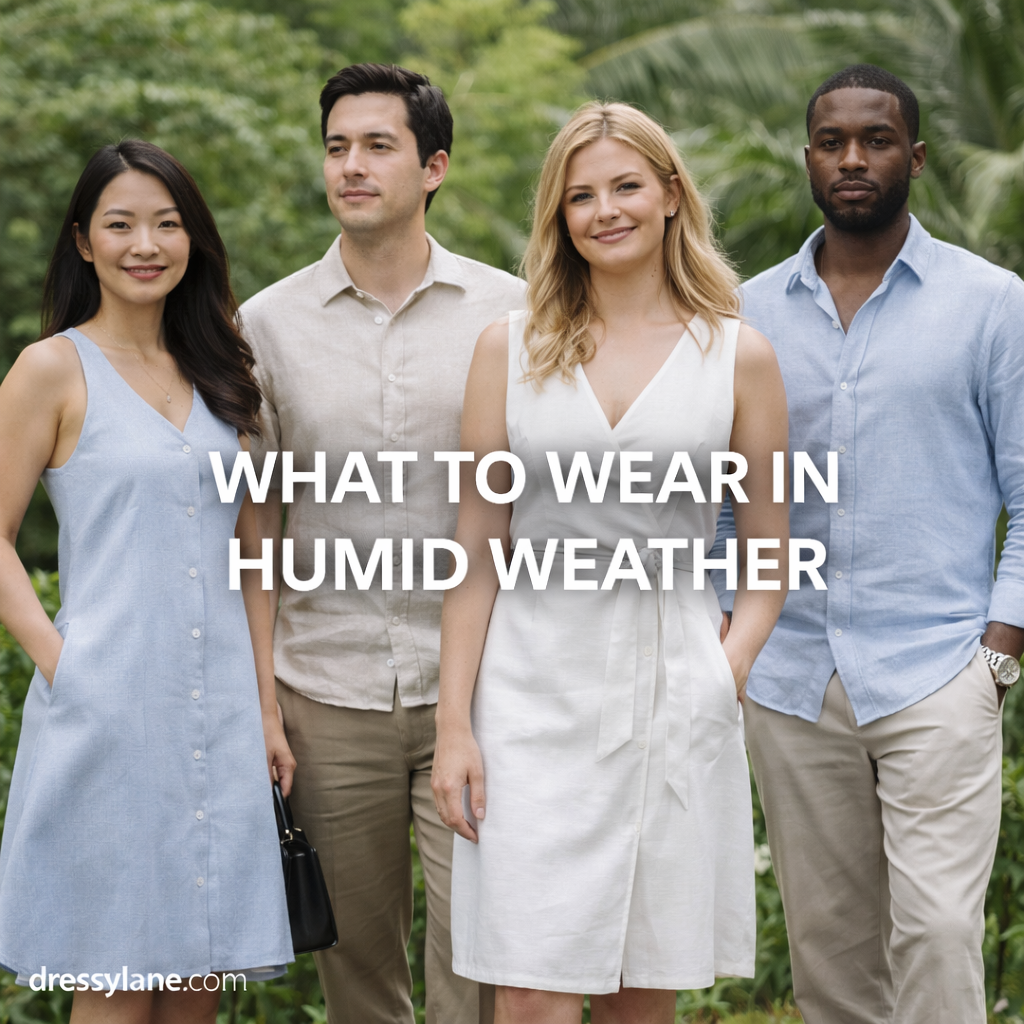
For warmer weather, lightweight cotton poplin, linen blends, and breathable woven fabrics are useful choices. Linen allows airflow but wrinkles easily, so a linen-cotton blend may be more practical for long office days.
In cooler weather, fine-gauge merino wool, wool-blend trousers, and substantial cotton knits provide warmth without requiring bulky layers.
Ponte fabric is another useful option for structured dresses and trousers, although thicker synthetic versions can feel warm in poorly ventilated offices.
Be cautious with polyester-heavy shirts during hot weather. Some lightweight performance fabrics manage moisture effectively, but tightly woven polyester blouses can trap heat and become uncomfortable during a long commute.
My preference is to choose a lighter base outfit and add warmth through removable layers. It’s much easier to take off a cardigan than to spend the afternoon overheating in a thick sweater.
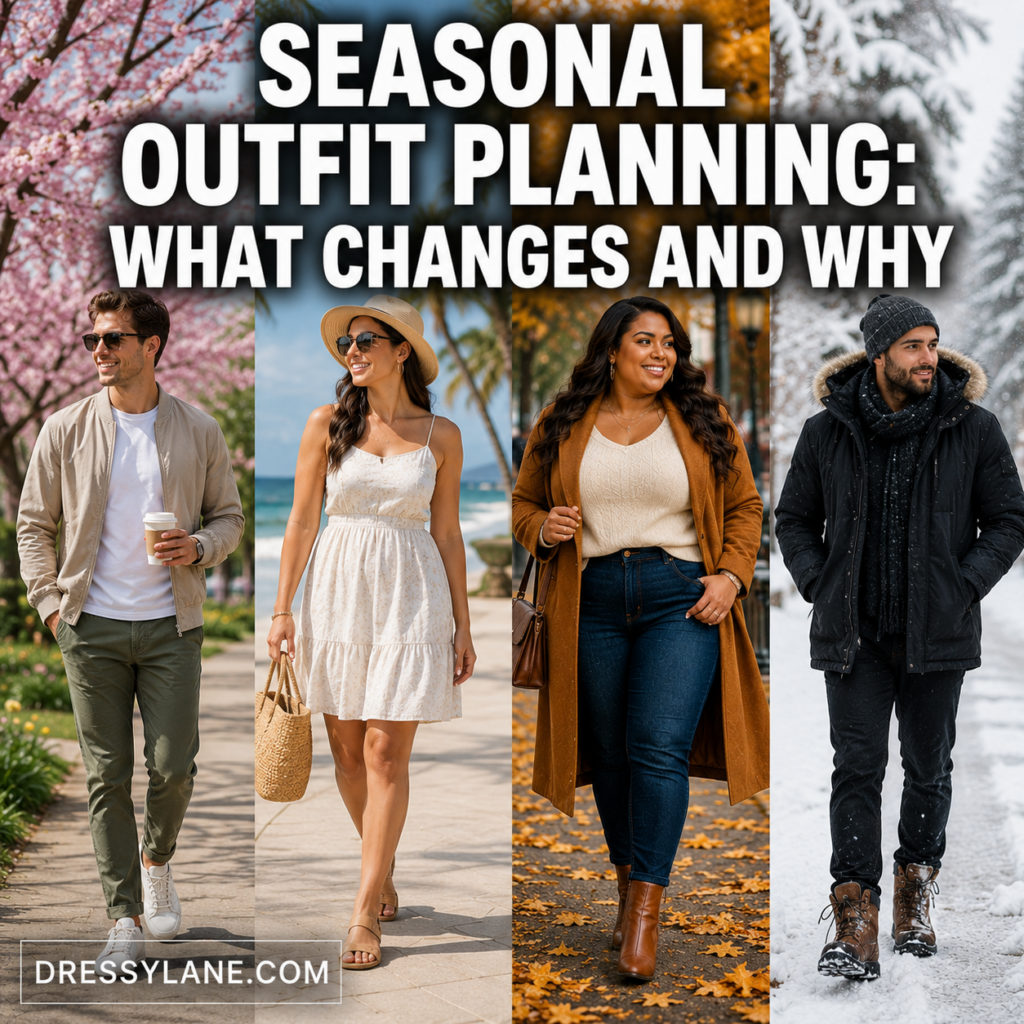
How to Dress for Seasonal Comfort in Spring
Spring is the season when your morning outfit can feel completely wrong by lunchtime.
Instead of wearing a heavy sweater beneath a winter coat, try a cotton button-down shirt, lightweight blazer, and straight-leg trousers.
A fine-gauge cardigan is another practical middle layer, particularly if your office is cooler than the afternoon temperature outside.
For women, a midi dress with a cropped jacket and loafers provides coverage during cool mornings without feeling too heavy later.
For men, an Oxford shirt with cotton chinos and an unstructured blazer works well for changing temperatures.
Keep a compact umbrella and water-resistant outer layer available if spring rain is common in your area.
How to Dress for Seasonal Comfort in Summer
Summer workwear should allow airflow while still meeting your workplace’s dress code.
Choose slightly relaxed silhouettes rather than clothing that fits tightly against your skin.
Good options include:
- Lightweight cotton poplin shirts with tailored trousers.
- Linen-blend wide-leg pants with a structured sleeveless blouse.
- Unlined blazers over breathable shirts.
- Cotton or tropical-wool trousers with a short-sleeve knit polo.
For women, a loose-fitting midi dress can be particularly comfortable during hot commutes. Add a cardigan or blazer if your office has strong air conditioning.
For men, lightweight wool trousers are worth considering even in summer. Tropical-wool fabrics are designed with an open weave that can feel more breathable than heavy cotton chinos.
I’d avoid relying on a thick polyester blazer as your summer office layer. An unlined cotton or lightweight wool-blend jacket is often more comfortable when moving between indoor and outdoor temperatures.
Choose shoes that suit both the weather and your commute. Breathable leather loafers or professional flats can be more practical than heavy boots on particularly hot days.
How to Dress for Seasonal Comfort in Fall
Fall is a good time to introduce texture without immediately switching to heavy winter clothing.
Start with a long-sleeve shirt or lightweight knit, then add a blazer, cardigan, or structured jacket.
For example, charcoal wool-blend trousers, a cream merino sweater, and brown leather loafers create a comfortable business casual outfit.
Women can pair a fine-knit top with a midi skirt, tights when needed, and ankle boots.
Men can wear a cotton Oxford shirt beneath a lightweight crew-neck sweater, removing the sweater if the office becomes warm.
Avoid piling on several thick layers too early in the season. A single removable knit is usually more practical than a heavy sweater beneath a lined blazer.
How to Dress for Seasonal Comfort in Winter
Winter workwear needs to keep you warm during the commute without leaving you overheated indoors.
The most useful approach is to separate your outdoor clothing from your office outfit.
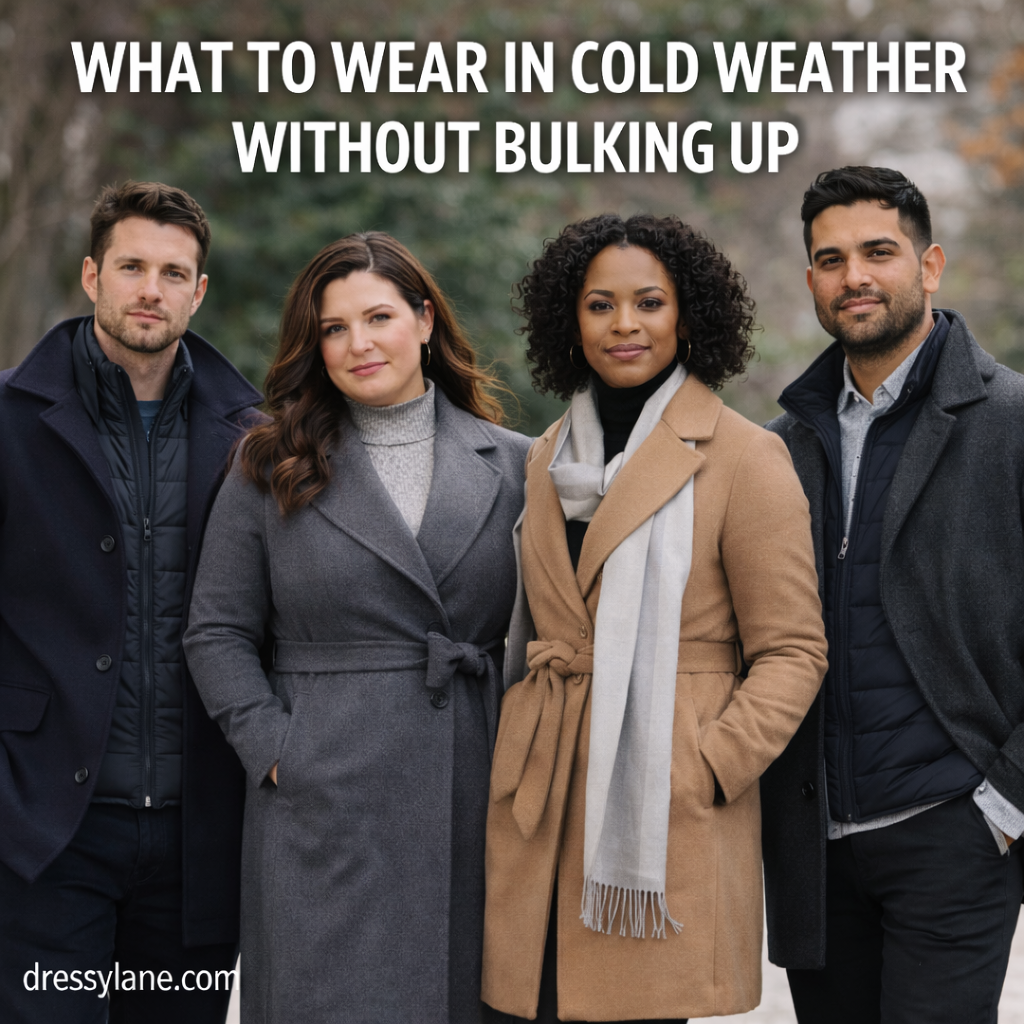
Wear a wool coat, insulated jacket, or weather-resistant outer layer for commuting, then remove it once you reach your desk.
Underneath, choose a combination such as a fine-gauge merino sweater, wool-blend trousers, and a structured blazer.
For women, a long-sleeve knit dress with tights and ankle boots can provide warmth without requiring several bulky layers.
For men, a thin merino sweater over a dress shirt adds insulation while fitting comfortably beneath a blazer.
If you walk or use public transportation, consider thermal base layers made from lightweight merino wool or moisture-managing fabric. Choose thin versions that won’t create uncomfortable bulk beneath tailored clothing.
Keep indoor footwear in mind, too. Waterproof commuting boots are useful in snow and rain, but changing into clean office shoes can be more comfortable for the rest of the day.
Seasonal Comfort Tips for Women at Work
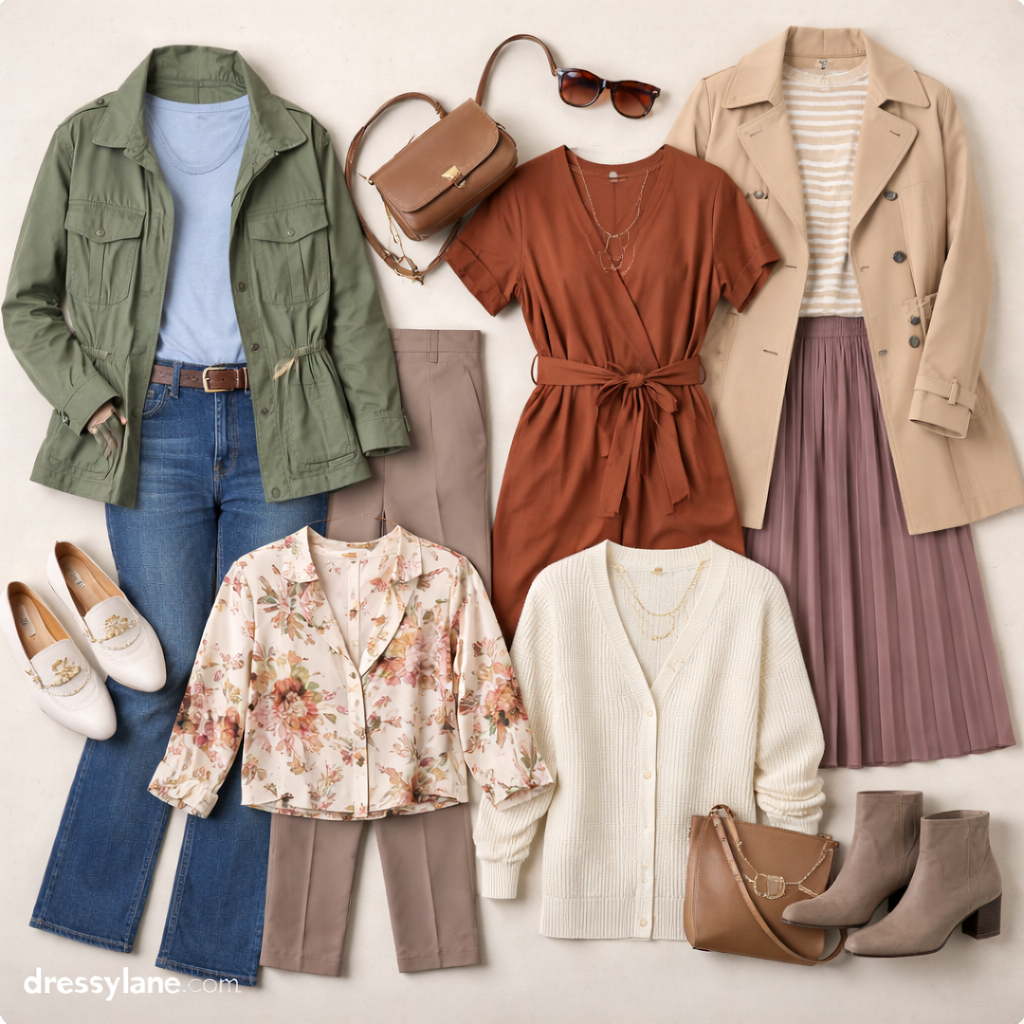
Women’s workwear offers several ways to adjust to changing temperatures without completely changing your outfit.
I’d prioritize versatile pieces that work across multiple seasons, particularly lightweight blazers, breathable blouses, and trousers that can accommodate different layers.
A few practical options include:
- Spring: Pair a cotton blouse with straight-leg trousers and a lightweight cardigan. Add a trench coat for unpredictable weather.
- Summer: Choose a linen-blend midi dress or wide-leg cotton trousers with a breathable blouse. Keep an unlined blazer at your desk for air-conditioned offices.
- Fall: Layer a fine-gauge merino sweater over tailored trousers or pair a midi skirt with tights and ankle boots.
- Winter: Wear a knit dress with opaque tights, leather ankle boots, and a wool coat for commuting.
Pay attention to fabric thickness and fit. Ponte-knit trousers can be comfortable during cooler months, but heavier versions may feel too warm in summer.
I’d also avoid relying on sleeveless dresses without having a coordinating layer available. A lightweight cardigan or blazer makes them much more practical when office temperatures fluctuate.
Choose footwear based on your commute as well as your dress code. Comfortable loafers and flats work well in warmer weather, while water-resistant ankle boots are useful during colder, wetter months.
Seasonal Comfort Tips for Men at Work
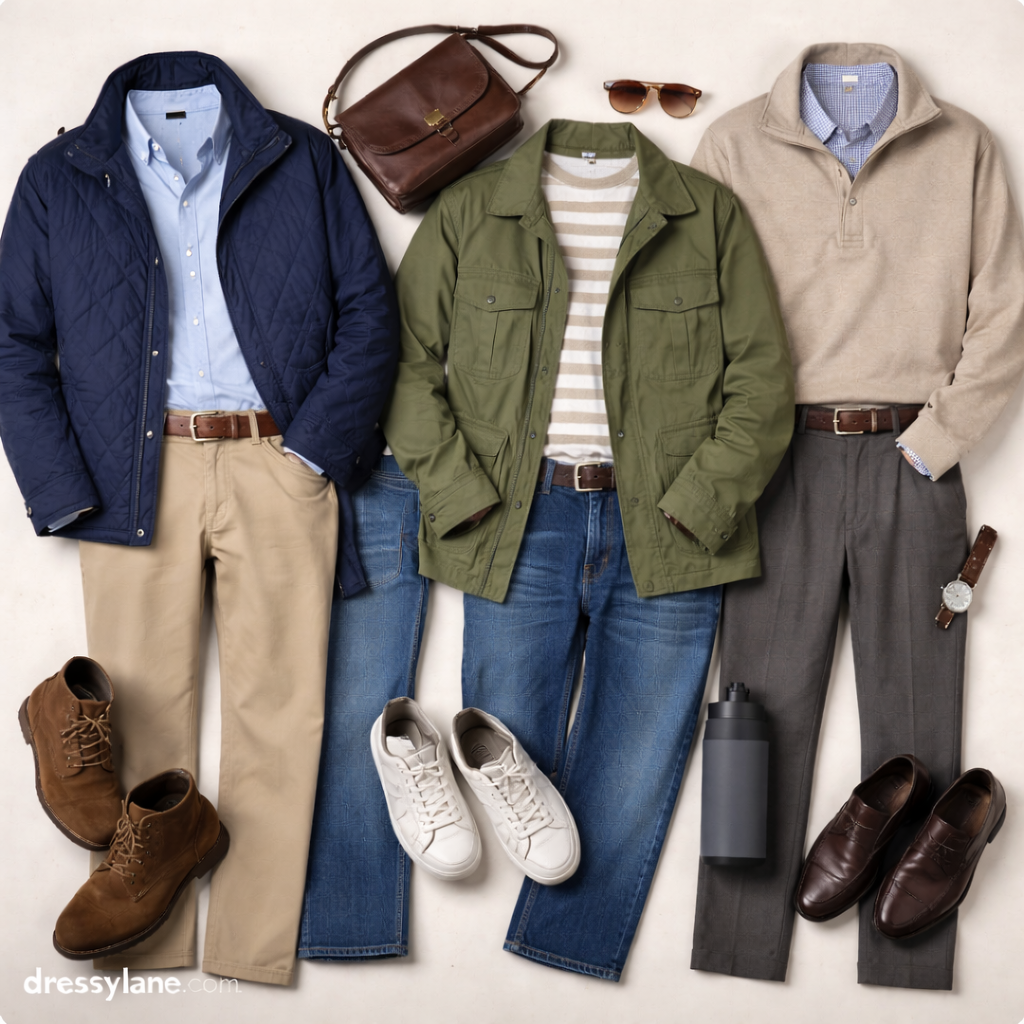
For men, seasonal comfort often comes down to choosing the right fabric weight and avoiding unnecessary layers.
A few well-selected shirts, trousers, and jackets can cover most of the year without requiring a completely different wardrobe each season.
Consider these combinations:
- Spring: Wear a cotton Oxford shirt with chinos and an unstructured blazer. Add a lightweight rain jacket for commuting.
- Summer: Choose a breathable cotton shirt or fine-knit polo with tropical-wool trousers. An unlined blazer provides a professional layer when needed.
- Fall: Pair a button-down shirt with a fine-gauge merino sweater, tailored trousers, and leather loafers.
- Winter: Layer a thin merino sweater over a dress shirt, add wool-blend trousers, and wear an insulated coat outdoors.
I’d skip heavy, fully lined suit jackets during summer unless your workplace requires formal business attire. An unstructured jacket made from lightweight wool or a breathable cotton blend is often more comfortable.
Trouser fabric matters, too. Heavy chinos can feel uncomfortable during hot commutes, while lightweight wool trousers may provide better airflow.
For winter, keep your heaviest insulation in your outerwear rather than wearing several thick layers indoors. A wool coat over a lightweight sweater and blazer makes it easier to adjust once you reach the office.
Finally, choose shoes that suit the conditions. Leather loafers and dress shoes work well in dry weather, while water-resistant boots are more practical for rainy or snowy commutes.
Keep a Small Office Comfort Kit
One of the simplest ways to handle unpredictable office temperatures is to leave a few useful items at work.
Consider keeping a neutral cardigan, spare socks, and a compact umbrella in your desk or locker.
If your commute involves rain or snow, a spare pair of office shoes can save you from spending the day in damp footwear.
For particularly cold offices, a lightweight scarf is easier to store than an additional jacket and can provide warmth without changing your entire outfit.
These small preparations are often more useful than buying a completely new seasonal wardrobe.
Common Seasonal Dressing Mistakes to Avoid
Even a well-planned outfit can become uncomfortable if it doesn’t account for changing temperatures.
A few mistakes worth avoiding include:
- Dressing only for the outdoor forecast: Consider the temperature inside your workplace, especially if the building uses strong air conditioning or heating.
- Wearing too many thick layers: Several bulky garments can restrict movement and make it difficult to cool down indoors.
- Choosing the wrong fabric weight: Heavy cotton trousers and thick synthetic blazers may feel uncomfortable during summer commutes.
- Ignoring footwear: Shoes that work in dry weather may not provide enough protection during rain or snow.
- Wearing an outfit that depends on every layer: Make sure your base outfit still looks appropriate when you remove your jacket or cardigan.
Before leaving home, consider whether you’ll be comfortable wearing the same outfit during your commute, at your desk, and in a meeting.
If the answer is no, adjusting one layer or changing your footwear may be all that’s necessary.
Final Thoughts
Dressing for seasonal comfort at work comes down to understanding two environments: the weather outside and the temperature where you actually work.
Choose breathable fabrics for your base outfit, add layers you can remove easily, and use appropriate outerwear for your commute.
You don’t need to sacrifice professional style to stay comfortable. A well-fitting pair of trousers, a lightweight knit, and a versatile blazer can carry you through much of the year with only a few seasonal adjustments.
The most practical work wardrobe is one that lets you move between changing temperatures without having to think about your clothing all day.