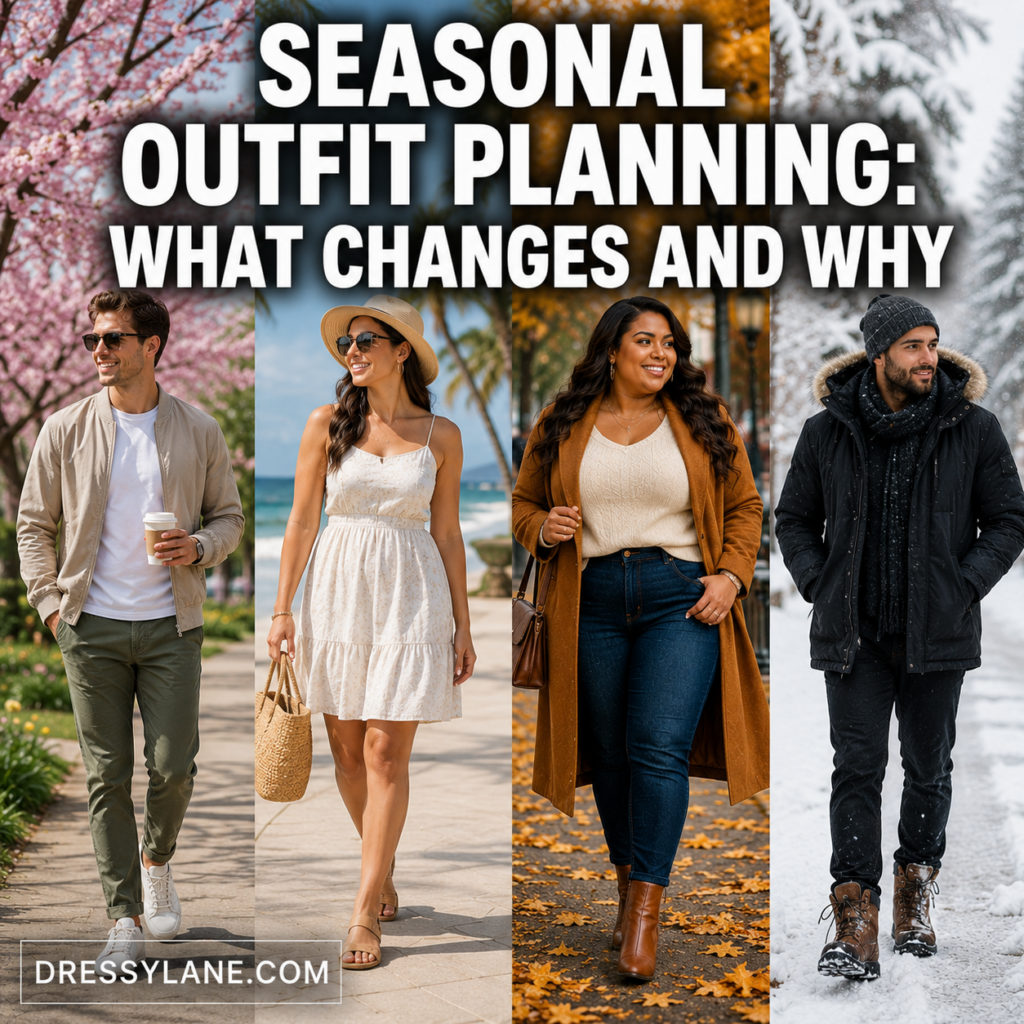
Seasonal Outfit Planning: What Changes and Why

Men and women wearing seasonal outfits for spring, summer, fall, and winter weather conditions throughout the year.
Seasonal outfit planning ideas for dressing comfortably and stylishly year-round. dressylane.com

Getting dressed for the seasons involves more than pulling out shorts in summer and coats in winter. Temperature matters, but so do humidity, wind, rain, changing daylight, indoor heating and air conditioning, and how much the weather can change between morning and evening.

A good seasonal wardrobe responds to those conditions without requiring an entirely different closet every three months.

The key is understanding what actually needs to change: fabric weight, layering, footwear, outerwear, coverage, and sometimes color or texture. Once you understand those variables, seasonal outfit planning becomes much simpler.

This guide explains how to adjust your clothes throughout the year, what works during transitional weather, how to plan for specific conditions, and how to build outfits that remain practical without losing your personal style.

Continue reading “Seasonal Outfit Planning: What Changes and Why”
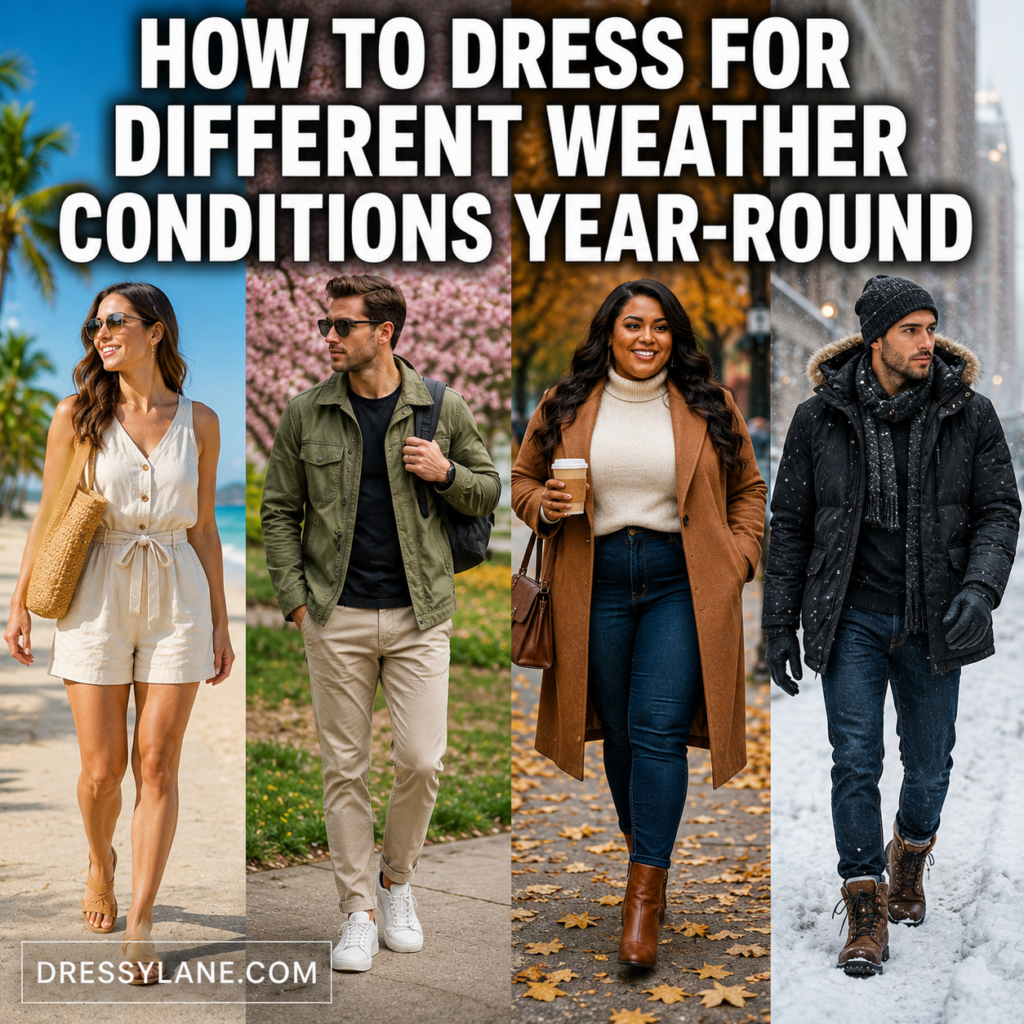
How to Dress for Different Weather Conditions Year-Round

Men and women wearing stylish outfits for summer, spring, fall, and winter weather conditions throughout the year.
Seasonal outfit ideas for dressing comfortably and practically in every type of weather. dressylane.com

Knowing how to dress for the weather sounds simple until the forecast says 48°F in the morning, 70°F in the afternoon, windy after sunset, and a chance of rain somewhere in between.

Real-world weather rarely fits neatly into “summer clothes” or “winter clothes.” Temperature changes throughout the day. Humidity can make mild temperatures feel hot. Wind can make a cool day feel much colder. Indoor heating and air conditioning create another set of conditions entirely.

The solution isn’t owning a separate wardrobe for every possible forecast. It’s learning how to adjust a relatively versatile wardrobe using fabric, layers, coverage, footwear, and outerwear.

This guide covers dressing for heat, cold, rain, wind, humidity, rapidly changing forecasts, seasonal transitions, long days, evenings, walking, events, and the many situations where the weather doesn’t cooperate with your plans.

Continue reading “How to Dress for Different Weather Conditions Year-Round”

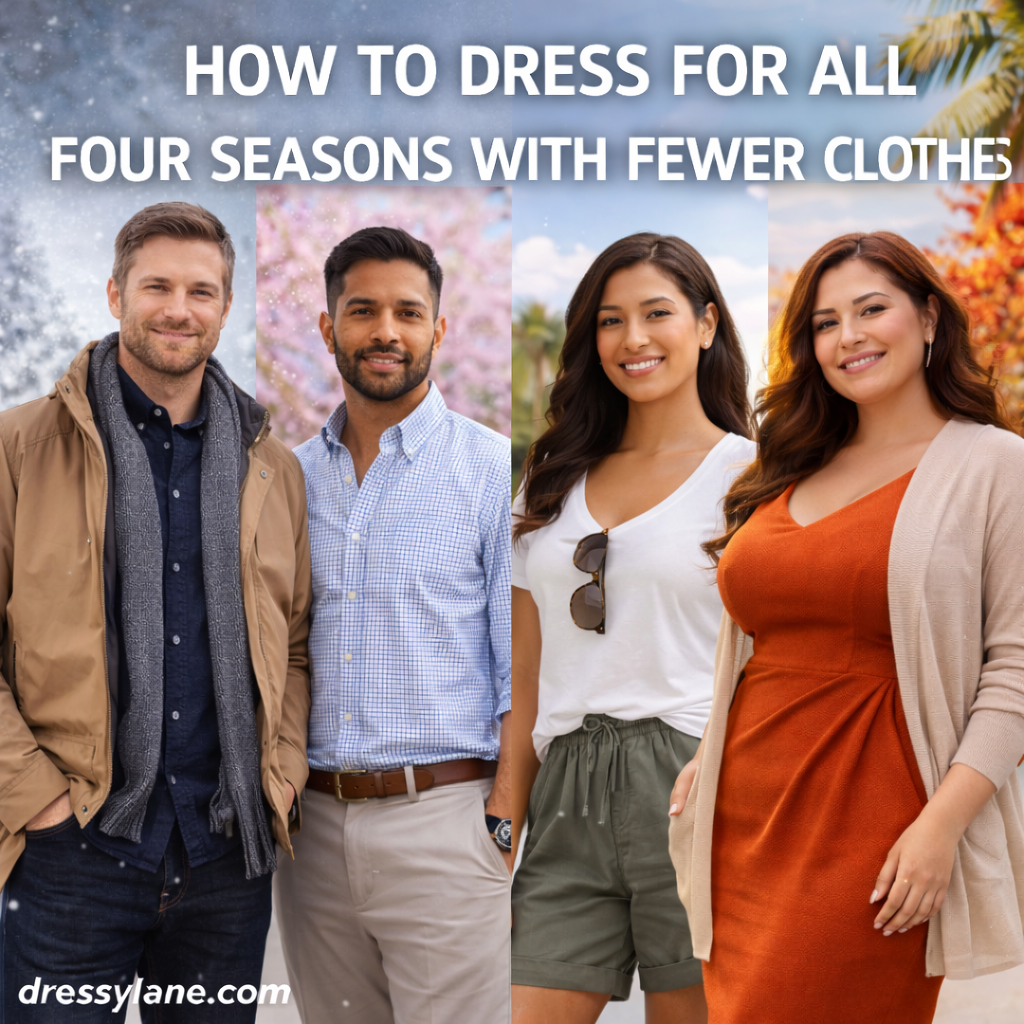
How to Dress for All Four Seasons With Fewer Clothes

A diverse group of men and women wearing versatile outfits suitable for winter, spring, summer, and fall, illustrating how to dress for all four seasons with fewer clothes.
Men and women styled in adaptable outfits that transition across all four seasons using fewer wardrobe pieces.

Building a wardrobe that works year-round doesn’t mean you need four separate wardrobes. Most people can get far more mileage from their clothes by choosing pieces that handle temperature changes well and can be layered without becoming bulky.

The trick is to stop thinking of clothes as strictly “summer” or “winter” pieces. A cotton button-down, lightweight merino sweater, straight-leg trousers, or simple midi dress can work for much of the year. What changes from season to season is usually what you wear underneath or over it.

If you want to dress for all four seasons with fewer clothes, versatility matters much more than the number of pieces hanging in your closet.

Continue reading “How to Dress for All Four Seasons With Fewer Clothes”

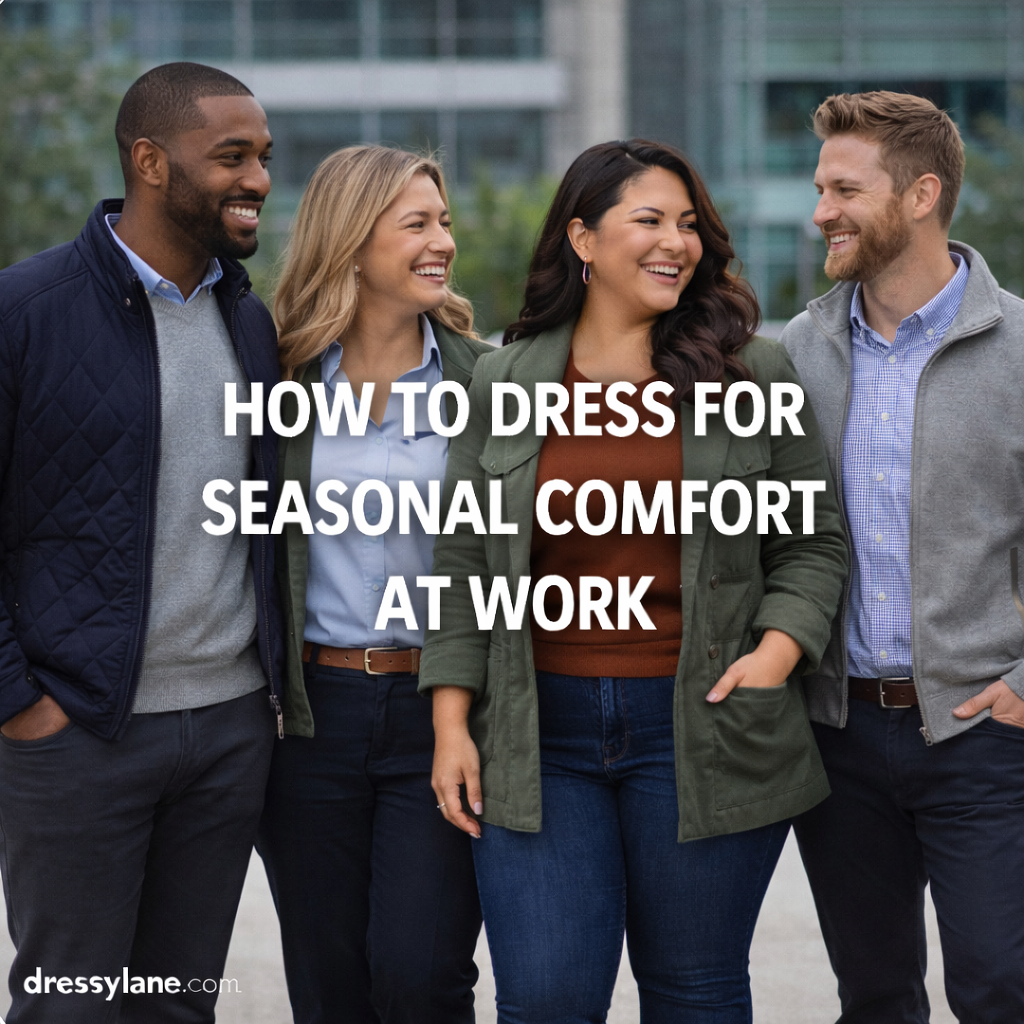
How to Dress for Seasonal Comfort at Work

Diverse group of men and women wearing layered, comfortable business-casual outfits designed for seasonal comfort at work.
A diverse group of professionals dressed in layered, season-appropriate work outfits that balance comfort and a polished office look.

Getting dressed for work becomes tricky when the temperature outside has little in common with the temperature inside your office. You might leave home on a chilly morning, walk through afternoon heat, and spend eight hours beneath an air-conditioning vent.

The solution isn’t to maintain four completely separate work wardrobes. It’s to choose fabrics that suit the weather, build outfits around removable layers, and keep a few reliable pieces available for unpredictable temperatures.

Here’s how to dress for seasonal comfort at work without sacrificing a polished appearance.

Continue reading “How to Dress for Seasonal Comfort at Work”

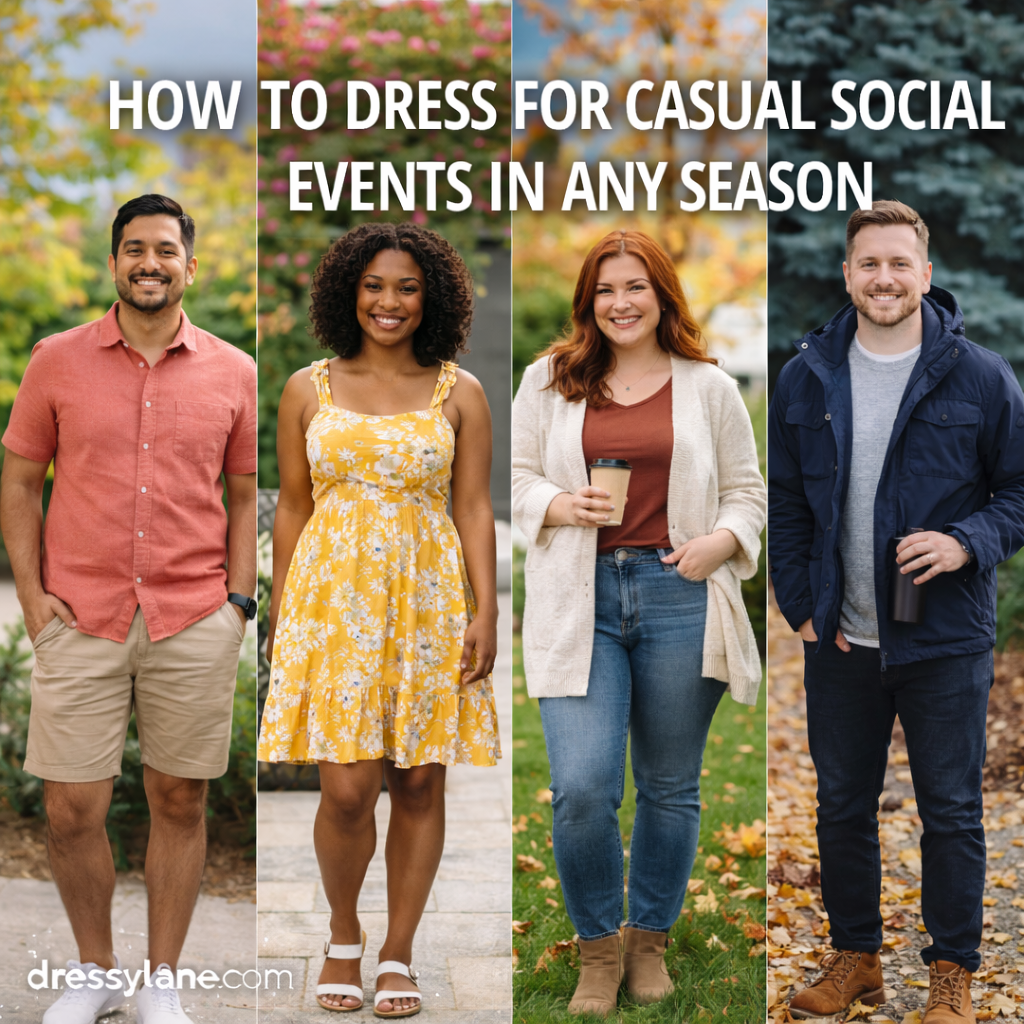
How to Dress for Casual Social Events in Any Season

Diverse group of men and women wearing casual outfits styled for different seasons, shown outdoors to represent year-round social event dressing.
Casual social event outfits styled for every season, showing how to stay comfortable and put together year-round.

A casual summer barbecue and a winter house party might have the same relaxed dress code, but they call for completely different outfits. Linen trousers and sandals make sense in July, while dark jeans, a wool sweater, and ankle boots feel more appropriate in December.

The challenge is finding clothes that suit both the weather and the occasion. You don’t want to arrive at an outdoor gathering shivering in a thin shirt or spend an entire indoor party overheating beneath a heavy sweater.

Here’s how to dress for casual social events in any season, with practical outfit ideas for women and men, fabric recommendations, and layering strategies that actually work.

Continue reading “How to Dress for Casual Social Events in Any Season”

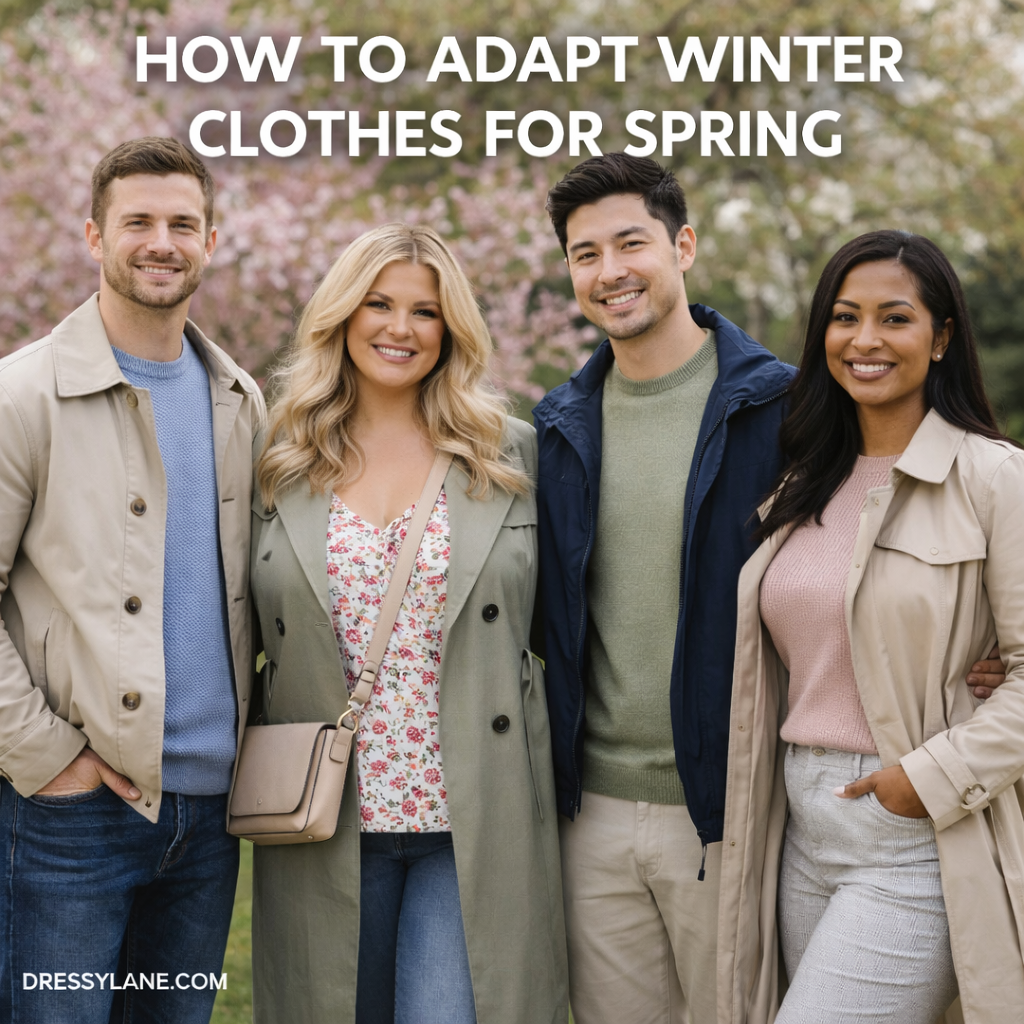
How to Adapt Winter Clothes for Spring

Diverse group of men and women wearing layered outfits that transition winter clothing into spring styles in an outdoor setting.
A diverse group models layered outfits that adapt winter clothing for comfortable, stylish spring wear.

The first warm afternoon of spring can make it tempting to pack away every coat and sweater you own. Then the temperature drops the following morning and suddenly you’re digging through the storage bin for the merino sweater you just put away.

Spring rarely arrives all at once.

Learning how to adapt winter clothes for spring is less about replacing your wardrobe and more about changing how you combine the pieces you already have. A winter sweater that was worn under a wool coat in January might become your outer layer in March. Dark trousers can stay in rotation with a lighter shirt and loafers. Even some boots remain useful until consistently warm weather arrives.

The goal is to gradually remove insulation while keeping enough flexibility for cool mornings, warmer afternoons, rain, and the occasional cold snap.

Continue reading “How to Adapt Winter Clothes for Spring”

How to Adapt Summer Clothes for Fall

A diverse group of men and women wearing layered outfits that combine summer clothing with fall outerwear in an outdoor autumn setting.
Men and women showing how summer outfits can be adapted for fall using light layers and seasonal styling.

The first cool mornings of fall don’t mean your summer wardrobe suddenly becomes unusable. In fact, some of the easiest transitional outfits start with pieces you’ve already been wearing for months—a cotton T-shirt, midi dress, lightweight button-down, or relaxed pair of trousers.

The difference is what you put around them.

Learning how to adapt summer clothes for fall is mostly about adding one useful layer, changing the footwear, and introducing slightly heavier textures. Done well, you can keep a surprising amount of your summer wardrobe in rotation until genuinely cold weather arrives.

Continue reading “How to Adapt Summer Clothes for Fall”

Best Shoes for All-Season Wear

Diverse group of adults wearing stylish all-season shoes, including sneakers, loafers, and boots, styled for year-round wear.
A diverse group showcasing stylish, versatile shoes designed for comfortable all-season wear.

A truly all-season shoe isn’t one you can wear through absolutely every kind of weather. A shoe that’s comfortable on an 80°F afternoon probably isn’t the same shoe you want for six inches of snow.

A better goal is finding shoes that work through the largest portion of the year: cool spring mornings, warm fall afternoons, occasional rain, everyday walking, work, and casual weekends.

The best shoes for all-season wear tend to have moderate cushioning, closed toes, durable uppers, and enough traction for wet pavement without looking like hiking shoes. Get those details right, and a small shoe rotation can cover most everyday situations.

Continue reading “Best Shoes for All-Season Wear”

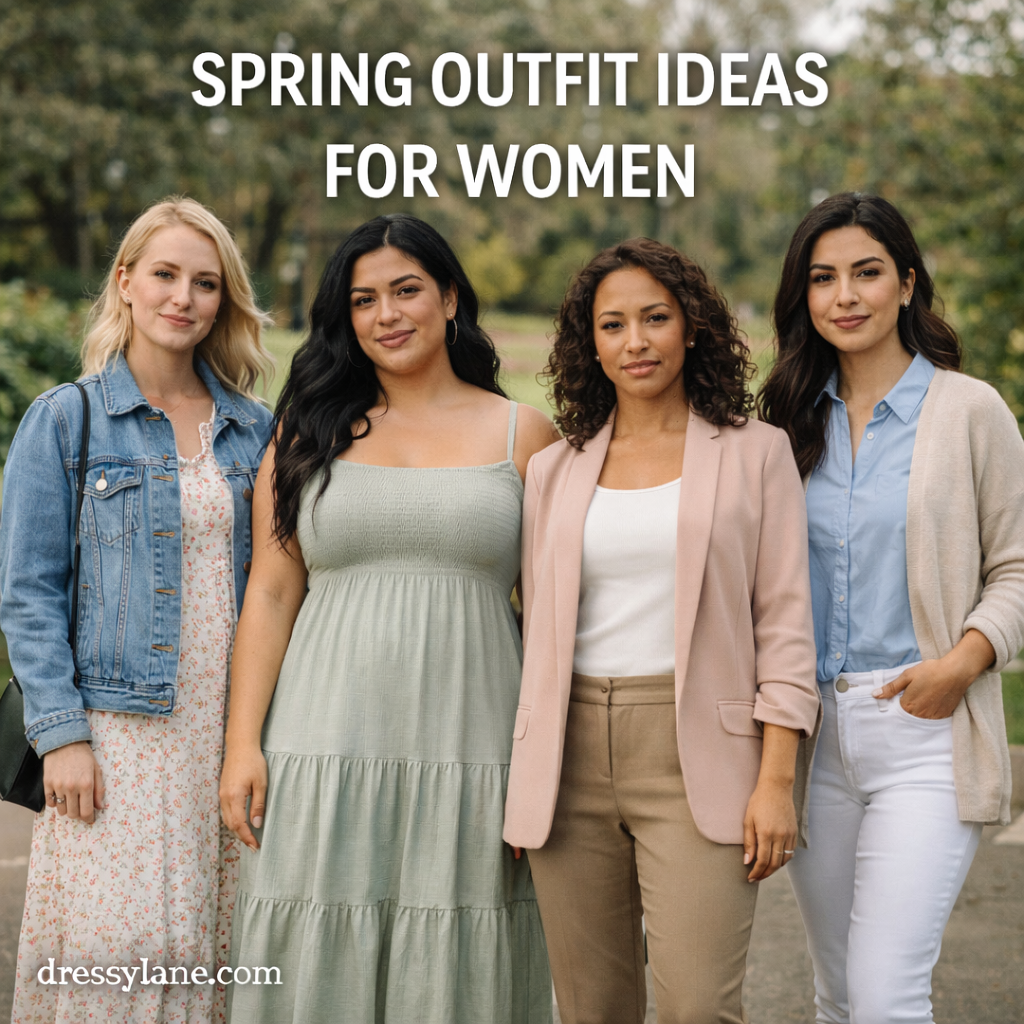
Spring Outfit Ideas for Women

A diverse group of women wearing stylish spring outfits outdoors, including a curvy woman in a light, flowy dress layered for mild weather.
Women styled in fresh spring outfits featuring light layers, soft colors, and seasonal comfort.

Spring can be one of the trickiest seasons to dress for. A 48°F morning might call for a jacket, while the same afternoon is warm enough for short sleeves. Add wind or a passing rain shower, and an outfit that seemed perfect when you left home can feel completely wrong a few hours later.

The best spring outfit ideas for women solve that problem with light layers, breathable fabrics, and outfits that still look complete when the jacket comes off.

You don’t need an entirely new wardrobe when winter ends. Jeans, trousers, button-downs, dresses, and lightweight sweaters can all stay in rotation—you simply start combining them differently.

Continue reading “Spring Outfit Ideas for Women”

Fall Outfit Ideas for Women

A group of women wearing stylish layered fall outfits in an outdoor autumn setting.
Women wearing layered fall outfits styled for cooler weather and seasonal comfort.

Fall is one of the easiest seasons to experiment with clothes you already own. You can keep wearing a summer dress with boots and a jacket, bring sweaters back into rotation, or make a simple jeans-and-T-shirt outfit feel completely different by adding a suede jacket or structured blazer.

The challenge is that fall temperatures rarely stay consistent. A chilly morning can turn into a surprisingly warm afternoon, especially early in the season. The most useful fall outfits for women are therefore built around layers you can actually remove without ruining the outfit underneath.

Rather than buying an entirely new wardrobe for autumn, start with a few reliable outfit formulas and adjust the fabrics as temperatures fall.

Continue reading “Fall Outfit Ideas for Women”