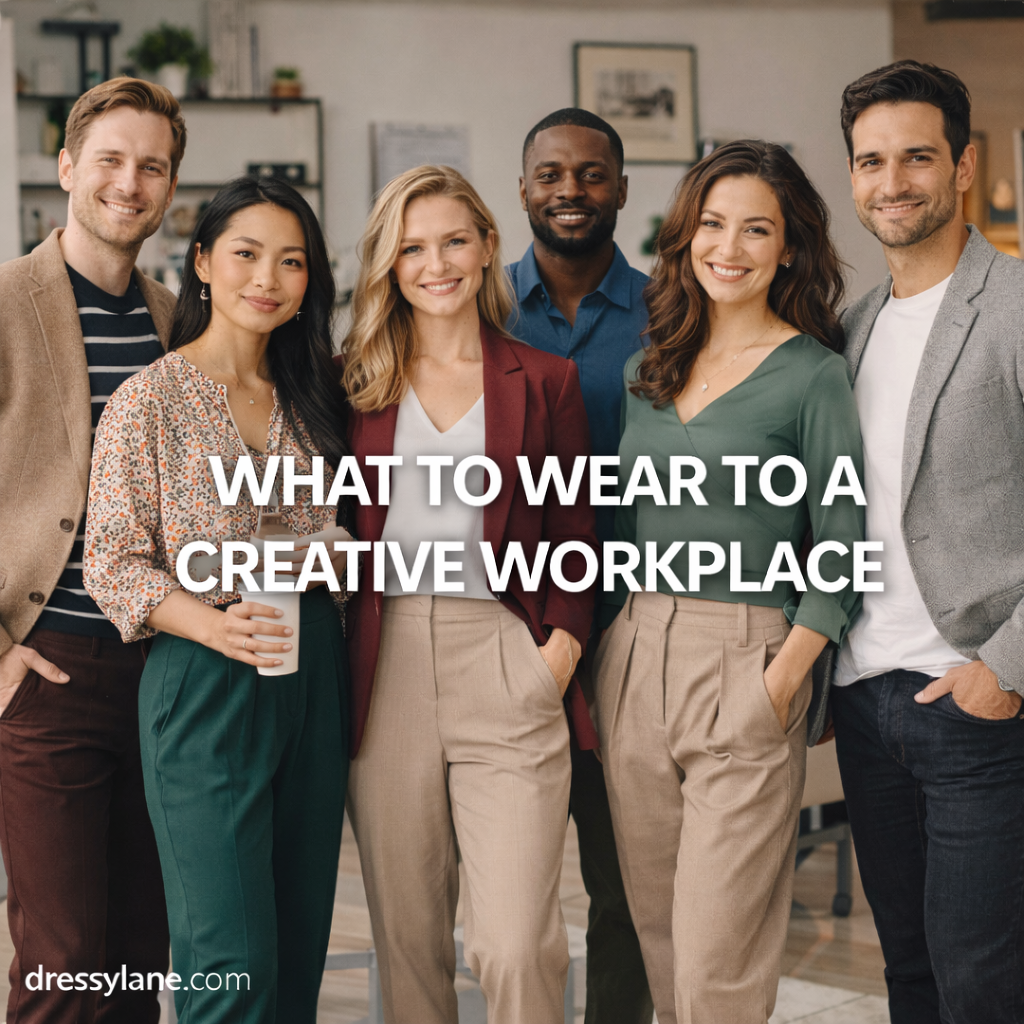
Dressing for a creative workplace gives you more freedom than a traditional corporate office, but that freedom can make choosing an outfit surprisingly difficult. Is a graphic T-shirt acceptable? Can you wear sneakers to a presentation? Does a blazer look too formal?
The answer depends on the workplace. A branding agency where everyone wears jeans and vintage jackets will have different expectations from an architecture firm that regularly hosts corporate clients.
The trick is finding a balance between personal style and practical workwear. You can experiment with color, texture, and unusual silhouettes without looking like you’ve dressed for an entirely different occasion.
First, Figure Out How Creative Your Workplace Really Is
Not every creative office has the same dress code.
A small graphic design studio might welcome oversized shirts, colorful sneakers, and relaxed denim. A fashion agency may encourage more experimental outfits, while a marketing department inside a large corporation could still expect business casual.
During your first week, pay attention to what people actually wear rather than relying entirely on the company’s description of its culture.
Notice what colleagues wear for ordinary desk days compared with client presentations. If everyone changes into blazers before a pitch, that’s useful information.
I’d recommend starting with a slightly polished outfit and relaxing it as you learn the environment. It’s easier to swap tailored trousers for jeans later than to feel underdressed during your first client meeting.
What Women Should Wear to a Creative Workplace
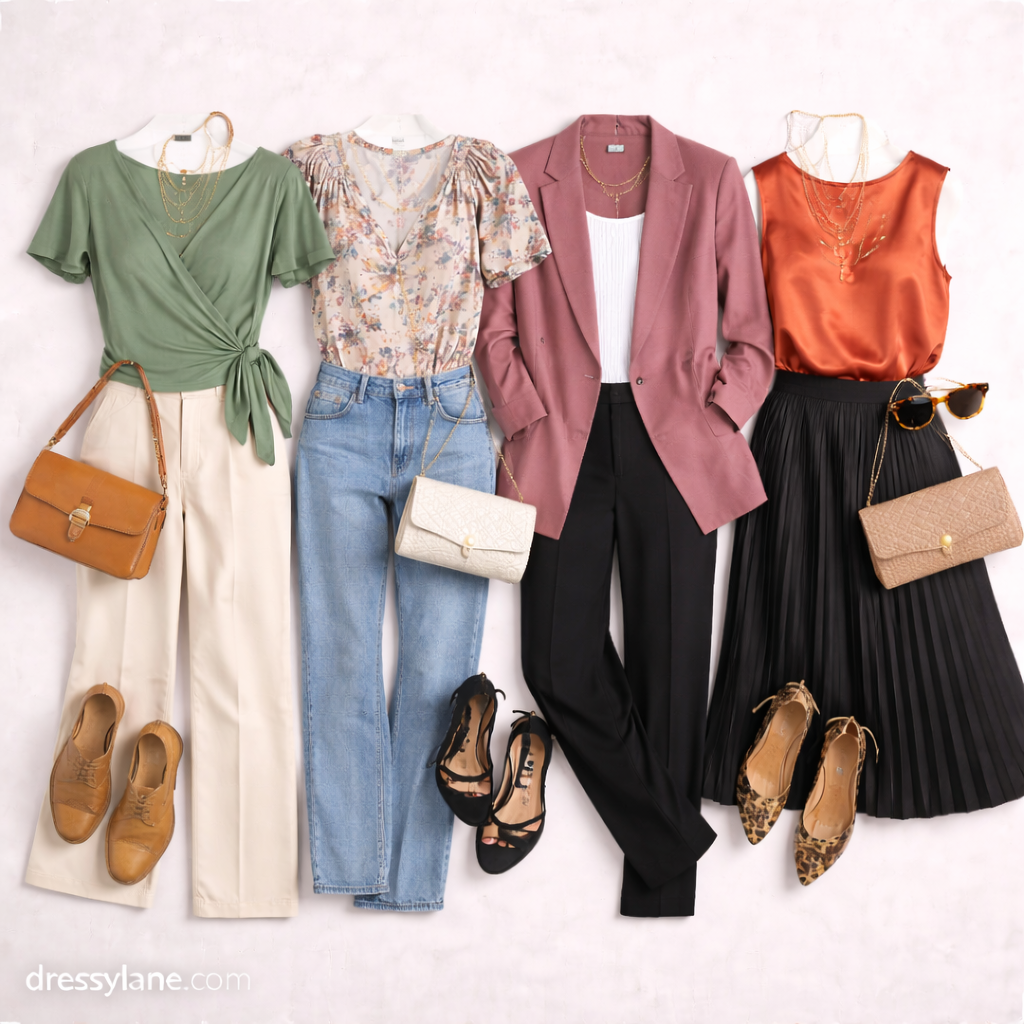
Creative offices are an excellent place to experiment with proportions, interesting fabrics, and unexpected color combinations.
You don’t need an entirely new wardrobe. Start with familiar pieces and change how you combine them.
Everyday outfit ideas
For a typical office day, try wide-leg trousers in charcoal or olive with a fitted ribbed knit and leather loafers. Add an oversized blazer if the office tends to dress more formally.
Other combinations worth trying include:
- A printed midi skirt with a plain cotton T-shirt, cropped jacket, and ankle boots.
- Straight-leg dark denim with a silk blouse and a relaxed blazer.
- A cotton poplin shirt dress with a leather belt and flat loafers.
- Tailored cream trousers with a burgundy knit and pointed-toe flats.
A structured piece can make an otherwise relaxed outfit feel more work-ready. For example, a blazer over a simple white T-shirt and dark jeans creates a different impression from the same outfit worn with a hoodie.
Experiment with texture and accessories
Creative workplaces are a good setting for corduroy trousers, pleated skirts, textured knitwear, and interesting jewelry.
Try a forest-green blouse with camel trousers or a rust-colored cardigan over a cream dress.
I’d choose one noticeable accessory rather than several competing pieces. Sculptural earrings or a colorful leather bag can add personality without making an outfit feel overly busy.
For footwear, loafers, Chelsea boots, ballet flats, and clean leather sneakers are practical options, depending on the office.
What Men Should Wear to a Creative Workplace
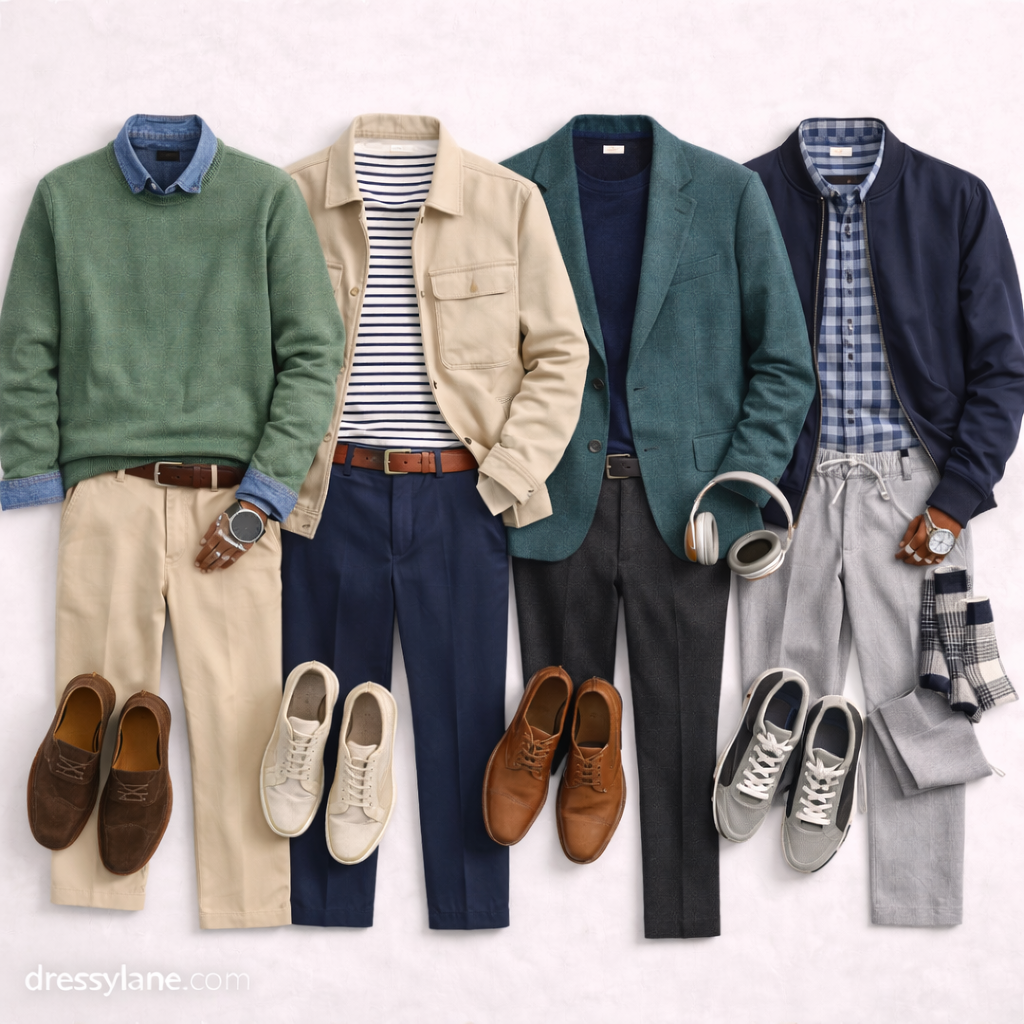
Men’s creative workwear doesn’t have to revolve around a dress shirt and chinos.
An unstructured blazer, textured knit polo, or well-cut overshirt can make a simple outfit look considered without resembling traditional corporate attire.
Three outfit combinations that work
For an everyday studio day: Pair olive chinos with an off-white heavyweight cotton T-shirt, a navy overshirt, and clean minimalist sneakers.
For a client presentation: Choose charcoal tailored trousers, a fine-gauge merino sweater, an unstructured blazer, and brown suede loafers.
For a relaxed Friday: Dark straight-leg jeans, a textured knit polo, and Chelsea boots create an easy outfit that still looks put-together.
Pay attention to trouser length and overall proportions. A relaxed jacket usually looks better when the trousers have a clean shape rather than excessive fabric bunching around the ankles.
Corduroy, brushed cotton, denim, and wool-blend knitwear are useful fabrics for adding visual interest without relying on loud prints.
A simple watch, leather belt, or distinctive pair of glasses can provide enough personality.
The One-Piece Rule for Creative Outfits
One approach I particularly like is building an outfit around a single interesting item.
If you’re wearing patterned trousers, keep the shirt and shoes relatively simple. If you’ve chosen a bright cobalt-blue sweater, pair it with charcoal trousers and black loafers.
This isn’t a rule against mixing prints or wearing bold outfits. It’s simply a useful starting point when you want to look creative without spending twenty minutes deciding whether everything matches.
For example, a burgundy corduroy blazer becomes much easier to wear with a white shirt, dark denim, and brown boots.
The same principle works with an unusual bag, colorful shoes, or a statement jacket.
What to Wear When You’re Meeting Clients
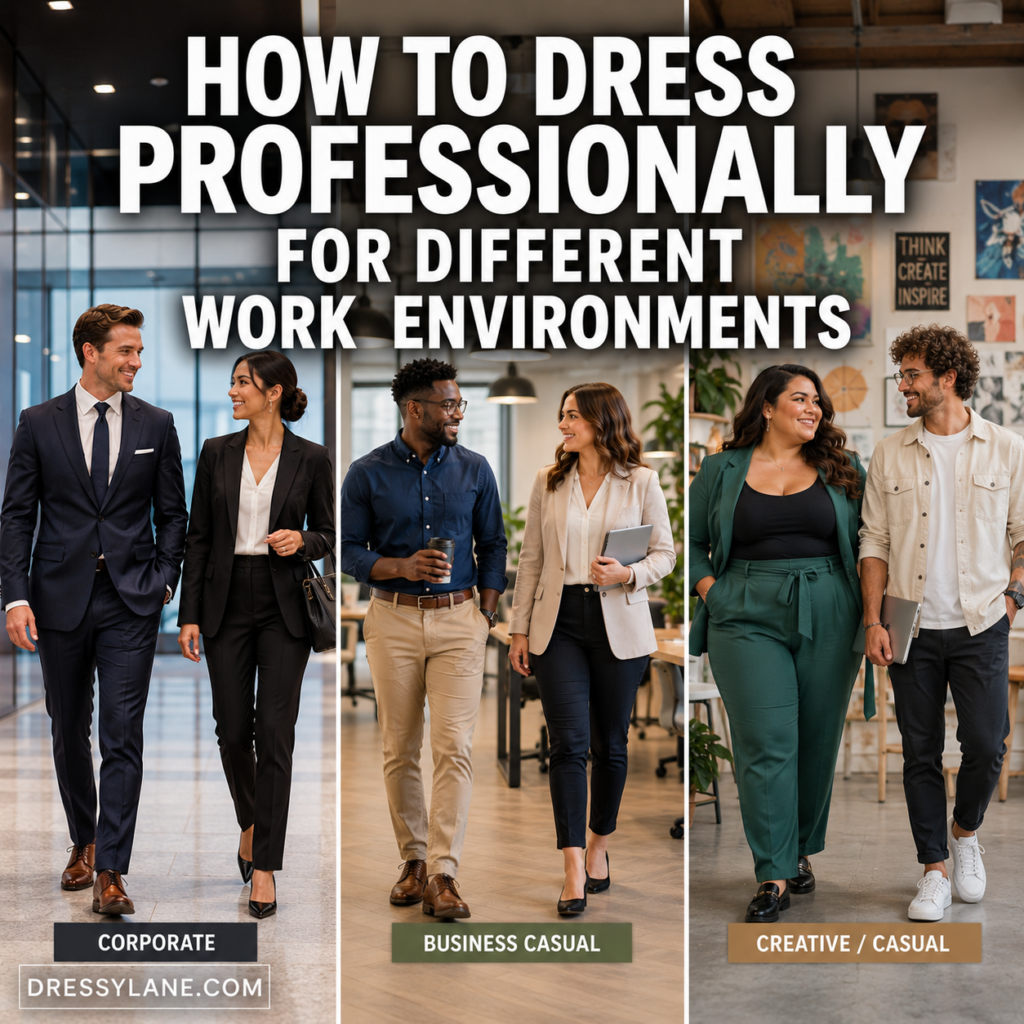
Even relaxed creative workplaces often have occasions that call for a more polished appearance.
If you’re presenting a branding proposal to a corporate client, you might swap your everyday sneakers for loafers and add a blazer over your usual outfit.
For women, wide-leg trousers, a simple blouse, and a structured jacket work well. For men, tailored chinos, a button-down shirt, and an unstructured blazer provide a similar level of formality.
You don’t necessarily need a full suit. The goal is to adapt your everyday style to the client’s expectations without looking uncomfortable or out of place.
Keep a blazer or smart jacket at the office if unexpected meetings are common.
Can You Wear Jeans and Sneakers?
In many creative workplaces, yes, but the details matter.
Dark straight-leg jeans without heavy distressing are easier to dress up than ripped or heavily faded denim. Pair them with a knit polo, button-down shirt, blouse, or blazer.
For sneakers, choose a clean, simple pair in leather, canvas, or suede.
I’d avoid wearing your worn-out running shoes simply because the office allows sneakers. Footwear designed for the gym can make an otherwise carefully styled outfit look unfinished.
Graphic T-shirts can also work in some studios, particularly when paired with tailored trousers or an overshirt. However, slogans that could be inappropriate in a professional setting are best avoided.
Dressing for Different Seasons
Creative workwear becomes more interesting when you use seasonal fabrics rather than simply changing colors.
In spring and summer, cotton poplin shirts, lightweight chinos, linen-blend trousers, and breathable dresses are practical choices. A linen-cotton blend can offer the relaxed texture of linen with somewhat less creasing.
For fall and winter, introduce corduroy, merino wool, heavier denim, and textured overshirts.
A rust-colored cardigan over a cream shirt and charcoal trousers is an easy autumn combination. In colder weather, a wool overcoat can make even a jeans-and-sweater outfit look more refined.
Layering is particularly useful if your office runs cold but your commute is warm.
Build a Small Creative Work Wardrobe
You don’t need dozens of statement pieces to dress creatively.
Start with a few reliable basics: two pairs of trousers, dark jeans if permitted, several well-fitting tops, a blazer or overshirt, and two pairs of comfortable shoes.
Then add pieces that reflect your taste, such as a patterned shirt, colorful knit, interesting jacket, or distinctive bag.
Choose items that work with at least two or three things you already own. A bright green sweater is much more useful when it pairs with your navy trousers, gray jeans, and cream skirt.
This approach keeps your wardrobe flexible without making every morning feel like a styling project.
Final Thoughts
Knowing what to wear to a creative workplace means understanding the office culture while leaving room for your own taste.
Start with comfortable, well-fitting basics, experiment with color and texture, and adjust your outfit for client meetings or more formal occasions.
You don’t have to dress extravagantly to look creative. Sometimes a beautifully cut pair of trousers, an interesting knit, and a distinctive pair of shoes say more than an outfit built around every trend at once.