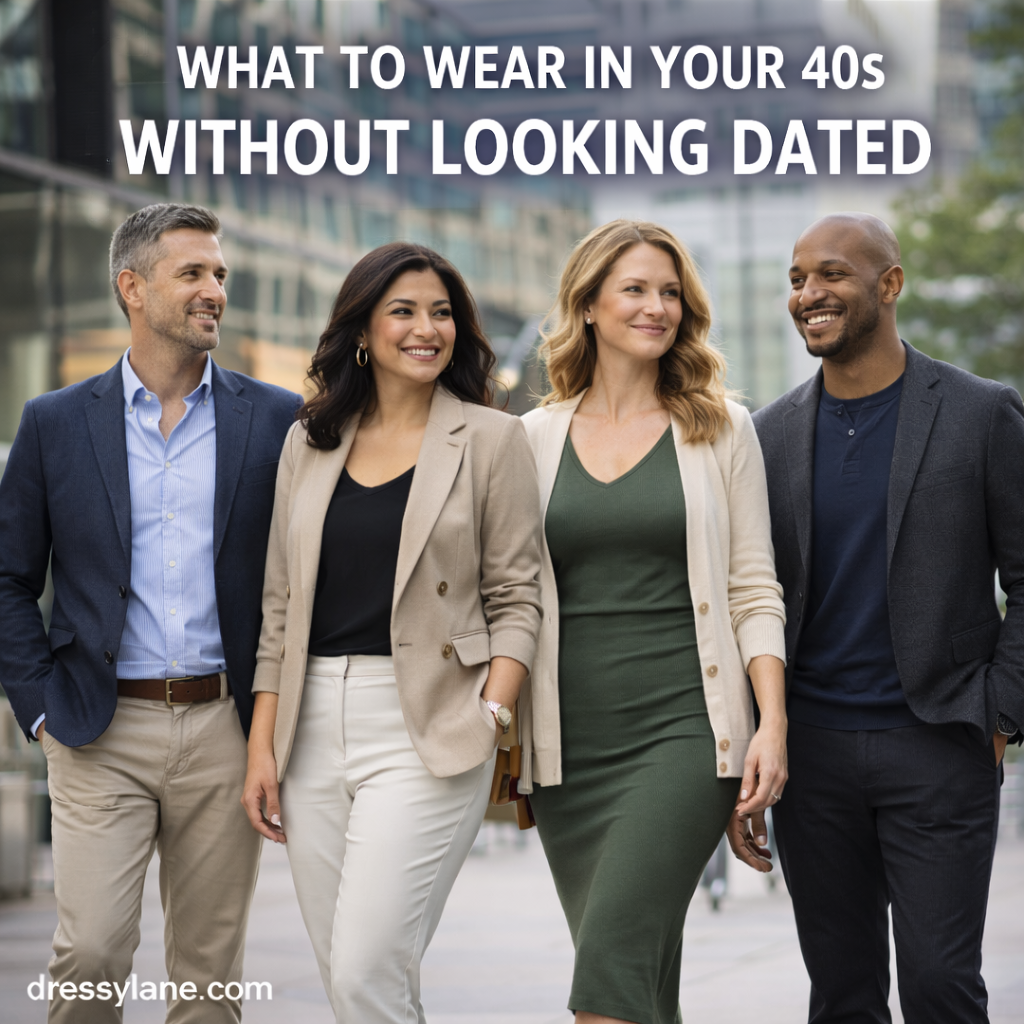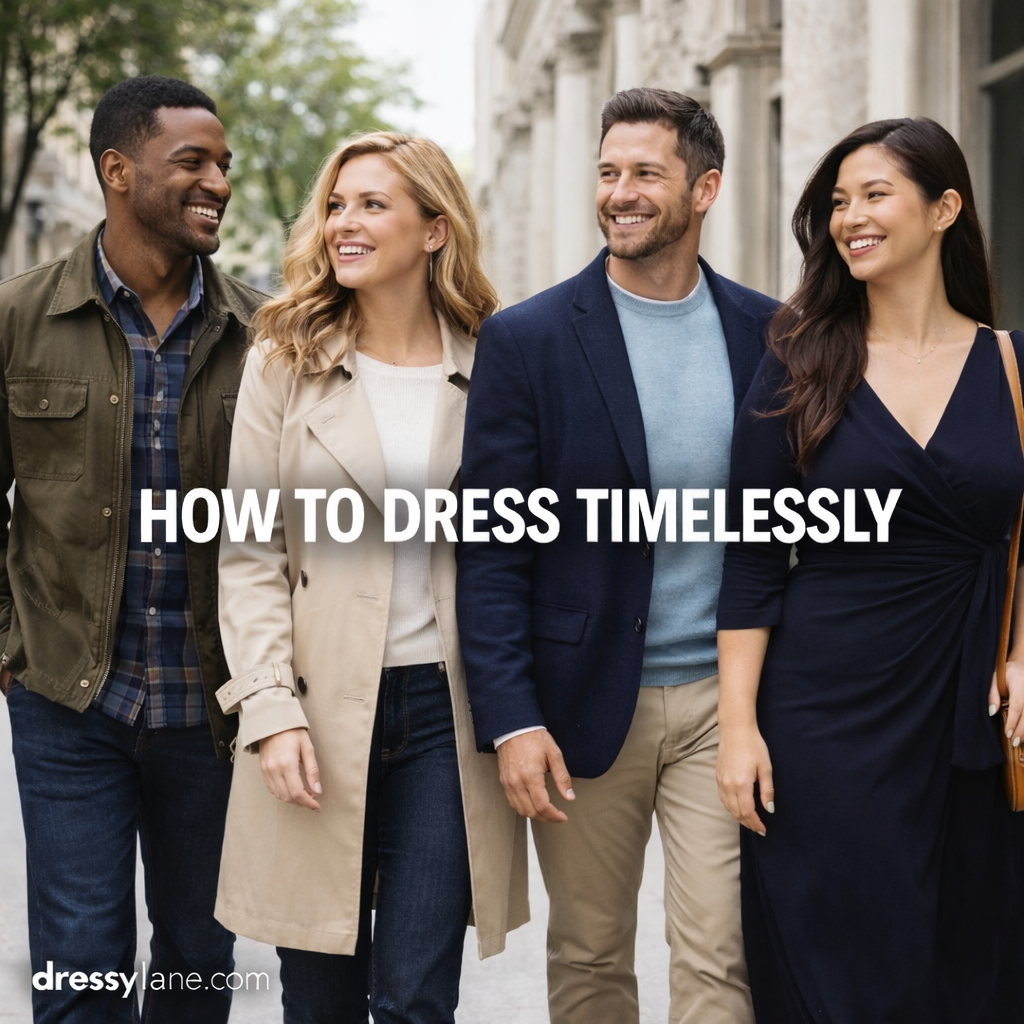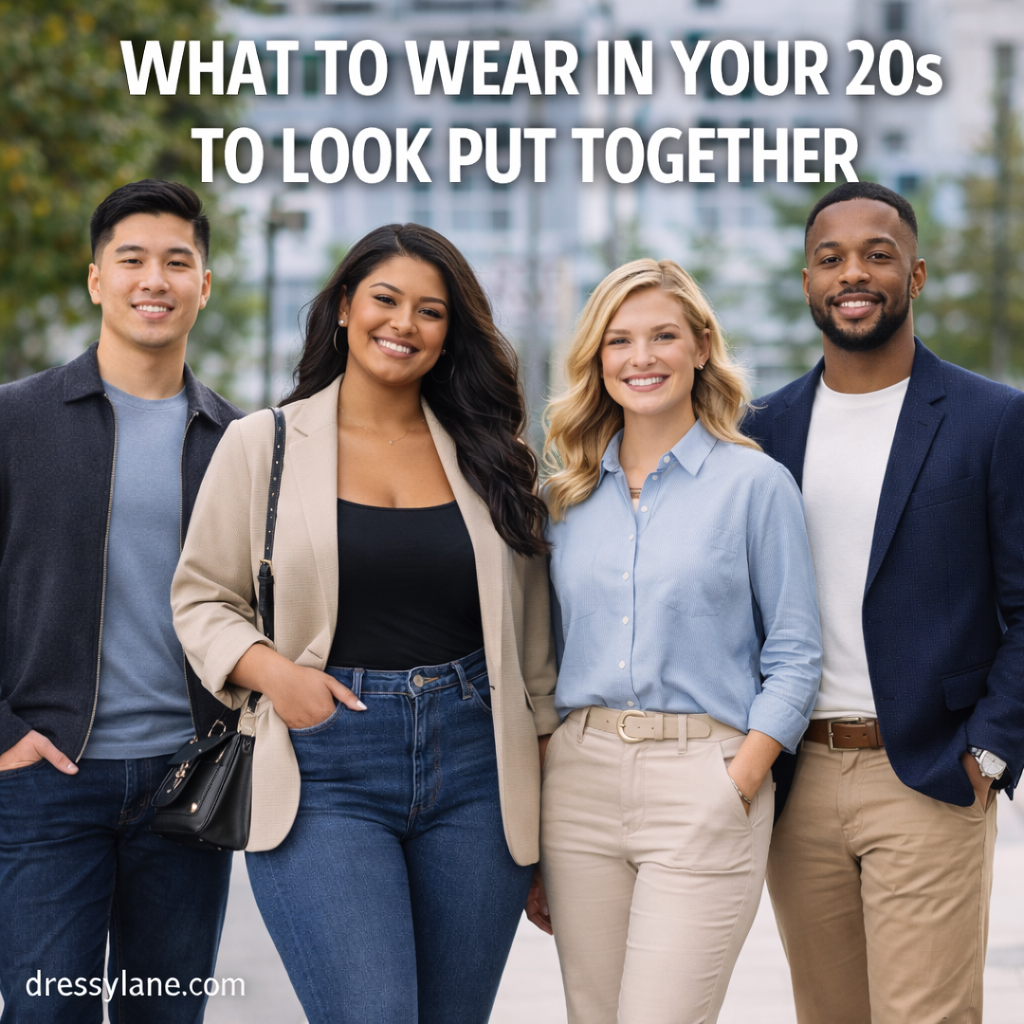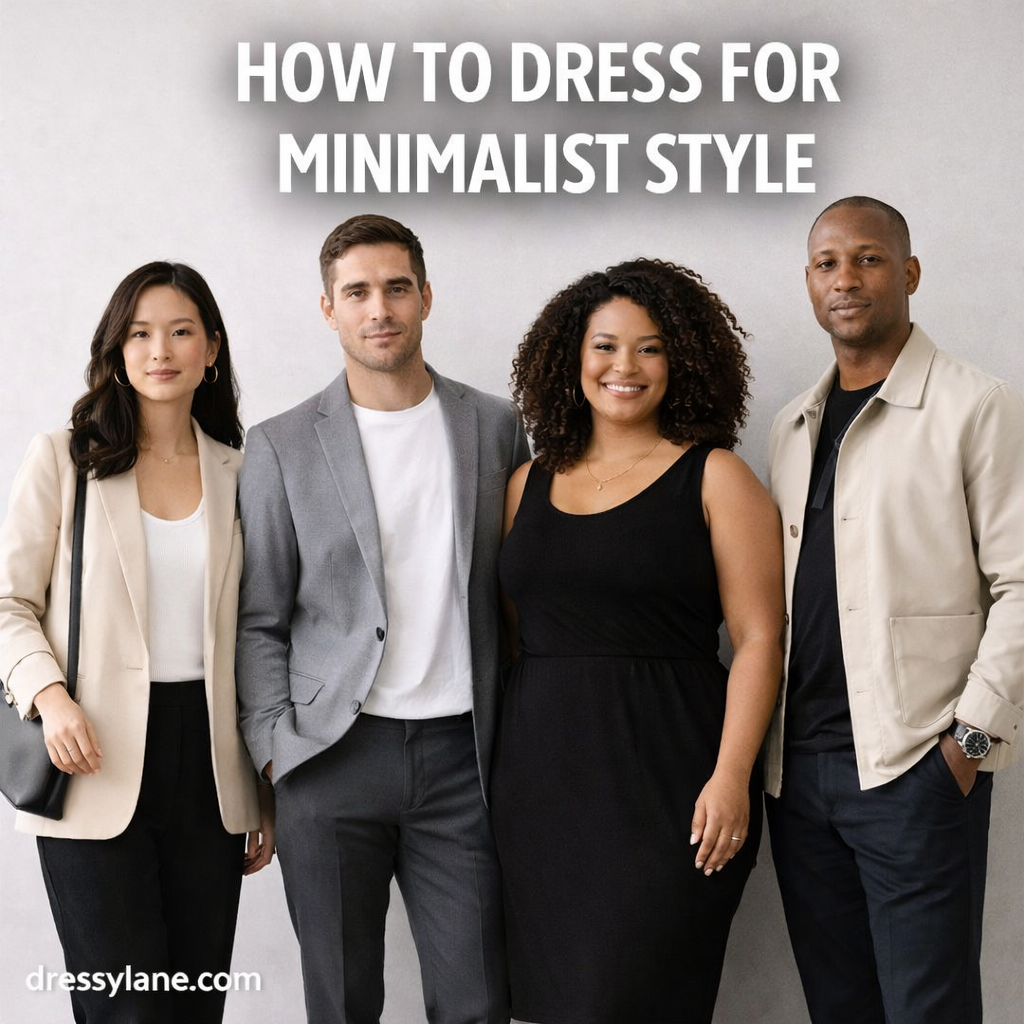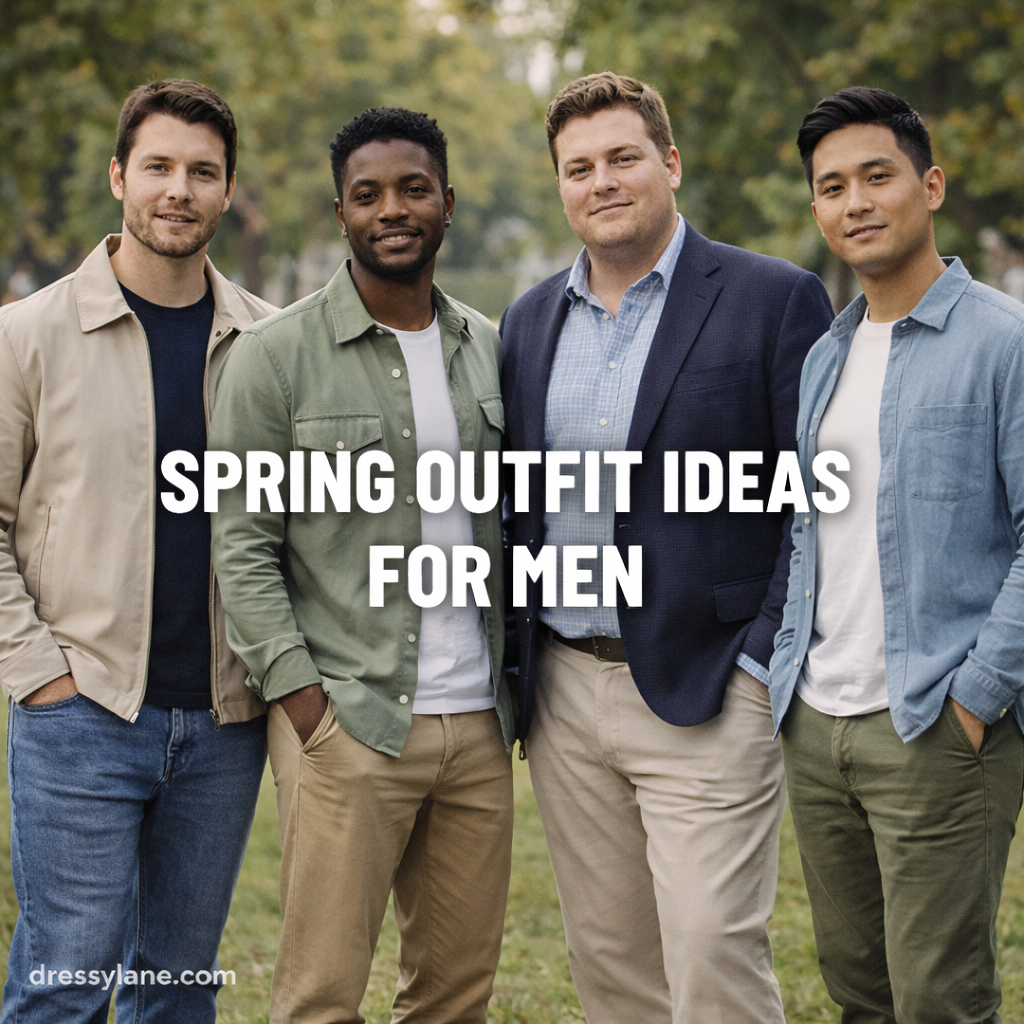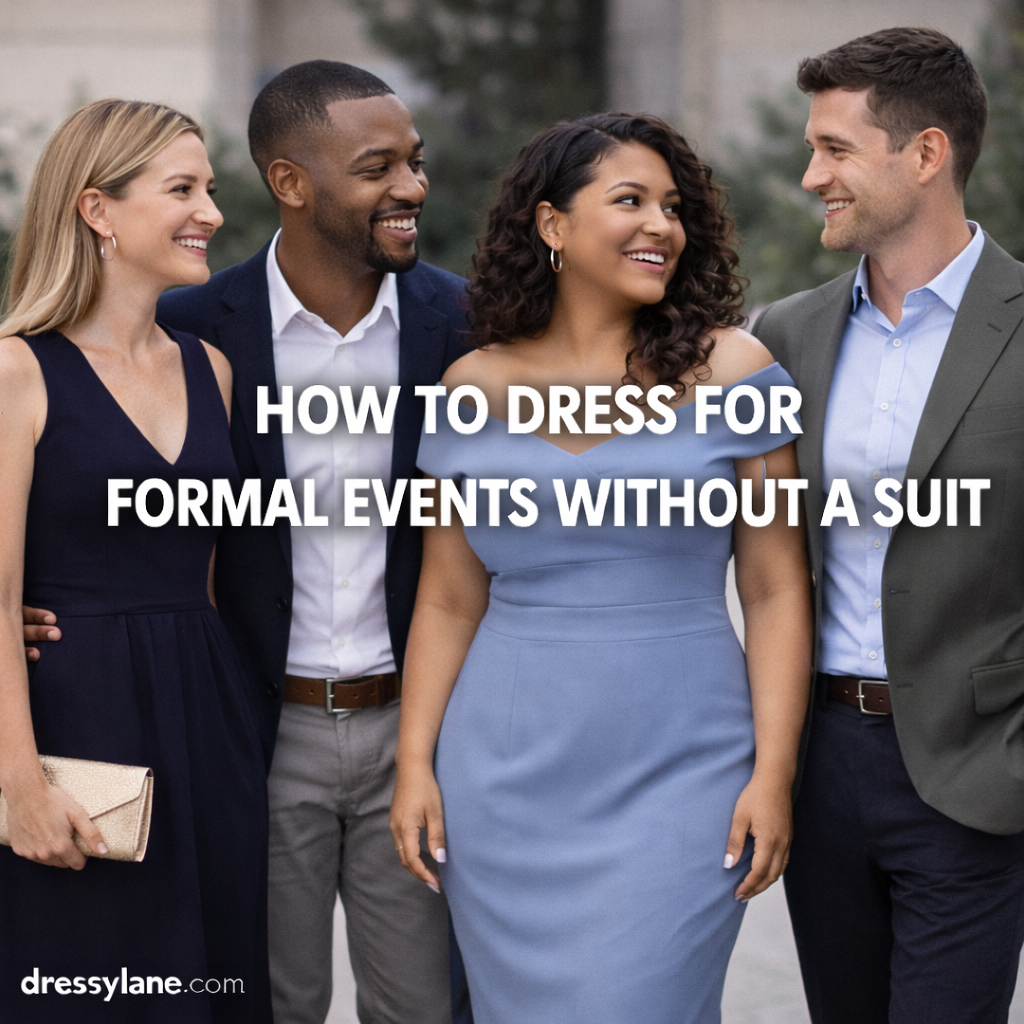
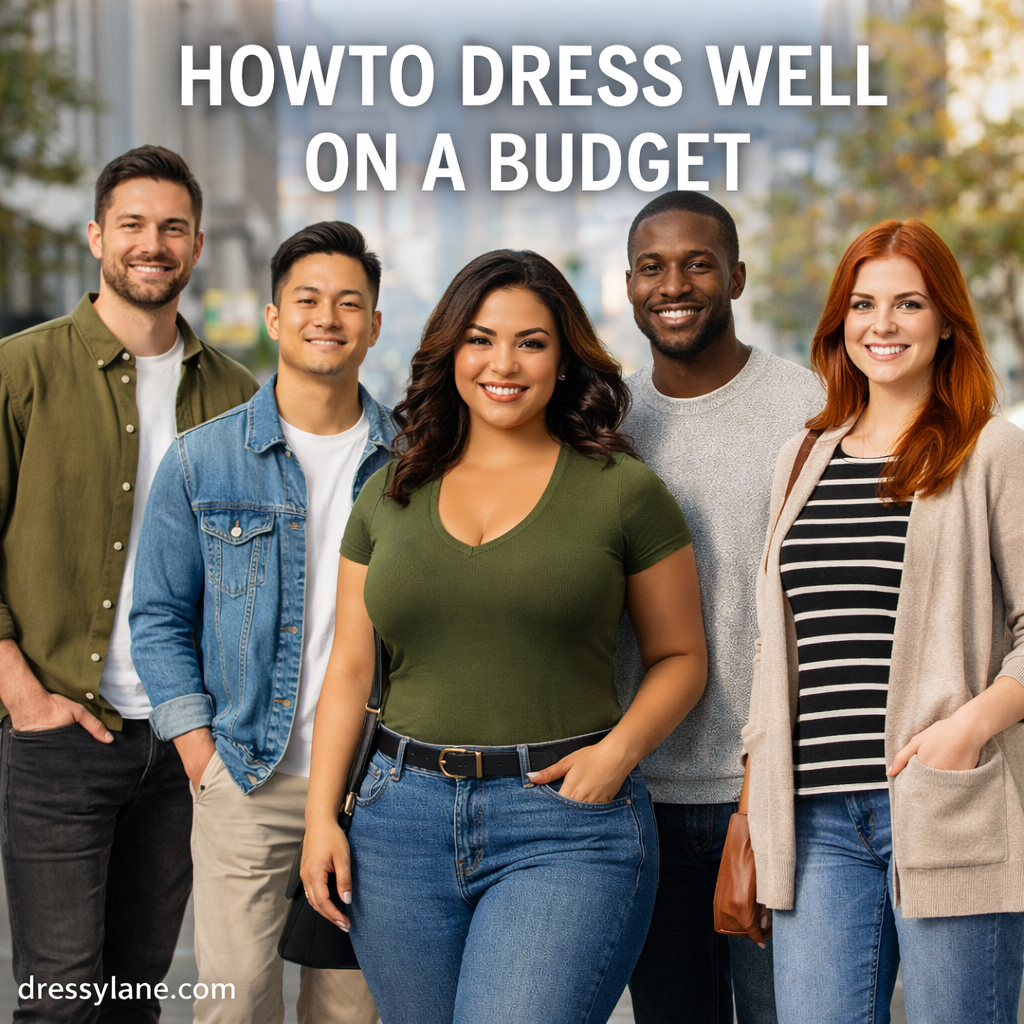
Dressing well does not require designer labels, a walk-in closet, or a constant stream of new clothes. In fact, some of the best-looking wardrobes are relatively small. The difference is that the clothes fit properly, work together, suit the person wearing them, and make sense for where they are going.
Learning how to dress well on a budget is largely about getting better value from every piece you own. Instead of buying more, you become more selective about fit, fabric, color, versatility, and the situations your clothes need to handle.
That approach works whether you are building your first adult wardrobe, trying to spend less, updating your work clothes, or simply tired of owning plenty of clothes but never knowing what to wear.
This guide covers the entire process, including how to build an affordable core wardrobe, shop strategically, recognize useful fabrics, dress professionally without spending a fortune, and create polished outfits for both men and women.
What Does It Actually Mean to Dress Well?
Price is one of the least reliable ways to judge whether an outfit looks good.
An inexpensive pair of trousers with the right length and fit can look considerably more polished than expensive trousers pooling around the ankles. A basic cotton shirt that sits correctly across the shoulders can outperform a designer shirt in the wrong size.
Dressing well usually comes down to a few fundamentals:
- Clothes fit your body properly.
- Colors work together instead of competing.
- Shoes are appropriate and reasonably well maintained.
- Fabrics suit the season and occasion.
- The outfit matches the level of formality around you.
- Your clothes look clean, pressed, and cared for.
- You feel comfortable enough that you are not constantly adjusting what you are wearing.
You do not need to follow fashion closely to accomplish any of this. If trends aren’t particularly interesting to you, our guide to how to dress when you don’t like fashion explains how to create a dependable wardrobe without turning clothing into a hobby.
Start With Your Actual Life, Not an Imaginary Wardrobe
One of the easiest ways to waste money on clothing is to shop for the life you imagine having rather than the one you actually live.
Before buying anything, think about a normal month.
Where do you spend your time?
Perhaps your typical schedule consists of:
- Four days a week in a business-casual office
- One work-from-home day
- Casual weekends
- Dinner out once or twice a month
- Occasional weddings, interviews, conferences, or formal events
Your wardrobe should roughly reflect those proportions.
Someone working remotely does not need eight blazers because blazers seem like a sensible wardrobe investment. Someone who works in an office probably gets more value from two pairs of excellent work trousers than from another pair of weekend jeans.
This also prevents the classic budget-shopping mistake: buying something because it is heavily discounted rather than because you need it.
A $25 jacket that never leaves your closet isn’t a bargain. It’s $25 you could have put toward something you would wear every week.
Set a Clothing Budget You Can Actually Maintain
You don’t need a complicated spreadsheet to control clothing spending.
Choose either a monthly or seasonal amount that comfortably fits your finances. Then divide purchases into three categories:
Replace
These are items you already use but that are worn out, damaged, or no longer fit.
Examples include replacing everyday sneakers with worn soles or trousers that can no longer be repaired.
Fill a Gap
These are clothes that solve an actual wardrobe problem.
If you own several office shirts but no appropriate trousers to wear with them, trousers fill a gap.
Upgrade
These purchases replace something functional with something better.
Perhaps your inexpensive synthetic blazer has served you well, but you eventually want a wool-blend version with better structure.
Prioritize replacement and genuine wardrobe gaps before upgrades.
This one habit makes budget shopping considerably more disciplined.
Fit Comes Before Brand
If you remember only one principle from this guide, make it this:
Buy for fit before you buy for label.
People notice proportion long before they notice the name inside your collar.
What Good Fit Looks Like
For shirts and jackets, check the shoulders first. Shoulder seams should generally sit around the natural edge of your shoulders rather than drooping significantly down the arm.
Buttons should close without pulling.
Trousers should sit securely without requiring a belt to keep them from falling, and the fabric should not strain noticeably across the hips or thighs.
Sleeves and trouser hems should look intentional rather than simply being whatever length came from the store.
Learn Your Measurements
Know your basic measurements rather than relying entirely on labels such as small, medium, or large.
Sizing varies significantly between manufacturers.
Useful measurements include:
- Chest or bust
- Natural waist
- Hips
- Inseam
- Shoulder width
- Sleeve length
Keep them in your phone so you have them when shopping online or secondhand.
Use Alterations Strategically
You do not need to tailor everything.
Alterations make the most financial sense on pieces you expect to wear frequently, such as:
- Blazers
- Suit trousers
- Dress pants
- Skirts
- Dresses
- Coats
Simple hemming can make an inexpensive pair of trousers look much more deliberate.
One practical rule from experience: don’t buy a badly fitting bargain while telling yourself a tailor can fix everything. Shortening trousers or taking in a waist can be straightforward; rebuilding shoulders or substantially changing a jacket’s proportions may cost more than the garment.
Build a Small Core Wardrobe First
A useful wardrobe is less about the number of pieces you own and more about the number of combinations those pieces create.
Start with clothes that can be worn repeatedly without making every outfit look identical.
Useful Characteristics
Look for pieces that are:
- Relatively simple in design
- Easy to layer
- Appropriate for several settings
- Compatible with multiple other pieces
- Comfortable enough to wear regularly
Neutral colors make this easier.
Black, navy, charcoal, gray, cream, white, tan, brown, olive, and denim can form the foundation. You can then introduce colors and patterns you genuinely enjoy.
This does not mean everything has to be beige.
The goal is compatibility.
For a more deliberately pared-back approach, see our guide to how to dress for minimalist style.
Learn a Few Simple Outfit Formulas
You shouldn’t have to invent an outfit from scratch every morning.
An outfit formula is simply a combination you already know works.
For example:
Casual
Straight-leg jeans + solid T-shirt + overshirt + clean sneakers
Smart casual
Chinos + Oxford shirt + loafers
Women’s smart casual
Straight-leg trousers + fitted knit top + cardigan or blazer + flats
Polished casual
Dark jeans + simple blouse or button-down + structured jacket + leather shoes
Once you know your reliable combinations, you can change colors, textures, shoes, or accessories without reinventing the entire outfit.
Our guide to building simple outfits that always work goes deeper into this formula-based approach.
Choose Fabrics Carefully
You don’t need to become a textile expert, but reading fabric labels can help you distinguish a genuine bargain from something that may quickly lose its shape.
Cotton
Cotton is useful for T-shirts, Oxford shirts, chinos, casual dresses, and many everyday garments.
Look at the fabric itself rather than simply seeing “100% cotton.” Cotton can be thin and flimsy or dense and substantial.
Linen
Linen is breathable and particularly useful in warm weather.
Pure linen wrinkles easily—that is part of its character. Linen-cotton blends can be easier to maintain while retaining some of linen’s breathability and texture.
Wool
Wool isn’t limited to heavy winter sweaters.
Different wool fabrics are used for suits, trousers, coats, knitwear, and lightweight tailoring. Wool-blend trousers or jackets can be an affordable way to get some of wool’s drape and structure without paying for a premium garment.
Polyester and Other Synthetics
Synthetic fabric is not automatically bad.
Polyester, nylon, elastane, and other manufactured fibers can improve durability, stretch, wrinkle resistance, or moisture management.
The question is whether the fabric works for the garment.
A small amount of elastane can make fitted trousers more comfortable. A polyester blend may make work clothes easier to maintain. Conversely, a very thin synthetic blouse that clings, traps heat, and becomes shiny after repeated washing probably isn’t a good long-term purchase.
Check Construction Too
Before buying, examine:
- Seams
- Buttons
- Zippers
- Lining
- Pattern alignment
- Loose threads
- Fabric transparency
- Whether the garment returns to shape after being gently stretched
These clues can tell you more than the price tag.
Think in Cost Per Wear
Cost per wear is a useful way to evaluate purchases.
Suppose you buy a $100 pair of shoes and wear them 100 times.
That’s approximately $1 per wear.
Now suppose you buy a trendy $30 pair that you wear three times.
That’s $10 per wear.
The more expensive purchase provided much better value.
This doesn’t mean expensive always equals better. It means price should be considered alongside expected use.
Before purchasing, ask:
Can I realistically picture at least three outfits I would wear this with?
If you can’t, leave it behind unless you’re intentionally buying something for a specific event.
Shop Smarter Instead of Shopping Constantly
Budget dressing works particularly well when you are willing to wait.
Shop Secondhand
Resale and thrift stores can be particularly good for garments that originally cost more because of their construction.
Look for:
- Wool coats
- Blazers
- Leather belts
- Denim
- Sweaters
- Button-down shirts
- Dresses
- Occasion clothing
Always inspect secondhand clothes for stains, odors, moth damage, broken fasteners, stretched knitwear, and excessive wear.
Use End-of-Season Sales Selectively
Buying a coat near the end of winter or warm-weather clothing toward the end of summer can save money.
But a discount only matters when you were likely to use the item anyway.
Keep a Shopping List
Maintain a short list on your phone.
For example:
- Navy trousers
- Brown leather belt
- White Oxford shirt
- Lightweight cardigan
- Black flats
When you encounter a sale or visit a thrift shop, look for those pieces first.
This makes you much less vulnerable to “It’s only $15” purchases.
How to Dress Professionally on a Budget
Looking professional is one of the most common reasons people feel pressured to spend heavily on clothes.
Fortunately, professional wardrobes are especially well suited to a smaller, coordinated approach.
You don’t need a different outfit for every workday.
You need interchangeable pieces.
Start With Your Workplace Dress Code
“Professional” does not mean exactly the same thing everywhere.
A law office, hotel, technology company, elementary school, design studio, and corporate bank can have very different expectations.
Before buying work clothes, observe what people one level more polished than the minimum tend to wear.
Then build around that level.
If you’re uncertain about how formal a particular situation is, our guide to choosing an outfit that fits the situation can help you judge the context rather than relying on vague labels.
Build a Work Capsule
You can create a functional professional wardrobe from a relatively small number of pieces.
For example:
- 2–3 pairs of trousers
- 4–5 shirts, blouses, polos, or knit tops
- 1–2 layering pieces
- 1 blazer or structured jacket
- 2 pairs of work-appropriate shoes
They do not need to be purchased simultaneously.
If the colors coordinate, those pieces can produce many different combinations.
Spend More Where It Shows
If your professional wardrobe budget is limited, prioritize:
- Shoes
- Trousers or skirts
- Jackets/blazers
- Frequently worn shirts or tops
- Accessories
A simple inexpensive shirt can work extremely well beneath a good jacket.
Shoes, on the other hand, receive heavy wear and have a noticeable effect on the entire outfit.
For Interviews and Important Meetings
You may need to look slightly more formal than on a typical workday.
Rather than purchasing an entirely separate interview wardrobe, keep one dependable combination ready.
For men, that might be:
Navy or charcoal trousers + light blue or white button-down + coordinating blazer + leather shoes
For women:
Tailored trousers or knee/midi-length skirt + simple blouse or knit top + structured blazer + flats, loafers, or low heels
The exact level of formality should still reflect the industry.
How to Dress Well on a Budget: Men
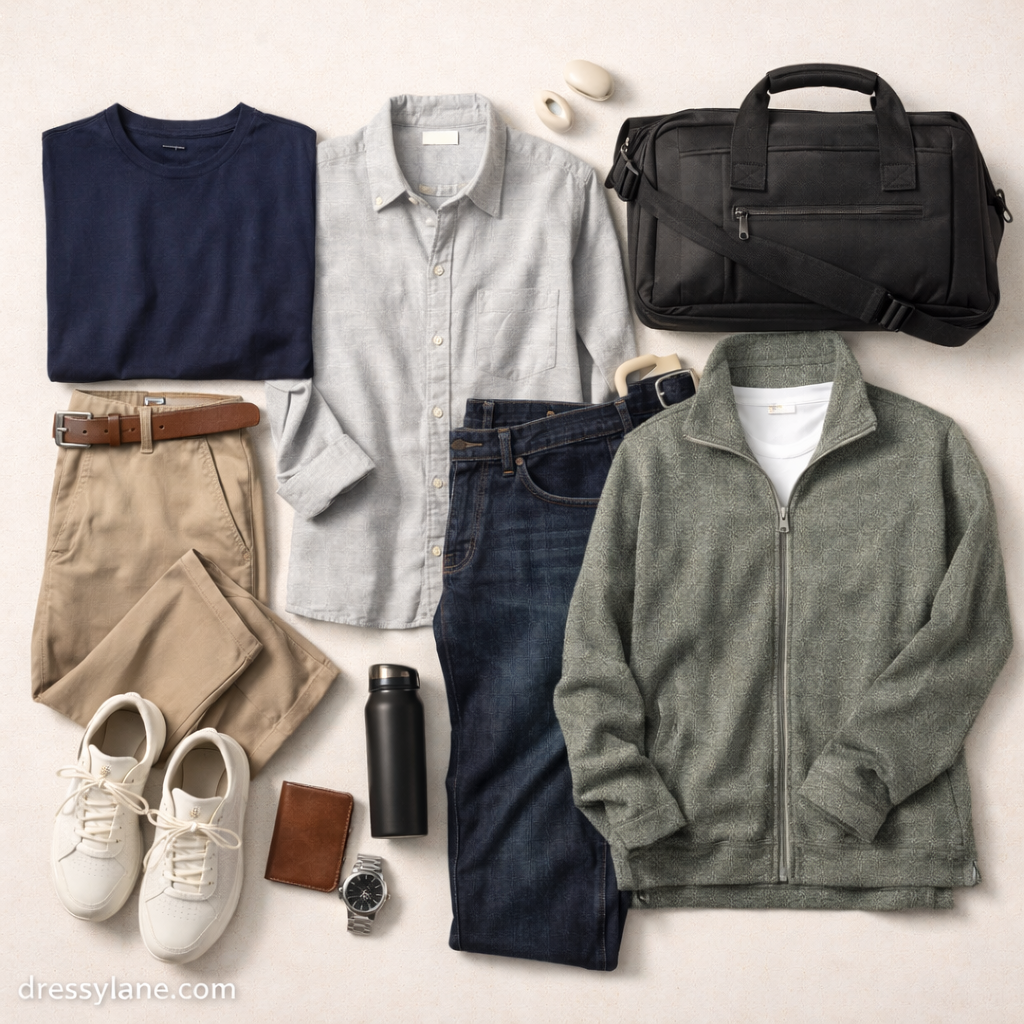
Men can build an extremely flexible wardrobe from relatively few pieces.
A Practical Men’s Foundation
Consider starting with:
- 3–5 solid T-shirts
- 2–3 Oxford or casual button-down shirts
- 1–2 polos
- Dark straight or slim-straight jeans
- Navy, khaki, olive, or charcoal chinos
- Neutral trousers
- Crewneck sweater
- Lightweight overshirt or casual jacket
- Simple sneakers
- Brown or black leather shoes or loafers
- Matching or complementary belt
You don’t need every item immediately.
Choose pieces according to your actual lifestyle.
Where Men Should Prioritize Fit
Pay particular attention to:
- Shoulders on shirts and jackets
- Shirt length
- Trouser rise
- Trouser length
- Sleeve length
A $30 Oxford shirt tucked into properly fitting trousers can look remarkably polished.
Easy Men’s Outfit Formulas
For everyday wear:
Dark jeans + white T-shirt + overshirt + sneakers
For smart casual:
Chinos + Oxford shirt + loafers
For work:
Charcoal trousers + light blue shirt + navy blazer + leather shoes
For dinner:
Dark trousers + knit polo + loafers
Simple combinations also reduce the risk of overdressing. If that’s something you struggle with, see what to wear when you don’t want to overdress.
How to Dress Well on a Budget: Women
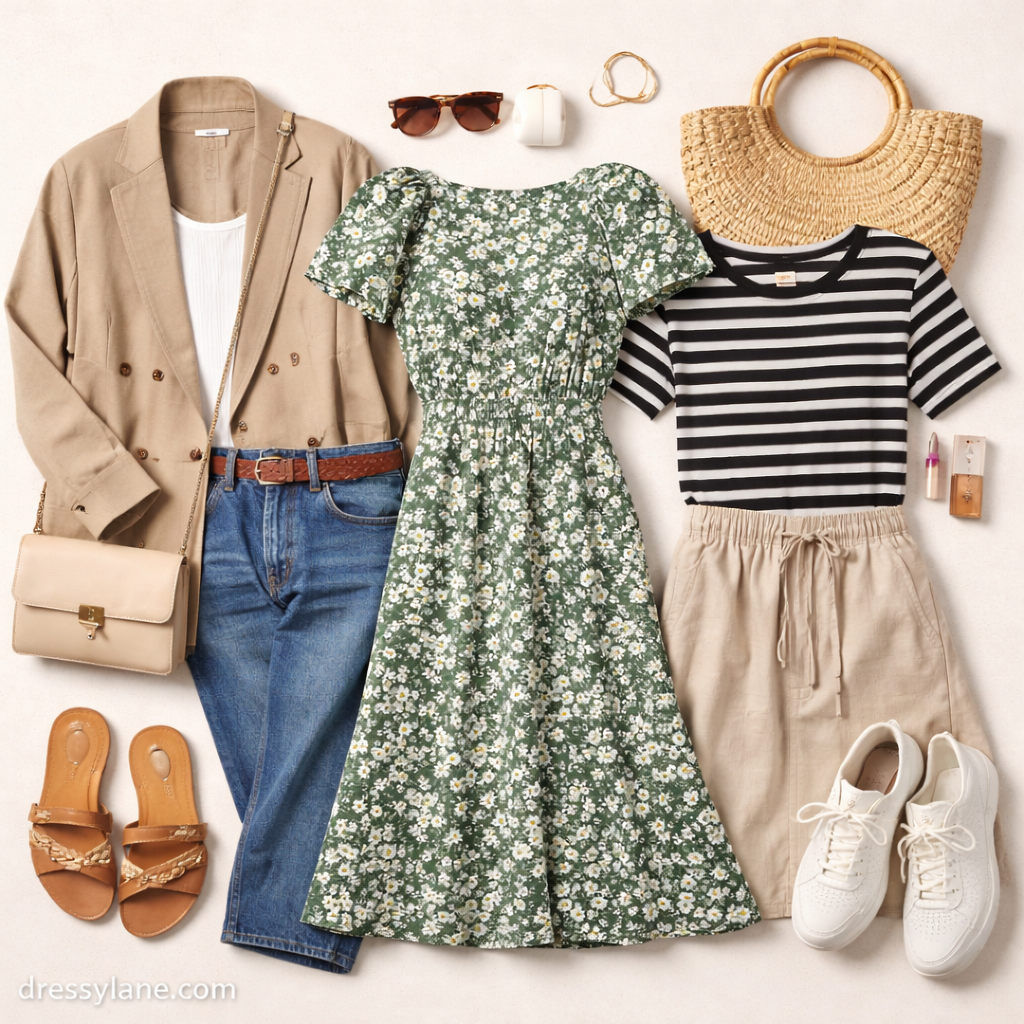
Women’s wardrobes can offer enormous versatility, but that variety can also encourage unnecessary purchases.
The solution is to build around repeatable silhouettes rather than trying to own every category of clothing.
A Practical Women’s Foundation
Depending on your lifestyle, useful pieces might include:
- 3–5 simple tops
- 1–2 blouses or button-down shirts
- Straight-leg or tailored trousers
- Dark jeans
- Neutral skirt
- Versatile casual or midi dress
- Cardigan
- Blazer or structured jacket
- Flats or loafers
- Clean sneakers
- Simple boots
A dress can be particularly useful on a budget because it creates most of an outfit by itself.
Use Layers to Create Variety
A simple dress can work differently with:
- A cardigan
- A blazer
- A belt
- A lightweight jacket
- Different shoes
Likewise, basic trousers can move from casual to professional depending on whether they’re paired with sneakers and a T-shirt or loafers and a blouse.
Dress for Your Body, Not Against It
Being stylish does not require squeezing yourself into whichever silhouette happens to be fashionable.
Look for clothes that let you sit, walk, reach, and move normally.
If physical comfort or self-consciousness makes getting dressed difficult, read our guide to dressing to feel comfortable in your body.
Comfort and polish are not opposites.
Use Shoes and Accessories to Make Basics Look Intentional
You don’t need many accessories.
You need a few that work consistently.
Useful possibilities include:
- Leather or woven belt
- Simple watch
- Small earrings
- Necklace
- Scarf
- Structured everyday bag
Accessories are particularly useful when most of your clothing is neutral.
Shoes deserve even more attention.
Keep them clean. Replace worn laces. Condition leather when appropriate. Repair heels or soles when doing so makes financial sense.
A simple outfit with clean, appropriate footwear usually looks better than a more elaborate outfit with neglected shoes.
Learn to Dress for the Occasion Without Buying a New Outfit
Budget wardrobes become expensive when every invitation triggers a shopping trip.
Instead, learn to adjust the clothes you already own.
When the Dress Code Is Unclear
Start by considering:
- Venue
- Time of day
- Purpose of the event
- Who is hosting
- What similar events usually look like
A restaurant birthday dinner and an afternoon backyard birthday party may technically have no dress code, but they call for different clothing.
Our guide to how to dress when the invitation is vague covers these situations in more detail.
Restaurant and Hotel Dining
A smart-casual foundation is useful because it can be adjusted easily.
For men, chinos or dark trousers with a collared shirt and clean leather shoes cover many nicer dining situations.
For women, tailored trousers with a blouse, a midi dress, or a polished skirt-and-top combination can accomplish the same thing.
Some upscale venues expect more, so check the restaurant’s stated dress code before going. For more specific guidance, see how to dress for hotel dining.
For weddings, interviews, dinners, work functions, funerals, parties, and other events, our complete guide to dressing for different occasions provides a broader reference.
Take Care of What You Already Own
The cheapest garment is often the one already hanging in your closet.
Clothing care directly affects how long your wardrobe lasts.
Wash Less Aggressively
Not every garment needs to be washed after a single brief wear.
When appropriate for the garment and your activity level, airing clothes between wears reduces unnecessary washing.
Follow care labels and use cooler water when suitable.
Be Careful With Dryers
High heat can contribute to shrinkage and wear.
Air drying appropriate garments can extend their life.
Store Clothes Properly
Don’t hang heavy knit sweaters if doing so stretches the shoulders.
Use suitable hangers for jackets.
Make sure clothes are dry before storing them.
Fix Problems Early
Repair:
- Loose buttons
- Small seam openings
- Minor hems
- Loose threads
- Worn shoe heels
A five-minute repair can prevent a minor problem from turning into a ruined garment.
Common Mistakes That Make a Budget Wardrobe More Expensive
Buying Because Something Is Cheap
A low price isn’t automatically good value.
Buying Too Many Statement Pieces
Distinctive pieces are useful, but they are harder to repeat frequently without feeling repetitive.
Build the foundation first.
Buying the Same Thing Repeatedly
If your closet contains seven nearly identical black tops but no trousers that fit properly, another black top isn’t helping.
Ignoring Your Existing Wardrobe
Before buying something, identify what you will wear it with.
Choosing Trends Over Personal Fit
Trends change faster than most people’s clothing budgets should.
Use trends selectively rather than rebuilding your wardrobe around them.
Saving Everything “for Good”
Wear your good clothes.
If a sweater, shirt, dress, or pair of shoes works for ordinary life, using it regularly gives you more value from the purchase.
A Simple Budget Wardrobe Strategy
If you’re starting almost from scratch, don’t try to build an entire wardrobe in one shopping trip.
Start with approximately a week’s worth of practical combinations.
Then wear them.
After a few weeks, you’ll discover what is actually missing.
Maybe you need another pair of work trousers.
Maybe you thought you needed more shirts but actually need better shoes.
Maybe you realize you always reach for navy and never wear beige.
Those observations are valuable because they come from your real habits rather than a generic wardrobe checklist.
This is the approach I’d recommend over buying a prewritten “50 wardrobe essentials” list. Your most useful wardrobe is discovered through repetition. Pay attention to the clothes you keep reaching for, then buy around those winners.
Frequently Asked Questions
Can you really dress well with cheap clothes?
Yes. Fit, coordination, condition, and appropriateness have a major influence on how an outfit looks.
Inexpensive clothing can look polished when it fits properly and is well maintained. The goal isn’t necessarily to buy the cheapest clothing available, though. Look for the best combination of price, construction, fit, and expected use.
How can I look professional without spending a lot of money?
Build a small work wardrobe around interchangeable colors and prioritize trousers, shoes, and one good layering piece such as a blazer or structured cardigan.
You can repeat the same trousers and jacket while changing shirts, blouses, knitwear, shoes, and accessories.
What clothes should I buy first on a limited budget?
Start with whatever solves the biggest problem in your current wardrobe.
If you’re starting broadly, prioritize everyday shoes, well-fitting bottoms, versatile tops, and one layering piece. Occasion-specific clothing can usually wait unless you have an upcoming event.
Is it better to buy expensive clothes that last longer?
Sometimes, but price alone doesn’t guarantee durability.
Consider fabric, construction, care requirements, and how frequently you’ll actually wear the garment. Cost per wear is more useful than price alone.
How many clothes do I need to dress well?
There is no universal number.
Someone who wears a uniform five days a week may need relatively little casual clothing. Someone working in a formal office will need more professional options.
Aim for enough clothing to handle your normal laundry schedule and regular activities without excessive duplication.
How do I avoid looking overdressed?
Match the general formality of the setting and then stay toward the polished end of that range rather than jumping an entire dress-code level.
For example, at a casual dinner, dark jeans, a good shirt, and clean shoes may look polished without requiring a suit or cocktail dress.
What should I wear when I don’t know the dress code?
Research the venue first and consider the time, occasion, and host. When you’re still uncertain, choose an outfit that can be adjusted.
A blazer that can be removed, a cardigan, interchangeable shoes, or restrained accessories allow you to move slightly up or down in formality.
Final Thoughts
Learning how to dress well on a budget isn’t really about becoming better at bargain hunting. It’s about becoming more selective.
Fit matters more than a prestigious label. A wardrobe that coordinates is more useful than a large wardrobe full of unrelated purchases. Well-maintained shoes and neatly pressed clothes can improve an outfit without requiring you to buy anything.
Start with your real lifestyle. Learn your measurements. Build around a small group of dependable colors and silhouettes. Spend more selectively on the things you wear constantly, and use sales and secondhand shopping to stretch your budget rather than to justify unnecessary purchases.
Most importantly, give your wardrobe time to develop.
You don’t need to solve everything in one shopping trip.
When each new piece works with clothes you already own, getting dressed becomes easier, your cost per wear improves, and even a relatively modest wardrobe can cover work, weekends, dinners, travel, and special occasions.
That’s the real advantage of dressing well on a budget: you stop depending on buying more clothes to feel like you have something good to wear.