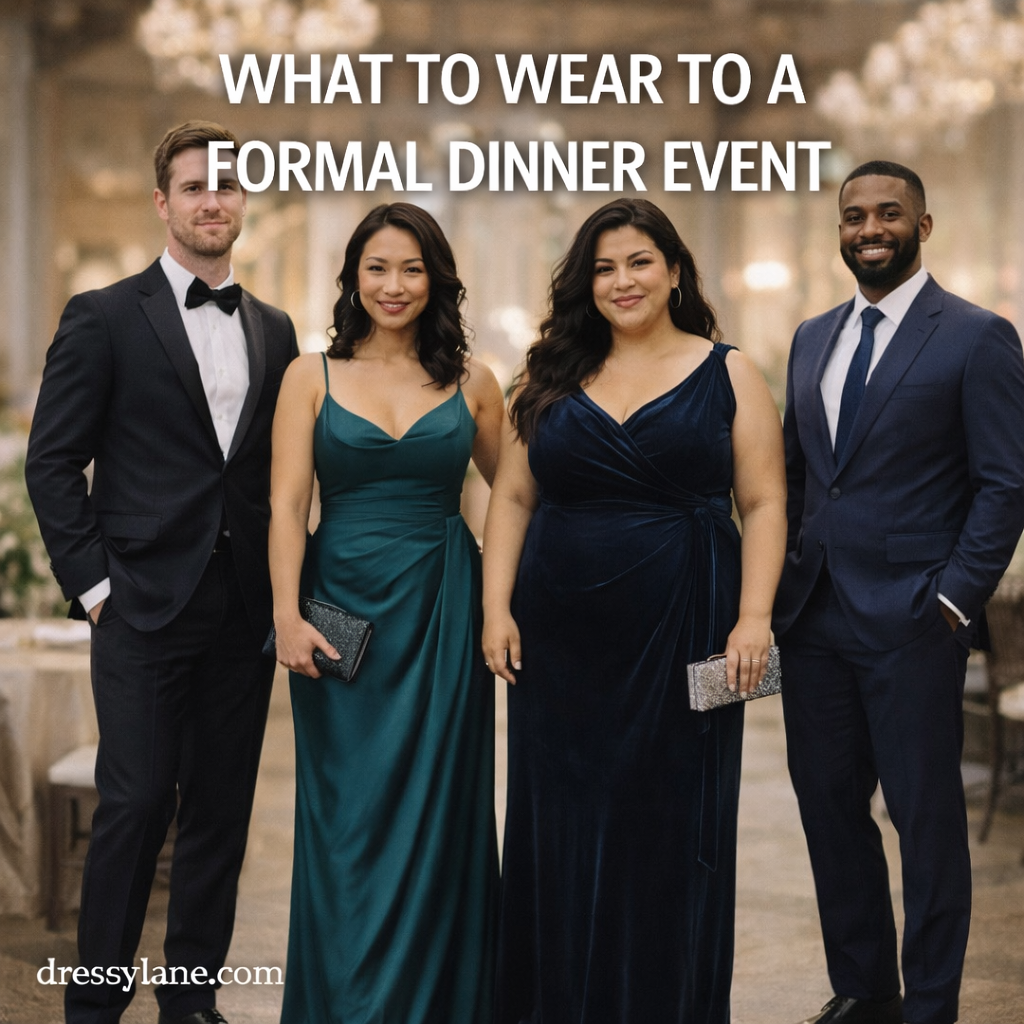
A formal dinner event calls for more than your usual going-out outfit, but figuring out exactly how dressed up to be isn’t always straightforward. A black-tie charity gala has different expectations from a corporate awards dinner, even when both take place in an elegant hotel ballroom.
The key is understanding the dress code before choosing your outfit. A floor-length evening gown or tuxedo might be perfect for one event, while a tailored dark suit or sophisticated midi dress is more appropriate for another.
Here’s how to dress for a formal dinner event without feeling overdressed, underdressed, or uncomfortable halfway through the evening.
Start With the Dress Code on the Invitation
Before deciding what to wear, check the invitation or event website. The words used to describe the dress code make a significant difference.
Here’s what the most common formal dinner dress codes generally mean:
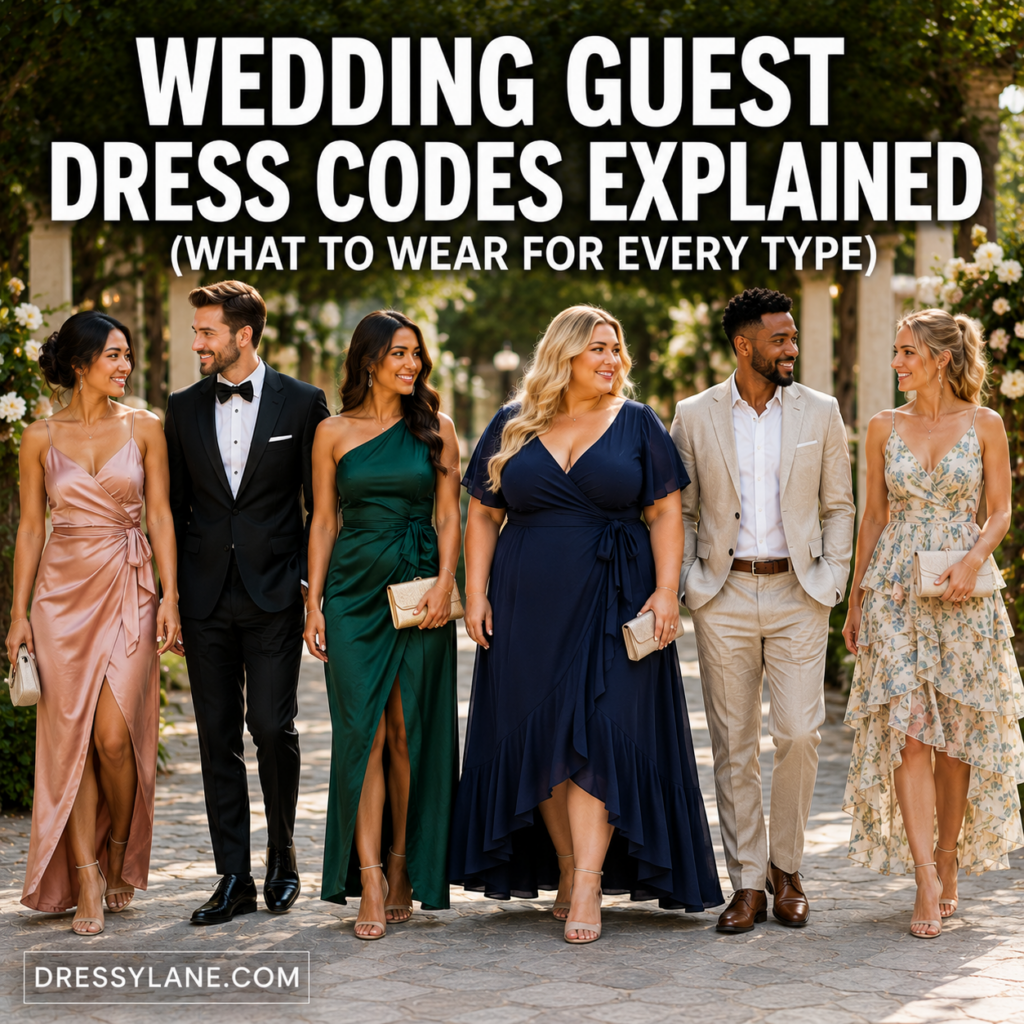
- Black tie: A tuxedo with a black bow tie for men and a floor-length evening gown for women. Exceptionally dressy cocktail dresses may be accepted at some events, but a gown is the more traditional choice.
- Black tie optional: A tuxedo or dark formal suit for men. Women can choose an evening gown or a particularly elegant cocktail dress.
- Formal: Often interpreted similarly to black tie optional, although expectations vary by event. A dark suit or evening dress is usually appropriate.
- Semi-formal: A cocktail dress, dressy midi dress, or tailored suit generally works well.
If the invitation simply says “formal dinner,” consider the venue and purpose of the event.
A fundraising gala with a champagne reception and seated dinner will likely call for more elaborate eveningwear than a corporate banquet held in a hotel conference room.
When the dress code is unclear, I’d check the event’s website or ask the organizer rather than guessing based on the venue alone.
What Men Should Wear to a Formal Dinner Event
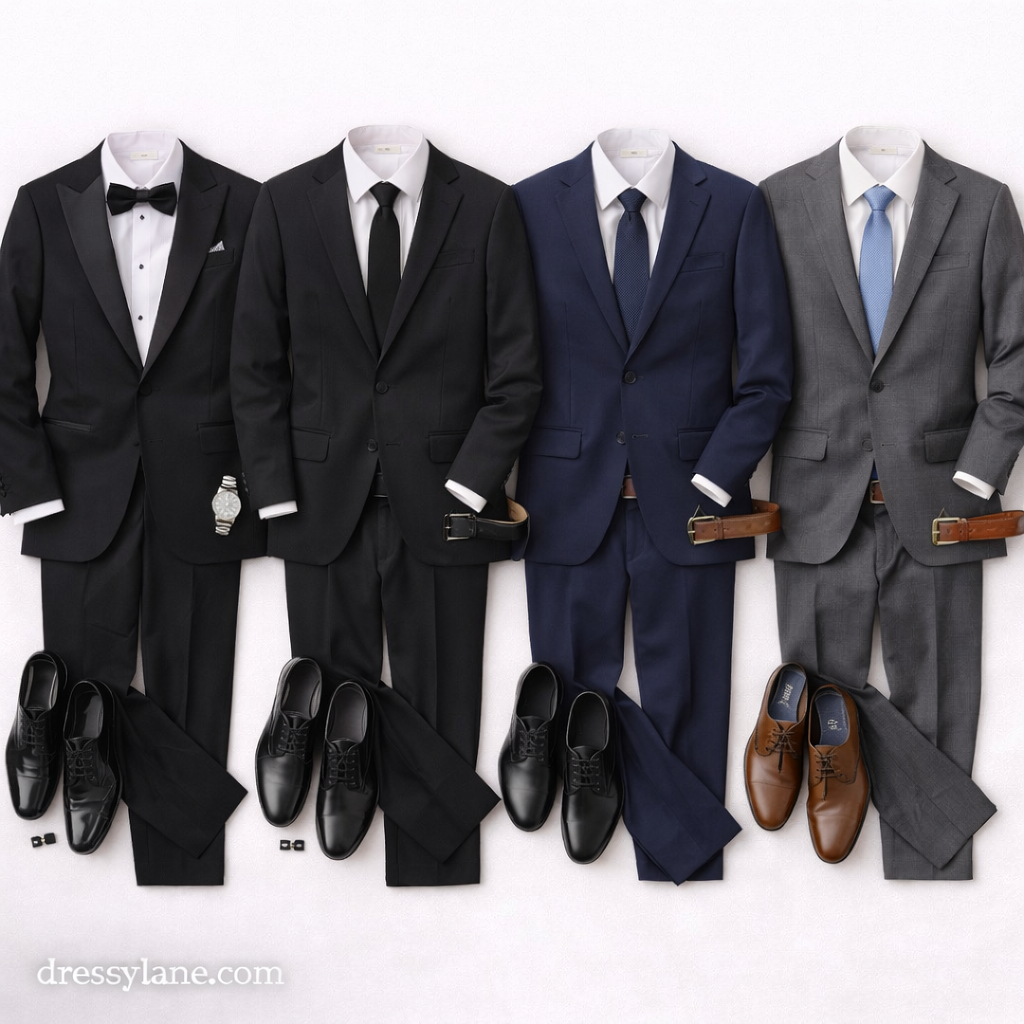
For men, the biggest decision is whether the event requires a tuxedo or allows a traditional suit.
For Black-Tie Dinners
A classic black tuxedo is the most reliable choice.
Pair it with a white formal dress shirt, black bow tie, black dress shoes, and a coordinating cummerbund or waistcoat if desired.
A midnight-blue tuxedo is another traditional option, particularly for evening events.
I’d avoid wearing a standard black business suit and assuming it passes for a tuxedo. The satin or grosgrain lapels, formal trouser detailing, and overall construction make a tuxedo distinctly different.
If the invitation explicitly says black tie, wear a tuxedo or arrange to rent one.
For Formal or Black-Tie-Optional Dinners
A well-tailored dark suit is appropriate when the dress code allows it.
For a classic combination, try a charcoal wool suit, crisp white dress shirt, burgundy silk tie, and polished black Oxford shoes.
Navy is equally suitable, especially in a darker shade.
Pay particular attention to fit. The jacket should sit naturally across your shoulders, the sleeves should reveal a small amount of shirt cuff, and the trousers should fall neatly over your shoes.
An open collar may work for a less formal dinner, but I’d keep the tie on when the invitation specifically requests formal attire.
What Women Should Wear to a Formal Dinner Event
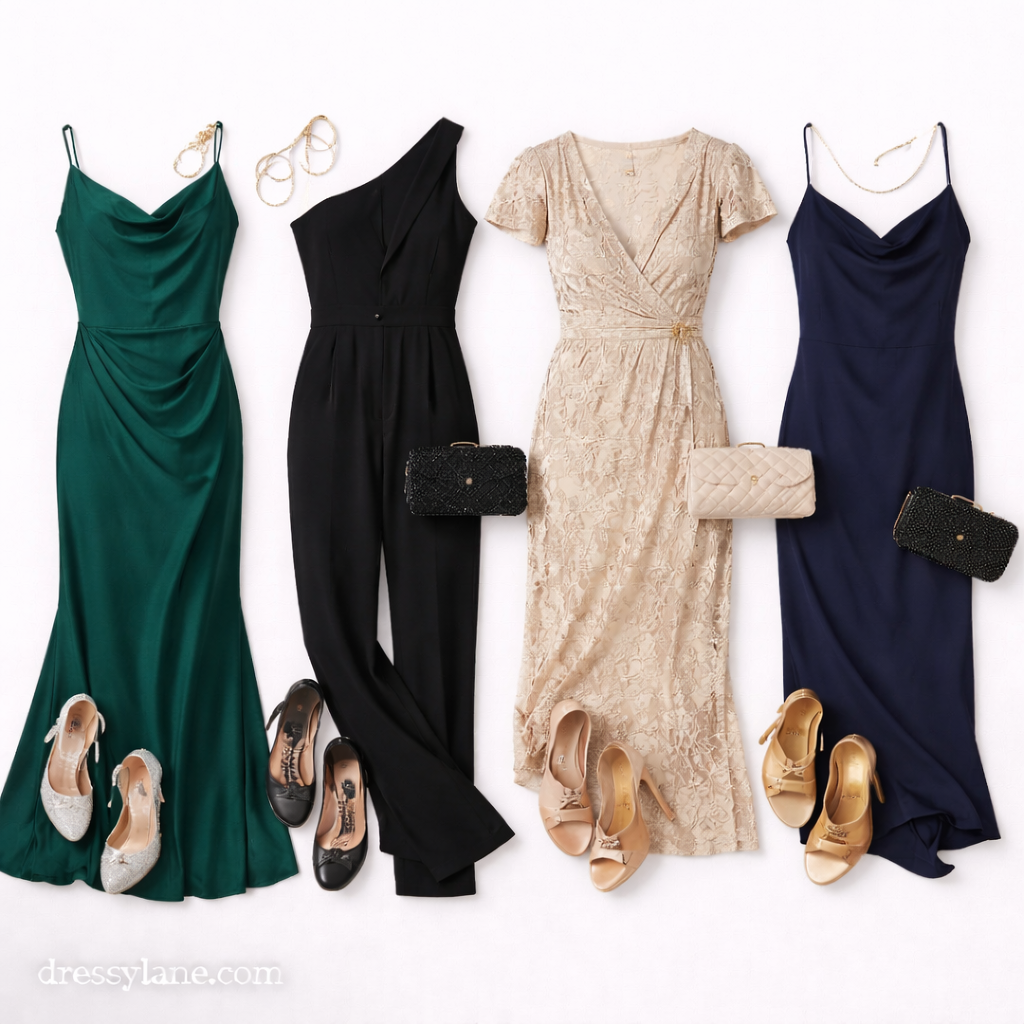
Women’s formal dinner attire offers more flexibility, but the dress code should determine the length, fabric, and overall level of embellishment.
For Black-Tie Dinners
A floor-length evening gown is the traditional choice.
A black crepe column gown with a square neckline, a navy satin dress with a draped bodice, or an emerald velvet gown can all work beautifully.
Look for fabrics with enough weight to drape smoothly, such as silk, structured crepe, velvet, or quality satin.
I’d actually skip a floor-length dress made from thin, clingy jersey for a traditional black-tie event. Even with the right hemline, the fabric can make the outfit look more casual than intended.
Finish with an evening clutch, elegant jewelry, and dress shoes. Heels aren’t mandatory; refined pointed-toe flats can work just as well, particularly beneath a full-length gown.
For Formal or Black-Tie-Optional Dinners
An elegant midi dress, sophisticated cocktail dress, or floor-length gown can be appropriate, depending on the event.
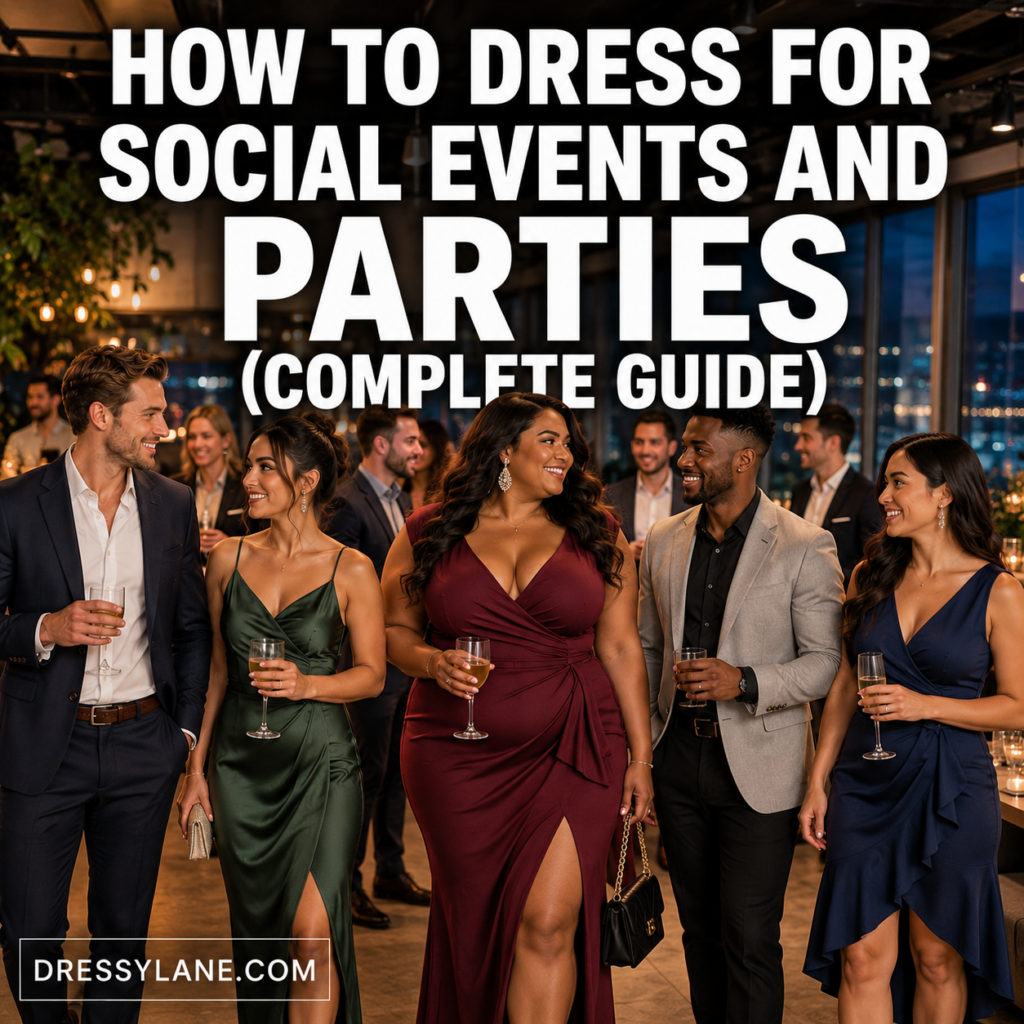
A burgundy satin midi dress with a defined waist and delicate heels is a versatile option for a formal corporate dinner.
Other choices include:
- A structured crepe sheath dress with an elegant neckline.
- A tailored evening jumpsuit in black or deep navy, where the dress code allows it.
- A flowing silk skirt paired with a refined evening blouse.
If the event involves several hours of seated dining, consider how the dress fits when you sit down. A beautifully tailored outfit shouldn’t require constant adjusting throughout dinner.
Choosing the Right Colors and Fabrics
Black, navy, charcoal, and deep jewel tones are dependable choices for formal evening events.
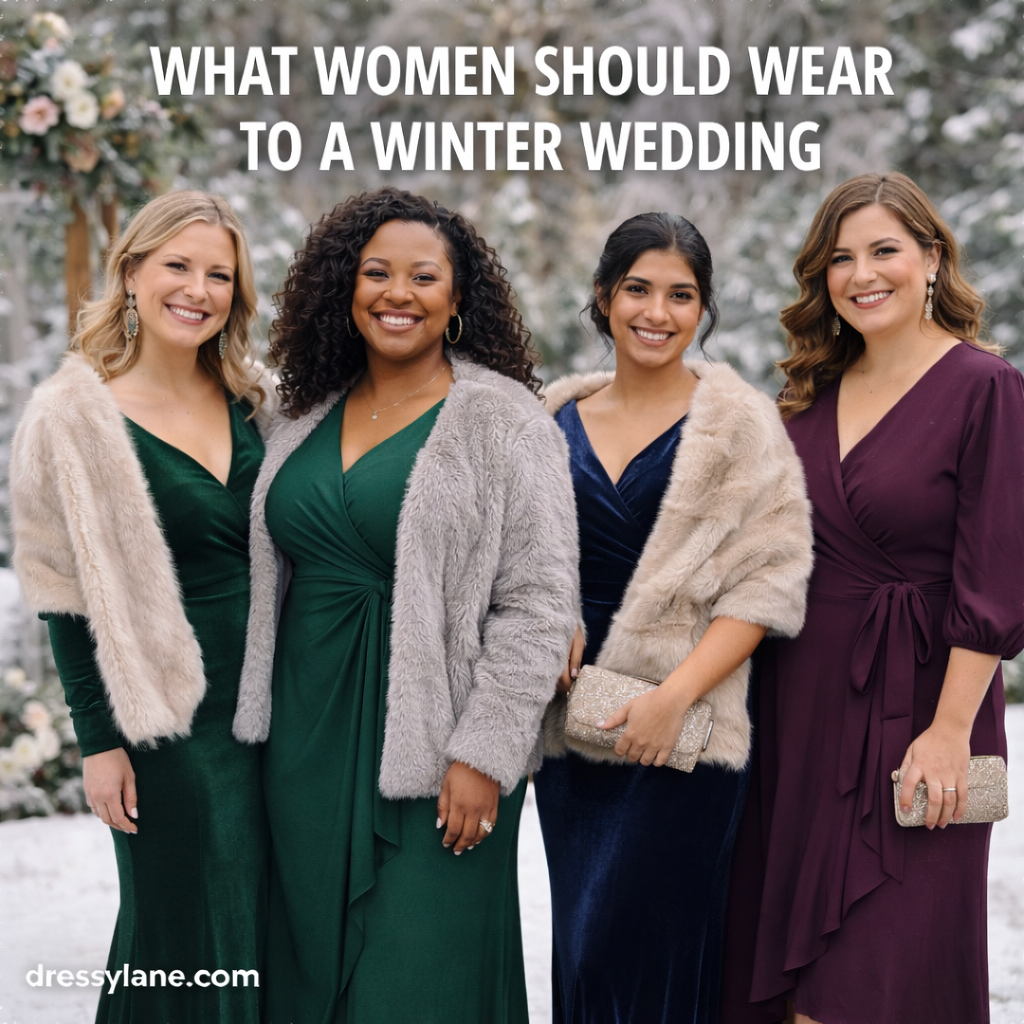
For women, emerald, burgundy, plum, and midnight blue offer alternatives to a traditional black dress. Metallic accessories can add interest without requiring an entirely embellished outfit.
Men can introduce subtle texture through a fine wool suit, silk tie, or understated pocket square.
Fabric makes a noticeable difference. Satin and silk create a dressier finish, while structured crepe offers a clean silhouette without excessive shine. Velvet works particularly well for fall and winter dinners.
For warmer weather, choose lighter-weight formal fabrics rather than abandoning the dress code entirely.
A tropical-wool suit or lightweight crepe gown can look just as polished as heavier eveningwear while being considerably more comfortable.
Don’t Overlook the Practical Details
Formal dinners often involve a cocktail reception, a seated meal, speeches, and possibly dancing afterward.
Your outfit needs to work for the entire evening.
For women, choose shoes you can comfortably stand in during the reception. If you’re wearing a long gown, have the hem adjusted while wearing the exact shoes you plan to bring.
For men, make sure your jacket buttons comfortably and your trousers don’t pull across the thighs when seated.
Outerwear matters, too. A tailored wool coat or elegant evening wrap looks more cohesive with formal clothing than an everyday athletic jacket.
One detail I’d pay particular attention to is fragrance. A heavily scented perfume or cologne can be overwhelming at a crowded dinner table, so keep it subtle.
What Not to Wear to a Formal Dinner Event
Unless the invitation explicitly allows a more relaxed dress code, avoid clothing that feels noticeably casual.
That generally includes:
- Denim, casual chinos, and graphic T-shirts.
- Athletic sneakers and everyday sandals.
- Casual blazers worn with jeans.
- Wrinkled or poorly fitted formalwear.
- Dresses that look more appropriate for a beach vacation than an evening event.
There’s also no need to avoid personality altogether. A distinctive pair of earrings, an interesting neckline, or a subtly patterned tie can make a formal outfit feel individual.
The goal isn’t to look identical to everyone else. It’s to understand the occasion well enough to make your own style choices within the dress code.
Final Thoughts
Knowing what to wear to a formal dinner event starts with one important distinction: black tie requires a different level of dressing than a general formal invitation.
For men, a tuxedo or well-tailored dark suit provides the foundation, depending on the dress code. For women, an evening gown, sophisticated cocktail dress, or elegant formal ensemble can work when it matches the occasion.
Before leaving, try on the complete outfit, including shoes and outerwear. Check that everything fits comfortably when standing and sitting, and make sure your clothing is clean and pressed.
The right formal dinner outfit should look appropriate when you arrive and remain comfortable enough that you can focus on the event rather than what you’re wearing.