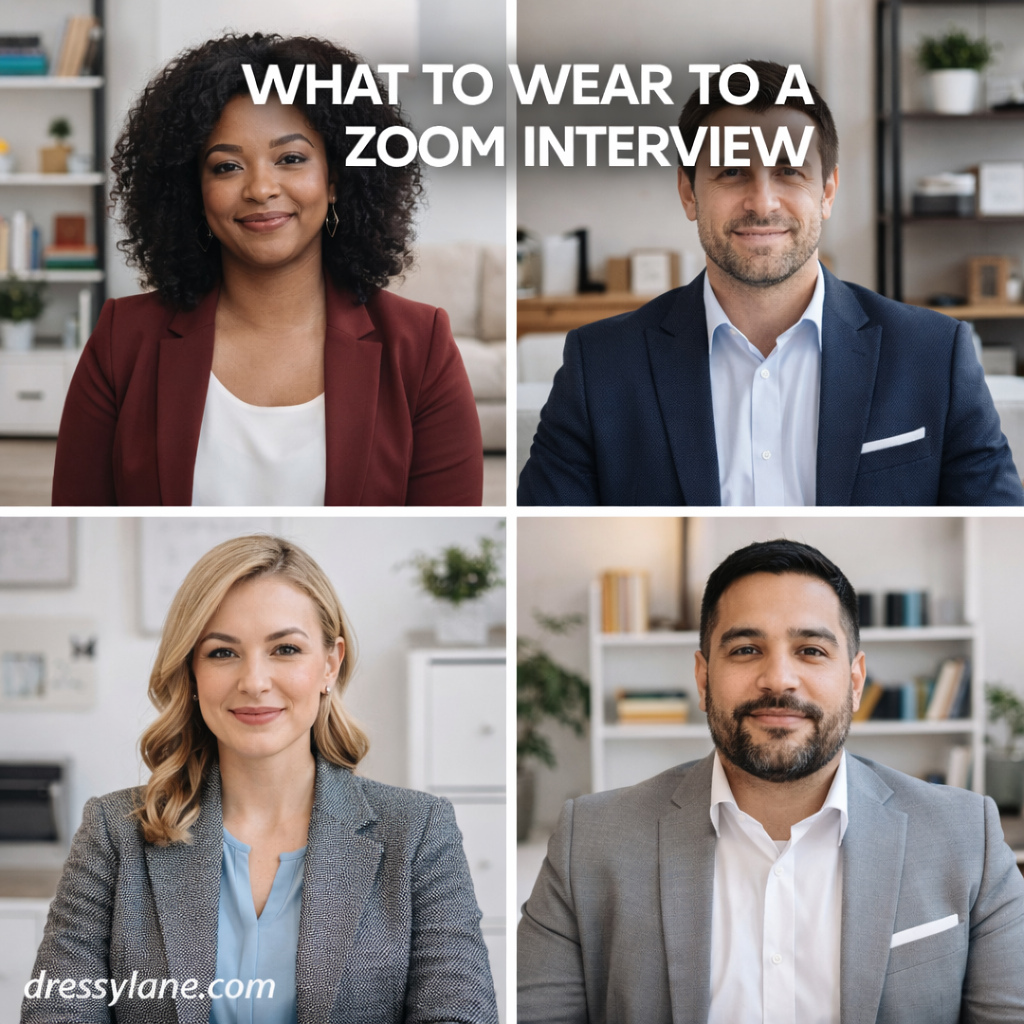
A Zoom interview might take place at your kitchen table, but your outfit still needs to suit the job you’re applying for. The difference is that clothing doesn’t always look the same on a webcam as it does in the mirror.
A crisp white shirt can appear overly bright under strong lighting, tiny stripes may flicker on screen, and a dark blazer can disappear into a black background.
The best Zoom interview outfit balances the company’s dress code with colors, fabrics, and silhouettes that look good on camera. You don’t need a completely new wardrobe, but a few thoughtful adjustments can make a noticeable difference.
Start With the Company’s Dress Code
Before choosing your outfit, look at the company’s website, careers page, or employee photographs to understand how people typically dress.
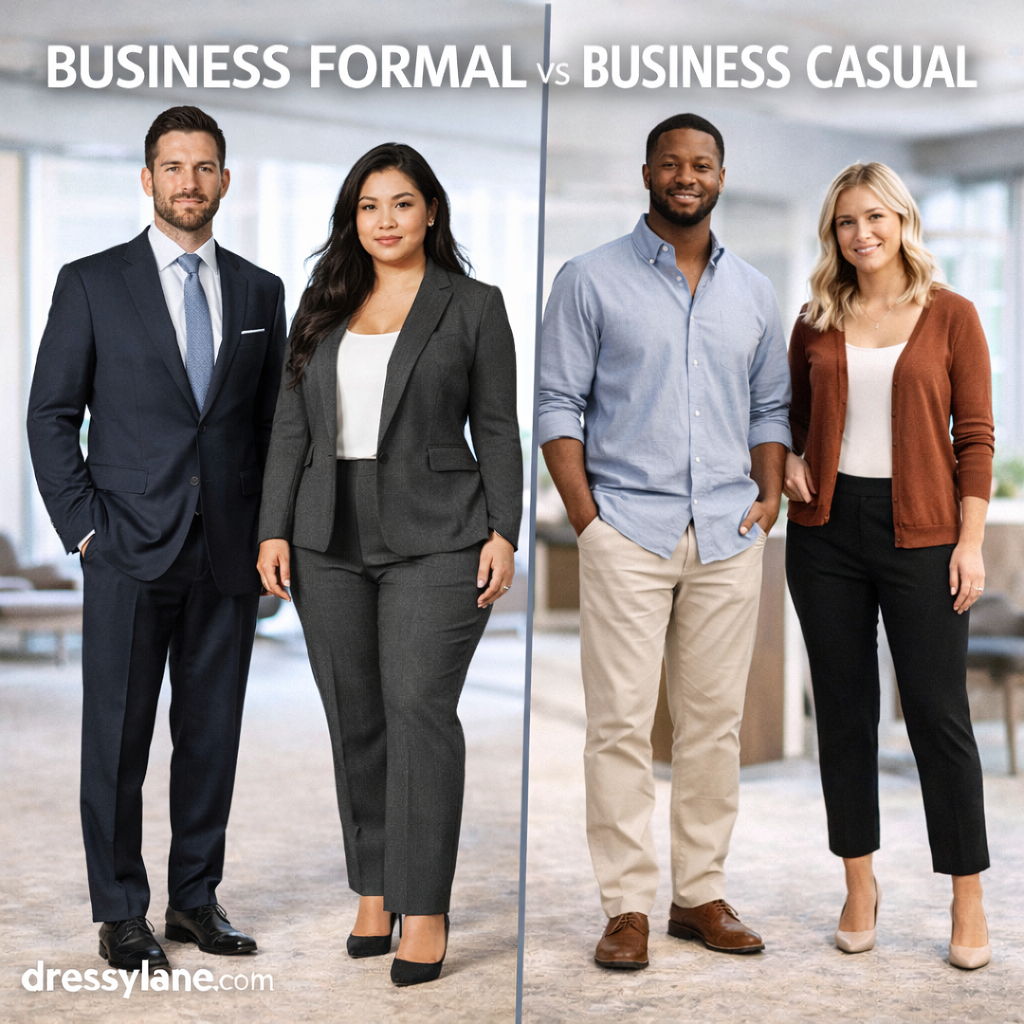
For a corporate finance position, a suit jacket and dress shirt or blouse are dependable choices. A technology startup may have a more relaxed culture, making a button-down shirt, fine-knit sweater, or simple blazer appropriate.
If you’re unsure, I’d recommend dressing slightly more formally than the company’s everyday style.
A navy blazer over a light blue shirt works for many professional interviews without looking excessively formal on camera.
Don’t assume that working from home automatically makes a polo shirt or T-shirt appropriate. The position and company culture should guide your decision.
The Best Colors to Wear on Zoom
Color behaves differently on camera, particularly when you’re sitting near a window or using artificial lighting.
Navy, muted blue, charcoal, burgundy, and forest green are useful options because they provide color without being excessively bright.
Soft cream and pale blue can also work well, depending on your background and lighting.
I’d avoid wearing a bright white shirt against a white wall if your webcam struggles with exposure. The shirt can blend into the background or appear overly bright.
Similarly, a black blazer against a dark background may make your shoulders difficult to distinguish.
A little contrast helps. Try a navy jacket over a pale blue shirt or a charcoal blazer with a cream blouse.
Very fine stripes, tiny checks, and tightly spaced patterns can create a flickering or wavy effect on some webcams. Solid colors or larger, understated patterns are generally easier to manage.
What Women Should Wear to a Zoom Interview
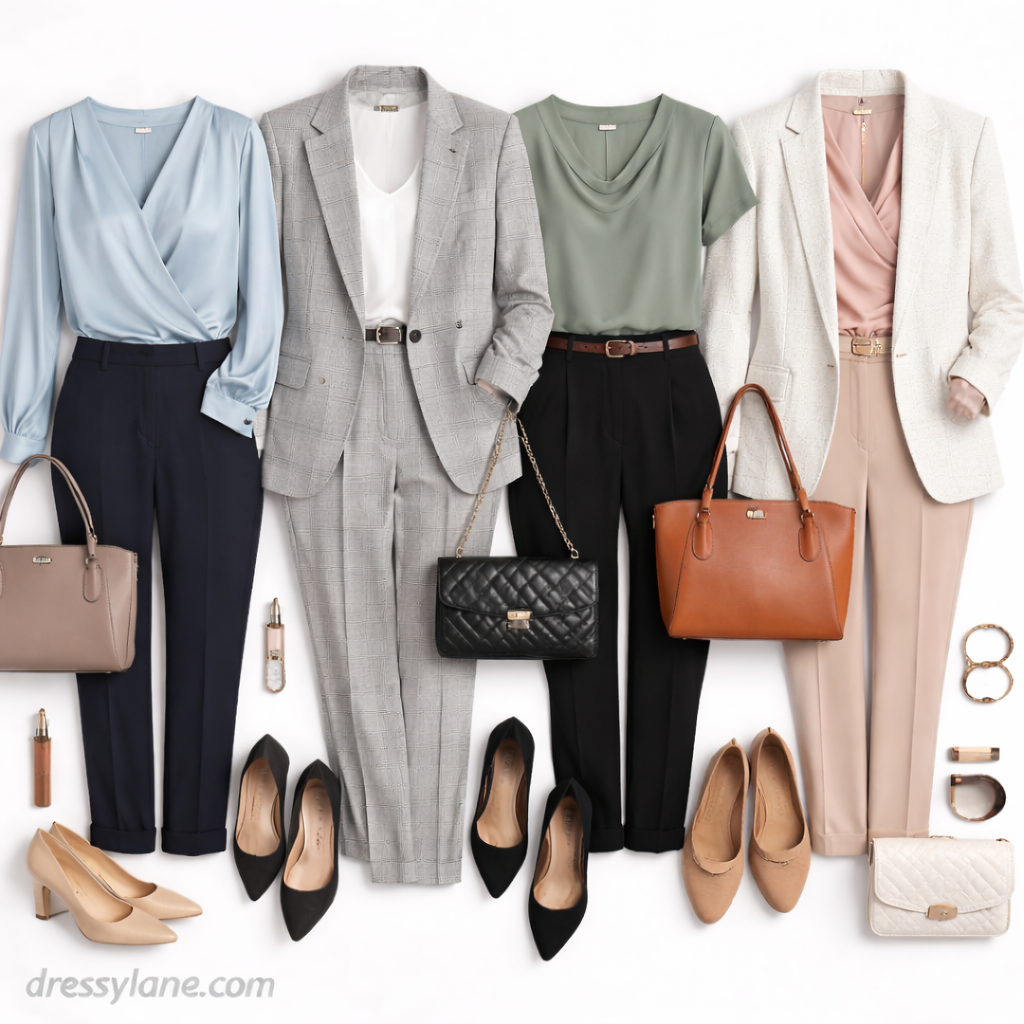
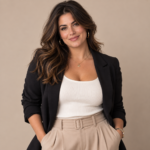
For women, a structured blazer over a simple blouse is one of the most versatile Zoom interview combinations.
A navy single-breasted blazer with a cream cotton-poplin blouse creates a clean neckline and gives the upper body some definition on camera.
Other outfit ideas include:
- A charcoal blazer over a muted blue blouse for a corporate interview.
- A fine-gauge merino sweater with tailored trousers for a business-casual role.
- A structured knit top with a simple neckline and matching jacket.
- A solid-colored blouse with a relaxed blazer for a creative or technology position.
Pay particular attention to the neckline. Since the camera usually frames your head and upper torso, collars, lapels, and necklines become more noticeable.
A blouse with excessive ruffles or a large bow can dominate the frame, especially when you’re seated close to the webcam.
I’d choose a simple crew neck, modest V-neck, or neatly pressed collar instead.
What about jewelry and makeup?
Small earrings, a delicate necklace, or a simple watch are easy options.
Large dangling earrings may create movement every time you turn your head, while highly reflective jewelry can catch the light.
If you wear makeup, check how it appears on camera rather than applying more simply because the interview is virtual. Natural daylight may already provide enough definition.
Keep your hair styled in a way that doesn’t require constant adjusting during the conversation.
What Men Should Wear to a Zoom Interview
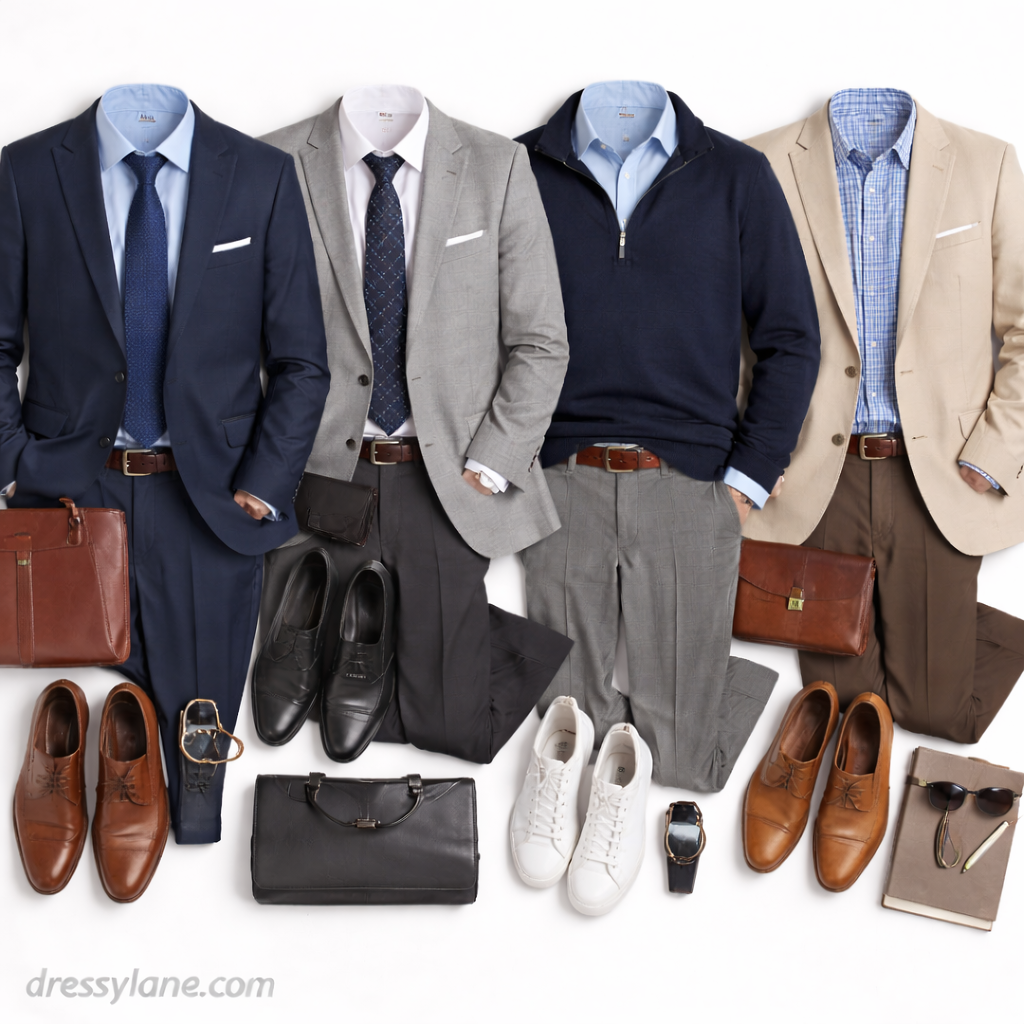
For men, a well-fitting button-down shirt is a dependable starting point.
A pale blue cotton Oxford shirt with a navy blazer looks professional without requiring an elaborate outfit.
For a more formal corporate interview, choose a matching suit jacket, dress shirt, and conservative tie.
Other suitable combinations include:
- A charcoal blazer with a white or light blue dress shirt.
- A navy fine-gauge sweater layered over a collared shirt.
- A button-down shirt with chinos for a business-casual company.
- A solid-colored knit polo for a relaxed workplace where that level of dress is appropriate.
Make sure your collar sits neatly and doesn’t curl under the jacket.
I’d skip a shirt with a very small check pattern, even if it looks excellent in person. Some webcams struggle to reproduce closely spaced lines clearly.
A solid pale blue or muted gray shirt is usually easier to work with.
If you’re wearing a tie, check that it’s centered and visible within the camera frame.
Yes, You Should Wear Proper Pants
The familiar advice to dress professionally only from the waist up sounds convenient, but it’s an unnecessary risk.
You might need to stand up to close a door, adjust your lighting, or retrieve a document.
Wear trousers, chinos, a skirt, or another bottom that fits the company’s dress code.
You don’t necessarily need formal shoes if they won’t be visible and the interview doesn’t require them, but wearing a complete outfit can eliminate the worry of accidentally revealing pajama bottoms.
Comfort still matters. Choose trousers with a waistband that doesn’t dig in while you’re seated for an hour.
Test Your Outfit on Camera Before the Interview
This is the step I’d prioritize over buying anything new.
Open Zoom’s video preview and sit in the exact location where you’ll be interviewing.
Check how your outfit looks with your actual lighting and background.
A dark navy blazer might look perfect in the mirror but blend into a dark bookcase behind you. A cream blouse may appear washed out if you’re sitting directly in front of a bright window.
Try moving the light source or changing your top before replacing the entire outfit.
Position the camera approximately at eye level and frame yourself so your head and upper torso are visible.
Sit far enough back that your shoulders aren’t cut off, but close enough that the interviewer can see your facial expressions clearly.
Also, check whether your clothing wrinkles or pulls when seated. A blazer that fits well while standing may bunch around the shoulders when you’re leaning toward a laptop.
What Not to Wear to a Zoom Interview
Avoid clothing that creates unnecessary visual distractions.
Tiny stripes, busy geometric prints, neon colors, and shiny satin can be difficult to reproduce accurately on camera.
Large logos and graphic T-shirts are generally better left out unless they’re appropriate for the specific workplace.
I’d also avoid oversized, slouchy tops that lose their shape when you’re seated. A structured knit or properly fitted shirt tends to look more defined within a small video frame.
Check for wrinkles around the collar and shoulders, since those areas are particularly visible.
Strong fragrance isn’t a concern for the interviewer over video, but uncomfortable clothing certainly is. There’s no reason to wear a stiff jacket that restricts your movement when a better-fitting alternative is available.
A Quick Check Before Joining the Call
About 15 minutes before the interview, put on your complete outfit and open the video preview.
Make sure your collar is straight, your hair is in place, and your clothing contrasts with the background.
Clean your webcam lens if the picture looks hazy. Even a small fingerprint can make the image appear noticeably softer.
Turn off unnecessary notifications, check your microphone, and keep a glass of water nearby.
If you’re using a virtual background, check that the edges of your jacket and hair don’t disappear when you move. A real, uncluttered background is often simpler.
Final Thoughts
Knowing what to wear to a Zoom interview means considering both the company’s expectations and how your clothing appears on camera.
Start with an appropriate professional outfit, choose colors that contrast with your background, and avoid fabrics or patterns that create visual distractions.
Most importantly, test everything using your actual webcam and lighting before interview day.
A well-fitting shirt, simple blazer, and thoughtful camera setup are often all you need to look prepared and concentrate on the conversation rather than your appearance.