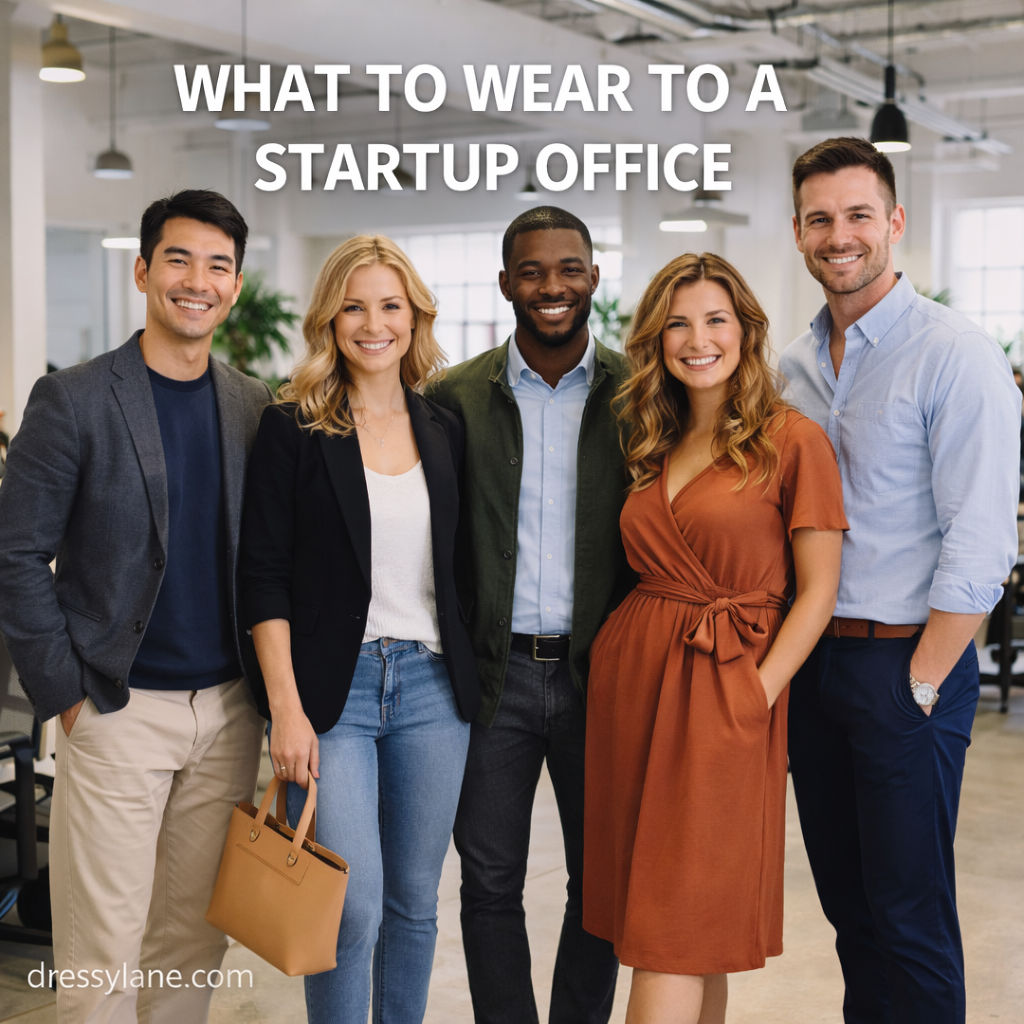
Startup offices are known for relaxed dress codes, but that doesn’t mean every workplace runs on hoodies and sneakers. A software startup with ten employees might have an entirely different approach to clothing than a growing financial technology company that regularly meets investors.
The challenge is finding clothes that feel comfortable enough for a full day at your desk while still looking appropriate for an unexpected client meeting or presentation.
For most startup offices, polished casual is a useful starting point. Think well-fitting jeans, chinos, relaxed blazers, quality T-shirts, and clean sneakers. The exact combination depends on the company’s culture and your role.
Figure Out the Dress Code Before Buying Anything
Startup dress codes can change as companies grow, and the industry often influences how employees dress.
At an early-stage software company, developers might wear jeans, graphic T-shirts, and sneakers. A creative startup may encourage more experimental outfits, while a financial technology company could expect tailored trousers and collared shirts for client-facing employees.
If you’re starting a new job, I’d recommend wearing chinos or tailored trousers with a simple shirt and a lightweight jacket on your first day.
It’s a comfortable middle ground that doesn’t feel overly corporate.
Pay attention to what coworkers wear during ordinary workdays and how they dress for presentations. You can gradually adjust your wardrobe once you understand the environment.
There’s no reason to buy an expensive suit if nobody in the office wears one.
What Women Should Wear to a Startup Office
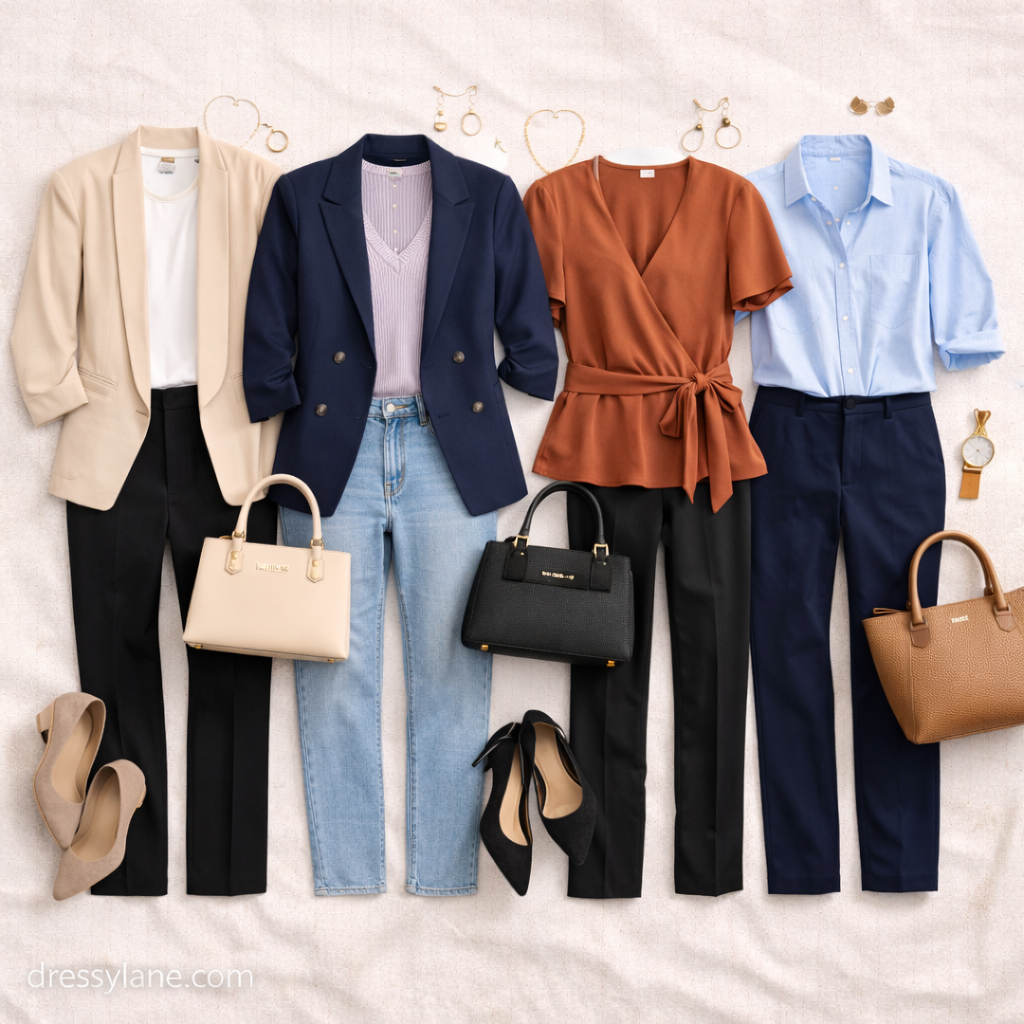
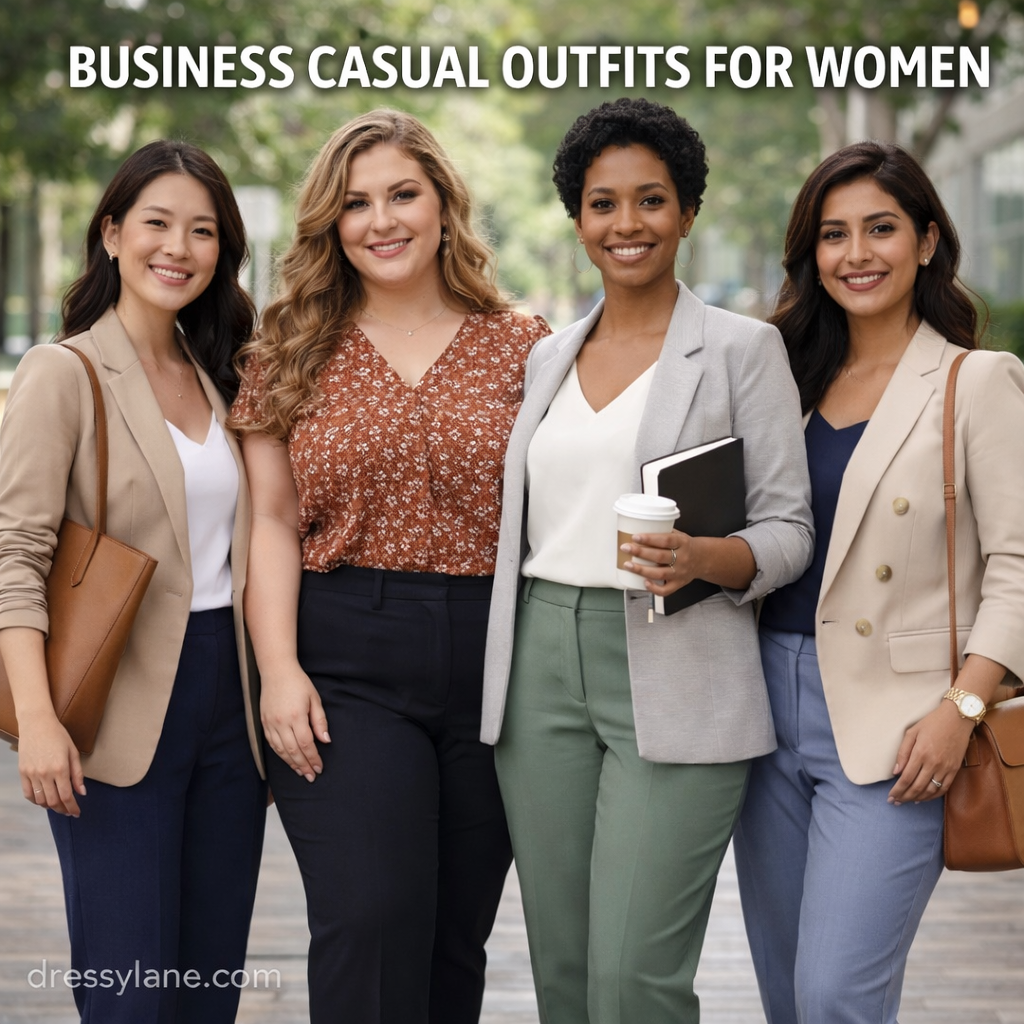
Startup workwear gives women plenty of room to combine comfortable basics with more structured pieces.
A particularly useful combination is black straight-leg trousers, a white cotton T-shirt, an oversized blazer, and leather loafers. It’s relaxed enough for a casual office but can also work for an afternoon meeting.
Other outfit ideas include:
- Dark straight-leg jeans with a cream knit top and Chelsea boots.
- Wide-leg trousers with a tucked-in cotton blouse and minimalist sneakers.
- A midi shirt dress with a leather belt and flat loafers.
- A lightweight cardigan with tailored trousers and pointed-toe flats.
Look for fabrics that remain comfortable while seated. Cotton poplin, substantial jersey, and trousers with a little stretch are practical choices.
Shoes and accessories
Clean leather sneakers are often perfectly acceptable in casual startup environments. Loafers, ballet flats, and low block heels offer slightly dressier alternatives.
I’d avoid buying heels specifically for a startup office unless you genuinely enjoy wearing them. If everyone else is walking around in sneakers, comfortable loafers will usually be more practical.
Choose a bag that fits your laptop, charger, and other daily essentials. A structured tote or clean backpack can work, depending on the office.
Jewelry can be simple or expressive. A pair of sculptural earrings or a colorful bag adds personality without requiring an elaborate outfit.
What Men Should Wear to a Startup Office
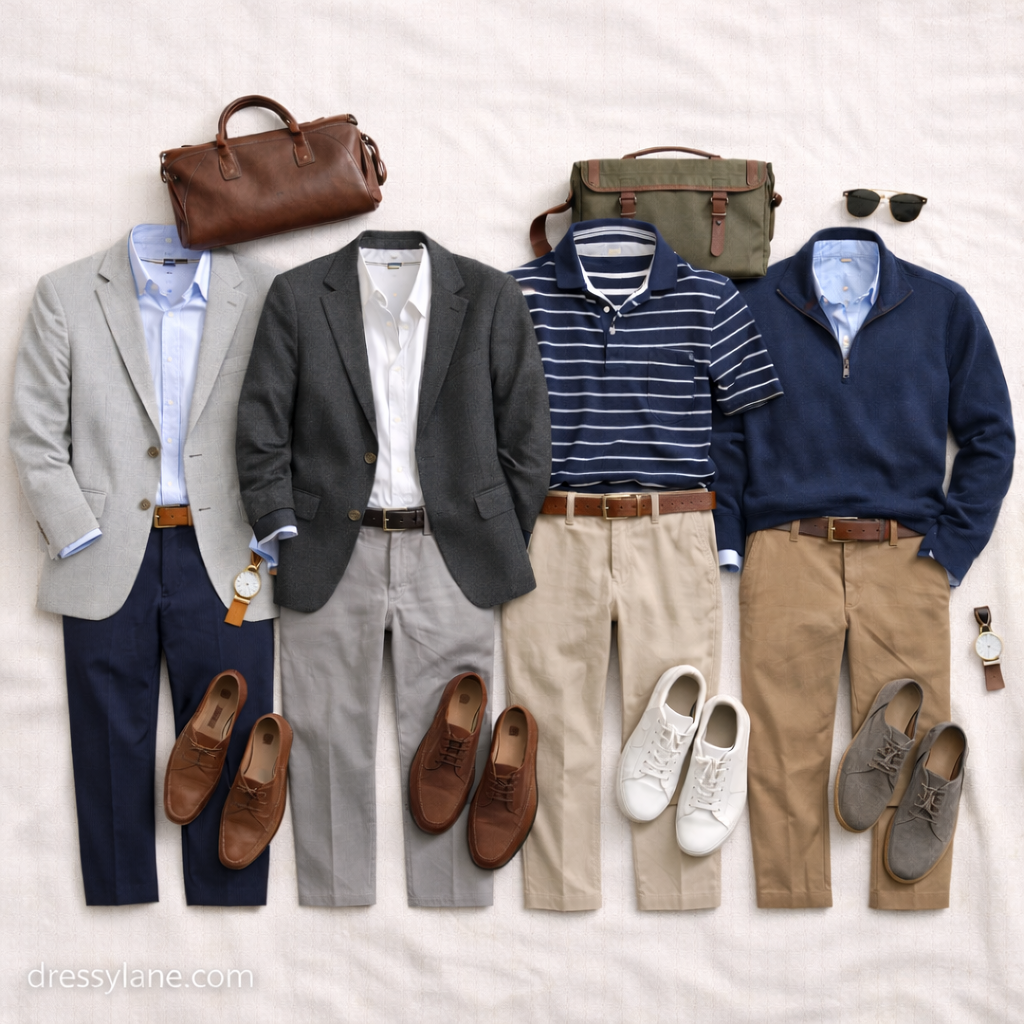
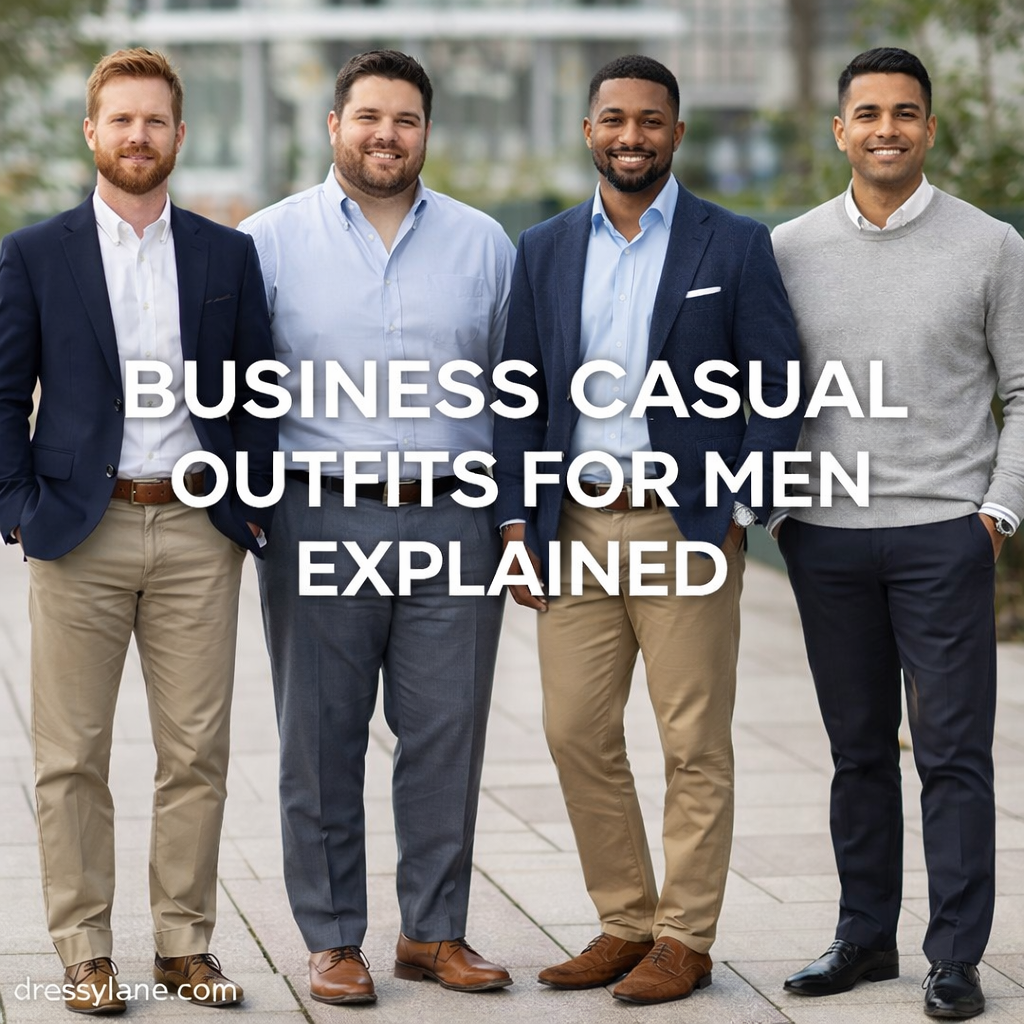
Men’s startup clothing generally falls somewhere between casual weekend wear and traditional business casual.
A dependable everyday outfit is a pair of navy chinos, a heavyweight white cotton T-shirt, an olive overshirt, and clean leather sneakers.
The overshirt adds structure without making the outfit feel like you’re heading to a corporate interview.
Other combinations worth trying include:
- Dark denim with a light blue Oxford shirt and suede loafers.
- Charcoal trousers with a fine-gauge knit polo and minimalist sneakers.
- Olive chinos with a navy sweater and Chelsea boots.
- Tailored trousers with a plain T-shirt and unstructured blazer.
Fit makes a noticeable difference with casual clothing.
Choose T-shirts with a neckline that holds its shape and trousers that don’t bunch excessively around your shoes. A slightly relaxed fit can look intentional without appearing oversized.
I’d skip the full suit for an ordinary workday unless your company expects it. A blazer with chinos is easier to adapt to a workplace where most employees dress casually.
What About Hoodies, Jeans, and Sneakers?
In many startups, these are everyday wardrobe staples. The important question is whether they’re appropriate for your particular office and responsibilities.
Dark, straight-leg jeans without heavy distressing are easy to pair with a button-down shirt, knitwear, or blazer.
For sneakers, choose a clean pair in leather, canvas, or suede. They don’t have to be expensive, but worn-out running shoes can make an otherwise polished outfit look unfinished.
Hoodies are more dependent on company culture.
A plain, heavyweight hoodie layered under a casual jacket may fit right into a software startup. The same outfit could feel too relaxed for a meeting with potential investors.
I’d keep a blazer or smart overshirt at the office if unexpected meetings are common. It’s an easy way to make your usual jeans-and-T-shirt combination look more put-together.
Dress Differently for Meetings and Presentations
One of the practical challenges of startup work is that your schedule can change quickly.
You might spend the morning working at your desk and the afternoon presenting a product to a prospective client.
For those days, build an outfit around pieces that can handle both situations.
Women could pair tailored trousers with a knit top, blazer, and loafers. Men might choose chinos, an Oxford shirt, an unstructured jacket, and leather shoes.
You don’t necessarily need a suit. A structured jacket, clean footwear, and properly fitted trousers can make a substantial difference.
If your company works with traditional corporate clients, consider their expectations when choosing what to wear to external meetings.
Adjust Your Outfit for the Startup’s Industry
A startup’s industry can provide useful clues about its clothing expectations.
Technology startups: Jeans, chinos, T-shirts, knitwear, and sneakers are common in many casual offices. Choose clean, well-maintained pieces.
Creative startups: Experiment with color, texture, and silhouette. Corduroy trousers, patterned shirts, oversized blazers, and distinctive accessories can work well.
Finance and business-focused startups: Tailored trousers, collared shirts, blouses, and structured jackets may be more appropriate, especially for client-facing roles.
These aren’t universal rules. The company’s actual dress code should take priority over assumptions about its industry.
Build a Small Startup Office Wardrobe
You don’t need a completely separate wardrobe for startup life.
Start with two pairs of trousers, dark jeans if permitted, several quality T-shirts or shirts, a lightweight knit, and a blazer or overshirt.
Add two pairs of comfortable shoes, such as minimalist sneakers and leather loafers.
Stick to a few coordinating colors. Navy, charcoal, olive, cream, and black are easy to mix without making every outfit look identical.
For example, navy chinos can work with a white T-shirt and sneakers on Monday, then a pale blue Oxford shirt and loafers for a client meeting on Wednesday.
Choose pieces that can be worn in several combinations rather than buying something new for every occasion.
Final Thoughts
Knowing what to wear to a startup office starts with understanding how the company actually operates.
A relaxed dress code gives you freedom, but your outfit still needs to suit your daily responsibilities, workplace culture, and occasional meetings.
Start with comfortable, well-fitting basics and add structured pieces when the situation calls for them.
A good startup wardrobe should make getting dressed easier, whether you’re spending the day writing code, collaborating with coworkers, or presenting to a room full of clients.