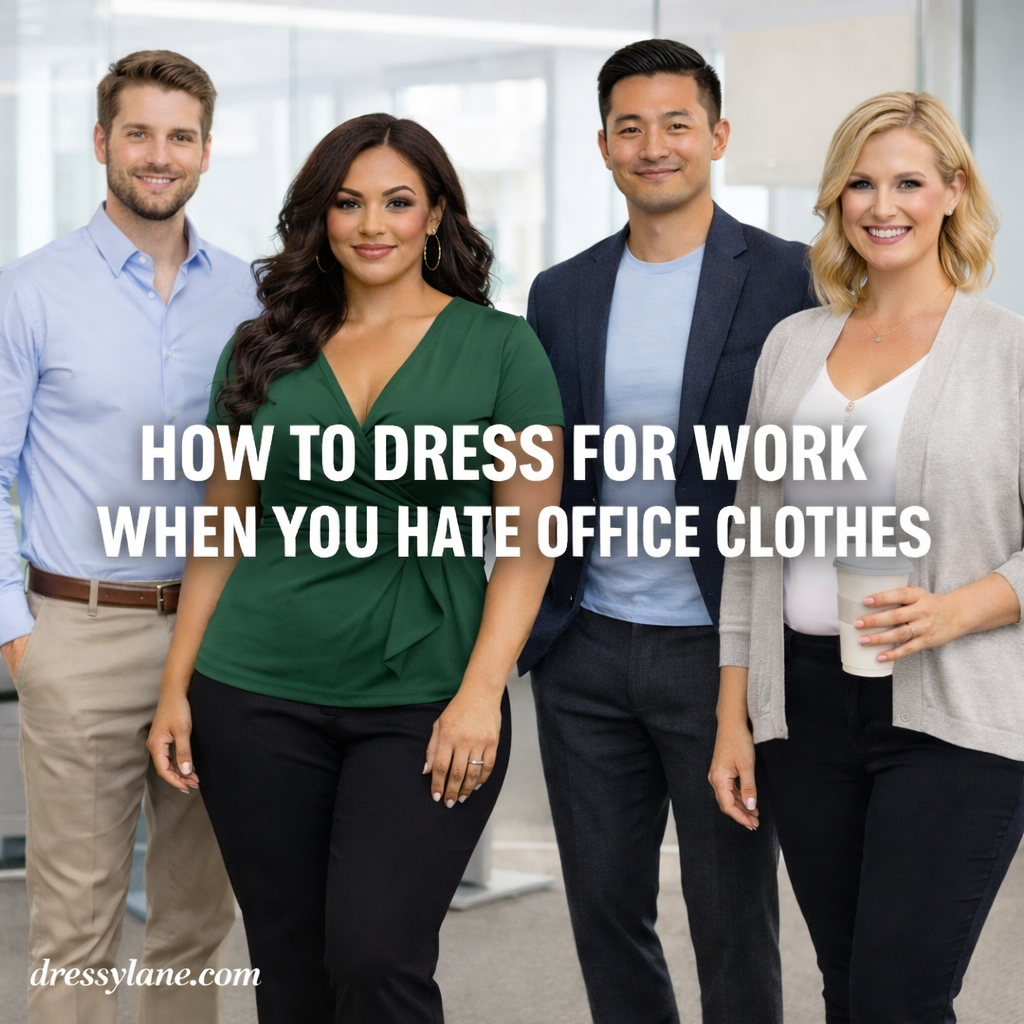
If you hate office clothes, chances are there’s something specific about them that bothers you. Maybe it’s the stiff waistband on dress trousers, the feeling of a button-down shirt pulling across your shoulders, or the idea of wearing a blazer when you’d much rather be in a T-shirt.
The good news is that you don’t have to love traditional business attire to dress appropriately for work.
The trick is figuring out which parts of office clothing you dislike and replacing them with more comfortable alternatives that still suit your workplace.
Whether your office requires business casual clothing or has a more relaxed dress code, here’s how to build a work wardrobe that feels less like a costume and more like something you’d actually choose to wear.
Figure Out What You Actually Hate About Office Clothes
Before buying anything new, identify what makes your current work clothes uncomfortable.
If you dislike dress trousers because they dig into your waist when sitting, switching to another pair of rigid trousers won’t solve the problem.
Look for styles with a partially elastic waistband, a small amount of stretch, or a more relaxed cut through the hips and thighs.
If button-down shirts feel restrictive, try a fine-knit polo, soft cotton blouse, or lightweight sweater instead.
And if blazers make you feel stiff and overdressed, an unstructured jacket or knit blazer might be a better alternative.
I’d avoid replacing your entire wardrobe at once. Start with the one item you find yourself wanting to take off the moment you get home. Finding a comfortable replacement for that piece can make your existing outfits much more wearable.
You Can Look Professional Without Dressing Formally
A polished outfit doesn’t always require a suit, tie, pencil skirt, or structured jacket.
In many business casual offices, a simple combination of well-fitting trousers, a clean knit top, and leather loafers is perfectly appropriate.
The distinction often comes down to fabric, fit, and condition.
For example, a faded cotton T-shirt and baggy sweatpants look noticeably different from a substantial cotton crew-neck shirt paired with tailored ponte trousers.
Both outfits may feel comfortable, but the second has a cleaner silhouette that works better in an office.
Of course, workplace expectations vary. Traditional corporate offices may require more formal clothing, while creative agencies and technology companies often allow greater flexibility.
Check your company’s dress code before replacing formal pieces with casual alternatives.
Comfortable Work Clothes That Don’t Feel Like Office Clothes
You don’t need to sacrifice comfort to create an outfit that looks intentional.
A few fabric and construction choices can make a significant difference.
Try Trousers With a Little Give
Look for wool-blend trousers with a small percentage of elastane, stretch chinos, or structured ponte pants.
These fabrics can provide more flexibility than rigid dress trousers while maintaining a tailored appearance.
A straight-leg or gently tapered cut is often easier to wear throughout the day than an extremely slim fit.
Replace Stiff Shirts With Soft Knits
Fine-gauge merino sweaters, cotton knit polos, and substantial crew-neck tops can replace traditional button-down shirts in many business casual workplaces.
Choose fabrics that hold their shape rather than thin materials that stretch out or become transparent.
Choose Softer Jackets
An unstructured blazer is worth considering if you dislike traditional suit jackets.
Look for lightweight cotton, wool blends, or knit fabrics with minimal shoulder padding.
I’d skip the oversized, heavily padded blazer trend if you already hate wearing jackets. A softer, lightly structured style is often easier to move in and less likely to feel like you’re dressing up as someone else.
Work Outfit Ideas for Women Who Hate Office Clothes
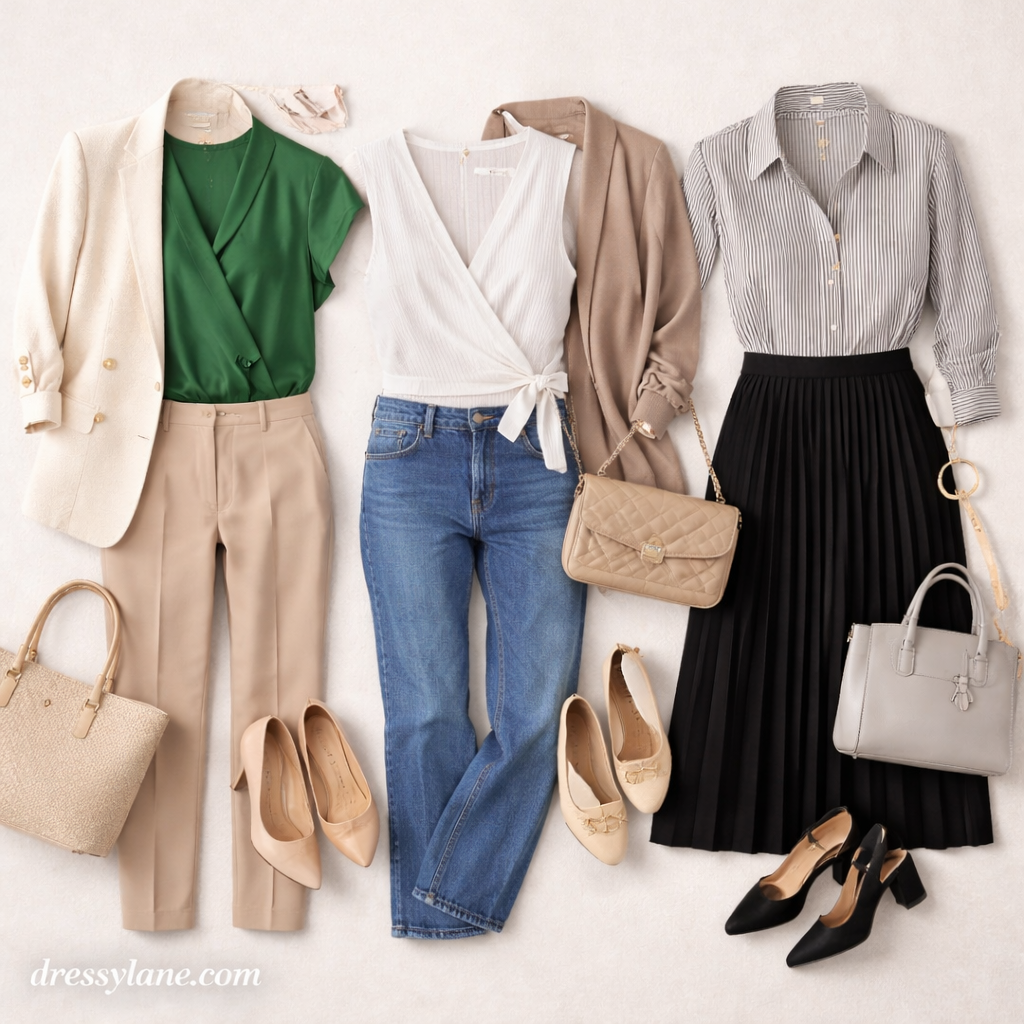
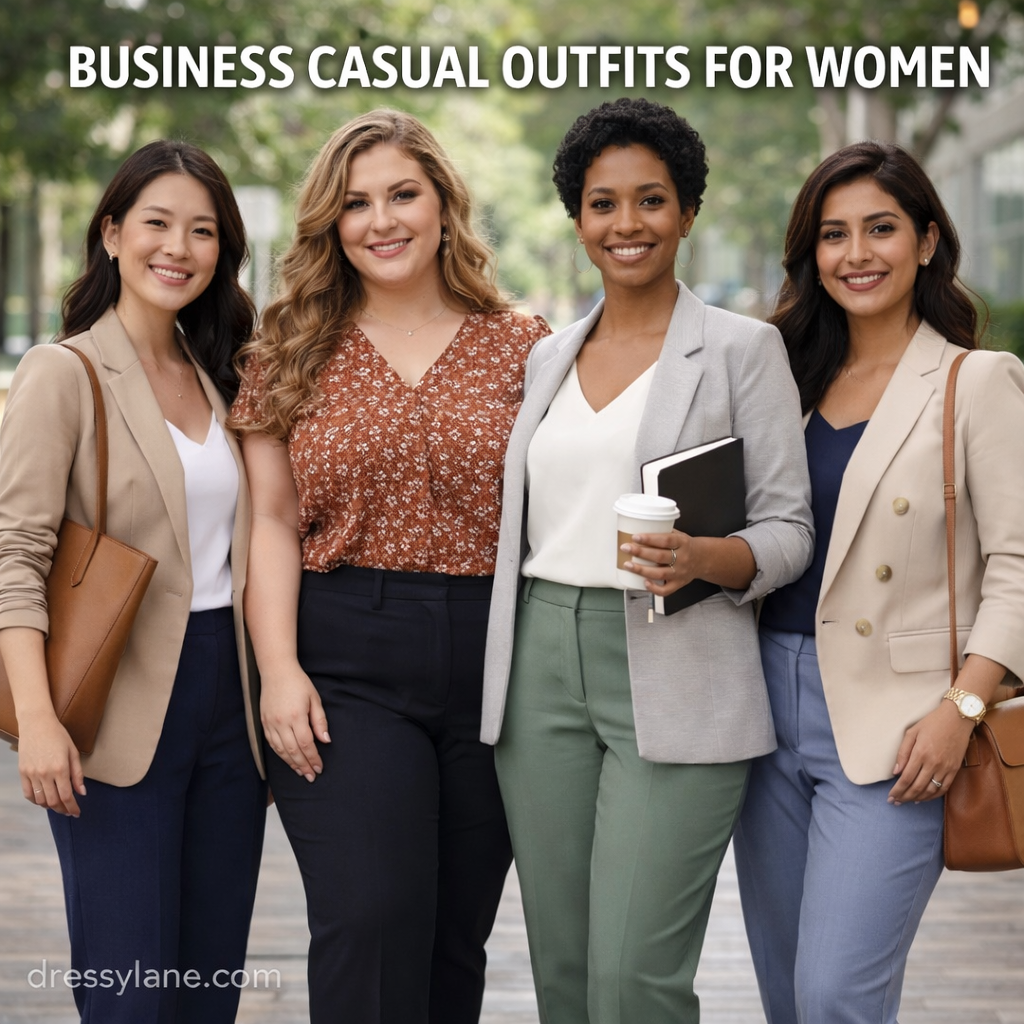
If you dislike restrictive skirts, stiff blouses, or uncomfortable heels, there are plenty of alternatives that still look appropriate for work.
The key is choosing pieces that feel comfortable without looking like loungewear.
Comfortable Outfit Combinations
Try these combinations for a business casual office:
- Straight-leg ponte trousers, a soft cotton blouse, and leather loafers.
- A relaxed midi dress in substantial jersey with a lightweight cardigan and flats.
- Wide-leg trousers with a fine-knit top and an unstructured blazer.
- A simple knit dress with ankle boots and understated accessories.
Ponte trousers are particularly useful if you dislike traditional dress pants. Look for a substantial fabric that maintains its shape at the knees and doesn’t become see-through when stretched.
For dresses, pay attention to how the fabric behaves when sitting. A jersey midi dress with enough weight to drape smoothly can be more comfortable than a fitted pencil skirt.
Stop Forcing Yourself Into Uncomfortable Shoes
You don’t need to wear heels to look professional.
Leather loafers, pointed-toe flats, and low block heels can all work with tailored trousers and dresses.
If your office allows sneakers, choose a clean, minimalist pair rather than heavily worn athletic shoes.
My recommendation is to build your work outfits around shoes you can comfortably wear for an entire day. There’s little benefit in choosing a polished outfit if you’re counting the minutes until you can take your shoes off.
Work Outfit Ideas for Men Who Hate Office Clothes
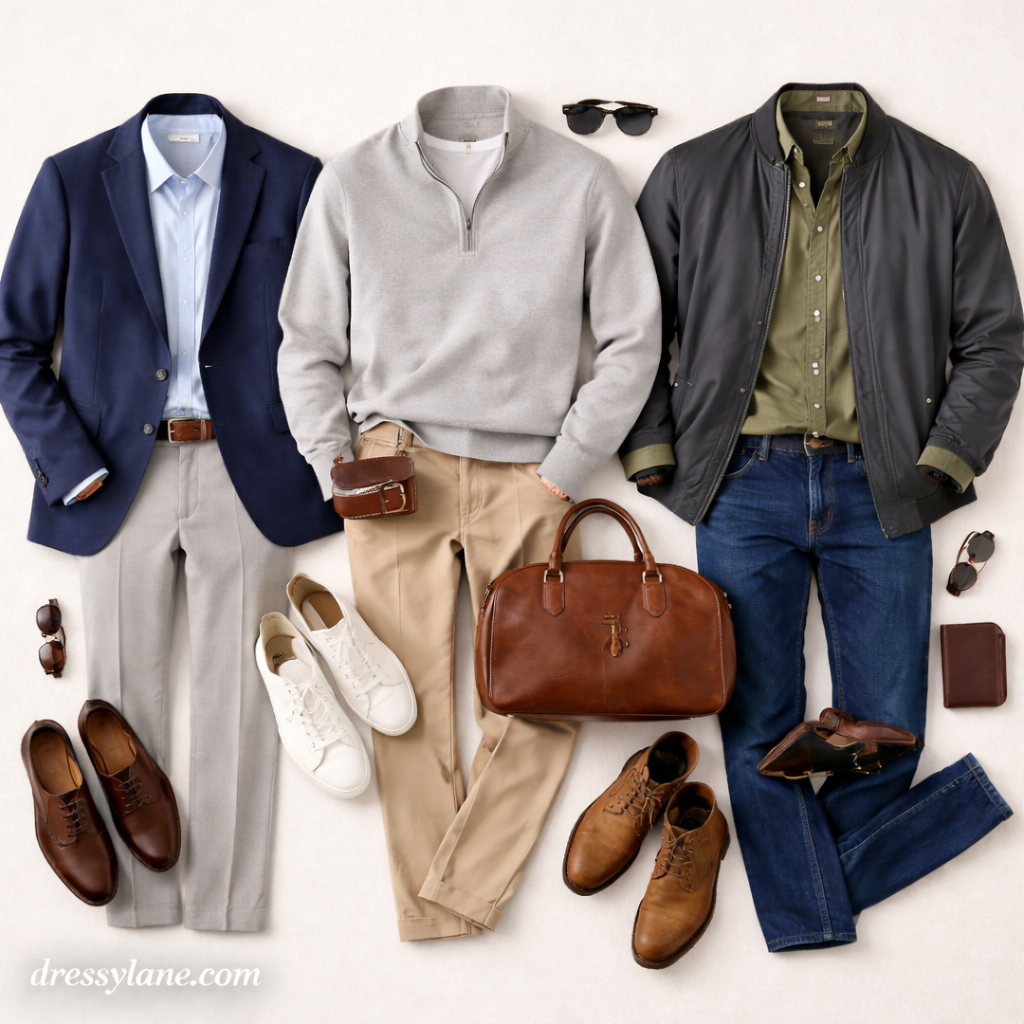
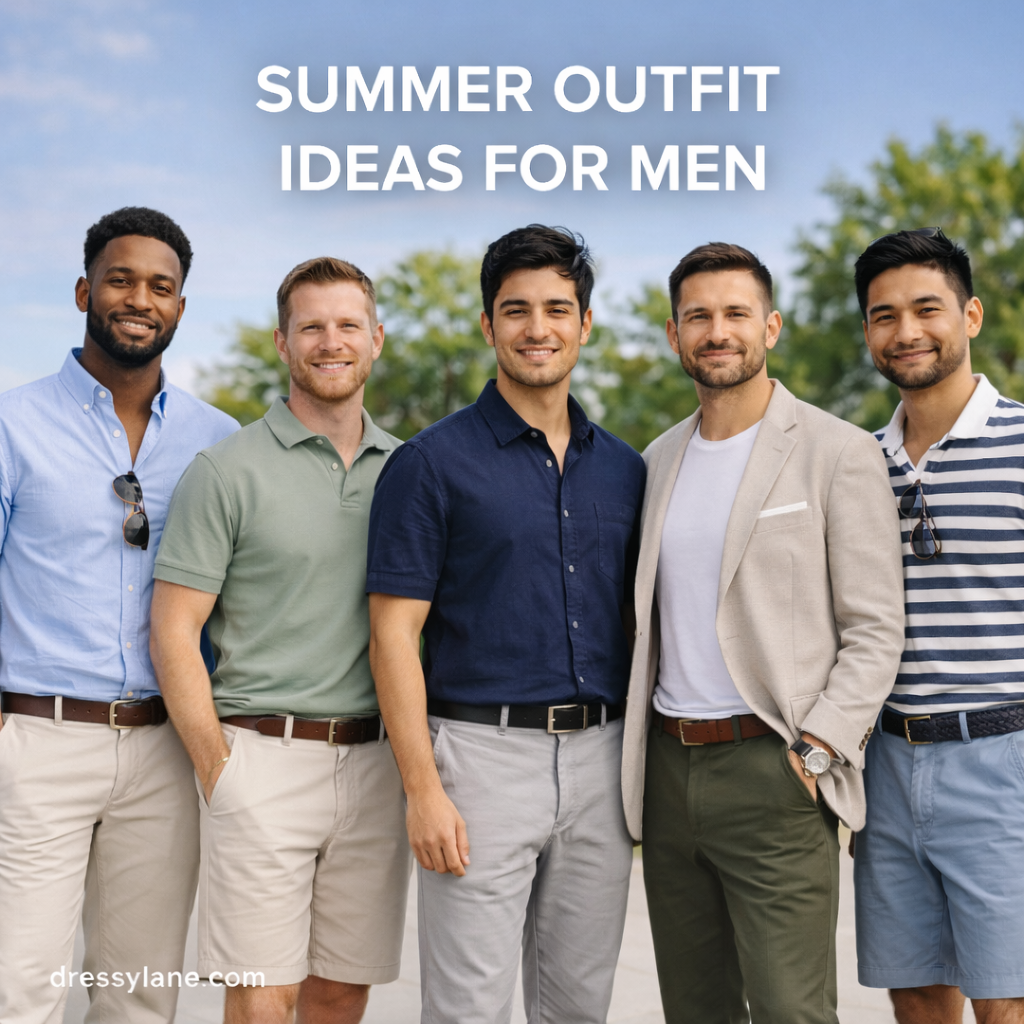
For men, the biggest complaints about office clothing often involve tight collars, restrictive trousers, and heavy jackets.
Fortunately, many business casual outfits can be built without these pieces.
Comfortable Outfit Combinations
Consider these alternatives:
- Stretch chinos, a cotton knit polo, and leather loafers.
- Relaxed wool-blend trousers, a fine-gauge sweater, and suede derbies.
- Dark chinos, an Oxford shirt worn without a tie, and an unstructured blazer.
- Tailored trousers, a substantial crew-neck knit, and minimalist leather sneakers where permitted.
If you dislike dress shirts, a knit polo is one of the easiest replacements.
Choose one with a structured collar and a fabric that doesn’t cling excessively. It looks more refined than a typical athletic polo while remaining comfortable throughout the day.
For trousers, avoid extremely slim cuts if you spend long hours sitting. A straight or gently tapered leg provides more room without looking oversized.
Make Jackets Optional When Possible
If your workplace doesn’t require a blazer, don’t wear one simply because you think office clothing demands it.
A fine-gauge merino sweater over a collared shirt can look professional on its own.
For meetings that require a more formal appearance, keep an unstructured navy blazer available.
This gives you flexibility without forcing you to wear a full business outfit every day.
Fit Matters More Than Buying Expensive Clothes
Comfortable clothing can still look polished when the proportions are right.
A pair of inexpensive trousers with the correct hem length will often look better than expensive trousers that bunch around your shoes.
Similarly, a soft sweater that fits neatly at the shoulders and waist can look more professional than a poorly fitted designer shirt.
When trying on work clothes, don’t just stand in front of the mirror.
Sit down, reach forward, raise your arms, and walk around.
If the waistband digs in, the shirt pulls across your back, or the jacket restricts your shoulders, consider a different size or cut.
You shouldn’t have to tolerate uncomfortable clothing simply because it’s labeled professional.
Build a Work Uniform You Actually Enjoy Wearing
If you dislike thinking about office clothes altogether, create two or three reliable outfit combinations.
For example, your weekday wardrobe might revolve around:
- Comfortable trousers with a knit top and loafers.
- Chinos with a polo and an optional blazer.
- A simple midi dress with a cardigan and flats.
Choose coordinating colors such as navy, charcoal, cream, olive, and brown so your pieces work together.
You can repeat the same basic outfit formula throughout the week without wearing identical clothing every day.
I’d rather have three comfortable work outfits that I genuinely enjoy wearing than a closet full of formal pieces that only come out when absolutely necessary.
A smaller wardrobe also makes it easier to identify which pieces are worth replacing when they wear out.
Common Mistakes When Dressing for Comfort
Comfort doesn’t mean ignoring your workplace’s expectations.
A few things are worth watching:
- Choosing fabric that’s too thin: Lightweight jersey and inexpensive stretch fabrics can sometimes resemble pajamas or lose their shape.
- Wearing oversized everything: Pair relaxed trousers with a more fitted top, or balance a loose sweater with straight-leg pants.
- Ignoring garment condition: Comfortable clothing still needs to be clean and free of noticeable stains, holes, and excessive pilling.
- Buying uncomfortable clothes because they’re fashionable: If you dislike stiff blazers or narrow shoes, don’t purchase them just because they’re trending.
One useful rule is to avoid buying work clothing that requires you to change how you naturally move.
If you can’t sit comfortably, walk normally, or raise your arms without adjusting something, the garment probably isn’t a good everyday choice.
Final Thoughts
You don’t have to enjoy traditional office clothes to build a professional wardrobe.
Start by identifying what makes your current outfits uncomfortable, whether that’s stiff fabrics, restrictive fits, formal silhouettes, or uncomfortable shoes.
Replace those pieces with softer materials, better-fitting alternatives, and simple combinations that meet your workplace’s dress code.
The goal isn’t to make yourself love suits or dress shirts. It’s to find work clothes that look appropriate, feel comfortable, and allow you to get through the day without constantly thinking about what you’re wearing.