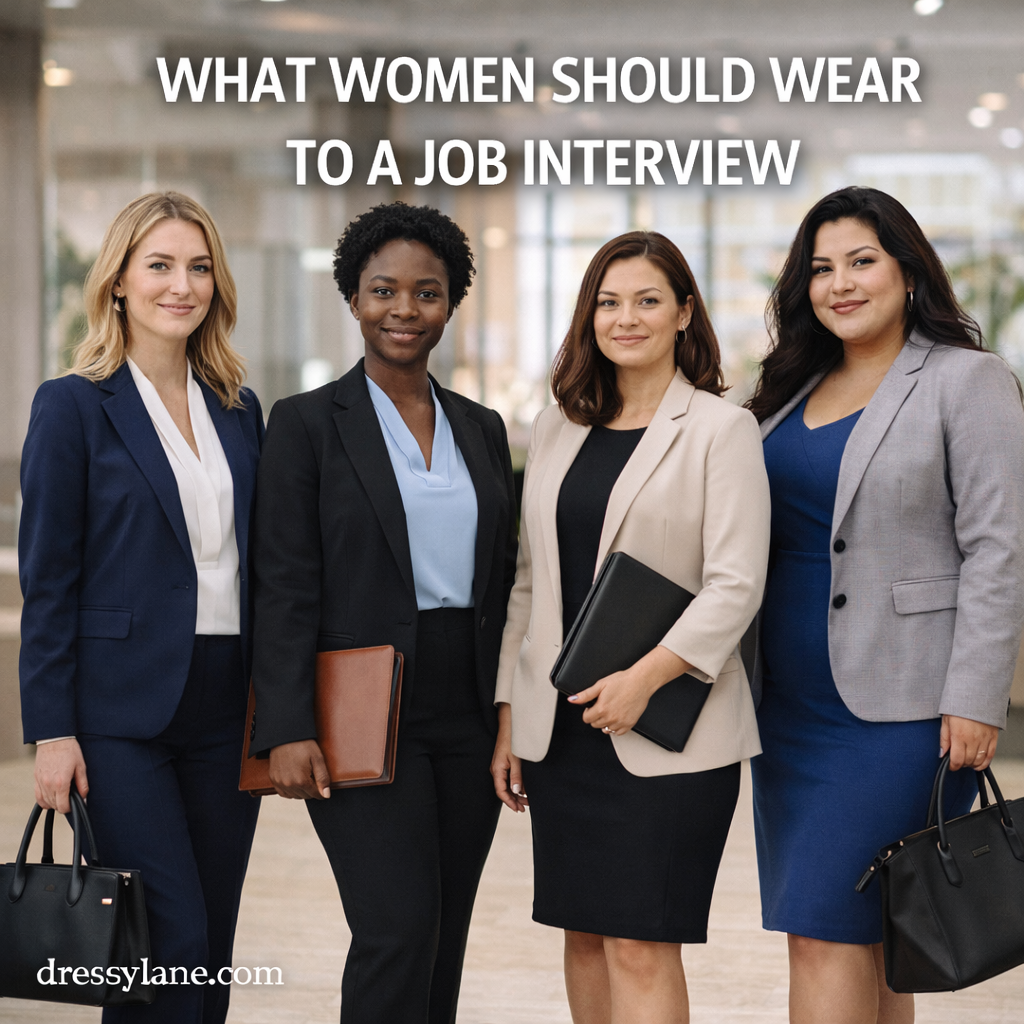
Choosing what to wear to a job interview can feel surprisingly complicated. A tailored suit might be perfect for a law firm but unnecessarily formal for a small creative agency. Meanwhile, an outfit that looks polished in the mirror might become uncomfortable after an hour of sitting, walking, and answering questions.
The goal is to dress appropriately for the workplace while feeling comfortable enough to focus on the interview itself. You don’t need an expensive wardrobe or an entirely new outfit. A few well-fitting pieces, thoughtfully combined, can make an excellent impression.
Here’s how to put together a women’s interview outfit that works for your industry, personal style, and the position you’re pursuing.
Start With the Company’s Dress Code
Before choosing an outfit, spend a few minutes researching the workplace.
Look at the company’s website, employee photos, and social media accounts. A corporate office where everyone wears tailored jackets calls for a different approach than a design studio where employees regularly wear jeans and sneakers.
For most interviews, dressing slightly more formally than the company’s everyday attire is a sensible starting point.
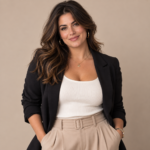
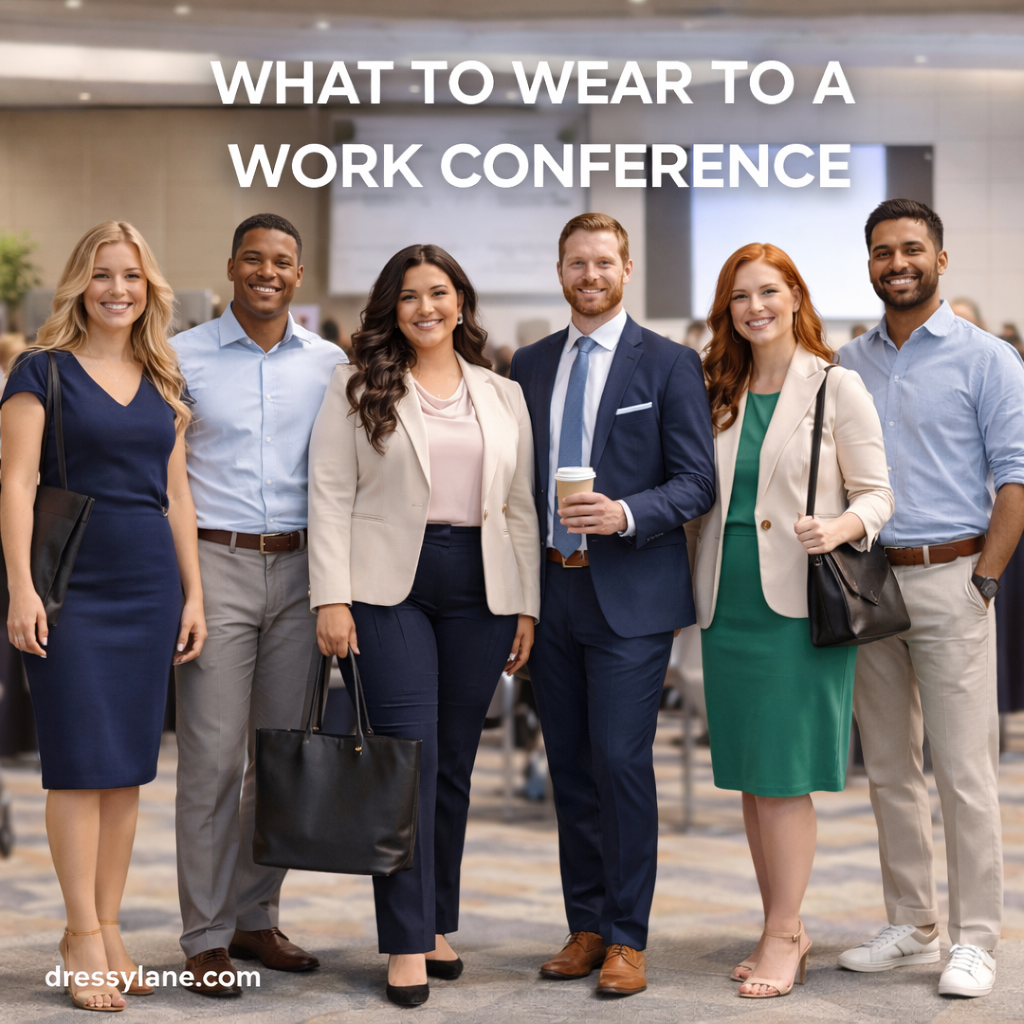
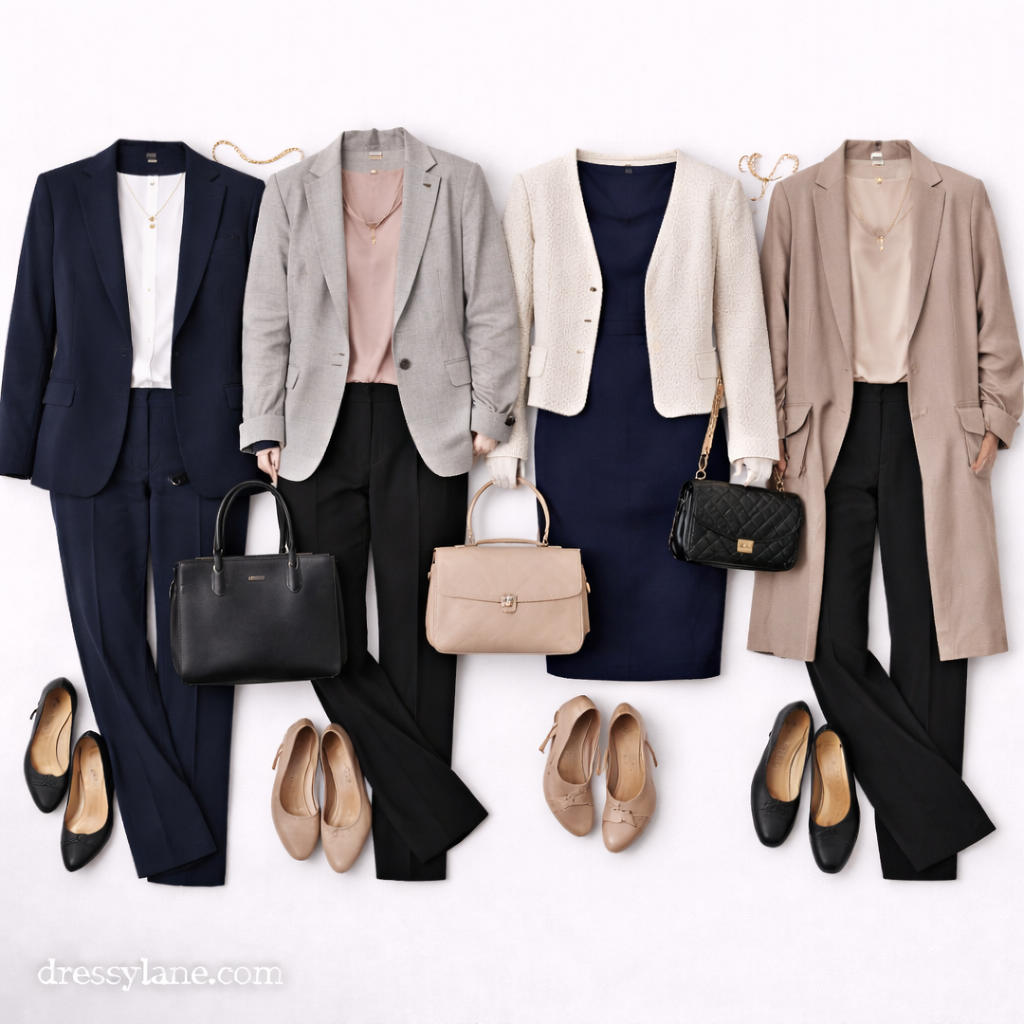
If you’re unsure, a pair of tailored trousers, a simple blouse, and a blazer is one of the most versatile combinations you can wear. You can remove the blazer for a more relaxed setting or keep it on for a traditional office environment.
Business Professional Interview Outfits for Women
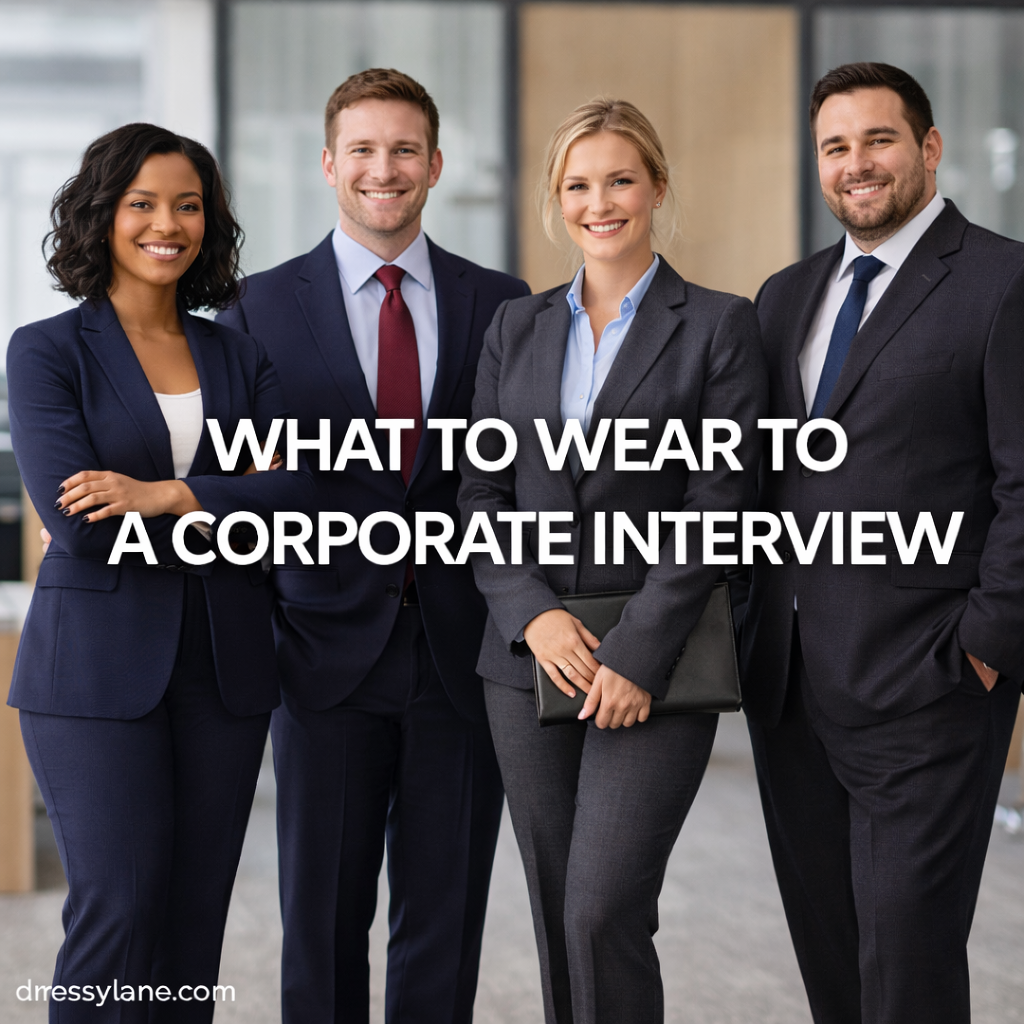
For interviews in law, finance, consulting, and other traditionally formal workplaces, a coordinated suit remains a dependable choice.
A navy or charcoal pantsuit with a single-breasted blazer and straight-leg trousers looks polished without requiring much styling.
Pair it with a cream silk-blend blouse, a fine cotton shirt, or a simple shell top. Avoid anything that needs constant adjusting around the neckline.
A skirt suit is equally appropriate. Look for a straight or pencil skirt that allows you to sit and walk comfortably.
Complete the outfit with leather loafers, closed-toe flats, or low block heels.
My recommendation: Unless you genuinely enjoy wearing heels, skip them. A polished pair of leather flats looks professional, and you’ll be more comfortable walking through an unfamiliar office or standing during introductions.
Business Casual Interview Outfits for Women
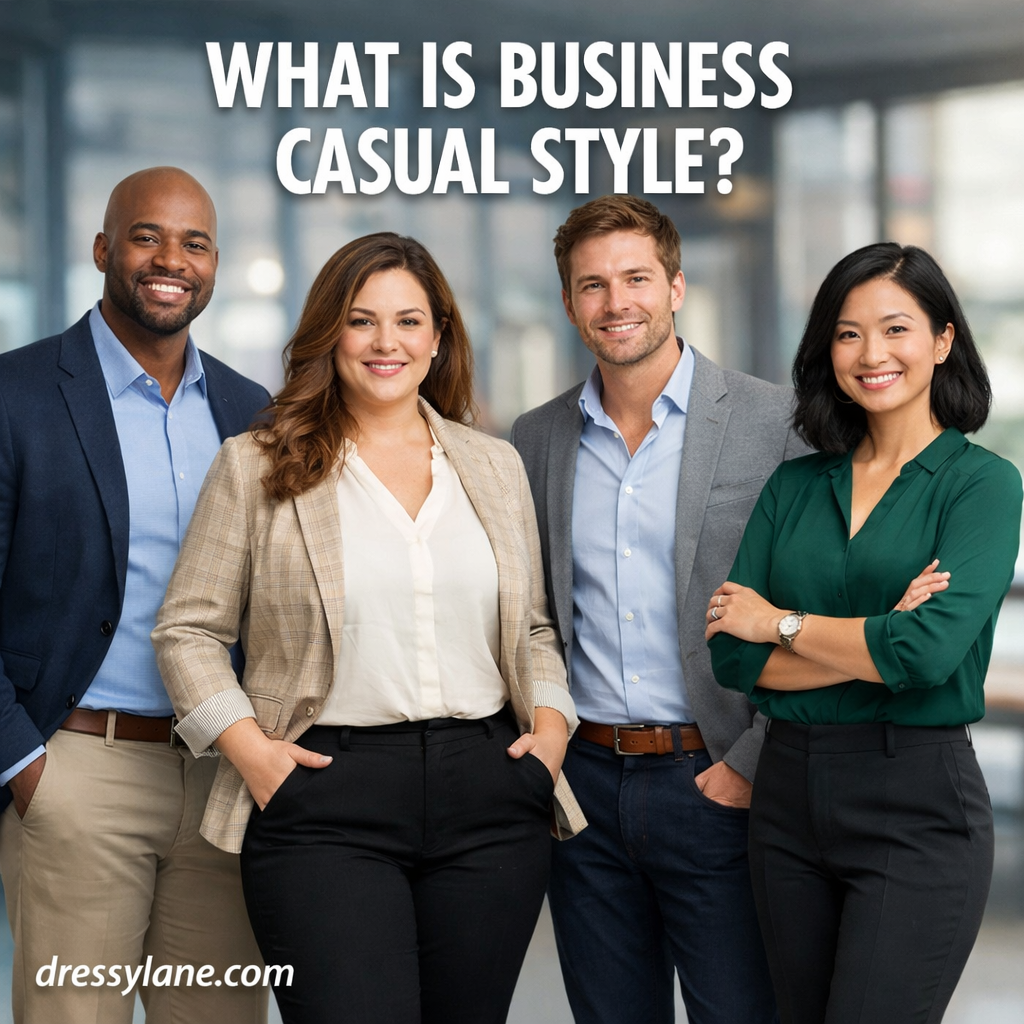
Business casual gives you more flexibility, but an interview outfit should still look considered.
You don’t necessarily need a matching suit. Separates often work just as well.
Try one of these combinations:
- Navy ankle-length trousers, a white cotton blouse, and black loafers.
- Charcoal wide-leg trousers, a fine-gauge knit top, and a structured blazer.
- A knee-length or midi sheath dress with a lightweight jacket.
- A midi skirt, tucked-in blouse, and low block heels.
Fabric makes a noticeable difference. Wool-blend trousers, substantial cotton shirts, and smooth knitwear generally look more polished than thin jersey or clingy synthetic materials.
Pay attention to the fit of your trousers when sitting. A waistband that feels comfortable while standing can become distracting during a 45-minute interview.
For a business casual workplace, I’d choose tailored trousers over jeans unless the employer has specifically communicated a very relaxed dress code.
What to Wear to a Creative or Casual Job Interview
Interviews at creative agencies, startups, and casual workplaces allow more room for personal style.
You might wear black straight-leg trousers with a tucked-in knit top and an oversized blazer. Alternatively, a simple midi dress with leather ankle boots can look appropriate in a less formal environment.
The important distinction is between relaxed and careless.
An intentionally oversized blazer can look modern. A jacket with sleeves hanging past your hands simply looks poorly fitted.
You can also introduce personality through one element, such as a burgundy handbag, patterned silk scarf, or interesting earrings.
There’s no need to eliminate color or dress in a way that feels completely unlike you. Just keep the overall outfit cohesive.
Choosing the Right Colors for an Interview
Black, navy, charcoal, beige, and cream are easy foundations because they combine well and rarely compete for attention.
However, you don’t need to wear head-to-toe neutrals.
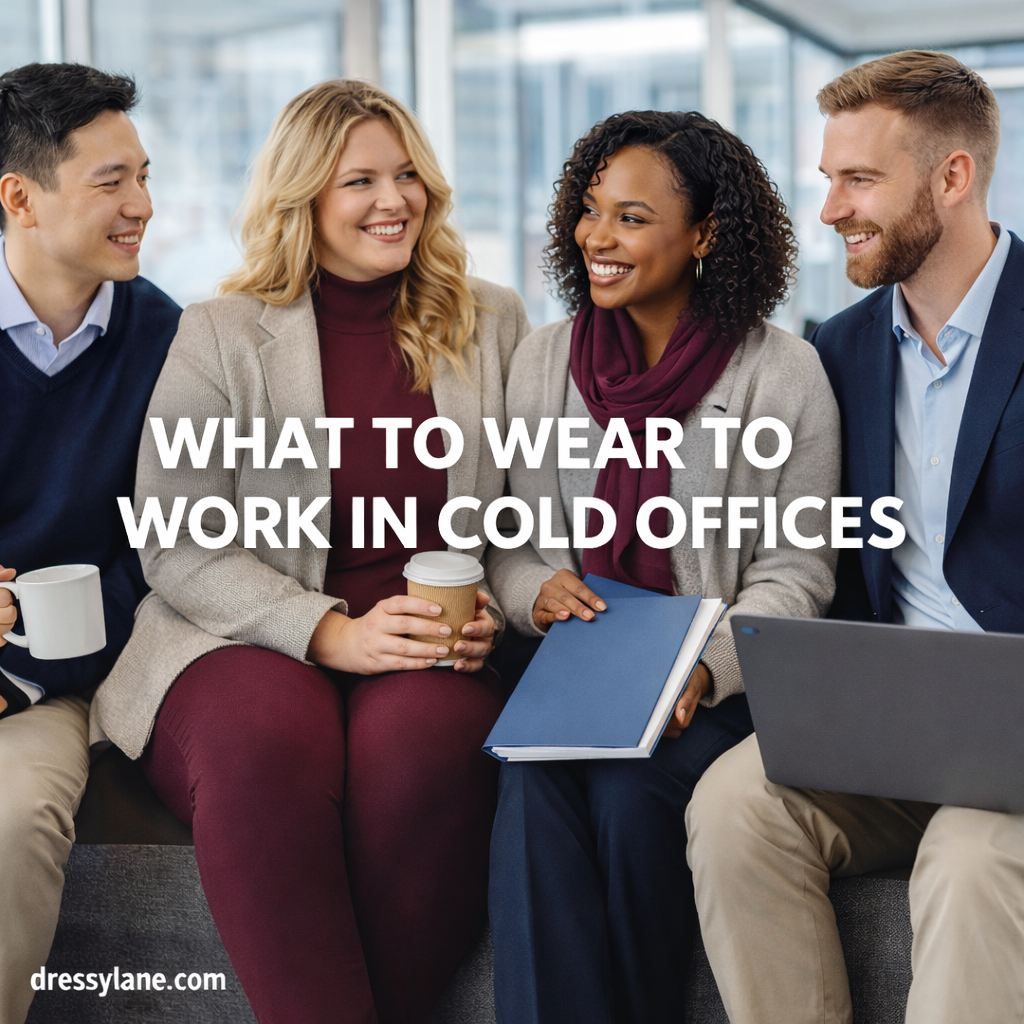
A pale blue shirt under a navy blazer adds subtle color. A burgundy blouse with charcoal trousers can also look sophisticated, particularly in autumn and winter.
If you enjoy brighter colors, consider incorporating them into one piece rather than building an entire outfit around several competing shades.
The same applies to prints. A subtle pinstripe or small-scale pattern can work beautifully, while a large, high-contrast print may be harder to coordinate in a formal setting.
Choose colors that suit you and the workplace rather than following rigid rules about what interviewers supposedly prefer.
Shoes: Comfort Matters More Than Heel Height
Interview shoes should be clean, appropriate for the setting, and comfortable enough to walk in confidently.
Leather loafers are especially versatile. They work with trousers, skirts, and many dresses without making an outfit feel overly formal.
Other reliable options include ballet flats, pointed-toe flats, and low block heels.
Before the interview, walk around in your chosen shoes for at least 15 minutes.
If they pinch your toes, slip off your heels, or make an uncomfortable clicking sound on hard floors, choose another pair.
Also consider the journey. If you’ll be walking several blocks or taking public transportation, bring your interview shoes in a bag and change before entering the building if necessary.
Accessories, Hair, and Makeup
Accessories should complement your outfit without becoming something you have to manage throughout the interview.
Small hoop earrings, simple studs, a watch, or a delicate necklace are all easy choices.
A structured tote or medium-sized handbag is practical if you need to carry a notebook, printed résumé, or other documents.
For hair and makeup, focus on what makes you feel comfortable and prepared. Makeup isn’t required, and there is no single hairstyle that defines professionalism.
If you have long hair that frequently falls across your face, consider tying it back or using a discreet clip.
I’d also avoid trying an entirely new hairstyle or makeup routine on interview morning. Stick with something familiar so you aren’t worrying about how it looks halfway through the conversation.
Keep fragrance light or skip it, particularly when interviewing in a small meeting room.
Common Interview Outfit Mistakes to Avoid
Most interview clothing mistakes have less to do with fashion and more to do with fit, condition, and practicality.
Watch out for:
- Wrinkled shirts or trousers that need pressing.
- Blouses that pull open between the buttons.
- Skirts that ride up uncomfortably when seated.
- Shoes you haven’t worn before.
- Jackets that restrict your shoulders or arms.
- Clothing that requires frequent adjusting.
A quick outfit test the evening before can prevent most of these problems.
Put on the complete outfit, including your shoes and bag. Sit down, stand up, walk around, and reach forward as though you’re shaking someone’s hand.
Check the outfit in natural light, too. Some lightweight blouses become noticeably sheer near a window.
These small checks are far more useful than buying something new simply because it’s labeled as professional clothing.
What If You Don’t Own Interview Clothes?
You don’t need to purchase an entire interview wardrobe.
Start with what you already have. A pair of black tailored trousers and a simple blouse can work for many interviews, especially when paired with clean, polished shoes.
If you need to buy something, prioritize a versatile piece you’ll wear again. A well-fitting blazer or pair of trousers is usually a more practical investment than an outfit that only works for one occasion.
Secondhand shops, clothing rental services, and local career clothing programs can also help you put together an appropriate outfit without spending heavily.
Final Thoughts
The best interview outfit is one that suits the workplace, fits properly, and allows you to concentrate on the conversation rather than your clothing.
For most office interviews, tailored trousers, a blouse, and a blazer provide an adaptable starting point. Adjust the formality based on the industry, and choose shoes you can comfortably wear throughout the day.
Prepare your outfit the night before, check the fit while sitting and walking, and make sure everything is clean and ready.
Once those details are handled, you can give your full attention to explaining your experience, asking thoughtful questions, and showing what you can bring to the role.