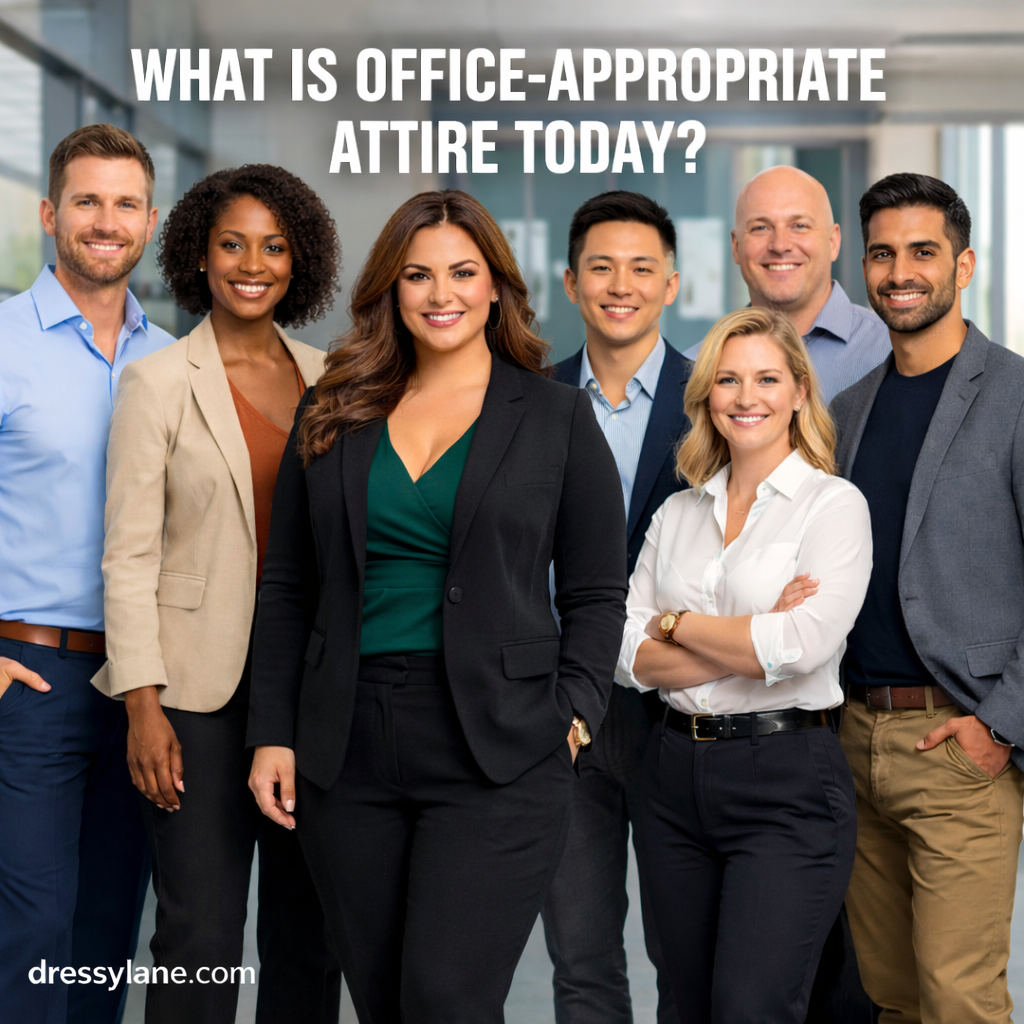
Office-appropriate attire looks different from what it did when matching suits and formal shoes were standard in many workplaces. Today, you might see someone wearing tailored trousers and leather loafers at a financial firm, while an employee at a design agency arrives in dark jeans, a knit polo, and clean sneakers.
Neither outfit is automatically right or wrong. What matters is whether it fits the workplace, the occasion, and any dress code your employer has established.
Understanding modern office attire means knowing which pieces work in different professional settings, how to balance comfort with a polished appearance, and when to adjust your everyday outfit for meetings or client visits.
What Does Office-Appropriate Attire Mean Today?
Office-appropriate attire refers to clothing that meets your workplace’s expectations while allowing you to perform your job comfortably.
For some employees, that means a matching suit and dress shoes. For others, it could be straight-leg trousers, a fine-knit sweater, and minimalist sneakers.
Most workplace dress codes fall into a few recognizable categories.
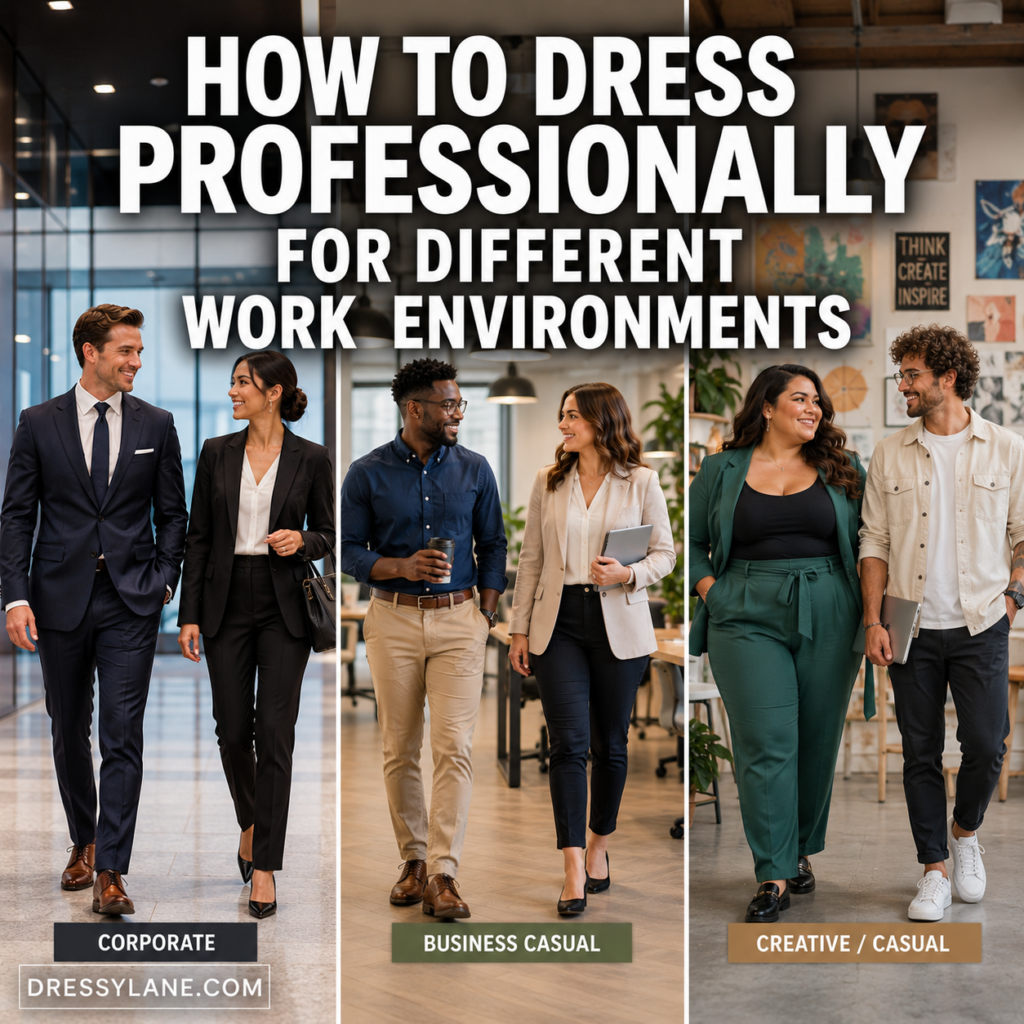
| Dress Code | Typical Clothing | Example Outfit |
|---|---|---|
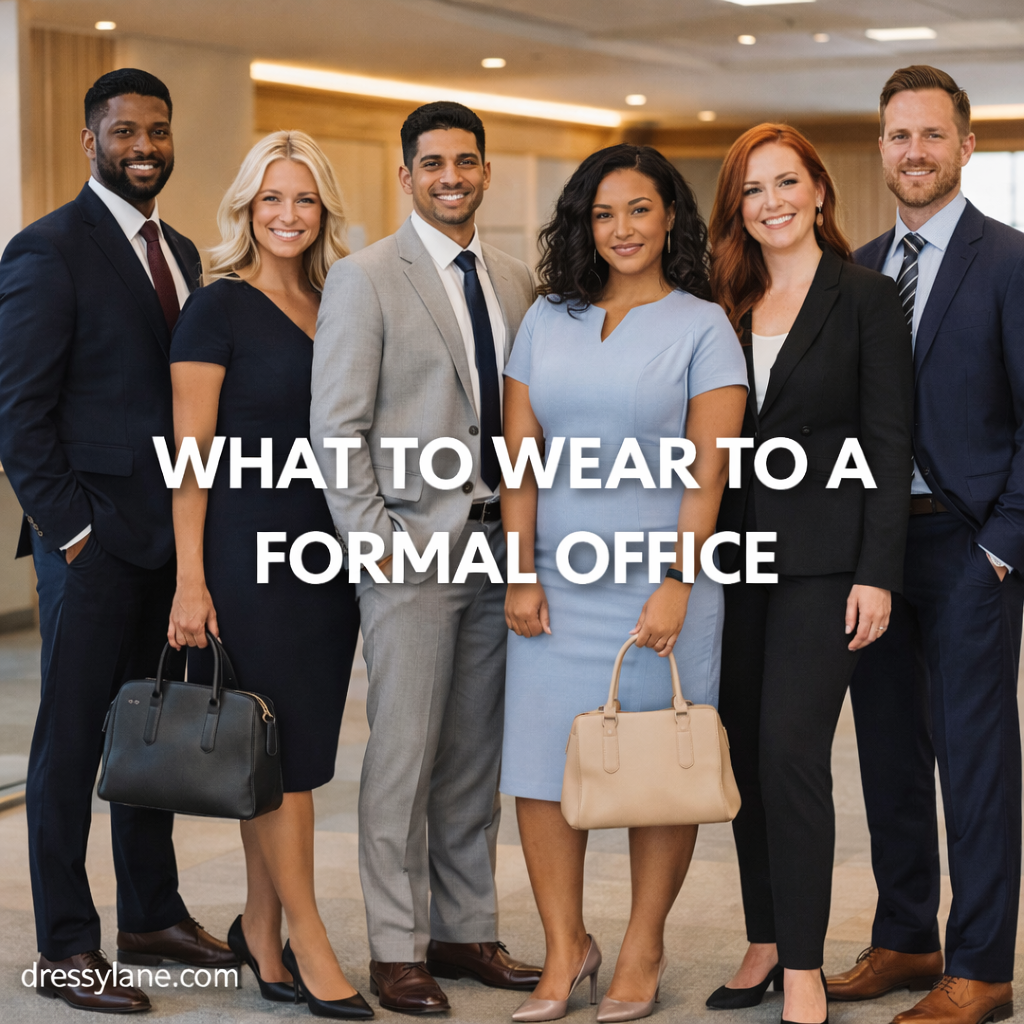
| Business professional | Matching suits, structured dresses, formal shoes | Charcoal suit, white shirt, and leather dress shoes |
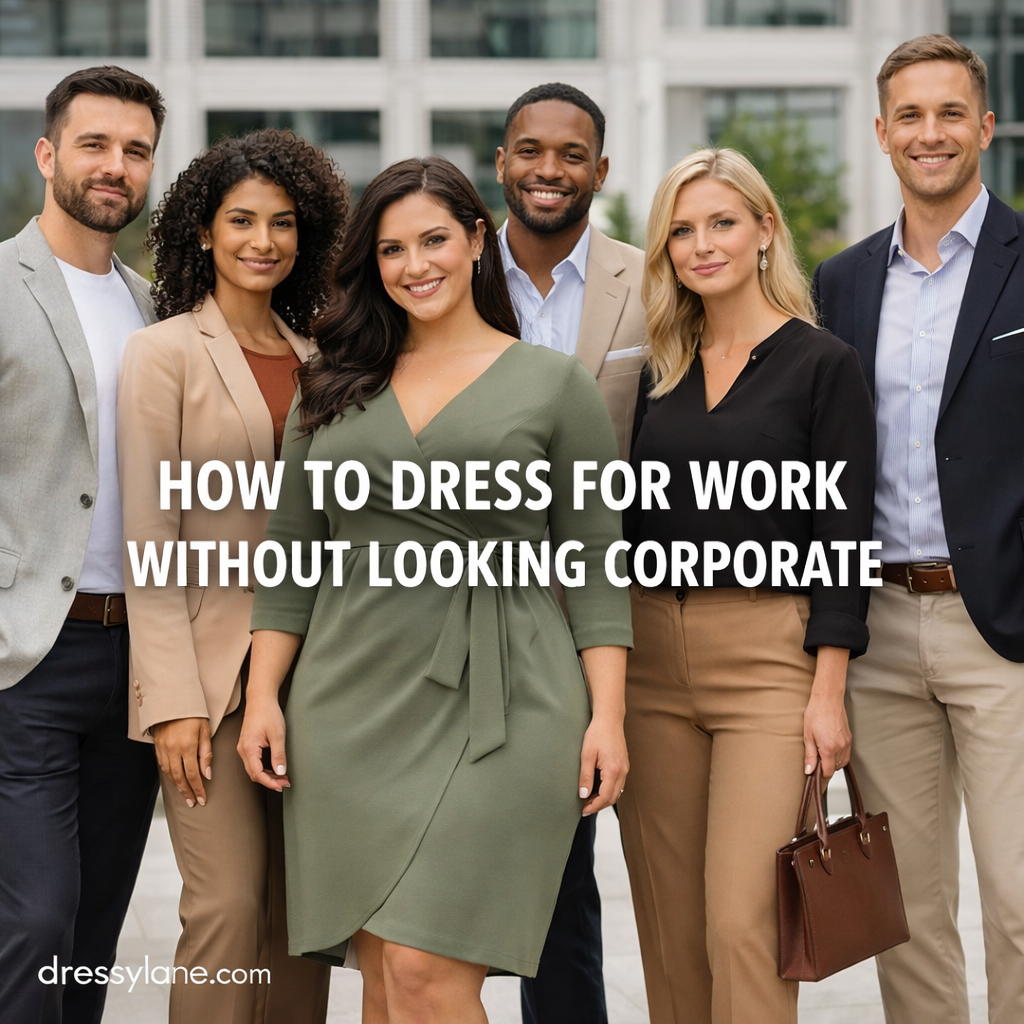
| Business casual | Tailored separates, chinos, blouses, knitwear | Navy trousers, cream sweater, and loafers |
| Smart casual | Refined casual pieces, dark denim, relaxed tailoring | Dark jeans, Oxford shirt, and suede Chelsea boots |
| Casual | Jeans, T-shirts, sneakers, relaxed clothing | Straight-leg jeans, plain cotton T-shirt, and clean sneakers |
These categories aren’t universal. A company may describe its dress code as business casual while allowing jeans every day, whereas another may reserve denim for Fridays.
Your employer’s written policy is a more reliable guide than the dress code label alone.
How Office Dress Codes Have Changed
Remote and hybrid work have made comfortable clothing a more familiar part of professional wardrobes. Many workplaces now permit knitwear, softer tailoring, and practical footwear that would once have been considered too casual.
Instead of a heavily structured suit, an employee might wear an unstructured blazer with cotton-twill chinos. Someone who previously wore heels every day may now choose leather loafers or supportive flats.
However, relaxed dress codes haven’t eliminated formal attire.
Certain client meetings, corporate events, and workplaces still require suits or other traditional business clothing.
The important change is that office attire is increasingly determined by the individual workplace rather than a single set of rules applied across every industry.
What Should You Wear to a Business Casual Office?
Business casual is a useful starting point when you’re unsure how formal your office expects you to dress.
For men, navy chinos with a pale blue Oxford shirt and brown leather loafers create a dependable combination.
For women, charcoal straight-leg trousers with an ivory crepe blouse and black pointed-toe flats offer a similarly polished option.
Both outfits can be adjusted with a blazer for meetings or a lightweight cardigan for an ordinary desk day.
Fabrics Make a Difference
Cotton poplin and Oxford cloth work well for shirts because they provide structure without requiring a full suit.
Wool-blend trousers, crepe, and ponte are practical choices for bottoms. Fine-gauge merino sweaters also work well because they sit neatly beneath jackets.
I’d avoid building an office wardrobe entirely around thin jersey or very stretchy trousers. Some fabrics lose their shape around the knees and waistband after hours of sitting, making the outfit look less polished by the afternoon.
A small selection of structured, comfortable basics is often more useful than buying a separate outfit for every workday.
Office-Appropriate Attire for Men
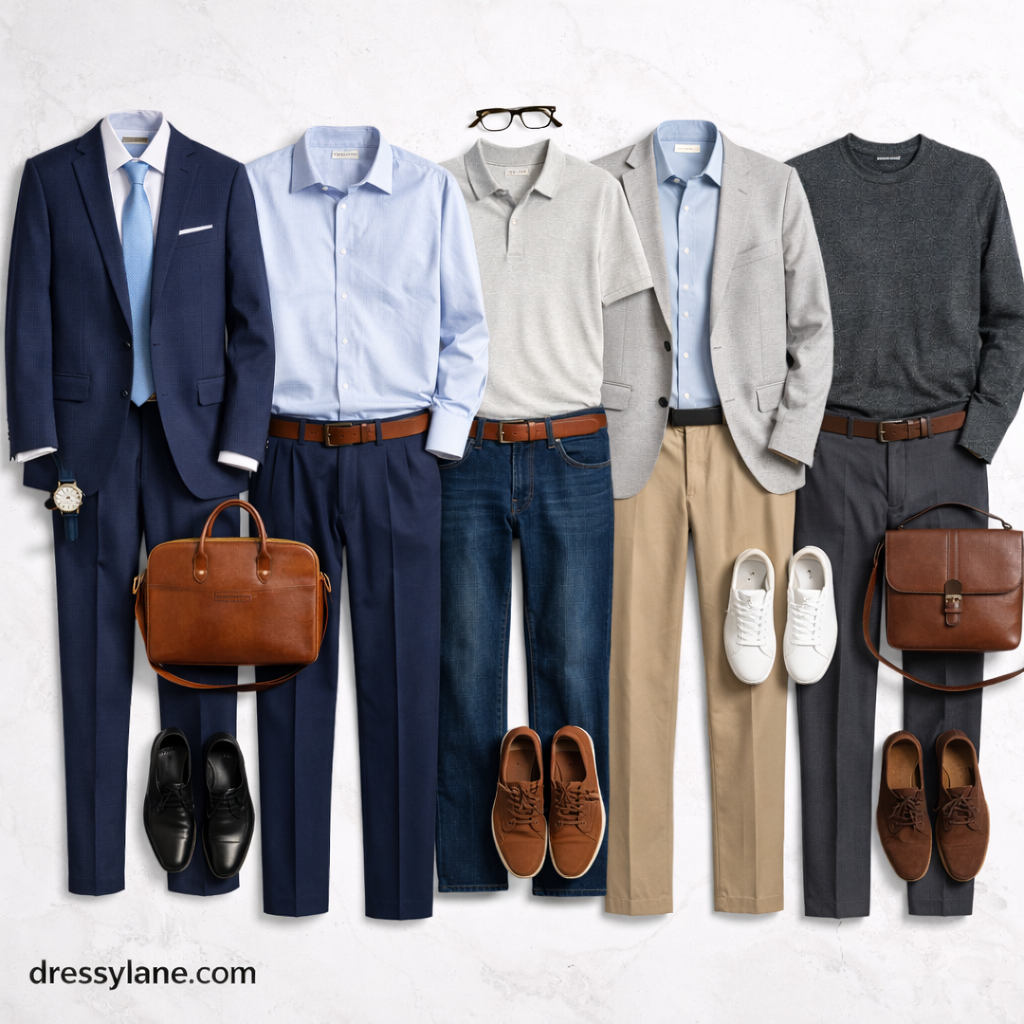
Men’s office wardrobes can be built around a few versatile pieces that transition between ordinary workdays and more formal occasions.
Shirts and Layers
A white or pale blue Oxford shirt is particularly useful because it pairs with chinos, dress trousers, and blazers.
Solid-colored knit polos and lightweight sweaters are suitable alternatives in relaxed offices.
For cooler weather, try a charcoal merino sweater over a collared shirt.
Keep an unstructured blazer available for meetings. A matte wool or cotton-blend jacket generally works better with chinos than a heavily padded suit jacket.
Trousers and Shoes
Navy, charcoal, and beige chinos provide a versatile foundation.
Choose a straight or gently tapered leg that falls neatly over your shoes.
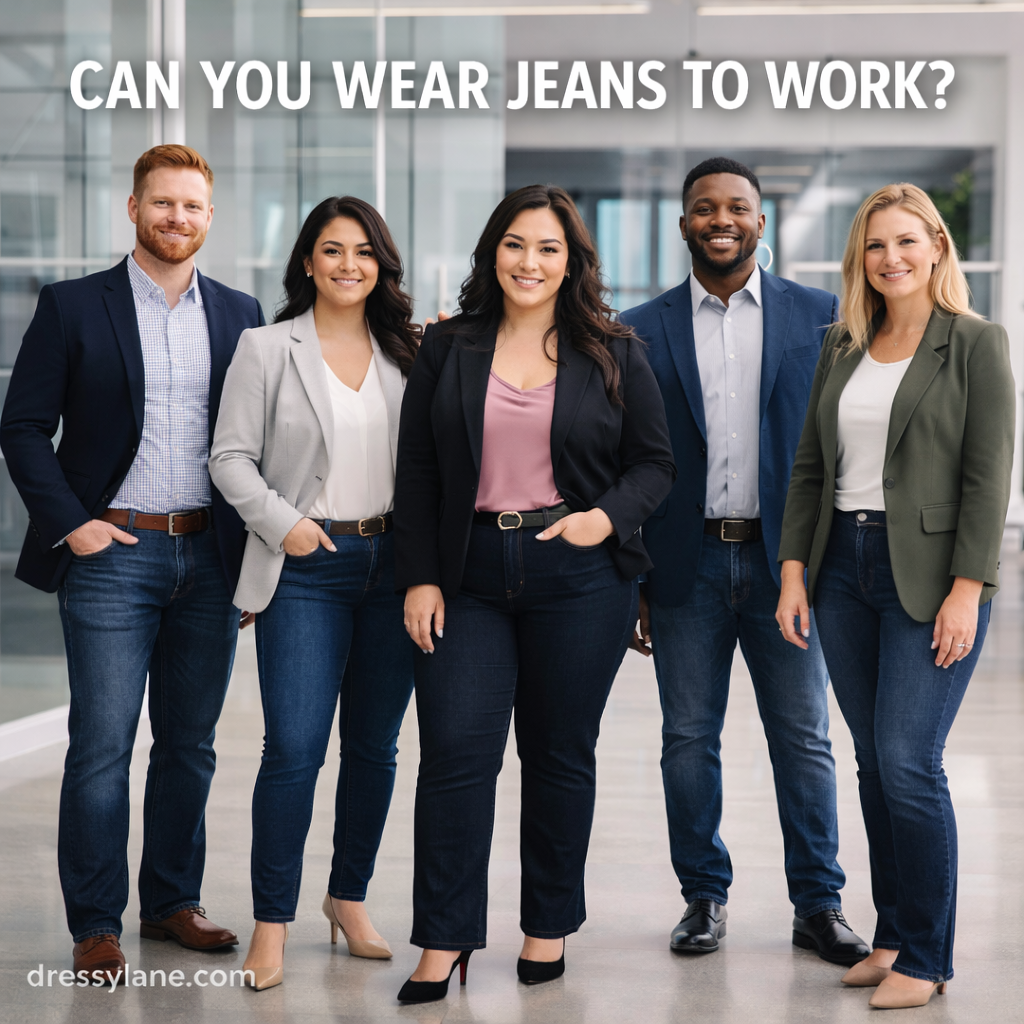
Dark, non-distressed jeans may also be appropriate if your workplace permits denim.
Leather loafers, derby shoes, and Chelsea boots are dependable footwear choices. Minimal leather sneakers can work in more relaxed environments, but traditional offices may still expect dress shoes.
A practical everyday outfit: Navy cotton-twill chinos, a white Oxford shirt, brown leather loafers, and an optional charcoal blazer.
Office-Appropriate Attire for Women
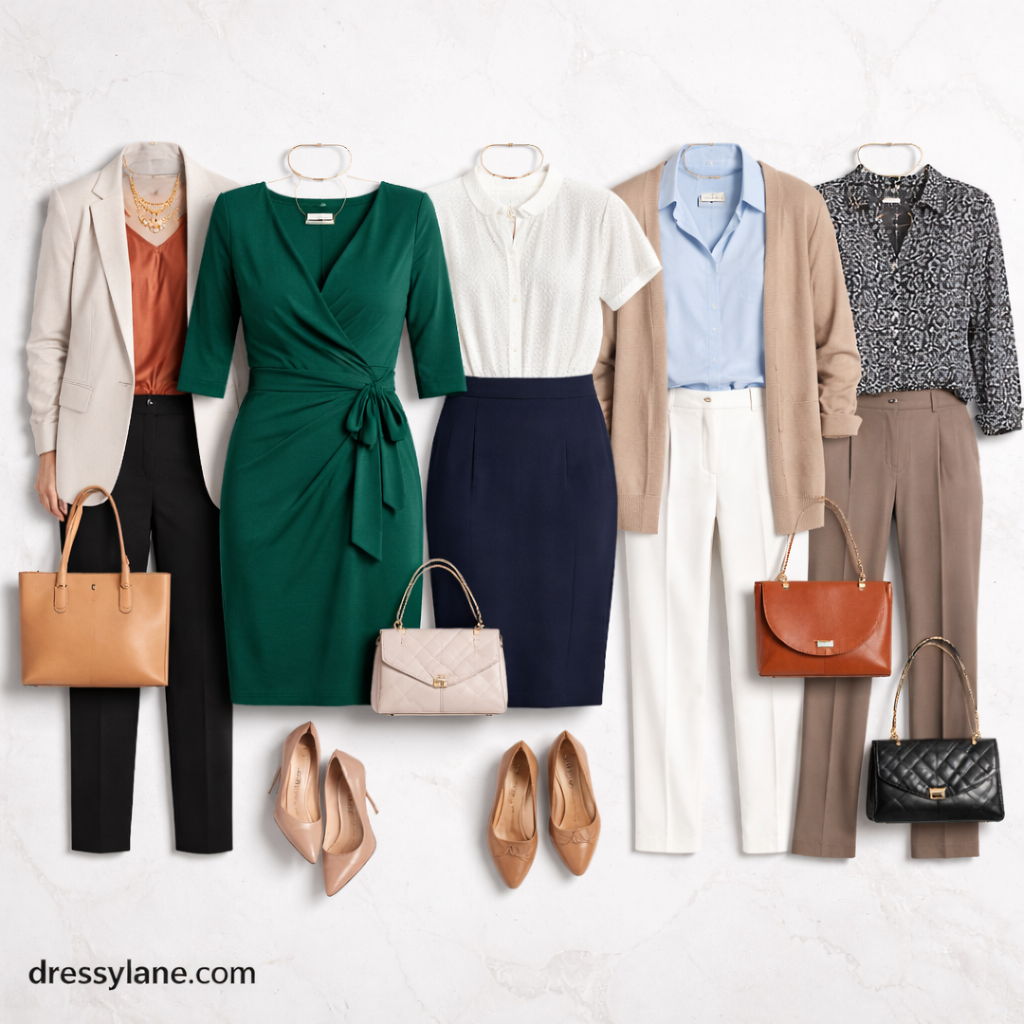
Women’s office clothing offers plenty of flexibility, from tailored separates to dresses and knitwear.
The most useful pieces are those that can be worn in several combinations without requiring an entirely different wardrobe.
Trousers, Skirts, and Dresses
Black straight-leg trousers are a dependable starting point.
Wide-leg trousers in crepe or a wool blend can also work well, provided they’re hemmed appropriately.
For skirts, an A-line midi or tailored pencil skirt pairs easily with a blouse or fitted sweater.
Simple sheath dresses and shirt dresses are useful alternatives, particularly when layered with a blazer or cardigan.
Choose pieces that remain comfortable when sitting, walking, and reaching for items throughout the day.
Tops, Shoes, and Accessories
Cotton poplin shirts, crepe blouses, and fine-knit sweaters work well with tailored bottoms.
Leather loafers, pointed-toe flats, ankle boots, and low block heels are versatile footwear options.
I’d prioritize shoes you can comfortably wear for your actual commute. A polished loafer that allows you to walk between buildings is more practical than a pair of heels you need to change out of as soon as you reach your desk.
A structured tote, simple belt, and understated jewelry can finish the outfit without adding unnecessary complexity.
A practical everyday outfit: Black straight-leg trousers, a cream fine-knit sweater, a camel blazer, and leather loafers.
Can You Wear Jeans and Sneakers to the Office?
In some workplaces, absolutely. In others, neither is permitted.
Dark indigo or black jeans with minimal fading generally look more polished than heavily distressed denim.
Pair them with an Oxford shirt, blouse, or fine-knit sweater rather than automatically reaching for a graphic T-shirt.
For sneakers, choose a clean, low-profile design in leather or quality faux leather. White, cream, black, and navy are versatile colors.
Bulky running shoes and heavily branded athletic sneakers may be less suitable for workplaces that expect business casual attire.
My recommendation is to keep one pair of tailored trousers and traditional office shoes available even if your workplace allows jeans and sneakers. They’re useful when an unexpected client meeting or formal event appears on your calendar.
What Is Usually Not Appropriate for the Office?
Even relaxed workplaces may have restrictions on certain clothing.
Common examples include:
- Heavily ripped or distressed garments.
- Clothing with offensive slogans or graphics.
- Beachwear and flip-flops.
- Clothing that doesn’t meet workplace safety requirements.
- Items that conflict with a clearly stated dress policy.
Context matters. Shorts might be perfectly acceptable in one workplace but prohibited in another.
The same applies to sleeveless tops, open-toe shoes, and casual footwear.
Rather than assuming every office follows the same standards, check your employer’s policy and consider the work you’ll be doing that day.
Dressing for Hybrid and Remote Work
Hybrid schedules introduce another consideration: your clothing may need to work for both video calls and in-person meetings.
For a home-based workday, a fine-knit sweater or collared shirt can look appropriate on camera without requiring a full suit.
Pay attention to your background and lighting. Very fine stripes and tight patterns can create distracting effects on video, while a black top may blend into a dark background.
For in-office days, consider your commute and the office temperature.
A lightweight blazer or cardigan is useful when moving between outdoor heat, air-conditioned meeting rooms, and shared workspaces.
I’d avoid dressing professionally only from the waist up if there’s any chance you’ll need to stand during a video call. Comfortable trousers or chinos are an easy alternative to loungewear.
What to Wear on Your First Day at a New Office
Your first day is one occasion when it’s worth being slightly more cautious about clothing choices.
If the dress code isn’t clear, ask your recruiter or HR contact before arriving.
For a business casual workplace, tailored trousers, a collared shirt or blouse, and polished shoes are a dependable starting point.
Observe what colleagues in similar roles wear during ordinary workdays. Pay attention to whether jeans are common, whether sneakers are accepted, and how employees dress for meetings.
You can then adjust your wardrobe to fit the environment without purchasing clothing you may never need.
Build an Office Wardrobe Around Your Actual Workday
Before buying more work clothes, consider what your typical day involves.
If you spend hours sitting at a desk, prioritize comfortable waistbands and fabrics that maintain their shape.
If you commute on foot, invest in supportive shoes and trousers that don’t drag on the ground.
If you regularly meet clients, keep a blazer or coordinated suit available.
A small wardrobe built around navy, charcoal, black, cream, and a few complementary colors can create numerous combinations without requiring dozens of separate pieces.
Fit and practicality should guide your purchases more than trends or expensive labels.
Final Thoughts
Office-appropriate attire today depends on your workplace, your responsibilities, and the occasion rather than one universal set of clothing rules.
Tailored trousers, quality shirts, fine knitwear, comfortable shoes, and versatile layers provide a reliable foundation for many professional environments.
From there, adjust the formality to match your company’s expectations. Jeans and sneakers may be perfectly acceptable for everyday work, while certain meetings still call for traditional business attire.
The goal is to build a wardrobe that works for the job you actually do—clothing that looks appropriate, feels comfortable, and doesn’t require constant second-guessing before you leave the house.