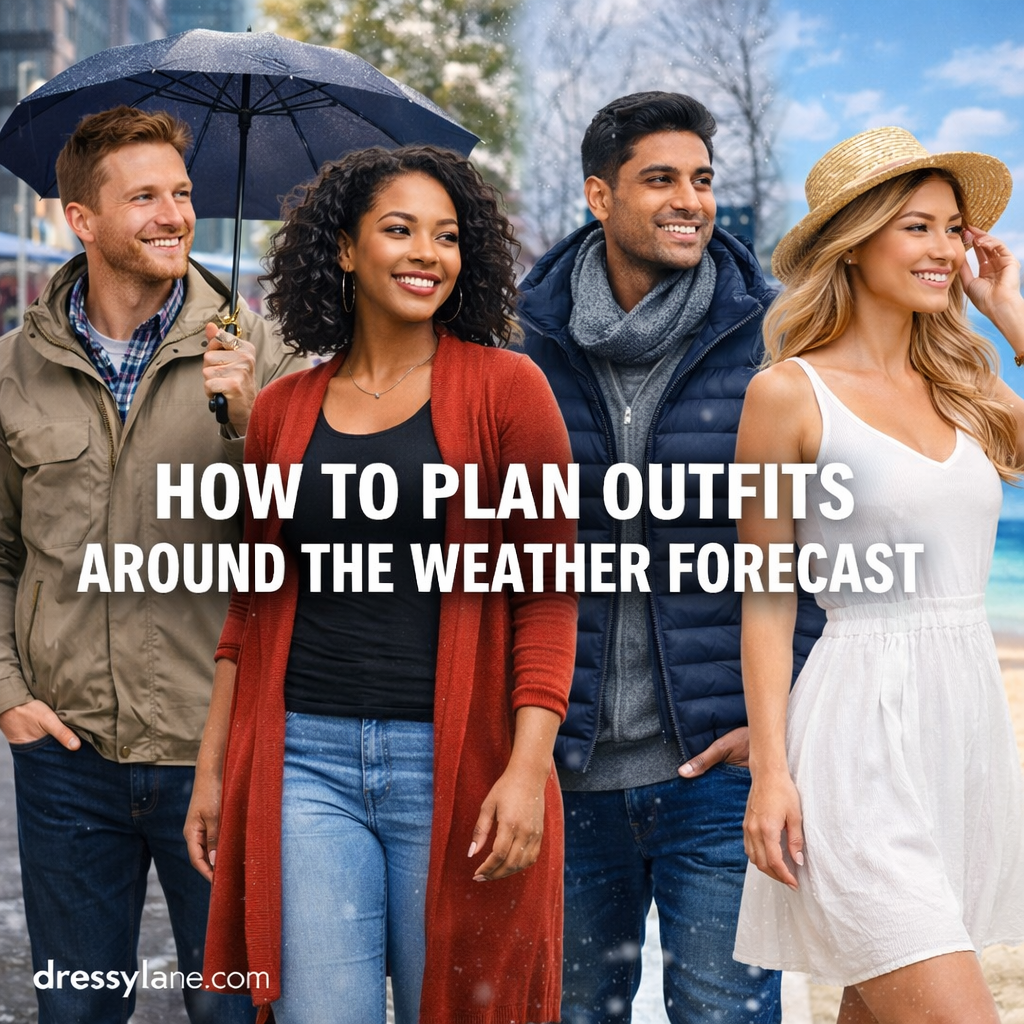
Planning your outfit around the weather forecast is one of the simplest ways to look polished, stay comfortable, and avoid last-minute wardrobe stress. Instead of reacting to the weather once you’re already dressed, a little foresight lets you choose outfits that work with changing temperatures, rain, wind, or heat—without sacrificing style.
This guide walks you through practical, season-smart outfit planning based on the forecast, with specific tips for both men and women.
Why Dressing for the Weather Matters
Weather-appropriate outfits help you:
- Stay comfortable throughout the day
- Avoid overdressing or underdressing
- Protect your skin, hair, and footwear
- Extend the life of your clothing
- Look intentional rather than thrown together
Checking the forecast before getting dressed can prevent common issues like sweating through layers, getting caught in the rain unprepared, or shivering in overly light clothing.
Start With the Full Forecast, Not Just the Temperature
Many people only look at the high temperature, but that’s rarely enough.
Before planning your outfit, check for:
- Morning vs afternoon temperature changes
- Chance of rain or snow
- Wind speed and gusts
- Humidity levels
- Cloud cover or UV index
A 65°F day with wind and rain feels very different from a calm, sunny 65°F afternoon.
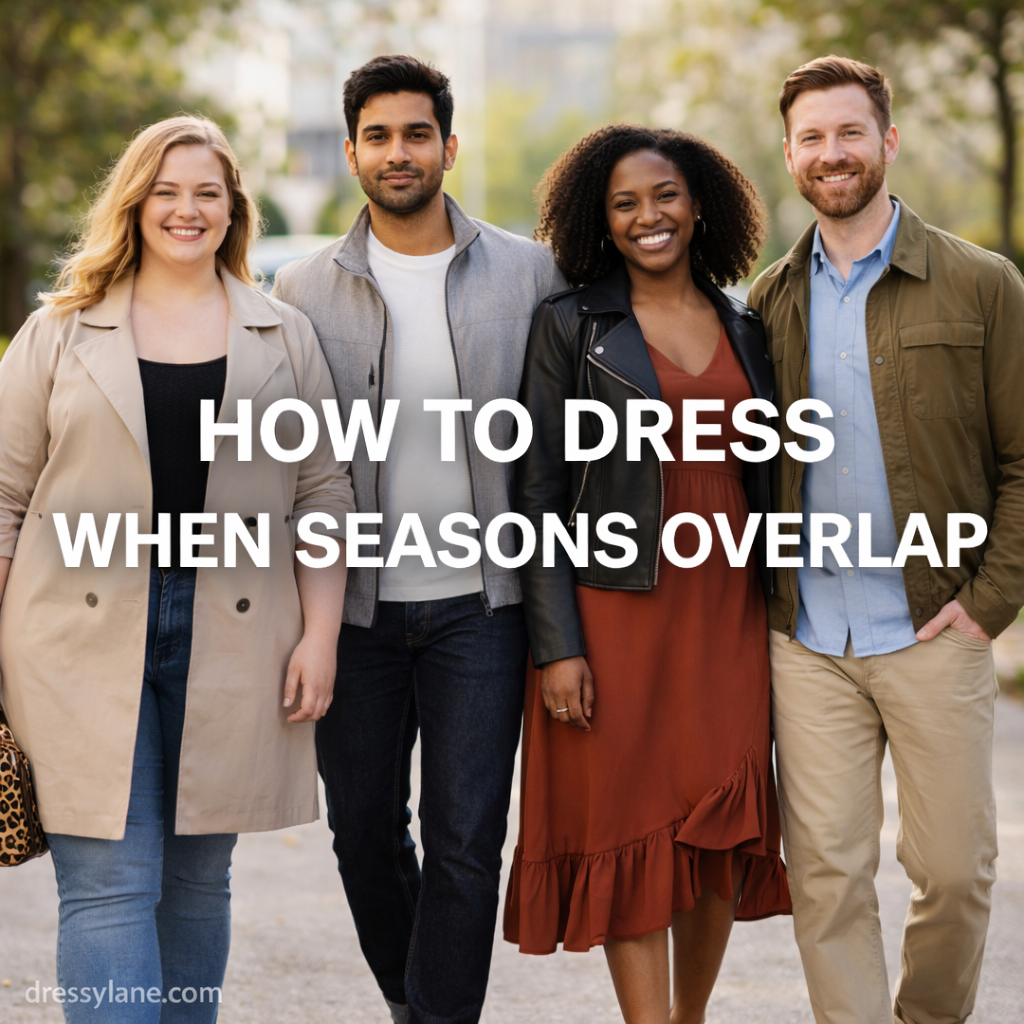
Plan in Layers for Temperature Swings
Layering is the foundation of weather-smart dressing.
Lightweight base layers help regulate body temperature, while removable outer layers allow you to adapt throughout the day.
Smart layering options include:
- Breathable cotton or moisture-wicking tees
- Light sweaters or cardigans
- Denim jackets, blazers, or shackets
- Packable windbreakers or trench coats
Layers are especially important in spring, fall, and transitional seasons.
Dressing for Rain and Wet Conditions
Rain doesn’t mean sacrificing style—it just means choosing the right materials.
Focus on:
- Water-resistant outerwear
- Closed-toe shoes or boots
- Darker colors that hide water spots
- Quick-dry fabrics
Avoid heavy fabrics like suede, thick denim, or untreated leather when rain is likely.
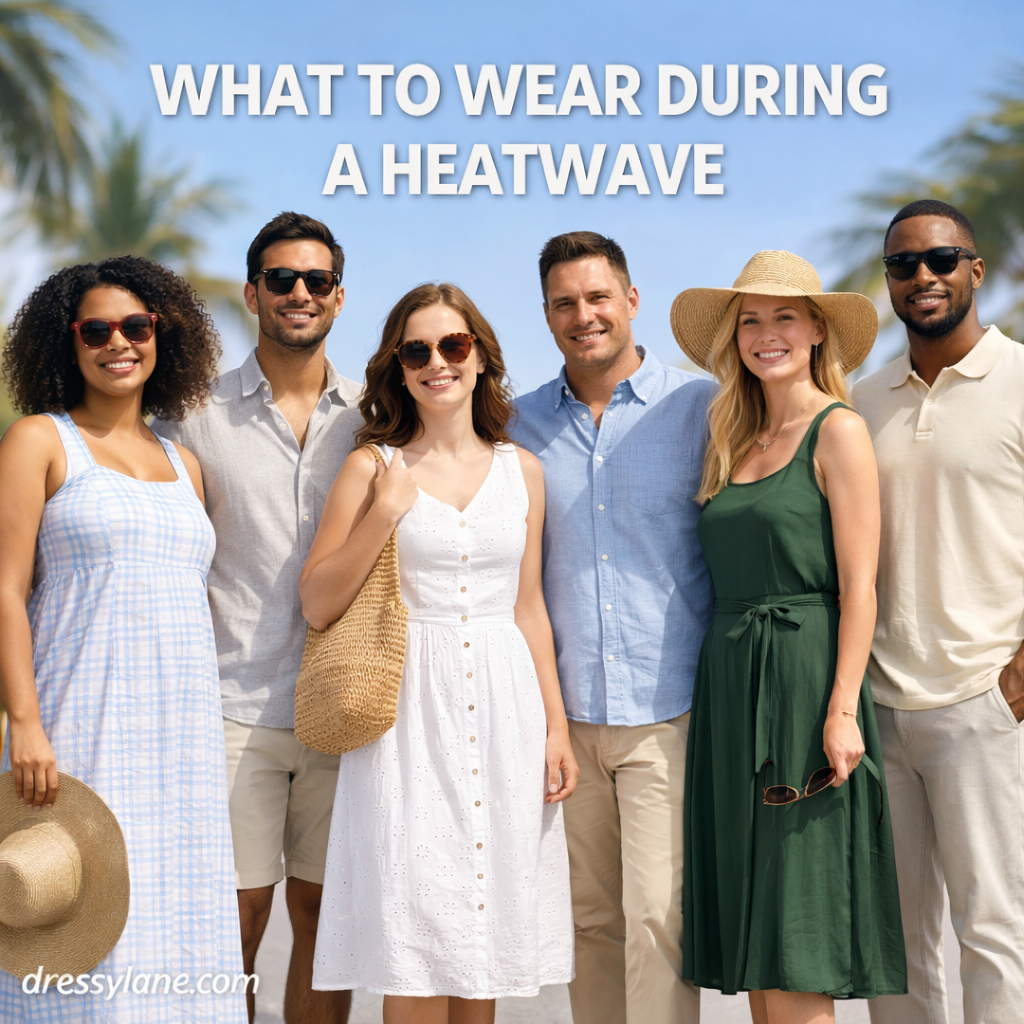
Dressing for Heat and High Humidity
Hot weather requires fabrics and silhouettes that promote airflow.
Look for:
- Loose-fitting clothing
- Natural fibers like cotton and linen
- Light colors that reflect heat
- Minimal layers
Avoid heavy synthetics, tight fits, and dark colors that trap heat and moisture.
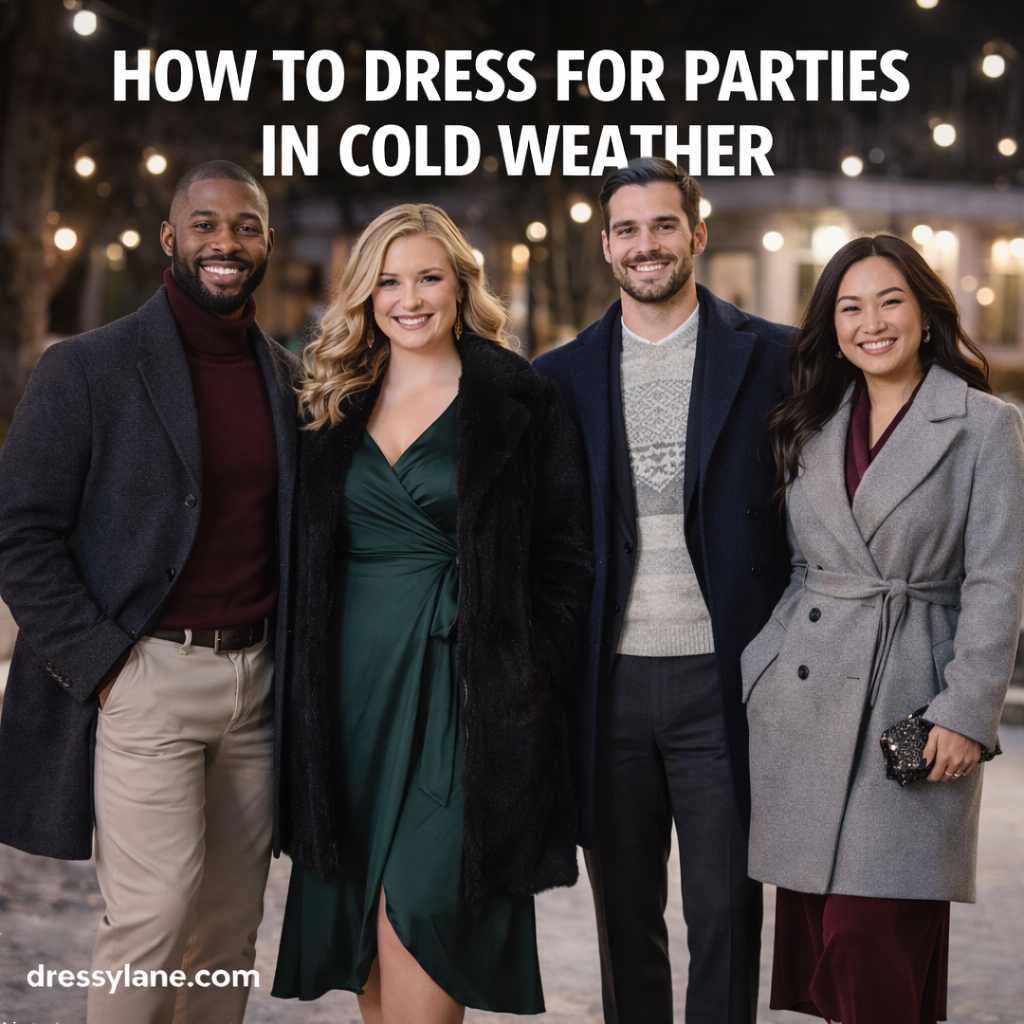
Dressing for Cold and Windy Weather
Cold weather outfits should trap warmth while blocking wind.
Effective cold-weather planning includes:
- Insulating layers under coats
- Wind-resistant outerwear
- Thermal socks
- Scarves, gloves, and hats for exposed skin
Wind chill can make mild temperatures feel much colder, so plan accordingly.
Footwear Choices Based on the Forecast
Shoes often make or break a weather-ready outfit.
Choose footwear based on:
- Rain or snow: waterproof boots or treated leather shoes
- Heat: breathable sneakers, loafers, or sandals
- Cold: insulated boots or lined shoes
- Long walks: supportive soles regardless of weather
Keep at least one weather-neutral pair in your rotation for unpredictable days.
How to Plan Outfits the Night Before
Planning ahead reduces stress and prevents rushed decisions.
A simple routine:
- Check tomorrow’s full forecast
- Choose a base outfit for the expected temperature
- Add or remove layers based on conditions
- Select shoes that match both weather and activity
- Keep a backup layer or umbrella ready
This habit is especially useful for workdays, travel, or events.
Outfit Planning Tips for Men
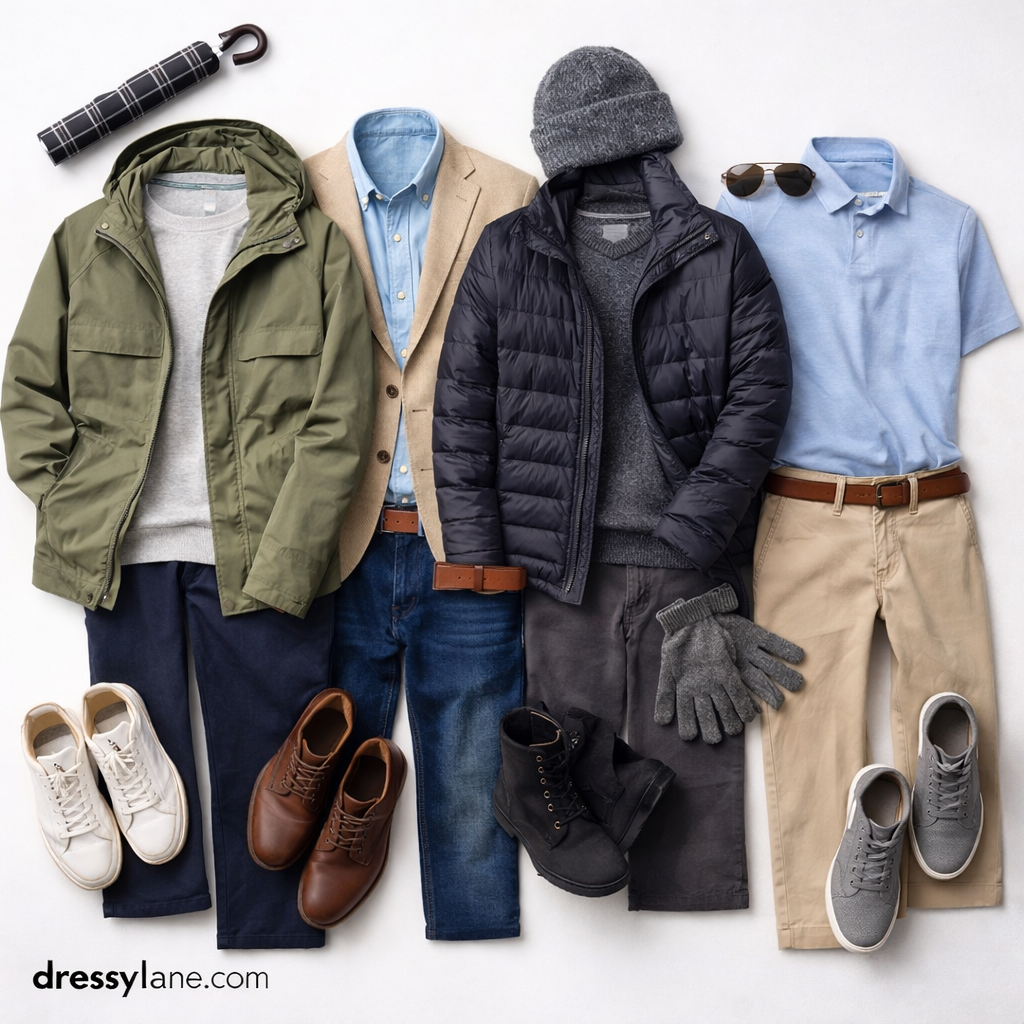
Men’s wardrobes often benefit from versatile layering and fabric choices.
Weather-smart outfit ideas for men include:
- Lightweight button-downs layered under sweaters or jackets
- Neutral jackets that work across multiple temperatures
- Chinos or dark jeans for cooler days
- Breathable polos or tees for warm weather
- Weather-resistant sneakers or boots
Sticking to a cohesive color palette makes mixing layers easier as conditions change.
Outfit Planning Tips for Women
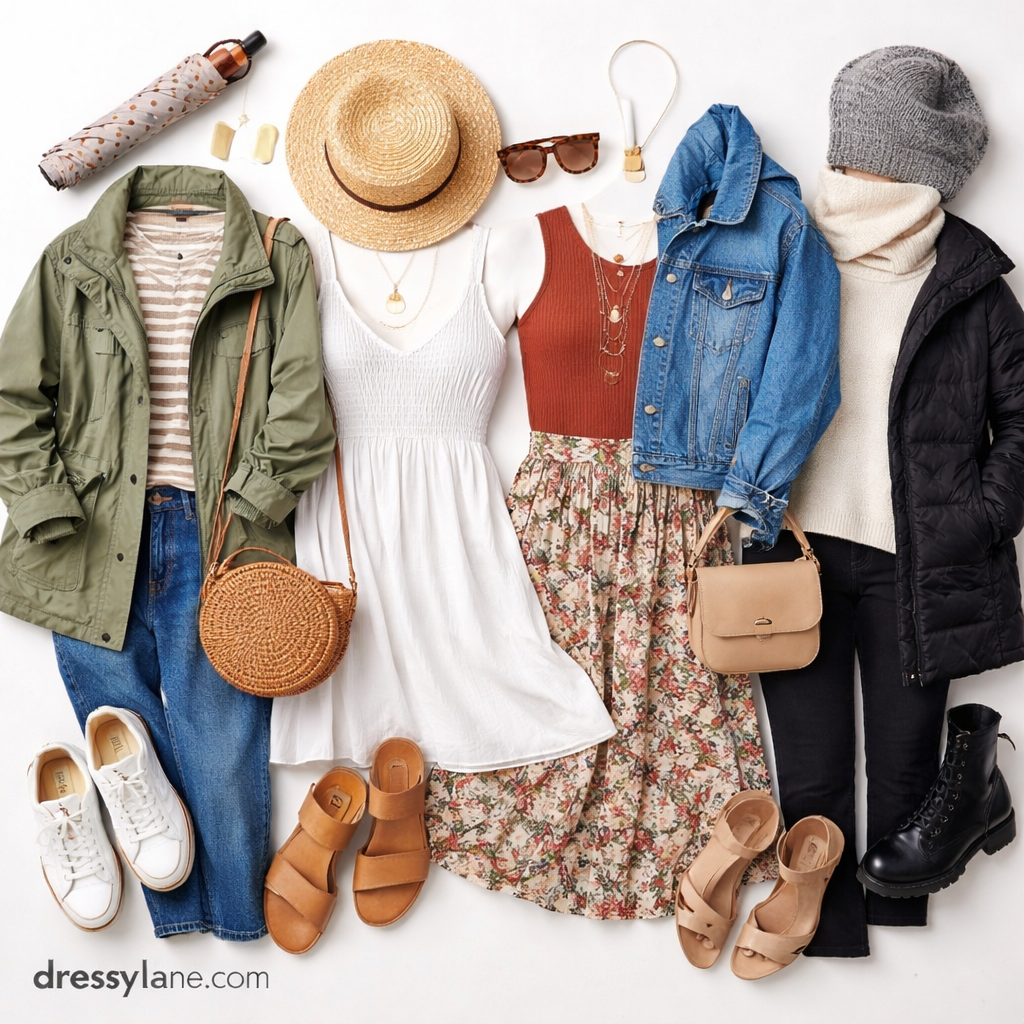
Women’s outfits often involve more variety, which makes weather planning even more important.
Helpful strategies include:
- Layer-friendly dresses with cardigans or jackets
- Midi skirts paired with tights for cooler days
- Breathable blouses for heat and humidity
- Structured outerwear for windy conditions
- Comfortable shoes that handle both weather and walking
Choosing flexible pieces allows you to adapt without redoing your entire outfit.
Seasonal Outfit Planning at a Glance
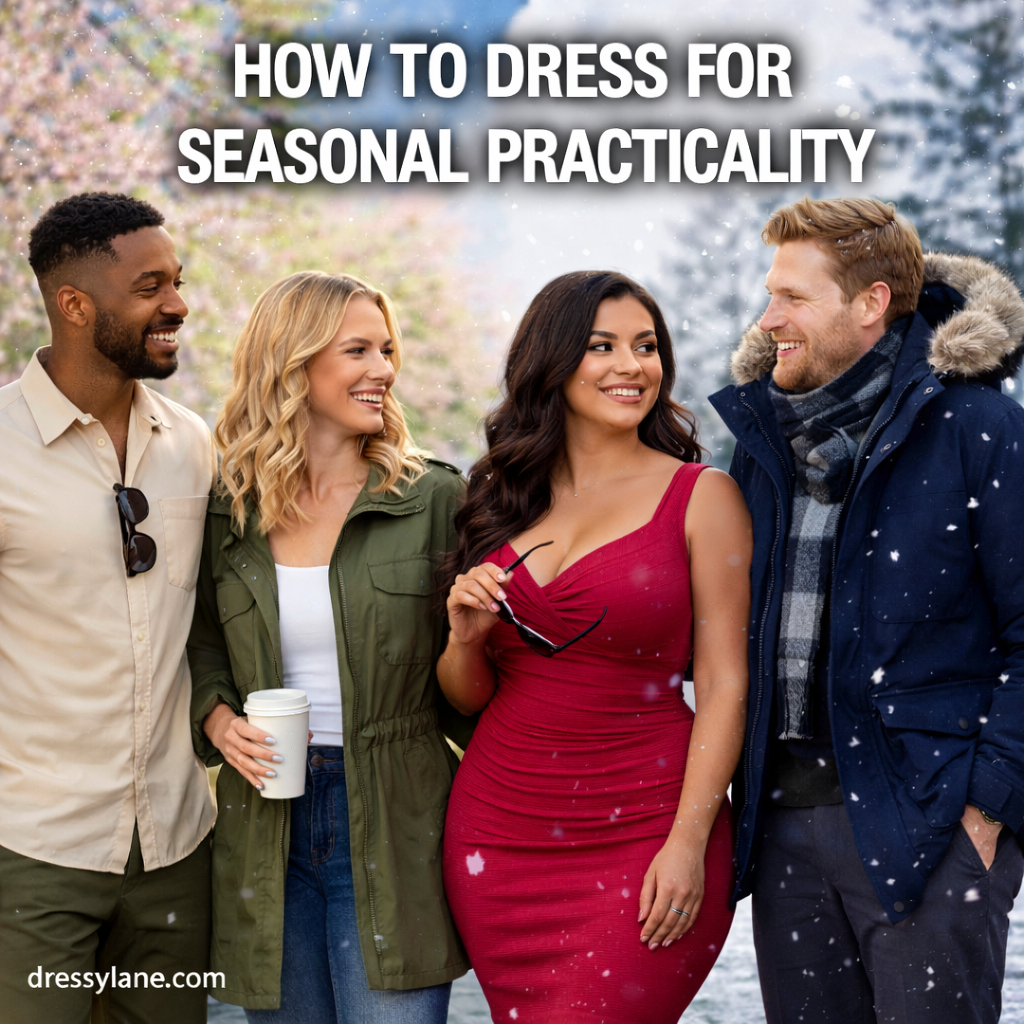
Each season has unique weather challenges.
Spring:
- Expect fluctuating temperatures and rain
- Prioritize light layers and waterproof jackets
Summer:
- Focus on breathability and sun protection
- Avoid heavy fabrics and excessive layering
Fall:
- Embrace layering with sweaters and light coats
- Prepare for cooler mornings and warmer afternoons
Winter:
- Invest in insulation and wind protection
- Balance warmth with mobility and comfort
Common Outfit Planning Mistakes to Avoid
Avoid these common missteps:
- Ignoring wind and humidity
- Dressing only for midday temperatures
- Wearing impractical shoes for wet conditions
- Over-layering with bulky fabrics
- Forgetting accessories like umbrellas or sunglasses
Small adjustments can make a big difference in comfort.
Final Thoughts
Planning outfits around the weather forecast isn’t about overthinking—it’s about being prepared. By checking conditions ahead of time, choosing flexible layers, and matching fabrics and footwear to the forecast, you can stay comfortable, confident, and stylish in every season.
Whether you’re dressing for work, travel, or everyday life, weather-aware outfit planning helps you look intentional while adapting effortlessly to what the day brings.