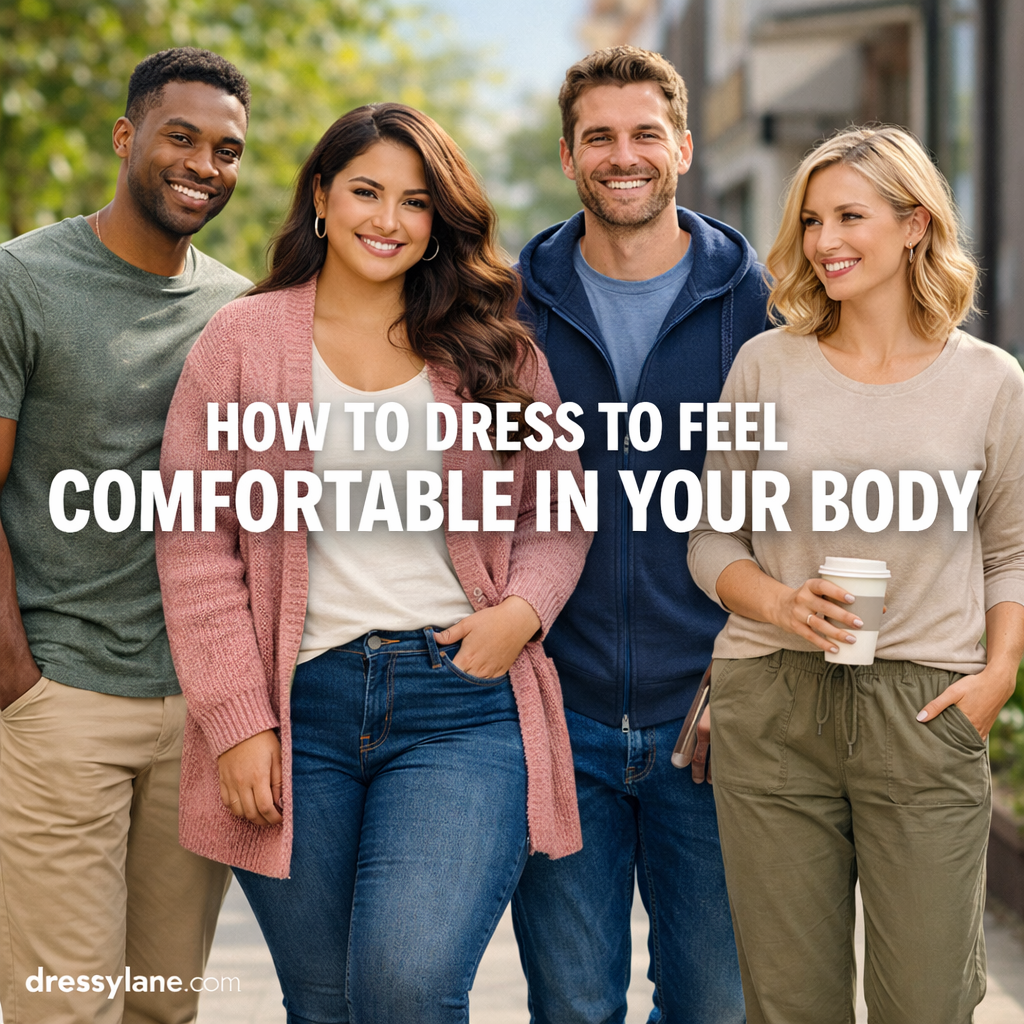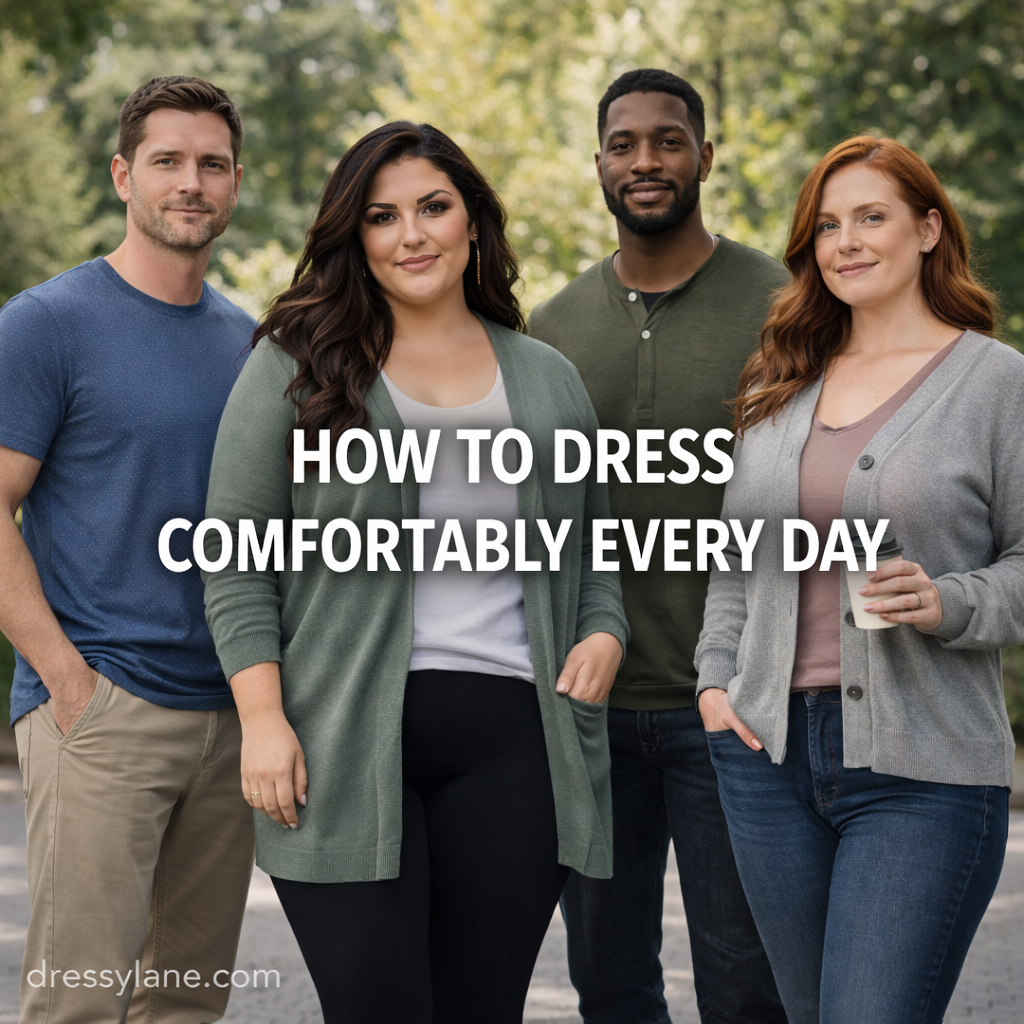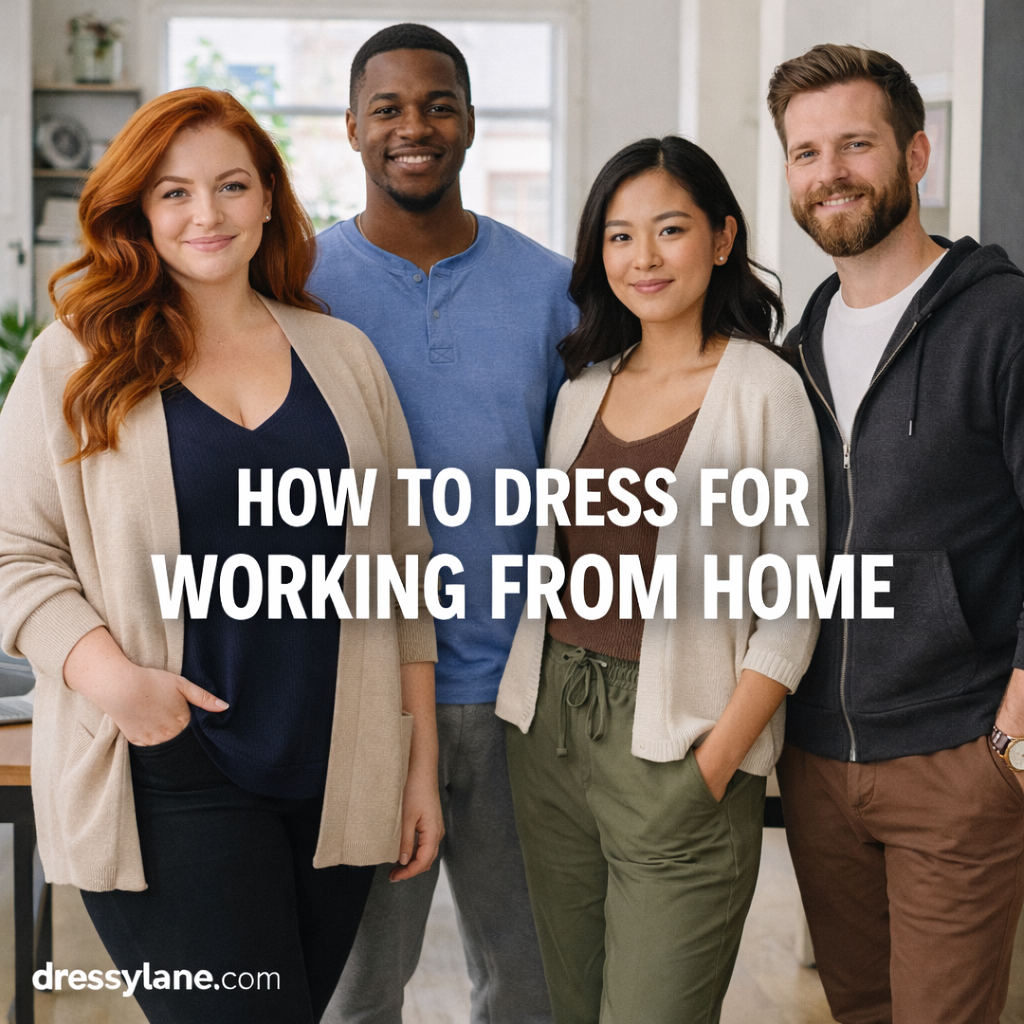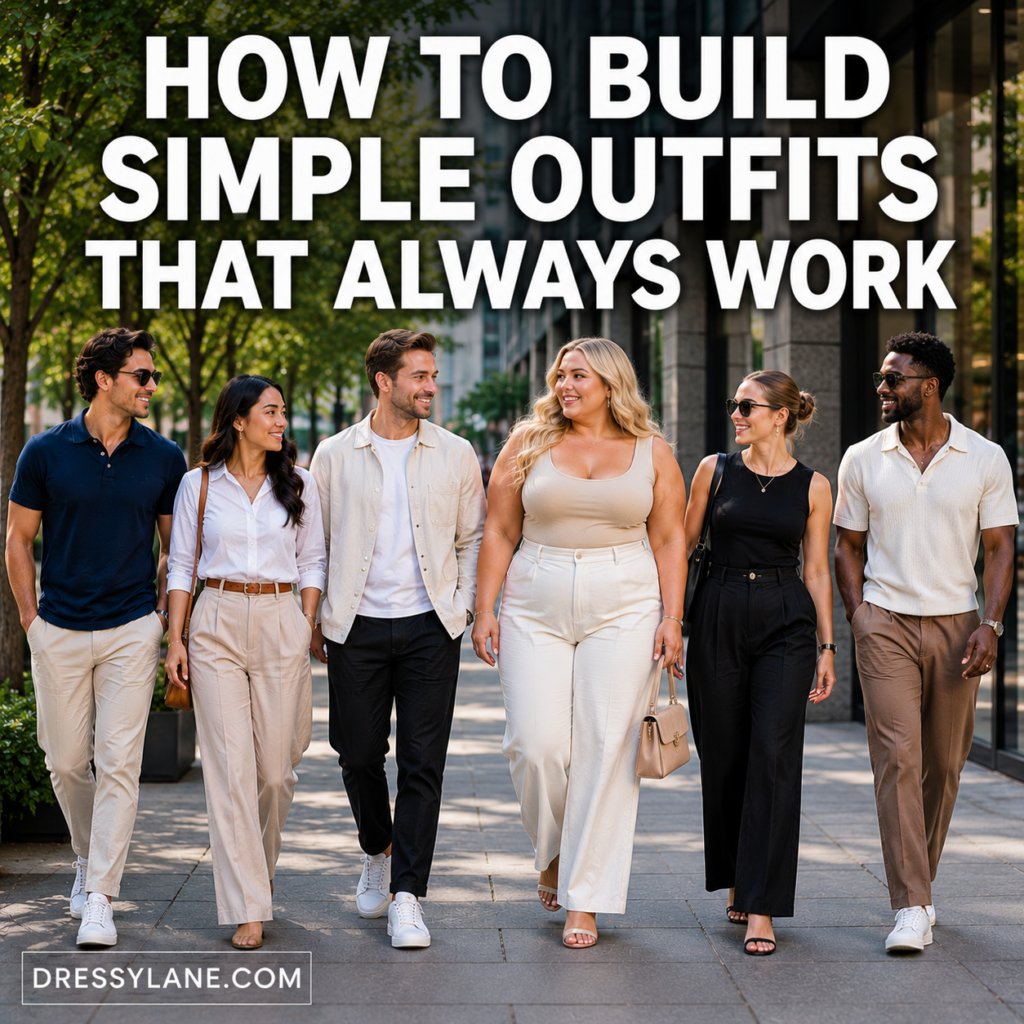
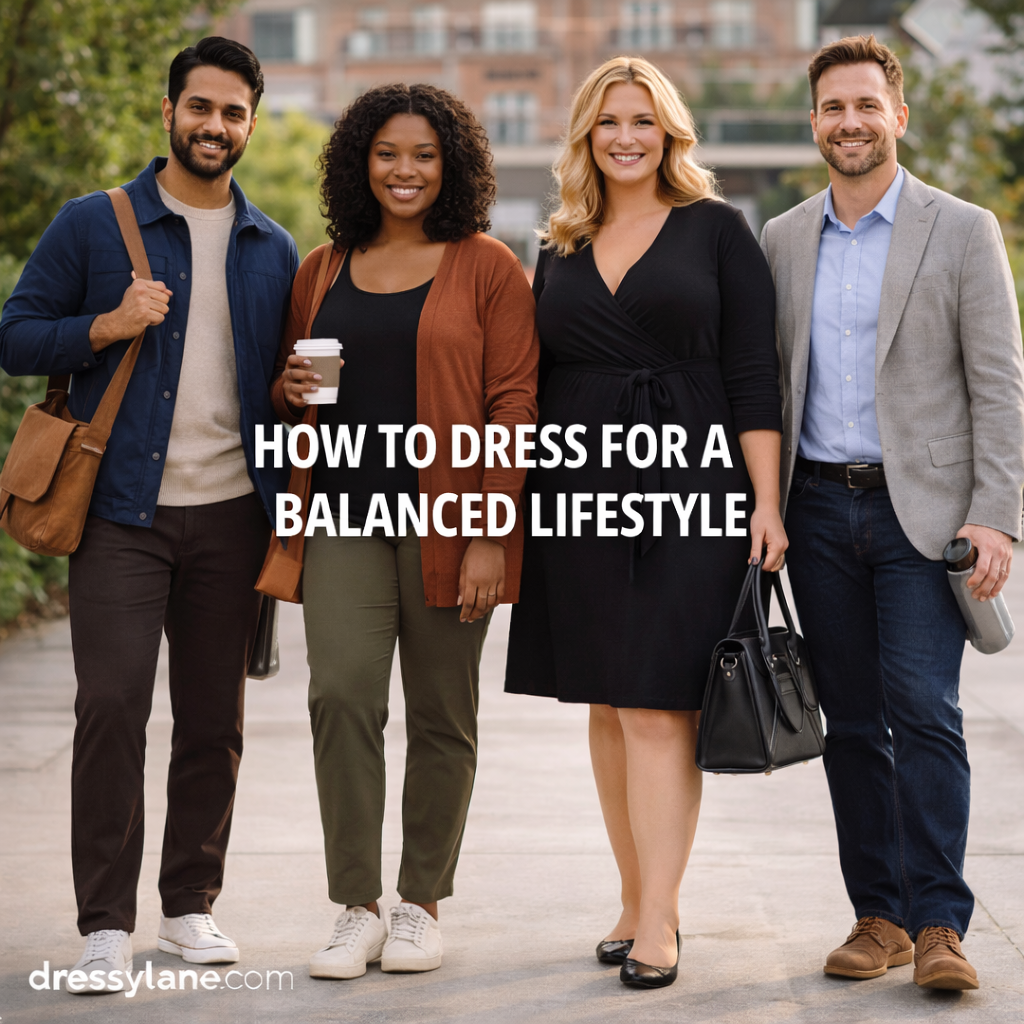
A balanced lifestyle isn’t just about how you schedule your time — it’s also about how you move through your day. What you wear plays a surprisingly important role in how grounded, confident, and comfortable you feel across work, social time, rest, and personal routines.
Dressing for a balanced lifestyle means choosing clothes that support your body, your mindset, and the many roles you move between each day. This guide shows you how to build a wardrobe that feels intentional, flexible, and sustainable — with practical advice for both women and men.
What Does a Balanced Lifestyle Look Like in Clothing?
A balanced wardrobe supports:
- Physical comfort
- Mental clarity
- Confidence without pressure
- Ease of movement
- Consistency across daily activities
Instead of dressing for extremes — all workwear, all leisure, or all trends — balance lives in versatility.
The goal is clothing that adapts to your life, not the other way around.
Start With Comfort as a Non-Negotiable
Comfort is the foundation of balance. When clothes are restrictive, distracting, or impractical, they quietly drain energy.
Signs your clothes support balance:
- You forget you’re wearing them
- You can sit, walk, and move easily
- You don’t constantly adjust or fidget
- You feel at ease in different environments
Comfort doesn’t mean casual — it means functional and supportive.
Build a Wardrobe Around Versatile Pieces
Balanced dressing relies on clothes that work in more than one setting.
High-utility wardrobe staples include:
- Stretch trousers or relaxed-fit pants
- Soft knits and breathable tops
- Lightweight jackets or layers
- Neutral shoes that suit multiple outfits
- Simple dresses or coordinated sets
When one piece works for errands, meetings, and casual social plans, life feels simpler.
Choose Fabrics That Support Your Day
Fabric choice affects energy levels more than most people realize.
Best fabrics for balance:
- Cotton blends
- Modal and viscose
- Lightweight wool
- Stretch knits
- Breathable performance fabrics
Limit:
- Stiff, non-stretch materials
- Heavy synthetics
- Scratchy or heat-trapping fabrics
- Clothes that wrinkle the moment you sit
Comfortable fabrics help your body stay regulated throughout the day.
Dress for the Life You Actually Live
A balanced wardrobe reflects real routines — not idealized ones.
Ask yourself:
- Do I sit, walk, commute, or move often?
- Do my days blend work and personal time?
- Do I need clothes that transition easily?
- Do I value ease over constant outfit changes?
When clothes match your lifestyle, balance follows naturally.
What Women Should Wear for a Balanced Lifestyle
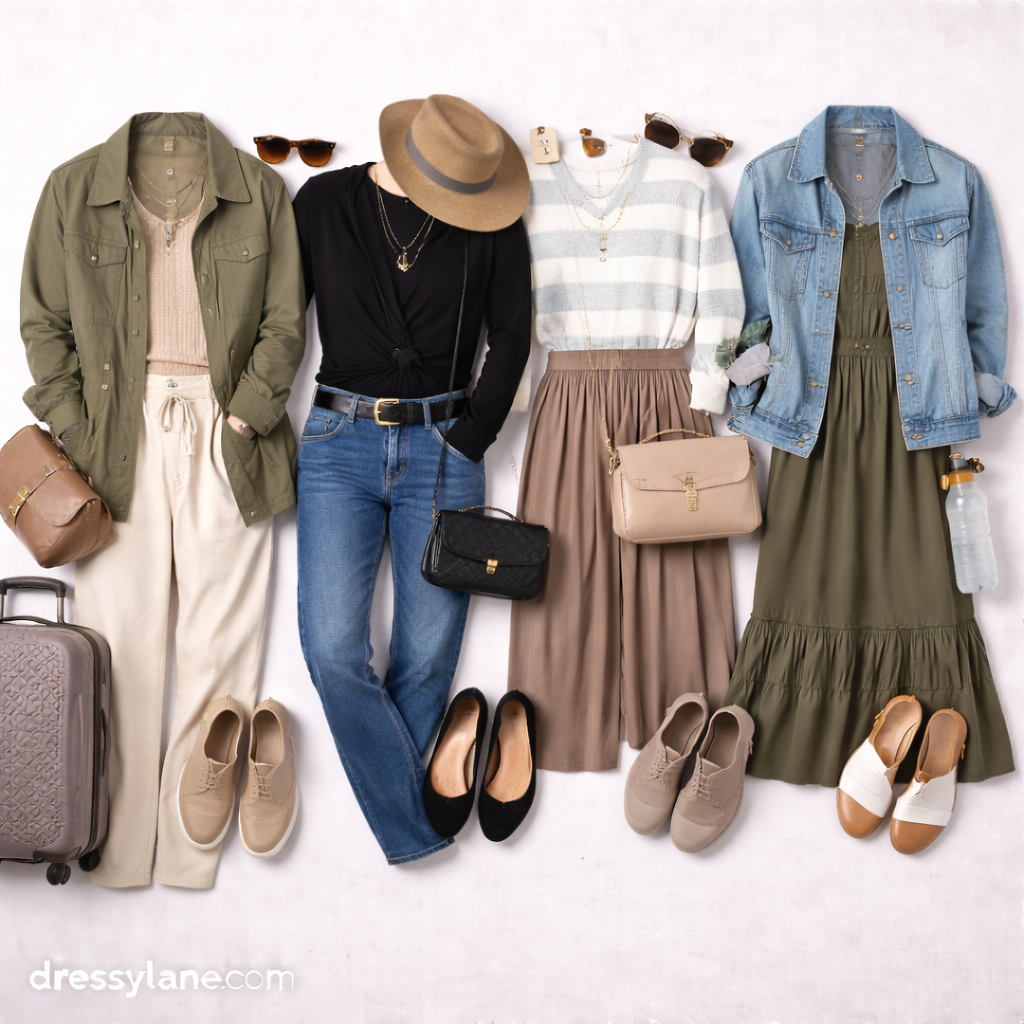
Women often juggle multiple roles in a single day. Clothing that flexes between them is key.
Balanced Outfit Staples for Women
Reliable pieces include:
- Stretch trousers or pull-on pants
- Midi dresses that layer easily
- Soft blouses with movement
- Cardigans or unstructured blazers
- Comfortable flats, sneakers, or low heels
These items maintain polish without sacrificing comfort.
Balance Through Fit and Silhouette
Helpful fit tips:
- Choose mid-rise bottoms for comfort
- Look for forgiving waistlines
- Favor draped or relaxed silhouettes
- Avoid overly tight or overly loose extremes
Balance lives in ease, not tension.
What Men Should Wear for a Balanced Lifestyle
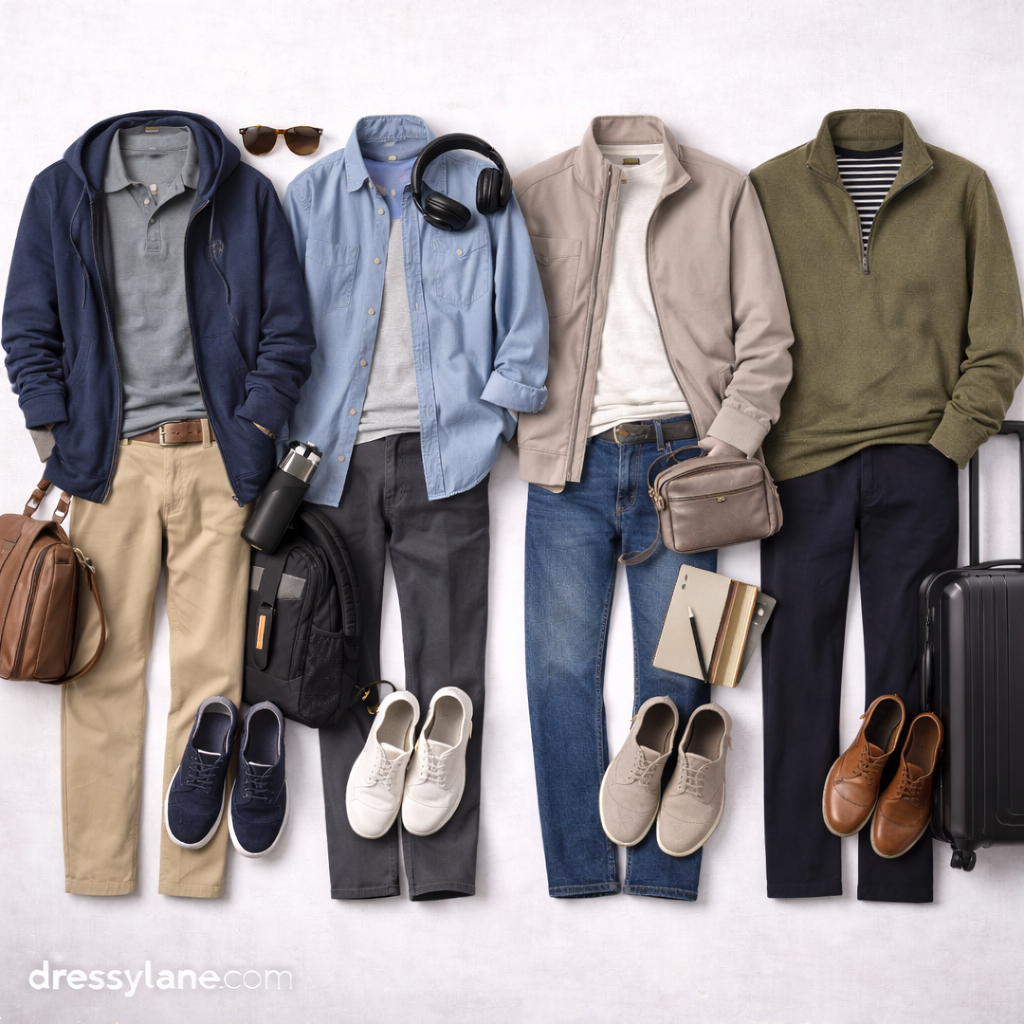
Men benefit from clothing that feels effortless while still looking intentional.
Balanced Outfit Staples for Men
Foundational pieces include:
- Stretch chinos or relaxed-fit trousers
- Soft button-downs or polos
- Lightweight sweaters
- Overshirts or unstructured jackets
- Clean, supportive shoes
These pieces work across work, travel, and downtime.
Fit Choices That Support Balance
Look for:
- Breathable fabrics
- Mid-rise pants
- Shirts that don’t pull when seated
- Layers that are easy to remove
When clothes don’t fight your body, daily life feels smoother.
Use Color to Create Calm and Consistency
Color plays a subtle role in emotional balance.
Balanced color strategies:
- Build around neutrals you enjoy wearing
- Add a few personal accent colors
- Avoid overly loud combinations for everyday wear
- Keep your palette cohesive
When everything coordinates, getting dressed becomes simpler and less stressful.
Keep Your Wardrobe Simple but Intentional
Balance doesn’t require a large closet — it requires the right pieces.
Helpful wardrobe habits:
- Edit out clothes you avoid wearing
- Keep items that make you feel good
- Repeat outfits without guilt
- Focus on quality over quantity
A smaller, intentional wardrobe often feels more freeing.
Avoid These Common Balance Disruptors
Some clothing choices quietly work against a balanced lifestyle.
Watch out for:
- Clothes that only work in one setting
- Items that require constant fixing
- Shoes that limit your day
- Dressing only for appearance, not function
- Saving your “good clothes” instead of wearing them
If your clothes create friction, they’re not supporting balance.
Dressing With Balance Is About Alignment
A balanced lifestyle wardrobe aligns with:
- Your body
- Your schedule
- Your values
- Your personal style
It’s not about trends or perfection — it’s about feeling supported as you move through your day.
Final Thoughts
Learning how to dress for a balanced lifestyle means choosing clothing that supports who you are and how you live. When your wardrobe prioritizes comfort, versatility, and ease, your days feel more grounded and intentional.
Balance shows up when getting dressed feels simple — and when your clothes help you move through life with confidence, clarity, and calm.