Winter weddings offer the perfect excuse to wear rich fabrics, elegant layers, and deeper colors that might feel too heavy at a summer celebration. But finding the right outfit takes a little planning, especially when you’re moving between a chilly outdoor ceremony, a heated reception, and possibly a snowy parking lot.
The key is choosing an outfit that looks appropriate for the dress code while keeping you comfortable throughout the day. A velvet midi dress might be ideal for an evening reception, while a tailored jumpsuit and wool coat could work beautifully for a less formal celebration.
Here’s how to put together a winter wedding guest outfit that feels polished without sacrificing warmth.
Start With the Dress Code, Not the Weather
Before choosing a dress, check the invitation. A black-tie wedding at a downtown hotel calls for something different from an afternoon ceremony at a rustic lodge.
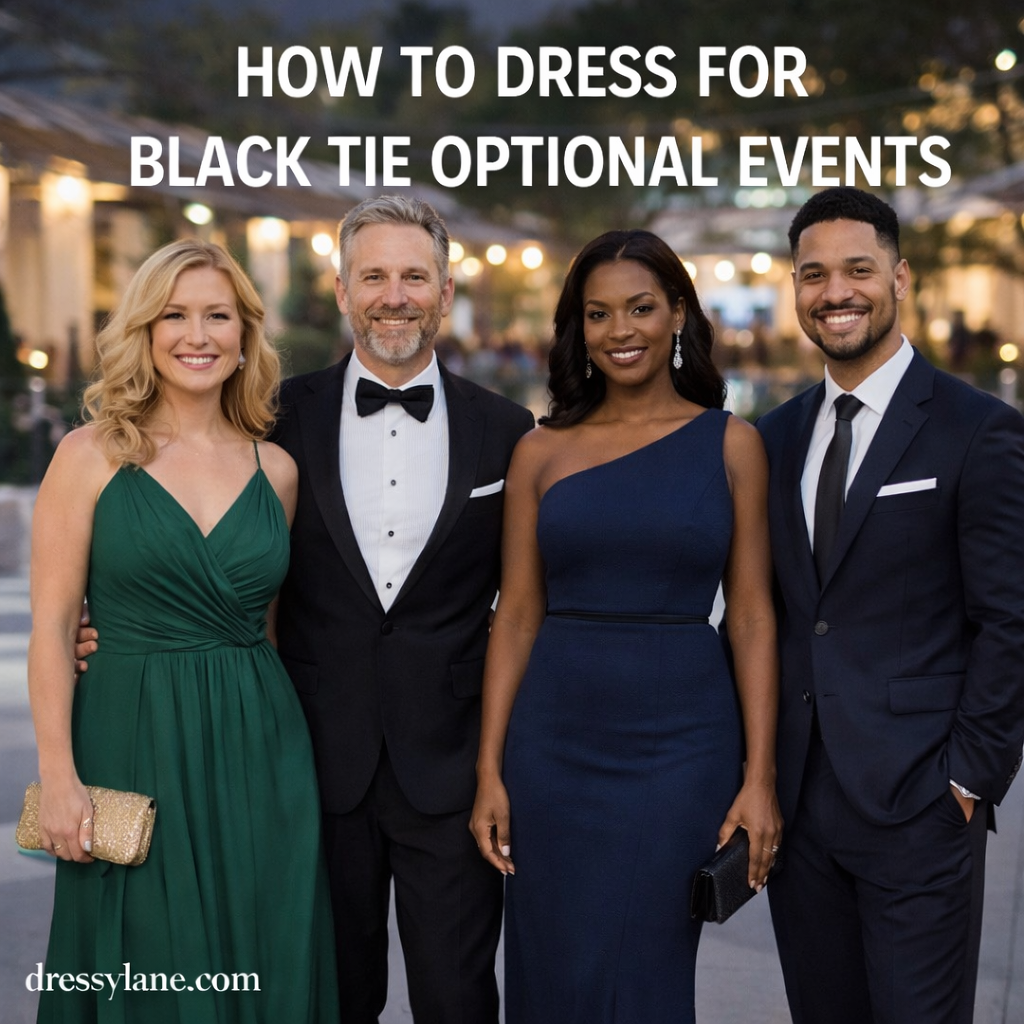
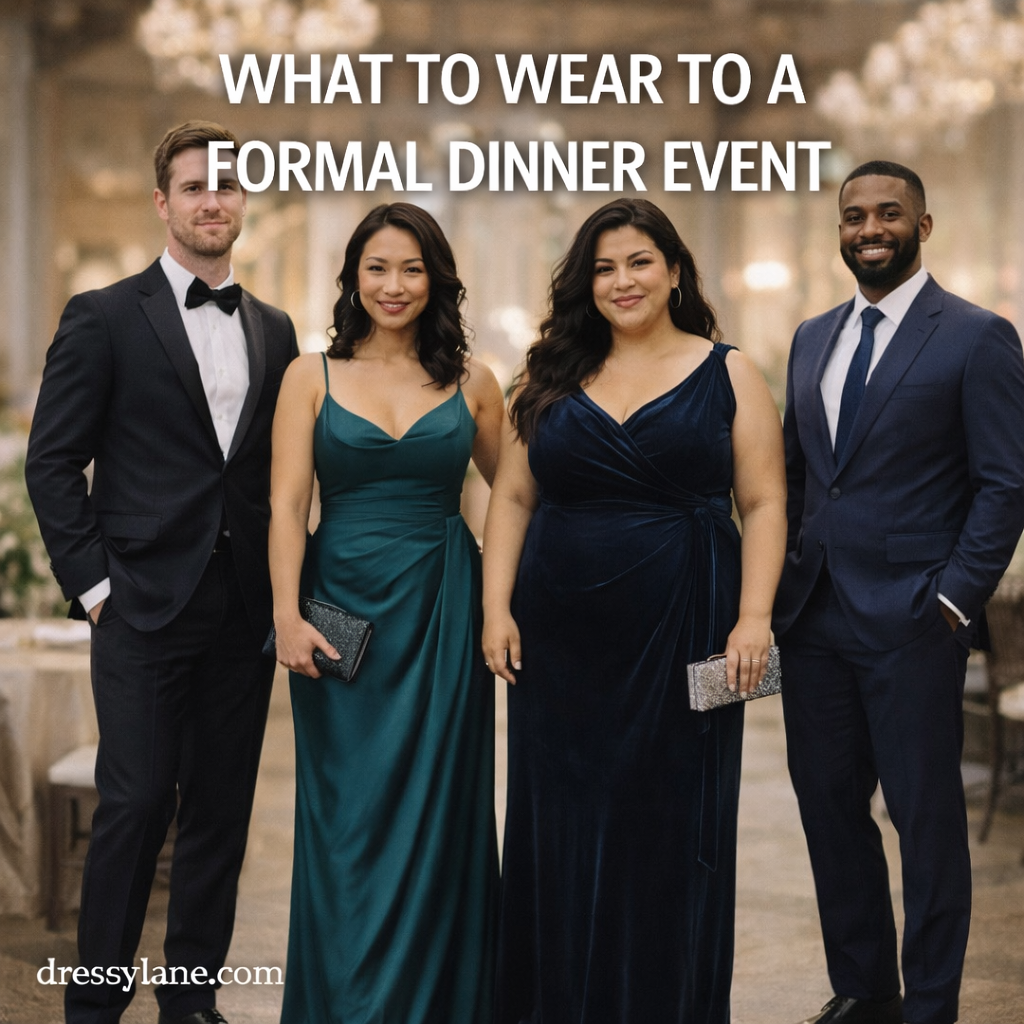
For black-tie weddings, a floor-length gown in velvet, satin, or a substantial crepe is a reliable choice. Cocktail attire gives you more flexibility, including elegant midi dresses, tailored jumpsuits, and dressy separates.
If the invitation doesn’t specify a dress code, consider the venue and time of day. Evening celebrations at formal venues generally call for dressier outfits, while daytime weddings may allow more relaxed silhouettes.
One practical tip: check whether the ceremony and reception are both indoors. A beautiful sleeveless gown is much easier to manage when you’re only outside for the walk from the car.
Best Dress Styles for a Winter Wedding
Dresses are a natural choice for winter weddings, but the right silhouette matters more than simply choosing something with long sleeves.
Long-Sleeve Dresses
A long-sleeve velvet midi dress is one of the easiest winter wedding outfits to style. The fabric feels substantial, the sleeves provide some coverage, and the look works with relatively simple accessories.
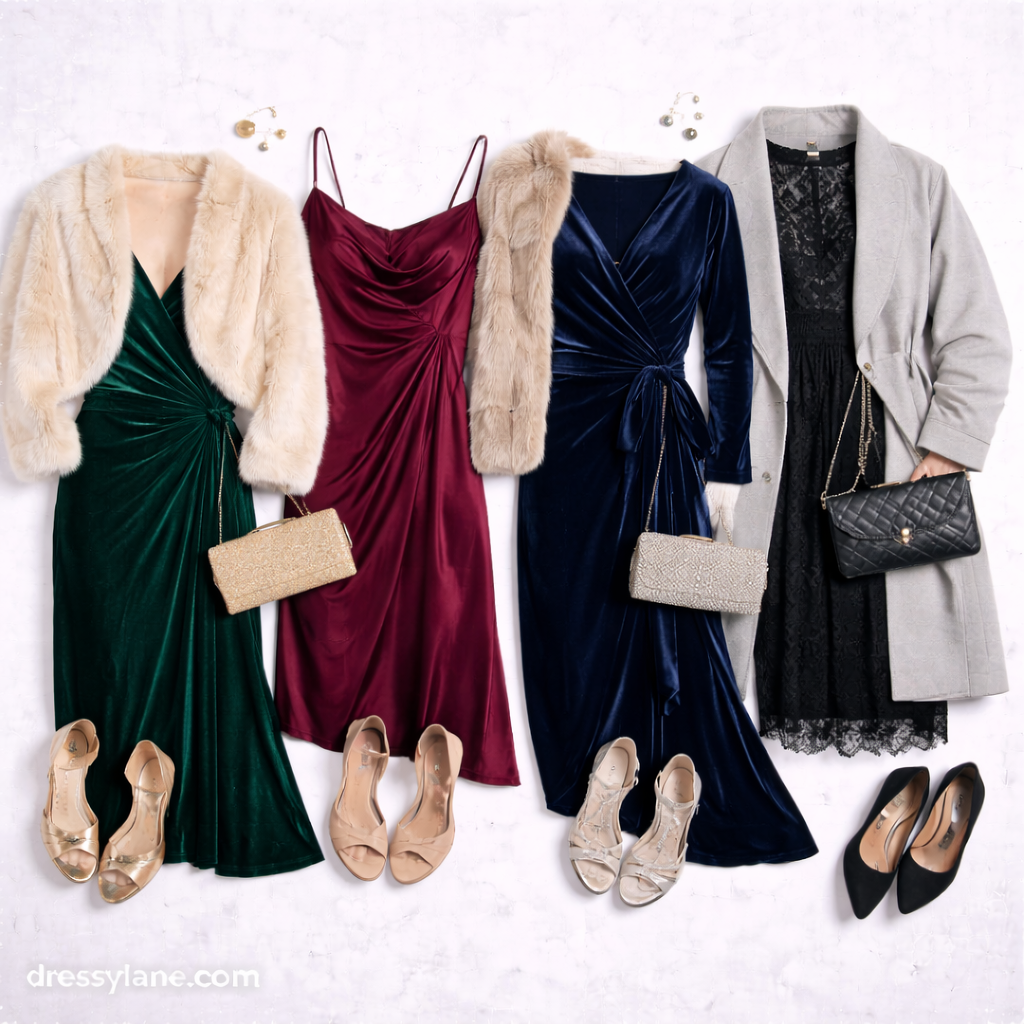
Try a burgundy wrap-style dress with a defined waist, pointed-toe heels, and small gold earrings.
For a more formal wedding, a long-sleeve gown with a fitted bodice and gently flared skirt offers an elegant alternative.
Midi and Floor-Length Dresses
Midi dresses are particularly versatile for cocktail and semi-formal weddings. A bias-cut satin midi, for example, can look sophisticated with a tailored wool coat and closed-toe heels.
Floor-length gowns are generally better suited to black-tie celebrations.
If you’re attending an outdoor ceremony, pay attention to the hemline. A dress that drags along a wet walkway or snowy path can become uncomfortable before the reception even begins.
Tailored Jumpsuits and Dressy Separates
You don’t have to wear a dress.
A wide-leg jumpsuit in structured crepe, paired with a fitted blazer and metallic accessories, can work beautifully for a cocktail wedding.
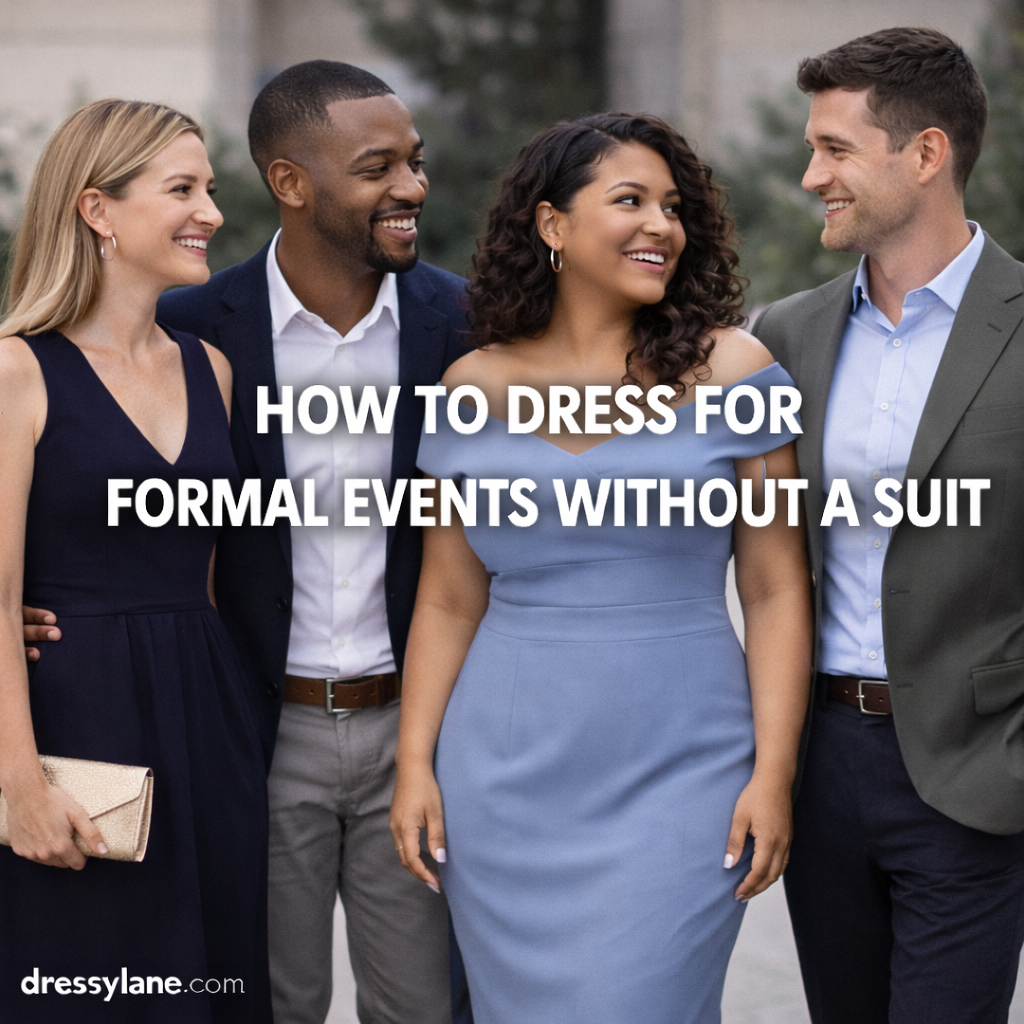
A tailored trouser suit in deep navy or chocolate brown is another option, especially when styled with a silk blouse and elegant heels.
The important distinction is fabric and fit: choose occasionwear rather than something that resembles everyday office clothing.
The Best Fabrics for Winter Wedding Outfits
Fabric makes a noticeable difference in both comfort and appearance.
Velvet is particularly well suited to winter celebrations. It has a rich texture, photographs beautifully in evening lighting, and works well in jewel tones.
Crepe offers a cleaner, more structured appearance. It’s a good option if you prefer minimal silhouettes without embellishment.
Satin creates an elegant finish, although thinner satin dresses may need additional layering in cold weather.
Lined chiffon can also work for formal events, particularly when used in a flowing gown with long sleeves.
I’d actually skip an unlined slip dress for a wedding with an outdoor ceremony. It might look beautiful in photographs, but a thin layer of satin offers very little protection when you’re standing outside for 30 minutes.
If you love that silhouette, choose a heavier, lined version and bring a substantial coat.
What Colors Should Women Wear to a Winter Wedding?
Winter is an excellent season for deeper, richer shades.
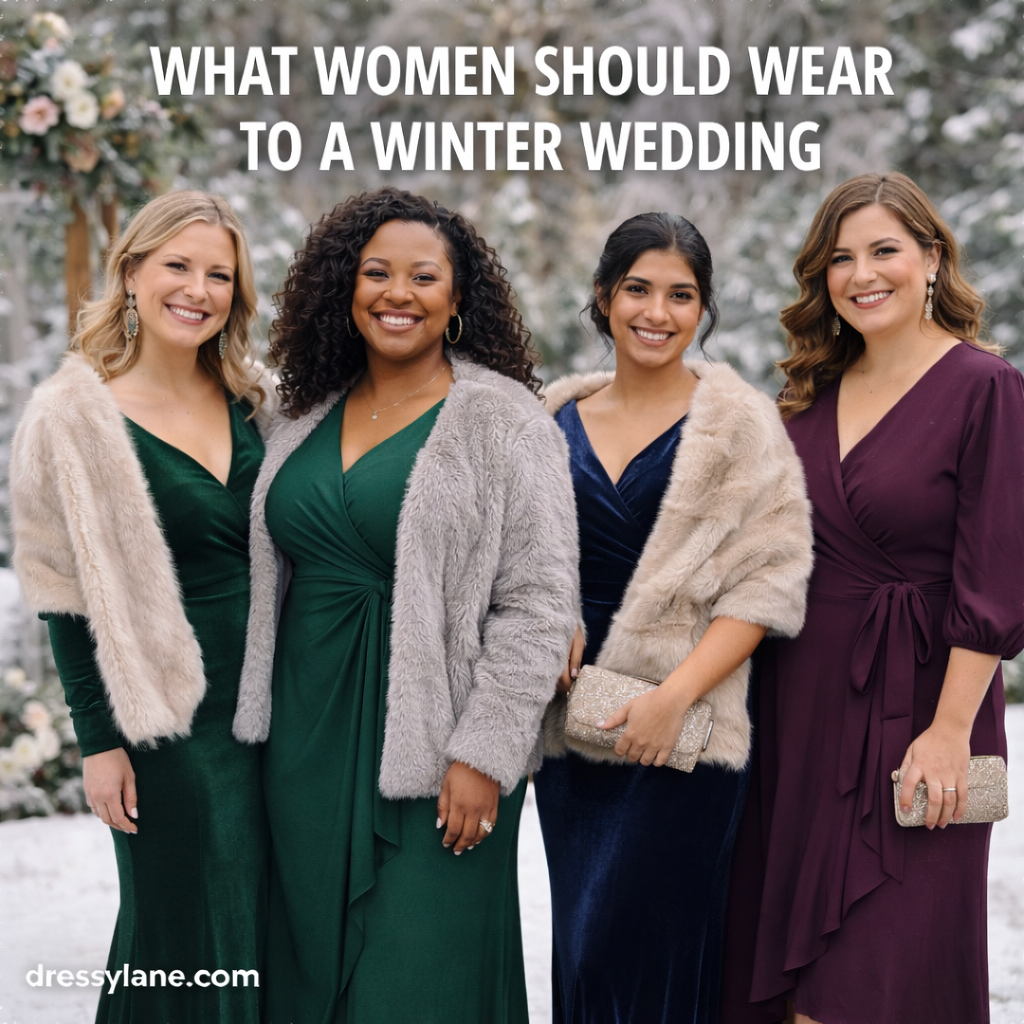
Emerald green, burgundy, navy, plum, and chocolate brown all pair naturally with winter fabrics. A dark green velvet dress with gold accessories, for example, feels festive without looking overly elaborate.
Black is also generally acceptable for winter weddings, particularly evening celebrations. A black crepe gown or tailored midi dress can look elegant with metallic jewelry and a structured clutch.
Champagne, silver, and gold can work as well, provided the outfit doesn’t look bridal.
As a general wedding guest guideline, avoid white, ivory, and cream unless the couple specifically requests them.
You don’t need to avoid every pale color or bright shade, though. A dusty blue dress or vibrant jewel tone can be perfectly appropriate when it suits the dress code.
Choosing Shoes for Cold or Wet Weather
Shoes are where winter wedding outfits often become impractical.
Closed-toe pumps, pointed-toe flats, and refined ankle boots are useful options, depending on the venue.
For an indoor hotel wedding, classic pumps are an easy choice. For a countryside venue with gravel paths or damp grass, a block heel will usually be more manageable than a narrow stiletto.
If snow or ice is expected, consider wearing practical boots while traveling and changing into your dress shoes once inside.
It’s a small detail, but keeping your formal shoes clean and dry makes a difference to the entire outfit.
Outerwear That Actually Works With Formal Clothing
A winter coat isn’t just something to throw over your dress. You’ll likely wear it when arriving, leaving, and possibly during photographs.
A tailored wool coat in black, camel, or charcoal is one of the most versatile options. A knee-length or longer style generally works well over midi dresses.
For formal evening weddings, a faux fur wrap or elegant cape can complement a gown without overwhelming it.
If your dress has statement sleeves or a structured shoulder, try it on with your coat before the wedding. Narrow coat sleeves can bunch up the fabric underneath and spoil the silhouette.
Avoid relying on a lightweight shawl as your only layer if the ceremony is genuinely cold. A shawl can be useful inside the venue, but it won’t replace a proper winter coat outdoors.
Accessories: Keep Them Elegant and Practical
Winter wedding accessories should complement the outfit rather than compete with it.
A velvet dress already has plenty of texture, so simple gold earrings, a delicate necklace, or a small metallic clutch may be all you need.
For a minimalist crepe gown, statement earrings or a more decorative evening bag can add interest.
Tights are also worth considering. Sheer black tights work particularly well with darker midi dresses, while opaque tights can suit less formal outfits.
Choose hosiery that looks intentional with your shoes and dress rather than adding it at the last minute.
For a formal gown, the dress length and shoe style may make tights unnecessary.
Dressing for Different Winter Wedding Venues
A heated ballroom and a mountain lodge require different approaches, even when the invitations specify the same dress code.
Hotel or ballroom wedding: Choose a velvet or crepe gown, elegant heels, and a tailored coat for arriving and leaving.
Rustic barn wedding: Consider a midi dress with a block heel, substantial outerwear, and fabrics that won’t easily catch on rough surfaces.
Outdoor winter ceremony: Prioritize a warm coat, practical footwear, and layers you can remove comfortably at the reception.
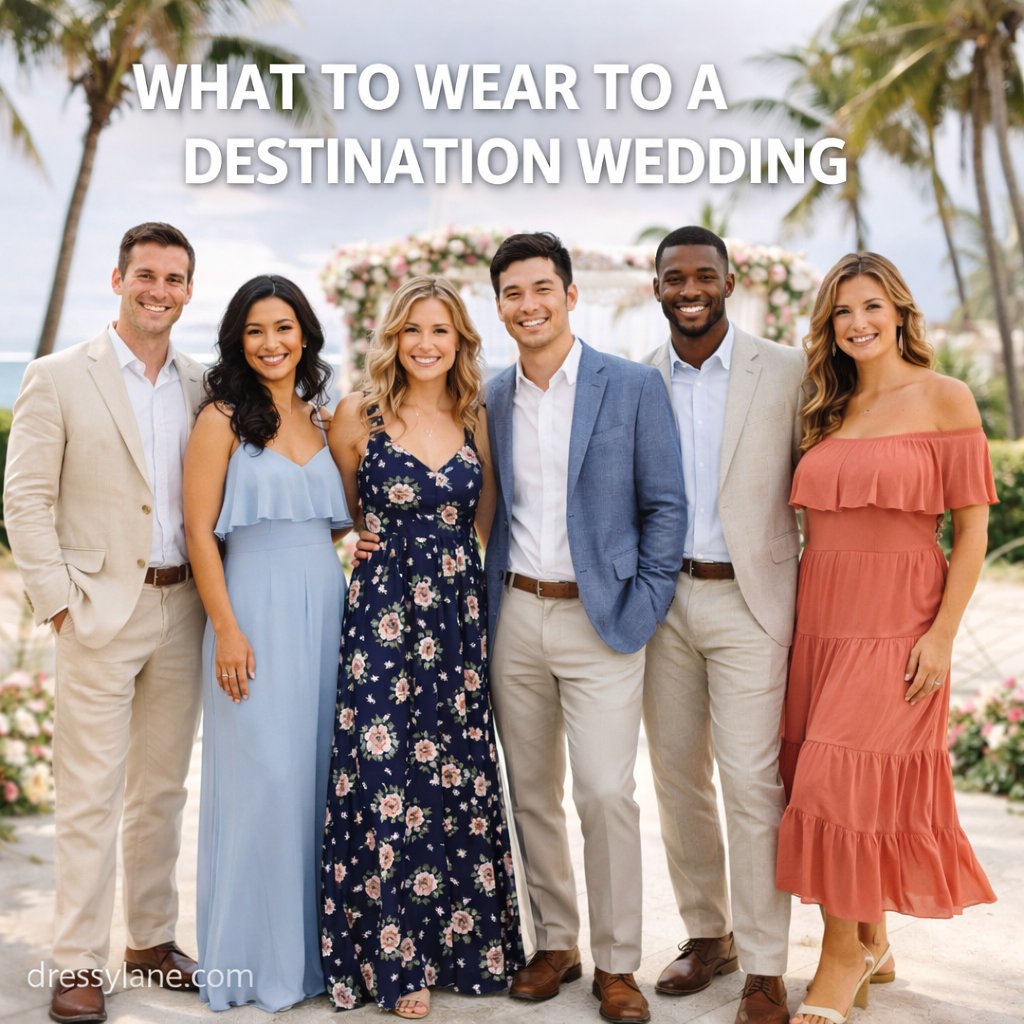
Destination wedding in a snowy location: Check the forecast and venue access before packing. Bring suitable travel footwear and keep your formal shoes protected.
The goal is to arrive looking polished rather than spending the first half of the celebration recovering from the cold.
Common Winter Wedding Outfit Mistakes
A few details are easy to overlook when planning your outfit.
- Choosing a thin dress without considering how long you’ll be outdoors.
- Wearing stilettos on icy paths, gravel, or wet grass.
- Bringing a casual everyday jacket that clashes with formal attire.
- Selecting a floor-length gown that drags through snow or puddles.
- Wearing too many heavy layers that become uncomfortable inside a heated venue.
Also, don’t assume that winter automatically means black tie. The invitation still determines how formal your outfit should be.
Final Thoughts
The most successful winter wedding outfits combine an appropriate dress code, seasonally suitable fabric, and practical outerwear.
A burgundy velvet midi dress, closed-toe heels, and a tailored wool coat is a combination that works for many cocktail weddings. For a black-tie celebration, a floor-length crepe or velvet gown with elegant accessories is a natural choice.
Above all, plan the complete outfit before the wedding day, including your coat, shoes, and any layers you’ll need. When every piece works together, you can enjoy the celebration without worrying about the temperature or your outfit.