A truly all-season shoe isn’t one you can wear through absolutely every kind of weather. A shoe that’s comfortable on an 80°F afternoon probably isn’t the same shoe you want for six inches of snow.
A better goal is finding shoes that work through the largest portion of the year: cool spring mornings, warm fall afternoons, occasional rain, everyday walking, work, and casual weekends.
The best shoes for all-season wear tend to have moderate cushioning, closed toes, durable uppers, and enough traction for wet pavement without looking like hiking shoes. Get those details right, and a small shoe rotation can cover most everyday situations.
What Actually Makes a Shoe Work Year-Round?
I look at the sole first.
A perfectly nice loafer or sneaker becomes much less useful if the outsole is completely smooth. For year-round wear, a rubber or textured outsole gives you noticeably better grip on wet sidewalks and usually holds up better to frequent walking.
The upper matters too. Smooth leather is particularly practical because it can be cleaned, conditioned, and protected against light moisture. Suede can work across several seasons, but it requires more care around rain and mud. Canvas is wonderfully breathable in warm weather but much less appealing when you unexpectedly step into a puddle.
Look for:
- Leather, treated suede, or durable performance uppers
- Rubber or textured outsoles
- Moderate cushioning rather than paper-thin soles
- Enough room for slightly thicker socks
- Secure stitching and sole construction
- A shape that works with several types of pants or outfits
I’d actually skip shoes with extremely chunky soles if you’re trying to build a small year-round collection. They can be comfortable, but a moderately proportioned sole usually moves between casual, work, and slightly dressier outfits more easily.
The Best All-Season Shoes for Women
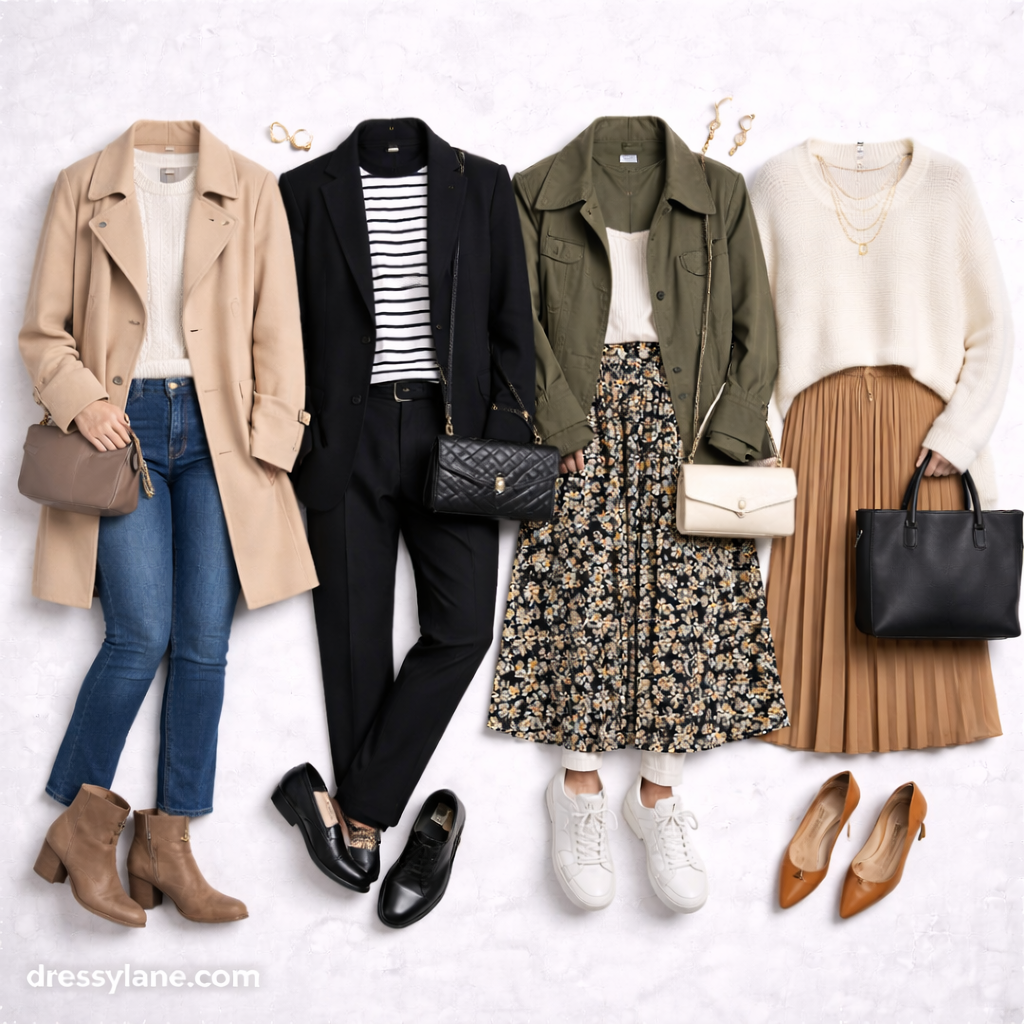
Ankle Boots
A simple ankle boot is one of the hardest-working shoes in a woman’s wardrobe.
Look for a streamlined leather or water-resistant upper, a low or moderate heel, and a rubber sole with some grip. A shaft that fits relatively close to the ankle is particularly versatile because it sits neatly underneath straight-leg jeans and trousers while also working with skirts and dresses.
Black and dark brown are obvious choices, but medium brown or taupe can be surprisingly adaptable depending on your wardrobe.
Avoid heavy insulation if you want to wear the boots beyond winter.
Loafers
Loafers bridge the gap between casual and polished better than almost any other shoe.
A leather penny loafer or similarly simple silhouette can work with jeans, ankle trousers, midi skirts, and office clothing. For frequent wear, I’d choose a pair with a substantial rubber outsole rather than the thinnest possible leather sole.
That small difference makes loafers much more comfortable on hard floors and wet pavement.
Low-Profile Sneakers
A clean sneaker is difficult to beat for everyday wear.
Leather or coated uppers are easier to maintain year-round than lightweight canvas, especially when the weather turns damp. White is versatile, but cream, gray, black, or another neutral may be easier to keep looking presentable.
The best option is usually somewhere between a running shoe and a fashion sneaker: enough cushioning for several hours of walking without so much athletic detailing that it clashes with trousers or a casual dress.
Structured Flats
If you like flats, look for actual structure.
A closed-toe ballet flat, Mary Jane, or similar shoe with a cushioned footbed and a real outsole is much more useful than an ultra-thin flat you can practically fold in half.
They’re especially good during the transitional months when boots feel too heavy but sandals aren’t practical.
The Best All-Season Shoes for Men
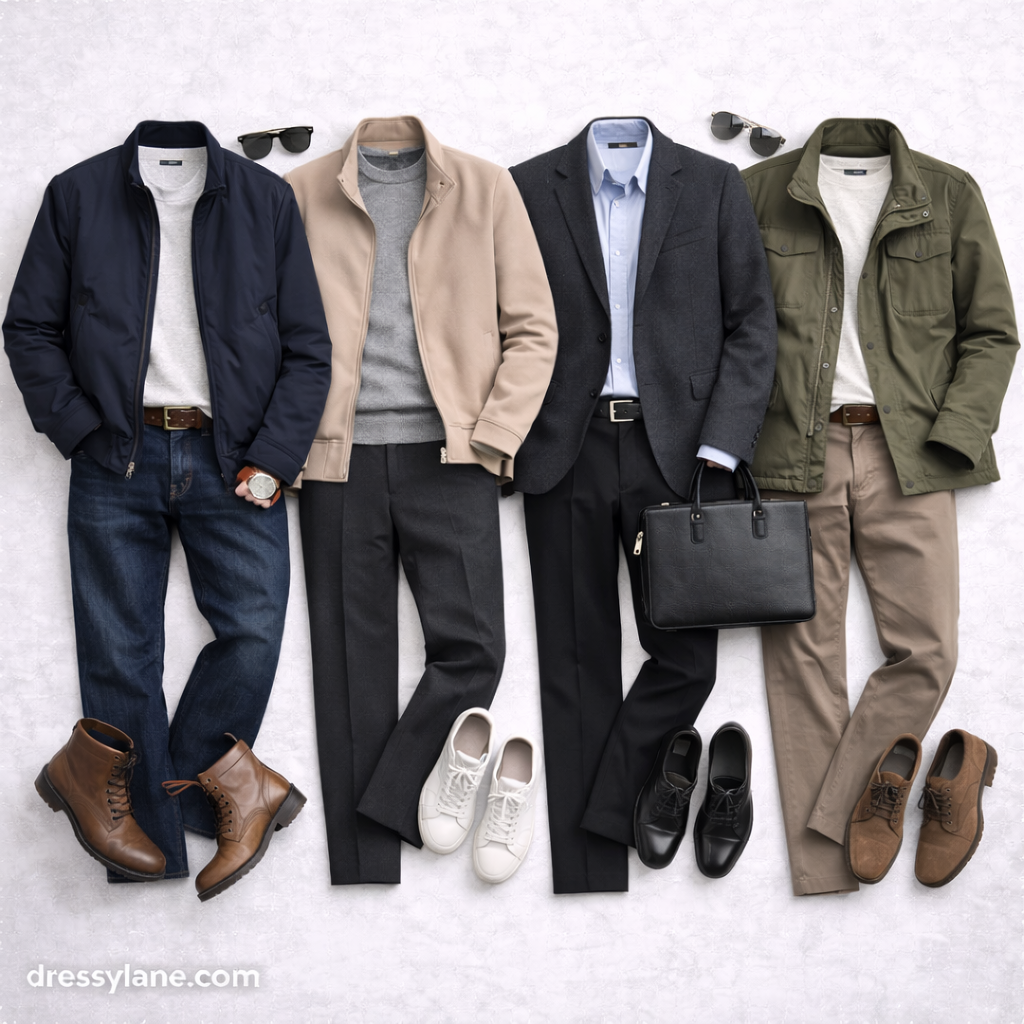
Leather Sneakers
For casual wardrobes, a simple leather sneaker can cover an enormous amount of ground.
Choose a low-profile shape without excessive logos, contrasting panels, or running-shoe details. It can then work with jeans and shorts during warmer months and chinos or casual trousers when temperatures drop.
A rubber sole also makes it considerably more forgiving in light rain than a canvas sneaker.
Chelsea Boots
Chelsea boots are particularly useful from fall through spring and can stretch further into the year in mild climates.
A relatively slim leather Chelsea boot works with jeans, chinos, and casual trousers without looking overly rugged. Look for a rubber or other high-traction sole if you’ll actually wear them in wet weather.
I wouldn’t choose an aggressively lugged or heavily insulated version as your only boot. Those features make sense for bad winter conditions but reduce the shoe’s usefulness during milder weather.
Loafers
A simple penny or Venetian loafer can cover work, dinners, and smart-casual outfits while remaining comfortable enough for regular use.
Again, outsole choice matters. A rubber sole generally makes a loafer more practical as an everyday shoe, especially if your routine involves walking rather than moving directly from a car to a building.
Casual Derby Shoes
A Derby with a slightly relaxed shape is useful when sneakers feel too casual but formal dress shoes feel excessive.
Brown leather or suede pairs particularly easily with denim, chinos, and wool trousers. A rubber sole makes the shoe even more adaptable across changing weather.
Don’t Force Seasonal Shoes to Be Year-Round Shoes
Some footwear has a specific job, and that’s fine.
Sandals make sense in hot weather. Insulated waterproof boots make sense in snow. Lightweight canvas sneakers are excellent on dry summer days.
Trying to make one pair handle every possible condition usually means compromising somewhere.
The goal of an all-season shoe collection isn’t literally three pairs of shoes for every day of the year. It’s to have a small core rotation that handles most normal days, supplemented by genuinely seasonal footwear when conditions require it.
Match Your Shoes to Your Actual Routine
Before buying another supposedly versatile pair, think about where your feet spend most of the week.
If you walk several miles a day, cushioning and outsole durability deserve more attention than whether a shoe looks sleek from the side. If you commute by car and work in an office, you may be able to prioritize a dressier silhouette.
If rain is common where you live, smooth leather or a weather-resistant upper is worth having. If your climate is mostly warm and dry, breathability becomes more important.
Also try shoes with the socks you expect to wear. A loafer that fits perfectly barefoot in August may feel completely different with socks in November.
A Simple All-Season Shoe Rotation
For most people, I’d start with three roles rather than three specific shoe styles:
- An everyday walking shoe — usually a comfortable sneaker.
- A polished everyday shoe — such as a loafer, structured flat, or casual Derby.
- A weather-capable shoe — often an ankle boot or Chelsea boot.
Then add genuinely seasonal footwear only when your climate or lifestyle calls for it.
Rotating between pairs also gives the cushioning and interior time to dry between wears, which is better than wearing the same shoes seven days a week.
Make the Shoes Last
Year-round shoes inevitably see more wear, so basic maintenance pays off.
Brush away dirt before it works into the material, let damp shoes dry naturally, and condition leather periodically. A weather-protective treatment can help appropriate leather and suede footwear handle light moisture, although it won’t magically turn every shoe waterproof.
Replace worn heel caps, insoles, or outsoles when the construction allows it rather than automatically replacing an otherwise good pair.
Final Thoughts
The best shoes for all-season wear aren’t the shoes that claim to handle everything. They’re the pairs you can comfortably wear across the largest number of ordinary days.
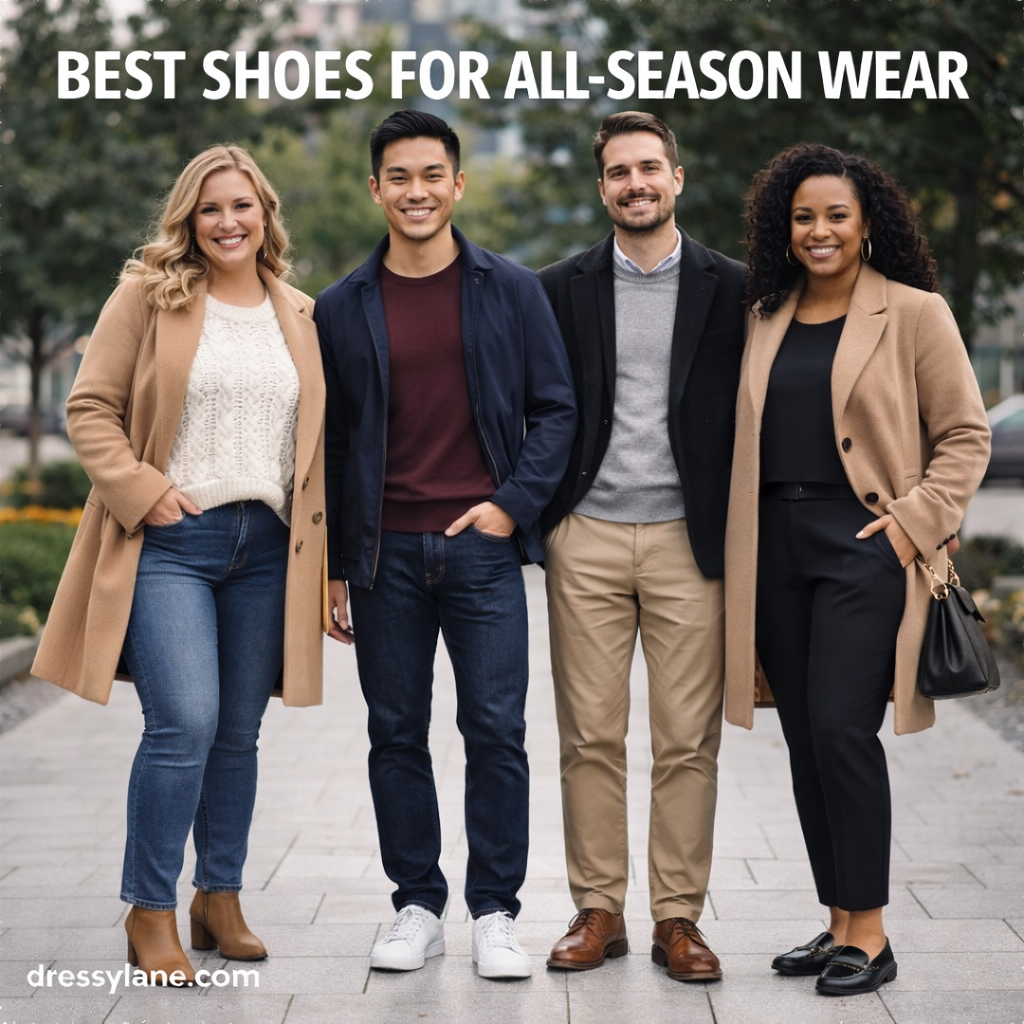
For women, ankle boots, loafers, low-profile sneakers, and structured flats provide a strong starting point. For men, leather sneakers, Chelsea boots, loafers, and casual Derby shoes cover similar ground.
Prioritize a comfortable fit, durable upper, and outsole with real traction. Then build around your actual climate and routine.
A small collection of shoes chosen for specific roles will usually serve you better than a closet full of pairs that somehow never seem right for the day.