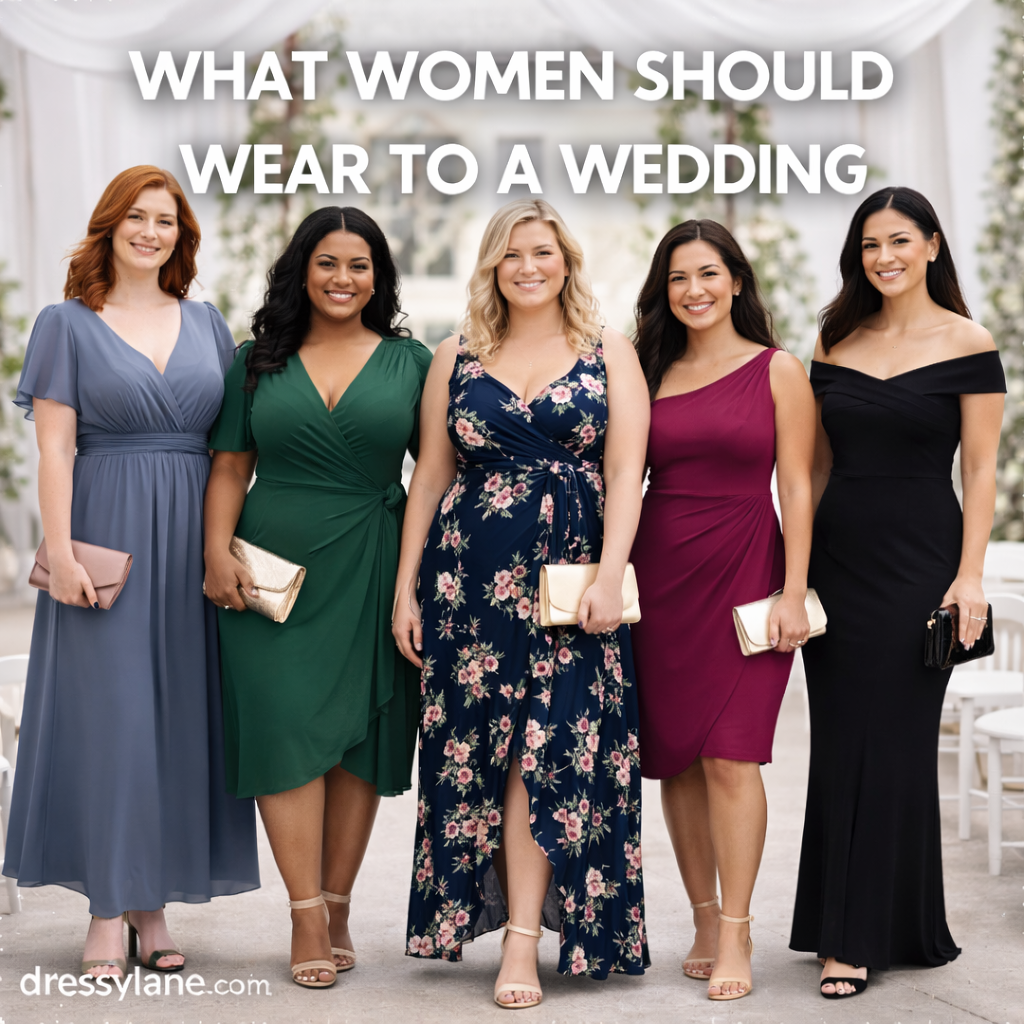
Choosing what to wear to a wedding gets easier once you know three things: the dress code, the venue, and the time of day. A floral midi dress might be perfect for an afternoon garden ceremony, but that same outfit could feel underdressed at a black-tie reception in a ballroom.
You don’t need a new designer dress for every invitation. A well-fitting outfit in the right fabric, paired with appropriate shoes and accessories, can work for several different weddings.
Here’s how to choose what to wear, from casual outdoor celebrations to formal evening receptions, without spending the entire event adjusting your dress or worrying about your shoes.
Start With the Wedding Dress Code
Before deciding on an outfit, read the invitation and check the couple’s wedding website. Some couples provide specific guidance about colors, footwear, or cultural traditions that goes beyond a standard dress code.
Here’s what the most common wedding dress codes generally mean for women:
| Dress code | What to wear |
|---|---|
| Casual | Cotton midi dress, polished separates, or a relaxed jumpsuit |
| Semi-formal | Dressy midi or knee-length dress, tailored jumpsuit |
| Cocktail | Cocktail dress, elegant midi, or dressy jumpsuit |
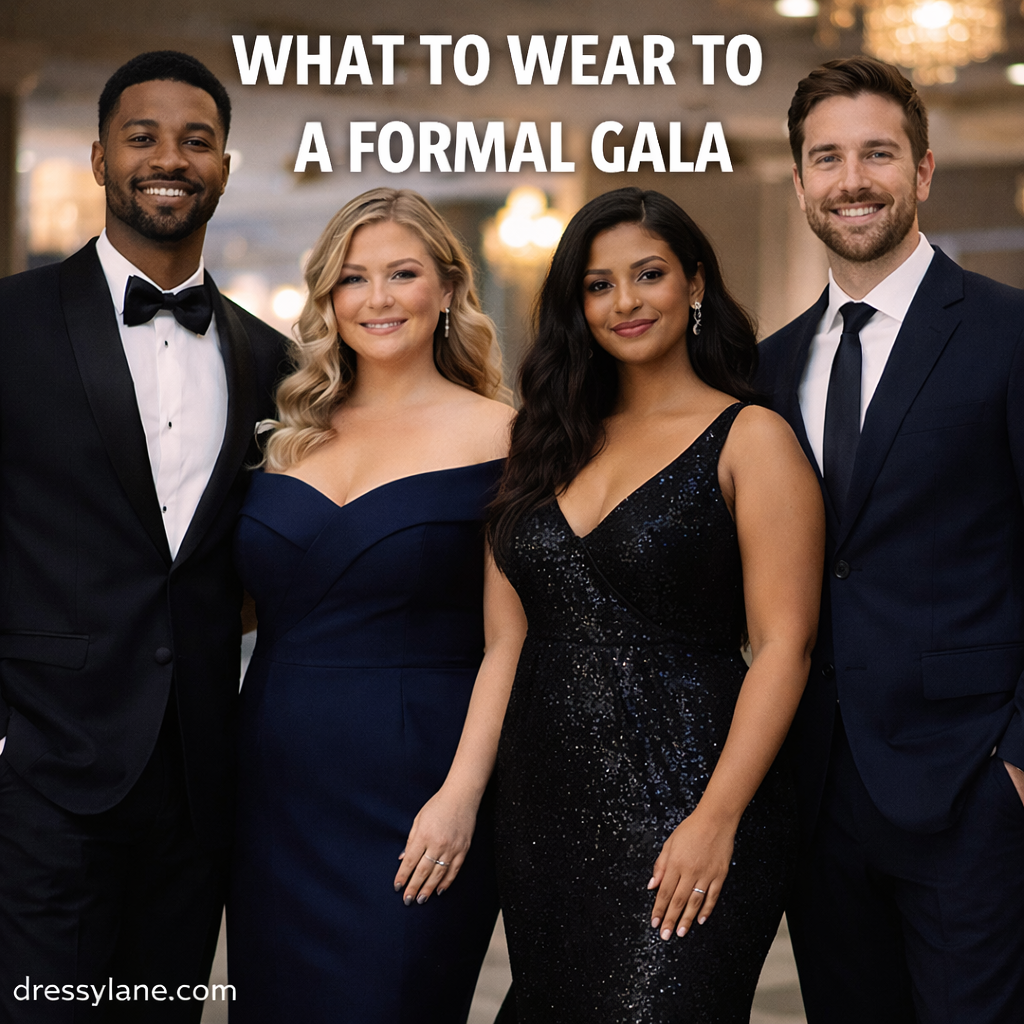
| Formal / Black tie optional | Floor-length gown or exceptionally dressy cocktail attire |
| Black tie | Floor-length evening gown or comparably formal eveningwear |
If the invitation doesn’t mention a dress code, use the venue and ceremony time as clues.
A Saturday evening wedding at a luxury hotel usually calls for something dressier than a Sunday afternoon ceremony in a family backyard.
When the expectations aren’t clear, it’s perfectly reasonable to ask the couple or someone in the wedding party.
What to Wear to a Casual Wedding
Casual wedding attire should feel relaxed without looking like everyday clothing.
For a garden or backyard wedding, try a cotton poplin midi dress with a defined waist, a subtle floral print, and tan leather sandals.
A linen-blend wrap dress or a wide-leg jumpsuit in sage green, dusty blue, or terracotta can also work beautifully.
I’d avoid relying on a basic jersey sundress unless the wedding is exceptionally informal. Jersey can look more like everyday clothing, particularly when the dress has a loose T-shirt silhouette.
For a beach wedding, lightweight fabrics and practical footwear matter. A flowing midi dress with flat leather sandals is often more comfortable than a floor-length dress that drags through the sand.
Keep the accessories simple: small earrings, a compact shoulder bag, and perhaps a lightweight cardigan for the evening.
What to Wear to a Semi-Formal or Cocktail Wedding
Semi-formal and cocktail weddings give you room to dress up without requiring a full evening gown.
A satin midi dress, tailored crepe dress, or elegant jumpsuit is a dependable starting point.
For an afternoon ceremony, consider a dusty rose A-line midi dress with nude slingback heels and a small structured bag.
For an evening cocktail wedding, a navy satin dress with a softly draped neckline, metallic heels, and understated jewelry creates a dressier appearance.
The fabric makes a noticeable difference here. A simple dress in substantial crepe can look more appropriate than an elaborate design made from thin, casual cotton.
My recommendation: If you attend several weddings a year, invest in one versatile midi dress in navy, burgundy, or forest green. You can change the shoes, bag, and jewelry to suit different venues and seasons.
A well-chosen midi dress can cover many semi-formal and cocktail invitations without requiring a completely new outfit each time.
What to Wear to a Formal Wedding
Formal weddings generally call for more elevated fabrics, longer hemlines, and dressier accessories.
A floor-length gown is a reliable choice, particularly for evening celebrations. An elegant midi dress may also be appropriate when the invitation specifies formal rather than black tie.
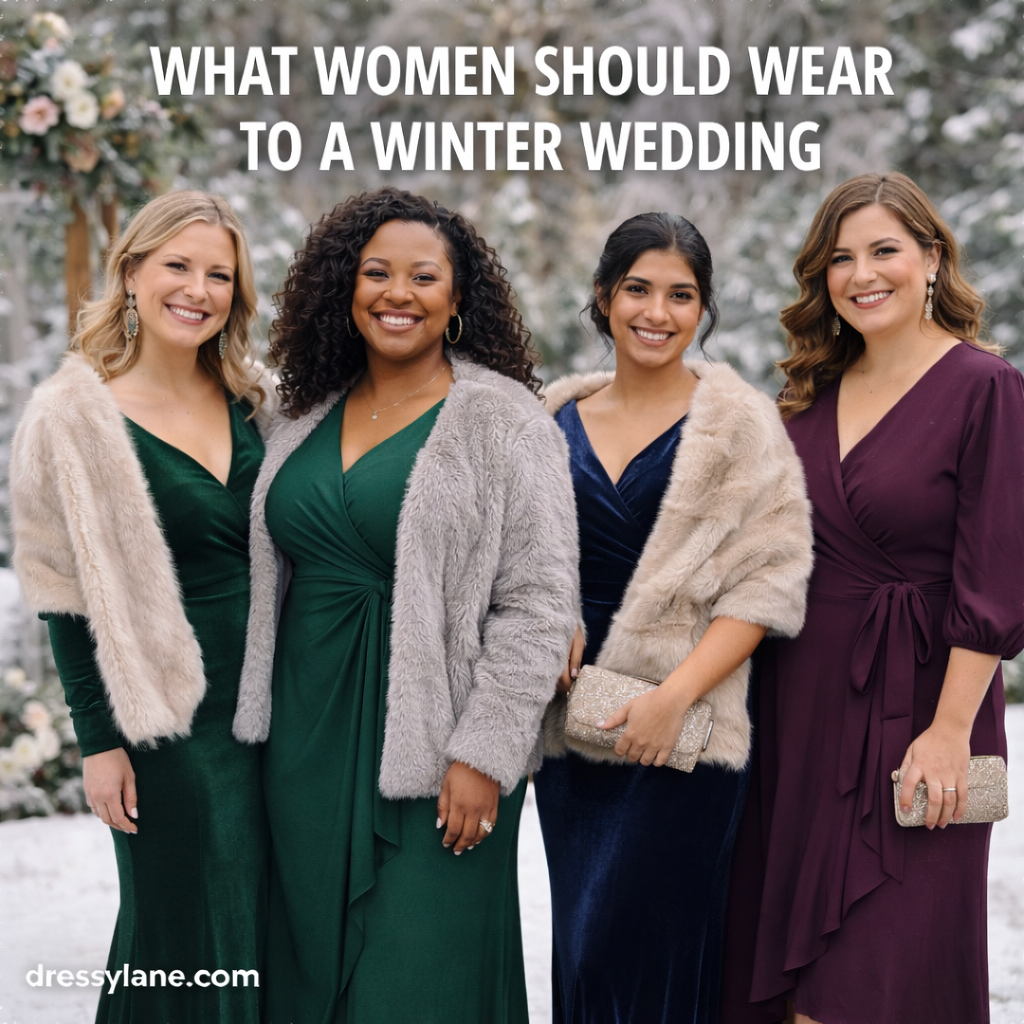
Look for silk satin, structured crepe, chiffon, or velvet, depending on the season.
For example, an emerald green crepe column gown with gold drop earrings and black pointed-toe pumps works well for an evening reception at an upscale hotel.
If the invitation says “black tie optional,” a floor-length gown is a dependable choice, although an exceptionally dressy cocktail dress can also be acceptable.
I’d skip heavily embellished gowns with long trains unless the wedding specifically calls for that level of drama. A clean silhouette in a beautiful fabric is often easier to wear and more versatile for future occasions.
What to Wear to a Black Tie Wedding
Black tie is one of the most formal wedding dress codes, and a floor-length evening gown is the traditional choice for women.
A silk satin column gown, a chiffon A-line dress, or a structured crepe evening gown will fit the occasion.
Choose refined accessories such as a small evening clutch, elegant earrings, and formal heels or dressy flats.
Black, midnight blue, emerald, burgundy, and other rich colors are particularly dependable for evening celebrations.
Avoid assuming that any maxi dress qualifies as black tie. A casual cotton maxi with an elastic waistband won’t have the same appearance as a properly constructed evening gown.
If you’re unsure, pay attention to the fabric, lining, construction, and overall silhouette rather than length alone.
How to Choose the Right Dress Length
Dress length is useful when judging formality, but it isn’t the only consideration.
A knee-length dress in structured crepe can be appropriate for a cocktail wedding, while a floor-length cotton sundress may still look too casual for a formal reception.
As a general guide:
- Knee-length dresses work for many casual, semi-formal, and cocktail weddings.
- Midi dresses are versatile for casual through formal occasions, depending on fabric and styling.
- Floor-length gowns are especially appropriate for formal and black-tie weddings.
I’d be cautious with very short dresses for traditional ceremonies. A hemline that looks fine while standing may ride up considerably when seated.
Before committing to an outfit, sit down, walk around, and check how the dress moves.
Choosing Colors and Fabrics
Most colors are appropriate for wedding guests, provided the couple hasn’t requested a particular palette.
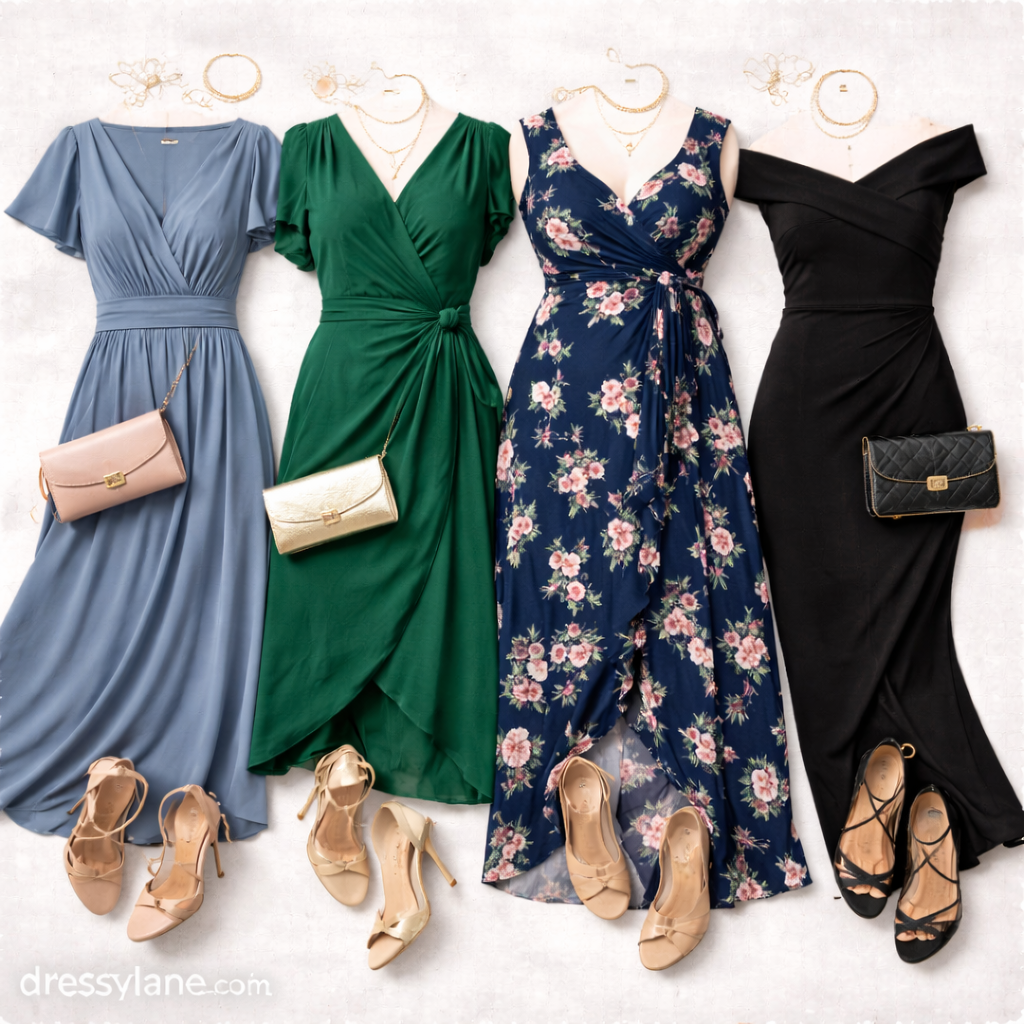
Navy, burgundy, emerald, dusty blue, sage green, and muted floral prints are all versatile options.
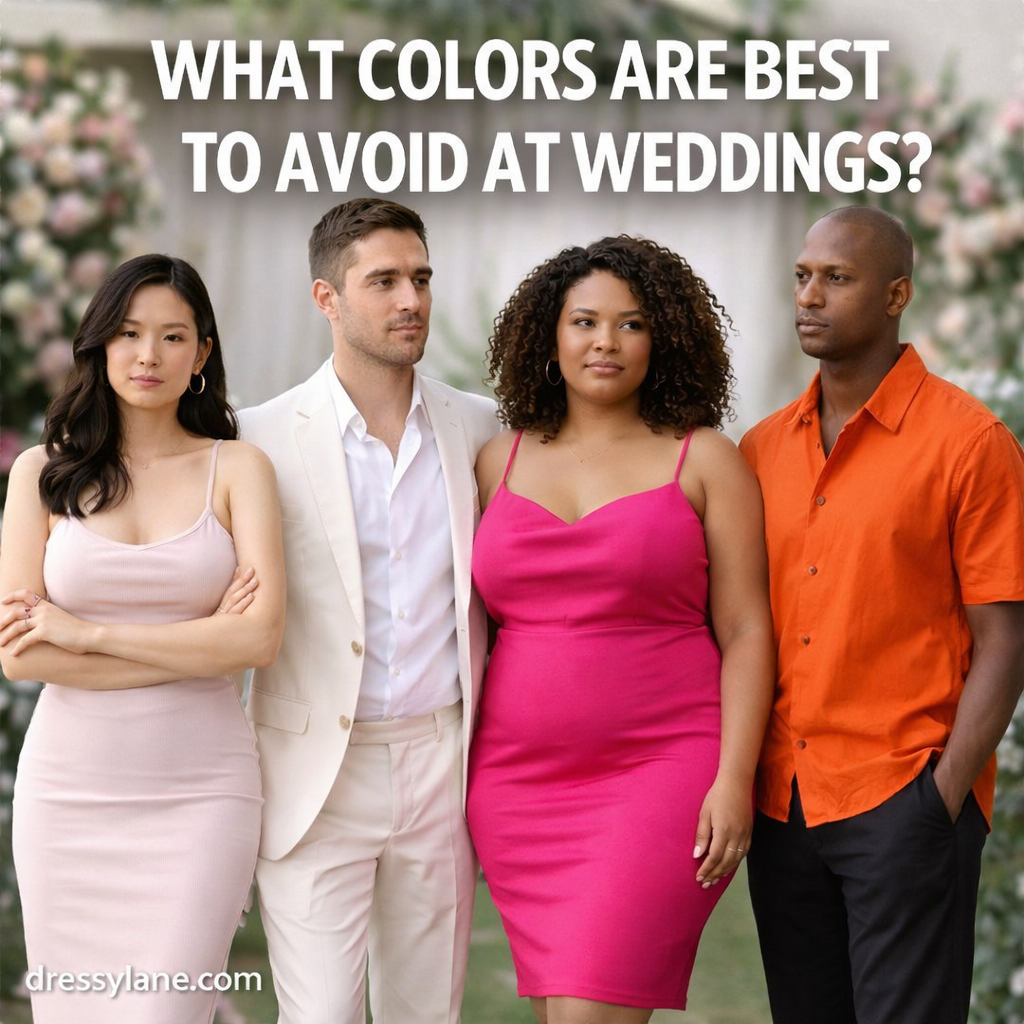
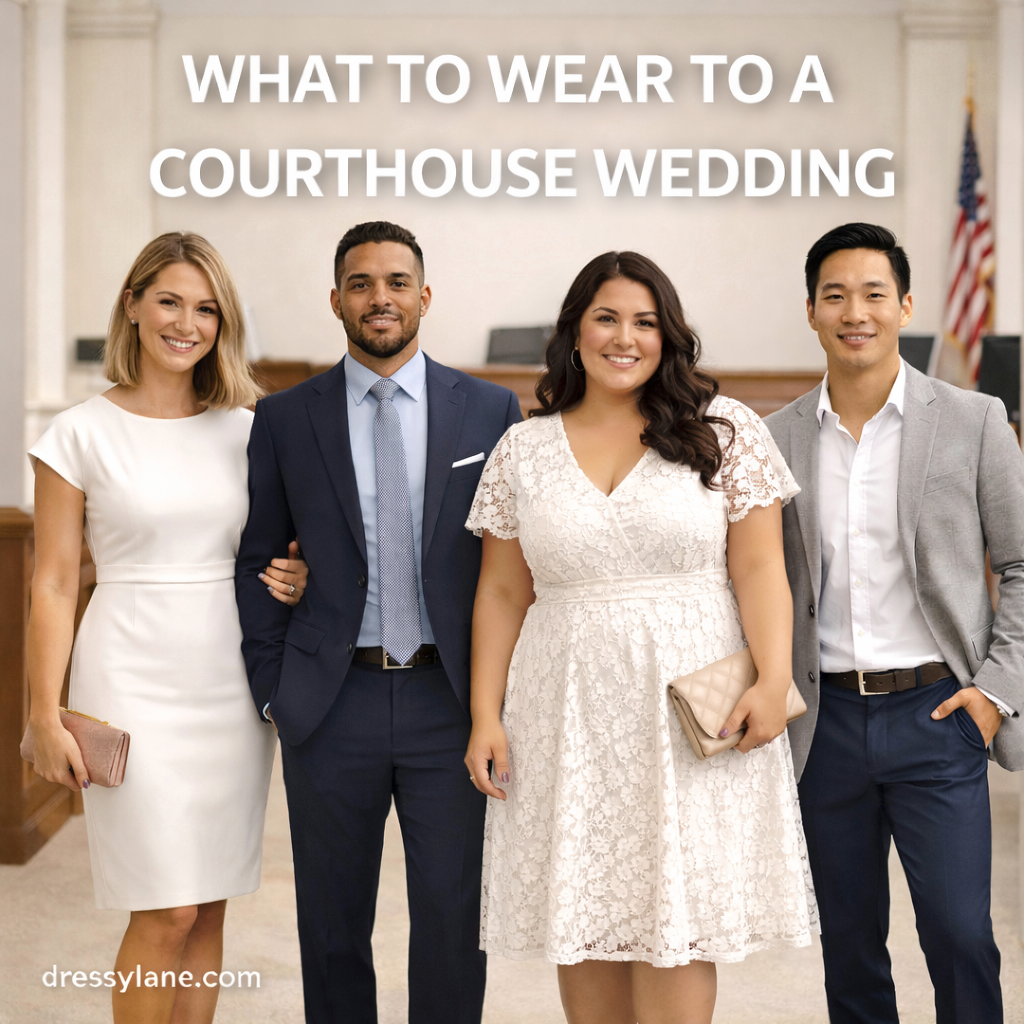
White, ivory, and bridal-looking cream are traditionally reserved for the bride unless the couple specifically requests those colors.
A patterned dress with some white in the print can be fine, but I’d avoid a predominantly white dress that could appear bridal in photographs.
Black is generally acceptable, especially for evening weddings. A black satin midi dress with metallic accessories can look celebratory rather than somber.
For fabric, consider the season and formality together.
Lightweight cotton, linen blends, and breathable crepe work well for relaxed summer celebrations. Silk, satin, chiffon, and structured crepe are useful for dressier occasions, while velvet is particularly suitable for cooler months.
One practical detail: check whether a dress is lined. Thin satin and chiffon can become unexpectedly sheer under bright sunlight or camera flashes.
Choose Your Shoes Before Altering Your Dress
Shoes can completely change how comfortable you feel at a wedding.
For indoor formal weddings, pointed-toe pumps, slingbacks, elegant sandals, and dressy flats are all possibilities.
For outdoor ceremonies, block heels or flats are usually more practical.
I’d skip stilettos for a garden wedding unless you know the ceremony and reception will take place on solid flooring. Narrow heels can sink into grass and become uncomfortable surprisingly quickly.
If you’re wearing a floor-length dress, choose your shoes before having the hem altered. The heel height determines where the fabric falls.
And if you’re buying new shoes, wear them around the house beforehand. A wedding isn’t the ideal time to discover that your heels rub after twenty minutes.
Accessories That Finish the Outfit
Accessories should complement the dress rather than compete with it.
For a simple satin gown, statement earrings and a small metallic clutch may be all you need.
If your dress already has embroidery, sequins, or an elaborate neckline, keep jewelry more understated.
A compact shoulder bag or clutch is generally more appropriate than a large everyday tote.
For cooler weather, bring a tailored coat, silk wrap, or elegant shawl. A bulky casual cardigan can make an otherwise formal outfit look noticeably less polished.
Hair and makeup are personal choices, but consider the weather and length of the event. A secured low bun can be particularly useful for a windy outdoor ceremony, while long-wearing makeup helps when the celebration continues into the evening.
Three Wedding Guest Outfits Worth Considering
A Summer Garden Wedding
A sage green cotton poplin midi dress, tan block-heel sandals, small gold hoops, and a woven clutch.
The combination feels relaxed but appropriate for an afternoon ceremony.
An Evening Cocktail Wedding
A burgundy satin midi dress, black slingback heels, a small black shoulder bag, and delicate gold jewelry.
This outfit works particularly well for a restaurant or hotel reception.
A Formal Winter Wedding
A navy velvet gown, black pointed-toe pumps, silver earrings, and a tailored wool coat.
The heavier fabric suits the season without requiring excessive embellishment.
Wedding Guest Mistakes to Avoid
One of the most common mistakes is choosing an outfit without considering the venue.
A beautiful pair of stilettos may be impractical for a ceremony on grass, while a lightweight linen dress can feel underdressed at an evening ballroom reception.
Avoid bridal-looking white outfits unless requested, and don’t assume casual means jeans, athletic sneakers, or everyday T-shirts are automatically acceptable.
I’d also avoid buying a dress that needs constant adjustment. If you’re repeatedly pulling up the neckline, fixing the straps, or managing an awkward slit, it may become uncomfortable long before dinner.
Try on your complete outfit at least a few days before the wedding, including your shoes, bag, and undergarments.
Check the fit while sitting and walking, and make sure you can move comfortably.
These small preparations often matter more than buying another accessory.
The Bottom Line
The easiest way to decide what to wear to a wedding is to let the dress code establish the level of formality, then use the venue and season to refine your choices.
A cotton midi dress may be perfect for a casual garden ceremony, a satin midi works for many cocktail weddings, and a floor-length gown is a dependable choice for formal and black-tie celebrations.
You don’t need the most expensive dress in the room. Prioritize a flattering fit, fabric that suits the occasion, and shoes you can comfortably wear for several hours.
A thoughtfully chosen outfit should let you enjoy the ceremony, dinner, and dancing without spending the evening worrying about what you’re wearing.