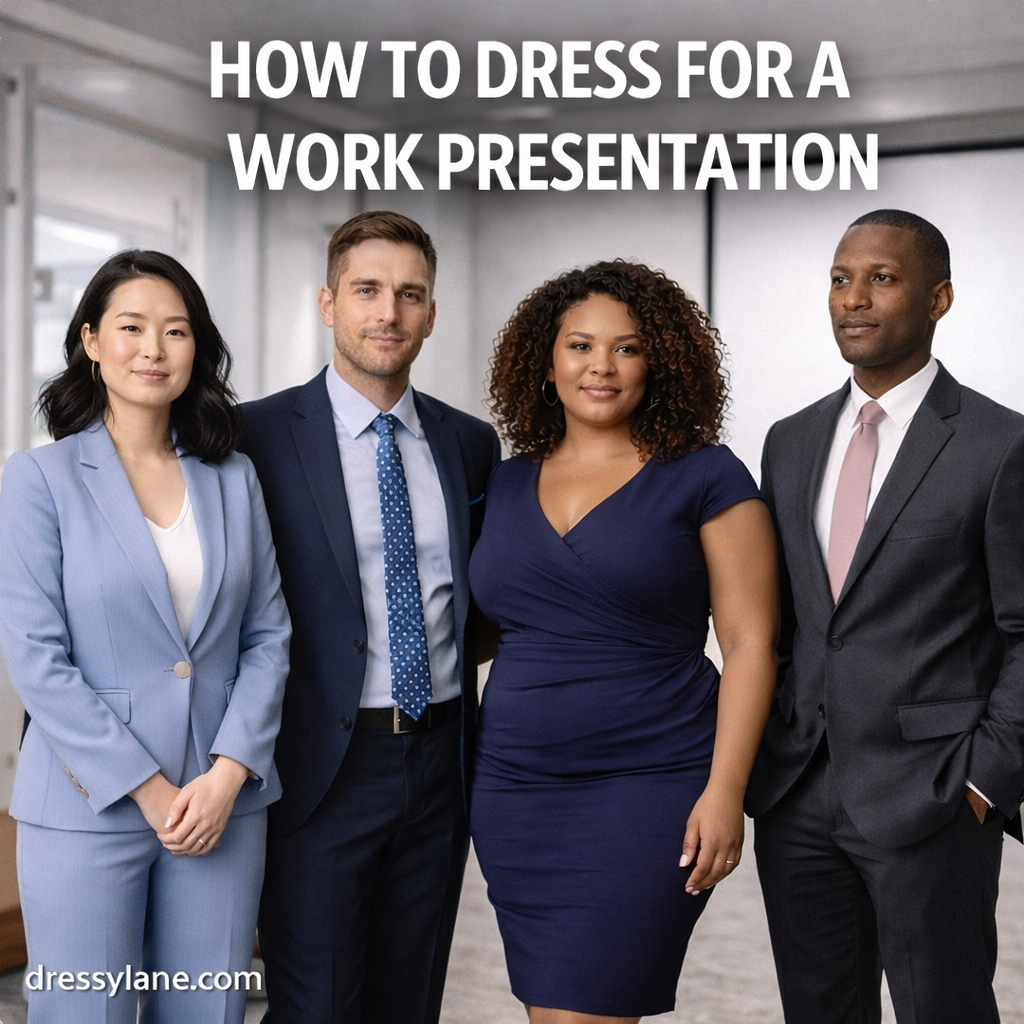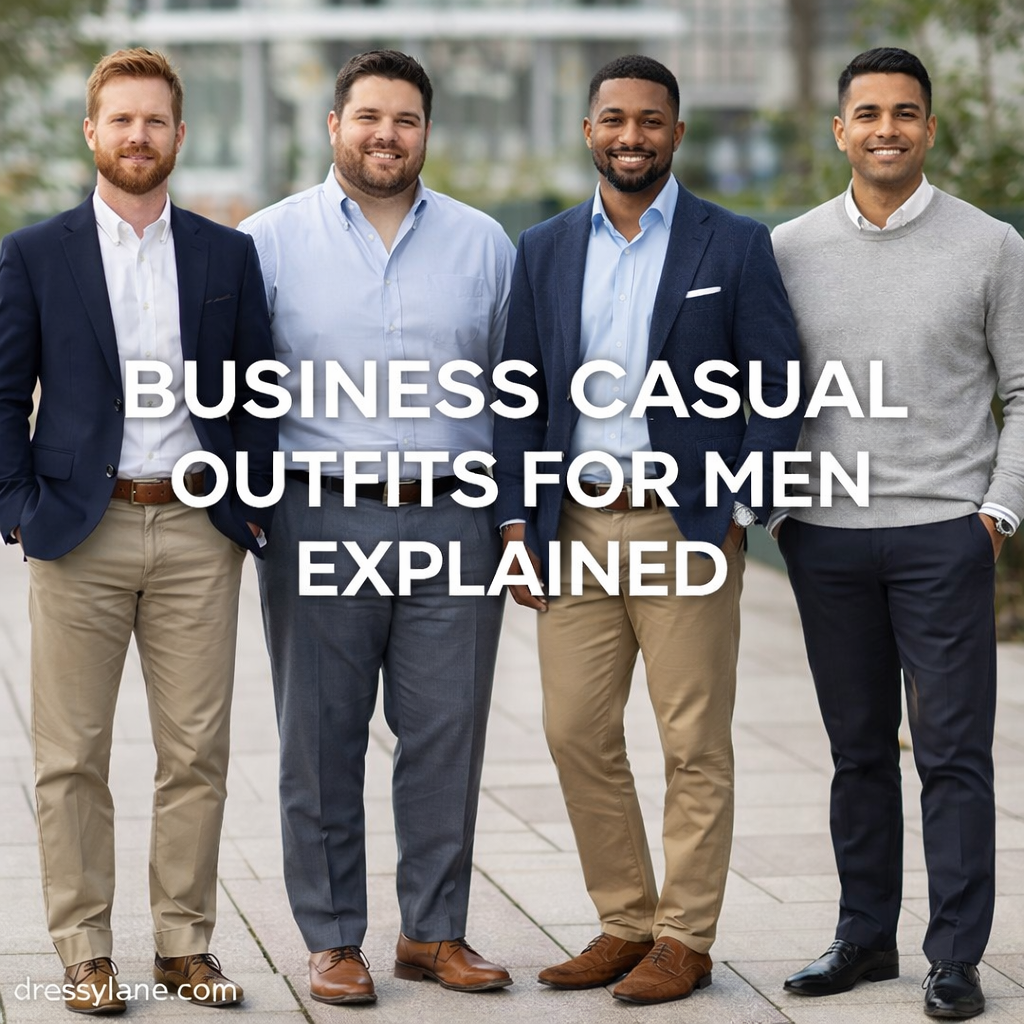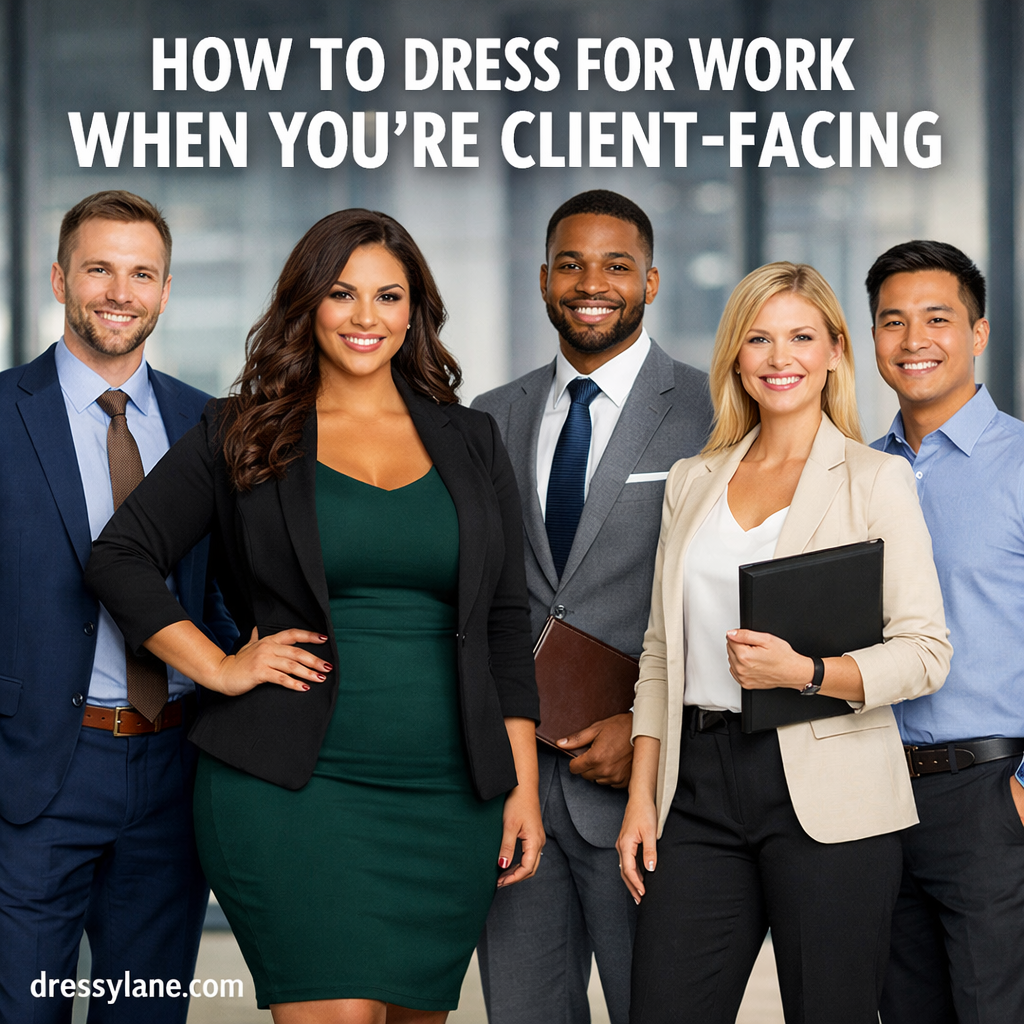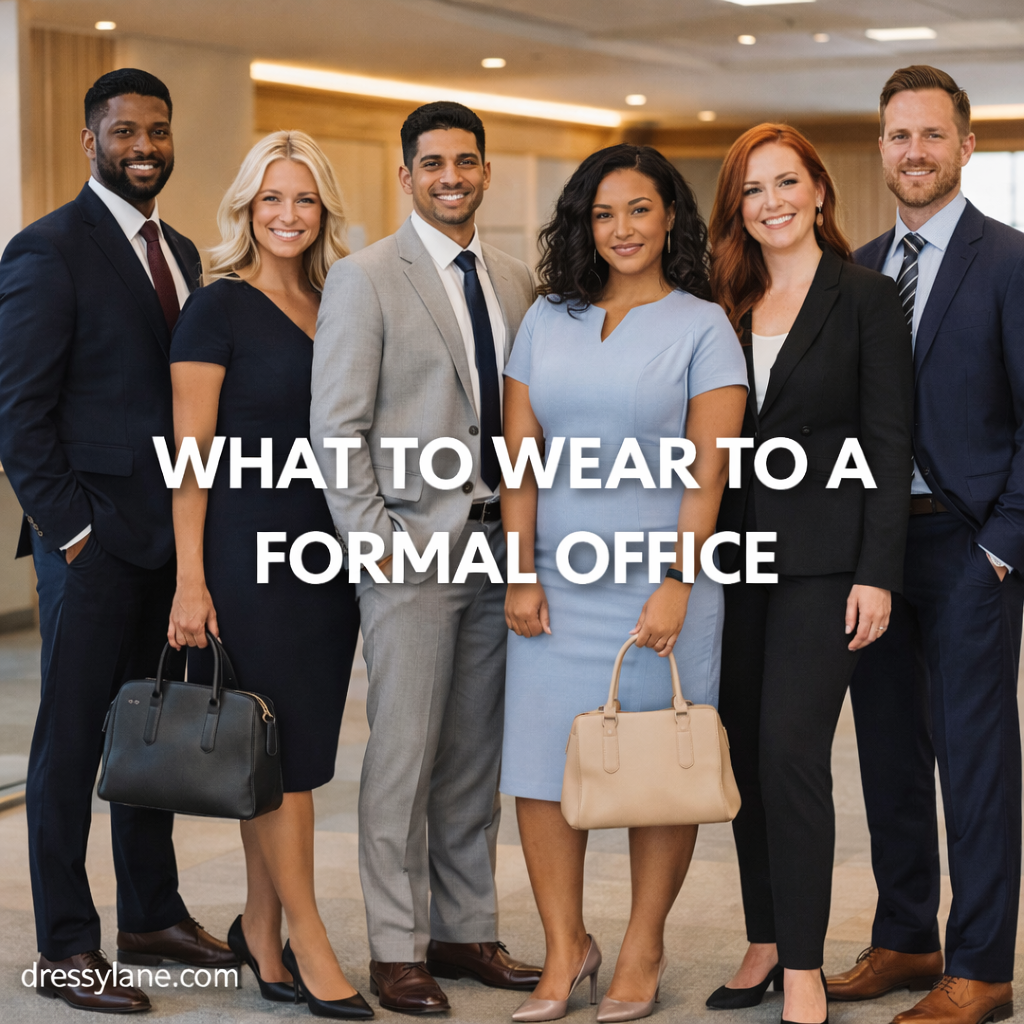
Business casual and smart casual sound almost interchangeable, but the difference becomes obvious when you’re getting dressed for a specific occasion. A pair of chinos, a crisp Oxford shirt, and leather loafers might be perfect for an office meeting. Swap the shirt for a textured knit polo and add clean suede sneakers, and the same trousers suddenly feel more appropriate for dinner or a creative industry event.
Both dress codes call for neat, well-fitting clothing. The difference is how much room you have to relax the outfit and express your personal style.
Here’s how to tell business casual and smart casual apart, with practical outfit examples for men and women and guidance on choosing the right look for work and social occasions.
What Is the Difference Between Business Casual and Smart Casual?
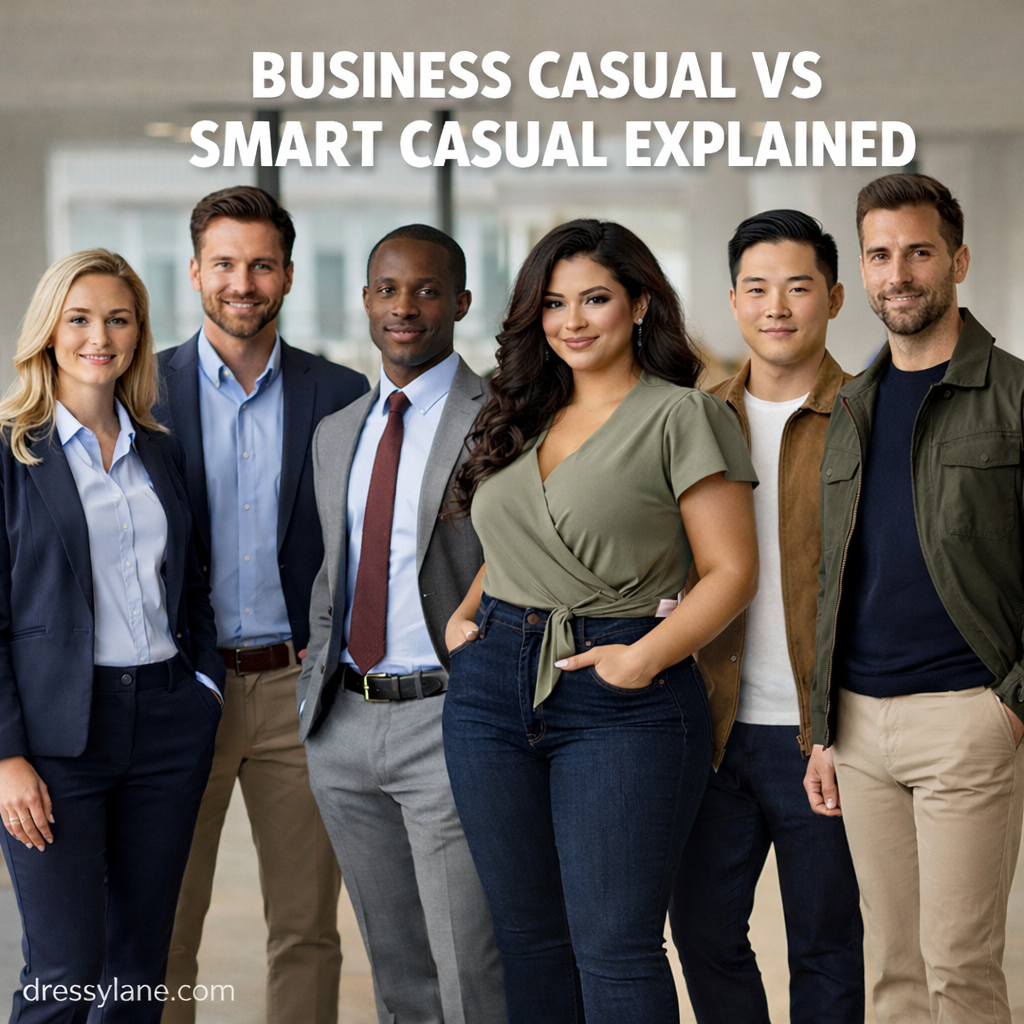
The simplest distinction is that business casual is built around workplace expectations, while smart casual allows more freedom with traditionally casual clothing.
Business casual typically uses tailored trousers, collared shirts, blouses, structured knitwear, and polished shoes. Smart casual can incorporate dark denim, premium T-shirts, relaxed jackets, and minimalist sneakers, depending on the occasion.
Neither dress code has a universal rulebook. A technology company may consider dark jeans business casual, while a law office might expect tailored trousers and leather shoes.
The setting matters more than the label alone.
Business Casual vs Smart Casual at a Glance
| Clothing | Business Casual | Smart Casual |
|---|---|---|
| Trousers | Tailored pants, chinos | Chinos, tailored pants, dark jeans |
| Tops | Oxford shirts, blouses, fine knits | Knit polos, casual shirts, refined T-shirts |
| Jackets | Structured blazers, cardigans | Relaxed blazers, overshirts, casual jackets |
| Shoes | Loafers, dress shoes, polished flats | Loafers, Chelsea boots, clean sneakers |
| Overall look | Office-appropriate and polished | Relaxed, coordinated, and refined |
These are general guidelines rather than strict rules. A clean sneaker might work in one business casual office but feel out of place in another.
What Business Casual Actually Looks Like
Business casual removes the formality of a traditional suit without abandoning the structure of professional clothing.
For men, that might mean navy cotton-twill chinos, a pale blue Oxford shirt, and brown leather loafers. A lightweight wool blazer can be added for presentations or client meetings.
For women, consider charcoal straight-leg trousers, an ivory crepe blouse, and black pointed-toe flats. A tailored blazer finishes the outfit without making it feel overly formal.
The common thread is structure. Clothing should fit neatly, fabrics should hold their shape, and shoes should look appropriate for a professional environment.
Business casual is particularly useful for office work, conferences, networking events, and meetings where a full suit isn’t expected.
One detail worth watching is fabric. A fine-gauge merino sweater usually looks more professional than a bulky, oversized knit, even when both are technically sweaters.
What Smart Casual Actually Looks Like
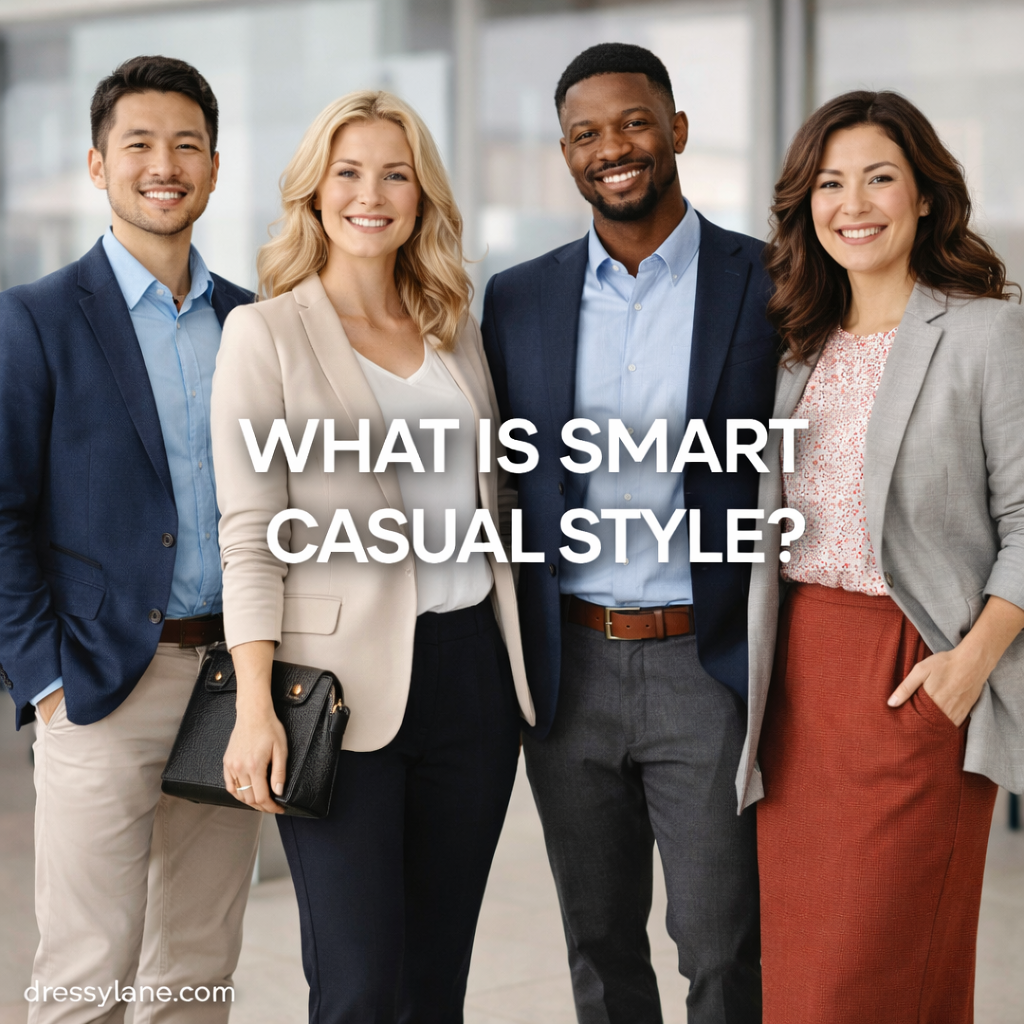
Smart casual starts with the same attention to fit and presentation but gives you more freedom to combine relaxed and refined pieces.
For example, dark indigo jeans with a white Oxford shirt, an unstructured blazer, and suede Chelsea boots create a smart casual outfit without looking like traditional office attire.
For women, straight-leg dark jeans, a fitted ribbed knit, a relaxed blazer, and leather ankle boots offer a similarly polished combination.
Smart casual works particularly well for restaurant dinners, creative workplaces, informal networking events, and social occasions where everyday casual clothing feels too relaxed.
The trick is balancing the outfit rather than making every piece equally dressy.
My recommendation: Don’t automatically reach for a blazer whenever an invitation says smart casual. A well-fitting knit polo, tailored trousers, and suede loafers can look more natural than a stiff suit jacket worn over an otherwise casual outfit.
Business Casual vs Smart Casual for Men
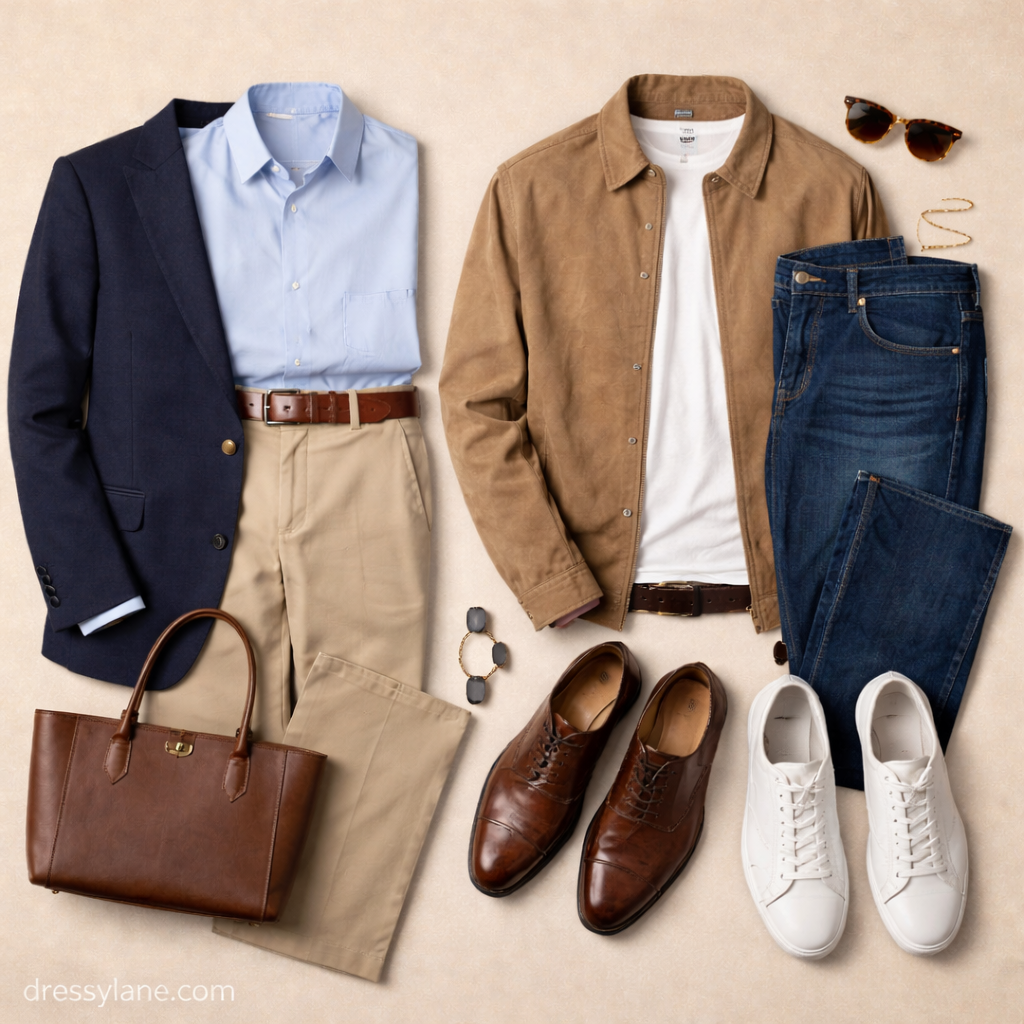
The easiest way to understand the difference is to build both outfits around the same pair of trousers.
Business Casual Outfit
Start with slim-straight navy chinos and add:
- A white or pale blue cotton Oxford shirt
- A brown leather belt
- Brown leather loafers
- An optional charcoal wool blazer
This combination works for a typical office day or a meeting where you want to look professional without wearing a suit.
Keep the shirt tucked in if the workplace leans traditional.
Smart Casual Outfit
Keep the navy chinos, but switch to:
- A cream textured knit polo
- A lightweight suede or cotton overshirt
- Clean leather sneakers or suede loafers
- A simple watch
The trousers haven’t changed, but the softer textures and relaxed layers create a noticeably different look.
Dark jeans can also work for smart casual, particularly when paired with a collared shirt and leather footwear.
I’d avoid heavily distressed denim, oversized graphic T-shirts, and running shoes for either dress code unless the setting explicitly allows them.
Business Casual vs Smart Casual for Women
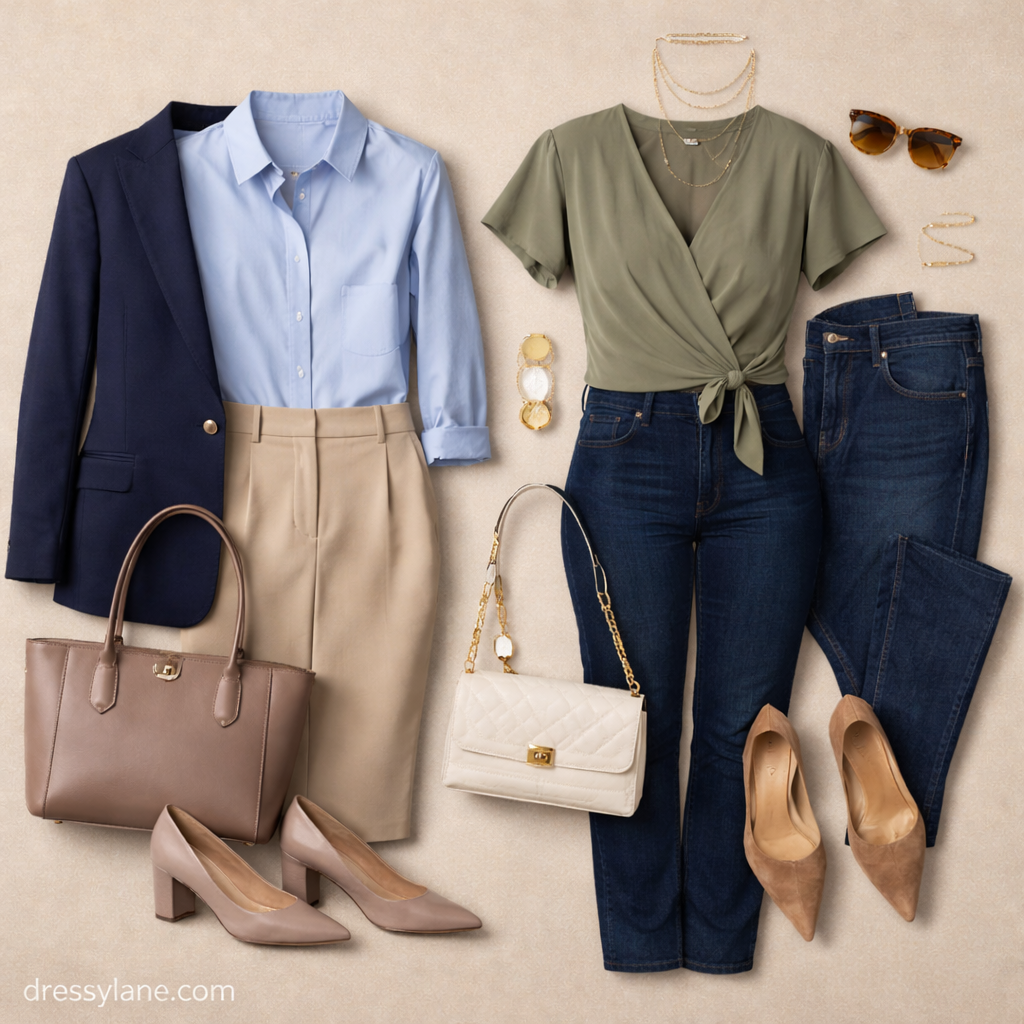
Women’s wardrobes offer plenty of crossover between the two dress codes. Often, changing the shoes, jacket, or fabric is enough to shift the entire outfit.
Business Casual Outfit
Try a pair of black straight-leg trousers with:
- An ivory blouse in crepe or cotton poplin
- A single-breasted blazer
- Leather loafers or low block heels
- A structured tote
This outfit is suitable for many corporate offices, client meetings, and professional events.
Pay attention to trouser length. A hem that sits neatly over your shoes looks more intentional than fabric pooling around the ankles.
Smart Casual Outfit
For a more relaxed occasion, try:
- Dark straight-leg jeans or an A-line midi skirt
- A fitted fine-knit top
- A relaxed blazer or cropped jacket
- Leather ballet flats or ankle boots
- A small shoulder bag
The combination still looks considered, but it doesn’t have the same corporate feel.
A midi skirt in satin or a textured fabric can also work beautifully for smart casual when balanced with a simple knit.
One styling detail I’d prioritize is proportion. If you’re wearing wide-leg trousers or a full midi skirt, a more fitted top often creates a cleaner silhouette than pairing two oversized pieces.
Can You Wear Jeans or Sneakers?
This is where the two dress codes most often overlap.
Jeans: Dark, non-distressed denim is commonly acceptable for smart casual. Business casual depends more heavily on the workplace. Some offices welcome jeans, while others expect chinos or tailored trousers.
Sneakers: Minimal leather sneakers can work for smart casual and certain relaxed offices. Traditional business casual environments generally call for loafers, flats, or dress shoes.
When you’re unsure about an unfamiliar workplace, I’d skip jeans and sneakers for the first visit. Tailored trousers and polished shoes remove much of the guesswork without making you look overdressed.
How to Choose the Right Dress Code for the Occasion
Imagine you have two events on the same day: an afternoon client presentation followed by dinner at a stylish but relaxed restaurant.
For the presentation, tailored trousers, a collared shirt or blouse, and polished shoes are a dependable business casual choice.
For dinner, you could remove the structured blazer, change into a softer knit, or swap formal shoes for suede loafers or ankle boots.
You don’t necessarily need two completely different outfits.
For a job interview or an unfamiliar professional event, research the organization’s dress expectations when possible. A creative studio and a financial services office may interpret the same dress code quite differently.
If an invitation simply says smart casual, consider the venue. A neighborhood restaurant, rooftop cocktail event, and upscale hotel dinner may each call for a different level of polish.
Common Mistakes to Avoid
The biggest mistake is assuming that adding one formal item automatically makes an outfit appropriate.
A blazer won’t necessarily make faded sweatpants business casual, just as expensive sneakers don’t automatically make an athletic outfit smart casual.
Watch out for:
- Wrinkled shirts or trousers that have lost their shape.
- Jeans with heavy distressing or prominent fading.
- Athletic shoes that clash with otherwise tailored clothing.
- Jackets that pull across the shoulders or look excessively oversized.
- Mixing too many competing statement pieces in one outfit.
Fit, fabric condition, and the overall combination matter more than the price of individual garments.
Final Thoughts
Business casual and smart casual share many wardrobe essentials, but they serve different settings.
Business casual generally favors tailored silhouettes, structured clothing, and professional footwear. Smart casual allows more relaxed fabrics, denim, creative layering, and casual shoes while maintaining a polished appearance.
You don’t need two separate wardrobes to dress for both. A few versatile pieces—well-fitting trousers, quality knitwear, a good blazer, and appropriate shoes—can transition between the two with small adjustments.
When in doubt, consider where you’re going, who you’ll be meeting, and what the occasion calls for. The right outfit should feel natural in that environment rather than simply following a checklist.