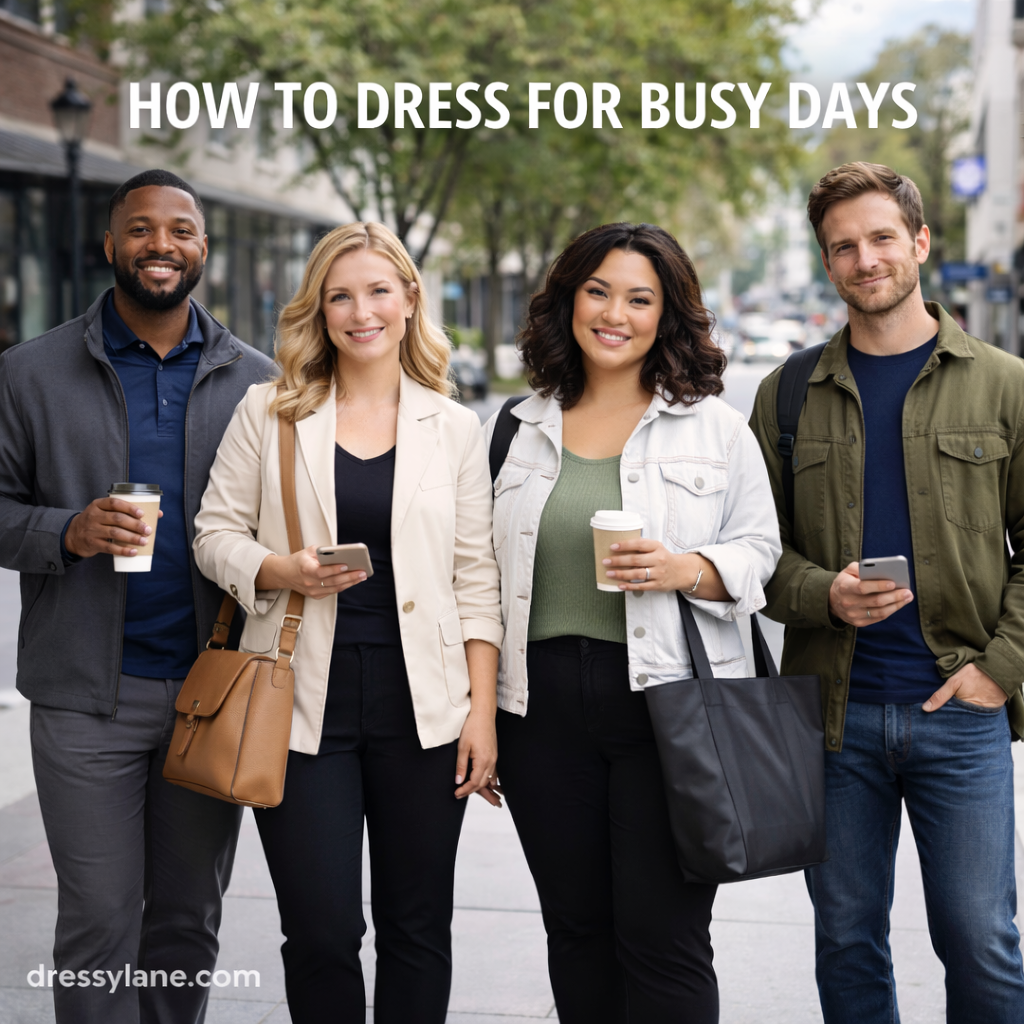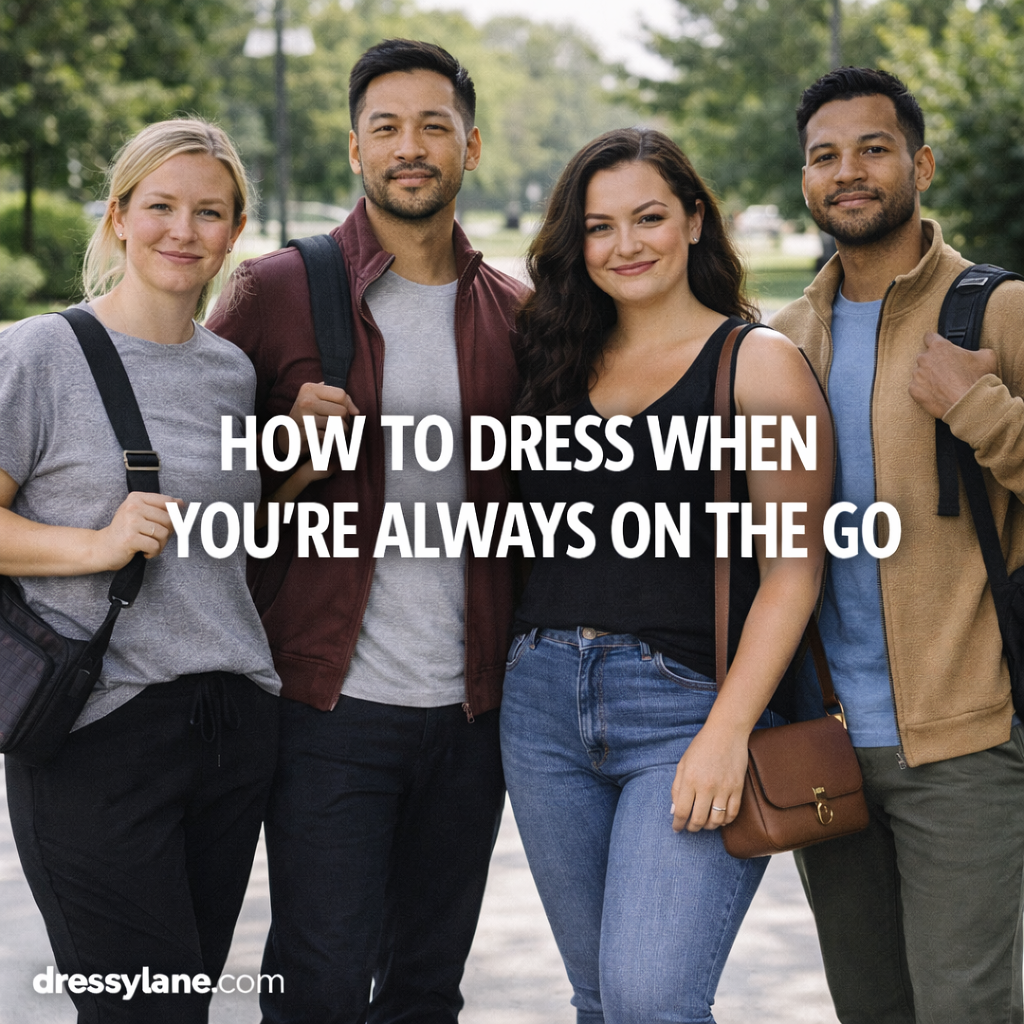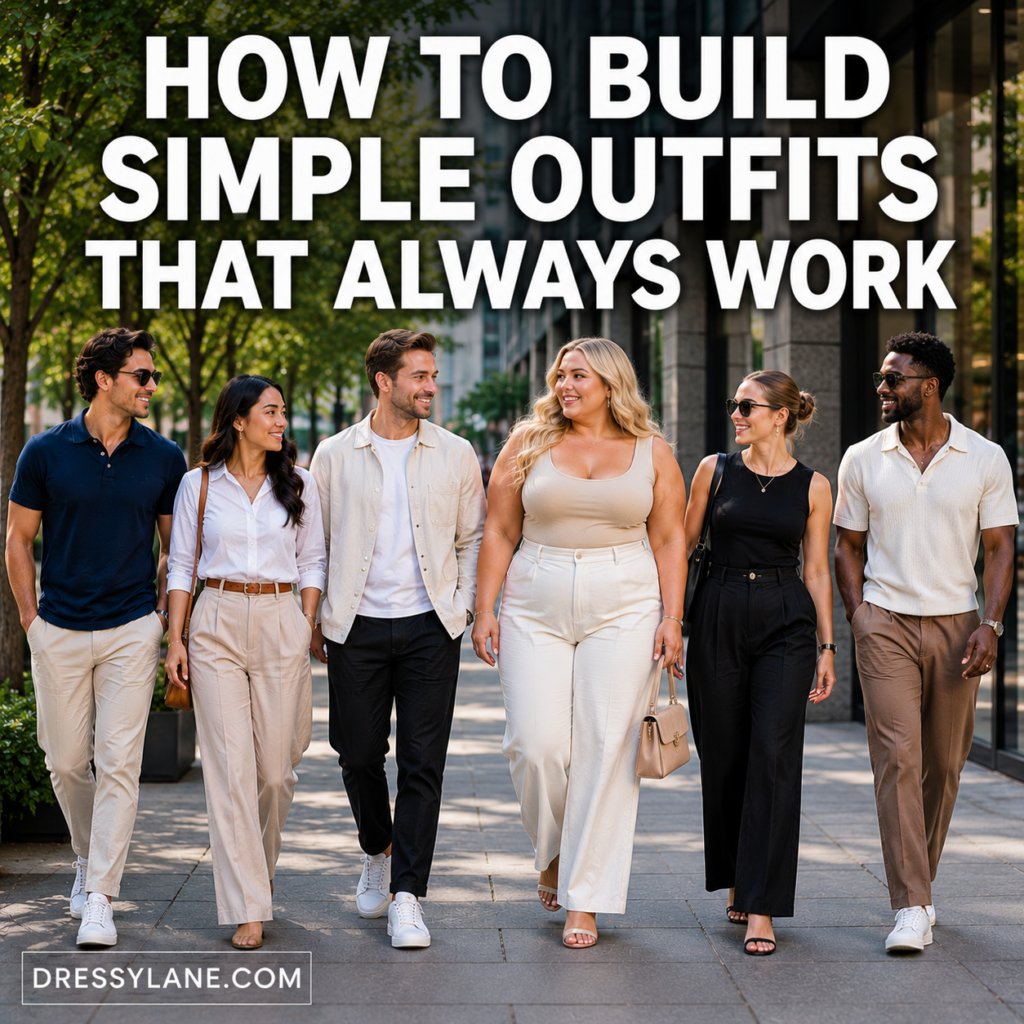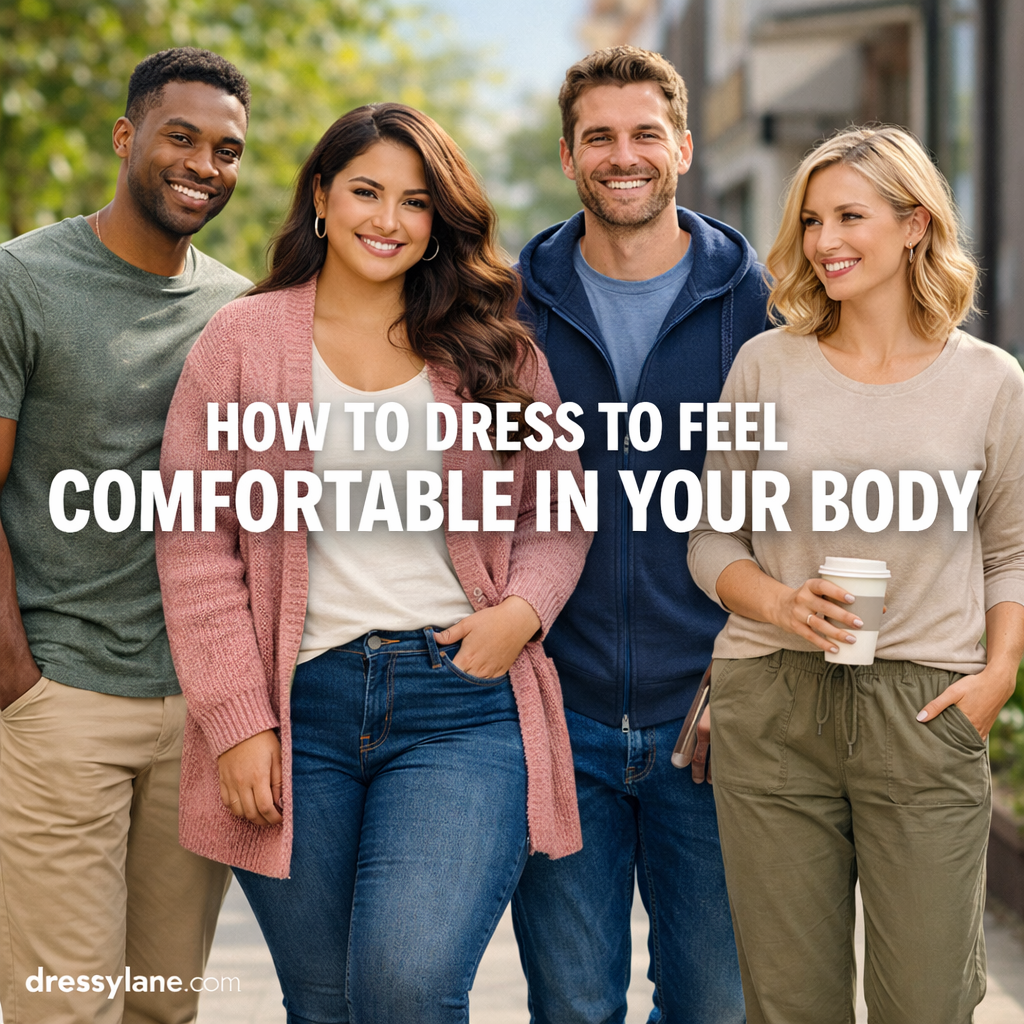
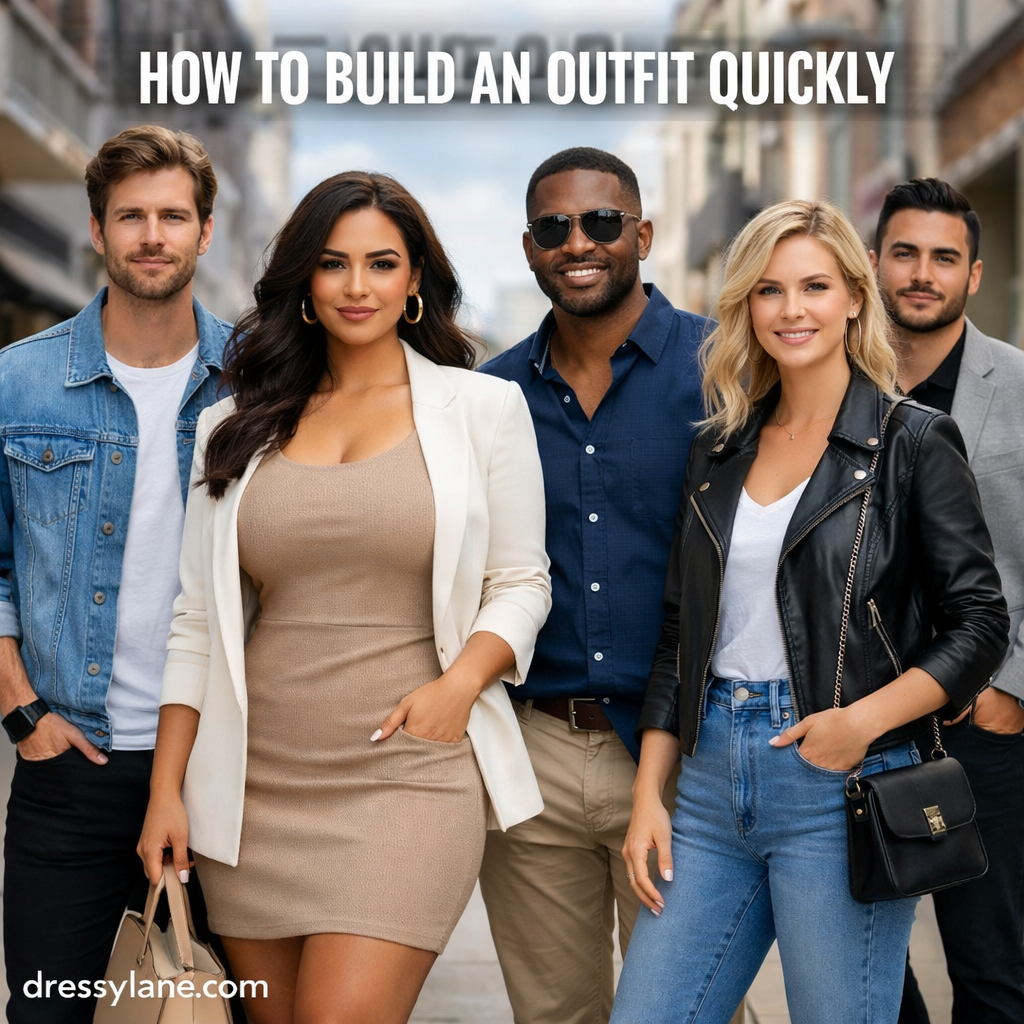
Building an outfit quickly is a skill that saves time, reduces decision fatigue, and helps you feel confident stepping out the door. Whether you’re getting ready for work, errands, travel, or a last-minute event, having a simple system makes getting dressed easier and more enjoyable.
This guide walks you through a practical, repeatable approach to creating outfits fast—without sacrificing style. You’ll learn how to rely on basics, use formulas, and adapt the process for both men and women.
Why Building an Outfit Quickly Matters
When getting dressed feels complicated, it often leads to frustration or defaulting to the same few items. A streamlined outfit-building process helps you:
- Save time during busy mornings
- Reduce overthinking and wardrobe stress
- Look polished with minimal effort
- Make better use of what you already own
- Feel more confident and put together
Style doesn’t have to be slow or complicated to be effective.
The Core Outfit Formula
Most great outfits follow a simple structure. When time is limited, focus on this formula:
Base + Layer + Shoes + Finishing Touch
This approach works across seasons, styles, and occasions.
- Base: your main clothing pieces (top and bottom, or a single garment)
- Layer: jacket, cardigan, overshirt, or sweater
- Shoes: the anchor that sets the tone
- Finishing touch: one or two small details that complete the look
Once you understand this structure, outfit building becomes faster and more intuitive.
Step 1: Start With a Neutral Base
A neutral base is the fastest way to create a cohesive outfit. Neutrals mix easily and create flexibility.
Common neutral colors include:
- Black
- White
- Gray
- Navy
- Beige
- Olive
- Denim
Choose one neutral for your top and one for your bottom, or wear a single neutral piece like a dress or jumpsuit.
This instantly reduces decision-making and allows the rest of your outfit to fall into place.
Step 2: Add One Layer for Structure
Layers make outfits look intentional—even when they’re simple.
Quick layering options include:
- Denim jackets
- Blazers
- Lightweight sweaters
- Cardigans
- Overshirts
- Hoodies
A layer adds depth, balances proportions, and makes even basic outfits look styled.
If you’re short on time, keep one or two go-to layers easily accessible in your closet.
Step 3: Choose Shoes Early
Shoes strongly influence the overall vibe of an outfit. Choosing them early helps guide the rest of your decisions.
Ask yourself:
- Is this outfit casual, smart-casual, or polished?
- Am I walking a lot today?
- Is comfort or style the priority right now?
Once shoes are selected, adjust the outfit to match their formality.
Step 4: Limit Accessories to One or Two Items
Accessories should enhance, not complicate.
Fast outfit-finishing options:
- A watch
- A simple necklace or chain
- A belt
- A structured bag
- Sunglasses
Stop at one or two pieces. Over-accessorizing slows you down and can make outfits feel cluttered.
Outfit Building Tips for Women
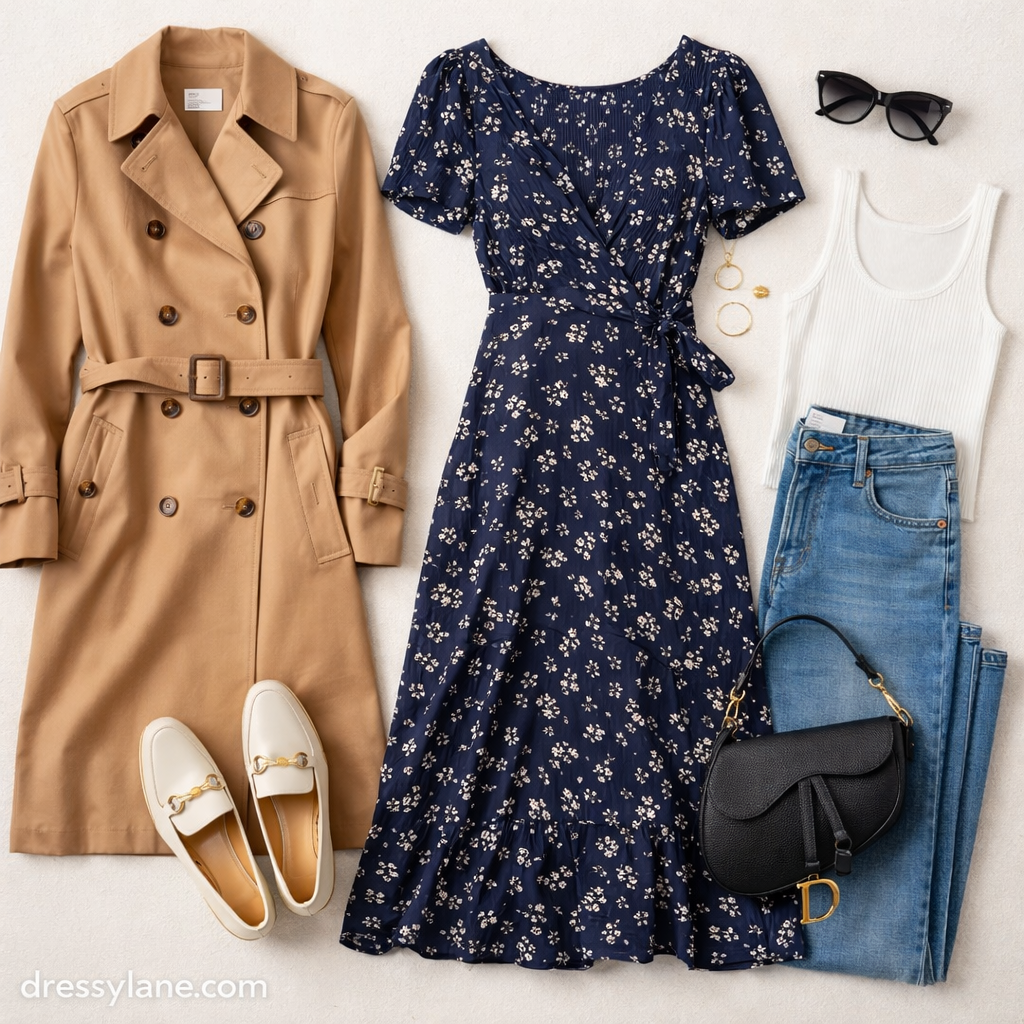
Women’s outfits often offer more variety, which can also mean more choices. The key to speed is relying on repeatable combinations.
Fast outfit ideas for women:
- T-shirt + jeans + jacket + sneakers
- Knit top + trousers + loafers
- Dress + ankle boots + cardigan
- Tank top + midi skirt + sandals
Helpful shortcuts:
- Keep a few neutral dresses ready for grab-and-go outfits
- Choose bottoms first if they’re harder to style than tops
- Use shoes or bags to add interest instead of extra layers
When time is limited, simple silhouettes with clean lines look intentional and polished.
Outfit Building Tips for Men
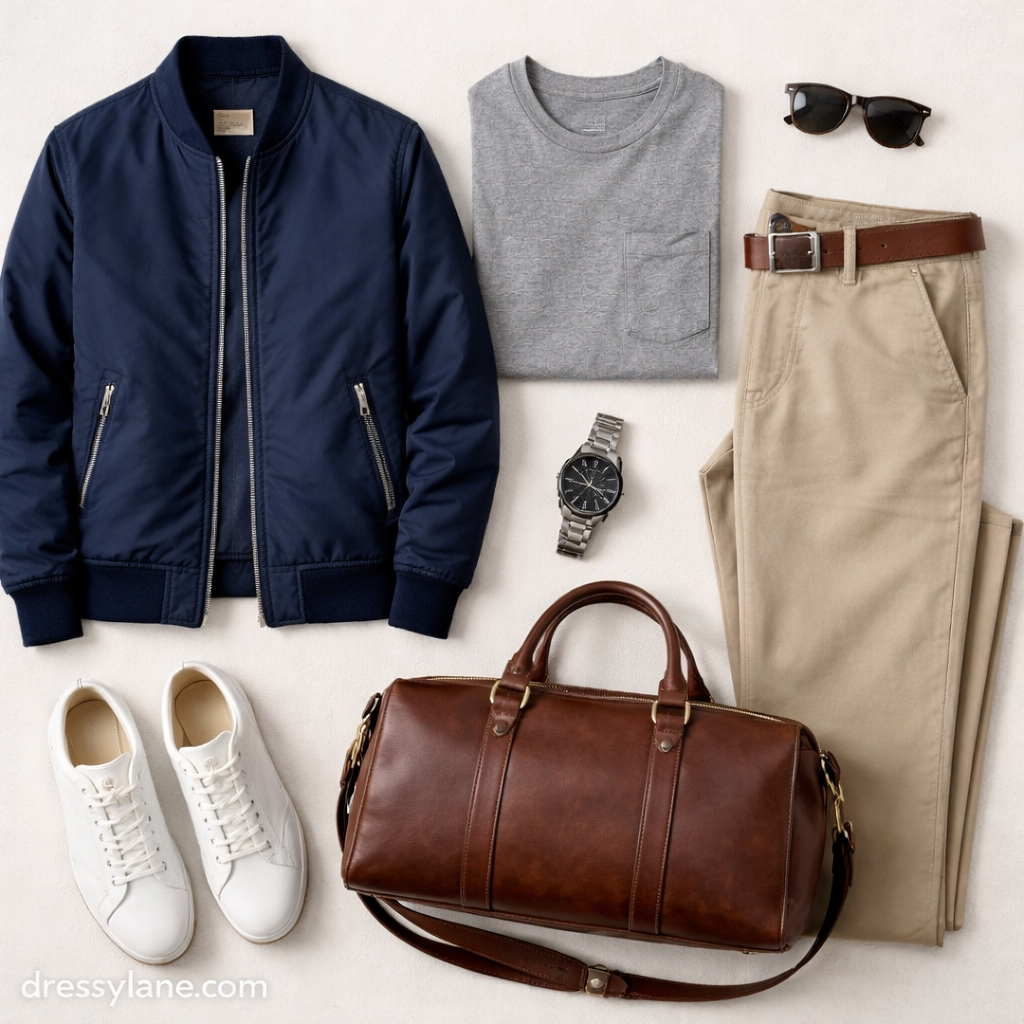
Men’s outfits benefit from consistency and fit. When pieces fit well, even basic outfits look sharp.
Fast outfit ideas for men:
- T-shirt + jeans + clean sneakers
- Polo shirt + chinos + loafers
- Button-down + dark jeans + boots
- Sweater + trousers + casual shoes
Helpful shortcuts:
- Stick to neutral pants and rotate tops
- Keep one versatile jacket near the front of your closet
- Use footwear to dress outfits up or down quickly
Well-fitting basics are the foundation of fast, reliable style.
Use Outfit “Templates”
Outfit templates are pre-planned combinations you know work. They remove guesswork entirely.
Examples of outfit templates:
- Casual day: neutral top + denim + sneakers
- Smart casual: structured top + tailored bottoms + leather shoes
- Relaxed weekend: soft layers + comfortable shoes
Once you find combinations you love, repeat them with different colors or textures.
Templates are one of the fastest ways to build outfits without thinking.
Keep Your Closet Organized for Speed
A cluttered closet slows everything down. Organization directly impacts how quickly you can get dressed.
Simple organization tips:
- Group similar items together
- Keep everyday pieces at eye level
- Store seasonal items separately
- Remove items you never wear
When you can see your options clearly, outfit decisions become faster and easier.
Rely on Fit Over Trends
When you’re short on time, well-fitting clothes matter more than trendy ones.
Why fit speeds things up:
- You don’t need to second-guess proportions
- You feel confident immediately
- Fewer adjustments are needed
Investing in fit—through tailoring or mindful purchases—makes every outfit easier to assemble.
Common Mistakes That Slow You Down
Avoid these habits if you want faster outfit decisions:
- Trying to create a completely new look every day
- Overthinking color combinations
- Using too many statement pieces at once
- Keeping uncomfortable or ill-fitting clothes
Simplicity and repetition are your allies when time is limited.
Final Thoughts
Learning how to build an outfit quickly isn’t about lowering your style standards—it’s about creating a system that works for your real life. By starting with neutral bases, using simple layers, choosing shoes early, and relying on outfit templates, you can get dressed faster while still looking intentional and confident.
Whether you’re styling outfits for men or women, speed comes from preparation, consistency, and knowing what works for you. Once you have a few reliable formulas, great outfits become effortless.