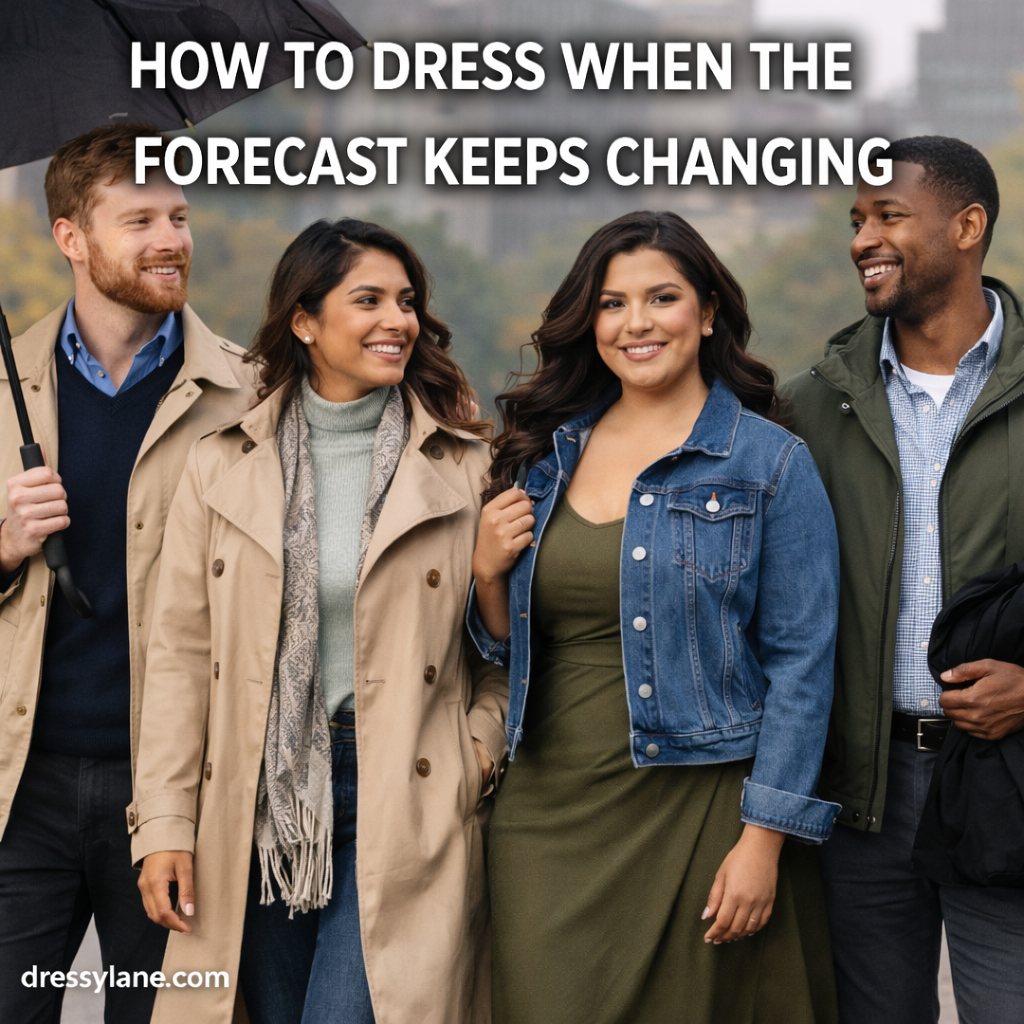
Unpredictable weather can make getting dressed feel unnecessarily complicated. One moment it’s cold and windy, the next it’s warm and humid, and by evening it’s raining. When the forecast keeps changing, dressing for the day often feels like a gamble.
The solution isn’t owning more clothes — it’s dressing smarter. This guide explains how to build flexible outfits that adapt to shifting temperatures and conditions, so you stay comfortable, practical, and put-together no matter what the weather decides to do.
Why Changing Weather Is So Hard to Dress For
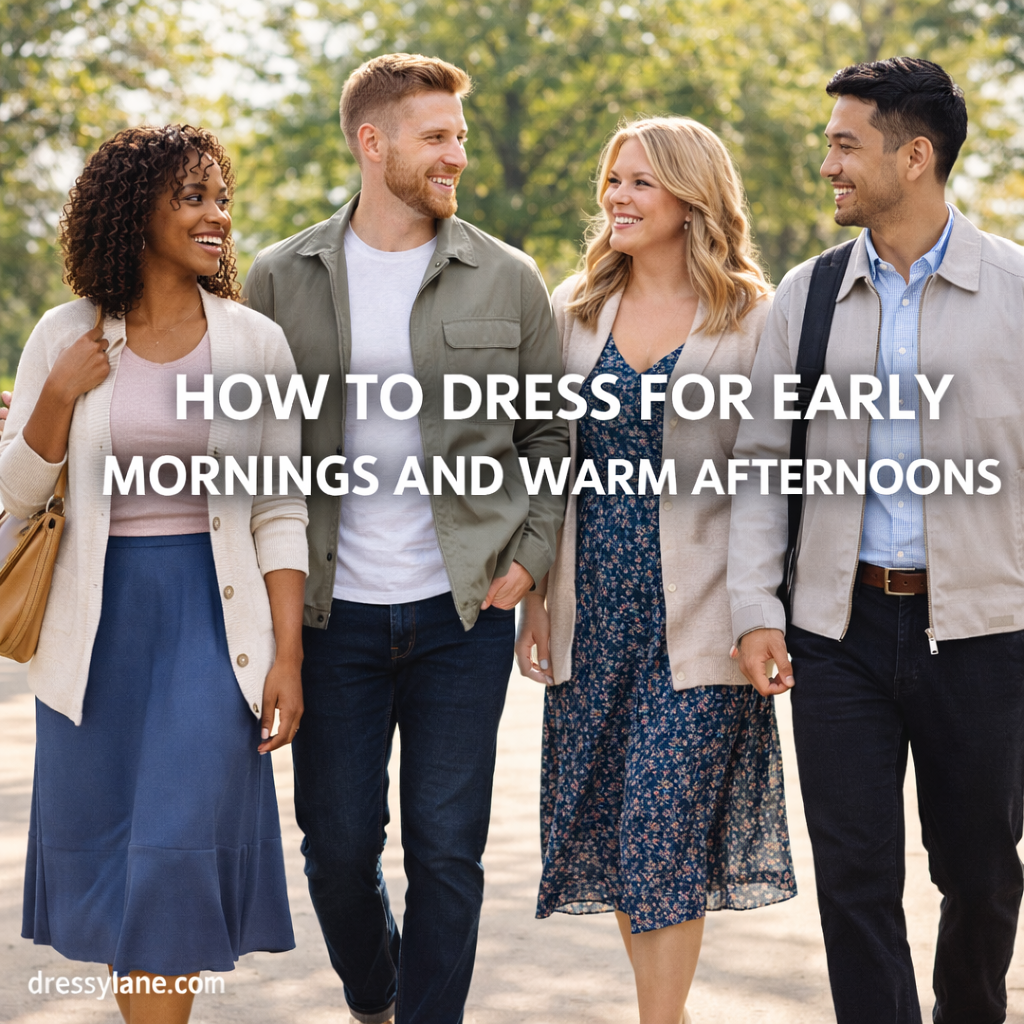
Weather swings create competing needs in a single outfit.
Common challenges include:
- Cold mornings and warm afternoons
- Unexpected rain or wind
- Temperature differences between indoor and outdoor spaces
- Forecasts that change hour by hour
When outfits aren’t adaptable, discomfort sets in quickly.
Dress for the Range, Not the Moment
One of the biggest mistakes is dressing for how it feels right now.
Instead, plan for:
- The warmest part of the day
- The coldest part of the day
- Any conditions in between
Your outfit should work across the full range, not just the first 30 minutes.
Layers Are Non-Negotiable
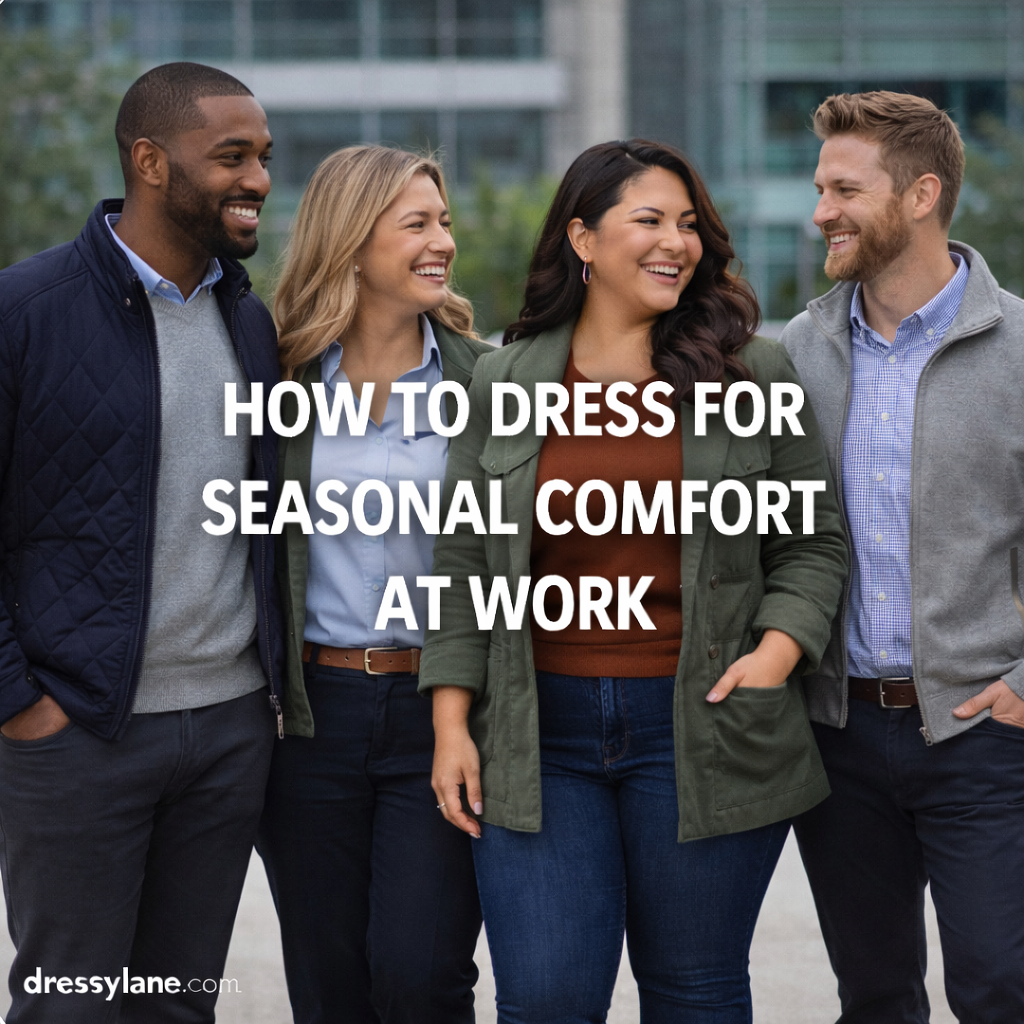
Layering is the foundation of dressing for unpredictable weather.
Effective layering allows you to:
- Add warmth when temperatures drop
- Remove bulk when it warms up
- Stay comfortable without changing outfits
The key is choosing layers that are lightweight, easy to remove, and still look intentional when worn together.
Choose the Right Base Layer
Your base layer sits closest to your skin and affects comfort all day.
Good base layers are:
- Breathable
- Soft and non-restrictive
- Comfortable across temperature shifts
Avoid heavy fabrics that trap heat or thin materials that offer no insulation.
Mid-Layers Should Be Flexible
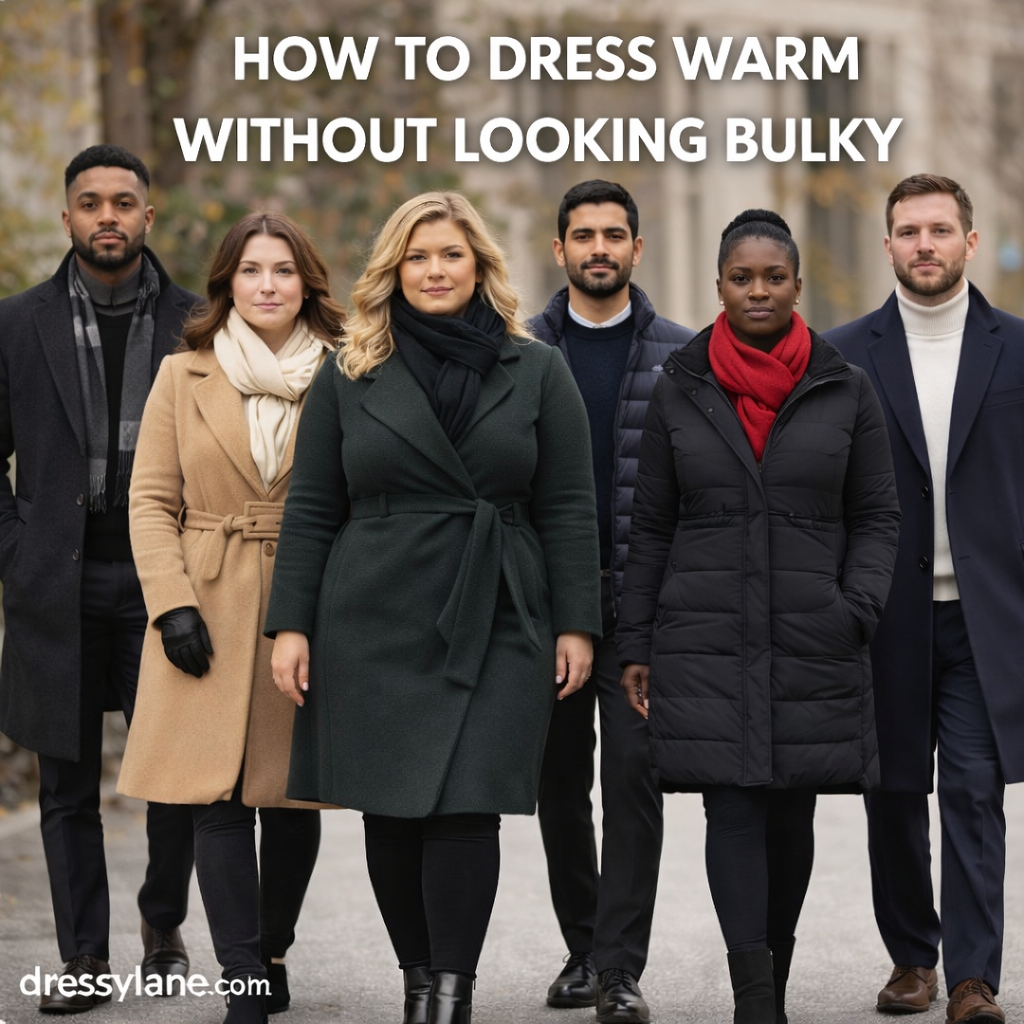
Mid-layers provide warmth but should never feel bulky.
Smart mid-layer options include:
- Lightweight sweaters
- Structured cardigans
- Button-down shirts that work open or closed
Mid-layers should look good on their own so removing outerwear doesn’t leave you underdressed.
Outerwear That Adapts
Your outer layer should protect against wind, light rain, or sudden cold without overwhelming the outfit.
Look for outerwear that is:
- Easy to carry or pack
- Neutral enough to pair with multiple outfits
- Appropriate for both casual and polished settings
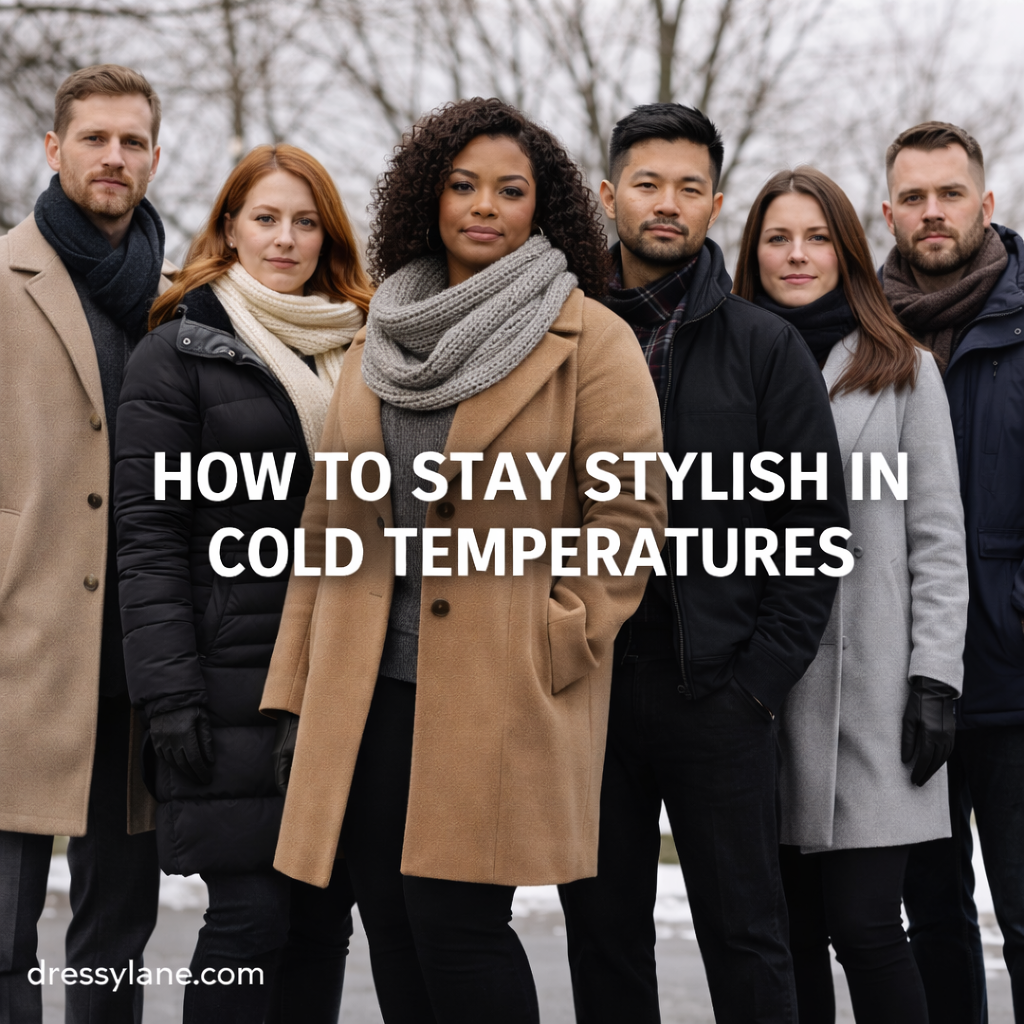
Avoid overly heavy coats unless cold temperatures are consistent all day.
Fabric Choice Matters More Than You Think
Fabrics can make or break an outfit when weather fluctuates.
More adaptable fabric qualities include:
- Breathability
- Light insulation
- Wrinkle resistance
Blended fabrics and lightweight knits often perform better than rigid or heavy materials in changing conditions.
How Men Can Dress for Changing Forecasts
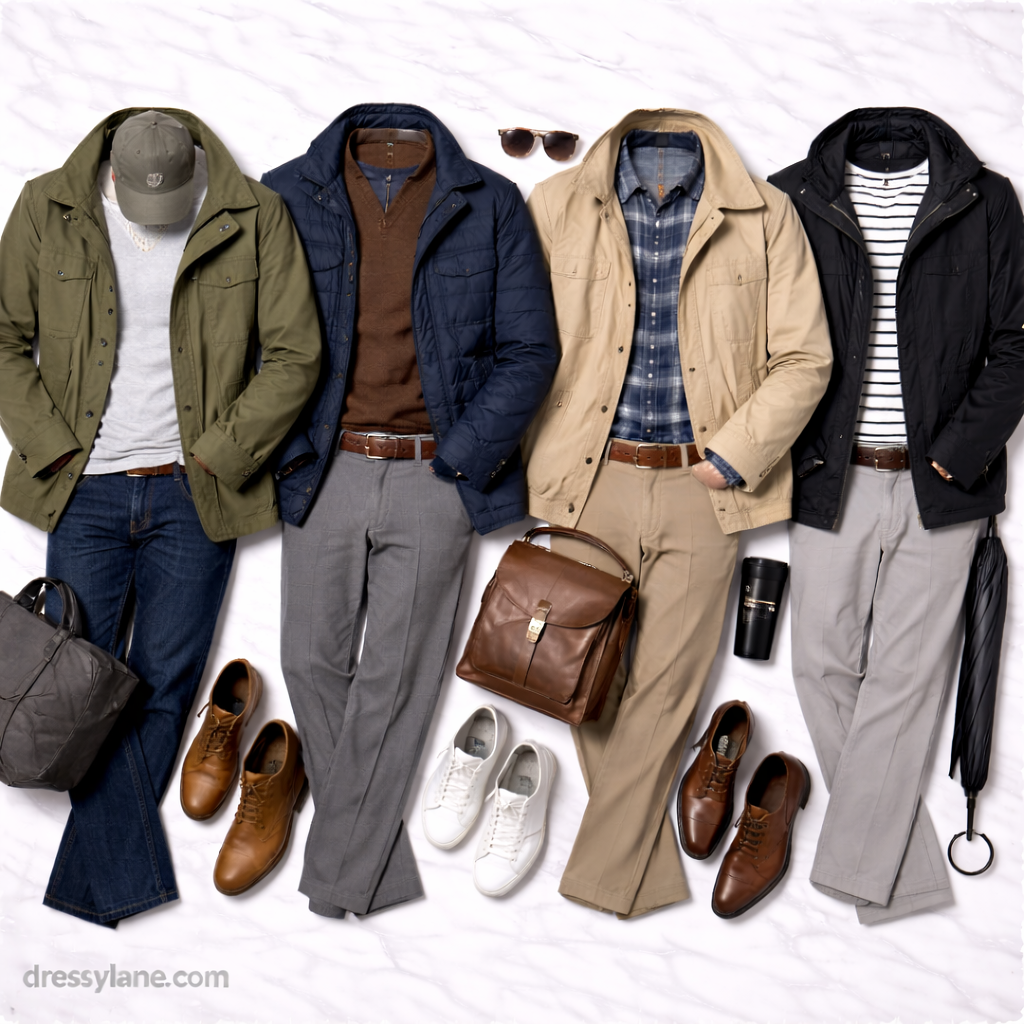
Men’s outfits often fail in unpredictable weather due to limited layering flexibility.
Build Around Modular Pieces
Focus on items that work in multiple ways:
- Lightweight jackets or overshirts
- Button-down shirts that layer easily
- Trousers that aren’t too heavy or too thin
Neutral colors help everything work together without thought.
Avoid These Common Mistakes
- Wearing heavy outerwear too early in the day
- Choosing shoes that don’t handle wet conditions
- Ignoring temperature changes later in the day
Versatility is more important than warmth alone.
How Women Can Dress for Changing Forecasts
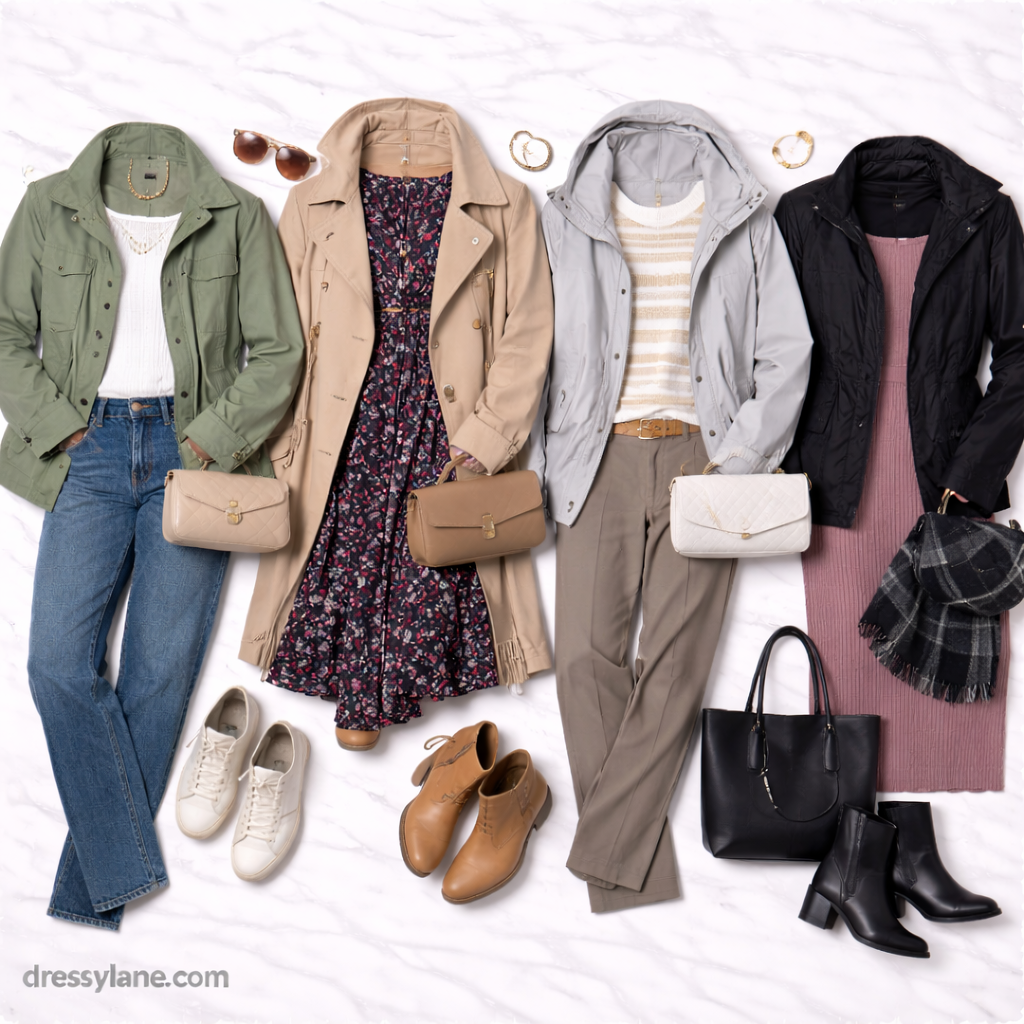
Women often face more fabric and silhouette variation, which can help or hurt.
Prioritize Adjustable Outfits
Look for outfits that adapt easily:
- Dresses that layer well
- Tops that work under jackets or cardigans
- Pants and skirts that are comfortable across temperatures
Avoid outfits that rely on a single heavy or lightweight piece.
Use Accessories Strategically
Accessories can add or reduce warmth quickly.
Helpful options include:
- Scarves that can be added or removed
- Lightweight wraps or shawls
- Shoes that handle multiple conditions
Small adjustments can dramatically improve comfort.
Footwear Needs to Handle Uncertainty
Shoes often get overlooked until they become a problem.
Weather-flexible footwear should offer:
- Comfort for long wear
- Traction for wet or slick conditions
- Breathability without feeling cold
Avoid shoes that only work in perfect weather.
Don’t Ignore Indoor Climate Changes
Changing weather often means unpredictable indoor temperatures too.
Consider:
- Offices with strong air conditioning
- Restaurants with outdoor seating
- Public transport temperature shifts
Layering allows you to adjust without sacrificing style or comfort.
Build a Weather-Flexible Wardrobe
You don’t need a new wardrobe for unpredictable weather.
Focus on:
- Neutral base pieces that layer well
- Jackets and sweaters that work year-round
- Shoes that handle multiple seasons
Flexibility beats seasonal extremes.
Common Mistakes to Avoid
When the forecast keeps changing, avoid these habits:
- Dressing for aesthetics instead of function
- Wearing single-purpose outfits
- Ignoring wind and rain in favor of temperature
- Over-layering early and regretting it later
Balance and adaptability are the goal.
Final Thoughts
Dressing when the forecast keeps changing doesn’t have to be frustrating. With the right layers, fabrics, and mindset, your outfits can adapt smoothly to shifting conditions without sacrificing comfort or style.
When your clothes work across temperatures and environments, you stop worrying about the weather — and start focusing on your day instead.