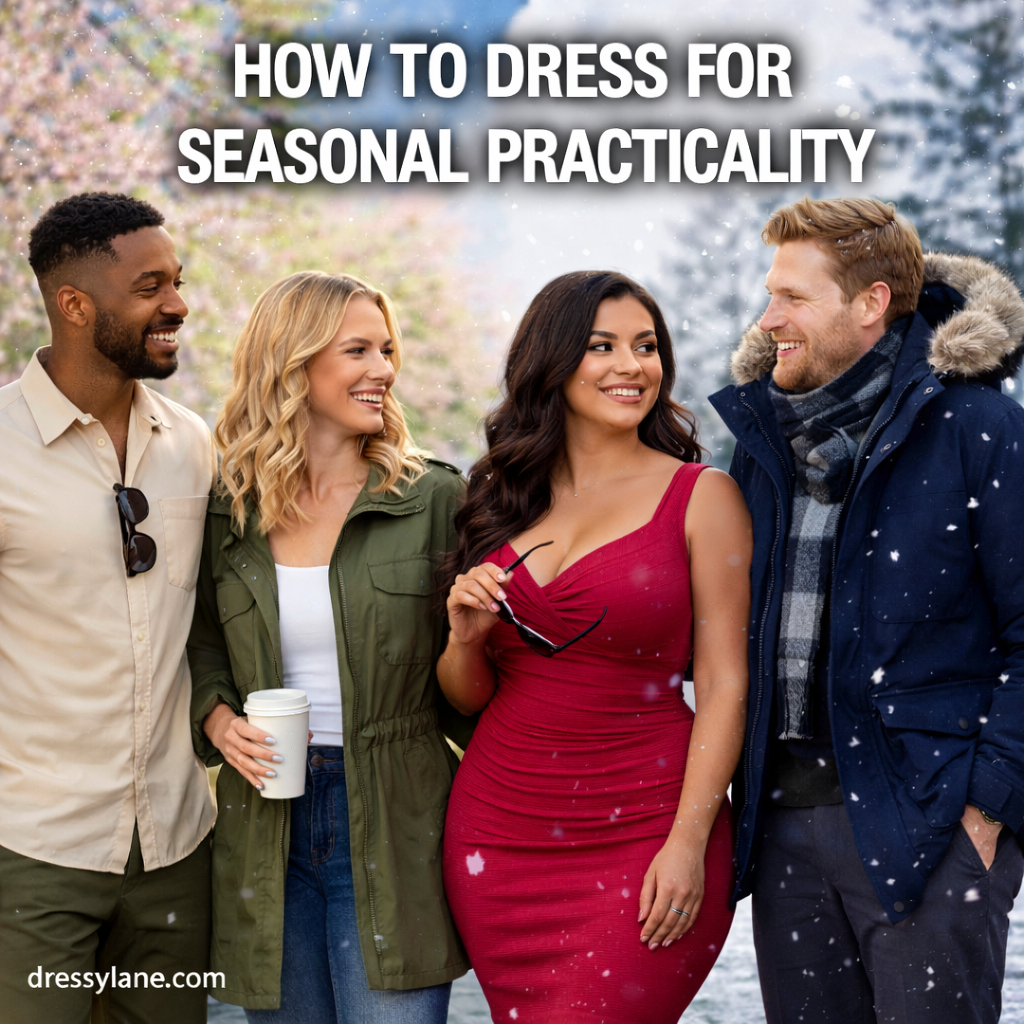
Dressing well isn’t just about style — it’s about function. When outfits don’t match the season, discomfort quickly follows. Too many layers in summer, not enough insulation in winter, or impractical fabrics during transitional months can make even the best-looking outfit feel like a mistake.
Seasonal practicality means dressing in a way that supports your comfort, movement, and daily routine while still looking put-together. This guide explains how to adapt your wardrobe throughout the year, avoid common seasonal mistakes, and dress smartly for every type of weather without overthinking it.
What Seasonal Practicality Really Means
Seasonal practicality sits at the intersection of comfort, function, and appearance.
It means:
- Choosing fabrics that work with temperature and humidity
- Layering intelligently instead of excessively
- Dressing for real weather conditions, not just the calendar
- Prioritizing mobility, warmth, and breathability
Practical outfits fade into the background of your day — they don’t distract you with discomfort.
Why Seasonal Dressing Is Often Done Wrong
Many people dress based on habit instead of conditions.
Common mistakes include:
- Wearing the same silhouettes year-round
- Dressing for how the season “should” feel instead of how it actually feels
- Ignoring wind, rain, and temperature swings
- Choosing style over function during extreme weather
Seasonal dressing works best when it’s responsive, not rigid.
Start With Fabric, Not Outfit Ideas
Fabric choice is the foundation of seasonal practicality.
General fabric guidelines:
- Warm seasons favor breathable, lightweight materials
- Cold seasons require insulation and heat retention
- Transitional seasons need adaptability
Once fabric is right, the rest of the outfit becomes easier.
Dressing Practically in Warm Weather
Heat, sun, and humidity demand thoughtful choices.
What Works Best in Spring and Summer
Look for fabrics and cuts that allow airflow and moisture control:
- Cotton, linen, and lightweight blends
- Relaxed but structured silhouettes
- Light colors that reflect heat
Avoid heavy synthetics, tight layering, and dark colors that trap warmth.
Smart Warm-Weather Styling Tips
- Choose shorter sleeves or breathable long sleeves for sun protection
- Opt for looser fits instead of tight clothing
- Keep footwear lightweight and flexible
- Use accessories like hats or sunglasses for function, not just style
Comfort equals confidence in warmer months.
Dressing Practically in Cold Weather
Cold seasons require protection without bulk overload.
Core Cold-Weather Principles
Effective cold-weather outfits focus on:
- Insulation
- Wind protection
- Moisture control
Layering is key, but layers must serve a purpose.
The Layering Formula That Works
A simple three-layer system:
- Base layer: warmth and moisture control
- Mid-layer: insulation
- Outer layer: weather protection
This approach keeps you warm without restricting movement.
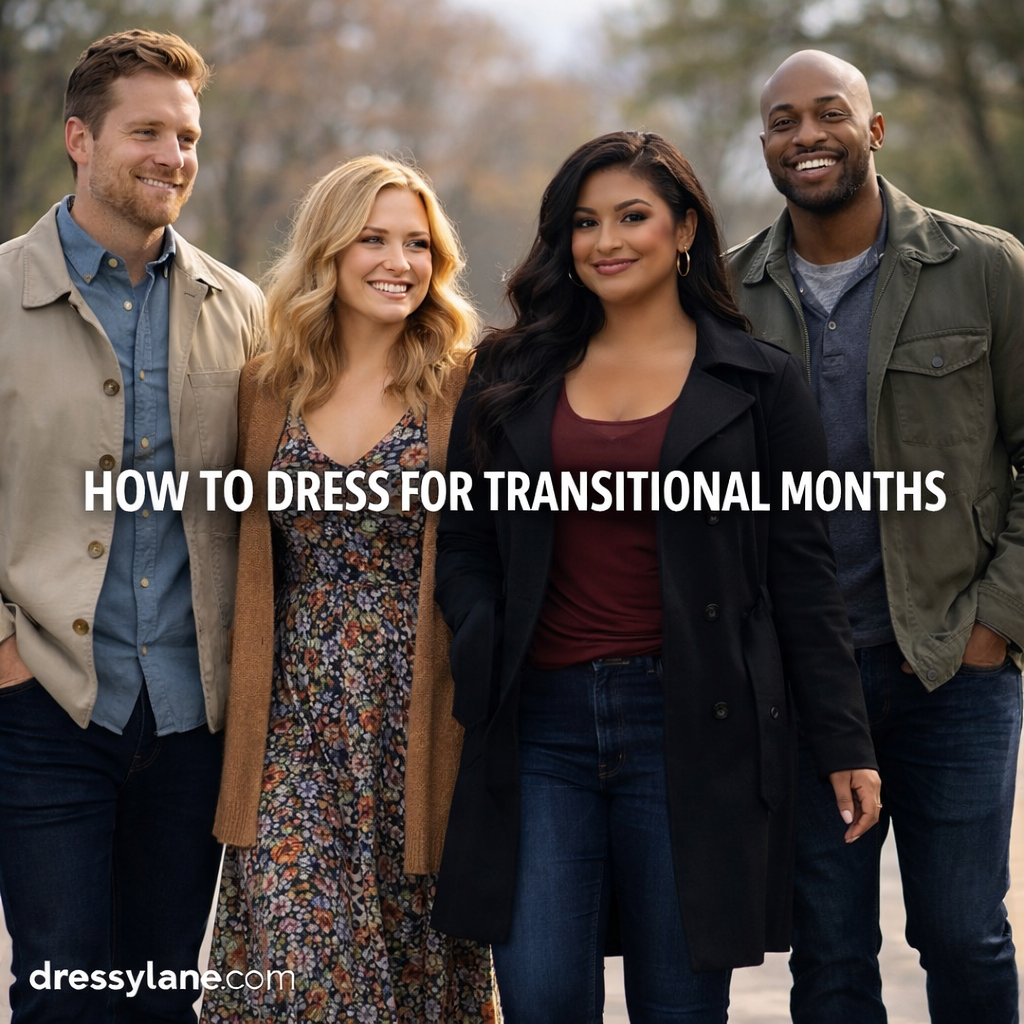
Navigating Transitional Seasons (Fall and Early Spring)
Transitional months are where most wardrobe frustration happens.
Why Transitional Dressing Is Tricky
Temperatures can shift dramatically within a single day. Mornings feel cold, afternoons feel warm, and evenings cool again.
Practical strategies include:
- Lightweight jackets or coats
- Layer-friendly outfits
- Shoes that handle both dry and wet conditions
Flexibility matters more than perfection during these seasons.
How Men Can Dress for Seasonal Practicality
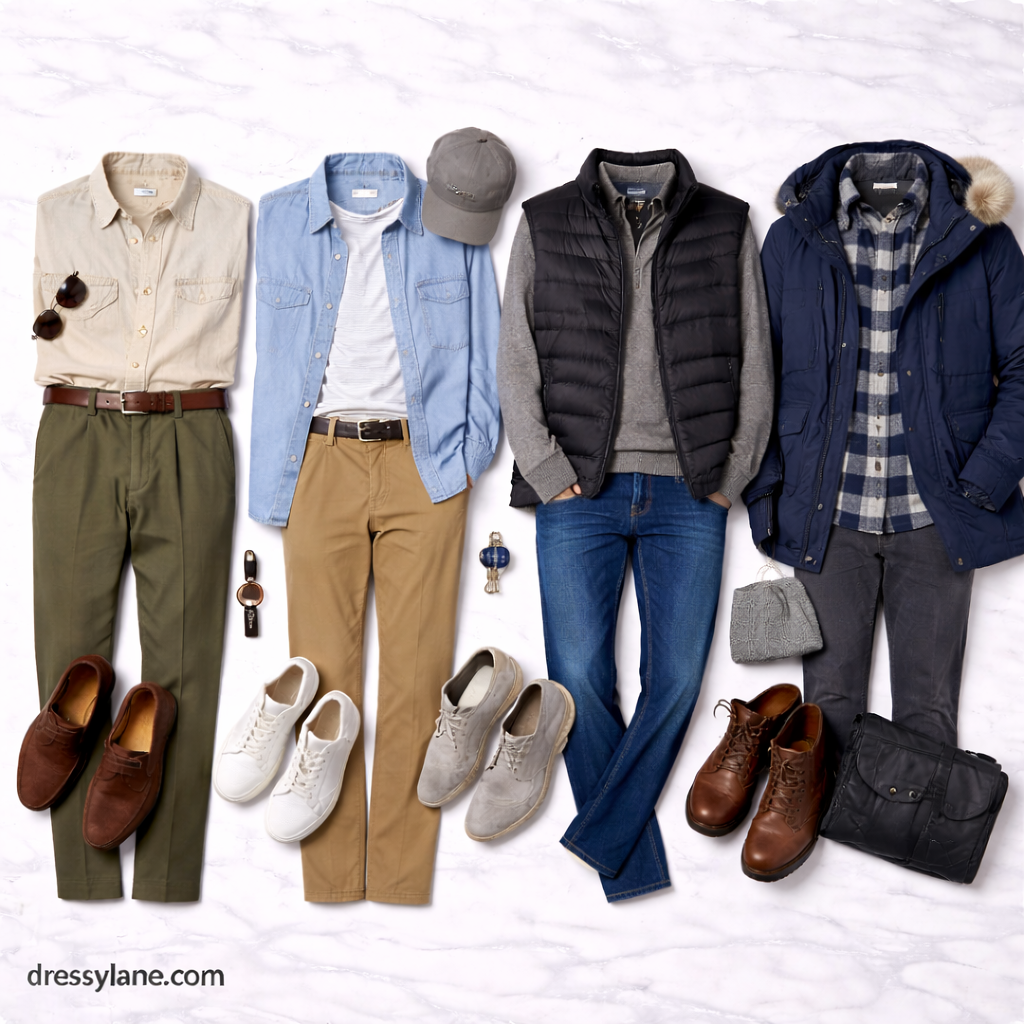
Men’s seasonal dressing often fails due to ignoring fabric and footwear.
Practical Choices for Men Year-Round
Key principles:
- Build outfits around weather-appropriate fabrics
- Choose jackets and outerwear that fit layers underneath
- Keep footwear seasonally functional
Examples of practical swaps:
- Heavy denim → lightweight chinos in warm weather
- Thin jackets → insulated coats in winter
- Canvas shoes → leather or weather-resistant footwear when needed
Avoid These Common Mistakes
- Wearing the same shoes year-round
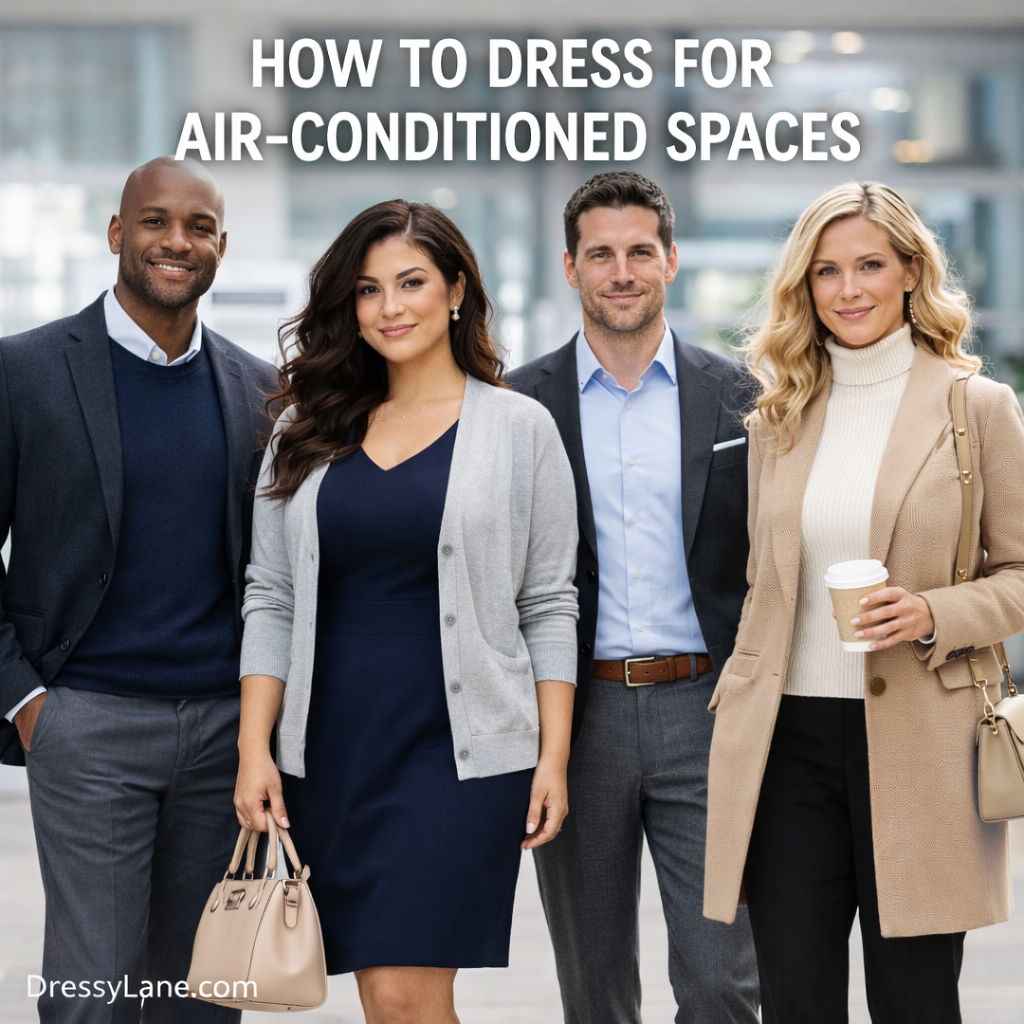
- Over-layering indoors during winter
- Ignoring breathability in summer
Function-first choices still look polished when done intentionally.
How Women Can Dress for Seasonal Practicality
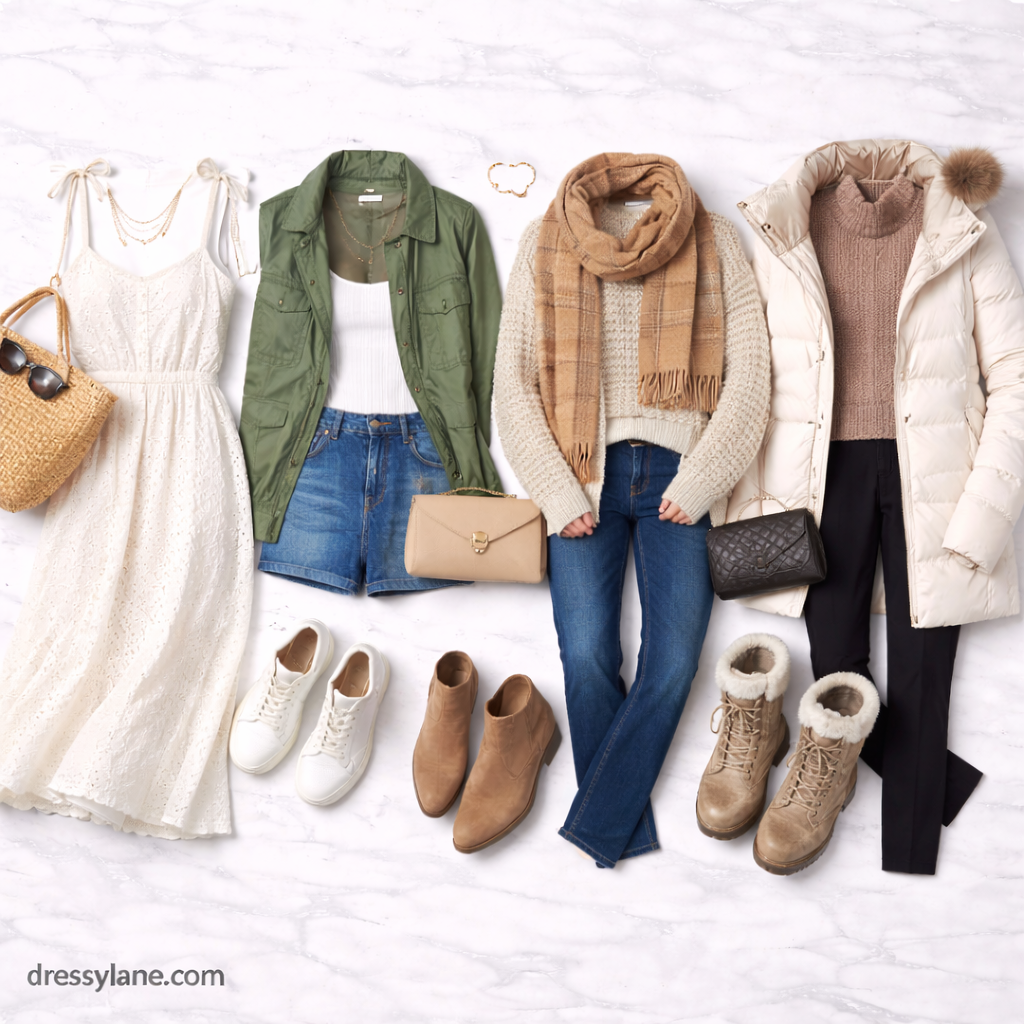
Women often face more variation in fabrics and silhouettes, making seasonal dressing more complex.
Practical Dressing Without Sacrificing Style
Focus on:
- Breathable dresses and tops in warm weather
- Layer-friendly outfits in colder months
- Shoes that match both the season and activity level
Comfortable outfits reduce the urge to constantly adjust or second-guess.
Smart Seasonal Adjustments
- Swap sleeveless styles for light sleeves when temperatures fluctuate
- Use tights, boots, or layering pieces instead of abandoning dresses in winter
- Choose fabrics that move with you, not against you
Seasonal practicality supports confidence and ease.
Footwear Matters More Than Most People Think
Shoes often determine whether an outfit feels practical.
Seasonal footwear considerations:
- Breathability in warm months
- Insulation and grip in cold or wet conditions
- Versatility during transitional seasons
Uncomfortable or weather-inappropriate shoes can ruin an otherwise perfect outfit.
Dressing for Weather, Not Just the Season
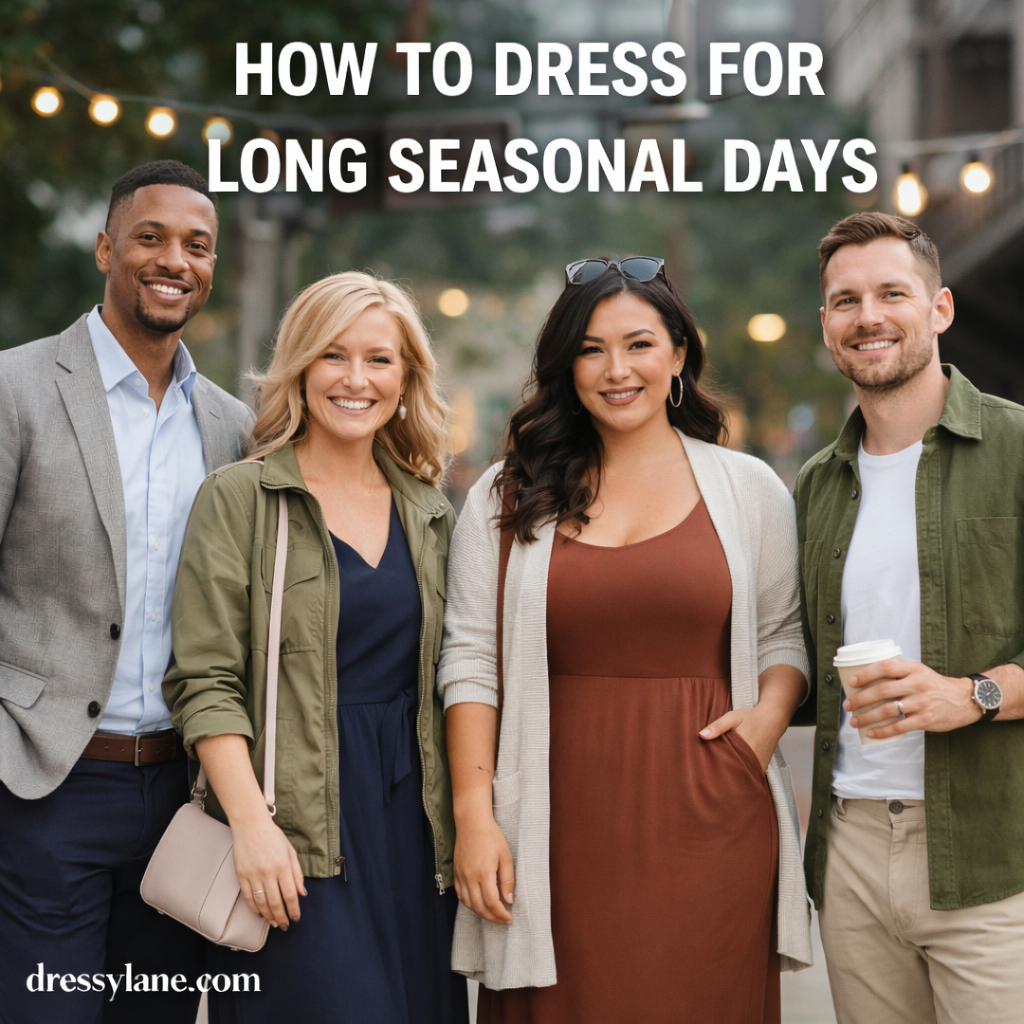
Seasonal dressing works best when paired with daily weather awareness.
Before getting dressed, consider:
- Temperature range for the day
- Rain, wind, or humidity
- Indoor vs outdoor time
- Commuting conditions
A simple weather check can prevent hours of discomfort.
Build a Seasonally Flexible Wardrobe
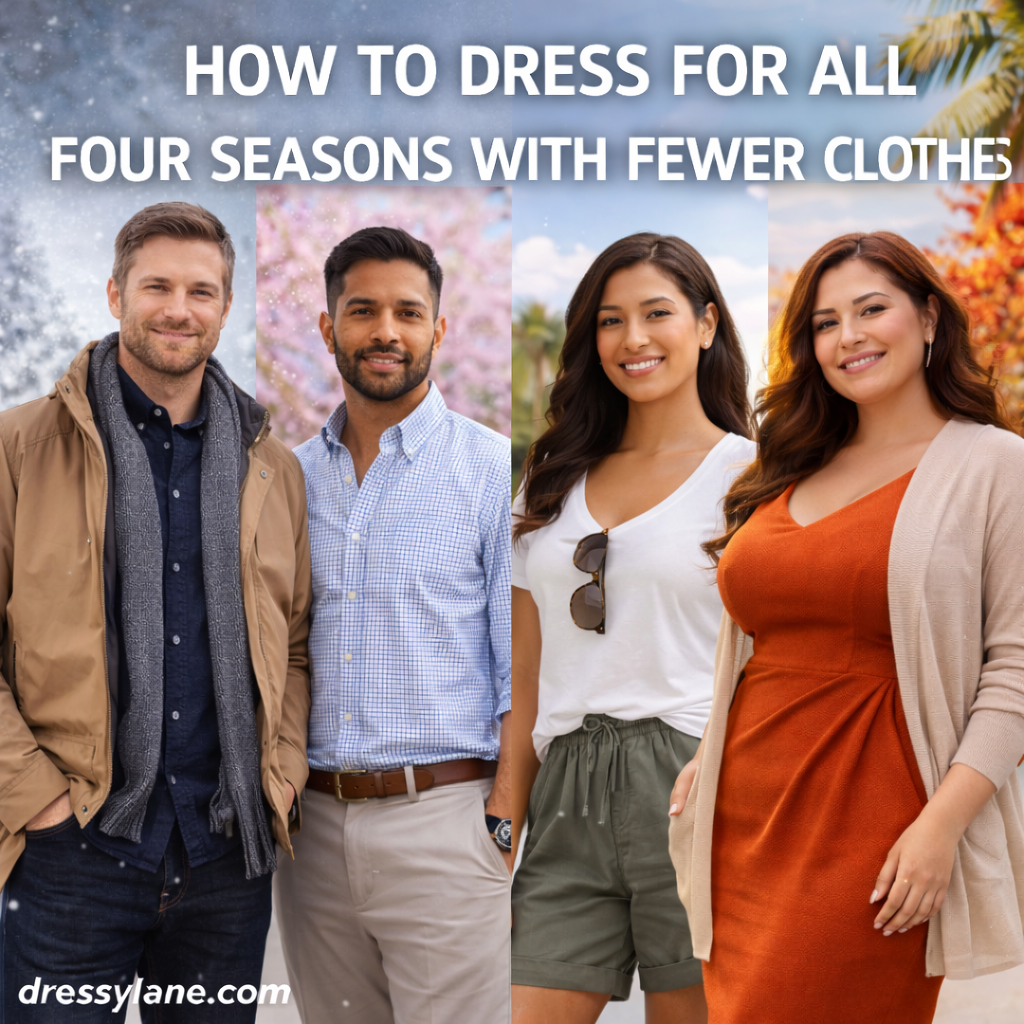
A practical wardrobe adapts rather than replaces itself every few months.
Focus on:
- Neutral base pieces that work across seasons
- Layering items that serve multiple purposes
- Outerwear that complements most outfits
You don’t need more clothes — just smarter ones.
Common Seasonal Dressing Mistakes to Avoid
Watch out for these habits:
- Dressing for style photos instead of real life
- Ignoring fabric weight and breathability
- Wearing seasonal extremes when conditions are mild
- Overcompensating with too many layers
Balance is the goal.
Final Thoughts
Dressing for seasonal practicality isn’t about rigid rules or sacrificing personal style. It’s about making thoughtful choices that support your comfort, movement, and confidence throughout the year.
When your clothing works with the weather instead of against it, you spend less time adjusting, layering, or regretting choices — and more time focused on what actually matters.
Practical dressing is effortless when it’s done right.