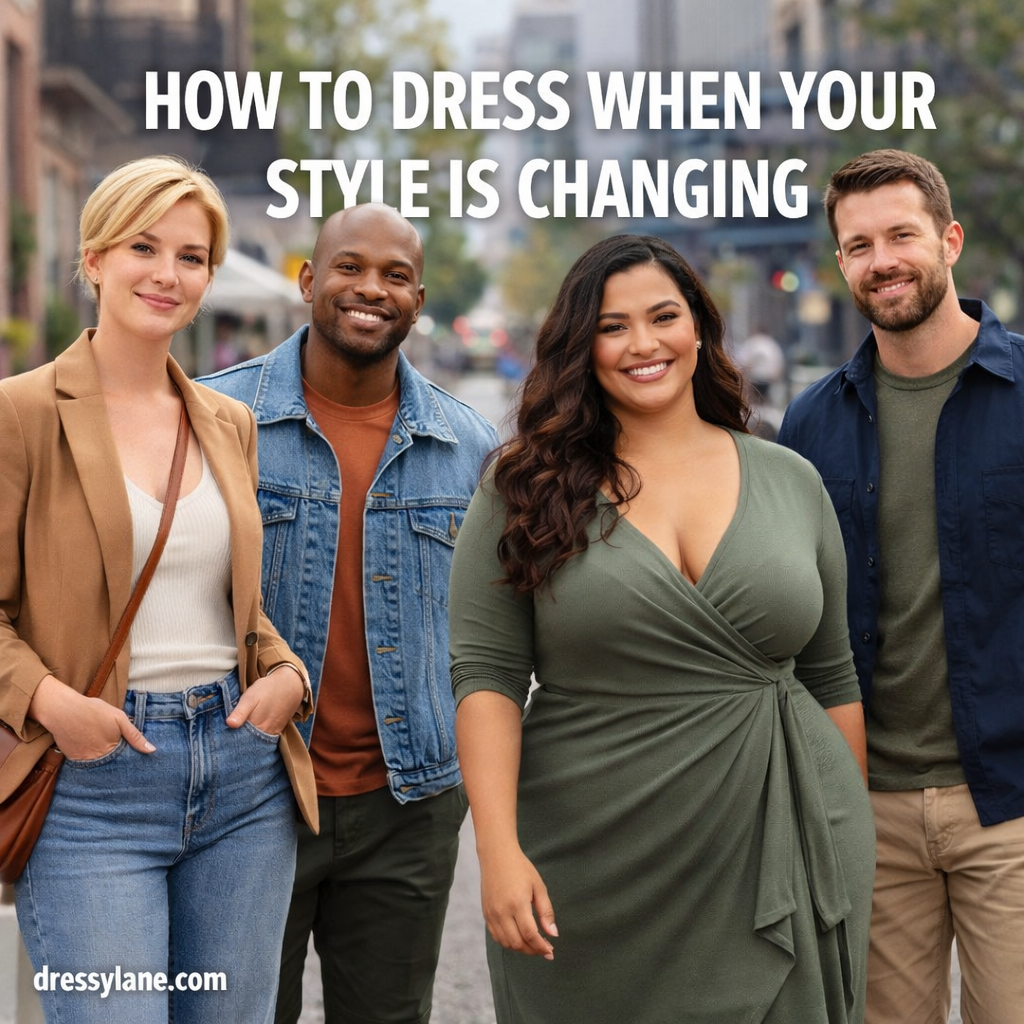
Style evolution is a natural part of life. Changes in lifestyle, confidence, body shape, career, or personal taste often lead to a shift in how you want to dress—but that transition can feel confusing. You may no longer relate to your old wardrobe, yet you’re unsure what your new style looks like.
This guide will help you navigate how to dress when your style is changing in a practical, confident, and pressure-free way—without wasting money or forcing trends that don’t feel like you.
Why Your Personal Style Changes Over Time
A changing style isn’t a failure or an identity crisis—it’s growth. Many factors influence how and why your fashion preferences evolve.
Common reasons style shifts happen:
- Lifestyle changes such as a new job, travel, or parenthood
- Body changes or comfort priorities
- Increased confidence or self-awareness
- Exposure to new environments, cultures, or inspiration
- Letting go of trends that no longer feel authentic
Recognizing the reason behind your style change helps you move forward intentionally instead of feeling lost.
Start by Letting Go of “Shoulds”
One of the biggest blocks during a style transition is holding onto outdated expectations.
Release ideas like:
- “I should dress younger/older.”
- “This used to work for me, so it should still work.”
- “I can’t wear that body type / age / role.”
Style works best when it reflects who you are now—not who you were or who you think you’re supposed to be.
Identify What No Longer Feels Right
Before building a new look, take stock of what isn’t working anymore.
Ask yourself:
- Which items do I avoid wearing—and why?
- What feels uncomfortable, outdated, or forced?
- What no longer fits my daily life or confidence level?
You don’t need to purge everything at once. Simply becoming aware of what feels off helps guide smarter choices moving forward.
Keep the Pieces That Still Feel Like You
A changing style doesn’t mean starting from zero. Most people already own items that still align with their evolving taste.
Look for:
- Neutral basics you reach for often
- Pieces that feel comfortable and confidence-boosting
- Items that mix well with multiple outfits
These staples become your bridge between your old style and your new one.
Experiment Without Overcommitting
Style transitions are about exploration—not perfection.
Low-risk ways to experiment:
- Try new silhouettes in familiar colors
- Add one updated accessory at a time
- Style old pieces in new combinations
- Test trends through affordable items first
Experimenting slowly prevents regret purchases and helps you discover what truly resonates.
Focus on Fit, Comfort, and Versatility
When your style is changing, prioritizing fit and comfort creates a strong foundation.
Key principles to follow:
- Choose clothes that move with your body
- Avoid pieces that require constant adjusting
- Favor versatile items that work in multiple settings
When you feel physically comfortable, confidence naturally follows—no matter the style direction.
How to Dress When Your Style Is Changing as a Woman
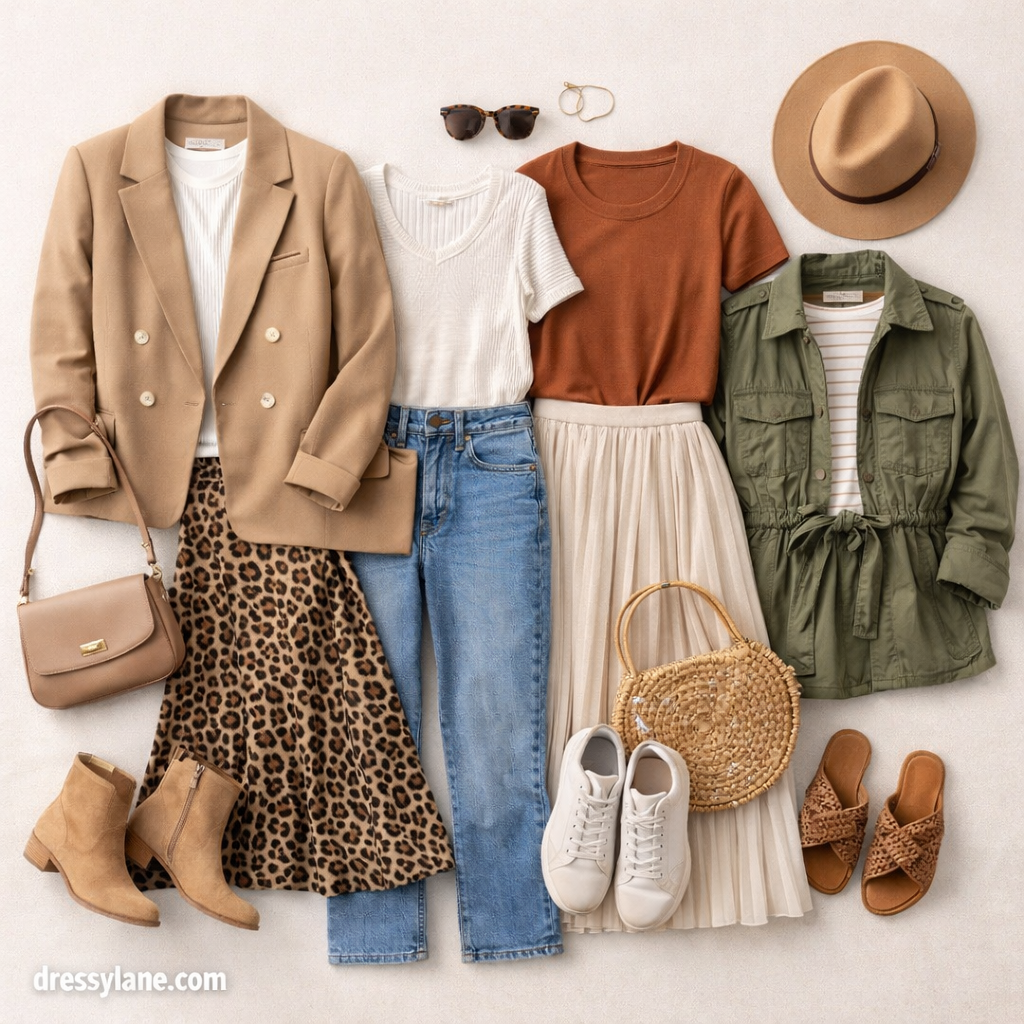
Women often experience style shifts during life transitions such as career changes, motherhood, aging, or confidence growth.
Helpful strategies for women:
- Build outfits around versatile basics
- Mix feminine and structured pieces for balance
- Use layers to adapt outfits to mood and setting
- Let go of trends that no longer feel authentic
A changing style can be softer, bolder, simpler, or more expressive—what matters is that it feels aligned with who you are now.
How to Dress When Your Style Is Changing as a Man
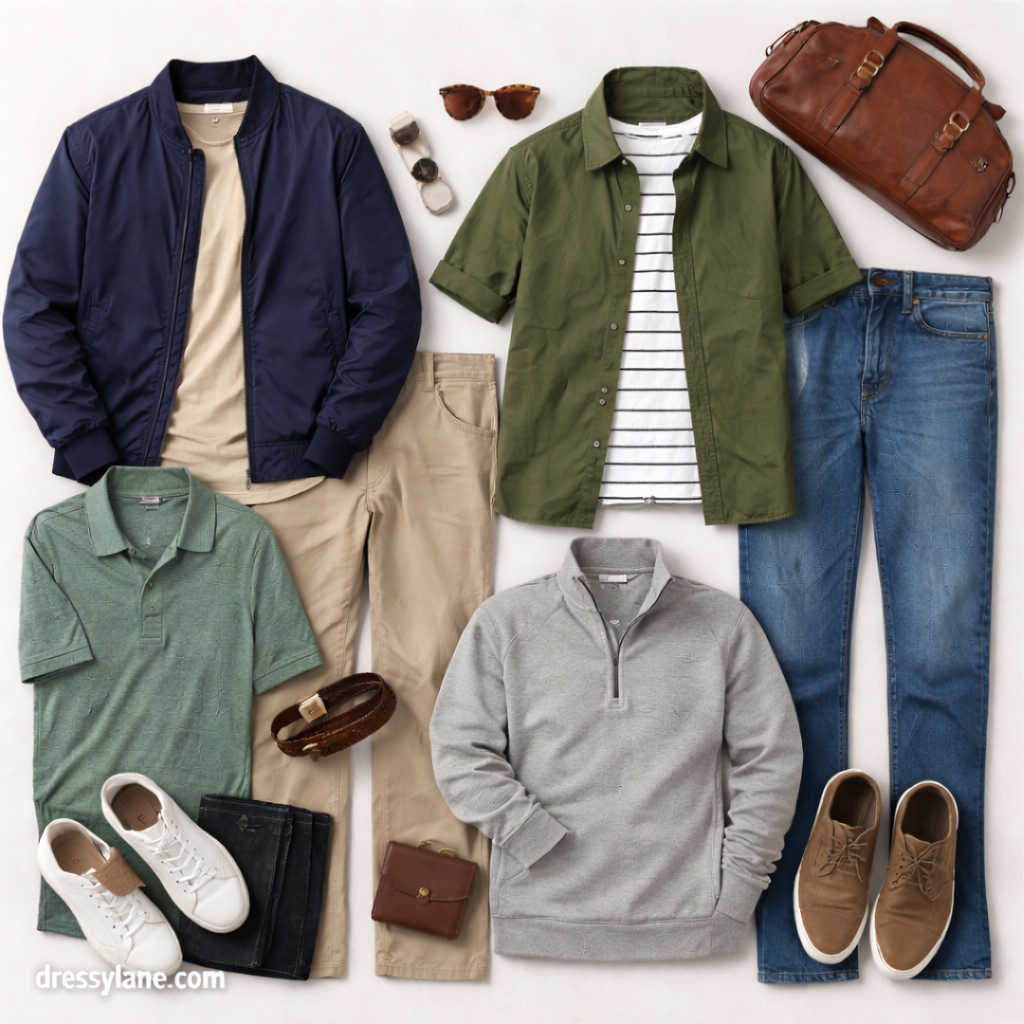
Men’s style changes are often driven by lifestyle shifts, evolving confidence, or a desire for refinement.
Helpful strategies for men:
- Upgrade fit rather than chasing trends
- Focus on quality over quantity
- Experiment with textures, layers, and footwear
- Keep colors neutral while testing new silhouettes
Small adjustments—like tailoring or layering—can dramatically change how an outfit feels without reinventing your entire wardrobe.
Avoid These Common Style Transition Mistakes
Many people unintentionally stall their style growth by falling into these traps.
Mistakes to watch for:
- Replacing everything too quickly
- Copying someone else’s style exactly
- Holding onto clothes “just in case”
- Dressing for a fantasy life instead of real life
Your style should support your daily reality, not compete with it.
Give Yourself Time to Evolve
Style transitions rarely happen overnight. It’s normal to feel unsure, experiment, adjust, and evolve again.
Remind yourself:
- Style is a process, not a destination
- Confidence grows with repetition
- Your taste will continue to refine
Allowing space for trial and error makes the journey more enjoyable—and more authentic.
Final Thoughts
Learning how to dress when your style is changing is about honoring growth, not forcing reinvention. By releasing outdated expectations, experimenting thoughtfully, and focusing on comfort and confidence, your wardrobe can naturally evolve alongside you.
Whether you’re redefining your look as a woman or a man, the most successful style is one that feels honest, functional, and true to who you are becoming.