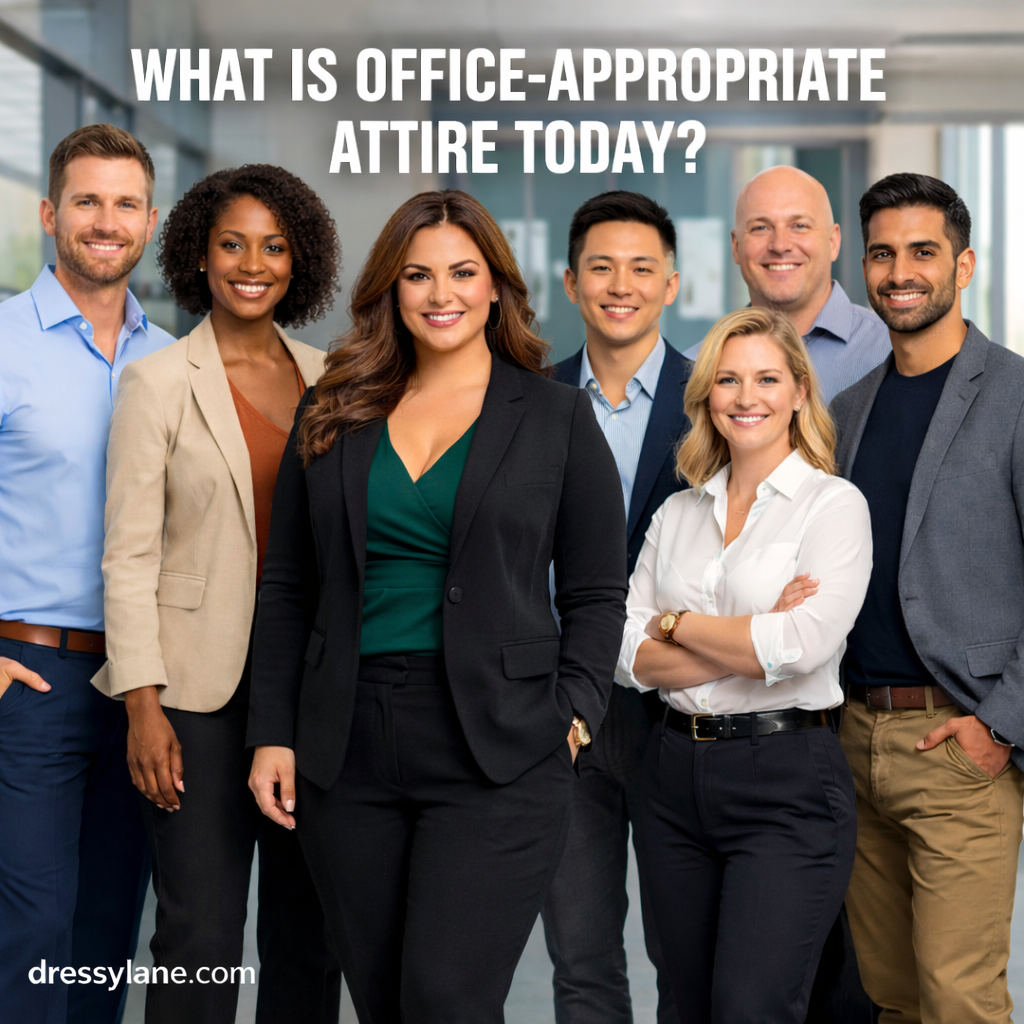
Office-appropriate attire has changed dramatically over the past decade. Once defined by rigid dress codes and unspoken rules, modern workplace fashion is now shaped by flexibility, comfort, company culture, and hybrid work environments. Knowing what’s appropriate today means understanding context—not just following old-school guidelines.
This guide breaks down what office-appropriate attire looks like in today’s workplaces, how expectations vary by industry, and how both men and women can dress professionally while staying comfortable and authentic.
What “Office-Appropriate” Means in Today’s Workplace
Office-appropriate attire today is less about strict uniforms and more about balance. Most employers now focus on whether your appearance is clean, professional, and aligned with your role rather than whether you’re wearing a specific item like a tie or heels.
In general, office-appropriate attire should:
- Look neat, clean, and intentional
- Fit well without being too tight or too loose
- Match your company’s culture and client-facing expectations
- Allow you to move comfortably throughout the workday
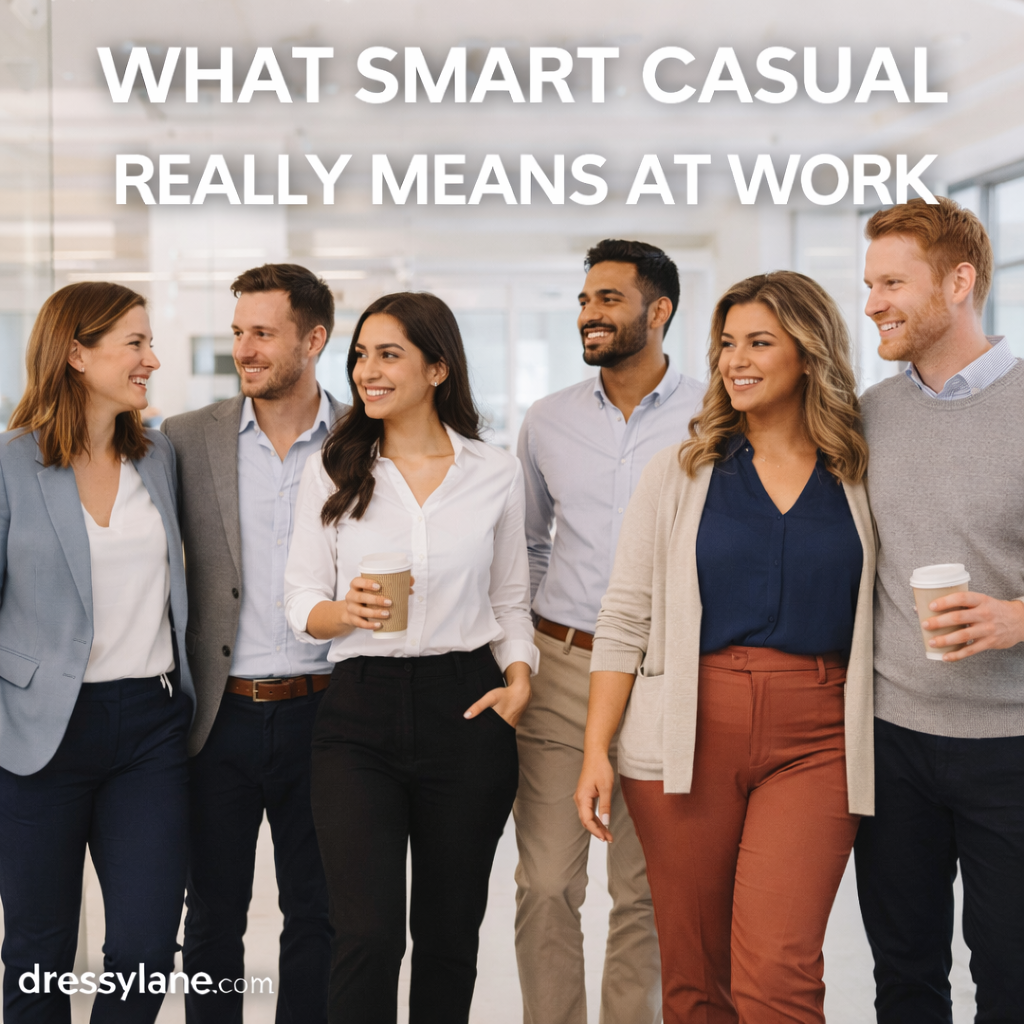
Many workplaces fall somewhere between traditional business attire and casual wear, often described as business casual or smart casual.
How Office Dress Codes Have Evolved
Several shifts have reshaped workplace attire expectations:
- Remote and hybrid work normalized casual clothing
- Tech and creative industries influenced mainstream office culture
- A stronger emphasis on inclusivity and personal expression
- Greater awareness of comfort, mental health, and practicality
As a result, what you wear to the office today often depends more on your environment than on universal rules.
Common Office Dress Code Categories Today
Understanding where your workplace fits can help you choose appropriate outfits confidently.
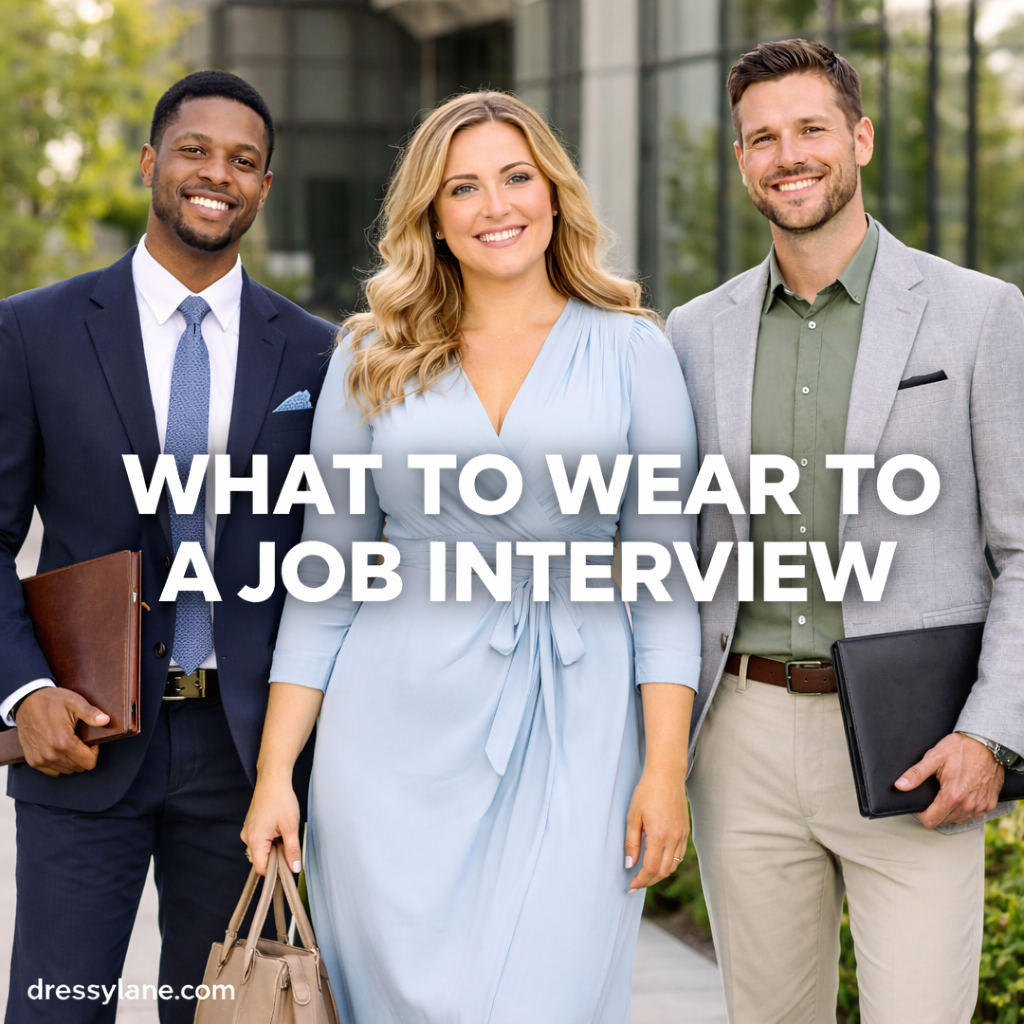
Business Professional
Still common in law, finance, and executive environments.
- Tailored suits
- Dress shirts or blouses
- Polished shoes
- Minimal accessories
Business Casual
The most common modern office standard.
- Slacks, chinos, or skirts
- Button-down shirts, blouses, or sweaters
- Blazers optional
- Closed-toe shoes or clean, professional flats
Smart Casual
Popular in startups and creative roles.
- Well-fitted jeans or casual trousers
- Elevated tops (knits, collared shirts, stylish blouses)
- Clean sneakers, loafers, or ankle boots
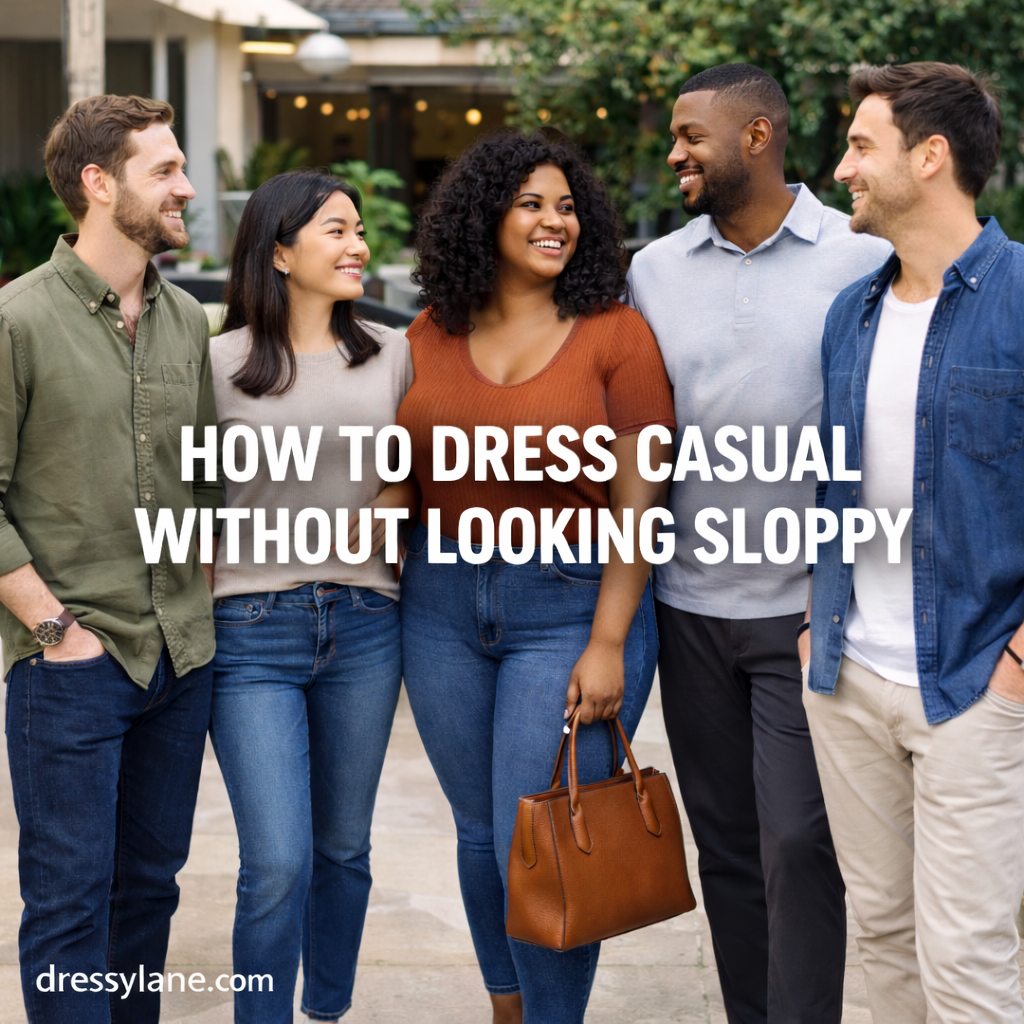
Casual with Boundaries
Some offices allow very relaxed dress but still expect professionalism.
- Jeans and casual tops are acceptable
- Graphic tees, ripped clothing, or flip-flops usually are not
- Presentation still matters for meetings or clients
Office-Appropriate Attire for Men
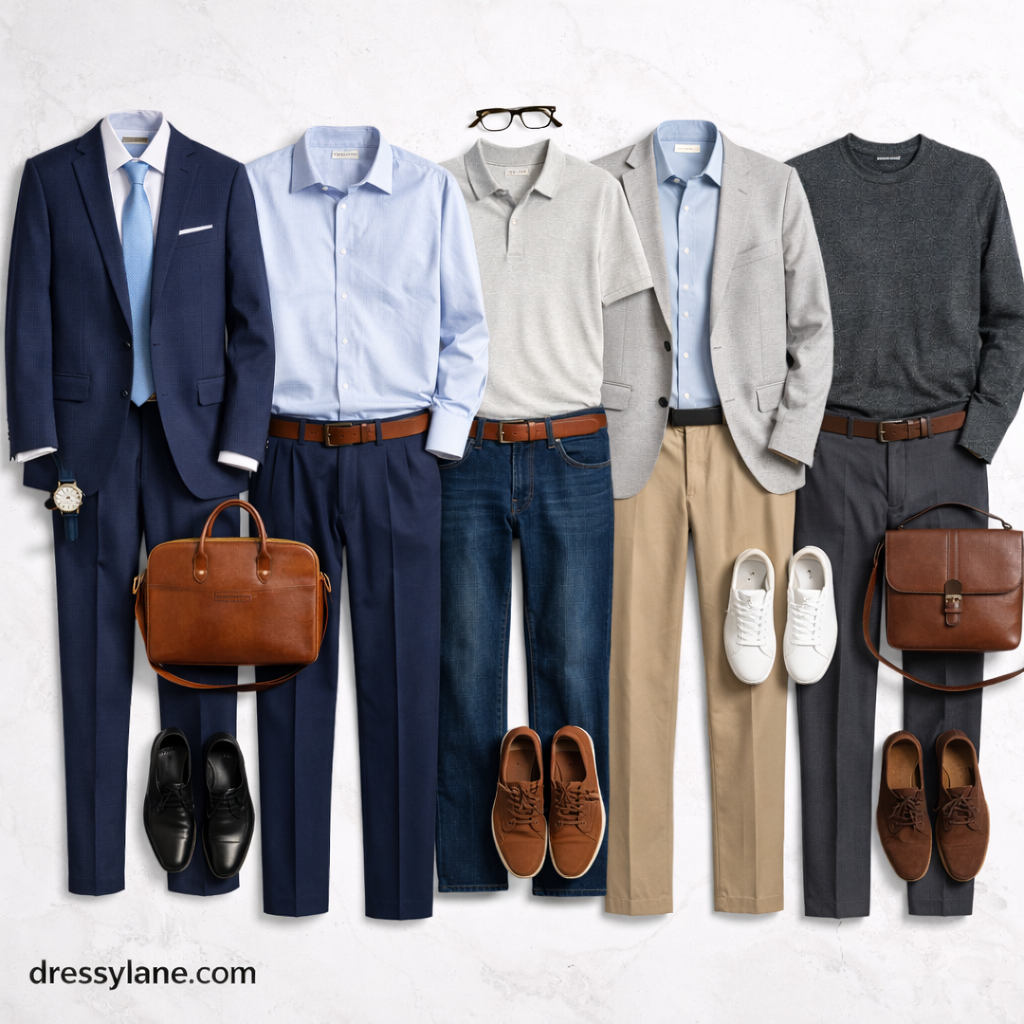
Modern office wear for men emphasizes clean lines, fit, and versatility rather than formality alone.
Men’s Tops
- Button-down shirts (solid colors or subtle patterns)
- Polo shirts in business-casual offices
- Lightweight sweaters or pullovers
- Blazers for meetings or presentations
Men’s Bottoms
- Dress pants or chinos
- Dark, well-fitted jeans in casual offices
- Avoid distressed or overly tight styles
Men’s Shoes
- Loafers, oxfords, or derbies
- Clean leather or minimalist sneakers (if allowed)
- Avoid athletic shoes unless explicitly permitted
Grooming and Fit
- Well-groomed hair and facial hair
- Clothes should be pressed and properly sized
- Neutral colors create a polished look
Office-Appropriate Attire for Women
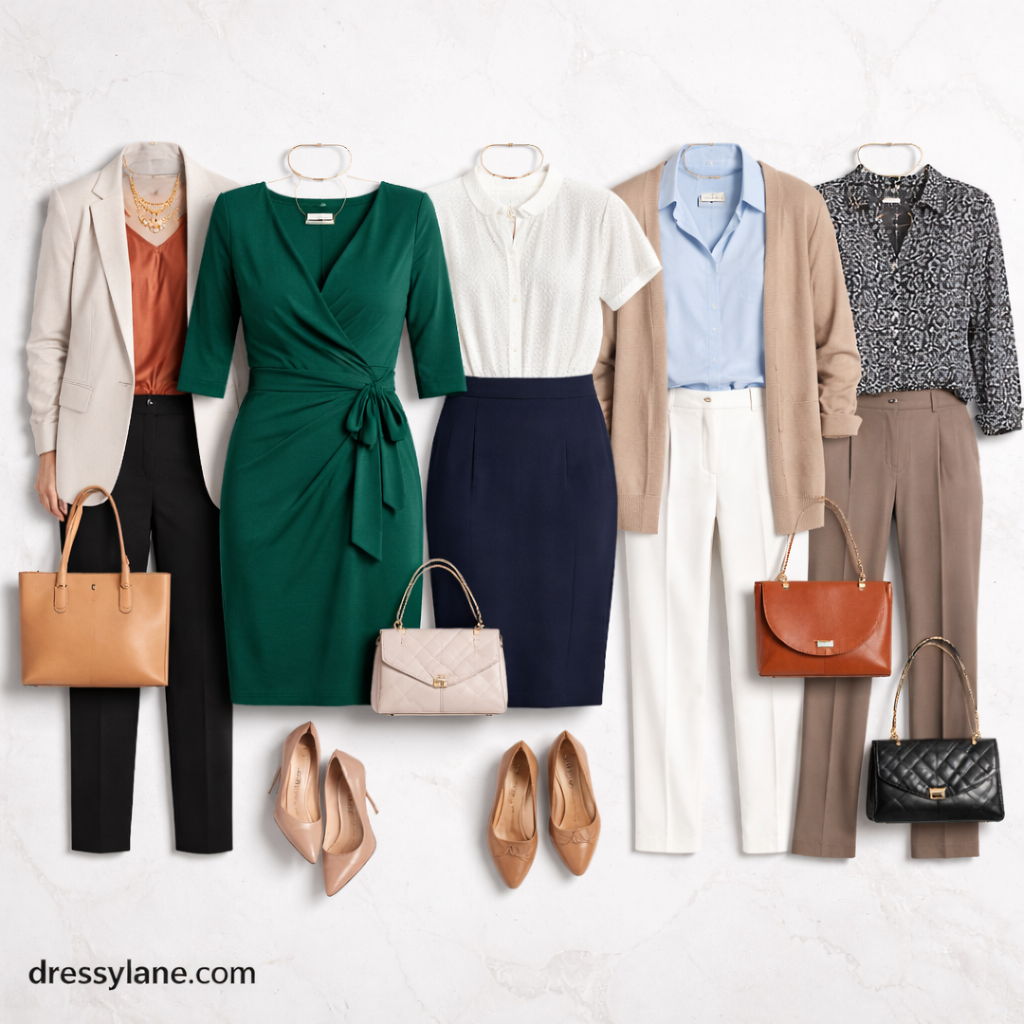
Office attire for women today allows more flexibility while still maintaining professionalism.
Women’s Tops
- Blouses, structured tops, or fine-knit sweaters
- Sleeveless tops may be acceptable with appropriate coverage
- Avoid overly sheer or low-cut styles
Women’s Bottoms
- Slacks, tailored trousers, or midi skirts
- Dresses that fall at or near the knee
- Dark, clean jeans in business-casual settings
Women’s Shoes
- Flats, loafers, ankle boots, or low heels
- Clean, closed-toe shoes are usually safest
- Comfort is increasingly accepted and encouraged
Styling Tips
- Layering with cardigans or blazers adds professionalism
- Accessories should enhance, not distract
- Fit and comfort matter as much as style
What Is Generally Not Office-Appropriate
Even in relaxed offices, certain items are still widely considered inappropriate:
- Ripped or heavily distressed clothing
- Flip-flops or beach sandals
- Clothing with offensive graphics or slogans
- Extremely tight, revealing, or see-through outfits
- Wrinkled or unkempt clothing
When in doubt, it’s better to be slightly overdressed than underdressed.
How to Dress for Hybrid and Remote Workdays
Work-from-home culture has influenced office attire, but expectations still shift for in-person days.
For hybrid offices:
- Dress more polished on in-office days
- Keep a “meeting-ready” layer nearby
- Avoid wearing items that feel too close to loungewear
For video calls:
- Focus on clean, professional tops
- Neutral colors work best on camera
- Maintain grooming even if you’re dressed casually below the waist
Dressing for Success Without Overthinking It
Office-appropriate attire today is about intentional choices rather than strict rules. A simple formula works well:
- Clean and well-fitted clothes
- Professional silhouettes
- Shoes and accessories that match the setting
- Confidence in how you present yourself
If you’re new to a workplace, observe what leaders and respected colleagues wear, then aim slightly more polished until you understand the culture.
Final Thoughts
Office-appropriate attire today reflects a more human, flexible approach to work. Professionalism is no longer defined by rigid dress codes but by effort, awareness, and respect for the workplace environment. Whether your office leans formal or casual, dressing appropriately helps you feel confident, capable, and ready to perform at your best.