
Workdays often involve temperature shifts—cool mornings, warm afternoons, air-conditioned offices, and changing outdoor conditions. Dressing for seasonal comfort at work helps you stay focused, productive, and comfortable without constantly adjusting your outfit.
This guide explains how to dress for seasonal comfort at work with smart layering strategies, fabric choices, and outfit planning tips, plus dedicated advice for both men and women.
Why Seasonal Comfort Matters at Work
Uncomfortable clothing can quietly drain energy throughout the day.
Seasonal discomfort often comes from:
- Overheating indoors
- Feeling cold in air-conditioned spaces
- Wearing fabrics that don’t breathe
- Dressing for outdoors but not the office
Comfortable clothing supports concentration and confidence.
Build Outfits Around Flexible Layers
Layering is the foundation of seasonal comfort at work.
Effective work layering system:
- Base layer: breathable and lightweight
- Mid layer: light insulation or structure
- Outer layer: protection for commuting or outdoor exposure
Layers let you adapt without changing your entire outfit.
Choose Fabrics That Adjust With the Season
Fabric selection plays a major role in temperature regulation.
Season-friendly fabric choices:
- Cotton blends for breathability
- Lightweight wool for temperature balance
- Linen for warm months
- Soft knits and ponte fabrics for cooler seasons
Avoid heavy or non-breathable materials that trap heat.
Dressing for Seasonal Comfort in Spring
Spring often brings unpredictable temperatures.
Spring workwear tips:
- Wear lightweight jackets or blazers
- Choose breathable long sleeves
- Layer thin sweaters over shirts
- Avoid heavy fabrics
Flexibility is key during transitional seasons.
Dressing for Seasonal Comfort in Summer
Summer comfort focuses on airflow and moisture control.
Summer workwear tips:
- Choose lightweight, breathable fabrics
- Opt for relaxed silhouettes
- Stick to lighter colors
- Use layers sparingly for indoor cooling
Balance professionalism with heat management.
Dressing for Seasonal Comfort in Fall
Fall is ideal for layering and texture.
Fall workwear tips:
- Combine long sleeves with light sweaters
- Use structured layers like blazers
- Choose fabrics that retain warmth without bulk
- Prepare for cooler mornings
Fall layers add both comfort and style.
Dressing for Seasonal Comfort in Winter
Winter dressing requires warmth without restriction.
Winter workwear tips:
- Use thermal or wool base layers
- Layer with insulating mid layers
- Choose weather-appropriate outerwear
- Focus on fitted layers to avoid bulk
Warmth should never limit mobility.
Seasonal Comfort Tips for Women at Work
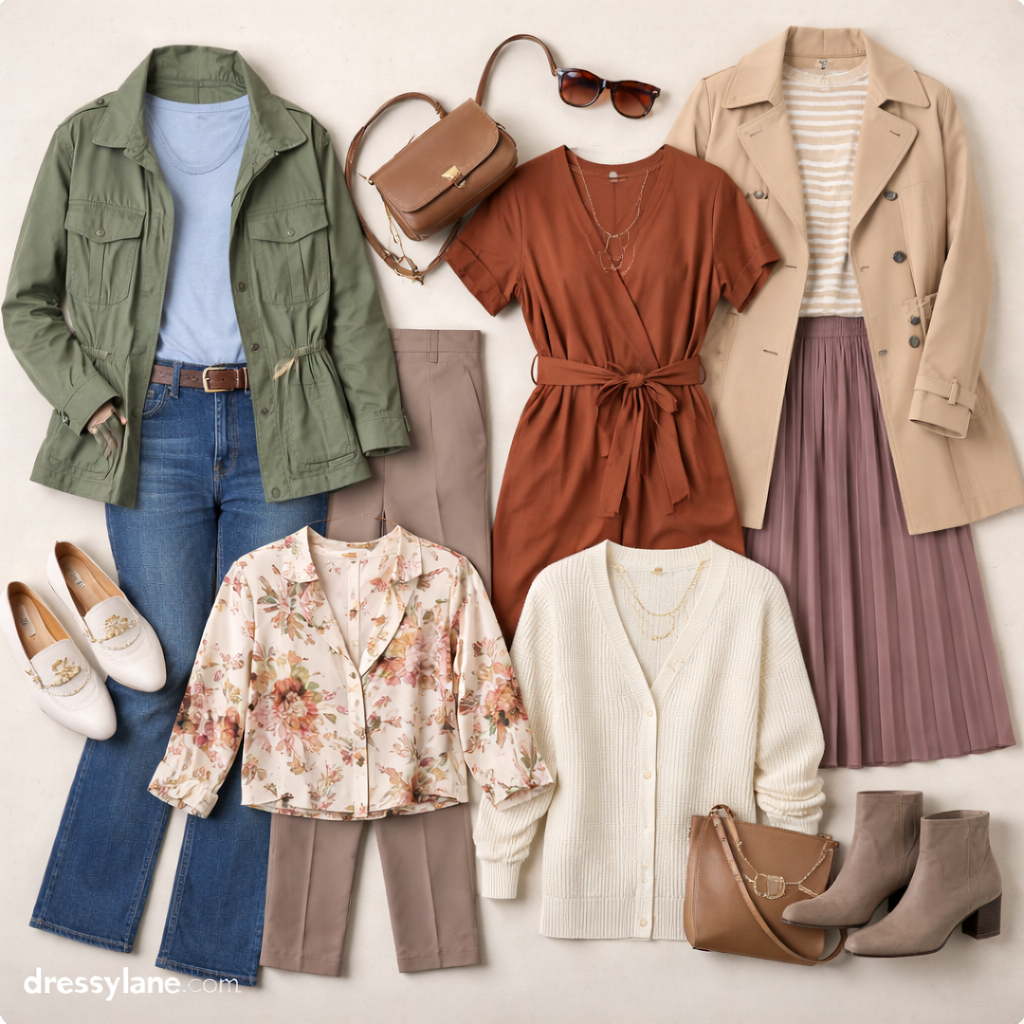
Women’s workwear offers many layering and fabric options.
Comfort-focused tips for women:
- Choose flexible waistbands or stretch fabrics
- Use layers instead of tight garments
- Opt for breathable blouses and knits
- Wear comfortable, supportive shoes
Comfortable clothing helps you stay focused all day.
Seasonal Comfort Tips for Men at Work
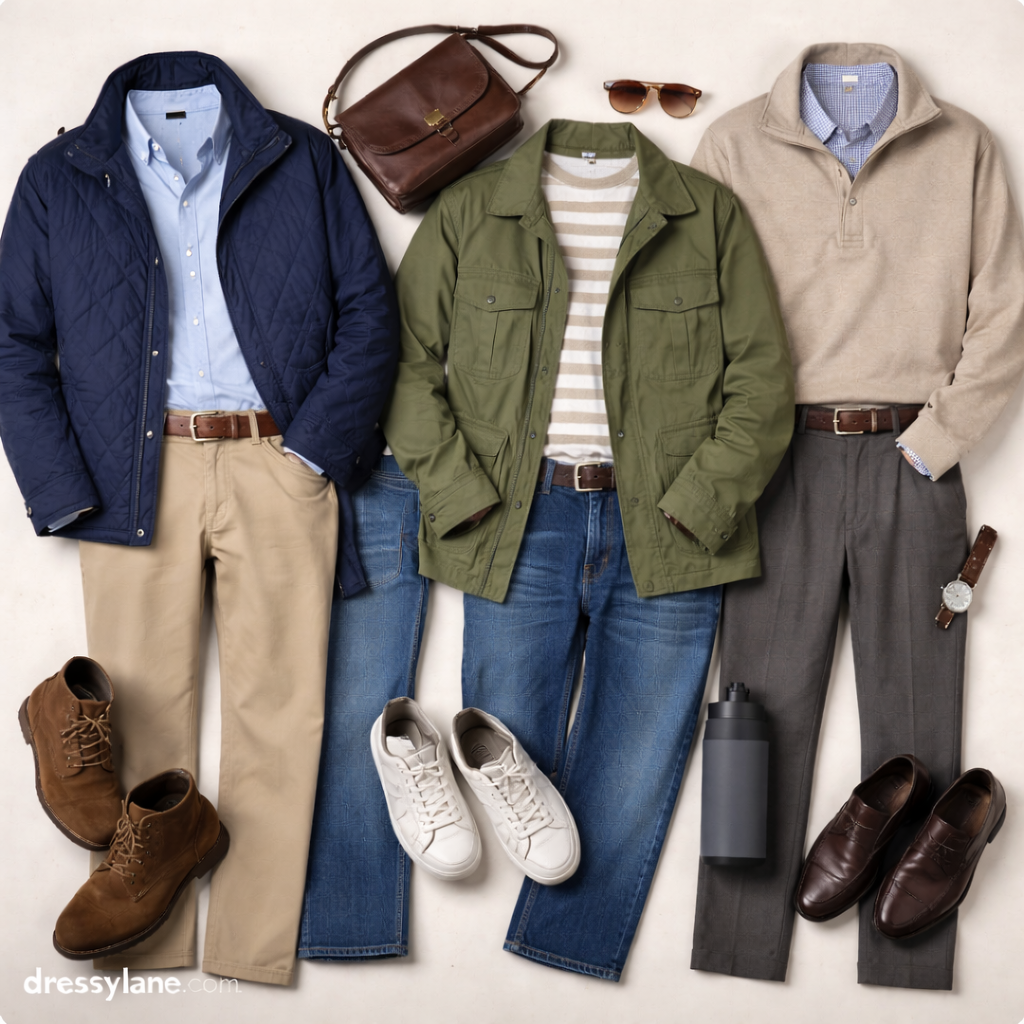
Men’s comfort often comes from fit and fabric choices.
Comfort-focused tips for men:
- Choose breathable shirts and knits
- Look for stretch in trousers and jackets
- Layer with lightweight sweaters or vests
- Select shoes appropriate for the season
Small adjustments make a big difference.
Manage Office Temperature Changes
Office environments vary widely.
Helpful strategies:
- Keep a layer at your desk
- Choose outfits that work with or without layers
- Avoid fabrics that show sweat easily
Preparedness reduces discomfort.
Common Seasonal Dressing Mistakes
Avoiding a few mistakes improves comfort instantly.
Common mistakes:
- Dressing too heavily year-round
- Ignoring indoor climate
- Wearing stiff, non-breathable fabrics
- Over-layering without flexibility
Intentional choices create balance.
Final Thoughts
Dressing for seasonal comfort at work is about adaptability. With breathable fabrics, thoughtful layering, and season-aware outfit planning, you can stay comfortable and professional throughout the year.
When your clothing supports comfort, your workday feels easier—and your focus stays where it belongs.