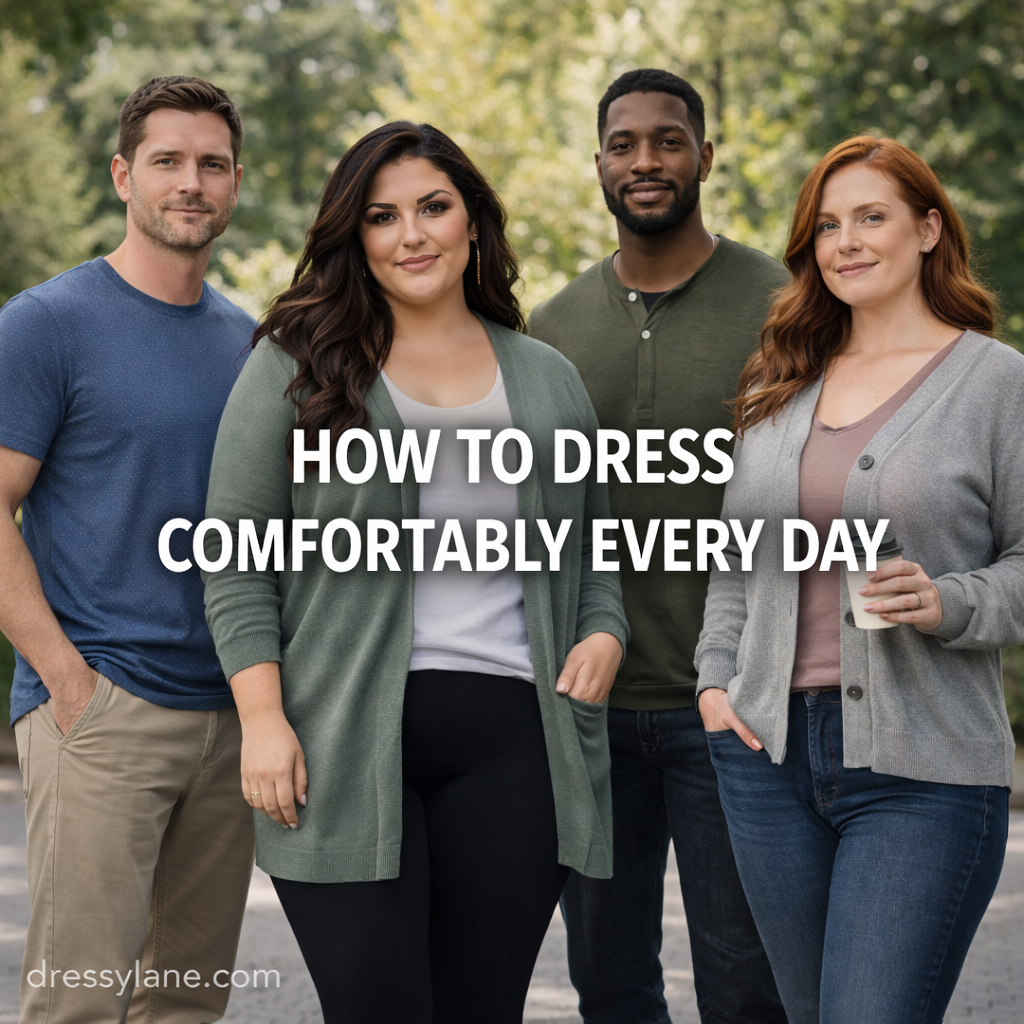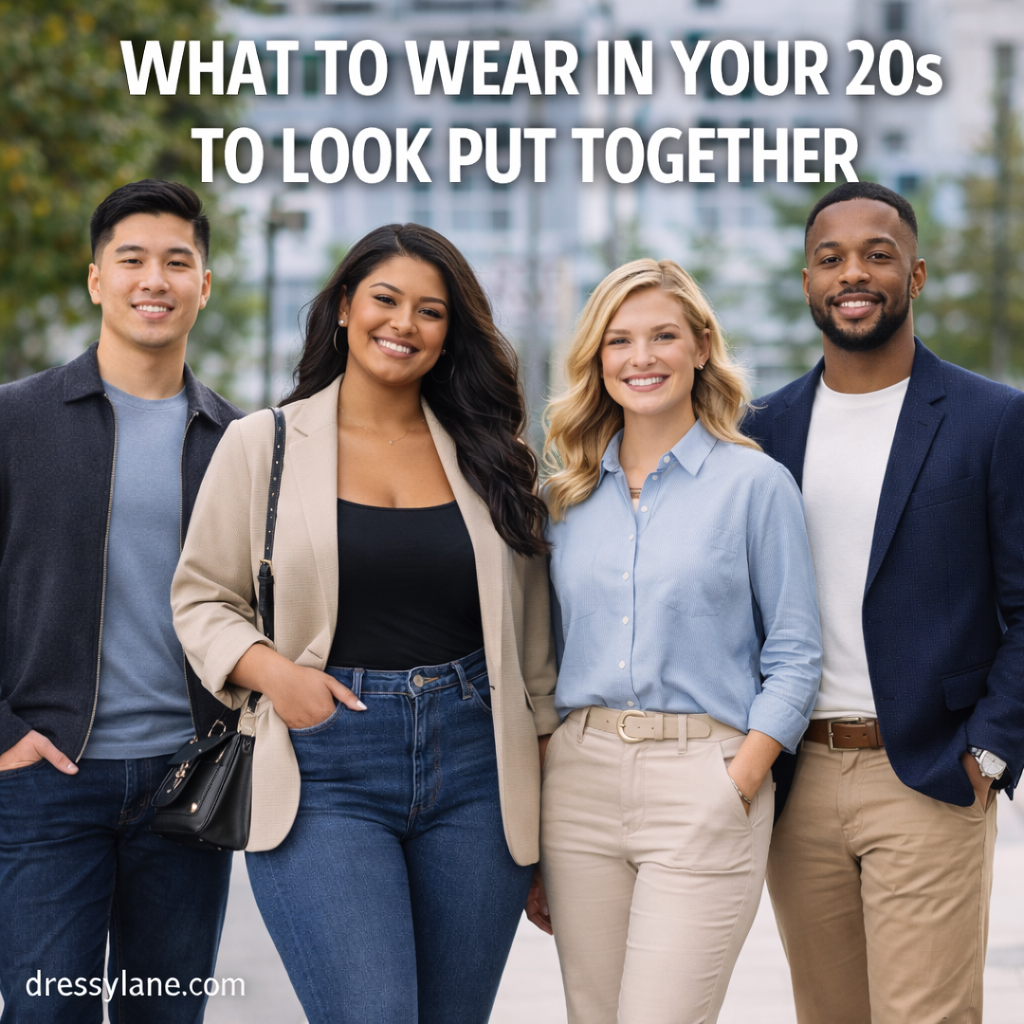
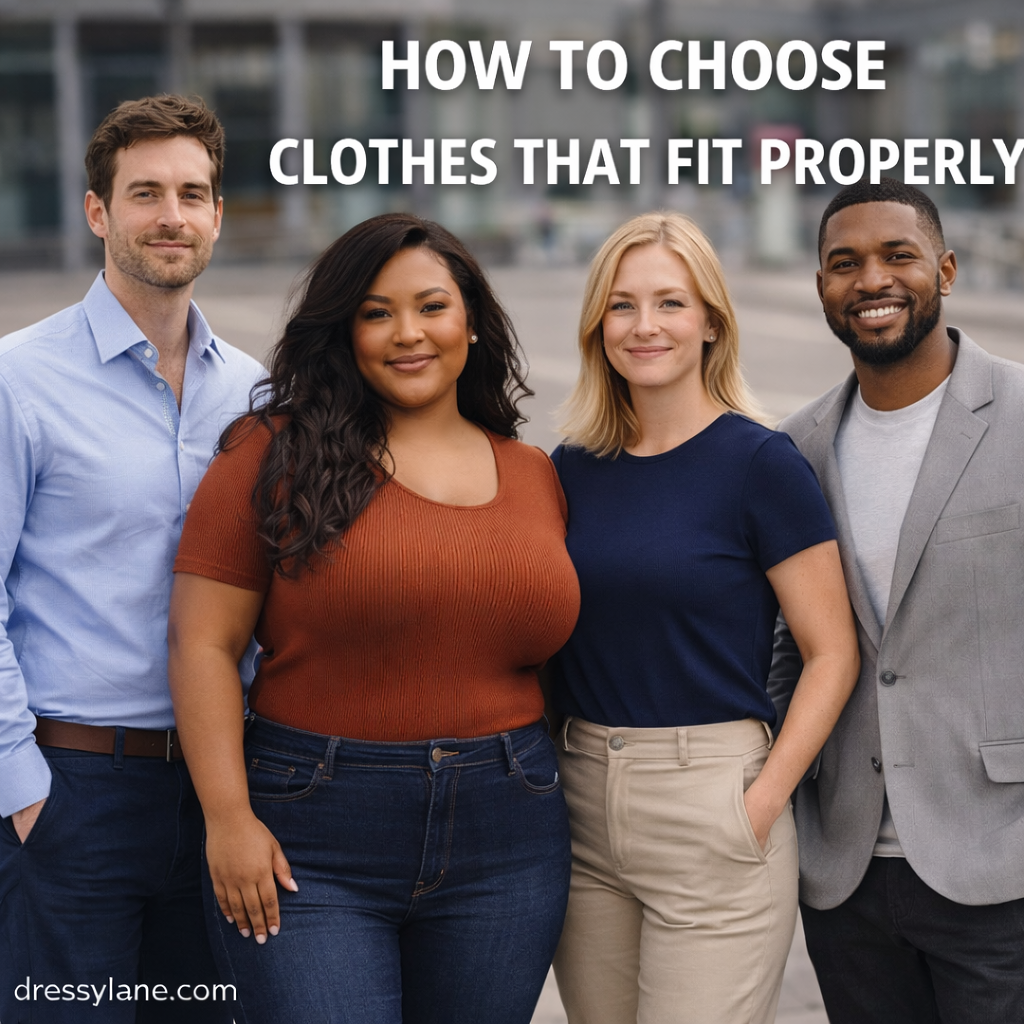
Wearing clothes that fit properly is one of the most important elements of looking well-dressed—no matter your budget, body type, or personal style. Well-fitting clothes instantly look more polished, feel more comfortable, and boost confidence. On the other hand, even expensive clothing can look sloppy if the fit is off.
This guide explains how to choose clothes that fit properly, with practical tips and clear guidance for both men and women.
Why Proper Fit Matters More Than Trends
Fit determines how clothing looks on your body far more than brand names or current trends.
Benefits of proper fit:
- Creates a clean, intentional silhouette
- Enhances comfort and movement
- Makes outfits look more expensive
- Improves posture and confidence
- Reduces the need for constant adjustments
Clothes should work with your body—not fight against it.
Understand Your Body Measurements
Knowing your basic measurements helps you shop smarter and avoid common fit mistakes.
Key measurements to know:
- Chest or bust
- Waist
- Hips
- Inseam
- Shoulder width
- Sleeve length
You don’t need exact tailoring measurements, but having a general idea makes sizing more consistent across brands.
General Fit Rules Everyone Should Follow
Regardless of gender or style preference, these rules apply universally.
Proper fit basics:
- Clothes should skim the body, not cling or hang loosely
- Seams should sit where they’re designed to sit
- You should be able to move comfortably
- Excess fabric usually means the item is too large
- Pulling, gaping, or tightness usually means it’s too small
If something feels uncomfortable while standing still, it won’t improve with movement.
Pay Attention to Shoulders and Length
Shoulders and length are two of the most noticeable fit areas.
Shoulder fit:
- Seams should sit at the edge of your shoulders
- Drooping seams indicate the item is too large
- Tightness across the shoulders means it’s too small
Length fit:
- Tops should hit naturally at the waist or hip
- Pants should break cleanly at the shoe
- Sleeves should end at the wrist bone
- Jackets should cover the waistband without extending too far
These areas are harder to tailor, so prioritize getting them right from the start.
How to Choose Clothes That Fit Properly: Women
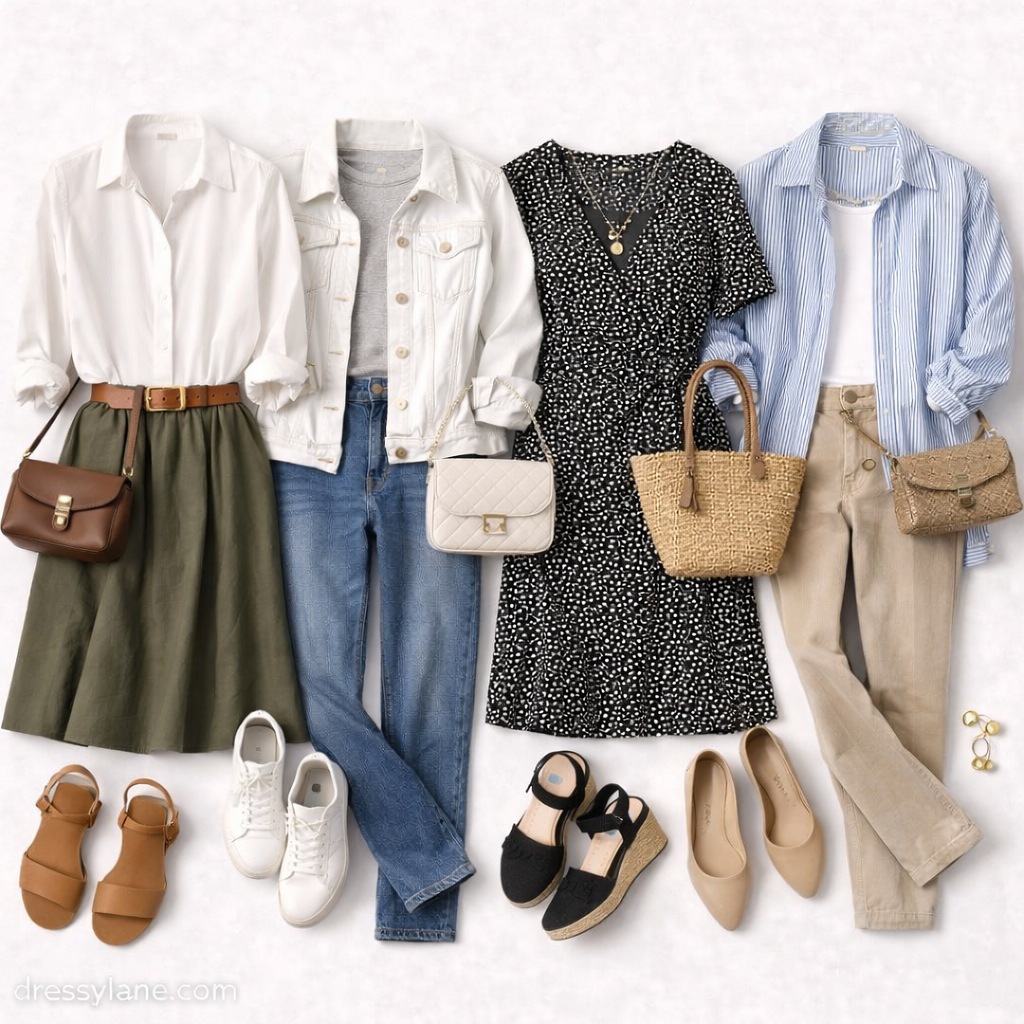
Women’s clothing varies widely in cut and sizing, making fit especially important.
Women’s fit tips:
- Choose pieces that follow your natural shape
- Avoid sizing up just for comfort—look for better cuts instead
- Check bust and hip fit before waist fit
- Ensure dresses and tops don’t pull across the chest
- Make sure waistbands sit comfortably without digging in
Common women’s fit mistakes:
- Wearing tops that gape at the buttons
- Choosing pants that slide down or pinch
- Wearing dresses that ride up when walking
A good fit should feel supportive, not restrictive.
How to Choose Clothes That Fit Properly: Men
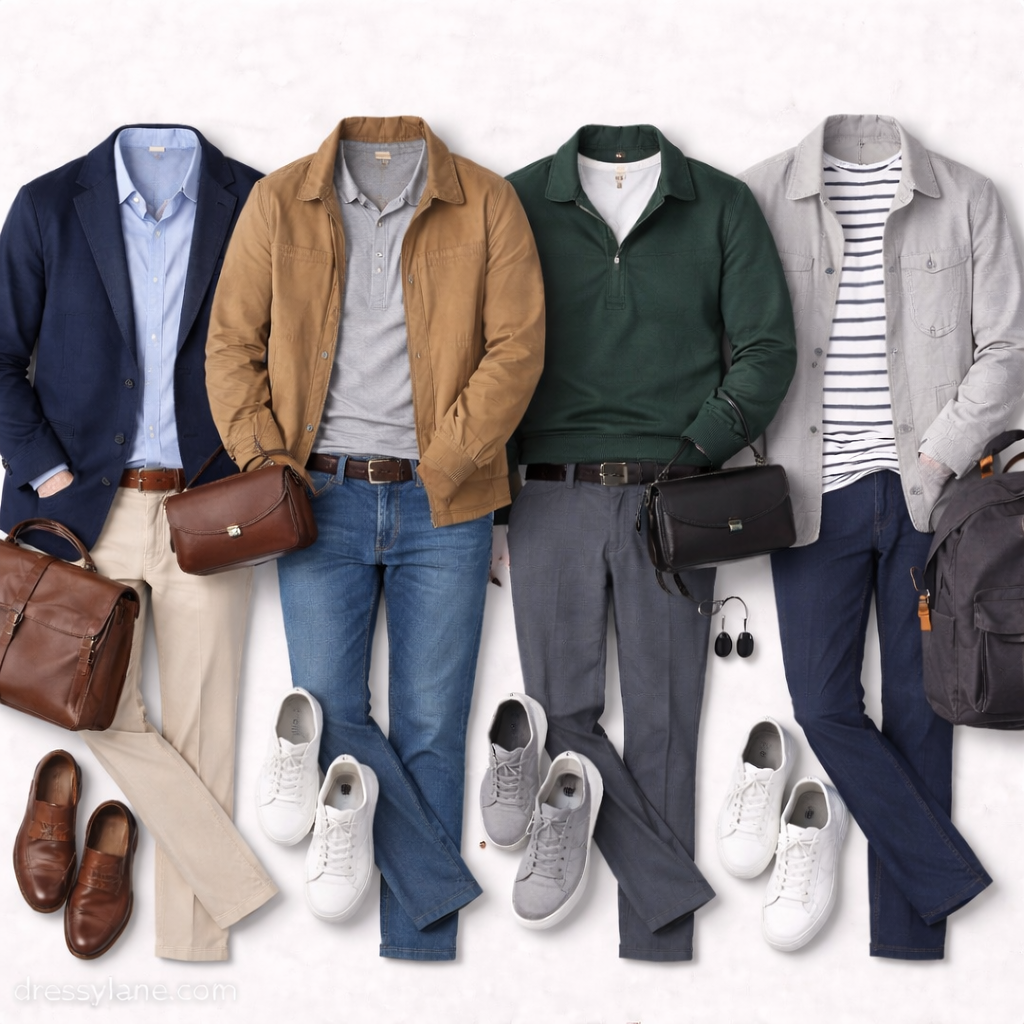
Men’s clothing relies heavily on structure and proportions.
Men’s fit tips:
- Shirts should lightly taper at the waist
- Pants should sit comfortably at the waist without a belt doing all the work
- Sleeves should not bunch or hang past the hand
- Jackets should button without pulling or gaping
Common men’s fit mistakes:
- Wearing overly baggy shirts
- Pants that bunch excessively at the ankles
- Jackets that feel tight when buttoned
A clean, tailored fit always looks sharper than oversized clothing.
Fabric and Stretch Matter for Fit
Fabric choice affects how clothing fits and feels throughout the day.
Fit-friendly fabrics:
- Stretch blends
- Knits
- Soft woven fabrics
- Breathable materials
Rigid fabrics may look good initially but feel uncomfortable with movement. A small amount of stretch can dramatically improve fit.
Don’t Ignore Tailoring
Tailoring is one of the most effective ways to achieve proper fit.
Items worth tailoring:
- Pants length
- Waist adjustments
- Jacket sleeves
- Dress hems
Even small alterations can transform an average outfit into a great one.
How Clothes Should Feel When They Fit Properly
Fit isn’t just visual—it’s physical.
Well-fitting clothes should:
- Allow natural movement
- Stay in place without constant adjusting
- Feel comfortable when sitting, walking, and standing
- Look consistent from different angles
If you’re constantly tugging or shifting, the fit isn’t right.
Common Fit Mistakes to Avoid
Avoiding these mistakes improves your overall style instantly.
Mistakes to avoid:
- Buying clothes just because they’re on sale
- Ignoring fit for the sake of trends
- Assuming all brands size the same
- Settling for “almost fits”
- Wearing clothes meant for a different body shape
Fit should always come before fashion trends.
Final Thoughts
Choosing clothes that fit properly is the foundation of great style. When clothing fits well, everything else—colors, accessories, and personal style—falls into place more easily. Proper fit makes outfits feel intentional, comfortable, and confident.
Instead of chasing trends or overbuying, focus on finding clothes that work with your body. A smaller wardrobe of well-fitting pieces will always outperform a closet full of poorly fitting ones.