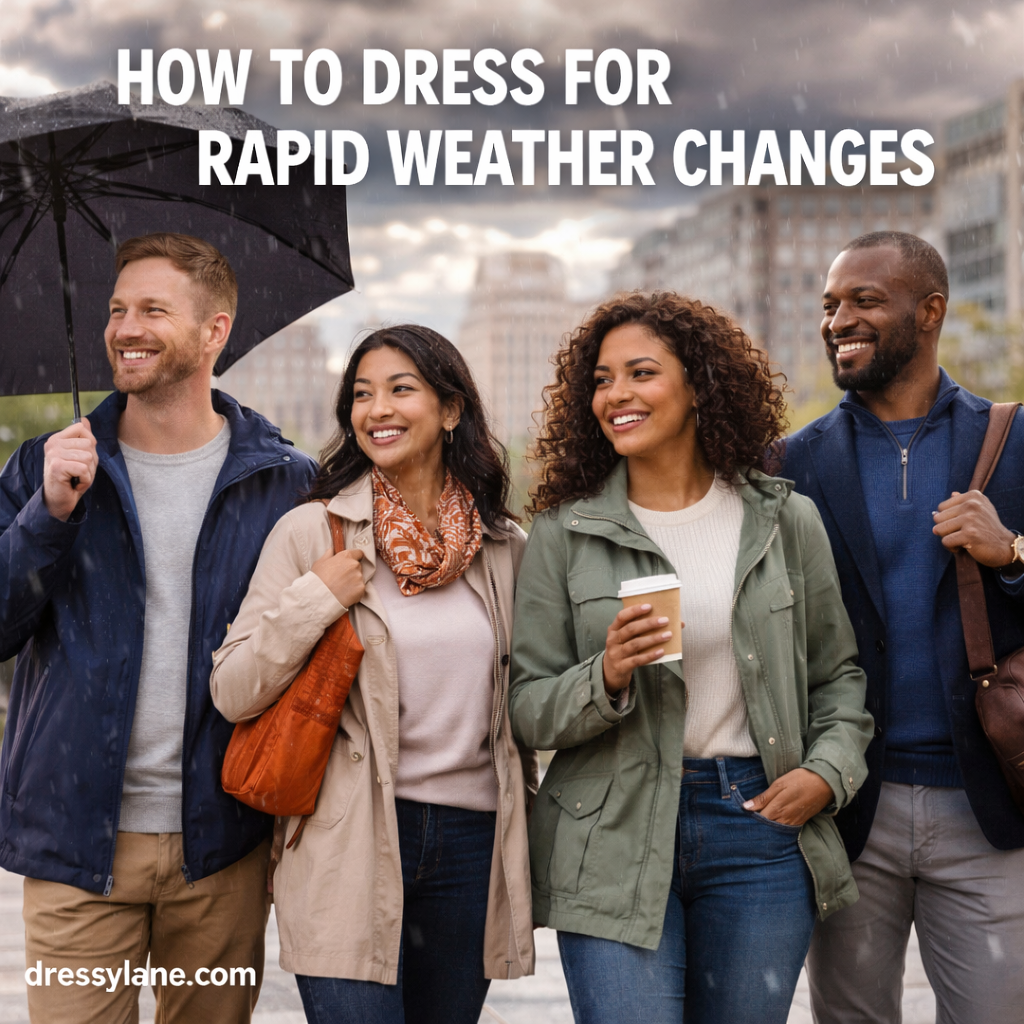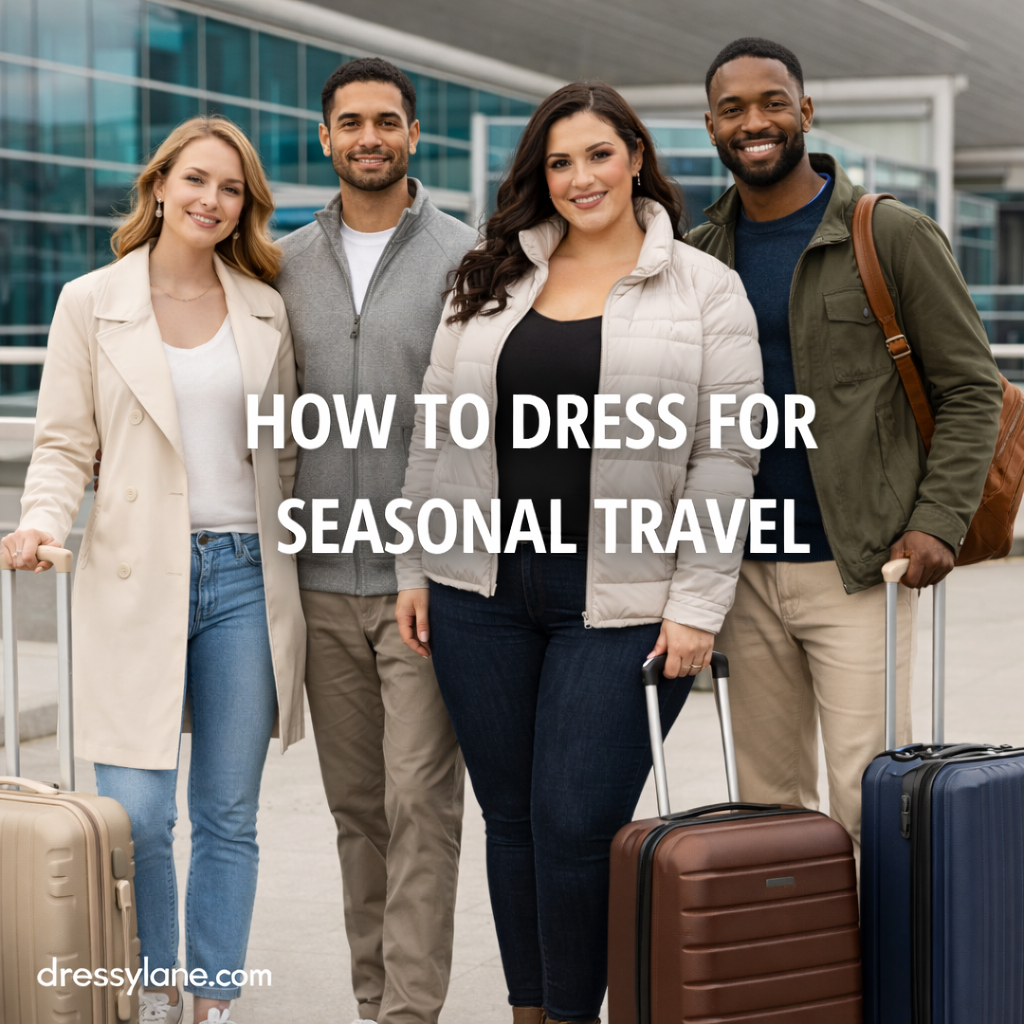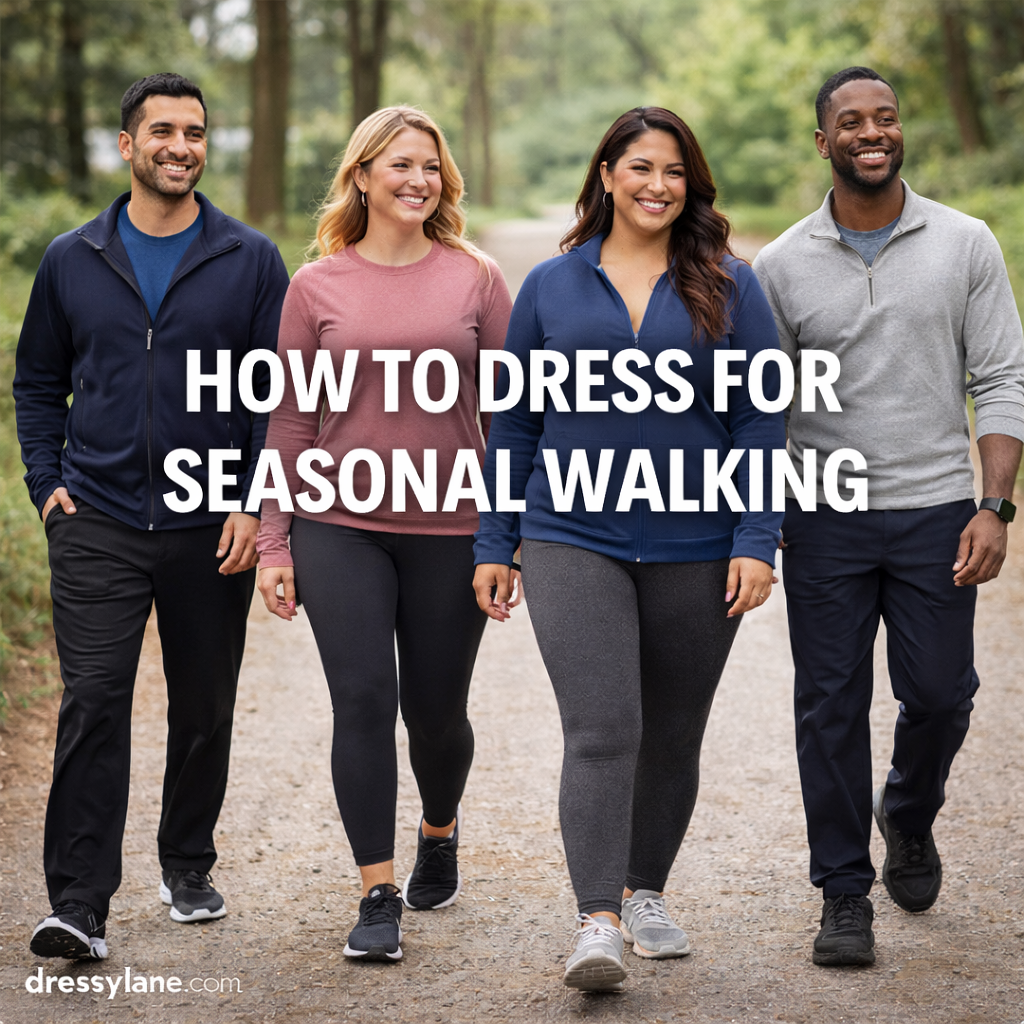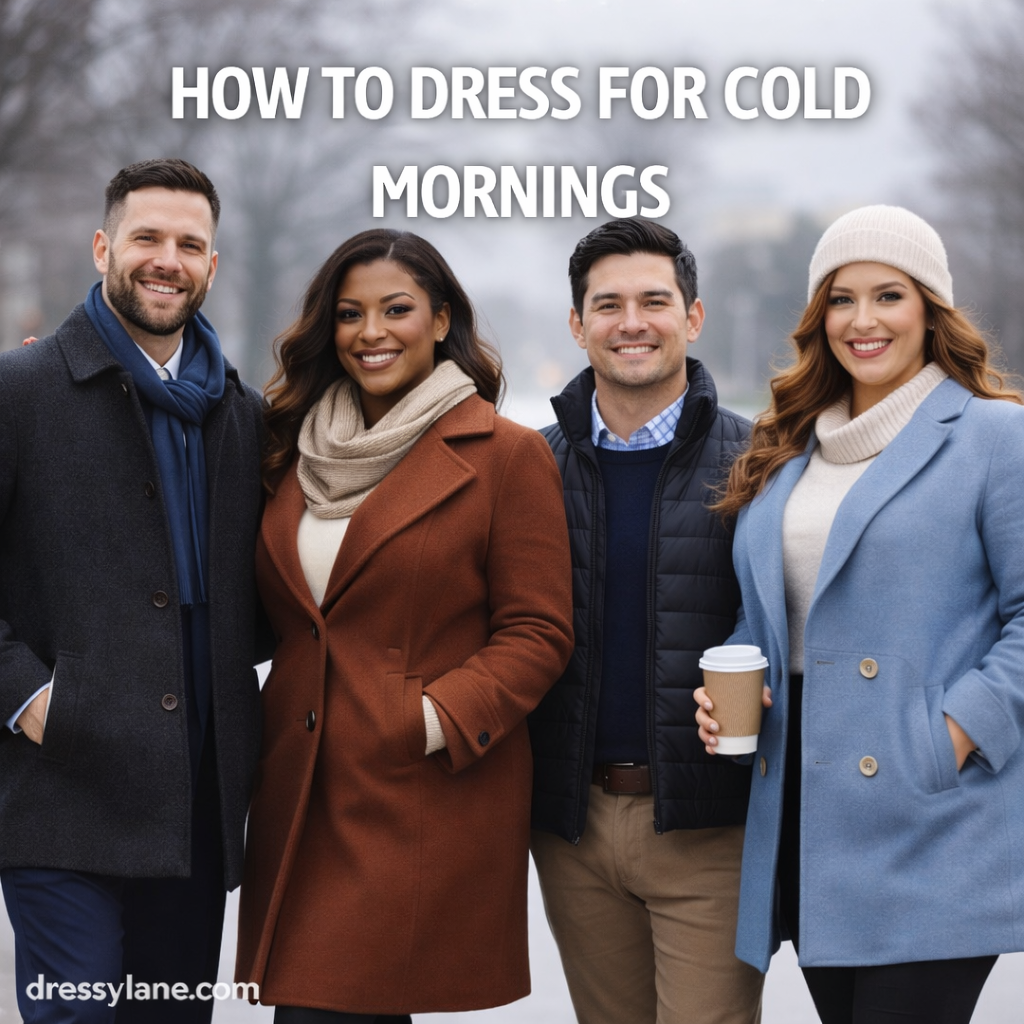
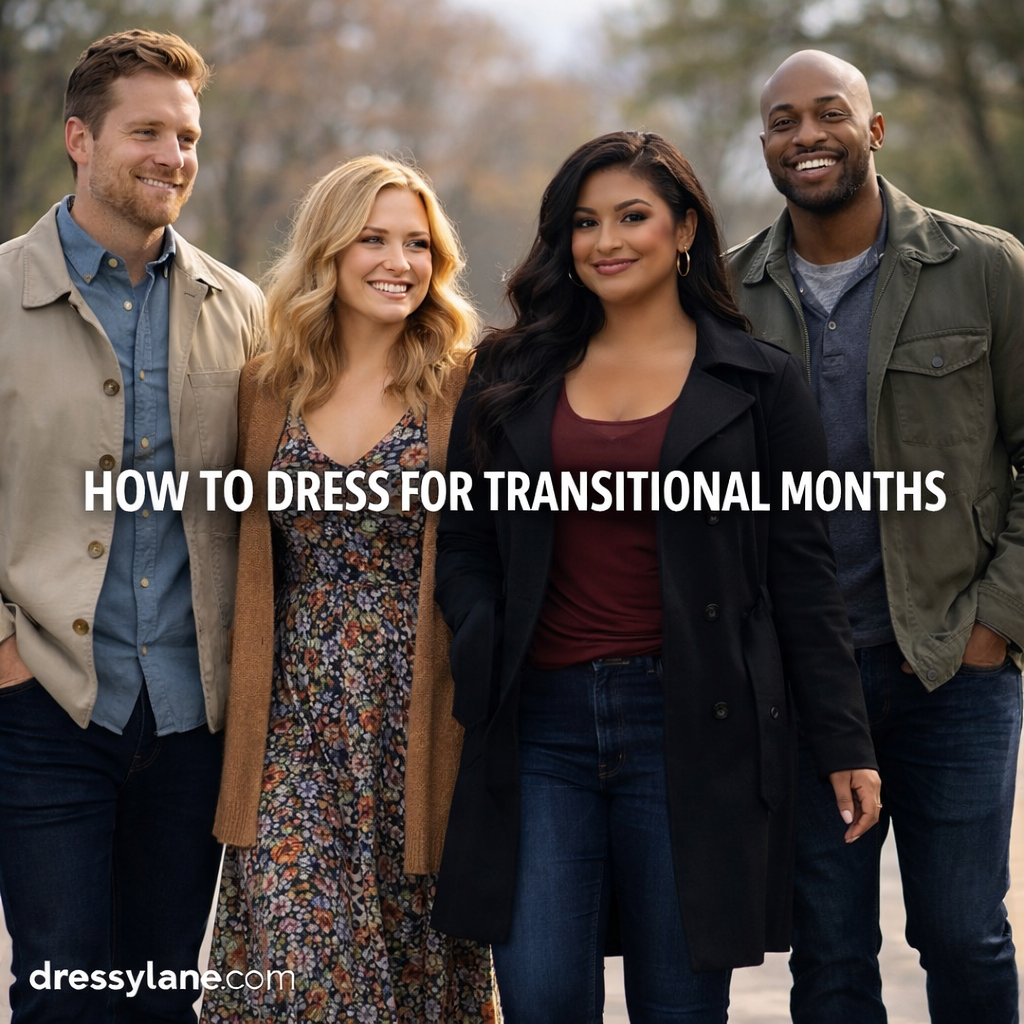
Transitional months — like early spring and fall — are some of the hardest times to get dressed. Mornings are cool, afternoons warm up, evenings drop again, and weather can change unexpectedly. Dressing for these in-between seasons requires flexibility, smart layering, and the right fabrics.
This guide explains how to dress for transitional months without constantly changing outfits. You’ll learn how to layer effectively, choose versatile pieces, and build outfits that work for both women and men as temperatures fluctuate.
What Makes Transitional Months Tricky
Transitional weather isn’t extreme — it’s unpredictable.
Common challenges include:
- Cold mornings and warm afternoons
- Sudden rain or wind
- Indoor temperature changes
- Needing outfits that work across multiple settings
- Wanting seasonal style without overheating or freezing
The goal is adaptability without bulk.
Focus on Smart Layering (Not Heavy Layers)
Layering is essential, but the key is using light, removable layers.
Best layering strategy:
- Start with a breathable base layer
- Add a mid-layer for warmth
- Finish with a lightweight outer layer
- Make sure layers look good together and separately
Avoid piling on thick pieces that are hard to remove or carry.
Choose Fabrics That Handle Temperature Swings
Fabric choice matters more during transitional months than any other time of year.
Best fabrics for in-between weather:
- Cotton blends
- Lightweight wool
- Merino wool
- Modal and viscose
- Soft denim
- Stretch twill
Fabrics to limit:
- Heavy synthetics that trap heat
- Thick knits meant for winter
- Ultra-thin summer fabrics with no insulation
Breathability keeps you comfortable as temperatures change.
Build a Transitional Capsule Wardrobe
Certain pieces work especially well during seasonal transitions.
Reliable transitional staples:
- Lightweight jackets
- Cardigans
- Unstructured blazers
- Long-sleeve tops
- Ankle-length pants
- Midi skirts
- Closed-toe shoes
These items mix easily and adapt to changing conditions.
What Women Should Wear During Transitional Months
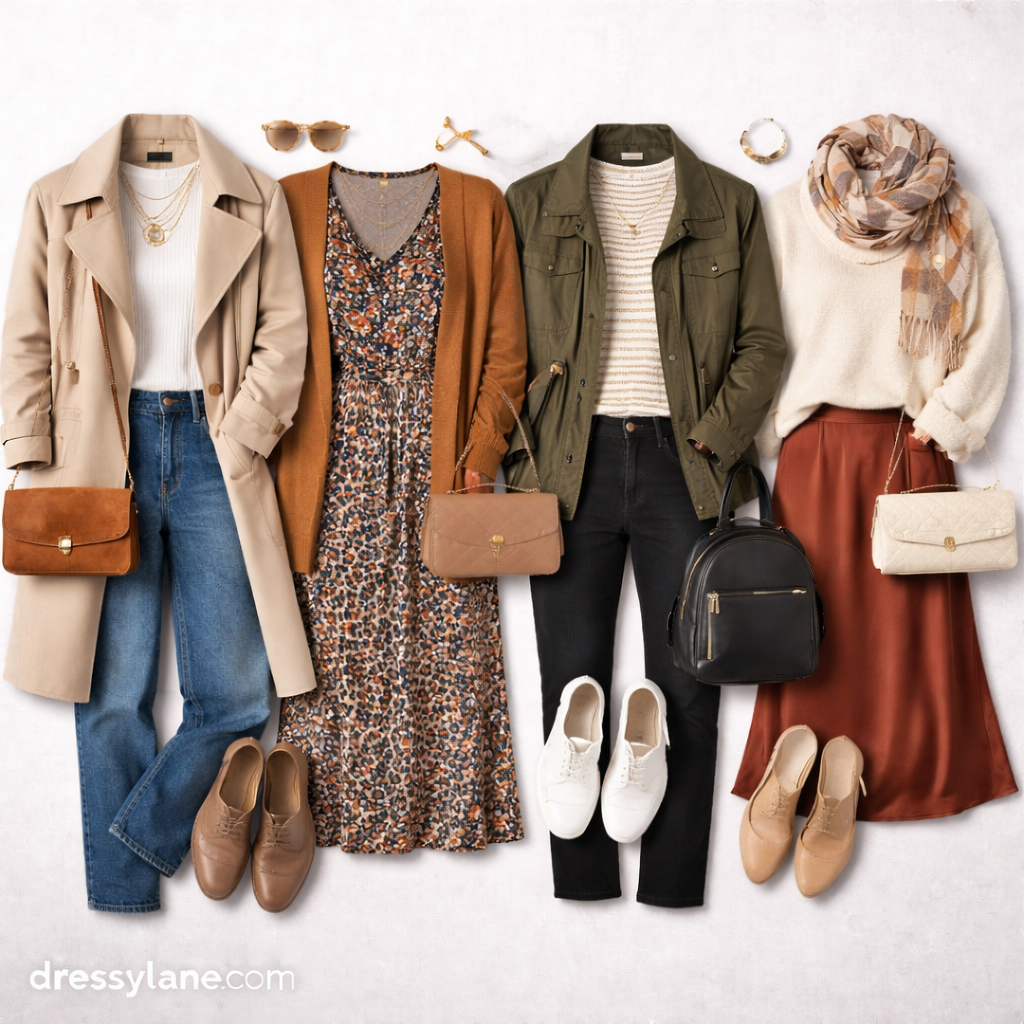
Women benefit from flexible silhouettes and layers that can be added or removed throughout the day.
Smart Outfit Ideas for Women
Practical, stylish options include:
- Midi dresses layered with cardigans or jackets
- Lightweight sweaters with trousers or skirts
- Long-sleeve tops with breathable pants
- Wrap dresses that work across temperatures
- Soft blazers instead of heavy coats
Transitional Footwear for Women
Shoes should balance coverage and breathability:
- Loafers
- Ballet flats
- Ankle boots
- Low block heels
- Closed-toe mules
Avoid sandals that feel too cold or boots that overheat.
What Men Should Wear During Transitional Months
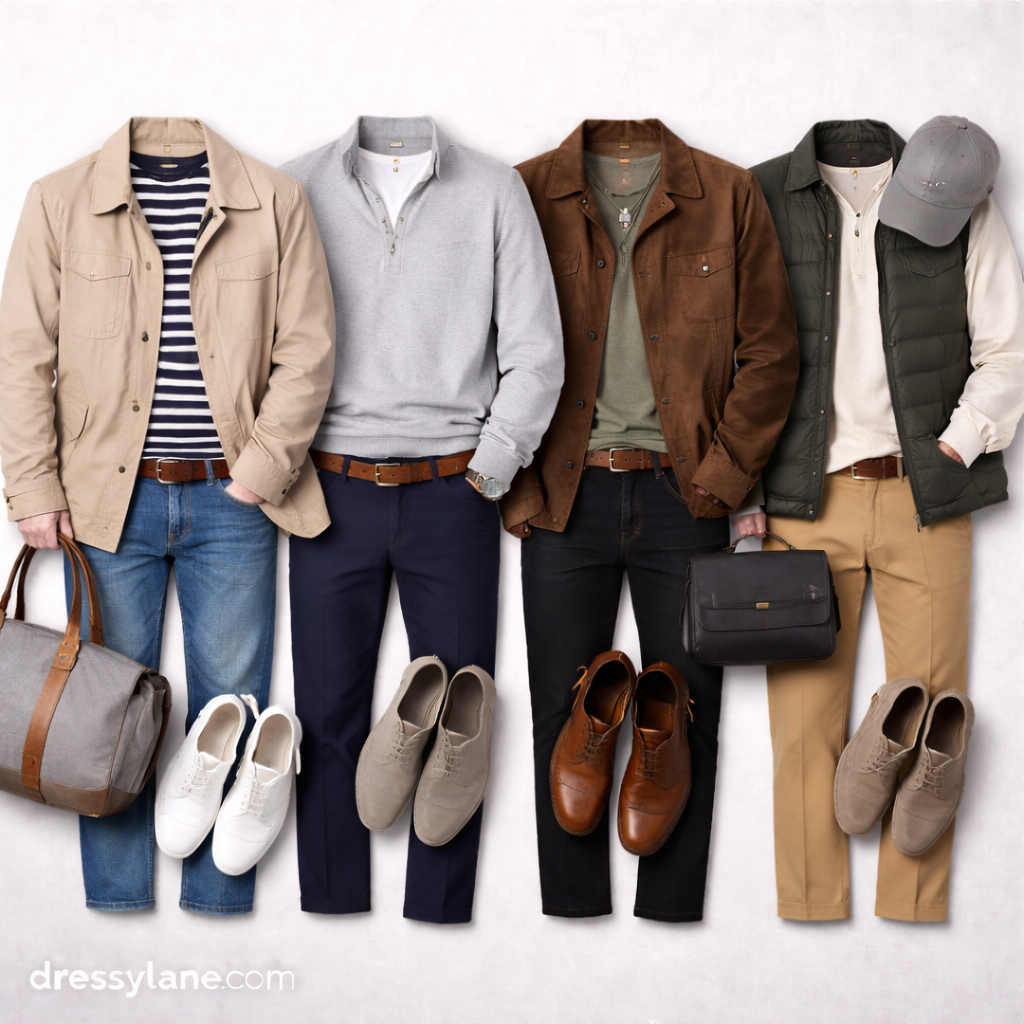
Men’s transitional outfits work best when built around layering and versatile fabrics.
Smart Outfit Ideas for Men
Comfortable, adaptable choices include:
- Long-sleeve button-down shirts
- Lightweight sweaters
- Overshirts or shackets
- Unstructured blazers
- Chinos or stretch trousers
These pieces layer easily and look polished without feeling heavy.
Transitional Footwear for Men
Footwear should handle mixed conditions:
- Loafers
- Leather sneakers
- Desert boots
- Lightweight dress shoes
Avoid heavy winter boots or ultra-breathable summer shoes.
Use Color to Bridge Seasons
Color plays a subtle role in transitional dressing.
Helpful color strategies:
- Combine light and dark tones
- Use neutral bases with seasonal accents
- Earth tones work well year-round
- Softer pastels ease the move from winter to spring
- Deeper neutrals transition summer into fall
Color balance helps outfits feel seasonally appropriate.
Outerwear That Works for In-Between Weather
Your outer layer often makes or breaks a transitional outfit.
Best transitional outerwear:
- Denim jackets
- Trench coats
- Lightweight parkas
- Bomber jackets
- Soft blazers
Look for pieces that are easy to remove and carry.
Accessories That Add Flexibility
Accessories help fine-tune comfort without changing outfits.
Useful transitional accessories:
- Lightweight scarves
- Sunglasses
- Structured bags with room for layers
- Thin belts
- Breathable socks
Small adjustments can make a big difference throughout the day.
What to Avoid During Transitional Months
Some clothing choices make in-between weather harder than it needs to be.
Avoid:
- Bulky winter coats
- Heavy layering you can’t remove
- Ultra-thin summer fabrics
- Shoes that only work in one temperature range
- Outfits that feel wrong indoors
Versatility should always be the priority.
Final Thoughts
Knowing how to dress for transitional months is about preparation, not guesswork. With breathable fabrics, smart layers, and versatile pieces, you can stay comfortable and polished no matter how the temperature shifts.
When your outfit adapts as easily as the weather changes, getting dressed becomes simpler — and far more enjoyable.