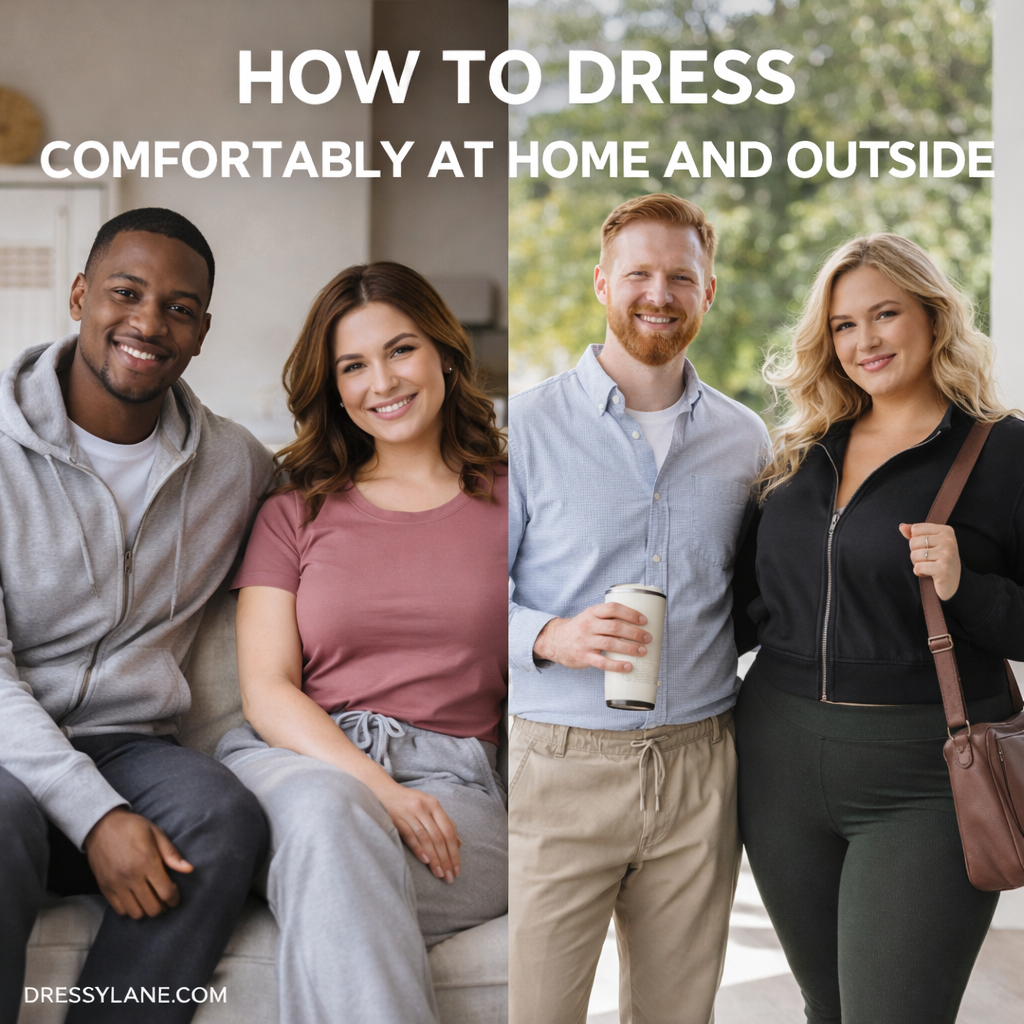
Comfortable clothing doesn’t have to mean sloppy—or limited to staying indoors. With the right pieces, you can feel relaxed at home and still look put together when you step outside. The key is choosing clothing that balances softness, flexibility, and style, allowing you to transition seamlessly from lounging to errands, casual outings, or even informal meetups.
This guide explains how to dress comfortably both at home and outside, with practical tips and wardrobe essentials for men and women.
Why Comfortable Dressing Matters
Comfort affects more than just how you feel physically—it also influences confidence, mood, and productivity. Clothes that pinch, restrict movement, or feel overly stiff can be distracting, while well-chosen comfortable outfits allow you to focus on your day.
Comfortable dressing is especially important for:
- Working from home or hybrid schedules
- Running errands or casual outings
- Travel days
- Relaxed social gatherings
- Daily routines that require flexibility
The goal isn’t to dress down—it’s to dress smarter.
Core Principles of Comfortable Style
Before building outfits, it helps to understand what makes clothing genuinely comfortable.
Prioritize Fit Over Size
Comfortable clothing isn’t about wearing oversized pieces—it’s about proper fit.
Look for:
- Relaxed but intentional silhouettes
- Clothing that allows natural movement
- Waistbands that don’t dig in or slide down
- Sleeves and hems that don’t restrict
Well-fitting clothes instantly look more polished, even when they’re casual.
Choose Soft, Breathable Fabrics
Fabric choice plays a major role in comfort.
Common comfortable fabric options include:
- Cotton and cotton blends
- Modal or bamboo blends
- Lightweight knits
- Soft fleece or brushed fabrics
- Stretch-infused materials
Breathable fabrics help regulate temperature and prevent that “stuck” feeling throughout the day.
Build a Neutral, Mix-and-Match Palette
Comfortable outfits are easier to style when everything works together.
Start with:
- Neutral base colors (black, gray, beige, navy, white)
- A few soft accent tones (olive, soft blue, muted pastels)
This approach lets you mix pieces effortlessly without overthinking your outfit.
Dressing Comfortably at Home
At-home clothing should support relaxation while still helping you feel presentable and motivated.
Comfortable Home Outfit Essentials
Key pieces for home wear include:
- Soft t-shirts or relaxed tops
- Stretchy joggers or lounge pants
- Lightweight sweaters or cardigans
- Cozy socks or soft slippers
Avoid clothing that’s overly worn or shapeless—comfort and self-respect can coexist.
How to Avoid Looking Sloppy at Home
Comfortable doesn’t mean careless.
Simple upgrades:
- Choose fitted loungewear instead of baggy sleepwear
- Stick to clean, coordinated colors
- Swap old pajamas for elevated lounge sets
- Keep fabrics wrinkle-free
This makes it easier to transition outside without a full outfit change.
Dressing Comfortably Outside the Home
When heading out, your goal is to keep the same comfort level while adding structure and polish.
The “Step-Outside” Rule
A good test for comfortable outside wear:
- Would you feel confident running into someone you know?
- Can you sit, walk, and move freely?
- Does the outfit feel intentional?
If the answer is yes, your outfit works.
Add One Structured Piece
Adding structure elevates comfort-focused outfits instantly.
Examples include:
- A lightweight jacket or blazer
- A denim or utility jacket
- A clean cardigan
- A structured hoodie
One polished layer balances out softer pieces underneath.
Choose Comfortable, Supportive Shoes
Shoes can make or break comfort outside the home.
Good comfortable options:
- Cushioned sneakers
- Supportive flats
- Low-profile slip-ons
- Casual boots with flexible soles
Avoid shoes that require “breaking in” for daily wear.
Comfortable Outfit Ideas for Women
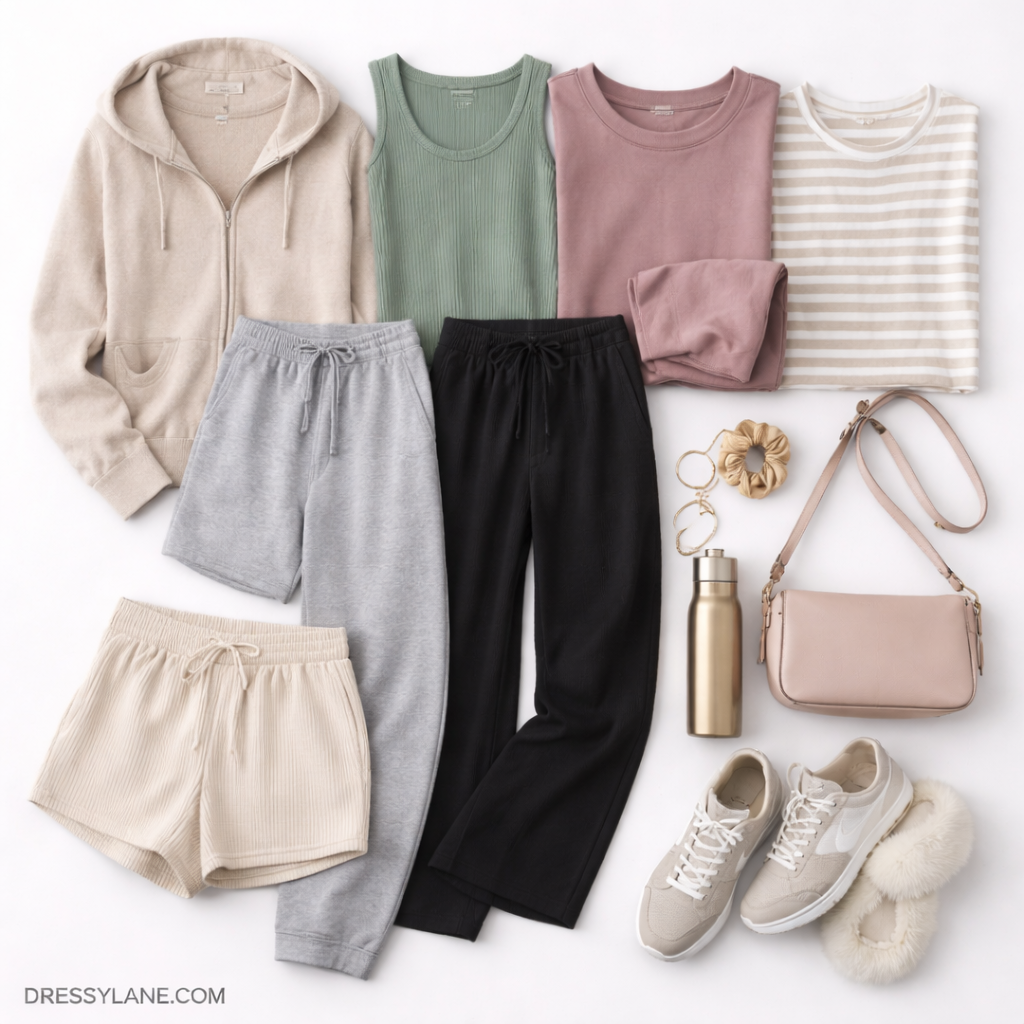
Comfortable women’s outfits can still feel stylish and flattering.
Tops
Comfortable top options:
- Soft t-shirts or fitted tanks
- Relaxed blouses with stretch
- Lightweight knit sweaters
- Cropped or fitted hoodies
Look for fabrics that drape naturally without clinging.
Bottoms
Comfortable bottoms that work indoors and outdoors:
- Joggers with tapered legs
- Stretchy straight-leg pants
- Soft leggings with structure
- Pull-on trousers
Avoid overly thin or see-through fabrics when heading out.
Dresses and One-Piece Options
Dresses are an underrated comfort staple.
Comfortable dress features:
- Stretchy or knit fabric
- Midi or knee-length cuts
- Relaxed waistlines
- Short or flexible sleeves
Pair with sneakers or flats for an easy, comfortable look.
Comfortable Outfit Ideas for Men
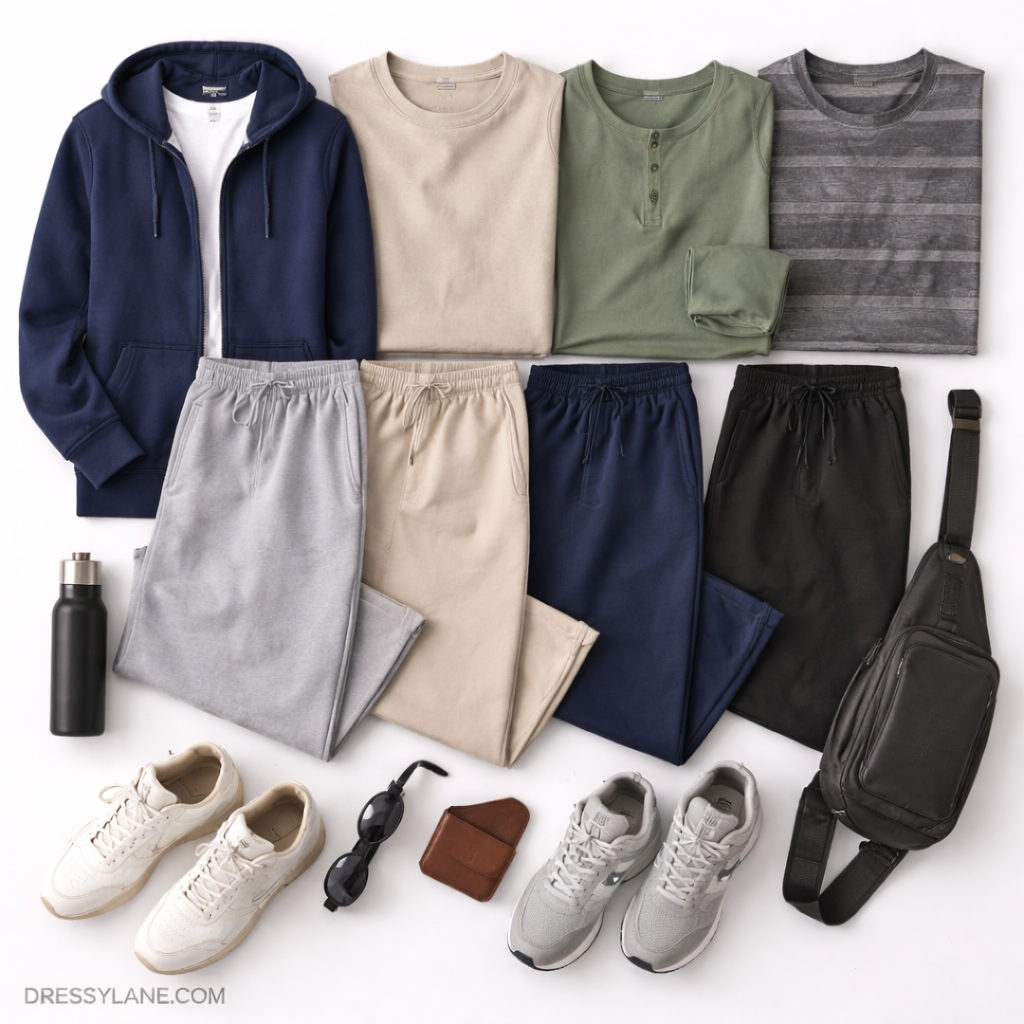
Men’s comfortable style focuses on ease, movement, and clean lines.
Tops
Comfortable men’s tops include:
- Soft t-shirts with stretch
- Lightweight polos
- Casual button-downs with flexible fabric
- Relaxed sweaters or sweatshirts
Avoid stiff fabrics that restrict shoulder or arm movement.
Bottoms
Comfortable bottom options:
- Stretch chinos
- Drawstring pants with structure
- Slim joggers
- Relaxed-fit jeans with stretch
The best pieces combine comfort with a clean silhouette.
Outer Layers
Men’s comfortable layering options:
- Zip-up hoodies
- Casual jackets
- Lightweight overshirts
- Soft cardigans
These add polish without sacrificing ease.
How to Transition from Home to Outside Easily
The easiest comfortable outfits are ones that need minimal adjustment.
Quick Transition Tips
- Swap slippers for clean sneakers or flats
- Add a jacket or structured layer
- Change into a supportive shoe
- Tuck in or half-tuck tops for polish
These small changes can transform a home outfit into an outside-ready look.
Common Comfort Dressing Mistakes
Comfortable dressing has pitfalls if not done thoughtfully.
Common mistakes include:
- Wearing worn-out or stretched clothing
- Choosing comfort at the expense of fit
- Over-layering bulky pieces
- Ignoring fabric quality
- Treating loungewear as sleepwear
Comfort should feel intentional, not accidental.
Building a Comfortable Everyday Wardrobe
A small set of well-chosen pieces can cover both home and outside needs.
Focus on:
- Versatile tops and bottoms
- Layer-friendly items
- Neutral colors
- Stretch and breathable fabrics
When everything works together, getting dressed becomes effortless.
Final Thoughts
Dressing comfortably at home and outside isn’t about lowering standards—it’s about redefining them. With thoughtful fabric choices, proper fit, and simple styling strategies, you can feel relaxed, confident, and ready for whatever your day brings.
Comfortable clothing should support your lifestyle, not limit it. When done right, comfort becomes your most wearable style advantage.