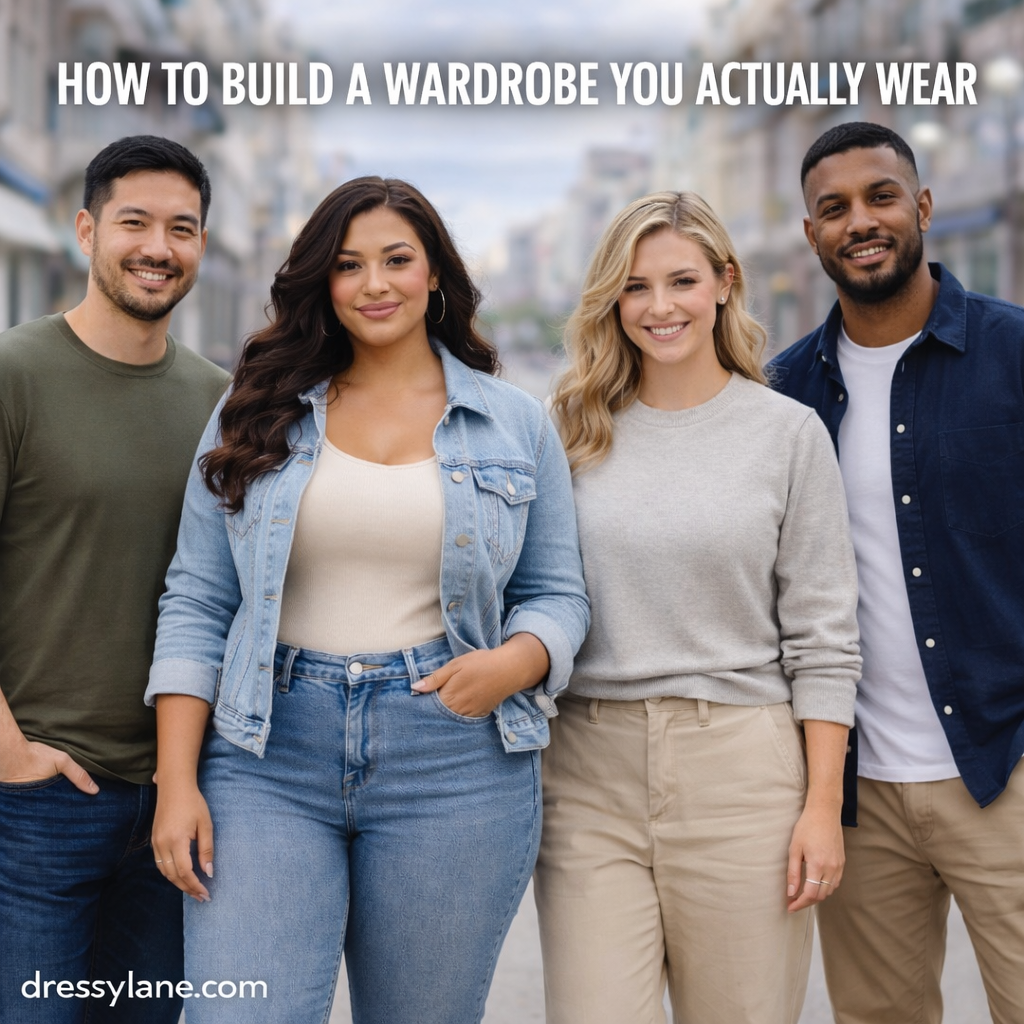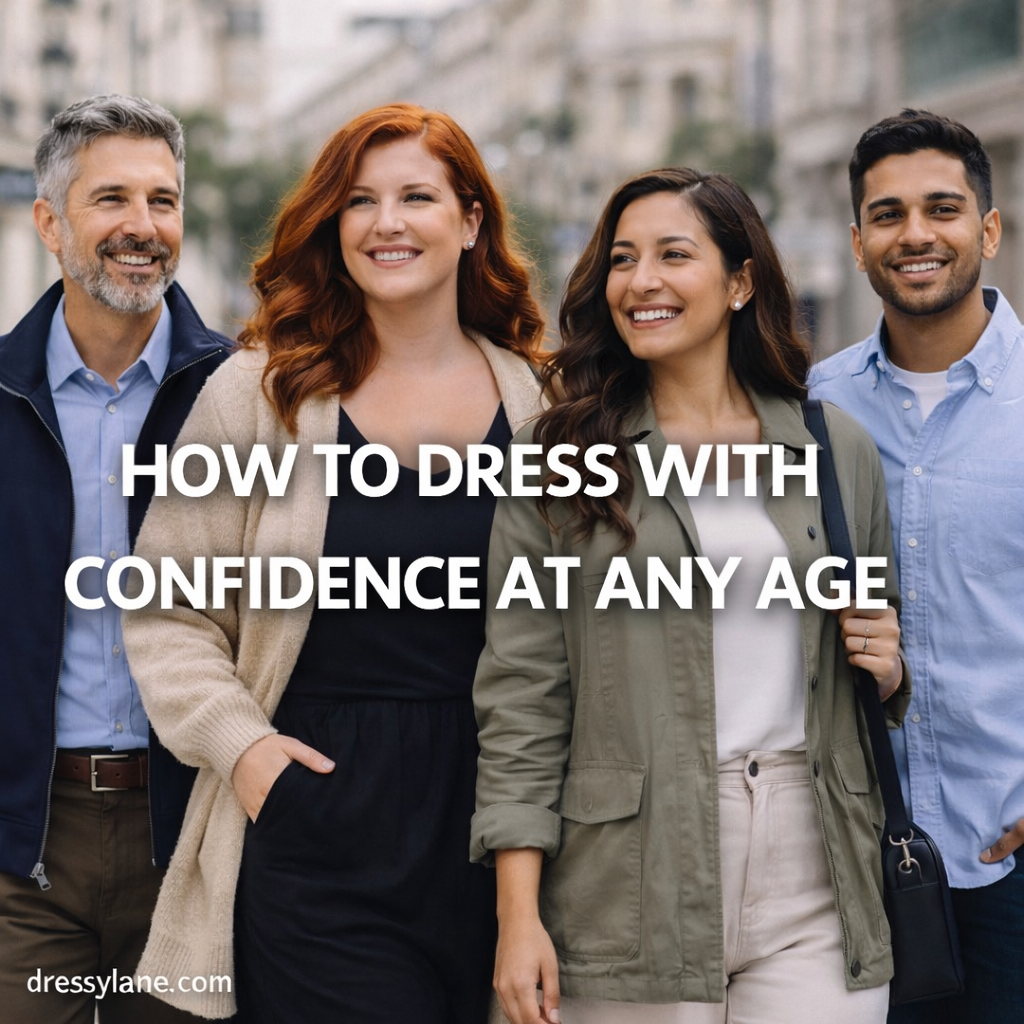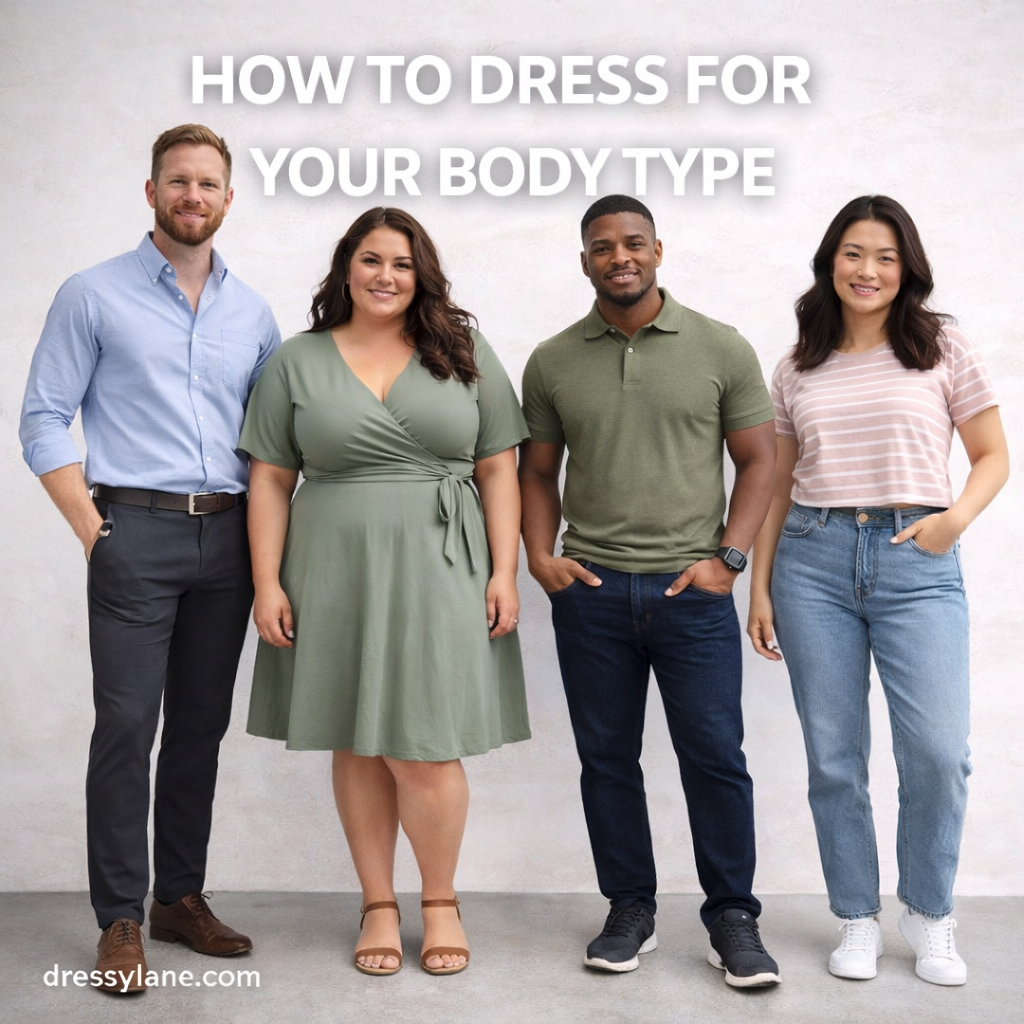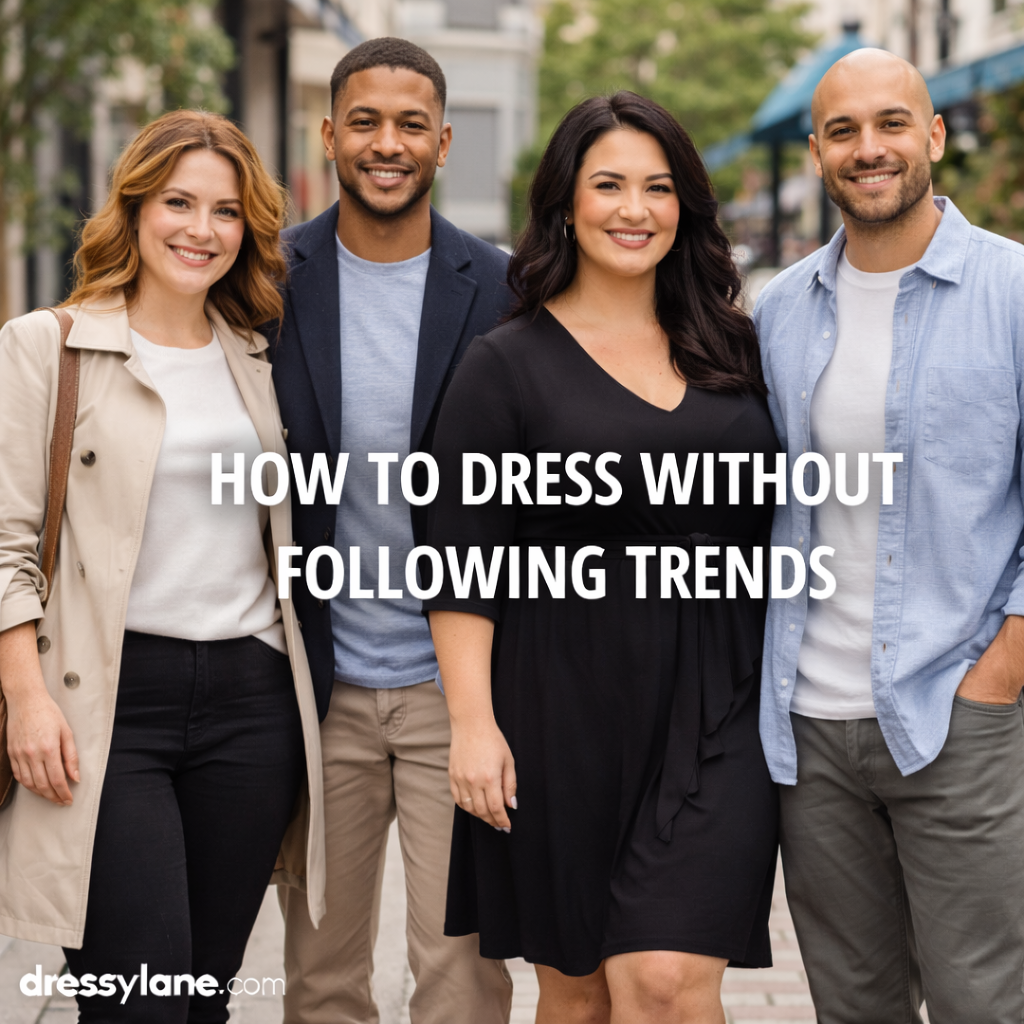
Building great outfits doesn’t require a closet full of trendy pieces. In fact, the most reliable and stylish looks usually start with simple basics. When chosen well, basics form the foundation of outfits you can wear repeatedly without feeling bored or underdressed.
This guide explains how to build outfits from basics, with practical tips and examples for both men and women.
What Are Wardrobe Basics?
Basics are versatile, neutral pieces that mix easily with other items.
Common wardrobe basics include:
- Plain t-shirts and tops
- Neutral sweaters or cardigans
- Simple pants or jeans
- Basic dresses or skirts
- Clean, minimal shoes
These items aren’t meant to stand out—they’re meant to support your outfit.
Why Basics Make Outfit Building Easier
Outfits built from basics offer consistency and flexibility.
Benefits of using basics:
- Easier daily outfit decisions
- Fewer mismatched pieces
- More outfit combinations from fewer items
- Timeless style that doesn’t date quickly
A strong basics wardrobe simplifies everything.
Start With a Neutral Base
Every outfit begins with a neutral foundation.
Reliable base colors:
- Black
- White
- Gray
- Navy
- Beige
Neutrals allow you to layer, accessorize, or add color without clashing.
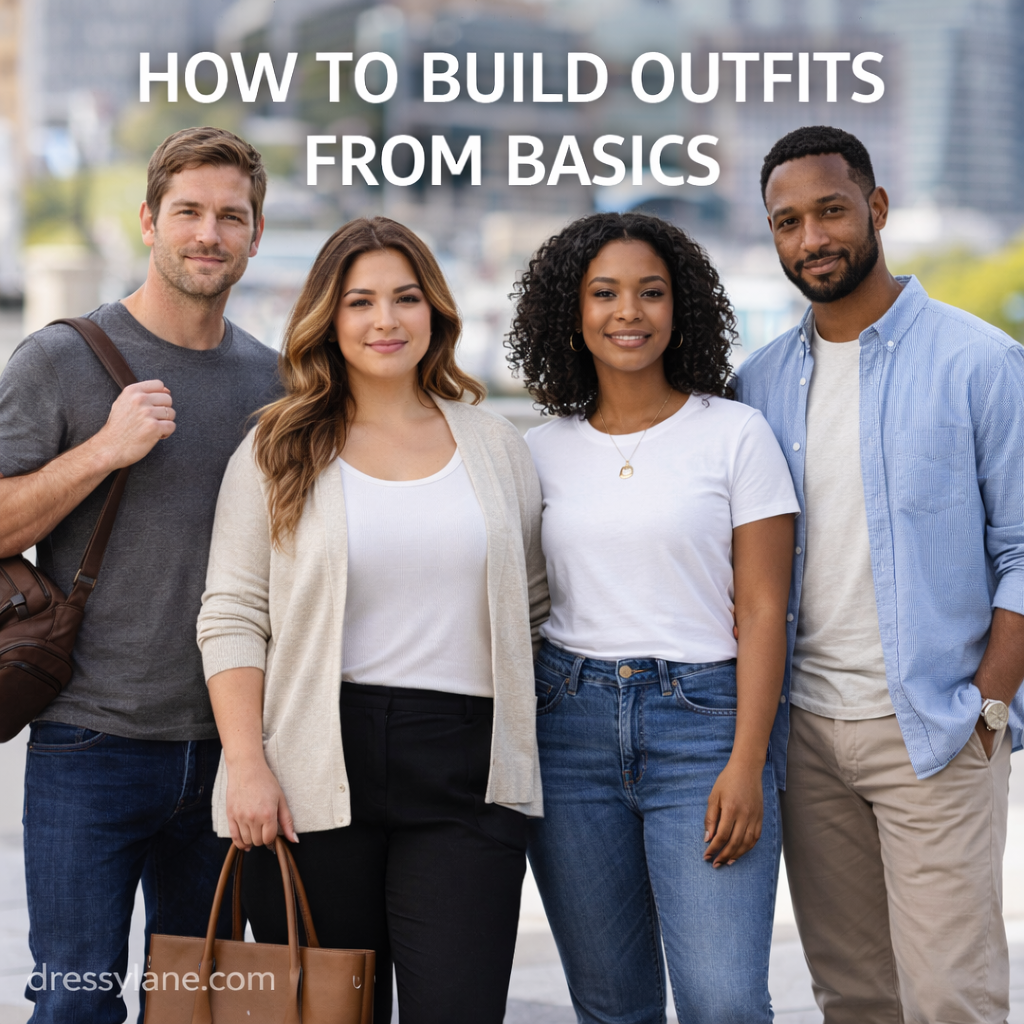
How to Build Outfits From Basics (Women)
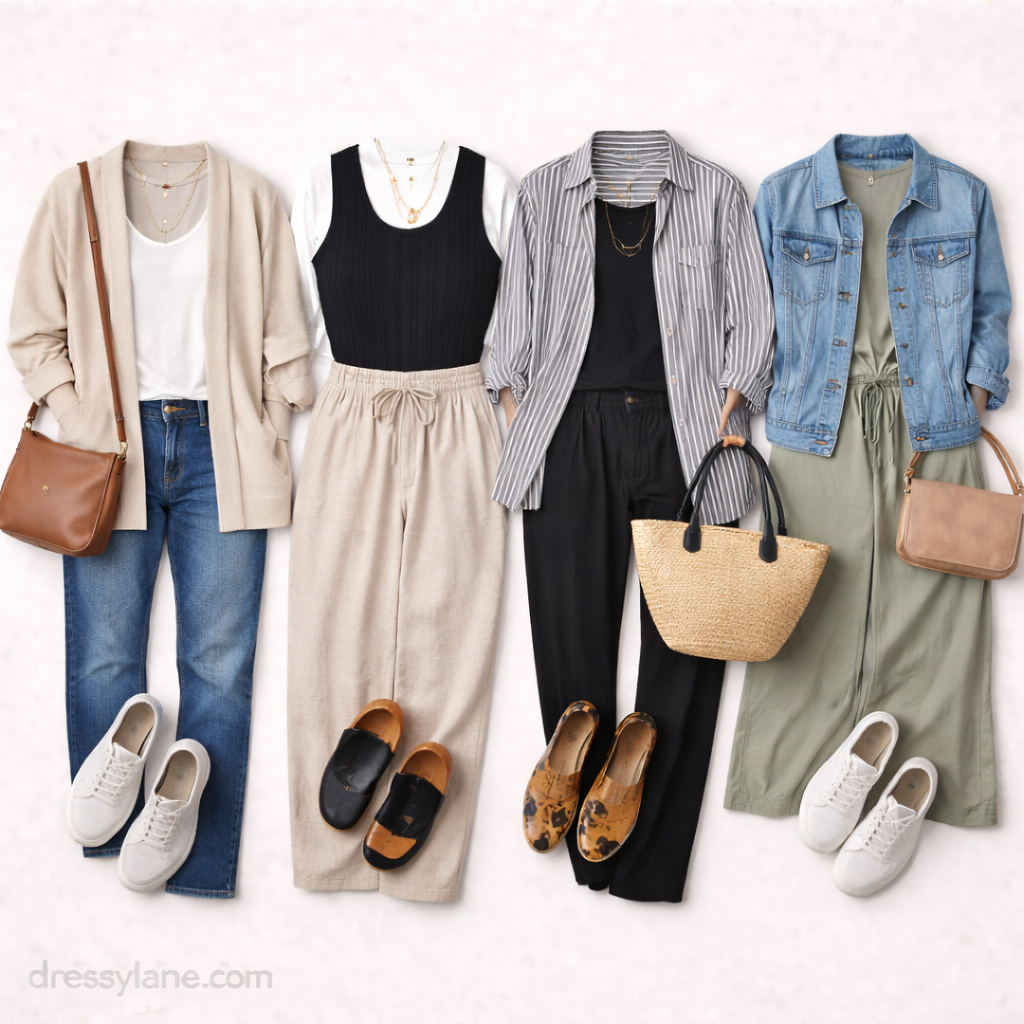
Women can create endless outfits from a few core pieces.
Simple outfit formulas:
- T-shirt + jeans + cardigan
- Neutral dress + belt + flats
- Blouse + trousers + blazer
- Tank + skirt + light jacket
Add interest through accessories or layering rather than busy prints.
How to Build Outfits From Basics (Men)
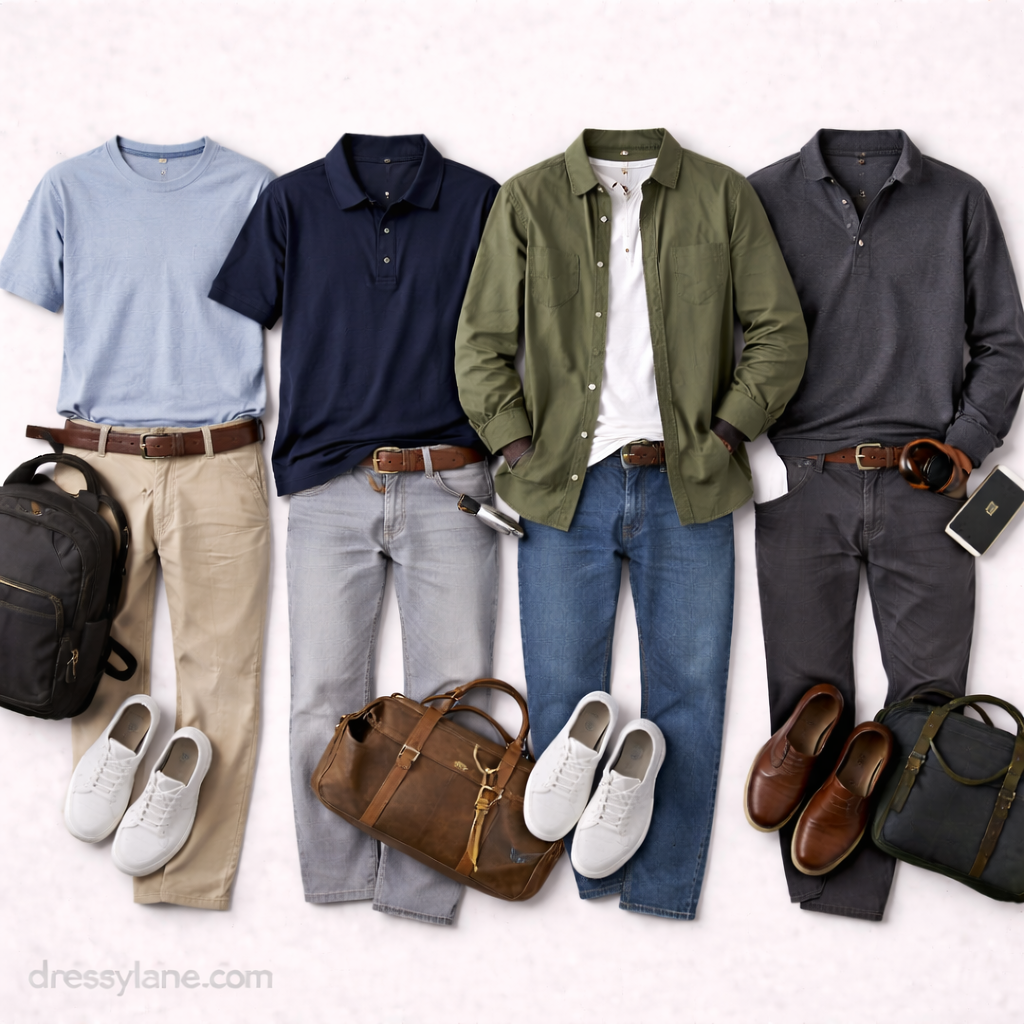
Men’s basics shine through fit and structure.
Easy outfit combinations:
- T-shirt + jeans + casual jacket
- Button-down + chinos + loafers
- Sweater + trousers + sneakers
- Polo + dark jeans + clean shoes
Focus on clean lines and consistent color palettes.
Use Layers to Add Depth
Layering transforms simple pieces into complete outfits.
Effective layering options:
- Blazers
- Cardigans
- Denim or utility jackets
- Lightweight sweaters
Layers add dimension without requiring new clothing.
Add One Statement Element
A basic outfit only needs one standout detail.
Statement ideas:
- Shoes
- Bag or belt
- Jewelry or watch
- Jacket or outer layer
Limit statements to one per outfit to keep the look balanced.
Mix Textures, Not Just Colors
Texture creates interest even with neutral colors.
Examples of texture pairing:
- Cotton top with wool blazer
- Denim with knitwear
- Leather shoes with soft fabrics
Texture keeps basics from feeling flat.
Fit Matters More Than Trend
The best basics are defined by fit, not labels.
Fit tips:
- Avoid overly tight or baggy clothing
- Tailor pieces when possible
- Choose silhouettes that complement your body shape
Well-fitting basics always look intentional.
Build Outfits Around Your Lifestyle
Basics should match how you actually live.
Consider:
- Work dress codes
- Climate and seasons
- Daily activity level
- Comfort preferences
Practical basics get worn more often.
Common Mistakes When Styling Basics
Basics only work when styled intentionally.
Avoid:
- Wearing basics that are worn out or stretched
- Using too many neutral shades without contrast
- Ignoring footwear
- Skipping accessories entirely
Basics still require attention to detail.
Final Thoughts
Learning how to build outfits from basics simplifies your wardrobe while expanding your styling options. With the right core pieces, thoughtful layering, and intentional accessories, you can create outfits that feel fresh, comfortable, and put-together every day.
Basics aren’t boring—they’re powerful.