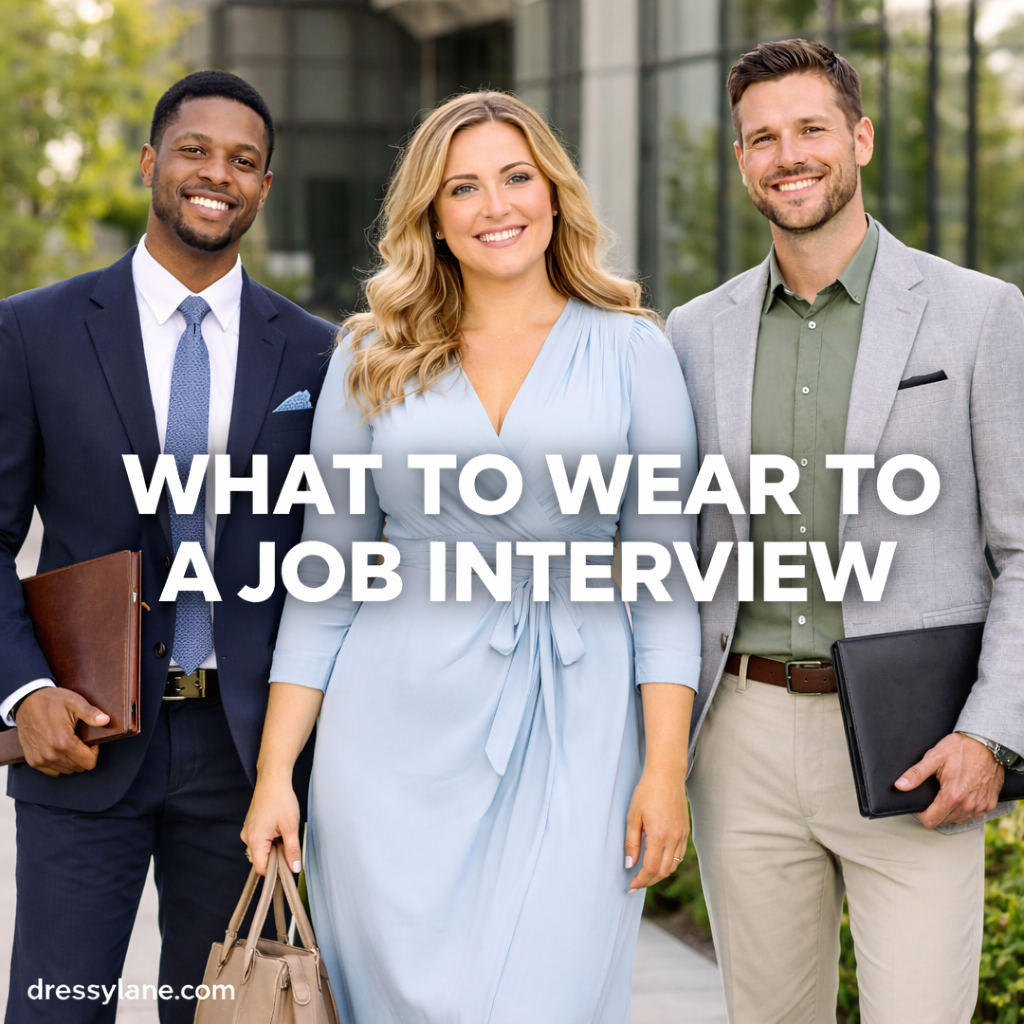
First impressions matter, especially in a job interview. What you wear can influence how confident you feel and how professionally you’re perceived before you even answer the first question. The right interview outfit signals respect for the opportunity, understanding of workplace norms, and attention to detail.
This guide explains exactly what to wear to a job interview, with practical advice based on industry, role, and gender, so you can walk in prepared and confident.
Why Interview Attire Matters
Interviewers often form initial impressions within seconds. While your skills and experience are the most important factors, clothing plays a supporting role in how those qualifications are received.
Dressing appropriately shows:
- Professionalism and seriousness
- Awareness of company culture
- Respect for the interviewer’s time
- Confidence and self-awareness
Your goal is to look polished, comfortable, and aligned with the role you’re pursuing.
Understanding Company Dress Codes
Before choosing an outfit, research the company’s environment. Interview attire should typically be one level more formal than everyday office wear.
Common workplace dress codes include:
- Corporate or business professional
- Business casual
- Casual or creative
- Trade, technical, or hands-on roles
Check the company website, social media, or LinkedIn photos to get a feel for how employees dress day to day.
General Job Interview Outfit Guidelines
Regardless of gender or industry, these principles apply to most interviews.
Focus on:
- Clean, wrinkle-free clothing
- Neutral or muted colors
- Proper fit (not too tight or too loose)
- Minimal distractions or bold statements
Avoid:
- Loud patterns or graphics
- Strong fragrances
- Flashy jewelry
- Casual items like ripped jeans or flip-flops
What Women Should Wear to a Job Interview
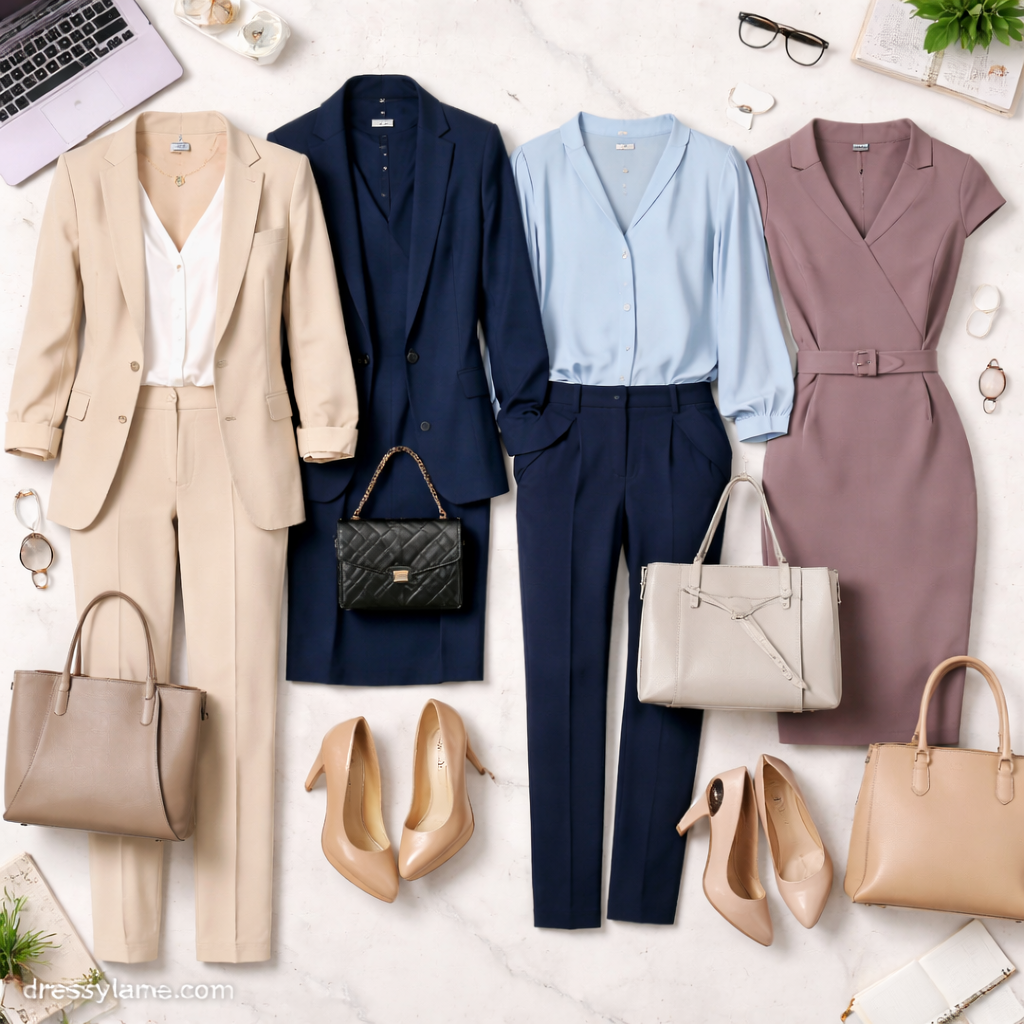
Women have many interview-appropriate options, but balance and professionalism are key.
Interview Outfit Options for Women
Safe and professional choices include:
- Tailored pants with a blouse
- Knee-length or midi skirts with structured tops
- Professional dresses with sleeves or modest necklines
- Blazers layered over blouses or dresses
Stick to classic colors like navy, gray, black, beige, or soft neutrals. Subtle patterns are fine, but solid colors are often the safest choice.
Shoes and Accessories for Women
Footwear and accessories should support a polished look.
Good options include:
- Closed-toe flats or low heels
- Clean, neutral-colored pumps
- Structured handbags or totes
Keep accessories minimal:
- Small earrings
- Simple necklaces or watches
- Light makeup and neat hairstyles
Avoid overly high heels, noisy jewelry, or anything that feels uncomfortable or distracting.
What Men Should Wear to a Job Interview
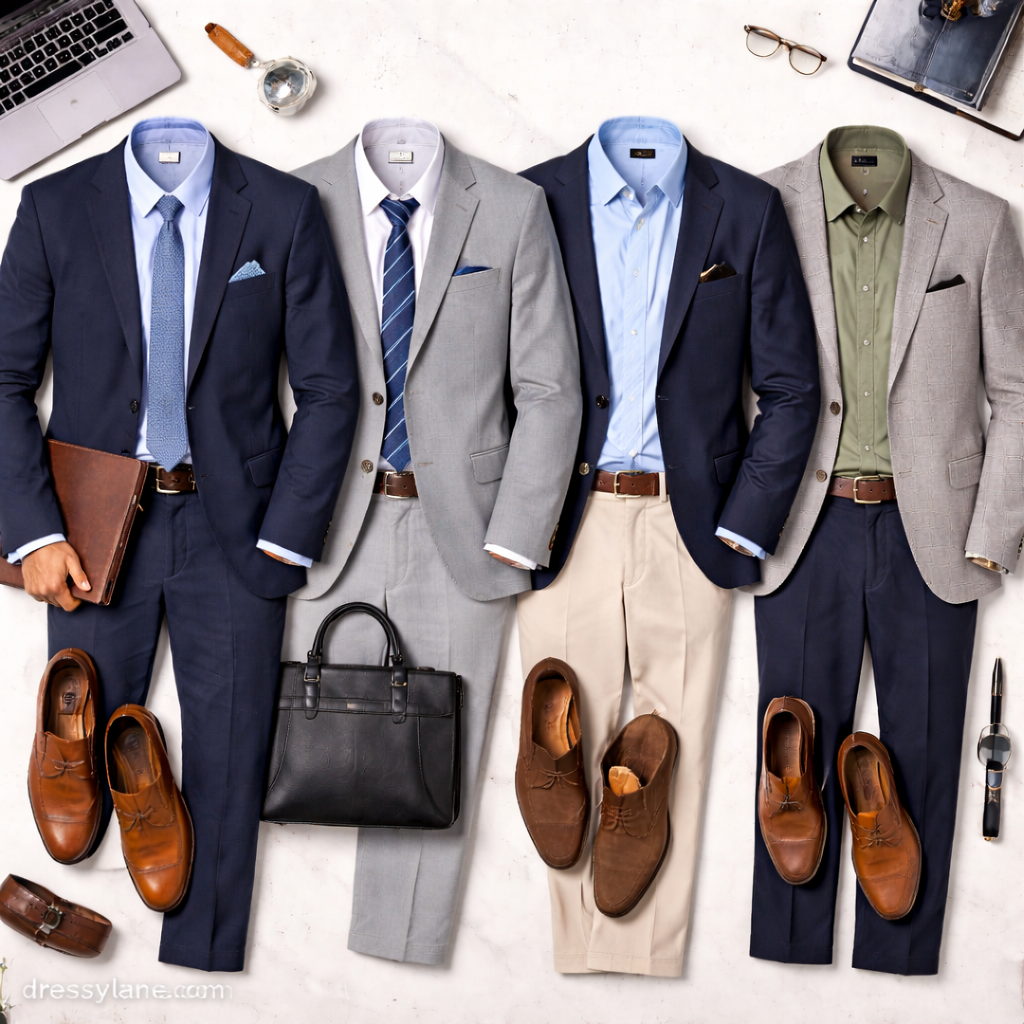
Men’s interview attire should emphasize fit, cleanliness, and classic styling.
Interview Outfit Options for Men
Depending on the role, appropriate options include:
- A suit with a dress shirt and tie
- Dress slacks with a button-down shirt
- A blazer paired with chinos or tailored trousers
Neutral colors such as navy, charcoal, and gray are ideal. Shirts should be clean, pressed, and free of bold patterns.
Shoes and Accessories for Men
Shoes and grooming play a major role in overall presentation.
Best footwear choices:
- Leather dress shoes
- Loafers for business-casual roles
- Clean, well-maintained shoes in brown or black
Accessories should be understated:
- A simple watch
- A clean belt that matches shoe color
- A neatly groomed hairstyle and facial hair
Avoid athletic shoes, overly casual footwear, or loud accessories.
Dressing for Different Interview Types
The right outfit may vary depending on the interview setting and industry.
Corporate or Finance Interviews
- Full suits are usually expected
- Stick to conservative colors
- Minimal accessories
Creative or Tech Interviews
- Business casual is often acceptable
- Clean jeans may be fine if paired with polished tops
- Show personality without sacrificing professionalism
Trades or Hands-On Roles
- Clean, practical clothing is key
- Avoid overly formal attire
- Prioritize neatness and function
Virtual Interviews
Even for video interviews, dress professionally from head to toe. Solid colors work best on camera, and good lighting helps complete the look.
Common Interview Outfit Mistakes to Avoid
Even small missteps can distract from your qualifications.
Avoid:
- Overdressing or underdressing significantly
- Wrinkled or stained clothing
- Distracting patterns or logos
- Uncomfortable outfits that affect confidence
If you’re unsure, err on the side of simplicity and professionalism.
Final Thoughts on Interview Attire
Knowing what to wear to a job interview helps reduce stress and boosts confidence. The best interview outfit allows your skills, experience, and personality to take center stage without distractions.
By choosing clean, professional clothing that aligns with the role and company culture, you set yourself up for a strong first impression and a more confident interview experience.