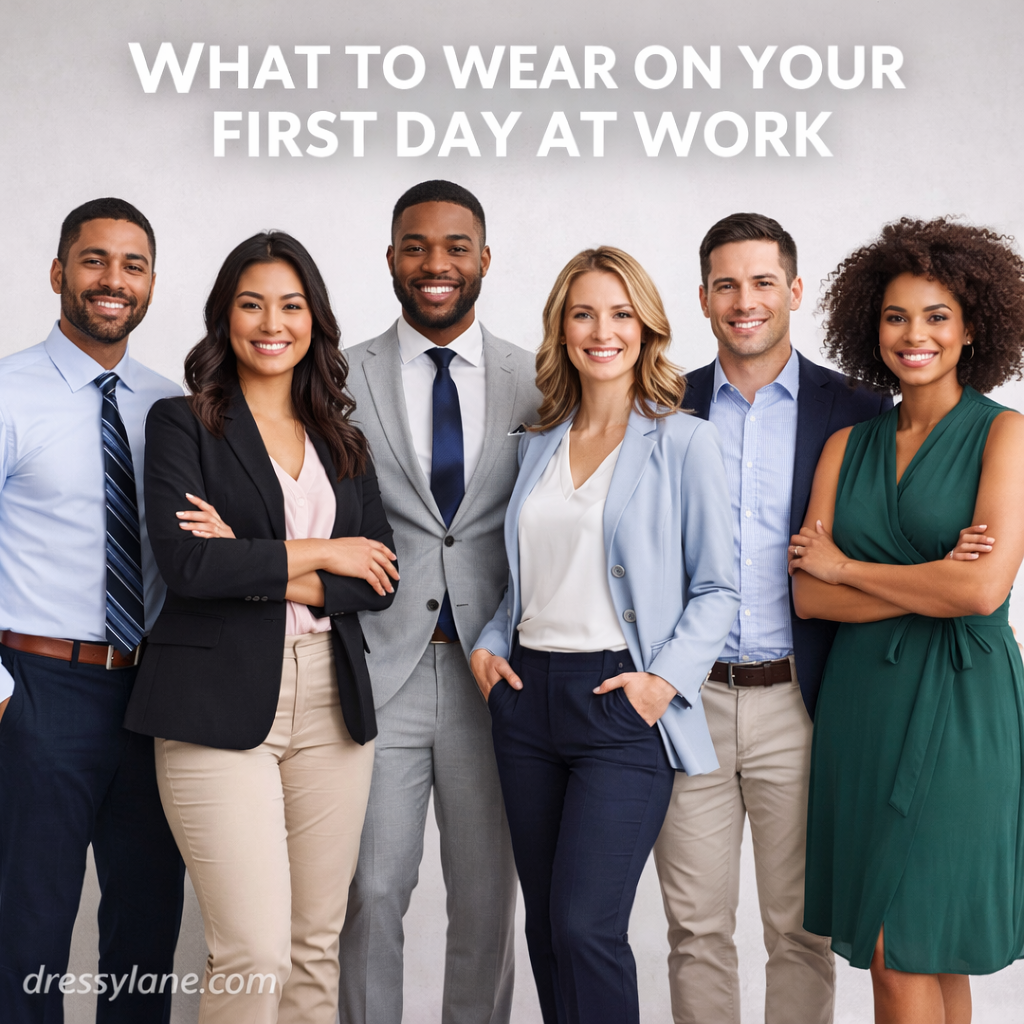
Your first day at a new job is exciting—and a little nerve-racking. What you wear plays a big role in how confident you feel and the first impression you make. While every workplace is different, the goal is the same: look polished, professional, and appropriate for the company culture.
This guide explains what to wear on your first day at work, with practical outfit ideas for men and women, tips for reading the dress code, and common mistakes to avoid.
Why First-Day Outfits Matter
Your first-day outfit sets the tone for how colleagues perceive you and how comfortable you feel stepping into your role.
Dressing appropriately helps you:
- Make a strong first impression
- Feel confident and prepared
- Blend into the workplace culture
- Avoid feeling underdressed or overdressed
While performance matters most long-term, appearance helps establish credibility from day one.
How to Understand the Workplace Dress Code
Before choosing an outfit, try to determine the company’s dress expectations.
Helpful ways to gauge the dress code:
- Review the company website or social media
- Look at employee photos on LinkedIn
- Ask HR or your recruiter
- Revisit the job description for clues
When unsure, it’s better to dress slightly more formal on your first day—you can always adjust later.
General First-Day Dressing Guidelines
These principles apply to almost any workplace.
Choose clean, well-fitted clothing
Fit makes a bigger difference than brand or price.
Stick to neutral or muted colors
Simple color palettes look professional and are easy to style.
Avoid anything distracting
Loud prints, slogans, or flashy accessories can draw attention for the wrong reasons.
Prioritize comfort
You’ll likely be moving, sitting, and meeting people throughout the day.
What Women Should Wear on the First Day of Work
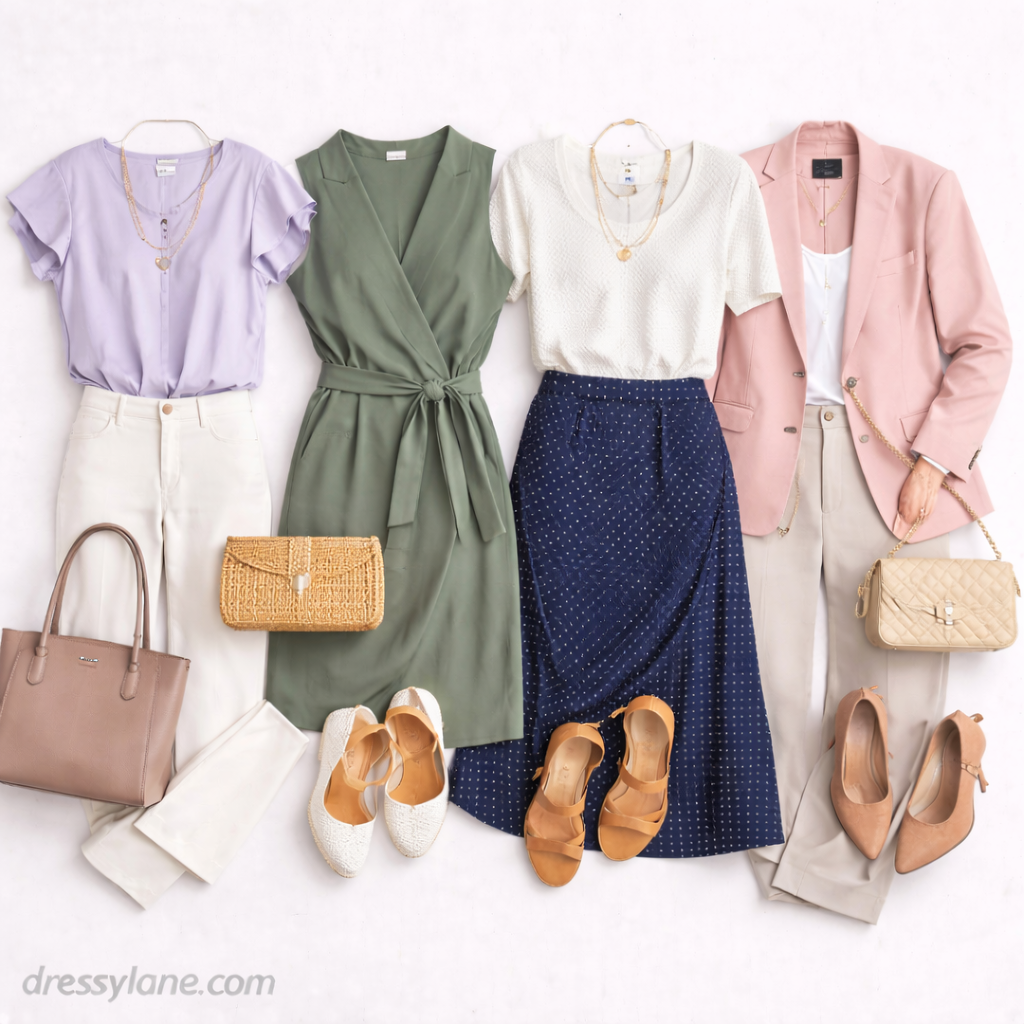
Women’s first-day outfits should balance professionalism, comfort, and confidence.
Tops for Women
Safe and polished options include:
- Blouses
- Button-down shirts
- Knit tops with structure
- Lightweight sweaters
Avoid overly low necklines, sheer fabrics, or overly casual tops.
Bottoms for Women
Appropriate bottom options:
- Tailored trousers
- Midi skirts
- Pencil skirts
- Dark, clean jeans (only in casual offices)
Choose fabrics that hold their shape and feel comfortable for a full day.
Dresses for Women
Dresses can be a great first-day option when styled appropriately:
- Knee-length or midi dresses
- Simple, structured silhouettes
- Neutral or subtle patterns
Layer with a blazer or cardigan for added polish.
Shoes and Accessories for Women
Choose footwear that is professional and comfortable:
- Flats
- Low heels
- Loafers
- Closed-toe shoes
Keep accessories minimal and practical.
What Men Should Wear on the First Day of Work
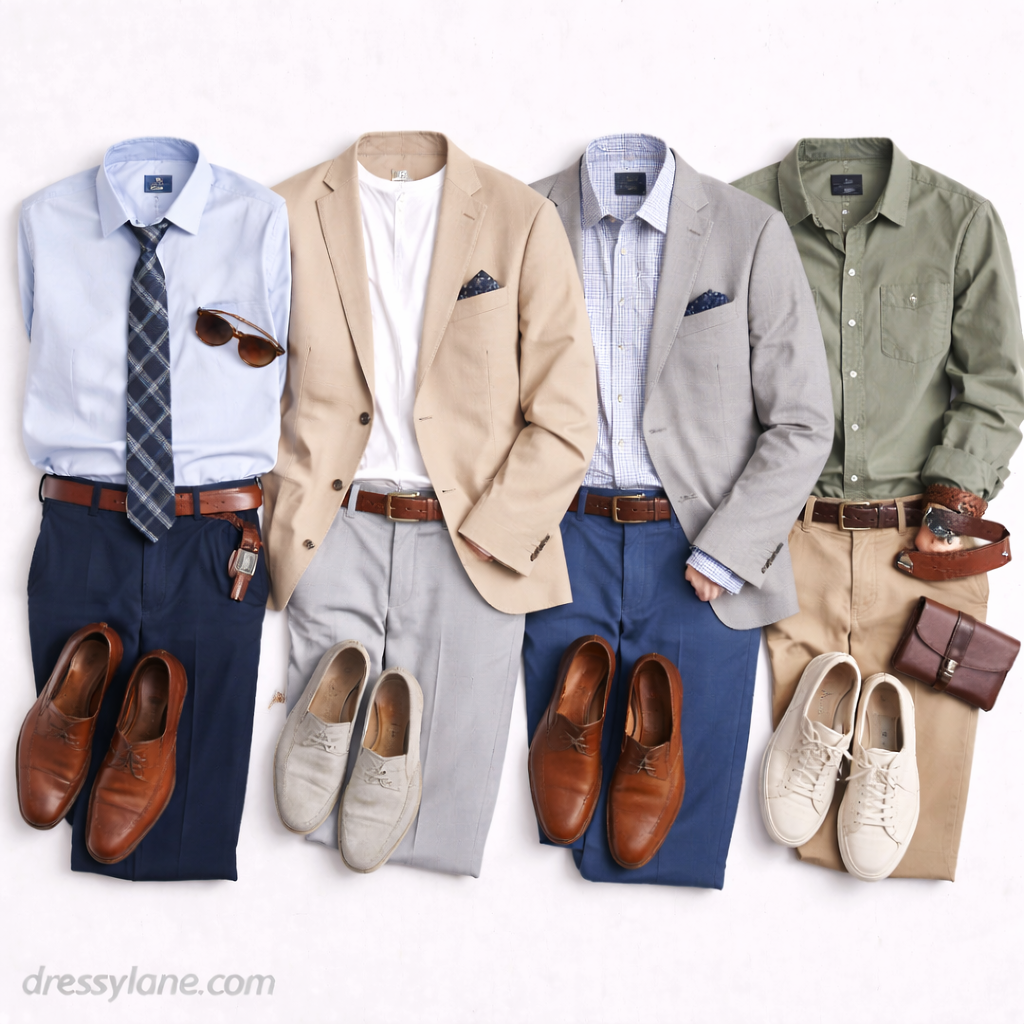
Men’s first-day outfits should feel professional without being stiff.
Tops for Men
Good first-day options include:
- Button-down shirts
- Polos (for business casual offices)
- Lightweight sweaters layered over collared shirts
Ensure shirts are clean, pressed, and well-fitted.
Bottoms for Men
Appropriate choices include:
- Dress trousers
- Chinos
- Dark jeans (only in casual environments)
Avoid overly tight or overly relaxed fits.
Jackets and Layers for Men
Adding a layer elevates your look:
- Blazer
- Sport coat
- Structured cardigan
Layers also help with varying office temperatures.
Shoes and Accessories for Men
Professional footwear includes:
- Dress shoes
- Loafers
- Clean leather sneakers (only in casual offices)
Belts, watches, and accessories should be simple and understated.
Dressing for Different Workplace Types
Corporate or Formal Offices
- Suits or blazers
- Dress shirts and trousers
- Conservative colors
- Polished shoes
Business Casual Offices
- Blazers or sweaters
- Tailored pants or skirts
- Dressy flats or loafers
Casual or Creative Offices
- Clean, stylish basics
- Dark jeans paired with polished tops
- Casual layers like overshirts or cardigans
Even in casual offices, avoid looking sloppy on day one.
What Not to Wear on Your First Day
Avoid clothing that can undermine your professionalism.
Skip:
- Wrinkled or worn clothing
- Athletic wear
- Shorts or flip-flops
- Graphic T-shirts
- Excessive jewelry or fragrance
If you’d hesitate to wear it to an important meeting, it’s probably not first-day appropriate.
Grooming and Presentation Tips
Your outfit works best when paired with good grooming.
Pay attention to:
- Clean, neat hair
- Minimal makeup or fragrance
- Well-groomed facial hair
- Clean shoes
These details complete your overall presentation.
How to Adjust After Your First Day
Once you’ve seen how coworkers dress, you can fine-tune your style.
Use your first day to:
- Observe outfit norms
- Note acceptable levels of casualness
- Adjust colors, silhouettes, and footwear
Your goal is to fit in while still feeling like yourself.
Final Thoughts
Knowing what to wear on your first day at work is about preparation and awareness. By choosing clean, well-fitted clothing that aligns with the company culture, you’ll start your new role feeling confident and professional.
When in doubt, remember this rule: dress with intention. A thoughtful outfit helps you focus on learning, connecting, and succeeding from day one.