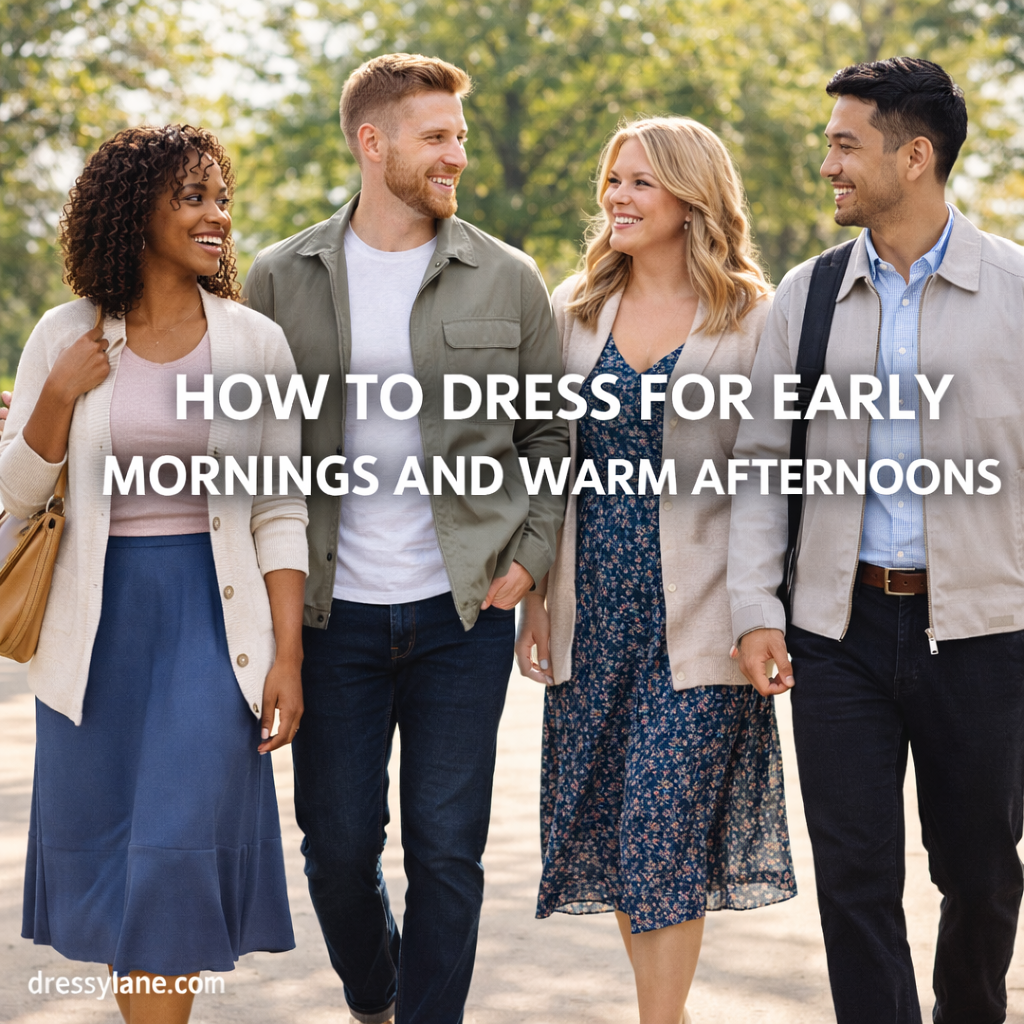
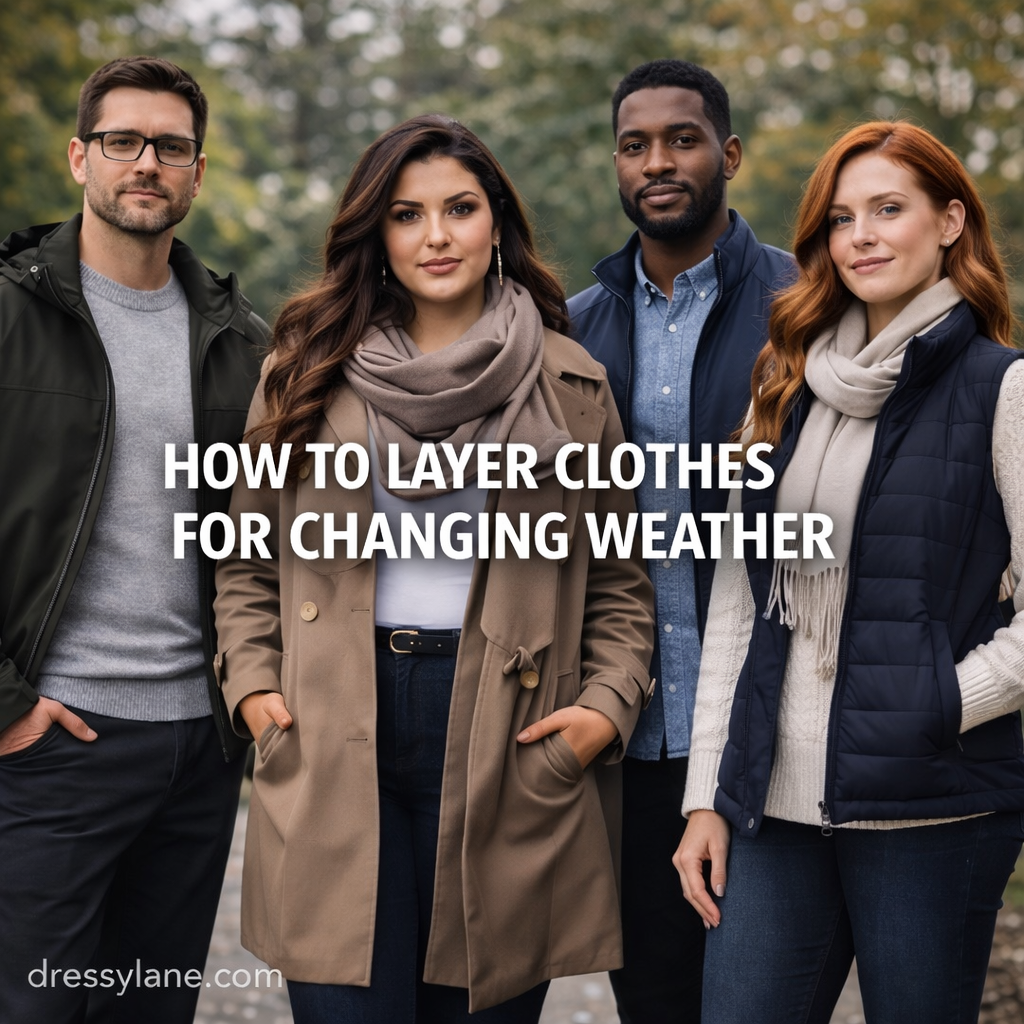
Dressing for changing weather can feel unpredictable—cool mornings, warm afternoons, and chilly evenings often happen all in the same day. Knowing how to layer clothes properly allows you to stay comfortable, look polished, and adapt without overpacking or constantly changing outfits.
This guide explains how to layer clothes for changing weather using practical, stylish strategies for both men and women.
Why Layering Matters
Layering isn’t just about warmth—it’s about flexibility.
Benefits of layering:
- Easy temperature control throughout the day
- Comfort in shifting indoor and outdoor conditions
- Improved outfit versatility
- Better protection from wind and light rain
Well-chosen layers help your outfit work harder without sacrificing style.
The Three Essential Layers Explained
Understanding the purpose of each layer makes outfit planning easier.
Base Layer: Comfort and Temperature Control
The base layer sits closest to your skin and regulates body temperature.
Best base layer options:
- Lightweight cotton or modal tops
- Moisture-wicking fabrics
- Long-sleeve tees or fitted tanks
- Thin thermal tops in colder seasons
Avoid bulky fabrics that trap heat unnecessarily.
Mid Layer: Warmth and Insulation
The mid layer provides warmth while still allowing breathability.
Popular mid-layer choices:
- Sweaters and cardigans
- Hoodies or pullovers
- Light fleece or knit layers
- Button-down shirts worn over base layers
Choose pieces that are easy to remove and carry.
Outer Layer: Protection From the Elements
The outer layer shields you from wind, rain, or cold.
Common outer layers include:
- Lightweight jackets
- Trench coats
- Denim or utility jackets
- Packable raincoats
- Wool coats for colder climates
Focus on function without sacrificing fit or style.
How to Layer Clothes for Changing Weather (Women)
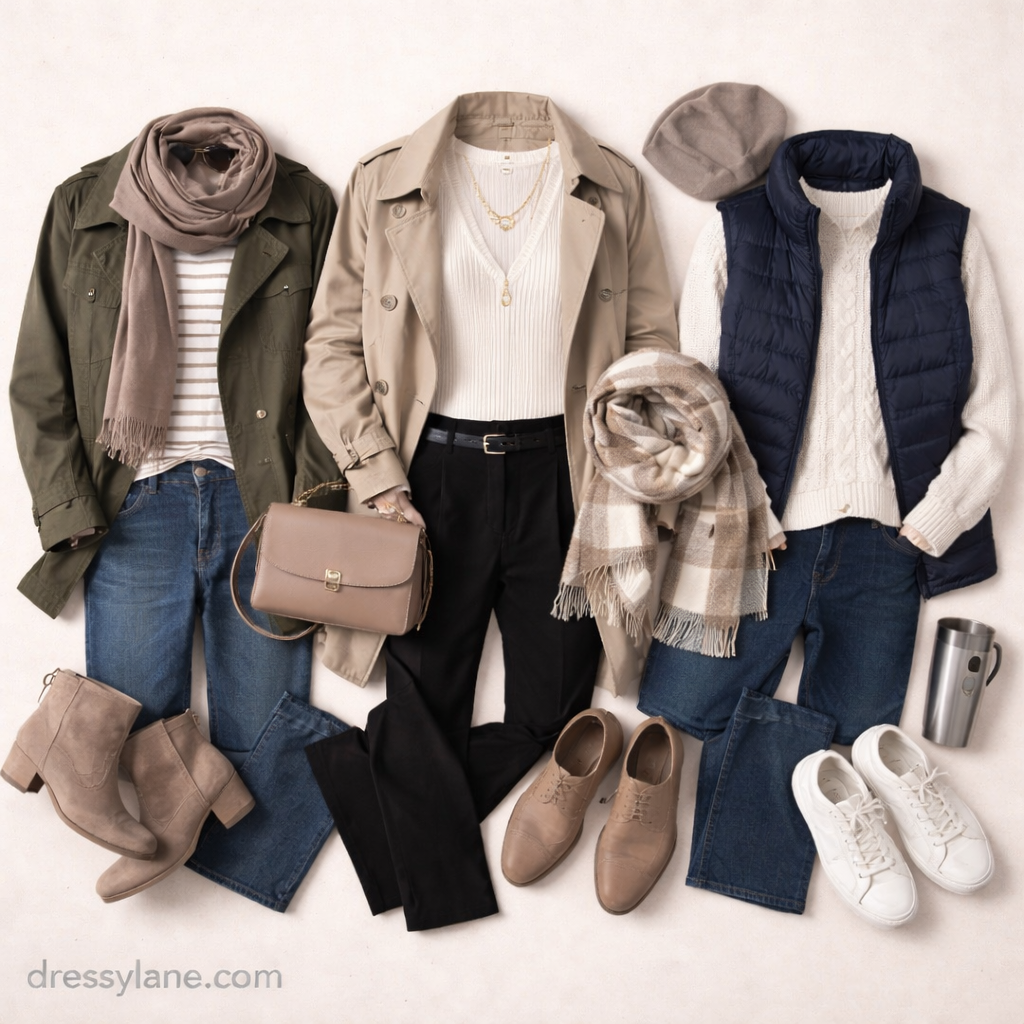
Women’s layering benefits from a mix of structure and softness.
Smart layering ideas:
- Start with a fitted top or tank
- Add a cardigan, sweater, or lightweight blouse
- Finish with a jacket or coat that complements the outfit
Fabric combinations that work well:
- Cotton base with knit mid layer
- Silk or satin under structured blazers
- Breathable fabrics layered under heavier outerwear
Accessories like scarves can add warmth without bulk.
How to Layer Clothes for Changing Weather (Men)
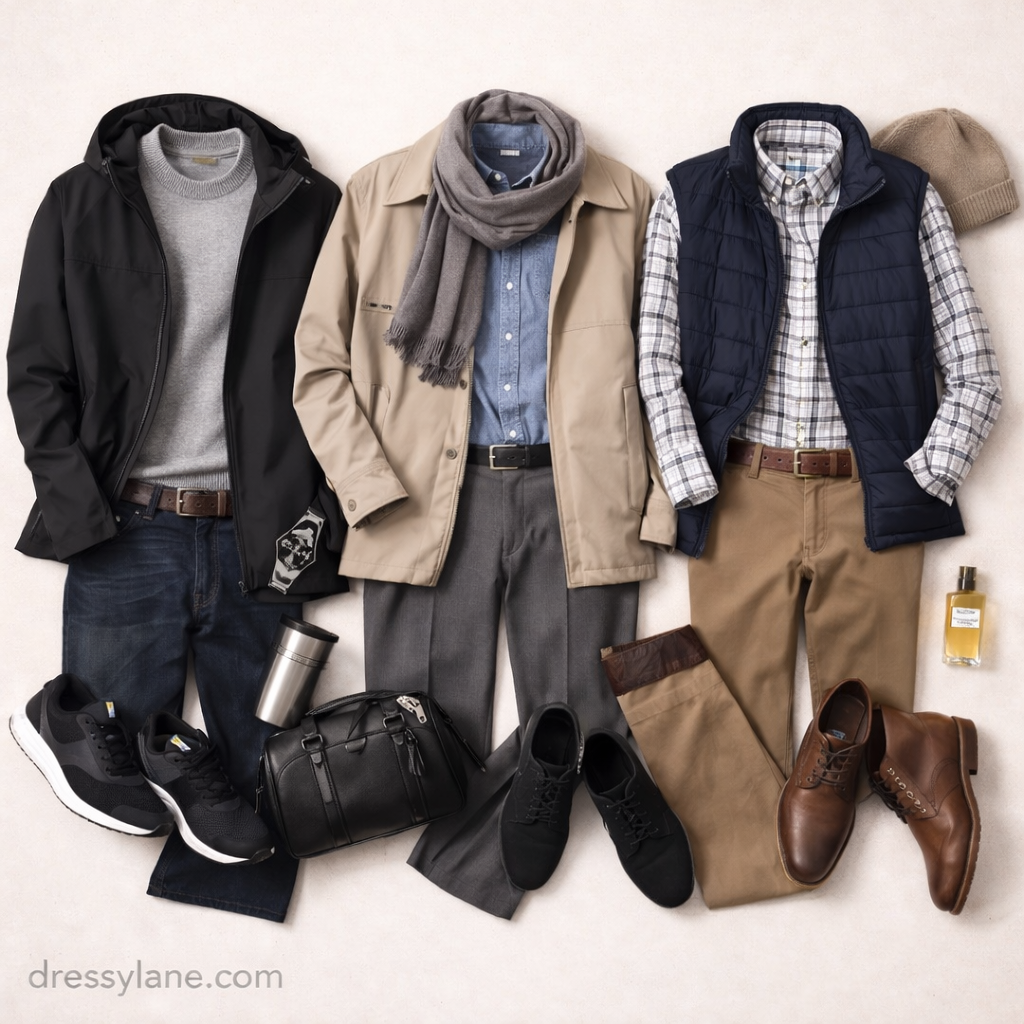
Men’s layering focuses on clean lines and versatility.
Effective layering strategies:
- Begin with a fitted tee or undershirt
- Add a button-down shirt or light sweater
- Top with a jacket or coat suited to the season
Reliable fabric choices:
- Cotton or merino wool base layers
- Knit sweaters or flannels
- Structured jackets for polish
Neutral colors make mixing layers easier.
Layering by Season
Spring and Fall Layering
These transitional seasons benefit most from layering.
Recommended combinations:
- Lightweight tops with cardigans
- Denim jackets over breathable shirts
- Trench coats for unpredictable weather
Summer Layering
Even in warmer months, layering has a place.
Lightweight options:
- Breathable tanks under open shirts
- Light jackets for cool evenings
- Thin shawls or wraps
Choose airy fabrics that won’t trap heat.
Winter Layering
Cold weather layering prioritizes warmth without bulk.
Winter essentials:
- Thermal base layers
- Insulating mid layers like wool or fleece
- Weather-resistant outerwear
Avoid too many thick layers—insulation works best when balanced.
Choosing the Right Fabrics
Fabric choice determines how effective your layers are.
Best fabrics for layering:
- Cotton for breathability
- Merino wool for warmth and moisture control
- Linen for light summer layering
- Synthetics for quick-drying needs
Avoid stiff or heavy fabrics that restrict movement.
Common Layering Mistakes to Avoid
Even good outfits can fall short with poor layering choices.
Avoid:
- Too many bulky layers
- Non-breathable fabrics that cause overheating
- Layers that don’t work together visually
- Ignoring fit in outer layers
Each layer should complement—not overwhelm—the outfit.
Styling Tips for Effortless Layering
Small styling choices make a big difference.
Helpful tips:
- Stick to a cohesive color palette
- Mix textures for visual interest
- Choose outer layers slightly roomier
- Prioritize comfort for long wear
Layering should feel intentional, not accidental.
Final Thoughts
Learning how to layer clothes for changing weather makes daily dressing easier, more comfortable, and more stylish. With the right combination of base, mid, and outer layers, you can adapt to shifting temperatures without sacrificing confidence or practicality.
Layer smart, dress comfortably, and stay prepared for whatever the day brings.