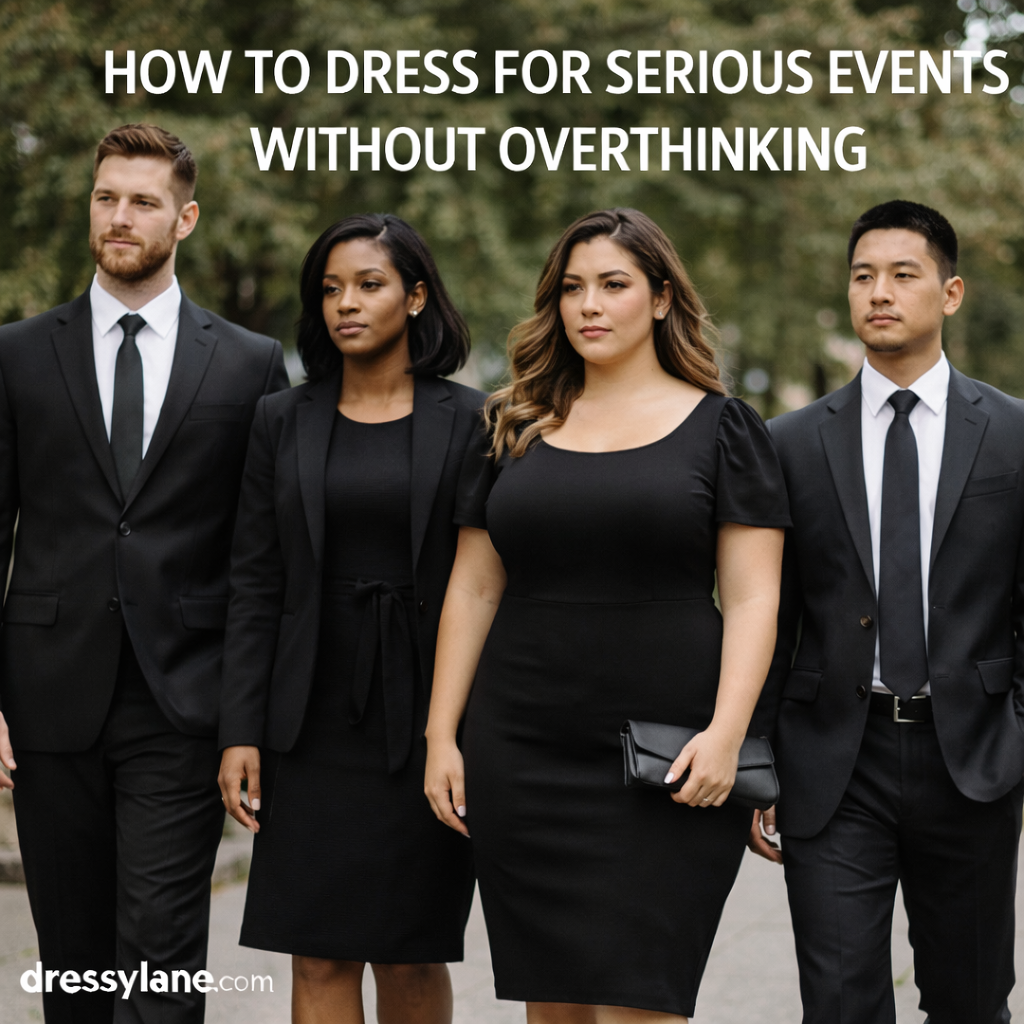
Serious events—such as funerals, memorials, formal ceremonies, and somber gatherings—often come with unspoken expectations around appearance. Many people worry about dressing incorrectly, standing out, or appearing disrespectful. The pressure can make getting dressed feel overwhelming.
The truth is that dressing appropriately for serious events doesn’t require perfection or complicated rules. With a few clear principles, you can choose an outfit that feels respectful, comfortable, and appropriate—without overthinking every detail.
This guide explains how to dress for serious events in a simple, practical way, with guidance for both men and women.
What Counts as a Serious Event
Serious events typically call for muted, respectful attire rather than expressive or trend-driven outfits.
Common examples include:
- Funerals and memorial services
- Wakes or viewings
- Religious services
- Court appearances
- Formal remembrance ceremonies
- Professional events with a solemn tone
The goal is to blend in respectfully, not draw attention.
Core Principles for Dressing Appropriately
Before thinking about specific outfits, it helps to understand the general rules that apply across most serious occasions.
Keep It Simple
Simple outfits reduce the risk of dressing inappropriately. Clean lines, classic shapes, and minimal styling are always safe choices.
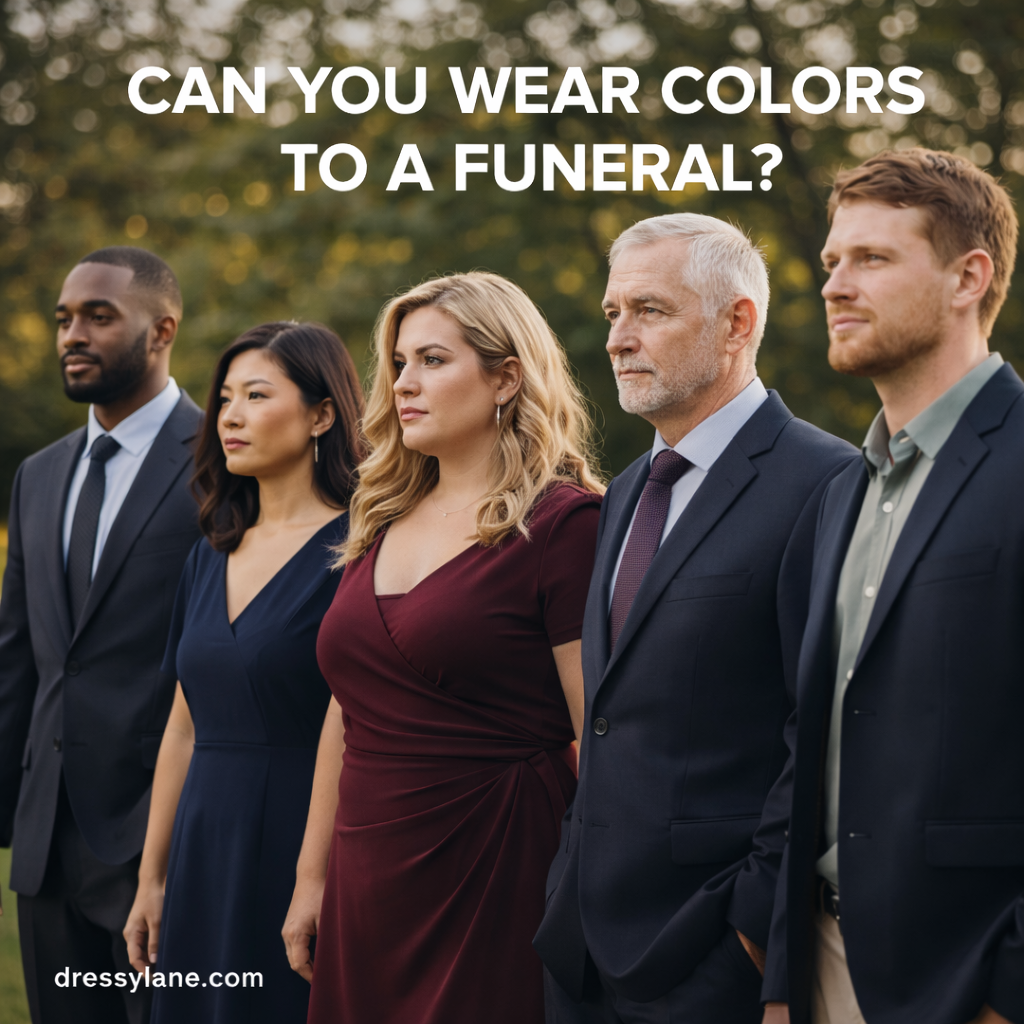
Choose Muted Colors
Dark and neutral tones are usually preferred.
Appropriate color choices include:
- Black
- Charcoal
- Navy
- Gray
- Dark brown
- Muted beige or taupe
Avoid bright colors, loud patterns, or anything overly trendy unless explicitly stated otherwise.
Prioritize Modesty
Serious events typically call for more coverage and structure.
That means:
- Avoiding low necklines or very short hems
- Choosing sleeves or layers when possible
- Skipping overly tight or revealing clothing
Focus on Respect, Not Fashion
Your outfit should support the tone of the event, not compete with it.
How Men Can Dress for Serious Events
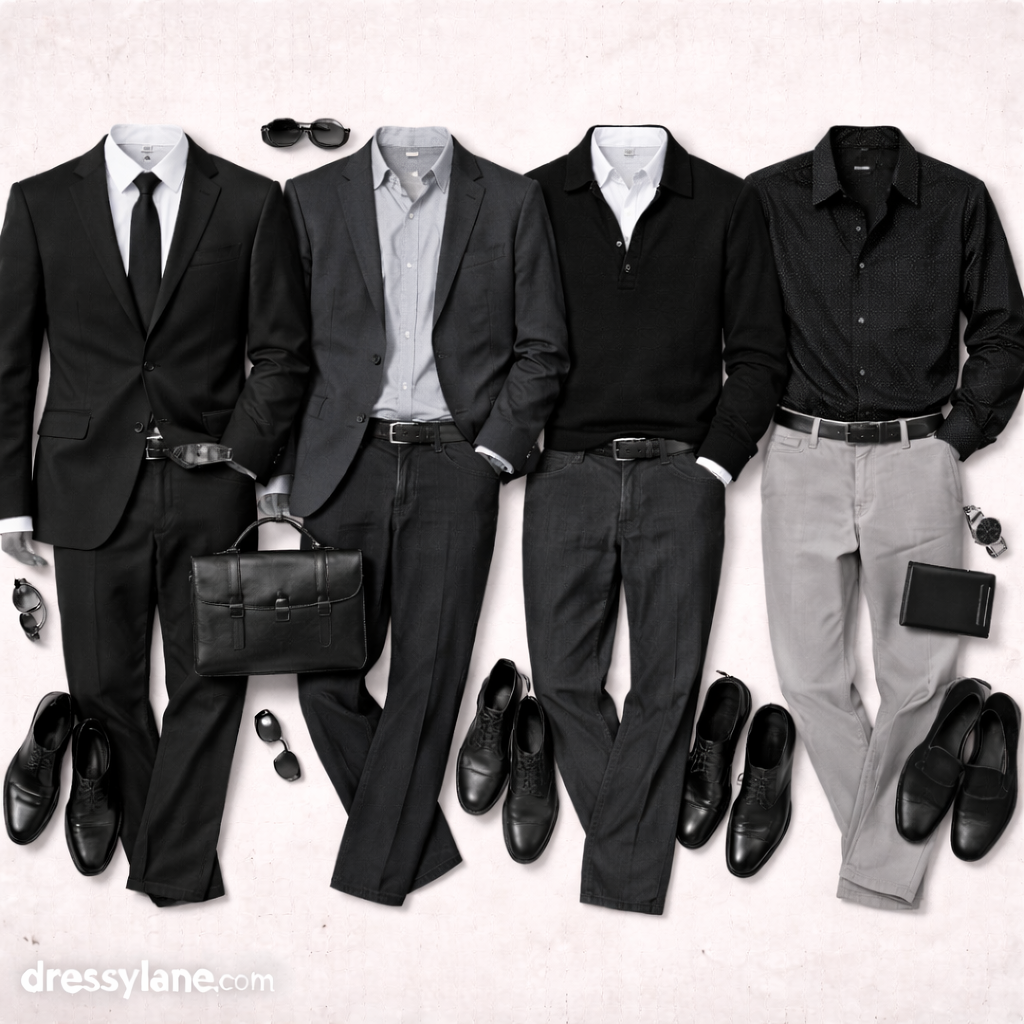
Men’s attire for serious occasions is usually straightforward, which helps eliminate overthinking.
Shirts
- Crisp button-down shirts
- Neutral colors like white, light gray, or soft blue
- Avoid bold prints or casual graphics
A clean, pressed shirt goes a long way.
Pants
- Dress pants or chinos in dark or neutral tones
- Well-fitted but not tight
- Avoid distressed or casual styles
Jackets and Layers
- Blazers or suit jackets for formal settings
- Cardigans or structured sweaters for less formal events
- Dark or neutral colors work best
Shoes
- Leather dress shoes
- Loafers or simple lace-ups
- Clean and polished, even if slightly worn
Sneakers or casual footwear are usually inappropriate unless specifically acceptable.
Accessories
- Simple belts
- Minimal watches
- No flashy jewelry
When in doubt, remove rather than add.
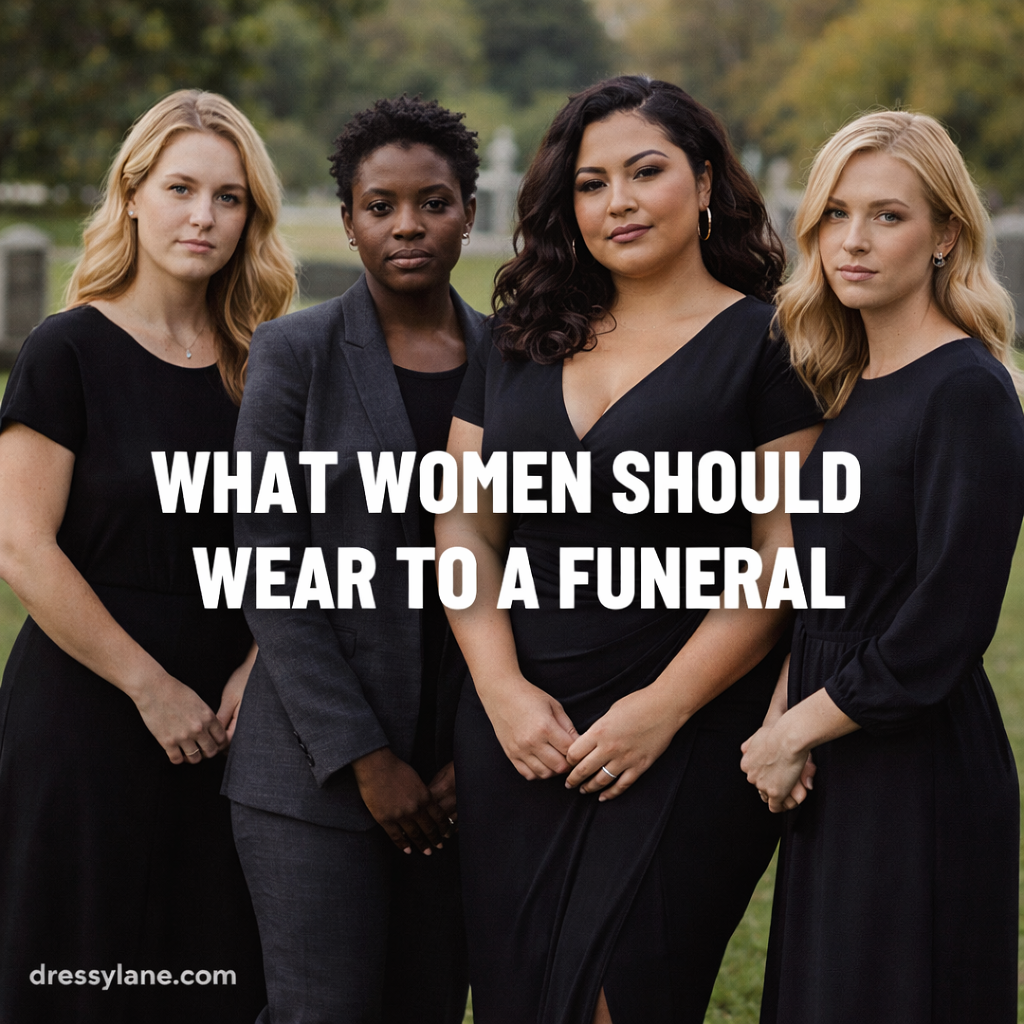
How Women Can Dress for Serious Events
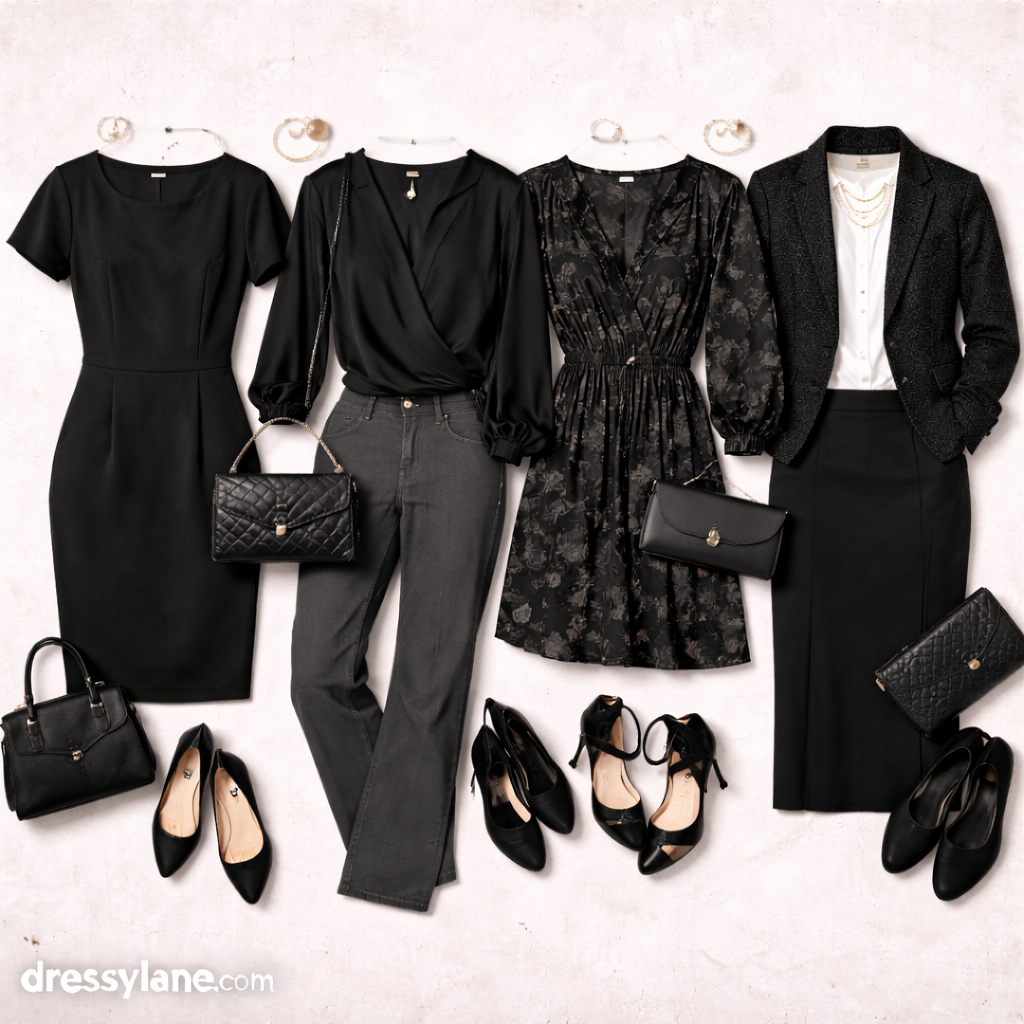
Women often have more clothing options, which can make choosing an outfit feel harder. Simplicity helps.
Dresses
- Knee-length or midi dresses
- Solid colors or subtle textures
- Structured but comfortable fabrics
Avoid very tight, short, or revealing dresses.
Tops and Blouses
- Modest blouses with clean lines
- Neutral or dark colors
- Avoid sheer fabrics unless layered properly
Bottoms
- Tailored pants
- Midi or knee-length skirts
- Neutral shades that pair easily with other pieces
Outer Layers
- Blazers
- Cardigans
- Structured coats for colder weather
Layers help add formality and modesty when needed.
Shoes
- Closed-toe flats
- Low or mid heels
- Simple ankle boots
Choose footwear you can stand or walk in comfortably for extended periods.
Dressing for Funerals Specifically
Funerals are one of the most common serious events and often cause the most uncertainty.
General funeral guidelines:
- Choose darker, muted colors
- Keep outfits conservative and understated
- Avoid casual fabrics like denim or jersey
- Skip visible logos or statement pieces
Cultural or religious traditions may vary, so when possible, consider the family’s customs.
What to Avoid at Serious Events
Knowing what not to wear can be just as helpful.
Avoid:
- Bright or flashy colors
- Bold patterns or graphics
- Overly casual clothing
- Loud accessories
- Strong fragrances
If something feels like it would draw attention, it’s probably best to skip it.
How to Dress Respectfully Without Losing Comfort
Comfort matters, especially for events that may last several hours or involve standing.
To stay comfortable:
- Choose breathable fabrics
- Ensure clothes fit properly
- Wear supportive shoes
- Layer so you can adjust to temperature changes
An uncomfortable outfit can become a distraction during an already emotional event.
A Simple Outfit Checklist
Before leaving, run through this quick checklist:
- Is my outfit clean and pressed?
- Are the colors neutral and appropriate?
- Does it feel modest and respectful?
- Would this blend in rather than stand out?
If the answer is yes, your outfit is likely suitable.
Final Thoughts
Dressing for serious events doesn’t require elaborate planning or strict fashion rules. By focusing on simplicity, modesty, and neutral colors, you can choose an outfit that honors the occasion without adding stress to your day.
When in doubt, understated is always better than overdone. The right outfit quietly supports the moment—allowing you to focus on what truly matters.