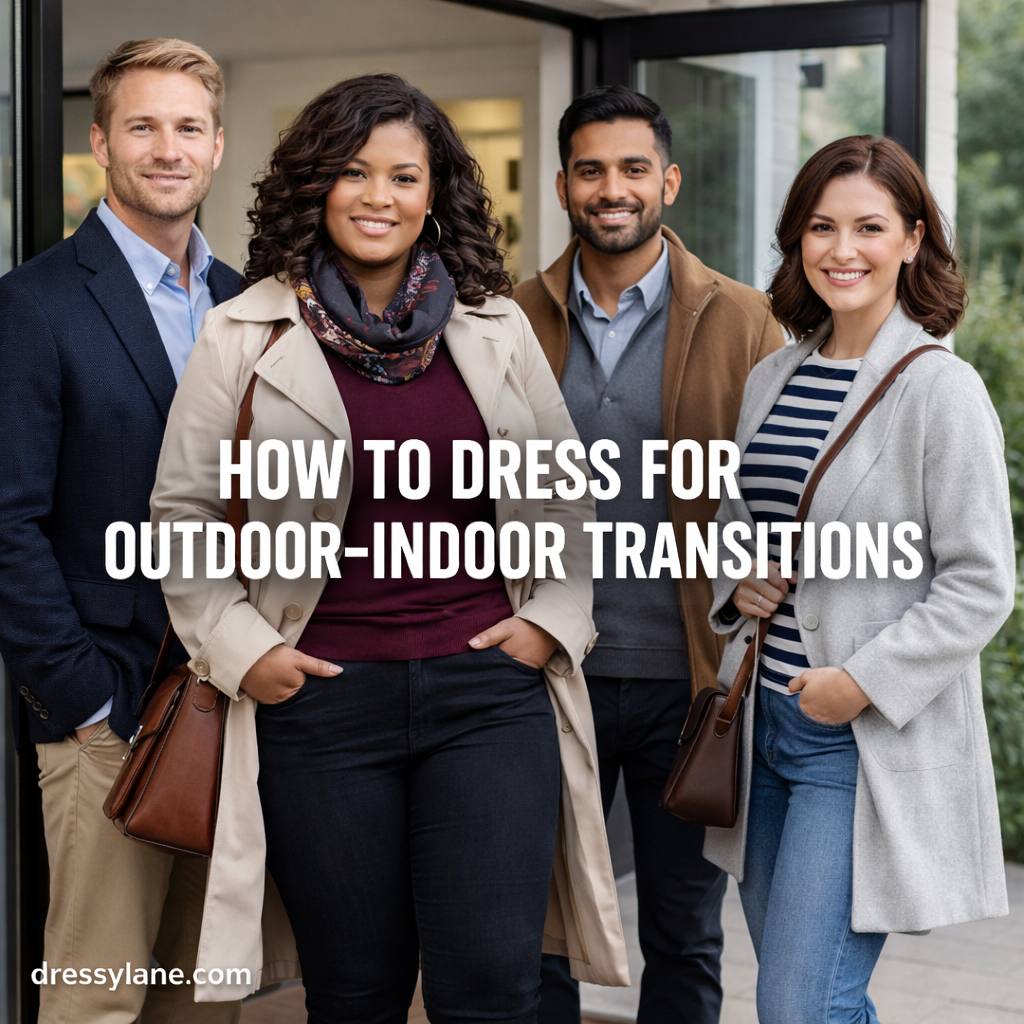
Moving between outdoor weather and indoor spaces can be one of the trickiest parts of getting dressed. One minute you’re dealing with cold air, wind, or heat, and the next you’re stepping into an office, store, or café with completely different temperatures. Dressing well for outdoor-indoor transitions isn’t about owning more clothes—it’s about choosing the right layers and fabrics that adapt easily throughout the day.
This guide breaks down practical, season-proof strategies to help you stay comfortable and put-together as you move between environments.
Understand the Temperature Gap
Most discomfort comes from ignoring how drastic the shift can be between outside and inside.
Common transition challenges include:
- Cold mornings and overheated offices
- Warm afternoons with air-conditioned interiors
- Wind or rain outdoors paired with dry indoor air
- Commuting layers that feel bulky once inside
Planning for the transition—not just the weather—makes all the difference.
Choose Lightweight, Removable Layers
The best transition outfits are built around layers that are easy to take on and off.
Effective layering pieces include:
- Light jackets or unlined blazers
- Cardigans instead of heavy sweaters
- Button-downs over breathable base layers
- Vests that add warmth without bulk
Aim for layers that fold or drape easily so you’re not stuck holding them all day.
Focus on Breathable Base Layers
Your base layer controls how comfortable you feel once the outer layers come off.
Look for base pieces that:
- Are breathable and moisture-friendly
- Sit smoothly under other clothing
- Look polished enough to stand alone indoors
- Don’t trap heat or cling uncomfortably
When your base layer works on its own, transitioning indoors feels effortless.
Use Fabrics That Regulate Temperature
Fabric choice matters more than people realize when moving between environments.
Transition-friendly fabrics include:
- Cotton blends
- Merino wool (lightweight)
- Tencel or modal
- Linen blends (in warmer seasons)
Avoid fabrics that trap heat or show sweat easily, especially if you’ll be removing layers throughout the day.
Keep Accessories Functional, Not Bulky
Accessories are powerful transition tools—but only if they’re easy to manage.
Smart accessory choices:
- Scarves that add warmth outside and polish inside
- Lightweight hats that fit into bags
- Belts to maintain structure after removing layers
- Shoes that work both outdoors and indoors
Accessories should enhance flexibility, not create clutter.
How Men Can Dress for Outdoor-Indoor Transitions
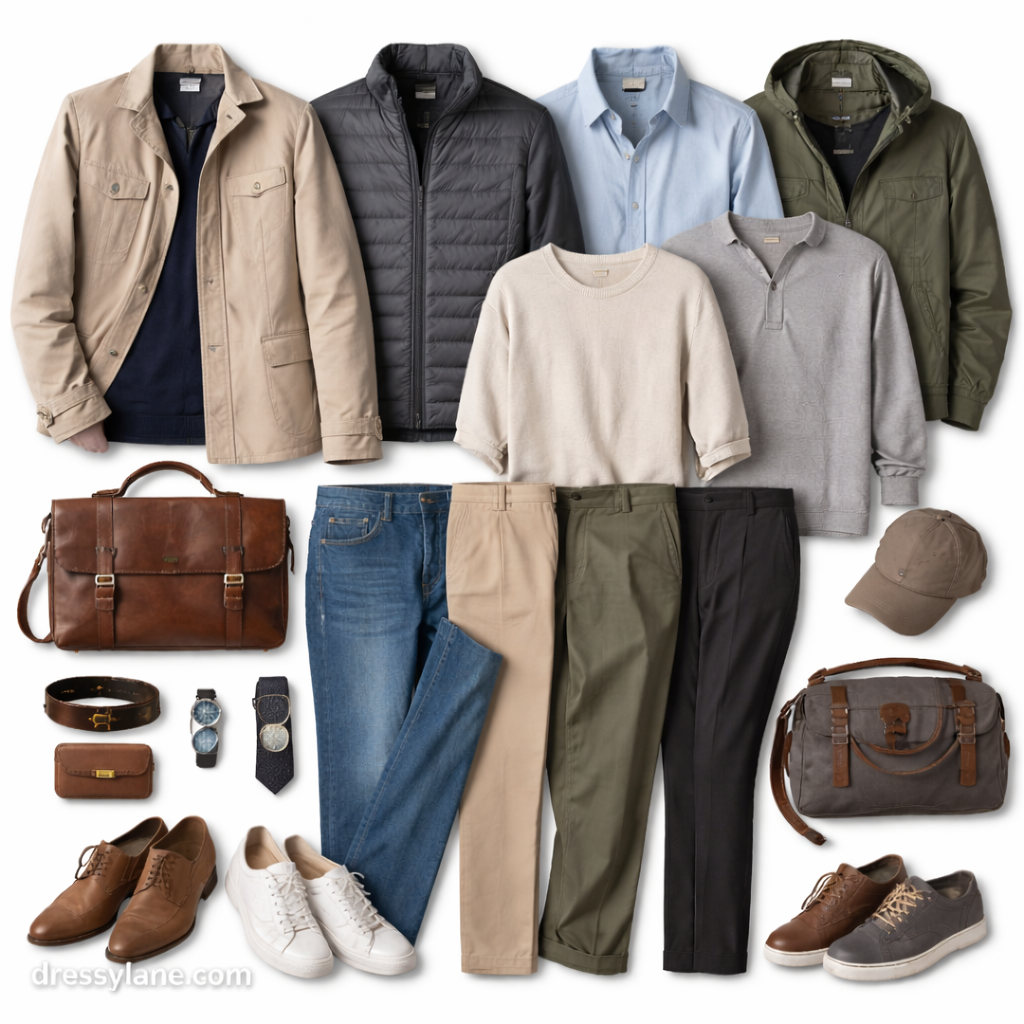
Men often benefit from structured layers that look intentional both on and off.
Practical strategies include:
- Wearing a lightweight jacket over a button-down
- Choosing sweaters that work without a coat indoors
- Layering a thin undershirt for temperature control
- Selecting shoes that handle weather but still look office-ready
A well-chosen outer layer can be removed without making the outfit feel unfinished.
How Women Can Dress for Outdoor-Indoor Transitions
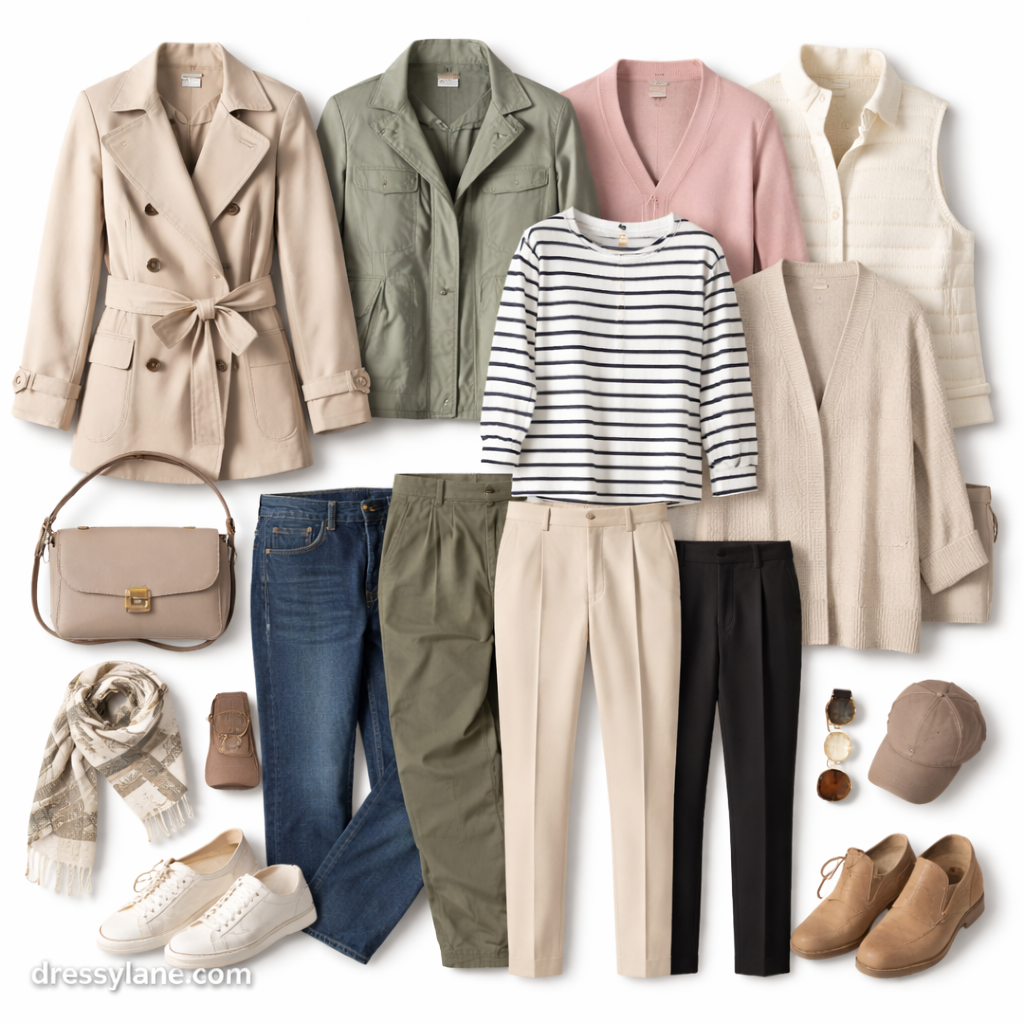
Women have more styling flexibility, especially when it comes to layering and accessories.
Helpful approaches include:
- Using cardigans or blazers instead of heavy coats
- Layering sleeveless or short-sleeve tops under light knits
- Adding scarves that can be removed indoors
- Choosing dresses that pair well with both jackets and flats
The key is creating outfits that still feel complete once the outermost layer is gone.
Plan Your Outfit Around Your Longest Environment
If you’ll spend most of your day indoors, dress primarily for that setting and layer for the outdoors.
Ask yourself:
- Where will I spend the most time today?
- Will I be walking, commuting, or sitting still?
- How easy is it to remove layers once inside?
This mindset prevents overdressing and keeps you comfortable all day.
Final Thoughts
Dressing for outdoor-indoor transitions is about adaptability, not excess. With breathable base layers, removable outerwear, and thoughtful fabric choices, you can move comfortably between environments without constantly adjusting or feeling out of place.
When your outfit works both outside and inside, getting dressed becomes simpler—and your day runs smoother, no matter the season.