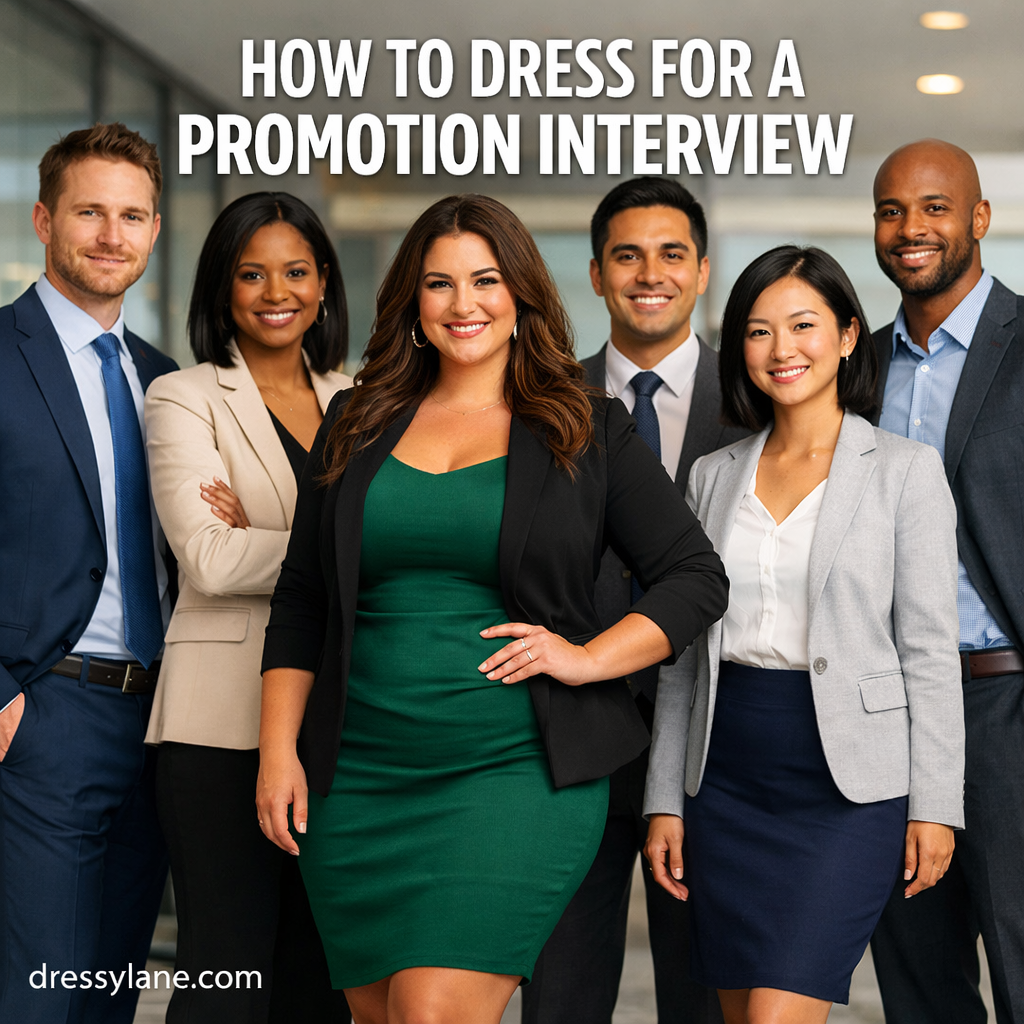
A promotion interview is different from a regular job interview. You’re not trying to prove you belong in the company — you already do. Instead, you’re showing leadership readiness, growth, and alignment with a higher level of responsibility. What you wear plays a subtle but powerful role in reinforcing that message.
Dressing for a promotion interview is about signaling confidence, professionalism, and respect for the role you’re pursuing — without looking like you’re trying too hard or suddenly becoming someone you’re not.
Why Your Outfit Matters More Than You Think
Decision-makers often say they focus on performance, not appearance — and that’s true. But appearance still influences perception, especially in moments of evaluation.
Your outfit communicates:
- How seriously you take the opportunity
- Whether you understand the expectations of the next level
- How you represent the company to clients, leadership, or external partners
The goal is to look like you already belong in the role you want.
Understand the Role You’re Moving Into
Before choosing an outfit, consider the expectations of the promoted position.
Ask yourself:
- Does this role involve leadership or client-facing responsibilities?
- Will I be representing my team or department more visibly?
- How do people already in this role typically dress?
If the promoted role is more senior, your outfit should reflect that step up — even if the company culture is generally casual.
General Promotion Interview Outfit Guidelines
Regardless of gender or industry, these principles apply.
- Dress slightly more polished than your current daily workwear
- Choose clean, tailored pieces over trendy or flashy styles
- Stick to neutral, professional colors with subtle personality
- Ensure everything fits well and is wrinkle-free
- Keep grooming neat and intentional
You want your appearance to say “ready for more responsibility,” not “trying to reinvent myself overnight.”
How to Dress for a Promotion Interview: Women
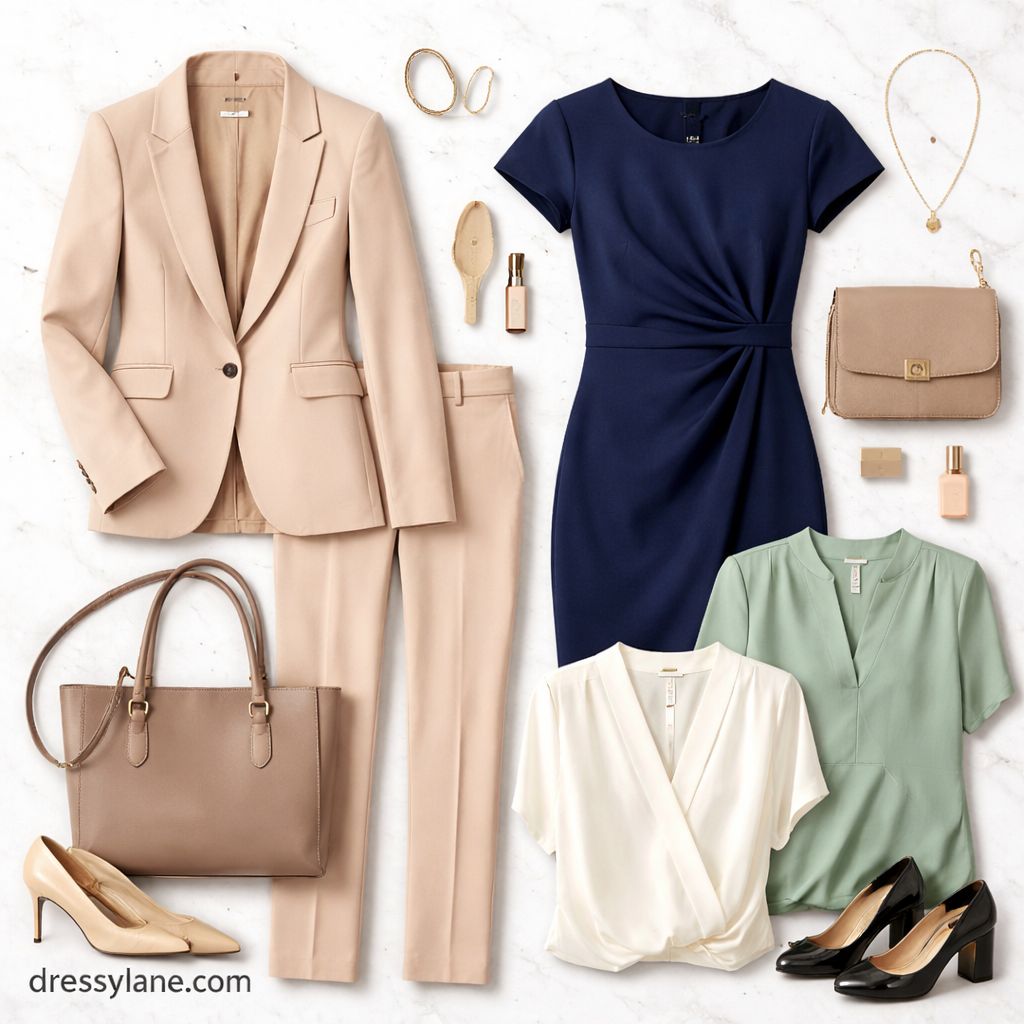
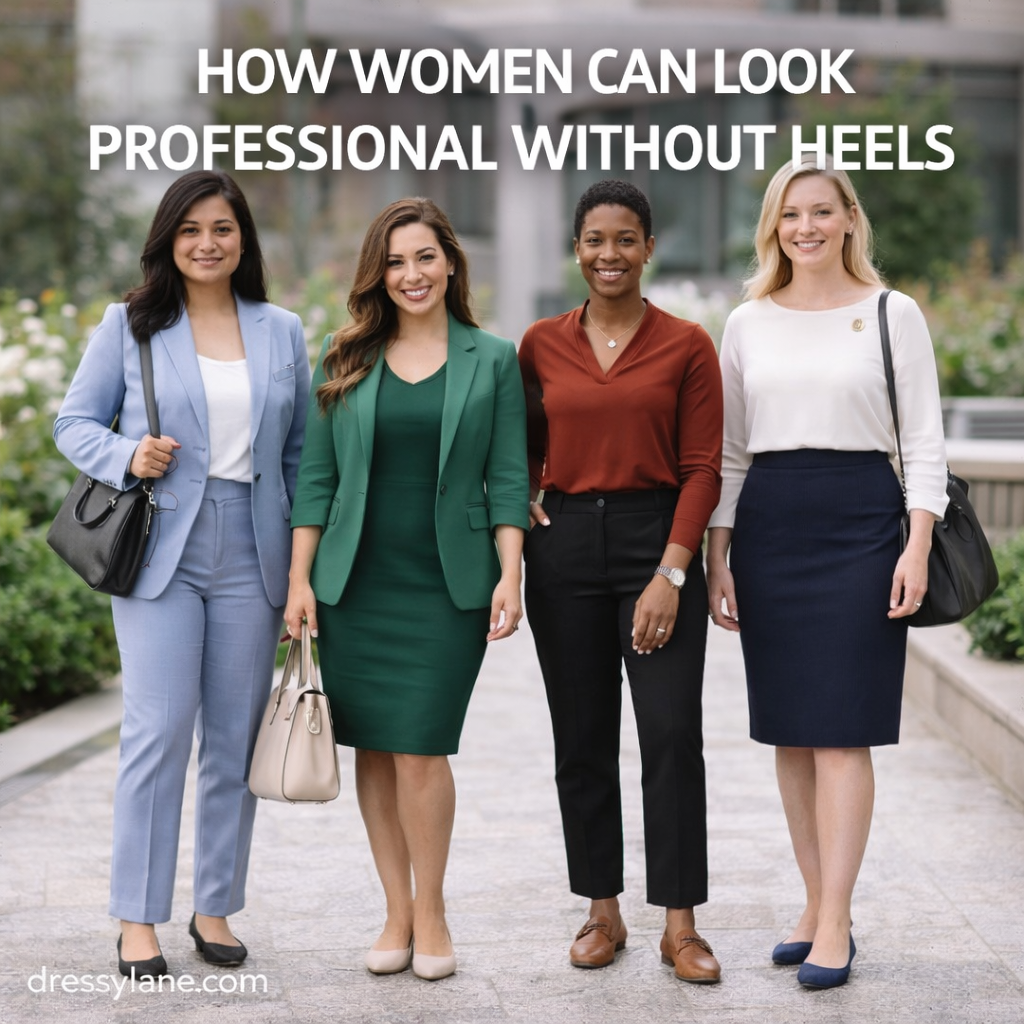
Professional attire for women should balance authority, confidence, and authenticity. The goal is to look capable and composed without feeling overdone.
Recommended Outfit Options
- Tailored blazer with matching or coordinating trousers
- Professional dress with structured lines (knee-length or longer)
- Blouse paired with tailored pants or a pencil skirt
- Closed-toe flats, low heels, or block heels
Color and Fabric Tips
- Neutral tones like navy, black, gray, beige, or soft earth tones work well
- Avoid overly bright or loud prints
- Choose fabrics that hold structure and don’t wrinkle easily
Accessories and Grooming
- Keep jewelry minimal and refined
- Avoid noisy or oversized accessories
- Hair should look intentional — either neatly styled or cleanly pulled back
- Makeup should enhance, not distract
If you’re unsure, choose the outfit that makes you feel most confident and grounded — confidence always shows.
How to Dress for a Promotion Interview: Men
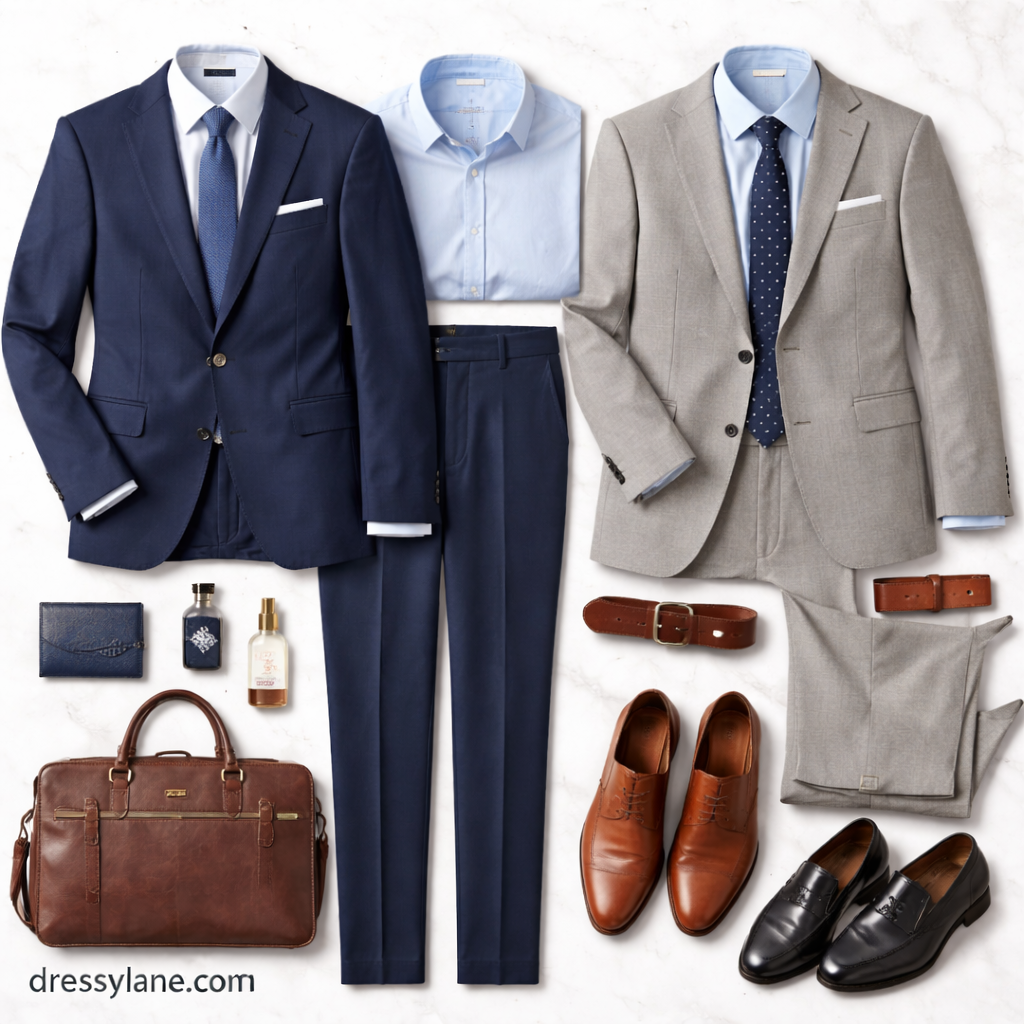
For men, promotion interview attire should suggest leadership readiness while staying aligned with company culture.
Recommended Outfit Options
- Tailored suit or blazer with dress pants
- Button-down shirt in a neutral or soft color
- Optional tie if leadership commonly wears them
- Polished dress shoes or professional loafers
Fit and Details Matter
- Prioritize proper tailoring — fit matters more than brand
- Choose classic colors like navy, charcoal, or gray
- Ensure shoes are clean and well-maintained
Grooming Tips
- Facial hair should be neatly trimmed
- Hair should look clean and intentional
- Avoid overpowering cologne
Your outfit should feel like a refined version of what you already wear at work — not a costume.
What to Avoid Wearing
Even strong performers can unintentionally undermine their impression with the wrong outfit.
Avoid:
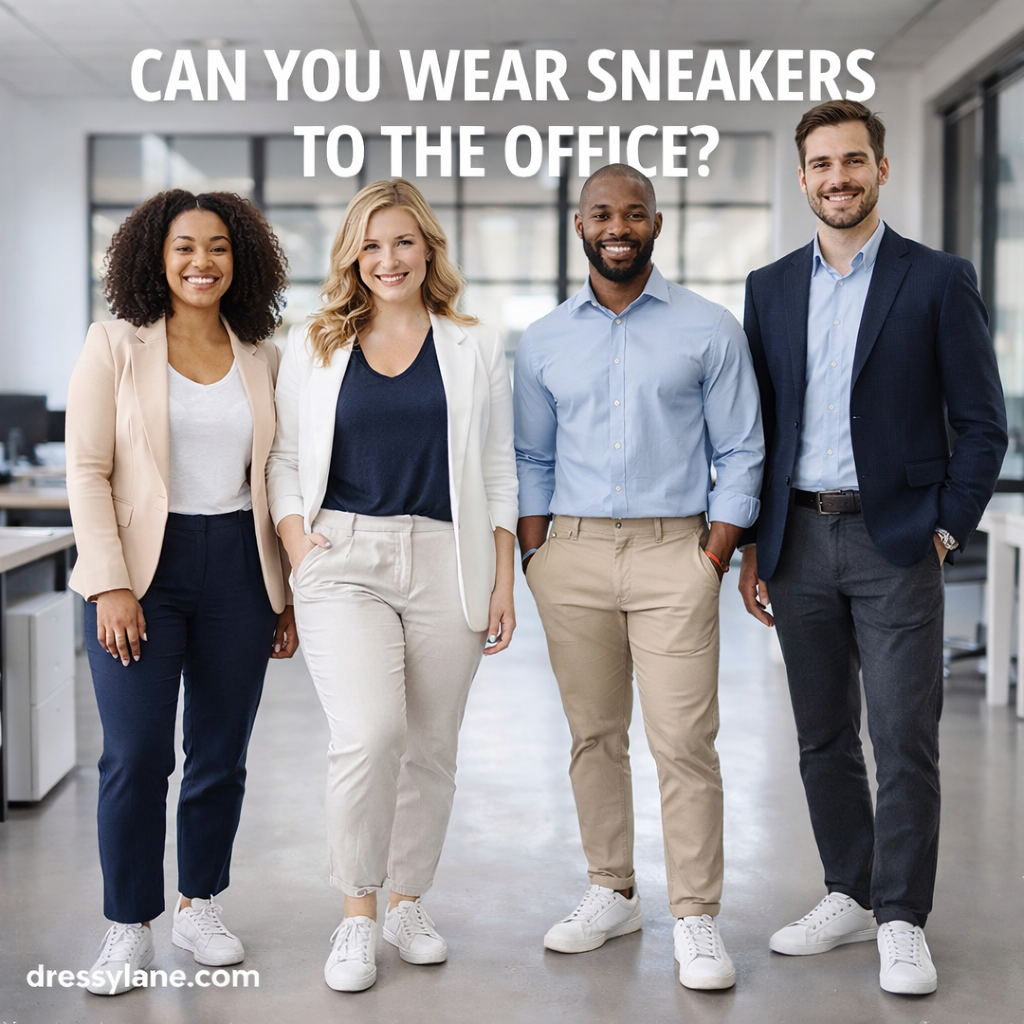
- Overly casual clothing (jeans, hoodies, sneakers)
- Distracting patterns or loud colors
- Ill-fitting or worn-out items
- Anything that requires constant adjusting
- Strong fragrances
If you’re debating an item, it’s usually safer to leave it out.
Dressing for Company Culture
Every workplace is different. A promotion interview outfit at a startup may look very different from one at a corporate office.
Conservative Environments
- Lean formal
- Structured silhouettes
- Traditional colors
Casual or Creative Environments
- Elevated business casual
- Clean lines with subtle personality
- Polished but approachable
When in doubt, observe how leaders dress — and aim to match that level of professionalism.
Psychological Impact of Dressing Well
What you wear doesn’t just influence others — it affects you.
A well-chosen outfit can:
- Boost confidence and posture
- Reduce interview anxiety
- Help you communicate more clearly
- Reinforce your sense of readiness
Feeling prepared externally often helps you feel prepared internally.
Final Thoughts
Dressing for a promotion interview is about alignment — aligning your appearance with the role you want, the culture you work in, and the leader you’re becoming.
You don’t need to change who you are. You simply need to present the most polished, professional version of yourself — one that already looks at home in the next chapter of your career.