

The fabric your clothes are made from can matter just as much as fit or style. Even the most flattering outfit can feel uncomfortable if the material traps heat, irritates your skin, or restricts movement. Choosing the right fabrics helps you feel comfortable, confident, and at ease throughout the day.
This guide explains how to choose fabrics for comfort, what to look for in everyday clothing, and how different materials perform—plus practical tips for both men and women.
Why Fabric Choice Matters for Comfort
Fabric affects how your clothes behave once you start moving, sitting, or changing environments.
Comfort-friendly fabrics help:
- Regulate body temperature
- Allow airflow and breathability
- Reduce irritation and itching
- Move naturally with your body
- Prevent overheating or chills
The right fabric can make clothing feel effortless rather than distracting.
Key Fabric Qualities to Look For
Before focusing on specific materials, it helps to understand what makes a fabric comfortable.
Important comfort factors:
- Breathability – allows air circulation
- Softness – feels gentle on the skin
- Stretch – supports movement
- Moisture control – manages sweat
- Weight – matches the season and activity level
No single fabric is perfect for every situation, so context matters.
Natural Fabrics and Comfort
Natural fibers are often associated with comfort because they breathe well and feel familiar against the skin.
Common natural fabrics:
- Cotton – breathable, soft, and versatile
- Linen – lightweight and cooling for warm weather
- Wool – temperature-regulating and insulating
- Silk – smooth and lightweight with natural breathability
Natural fabrics are especially helpful for sensitive skin.
Synthetic Fabrics and Comfort
Synthetic fabrics are designed to enhance performance and durability.
Comfort-focused synthetic options:
- Polyester blends – lightweight and wrinkle-resistant
- Nylon – smooth, durable, and flexible
- Elastane or spandex – adds stretch and mobility
- Moisture-wicking fabrics – ideal for active or long days
Blends often combine the comfort of natural fibers with the performance of synthetics.
Fabric Blends Offer the Best of Both Worlds
Many comfortable garments use blended fabrics.
Benefits of blends:
- Improved stretch and flexibility
- Better shape retention
- Easier care and wrinkle resistance
- Balanced breathability and durability
Blends are often ideal for workwear and everyday clothing.
Choosing Fabrics by Season
Comfort depends heavily on temperature and climate.
Seasonal fabric guidance:
- Spring – lightweight cottons and blends
- Summer – linen, breathable cotton, moisture-wicking fabrics
- Fall – soft knits, light wool blends
- Winter – wool, thermal fabrics, layered knits
Matching fabric weight to the season prevents discomfort.
How Fabric Affects Daily Movement
Comfortable fabrics should support how you move.
Movement-friendly fabric traits:
- Stretch for bending and sitting
- Softness to prevent chafing
- Lightweight feel to reduce restriction
- Recovery to maintain shape
Rigid or overly stiff fabrics often feel uncomfortable during long wear.
How to Choose Comfortable Fabrics for Women
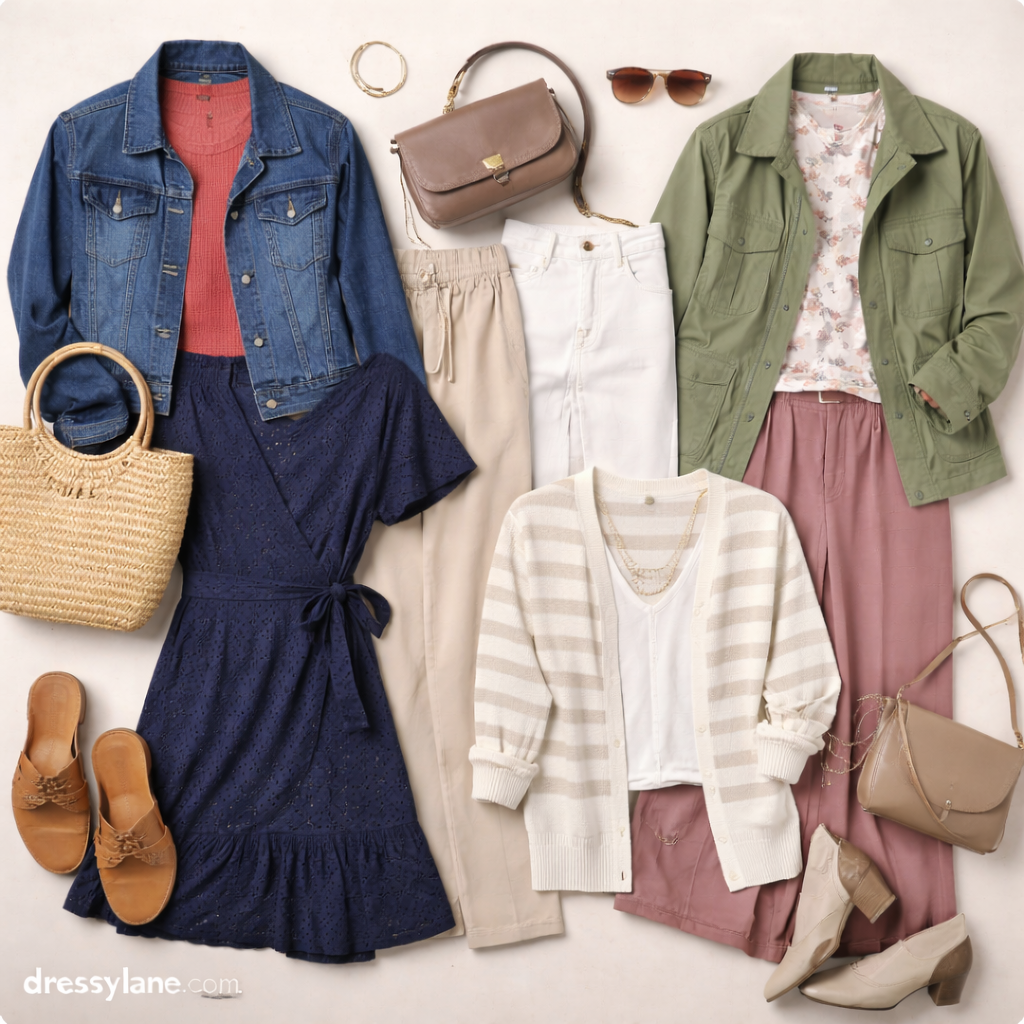
Women often benefit from fabrics that balance structure and flexibility.
Comfort-focused tips for women:
- Look for stretch in dresses, pants, and skirts
- Choose breathable fabrics for layering
- Avoid stiff materials in fitted areas
- Opt for soft linings and smooth finishes
- Prioritize fabrics that don’t require constant adjusting
Comfort improves when clothing adapts to the body.
How to Choose Comfortable Fabrics for Men
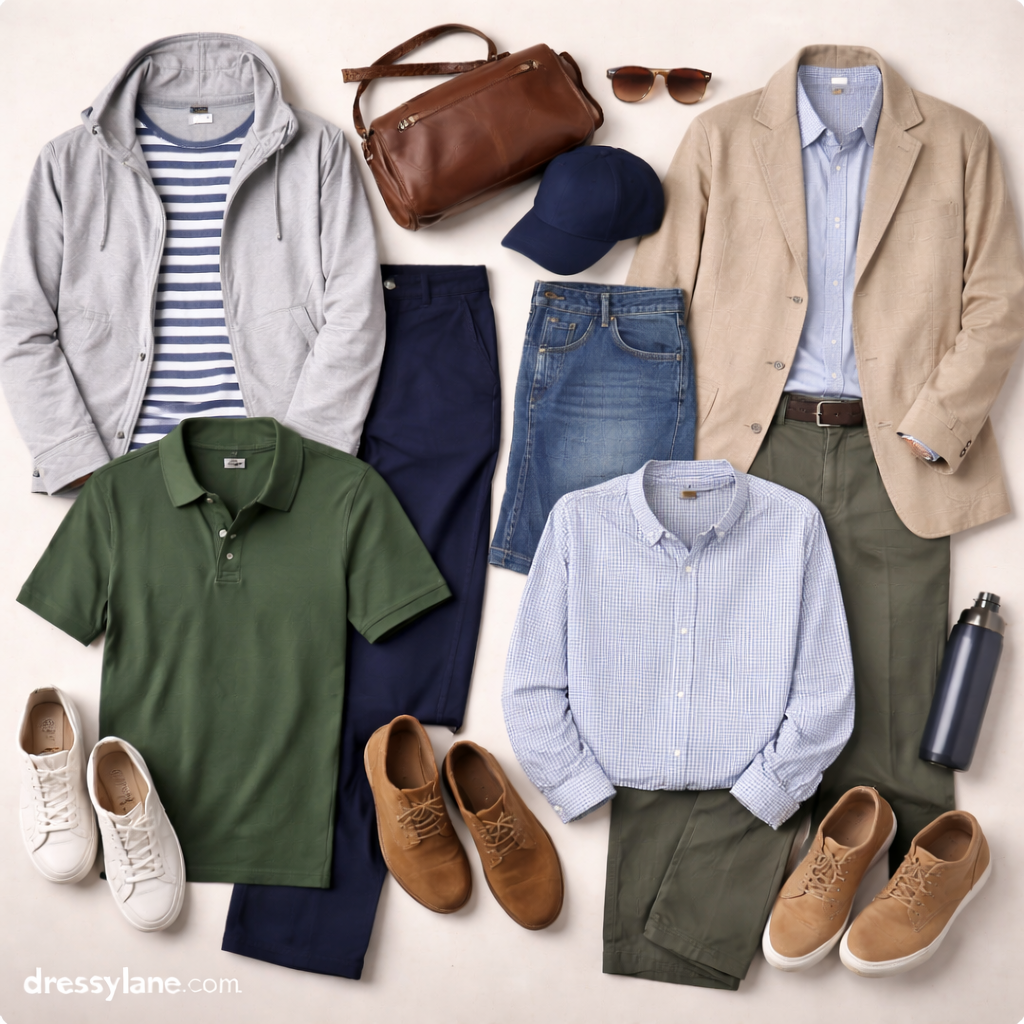
Men’s comfort often depends on breathability and mobility.
Comfort-focused tips for men:
- Choose breathable shirts and knits
- Look for stretch in trousers and jackets
- Avoid heavy fabrics for all-day wear
- Select moisture-managing fabrics for long hours
- Choose fabrics that soften over time
Fabric choice can significantly improve daily wearability.
Common Fabric Mistakes to Avoid
Some discomfort comes from fabric choices that don’t suit your lifestyle.
Avoid:
- Heavy fabrics in warm environments
- Non-breathable synthetics for long wear
- Scratchy or rough textures
- Fabrics that cling or trap moisture
- Choosing appearance over comfort
Comfort should always be part of the decision.
Simple Tips for Testing Fabric Comfort
You can often assess comfort before wearing an item all day.
Try this:
- Touch the fabric against your neck or wrist
- Stretch it gently to test flexibility
- Check thickness against the season
- Consider how it would feel after hours of wear
Small checks prevent big regrets.
Final Thoughts
Choosing fabrics for comfort is about understanding how materials interact with your body, environment, and daily routine. When you prioritize breathability, softness, and movement, your clothing becomes supportive instead of distracting.
Comfortable fabrics make style easier—and everyday life more enjoyable.