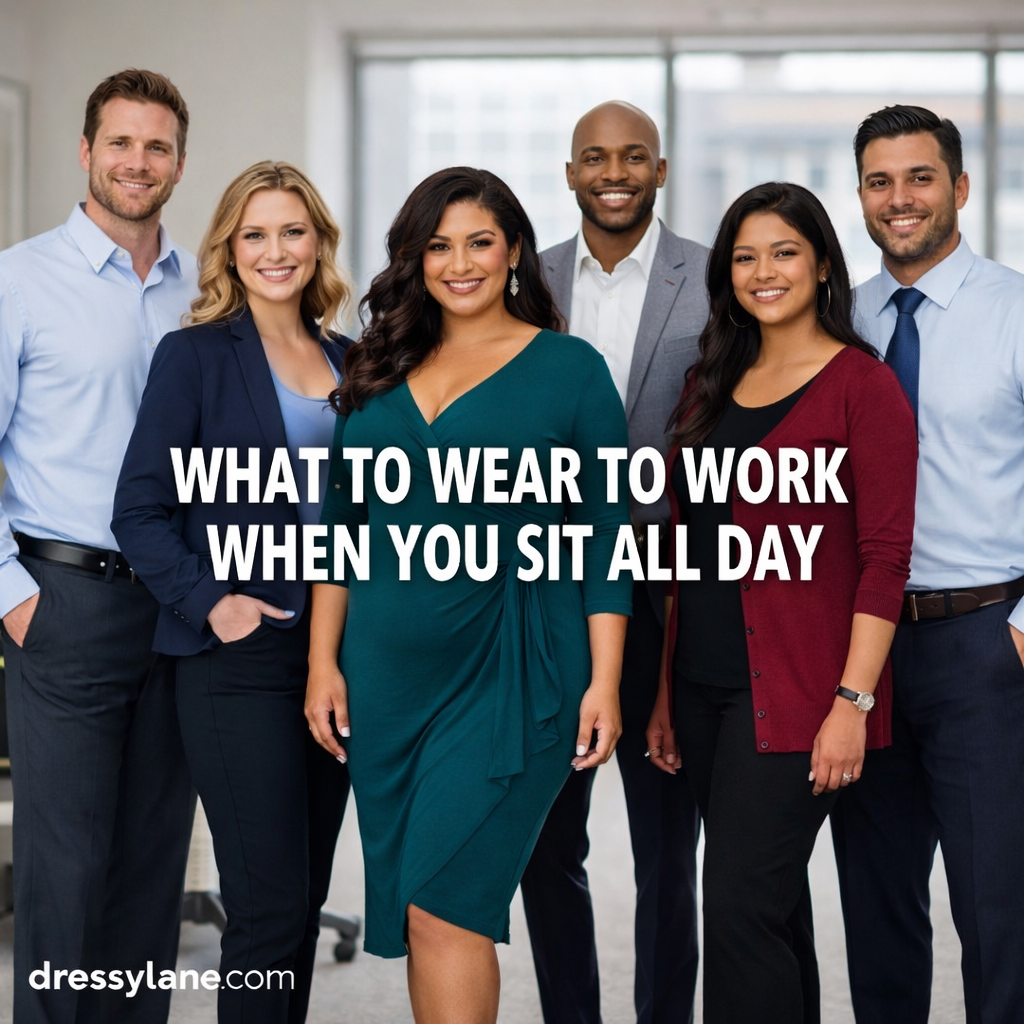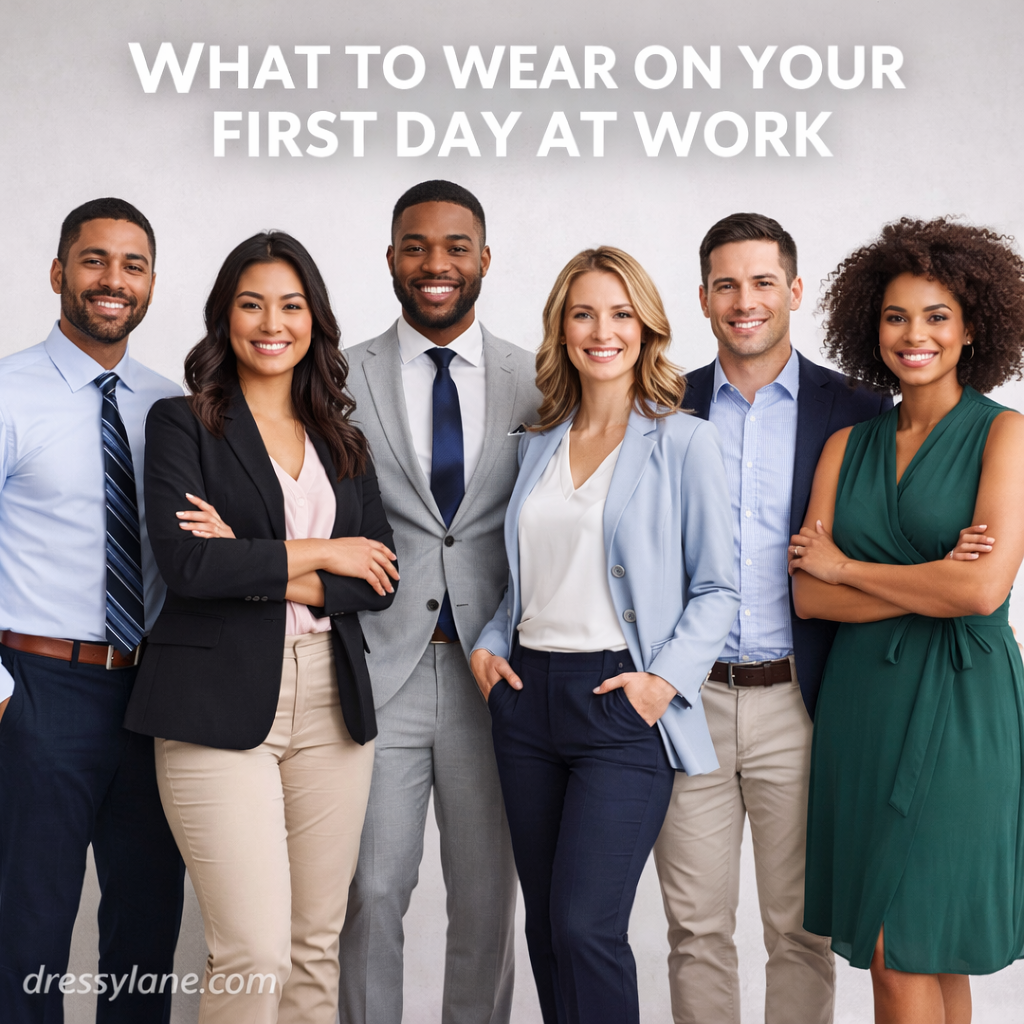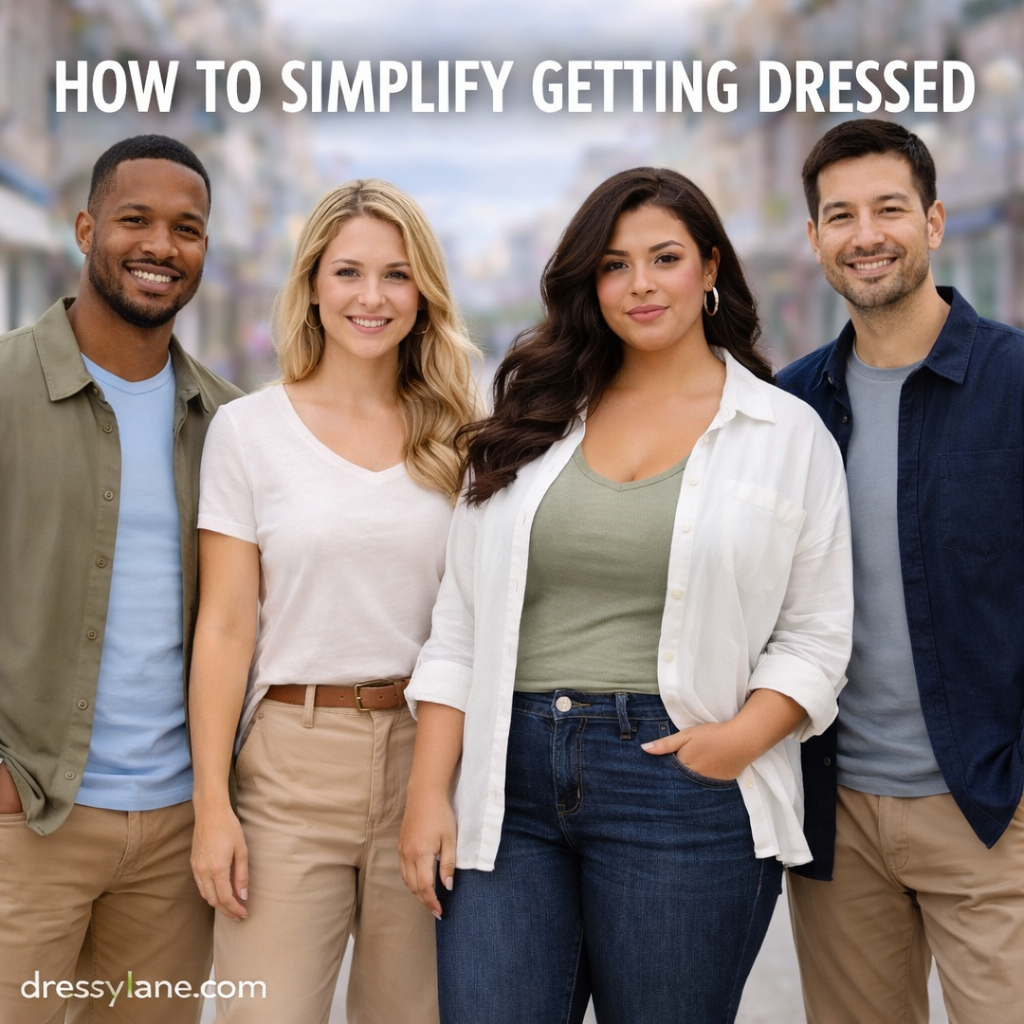
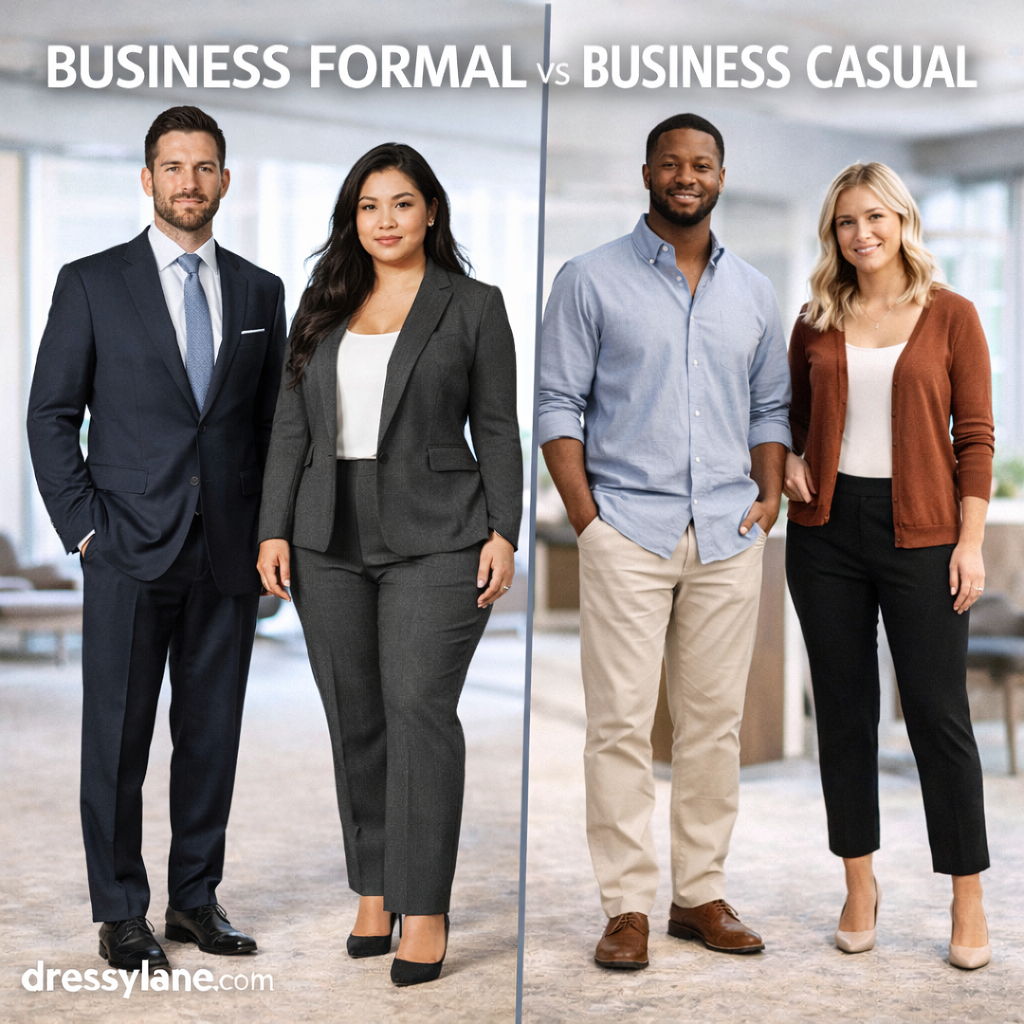
Understanding the difference between business formal and business casual can be confusing—especially as workplace dress codes continue to evolve. What’s appropriate in one office may feel overdressed or underdressed in another. Knowing how these two styles differ helps you show professionalism, confidence, and respect for the setting without second-guessing your outfit.
This guide clearly breaks down business formal vs business casual, including what each dress code means, when to wear them, and how both men and women can dress appropriately and comfortably.
What Is Business Formal?
Business formal is the most traditional professional dress code. It’s typically required in conservative industries, high-level meetings, formal presentations, and corporate leadership environments.
This style emphasizes structure, polish, and consistency.
When Business Formal Is Expected
- Corporate offices with strict dress codes
- Executive or board-level meetings
- Legal, finance, or government settings
- Client-facing roles in formal industries
- Interviews for traditional companies
Business formal outfits leave little room for interpretation and prioritize professionalism over personal style.
What Is Business Casual?
Business casual is a more relaxed version of professional dress. It allows for comfort and personal expression while still maintaining a polished appearance.
The definition of business casual can vary by company, but it generally removes the most formal elements of traditional business attire.
When Business Casual Is Appropriate
- Modern office environments
- Creative or tech industries
- Day-to-day office work
- Casual client meetings
- Offices with flexible dress policies
Business casual strikes a balance between professional and approachable.
Key Differences Between Business Formal and Business Casual
The distinction comes down to structure, fabric, and overall presentation.
Business formal typically includes:
- Full suits
- Structured tailoring
- Formal footwear
- Minimal variation in color and pattern
Business casual usually allows:
- Separate pieces instead of full suits
- Softer fabrics
- More color and texture
- Greater flexibility in footwear
Understanding these differences helps avoid dressing too stiff or too relaxed for the situation.
Business Formal Attire for Men
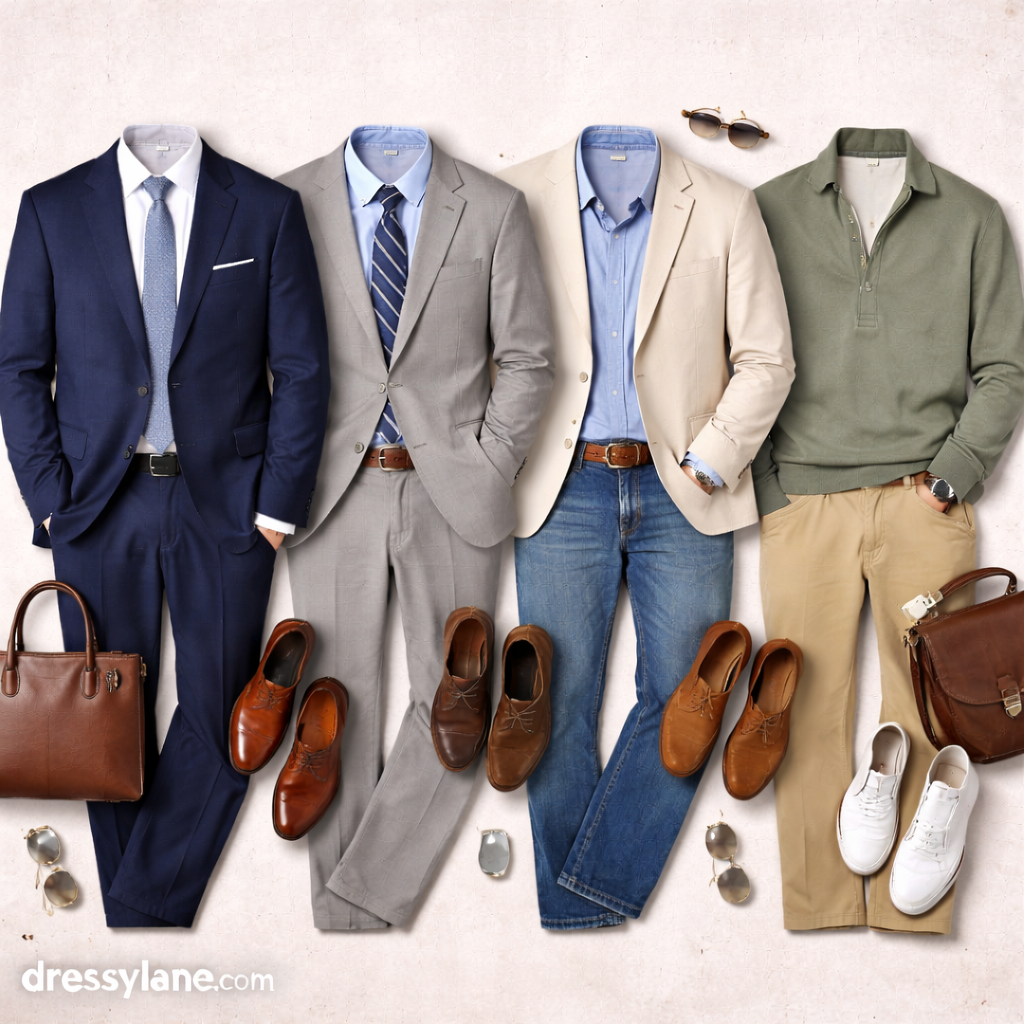
Men’s business formal outfits are classic and consistent.
Typical Business Formal Pieces for Men
- Matching suit jacket and trousers
- Crisp dress shirt
- Tie
- Leather dress shoes
- Coordinated belt
Neutral colors like navy, charcoal, and black are standard. Fit and grooming matter just as much as the clothing itself.
Business Casual Attire for Men
Business casual allows men to dress professionally without full formalwear.
Common Business Casual Options for Men
- Dress shirts without ties
- Chinos or dress pants
- Blazers or sport coats
- Loafers or clean leather shoes
- Polos in more relaxed offices
While more comfortable, clothes should still be well-fitted and intentional.
Business Formal Attire for Women
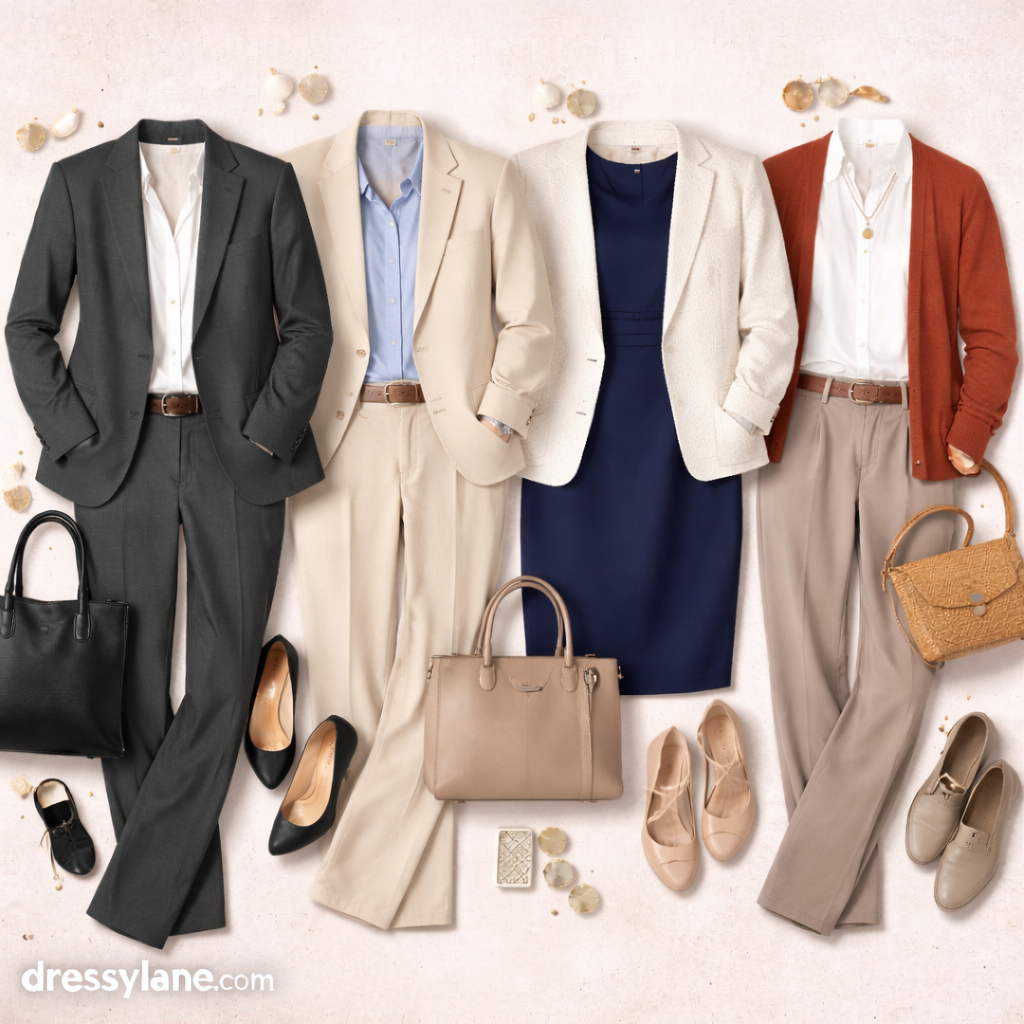
Business formal for women focuses on clean lines, structure, and professional silhouettes.
Typical Business Formal Pieces for Women
- Tailored suits or matching sets
- Structured dresses
- Blouses with modest necklines
- Closed-toe heels or flats
- Minimal accessories
Neutral colors and classic cuts are common in business formal settings.
Business Casual Attire for Women
Business casual gives women more flexibility in style while maintaining professionalism.
Common Business Casual Options for Women
- Blouses or knit tops
- Tailored pants or skirts
- Cardigans, blazers, or soft jackets
- Flats, loafers, or low heels
- Subtle patterns and colors
The goal is polished comfort without appearing overly relaxed.
Choosing the Right Dress Code for the Workplace
When deciding between business formal and business casual, context matters.
Ask yourself:
- What is my company’s official dress policy?
- Am I meeting clients or leadership?
- Is this a normal workday or a special event?
- What do colleagues in similar roles wear?
When unsure, it’s safer to dress slightly more formal than too casual.
Common Mistakes to Avoid
Even with clear definitions, mistakes happen.
Avoid:
- Treating business casual like weekend wear
- Wearing overly casual shoes in professional settings
- Ignoring fit and grooming
- Mixing formal and casual pieces poorly
Consistency is key—your outfit should feel intentional from head to toe.
How Dress Codes Are Changing
Many workplaces are moving toward more relaxed standards, but expectations still exist.
Modern business casual often replaces traditional formal wear, yet formal attire remains important for leadership roles, client interactions, and high-stakes meetings.
Understanding both dress codes ensures you’re prepared for any professional setting.
Final Thoughts
Business formal and business casual serve different purposes, and knowing when to wear each makes workplace dressing far less stressful. Business formal communicates authority and tradition, while business casual offers comfort and approachability without sacrificing professionalism.
By understanding these differences and adapting to your environment, you can dress confidently, appropriately, and with ease—no matter the workplace.