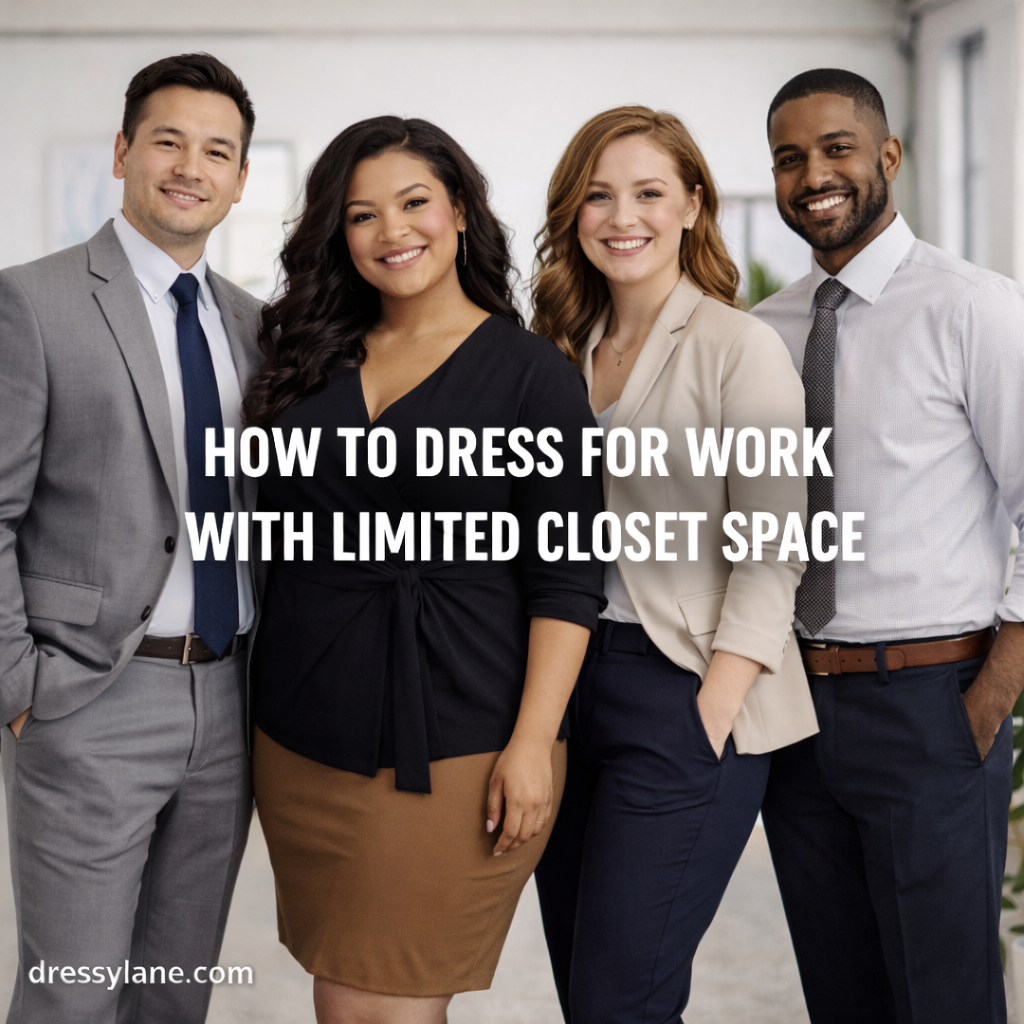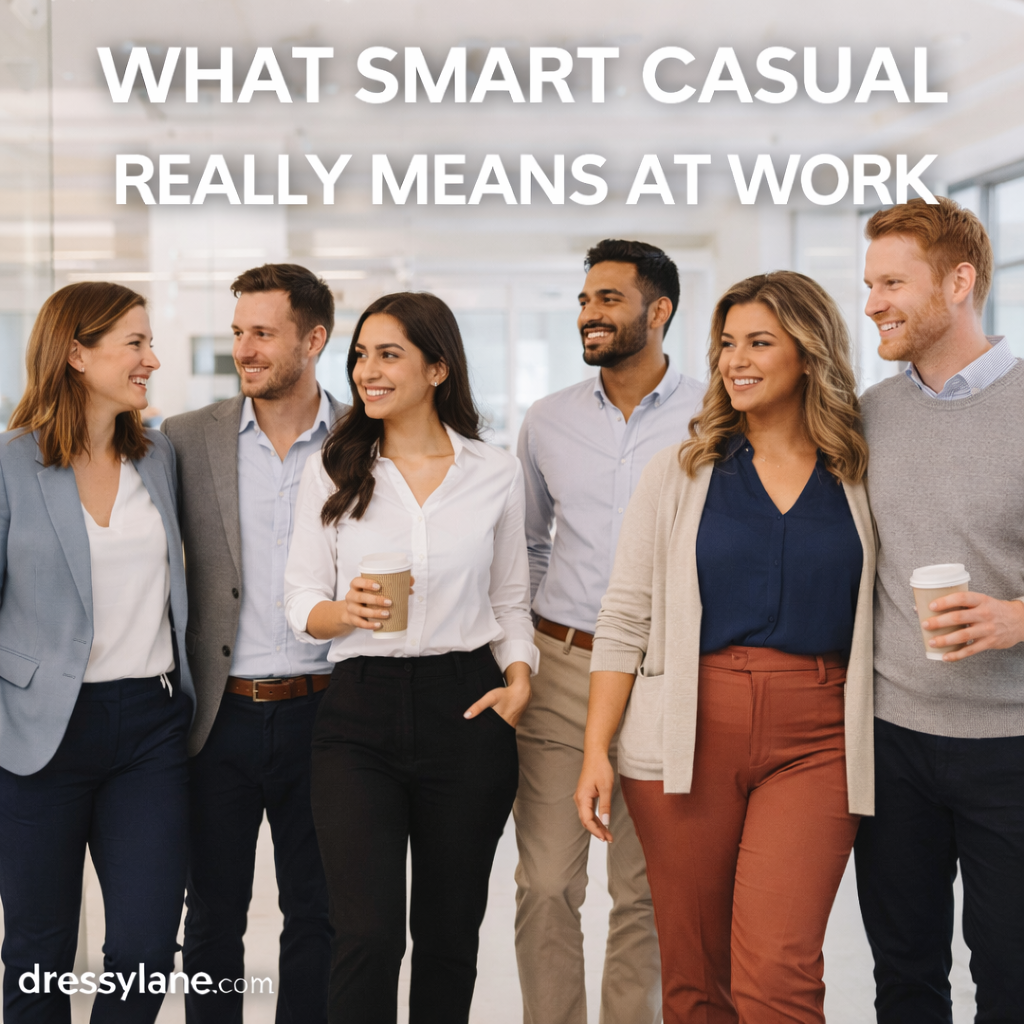
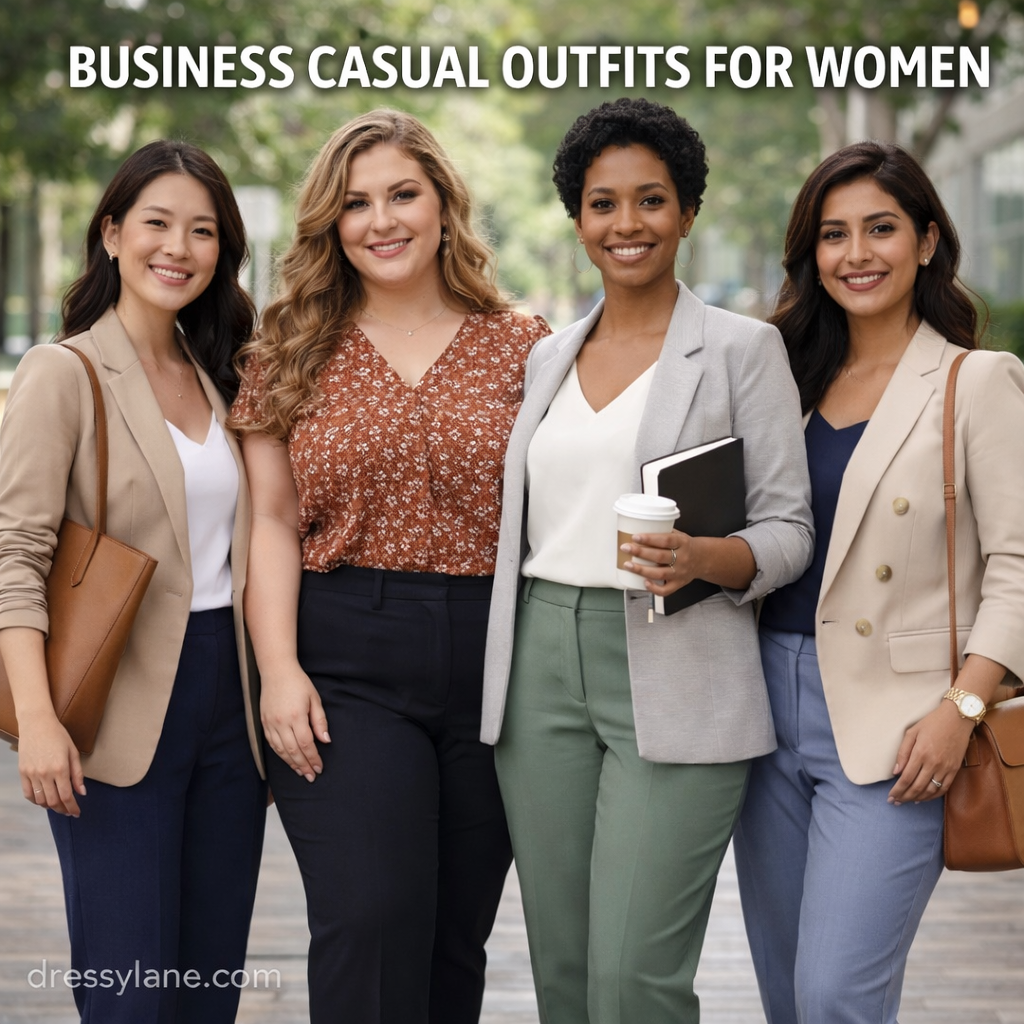
Business casual strikes the perfect balance between professional and approachable. It’s polished without being overly formal, comfortable without looking relaxed, and flexible enough to fit a wide range of workplaces—from offices to client meetings to hybrid schedules.
This guide breaks down business casual outfits for women, offering clear outfit ideas, fabric tips, and styling guidance so you can dress confidently and appropriately every workday.
What Business Casual Means for Women
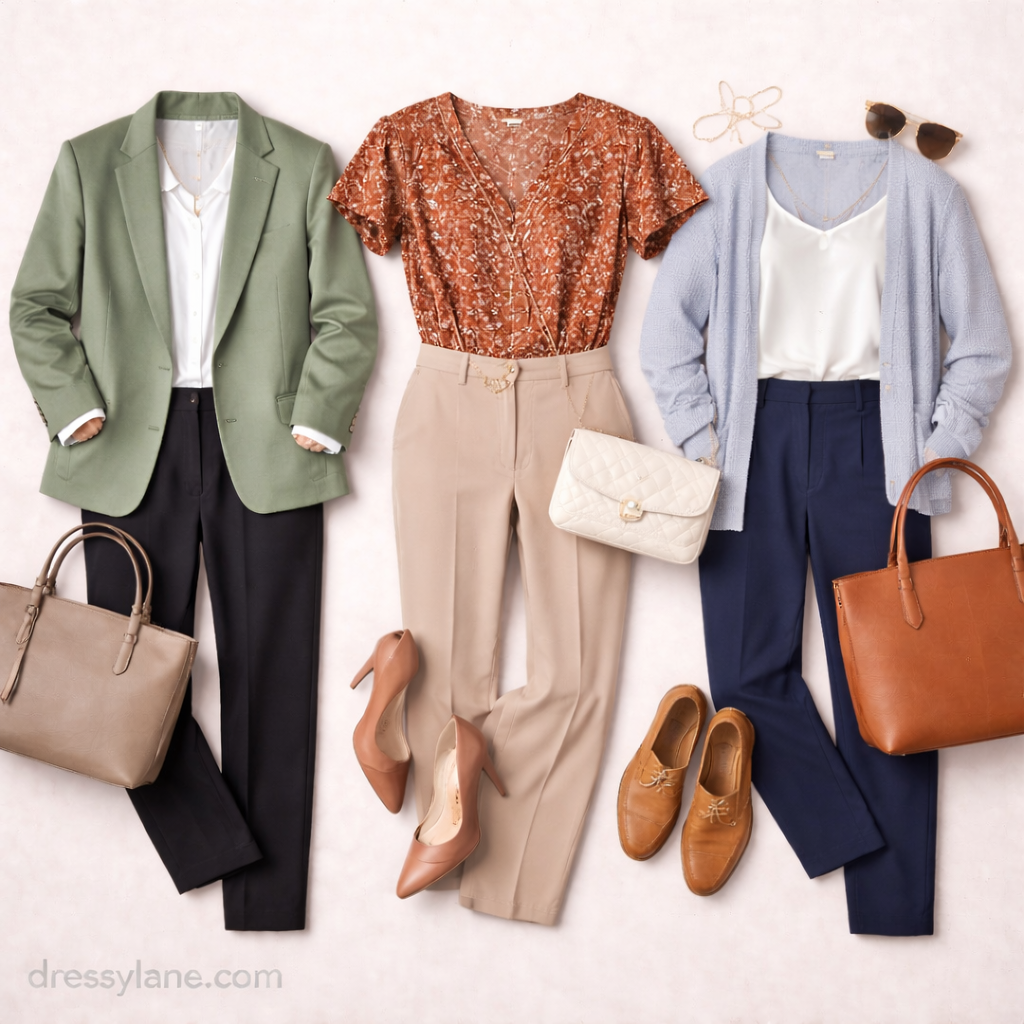
Business casual isn’t the same in every workplace, but there are consistent expectations.
In general, business casual outfits should be:
- Professional and clean
- Comfortable for a full workday
- Modest and workplace-appropriate
- Polished without feeling stiff or formal
Think structured pieces paired with softer, wearable elements.
Core Business Casual Clothing Staples
Building a business casual wardrobe starts with reliable basics.
Must-have pieces include:
- Tailored trousers or ankle-length pants
- Blouses, knit tops, or structured shirts
- Midi skirts or knee-length skirts
- Cardigans, blazers, or lightweight jackets
- Closed-toe shoes or refined flats
These staples mix easily and create multiple outfit options.
Business Casual Outfit Ideas for Women
Classic and Polished
- Tailored trousers with a blouse
- Neutral blazer for structure
- Flats or low heels
This look works well for traditional offices and meetings.
Modern and Comfortable
- Stretch trousers with a soft knit top
- Lightweight cardigan or open blazer
- Loafers or pointed-toe flats
Perfect for long workdays or hybrid schedules.
Feminine and Professional
- Midi skirt with a tucked-in blouse
- Belt to define the waist
- Simple heels or dressy flats
Balanced and polished without being formal.
Best Fabrics for Business Casual Wear
Fabric choice affects comfort and appearance.
Recommended fabrics:
- Cotton blends for breathability
- Crepe or ponte for structure with stretch
- Lightweight knits for comfort
- Wrinkle-resistant materials for busy days
Avoid overly casual fabrics like jersey or denim unless explicitly allowed.
Shoes That Work for Business Casual
Footwear should be comfortable, professional, and walkable.
Business casual shoe options:
- Ballet flats or pointed flats
- Low block heels
- Loafers or mules
- Clean, minimal closed-toe shoes
Avoid overly casual sneakers or very high heels.
How to Layer Business Casual Outfits
Layering adds flexibility and polish.
Smart layering pieces:
- Tailored blazers
- Soft cardigans
- Lightweight jackets
- Sleeveless tops with outer layers
Layers help you adjust to temperature changes while maintaining a professional look.
Colors and Patterns That Fit the Office
Color choice plays a big role in business casual dressing.
Safe and stylish options:
- Neutrals like black, navy, gray, beige, and white
- Soft pastels
- Subtle prints or textures
Avoid loud patterns, neon colors, or distracting graphics.
What to Avoid in Business Casual Attire
Even stylish outfits can miss the mark.
Avoid:
- Ripped or distressed clothing
- Extremely tight or revealing fits
- Casual footwear like flip-flops
- Overly flashy accessories
When in doubt, lean toward polished and understated.
Accessories That Elevate Business Casual Looks
Accessories should enhance, not overpower.
Office-friendly accessories:
- Simple necklaces or stud earrings
- Structured handbags
- Belts for definition
- Minimal watches
Keep accessories intentional and professional.
Dressing Business Casual Across Work Environments
Different workplaces interpret business casual differently.
Consider:
- More structured outfits for corporate offices
- Softer, relaxed pieces for creative environments
- Neutral layering for client-facing roles
Observe workplace norms and adjust accordingly.
Final Thoughts
Business casual outfits for women are about balance—combining professionalism, comfort, and personal style. With the right staples, thoughtful layering, and polished accessories, you can create outfits that feel confident, appropriate, and effortless every day.
When you dress comfortably and professionally, it shows in how you move, work, and interact.