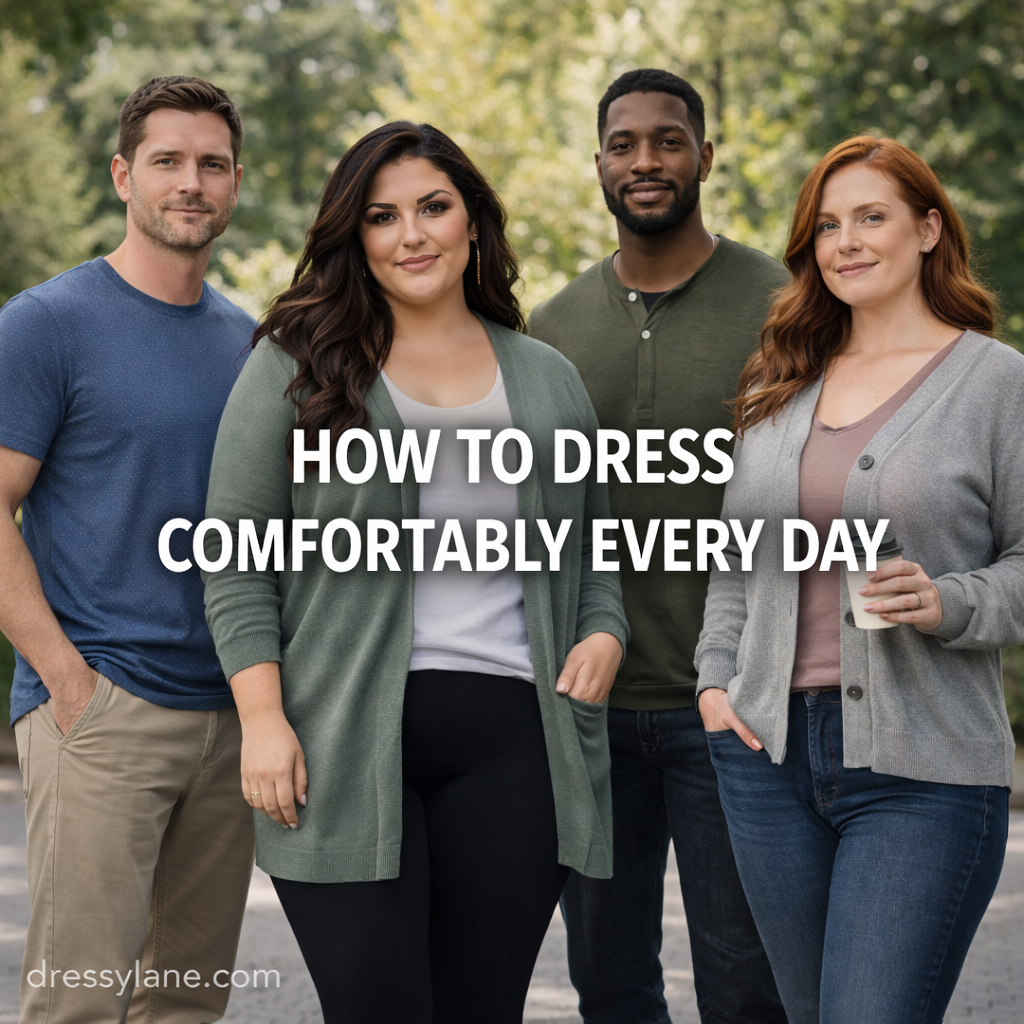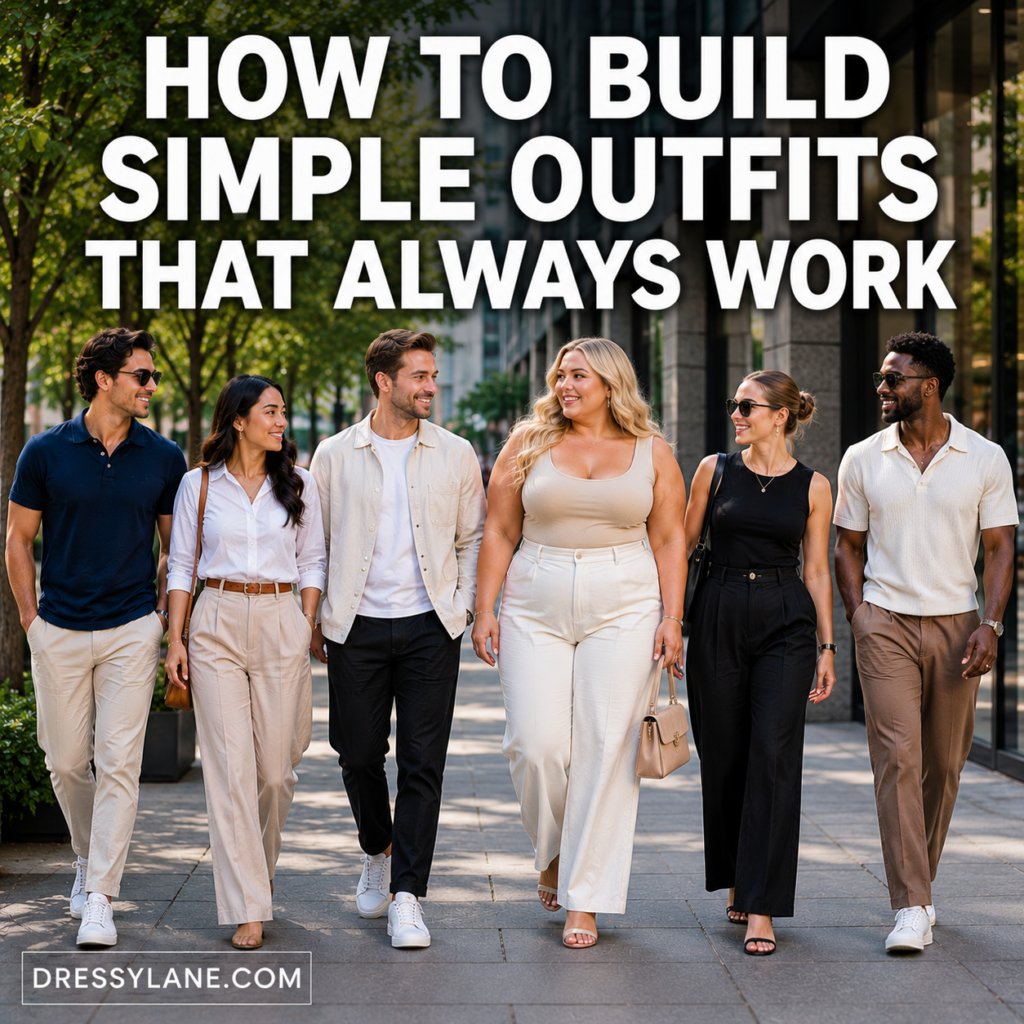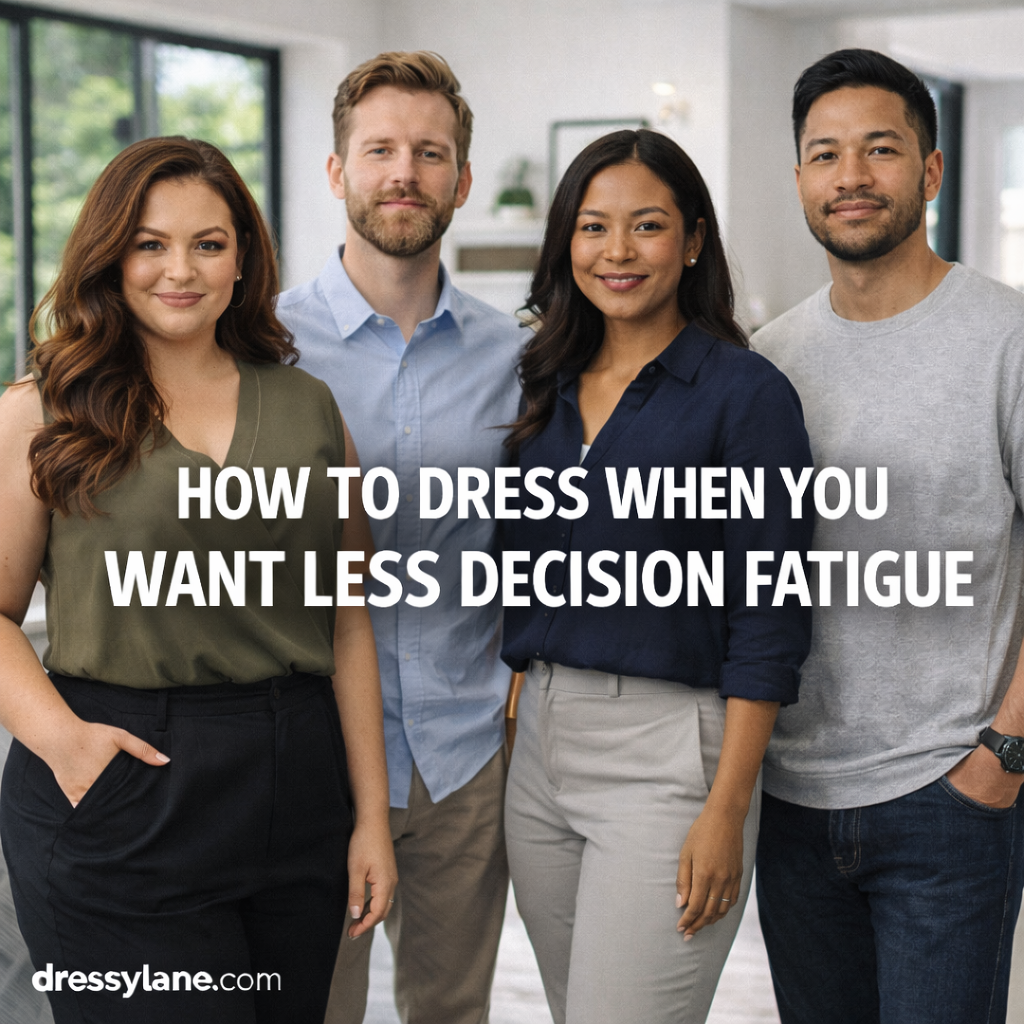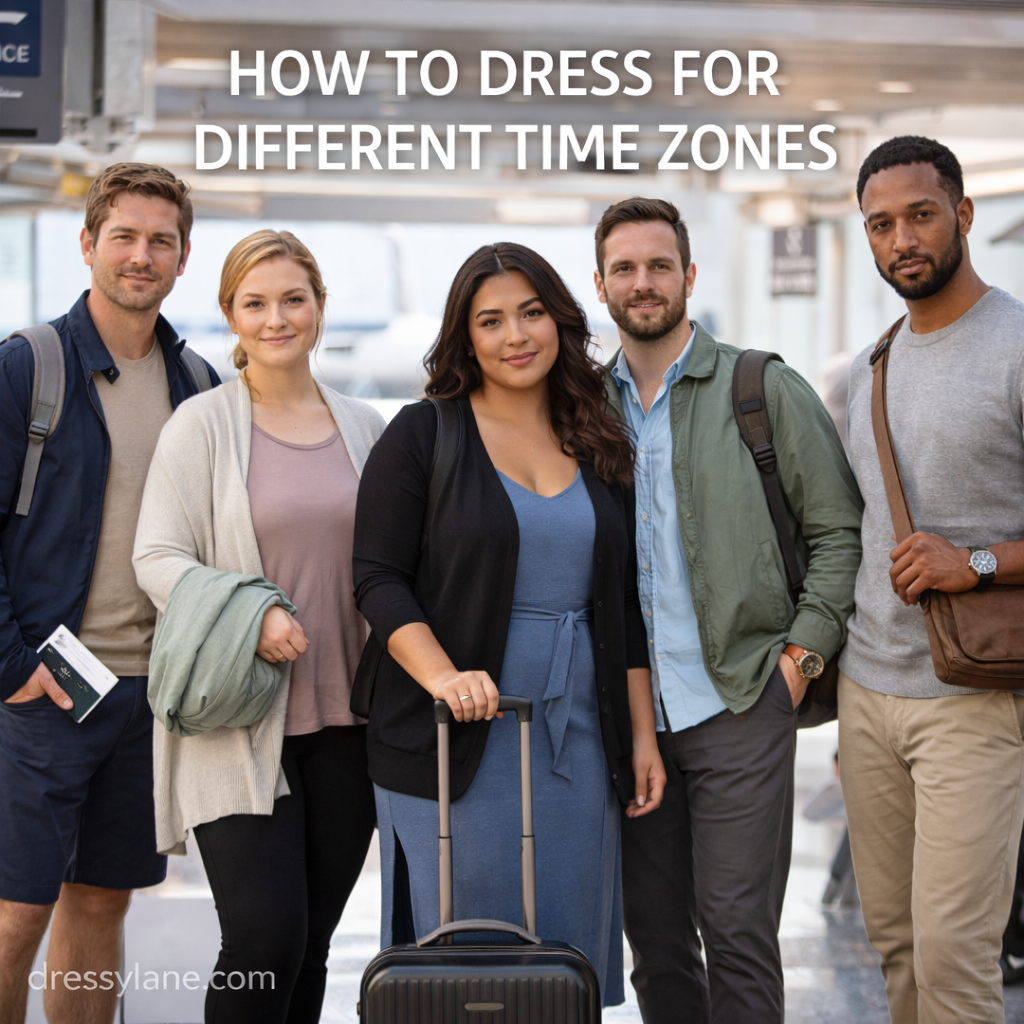
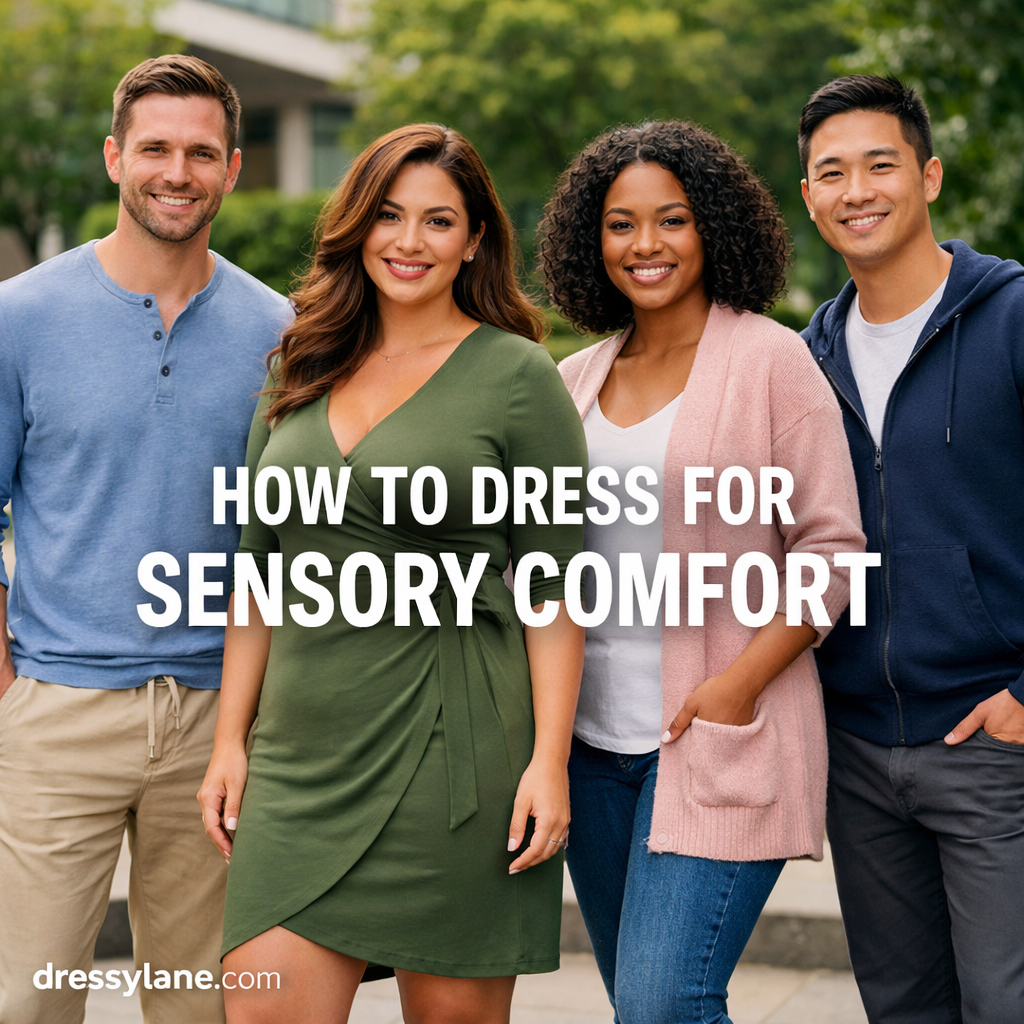
Dressing for sensory comfort is about more than fashion preferences — it’s about how clothing feels on your body throughout the day. For many people, certain fabrics, seams, tightness, or textures can cause irritation, distraction, or even anxiety. Whether you’re highly sensitive to touch, prone to overheating, or simply want to feel more at ease in your clothes, learning how to dress for sensory comfort can significantly improve your daily well-being.
This guide walks through practical, stylish ways to choose clothing that supports comfort without sacrificing personal style, with dedicated sections for both women and men.
What Sensory Comfort in Clothing Really Means
Sensory comfort refers to how clothing interacts with your skin, temperature regulation, movement, and overall physical awareness. When clothing is sensory-friendly, it allows you to focus on your day instead of constantly adjusting, itching, overheating, or feeling restricted.
Common sensory discomfort triggers include:
- Scratchy or synthetic fabrics
- Tight waistbands, collars, or cuffs
- Thick seams, tags, or labels
- Poor breathability
- Stiff or heavy materials
- Excessive layering or bulk
Dressing for sensory comfort doesn’t mean dressing bland or oversized — it means choosing thoughtfully designed pieces that work with your body instead of against it.
Key Principles for Sensory-Friendly Dressing
Before diving into specific outfit ideas, it helps to understand the core principles that guide comfortable clothing choices.
Choose Soft, Breathable Fabrics
Natural or well-engineered fabrics tend to feel better on the skin and regulate temperature more effectively.
- Cotton (especially combed or organic)
- Bamboo or modal blends
- Merino wool (fine-gauge, non-itchy)
- Tencel or lyocell
- Lightweight linen blends
Avoid stiff synthetics unless they are specifically designed for comfort and stretch.
Minimize Pressure Points
Clothing that digs into the body can create constant low-level stress.
- Look for elasticized or adjustable waistbands
- Avoid tight collars and rigid necklines
- Choose relaxed or tailored fits instead of skin-tight styles
- Prioritize stretch where movement is frequent
Reduce Visual and Physical Clutter
Less structure often means more comfort.
- Fewer layers
- Clean silhouettes
- Simple closures
- Minimal hardware (zippers, snaps, buckles)
Pay Attention to Construction
Comfort is often hidden in the details.
- Flat seams or seamless designs
- Tagless labels or printed tags
- Soft linings
- Smooth stitching at stress points
Dressing for Sensory Comfort: Women’s Guide
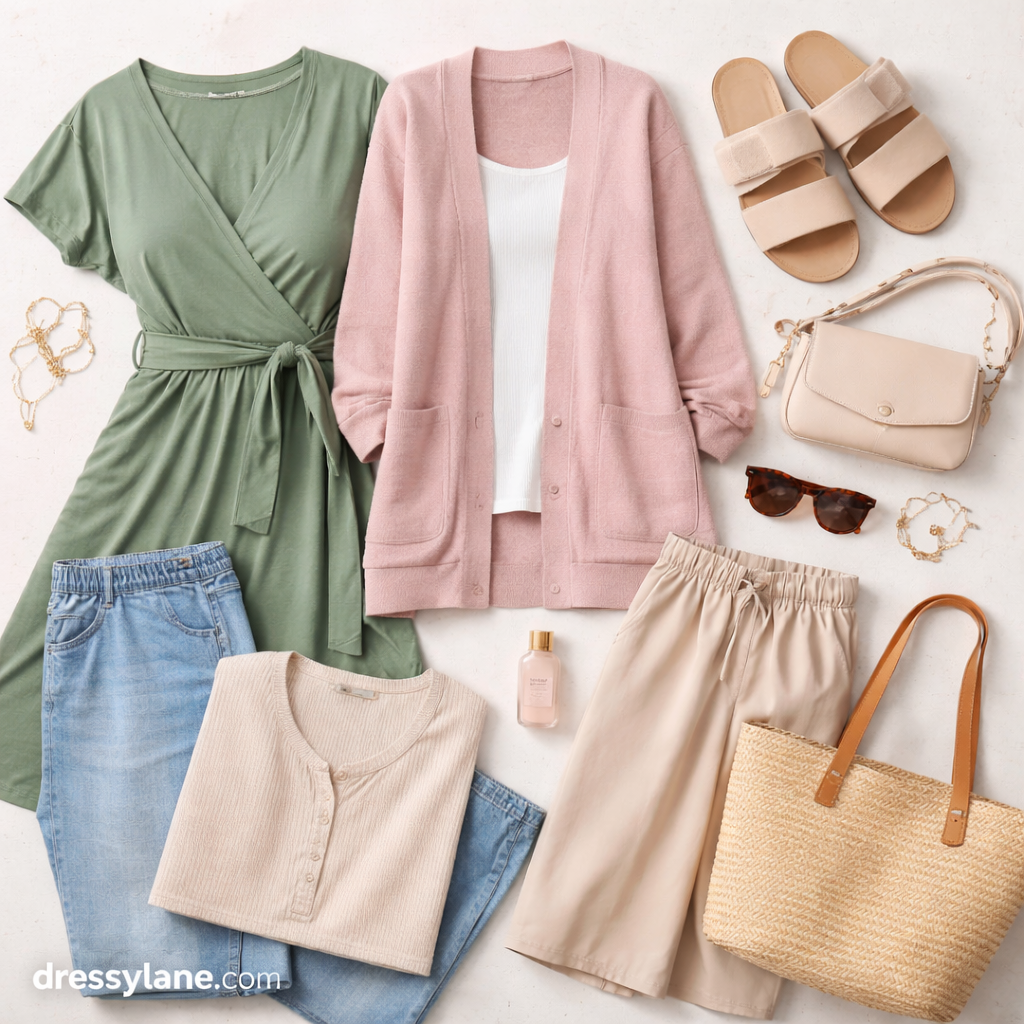
Women’s clothing often includes tighter fits, thinner fabrics, and decorative elements that can increase sensory load. Comfort-focused choices help reduce irritation while still allowing for expressive style.
Comfortable Tops for Women
- Soft-knit t-shirts or long-sleeve tops with stretch
- Wrap-style or relaxed blouses without stiff collars
- Tagless camisoles for layering
- Lightweight sweaters made from cotton or fine merino
Avoid tops with heavy embellishments, stiff lace, or tight armholes.
Bottoms That Feel Good All Day
- Elastic-waist trousers with a polished cut
- Soft ponte pants or stretch slacks
- Pull-on skirts with flexible waistbands
- Relaxed-fit jeans with added stretch
High-rise styles often distribute pressure more evenly than low-rise waistbands.
Dresses That Balance Comfort and Style
- Shift or A-line dresses that don’t cling
- Knit dresses with gentle structure
- Midi lengths that allow movement
- Dresses with forgiving waist seams or no waist seam at all
Layering Without Overstimulation
- Lightweight cardigans instead of structured blazers
- Soft shawls or wraps instead of scarves with rough fibers
- Breathable undershirts to prevent friction
Shoes and Accessories for Sensory Ease
- Cushioned insoles and flexible soles
- Low-profile seams inside shoes
- Minimal jewelry with smooth finishes
- Avoid heavy handbags that strain shoulders
Dressing for Sensory Comfort: Men’s Guide
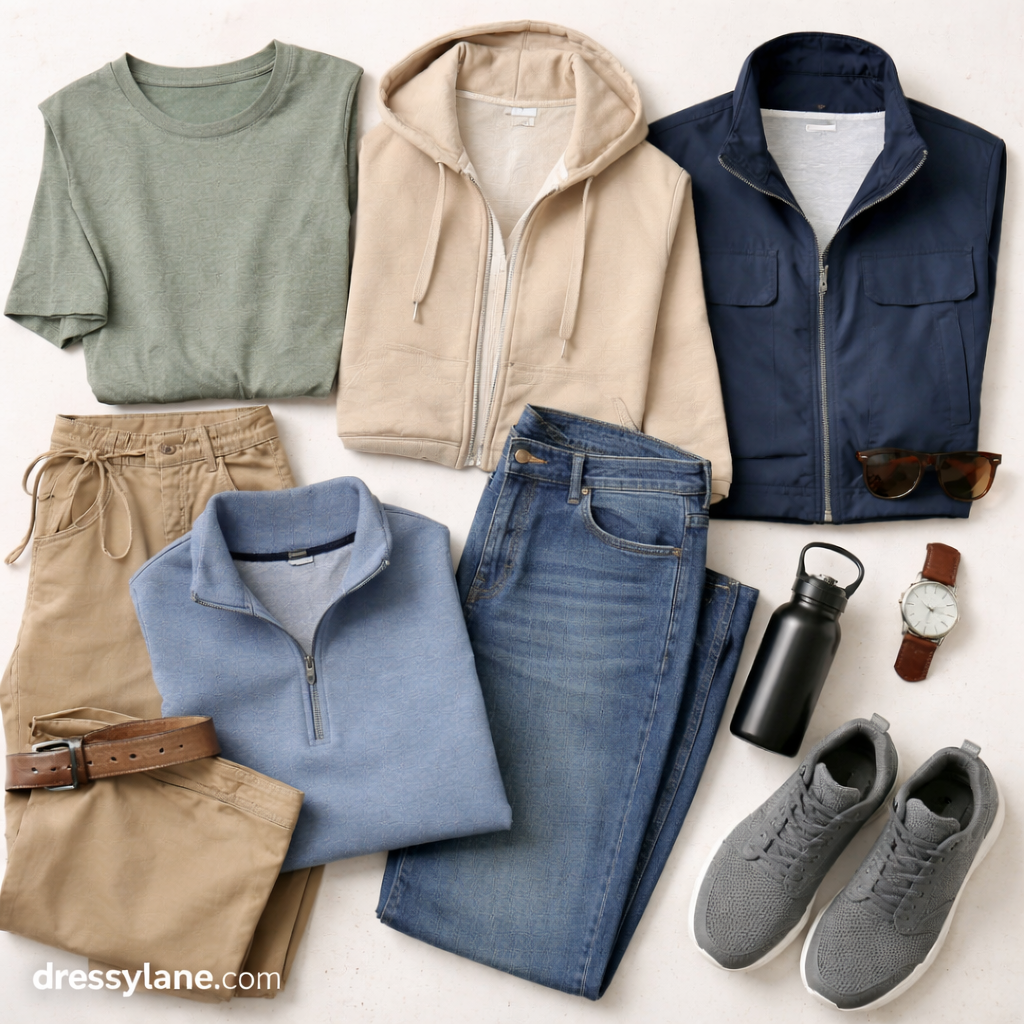
Men’s clothing can appear simpler but often includes rigid tailoring, heavy fabrics, and restrictive fits. Small changes can make a significant difference.
Comfortable Tops for Men
- Soft cotton or modal t-shirts
- Polo shirts with stretch and smooth collars
- Button-down shirts with relaxed cuts and breathable fabric
- Lightweight sweaters without thick seams
Choose collar styles that don’t press tightly against the neck.
Bottoms That Support Movement
- Elastic-waist chinos or drawstring trousers
- Stretch denim with softer finishes
- Relaxed-fit pants that allow airflow
- Avoid overly stiff or thick fabrics
Comfort-Focused Layering
- Unstructured jackets instead of stiff blazers
- Soft hoodies or zip-ups with smooth interiors
- Lightweight overshirts as alternatives to heavy coats
Shoes and Accessories
- Breathable shoes with cushioned footbeds
- Socks with smooth toes and gentle elastic
- Belts with flexibility or elastic inserts
- Minimal metal accessories to avoid pressure and weight
Dressing for Temperature Sensitivity
Temperature discomfort is a major contributor to sensory overload. Clothing should help regulate body heat rather than trap it.
Tips for Staying Cool
- Choose breathable fabrics and lighter colors
- Wear loose-fitting silhouettes
- Avoid heavy layering
- Look for moisture-wicking materials
Tips for Staying Warm Without Bulk
- Thin thermal layers instead of thick sweaters
- Merino wool or thermal blends
- Soft-lined jackets that aren’t stiff
- Layer strategically rather than excessively
How to Build a Sensory-Friendly Wardrobe
You don’t need to replace your entire closet. Small, intentional upgrades go a long way.
Start With Everyday Essentials
- Comfortable base layers
- Go-to pants you can wear all day
- Shoes you don’t rush to remove
Test Before Committing
- Wear new items at home for several hours
- Move, sit, and walk in them
- Pay attention to irritation points
Prioritize Comfort Over Trends
Trends change quickly, but comfort builds confidence and consistency. A wardrobe that feels good is one you’ll actually wear.
Common Mistakes That Reduce Comfort
Even well-intentioned outfits can cause discomfort if certain factors are overlooked.
- Choosing style over fit
- Ignoring fabric content
- Wearing clothing that restricts movement
- Over-accessorizing
- Layering too heavily “just in case”
Comfort should be proactive, not an afterthought.
Final Thoughts
Dressing for sensory comfort is a form of self-respect. When your clothing supports your body instead of distracting it, you move through the day with more ease, confidence, and focus. Whether you’re refining a professional wardrobe, simplifying daily outfits, or addressing heightened sensitivity, comfort-forward style allows you to look put-together without feeling overwhelmed.
Comfort isn’t a compromise — it’s the foundation of sustainable personal style.