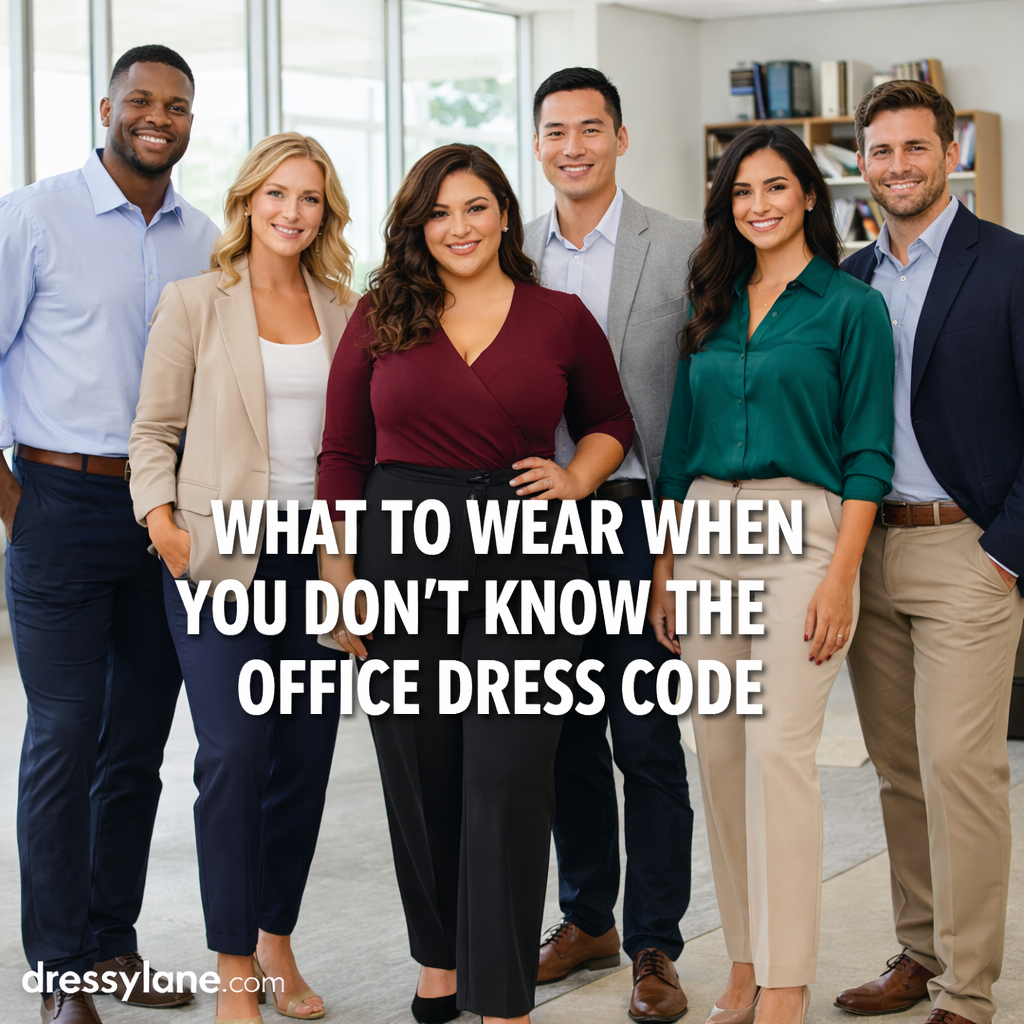
Walking into a new workplace—or visiting an office for the first time—without knowing the dress code can feel surprisingly stressful. You want to look professional, fit in with company culture, and avoid standing out for the wrong reasons. The good news is that there’s a reliable middle ground that works for most modern offices.
This guide breaks down safe, polished outfit choices for both women and men when the dress code isn’t clearly defined, helping you look confident and appropriate on day one.
Start With the Smart Middle Ground
When the dress code is unclear, aim for a look that sits between casual and formal. This approach keeps you from appearing underdressed while still feeling adaptable if the office is more relaxed.
General guidelines to follow:
- Choose clean, structured pieces
- Avoid extremes (too casual or overly formal)
- Stick to neutral or muted colors
- Prioritize fit and grooming
You can always adjust after observing what others wear.
What Women Can Wear When the Dress Code Is Unknown
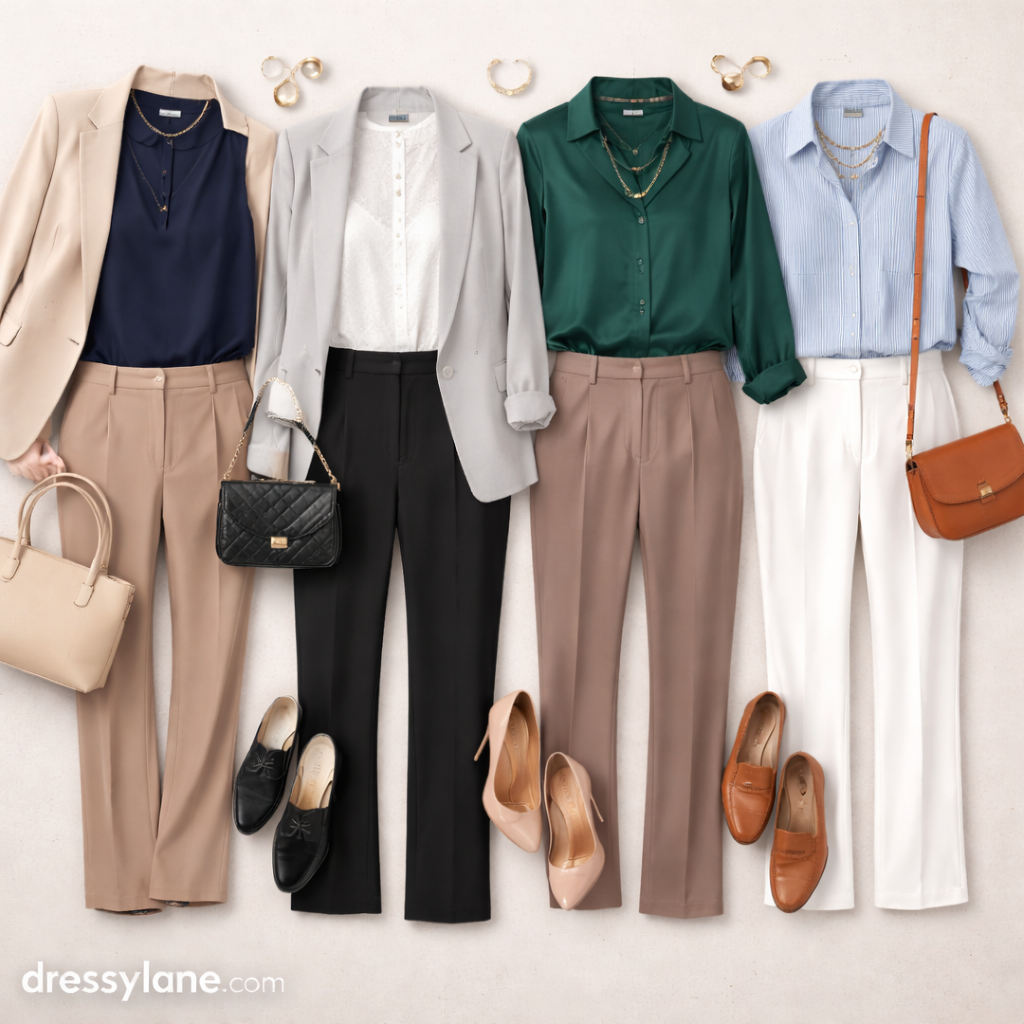
Women have plenty of flexible options that work across most office environments.
Go-To Outfit Formula for Women
A simple, reliable formula:
- Tailored pants or ankle-length trousers
- A blouse, knit top, or polished button-down
- A structured blazer or lightweight jacket
- Closed-toe shoes or sleek flats
This combination works for casual offices, business casual settings, and even more formal workplaces.
Smart Tops That Always Work
Safe, professional top options include:
- Button-down shirts
- Silk or satin blouses
- Fine-gauge sweaters
- Structured knit tops
Avoid tops that are:
- Low-cut or sheer
- Loudly patterned
- Overly trendy on the first day
Pants, Skirts, and Dresses (If You Wear Them)
Bottoms that work in most offices:
- Tailored trousers
- Straight-leg or wide-leg pants
- Midi skirts with clean lines
- Simple sheath or wrap dresses
If you’re unsure, pants are usually the safest option.
Shoes That Feel Professional Everywhere
Good footwear choices:
- Pointed-toe flats
- Low block heels
- Loafers or ballet flats
- Clean ankle boots
Avoid:
- Athletic sneakers
- Flip-flops or slides
- Extremely high heels
What Men Can Wear When the Dress Code Is Unknown
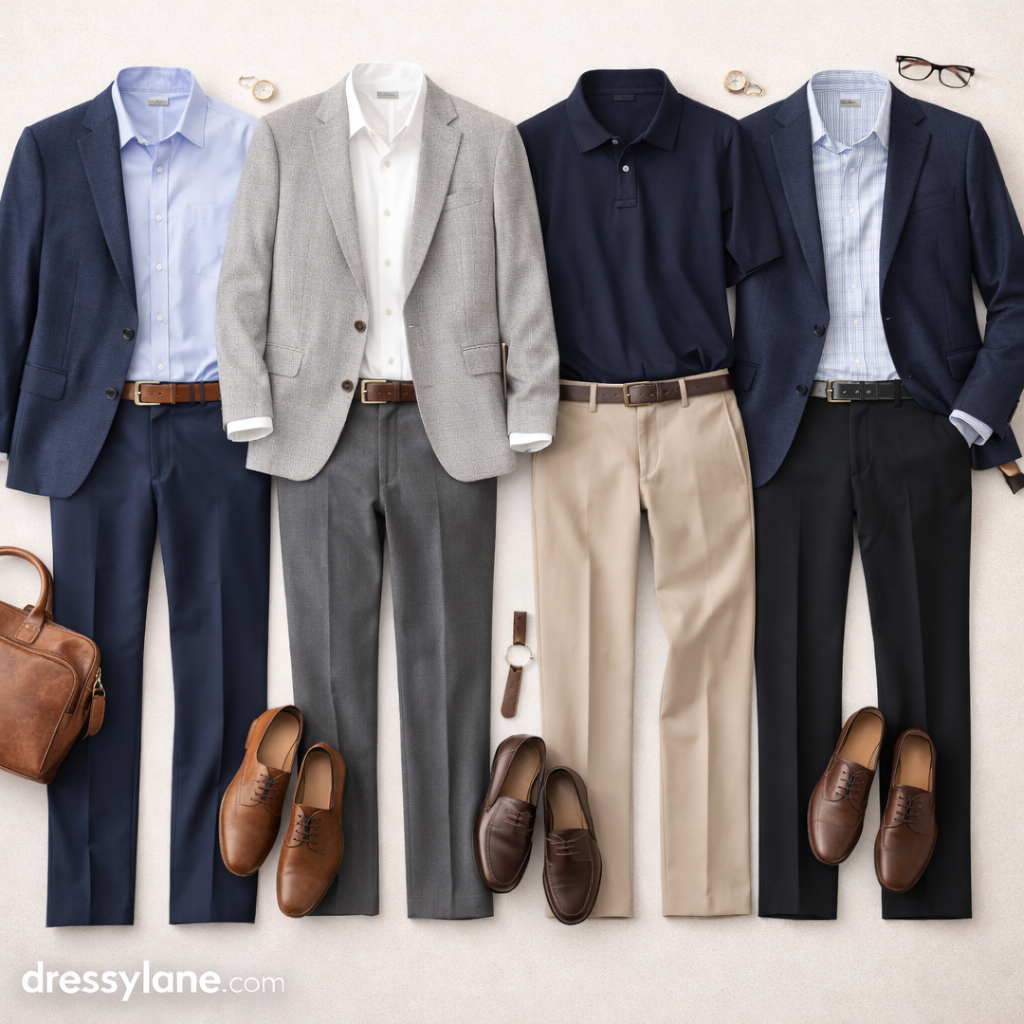
Men benefit from sticking to classic, versatile pieces that can be dressed up or down.
Go-To Outfit Formula for Men
A safe default look:
- Chinos or dress pants
- A collared shirt (button-down or polo)
- A blazer or structured jacket
- Leather shoes or loafers
This outfit fits comfortably into most office environments.
Shirts That Are Always Office-Appropriate
Reliable shirt options:
- Solid or lightly patterned button-downs
- Oxford shirts
- Neutral polos (in business casual offices)
Avoid on day one:
- Graphic tees
- Loud prints
- Wrinkled or ill-fitting shirts
Pants That Balance Comfort and Professionalism
Best pant choices include:
- Tailored chinos
- Dress pants in neutral tones
- Dark, well-fitted jeans (only if the office leans casual)
Skip:
- Ripped or faded denim
- Shorts
- Joggers or athletic pants
Shoes That Keep You Safe
Office-friendly shoe options:
- Leather loafers
- Oxfords or Derbies
- Clean, minimalist sneakers (only if appropriate)
When unsure, leather shoes are always the safer choice.
Colors and Fabrics That Make You Blend In (In a Good Way)
Neutral colors and classic fabrics help you avoid standing out unnecessarily.
Safe color choices:
- Navy
- Black
- Gray
- Beige
- White or soft pastels
Professional fabric choices:
- Cotton blends
- Wool or wool blends
- Structured knits
- Linen blends (for warmer climates)
Grooming and Finishing Touches Matter
Even the right outfit can fall flat without proper grooming.
Don’t forget:
- Clean, pressed clothing
- Neat hair and facial hair
- Minimal accessories
- Subtle fragrance (or none)
These details often matter just as much as what you’re wearing.
Common Mistakes to Avoid
When the dress code is unknown, avoid these pitfalls:
- Dressing too casually on the first day
- Wearing flashy or distracting items
- Ignoring fit and tailoring
- Assuming “casual” means sloppy
You can always dress down later—first impressions are harder to undo.
How to Adjust After Your First Day
Once you’ve observed the office culture:
- Mirror the general level of formality
- Keep a few neutral staples for flexibility
- Ask HR or your manager if unsure—it’s acceptable
Most workplaces appreciate thoughtful effort more than perfect accuracy.
Final Thoughts
When you don’t know the office dress code, dressing slightly more polished than necessary is usually the smartest move. A clean, well-fitted outfit built from classic pieces helps you feel confident and professional without drawing unwanted attention.
By choosing versatile staples and keeping things simple, you can walk into any office prepared—no guesswork required.