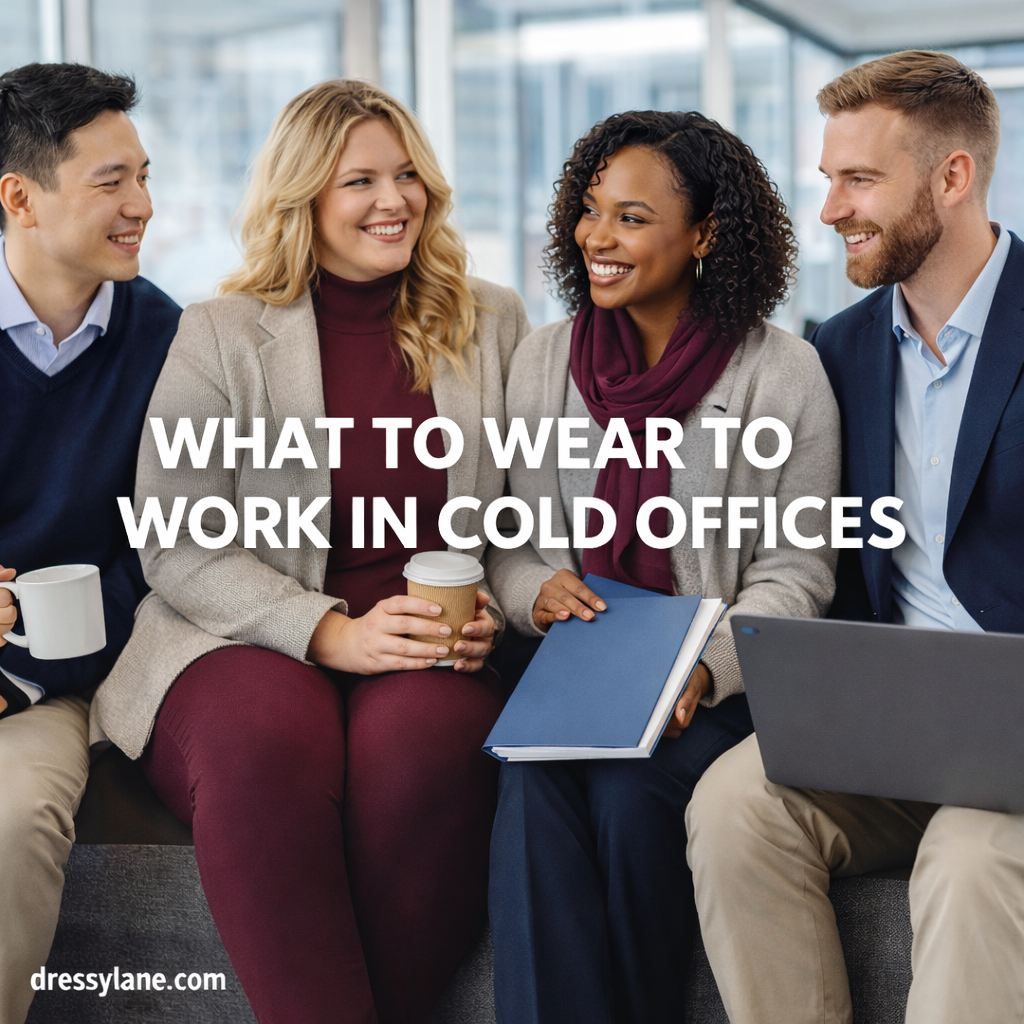
Cold offices are a common workplace frustration. Overactive air conditioning, shared climate controls, and large office spaces often leave employees reaching for extra layers—even in the middle of summer. Dressing correctly can make the difference between staying focused and spending the day uncomfortable.
This guide explains what to wear to work in cold offices so you can stay warm, professional, and polished without sacrificing comfort or style.
Why Offices Are So Cold
Understanding why offices feel cold helps you plan smarter outfits.
Common reasons include:
- Centralized air conditioning set for equipment, not people
- Large open floor plans that circulate cool air
- Dress codes that prioritize professionalism over comfort
Because temperature control is often out of your hands, clothing becomes your best solution.
The Importance of Smart Layering at Work
Layering is the most effective way to manage cold office environments.
Key layering principles:
- Start with a comfortable base layer
- Add insulation that still looks professional
- Choose outer layers that are easy to remove
Smart layering allows you to adjust throughout the day without disrupting your outfit.
Best Fabrics for Cold Office Environments
Fabric choice plays a major role in staying warm without overheating.
Work-friendly fabric options:
- Merino wool for lightweight warmth
- Cashmere or wool blends for insulation
- Cotton knits for breathable comfort
- Stretch fabrics for long sitting periods
Avoid bulky materials that restrict movement or look too casual for the workplace.
What to Wear to Work in Cold Offices as a Woman
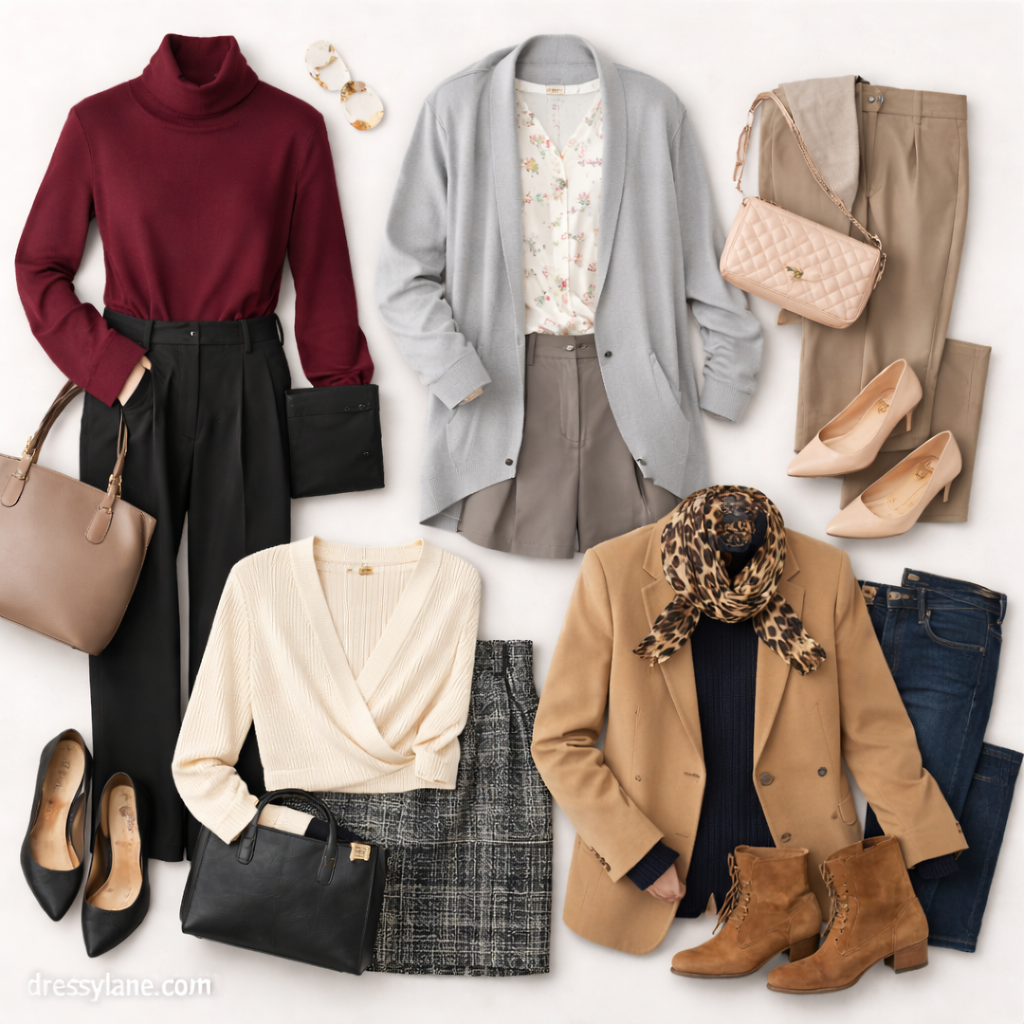
Women often rely on layering to balance professional appearance with warmth.
Practical outfit ideas:
- Lightweight sweaters over blouses
- Tailored cardigans or structured blazers
- Midi skirts with tights for added warmth
- Closed-toe shoes or ankle boots
Accessories like scarves can add both warmth and polish without breaking dress codes.
What to Wear to Work in Cold Offices as a Man
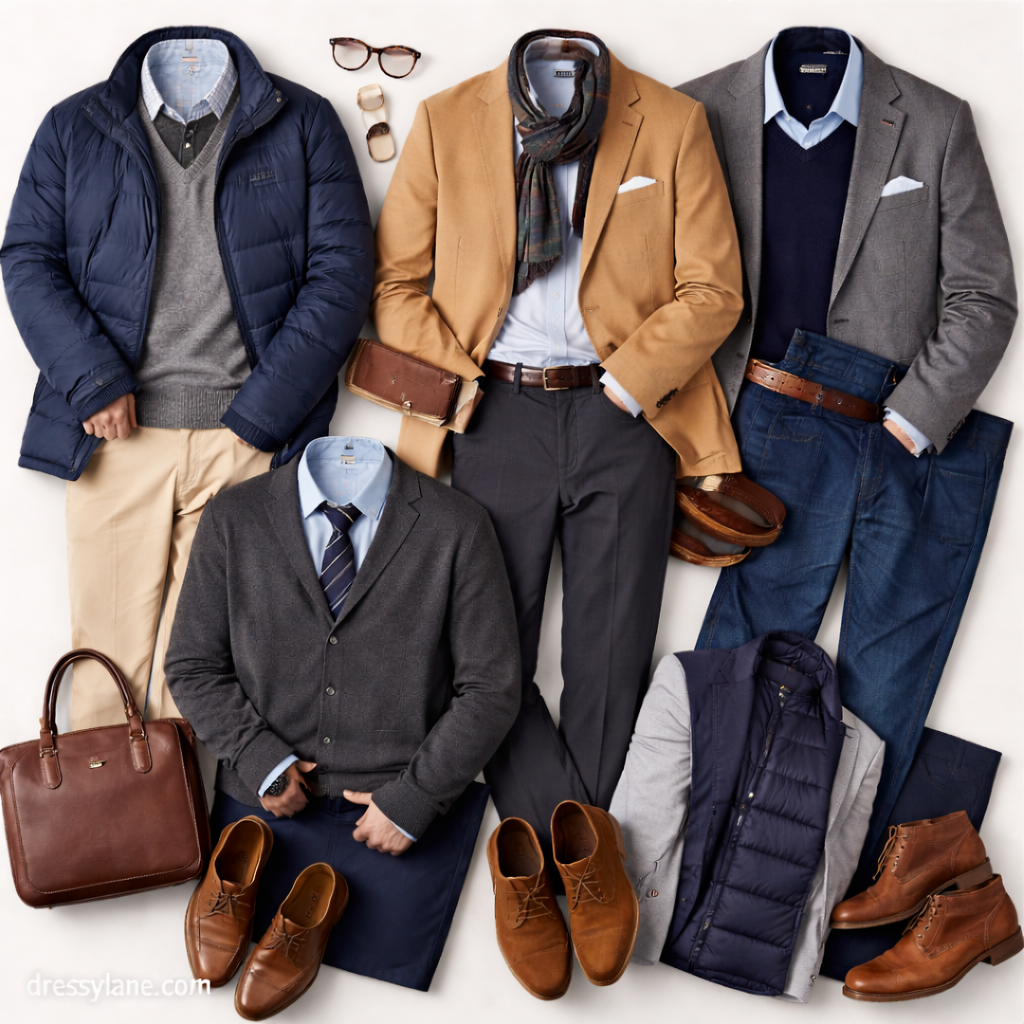
Men can stay warm while maintaining a clean, professional look.
Practical outfit ideas:
- Dress shirts layered with sweaters
- Lightweight wool or knit blazers
- Structured trousers with breathable lining
- Leather dress shoes or loafers
Neutral layers keep outfits versatile and appropriate for meetings.
Office-Appropriate Outer Layers That Work Indoors
Not all outerwear belongs in the coat closet.
Cold-office-friendly layers include:
- Fine-gauge sweaters
- Professional cardigans
- Unlined blazers
- Vests designed for indoor wear
These pieces provide warmth without making you look bundled up.
Footwear Choices That Keep You Warm
Cold floors can make offices feel even colder.
Footwear tips:
- Choose closed-toe shoes
- Look for thicker soles or lined options
- Wear discreet socks or hosiery
- Avoid sandals or open-back shoes
Warm feet can significantly improve overall comfort.
Accessories That Help You Stay Warm at Work
Small additions can have a big impact.
Helpful office accessories:
- Lightweight scarves
- Thin gloves for desk work
- Thermal camisoles or undershirts
- Lap blankets for seated positions
These items are easy to keep at your desk without drawing attention.
Common Mistakes to Avoid in Cold Offices
Many people struggle because they choose the wrong layers.
Mistakes to avoid:
- Relying on bulky coats indoors
- Wearing overly casual fleece or hoodies
- Ignoring foot and hand warmth
- Choosing fabrics that trap moisture
Professional warmth comes from smart choices, not heavy layers.
Final Thoughts
Knowing what to wear to work in cold offices allows you to stay focused, comfortable, and professional throughout the day. With the right fabrics, thoughtful layering, and office-appropriate accessories, you can adapt to chilly temperatures without sacrificing style.
Whether dressing for work as a woman or a man, planning for cold offices helps you stay productive—and comfortable—no matter how low the thermostat goes.