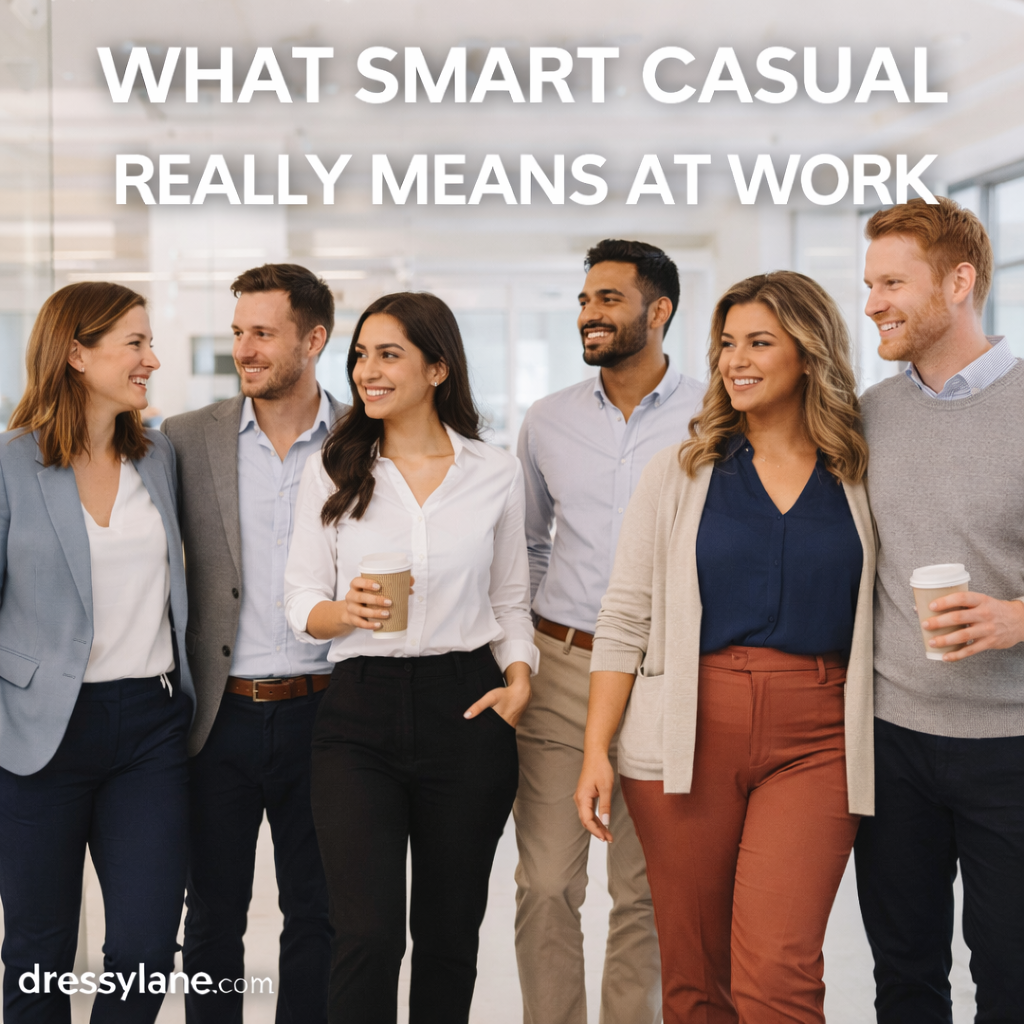
Smart casual is one of the most misunderstood workplace dress codes. It sounds relaxed, but it still expects a level of professionalism that goes beyond everyday casual wear. Many people struggle with finding the right balance—looking polished without feeling overdressed or too relaxed.
This guide explains what smart casual really means at work, breaking down clear guidelines and outfit ideas for both men and women so you can dress confidently without second-guessing your choices.
What Is Smart Casual at Work?
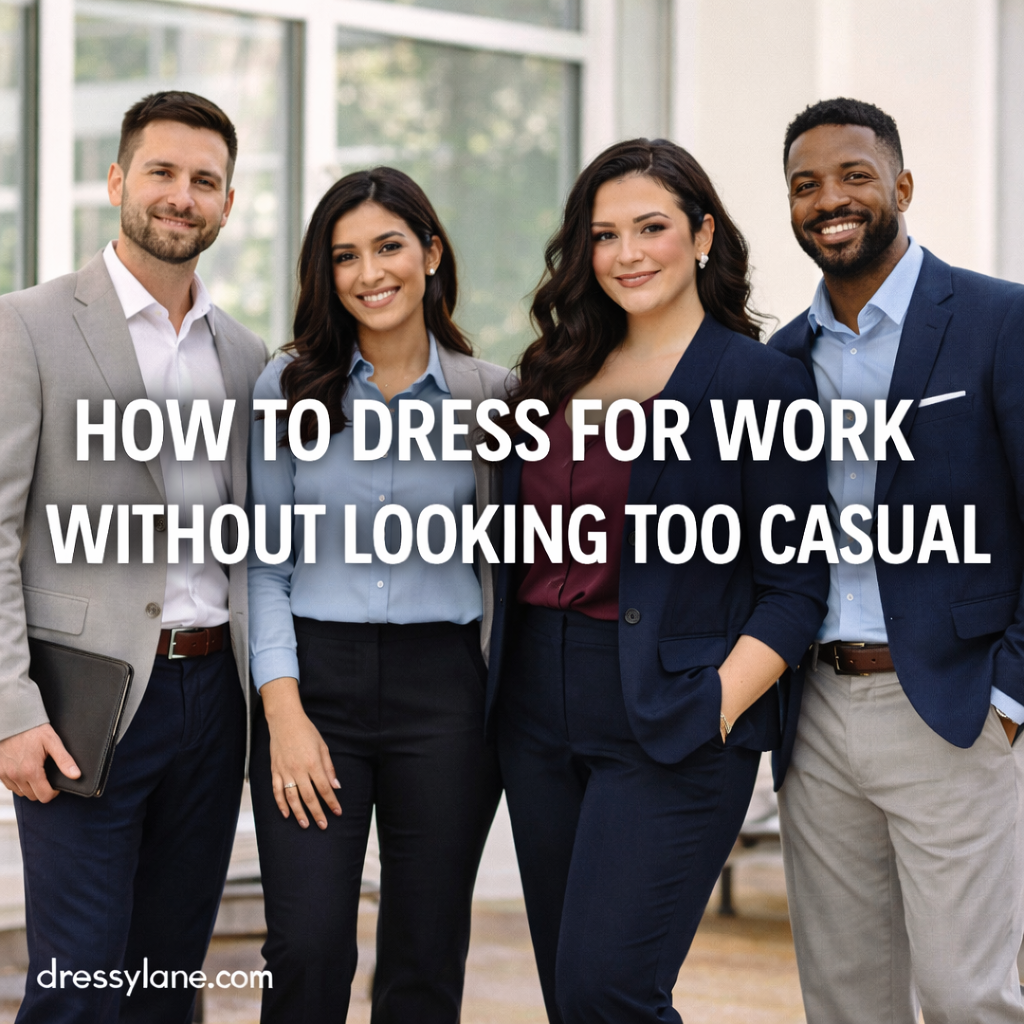
Smart casual sits between business casual and everyday casual. It allows more flexibility and comfort than traditional office attire while still maintaining a professional, put-together appearance.
At work, smart casual usually means:
- Clean, well-fitted clothing
- Elevated fabrics and finishes
- Minimal branding or graphics
- A balanced mix of relaxed and structured pieces
You should look intentional, not like you’re dressed for the weekend.
Key Differences Between Smart Casual and Business Casual
Understanding the distinction helps prevent common mistakes.
Business casual typically includes:
- Dress shirts
- Tailored pants
- Structured blazers
- Formal shoes
Smart casual allows:
- Softer fabrics
- More texture and color
- Fewer rigid rules
- Comfortable footwear that still looks polished
Smart casual feels modern and approachable, while business casual leans more traditional.
Core Principles of Smart Casual Dressing
Before choosing outfits, these principles apply across the board.
Fit Is Non-Negotiable
Even relaxed pieces must fit well. Clean lines and proper tailoring instantly elevate an outfit.
Balance Structure and Comfort
Pair casual items with more refined ones to maintain professionalism.
Keep Colors and Patterns Subtle
Neutral tones, muted colors, and minimal patterns work best in smart casual settings.
Smart Casual Outfit Ideas for Men
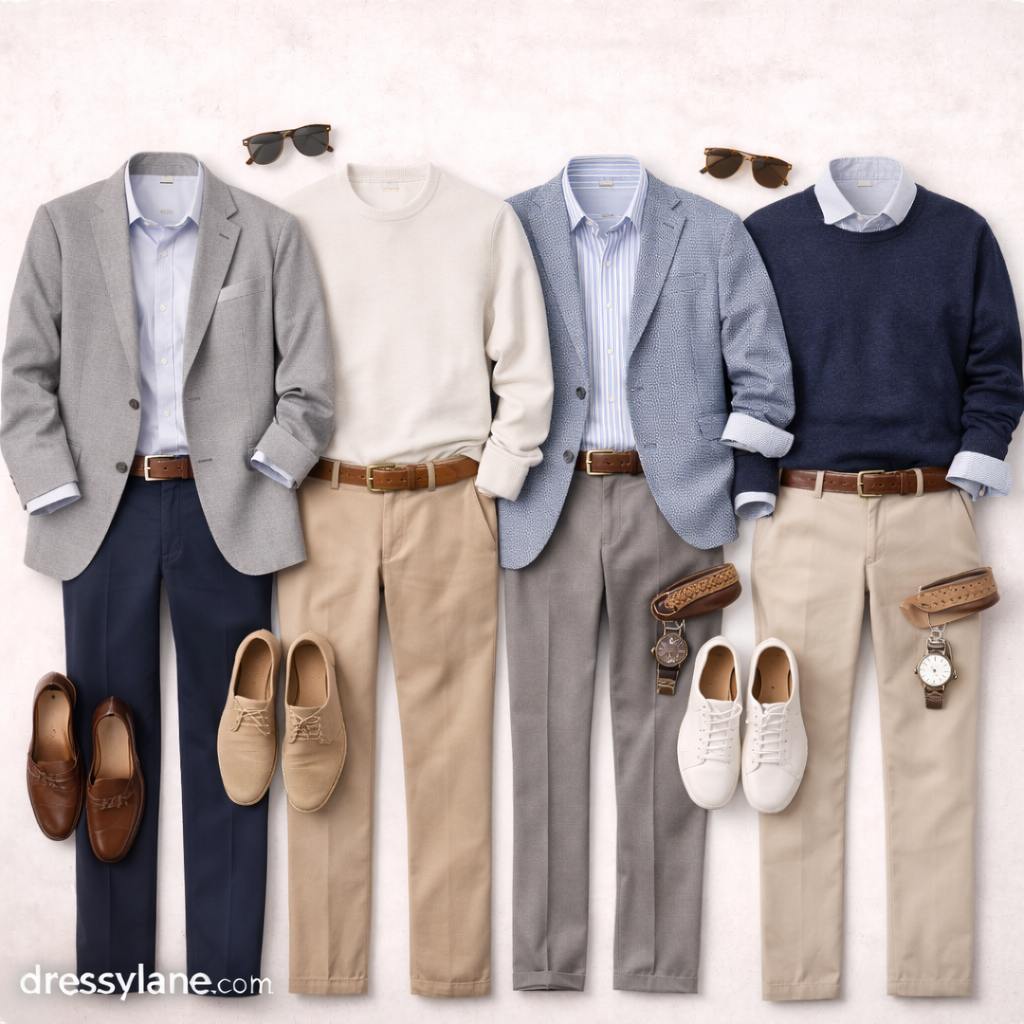
Men’s smart casual outfits should feel comfortable while still looking intentional.
Tops
- Button-down shirts in cotton or linen blends
- Knit polos
- Lightweight sweaters
- Clean overshirts
Avoid graphic tees or overly casual tops.
Bottoms
- Chinos
- Slim, dark denim (office-dependent)
- Tailored trousers in relaxed fabrics
Layers
- Unstructured blazers
- Lightweight jackets
- Cardigans with clean lines
Footwear
- Loafers
- Leather sneakers
- Desert boots
- Minimal dress shoes
Smart Casual Outfit Ideas for Women
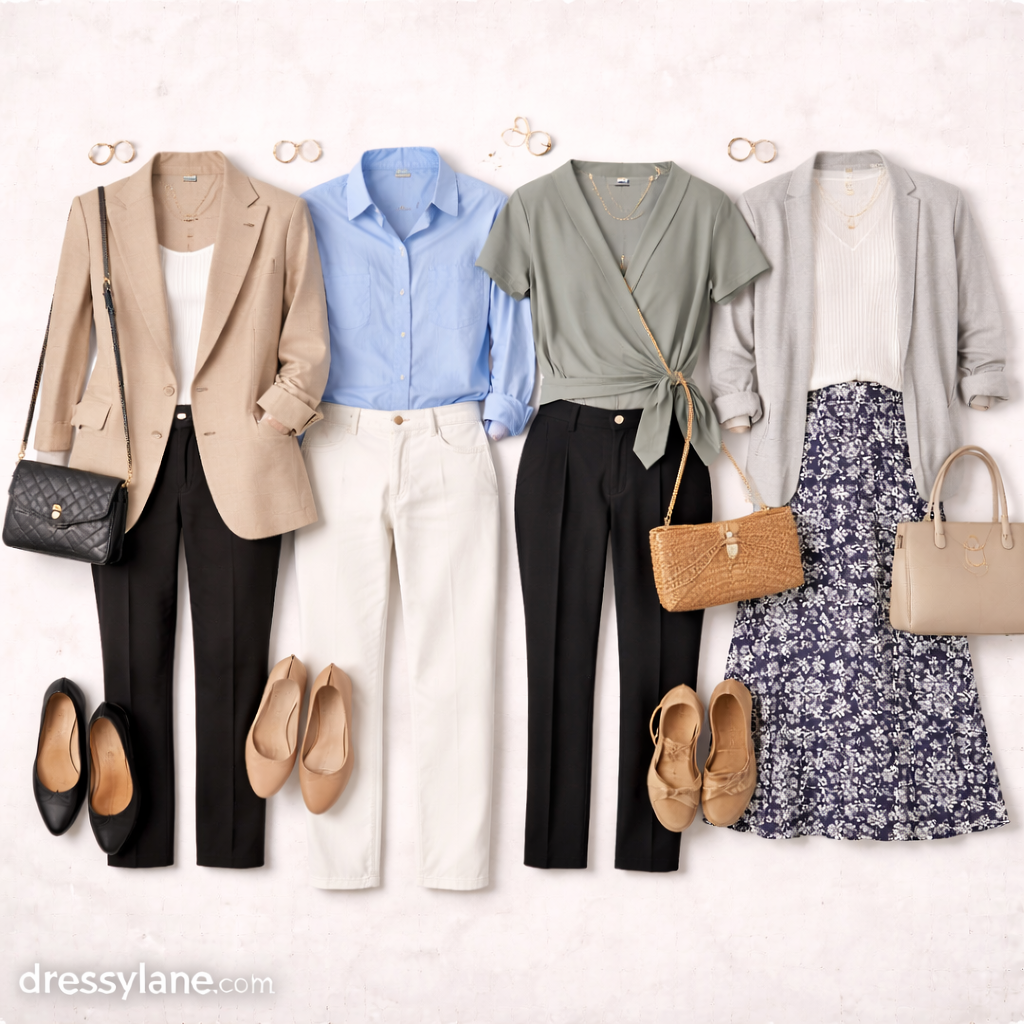
Women’s smart casual outfits allow flexibility while maintaining polish.
Tops
- Blouses with clean cuts
- Knit tops
- Structured t-shirts
- Button-down shirts
Bottoms
- Tailored pants
- Midi skirts
- Clean, dark denim where appropriate
Dresses
- Simple, structured dresses
- Midi lengths in breathable fabrics
Layers
- Blazers
- Cardigans
- Light jackets
Footwear
- Flats
- Loafers
- Low heels
- Polished sneakers
What Smart Casual Is Not
Understanding what doesn’t qualify is just as important.
Avoid:
- Athletic wear
- Ripped or distressed clothing
- Flip-flops or beach sandals
- Loud logos or slogans
- Overly casual hoodies
If it looks like weekend wear, it likely doesn’t fit smart casual at work.
Dressing Smart Casual for Different Work Environments
Corporate Offices
Lean more structured with blazers, neutral colors, and polished shoes.
Creative or Tech Workplaces
You can lean slightly more relaxed, but still keep outfits clean and intentional.
Client-Facing Roles
Always err on the side of polish—smart casual should still look professional.
Common Smart Casual Mistakes
Even with good intentions, mistakes happen.
Avoid:
- Mixing too many casual items at once
- Wearing clothes that don’t fit well
- Ignoring grooming and shoe condition
- Dressing inconsistently with team standards
Observing how colleagues dress can help fine-tune your choices.
Final Thoughts
Smart casual at work is about balance. It allows comfort and personal style without sacrificing professionalism. When you focus on fit, quality fabrics, and thoughtful combinations, smart casual becomes easy to navigate.
The goal is to look capable, approachable, and confident—without feeling restricted or underdressed.