You’ve put clothes on, looked in the mirror, and something just feels off. The outfit isn’t terrible—but it doesn’t feel right either. This is a common style problem, and the good news is that it’s usually easy to fix with a few small adjustments.
This guide shows you how to quickly diagnose what’s wrong with an outfit and fix it without changing everything. With the right tweaks, you can turn an “almost” outfit into one that feels confident and intentional.
Why an Outfit Can Feel Wrong
Most outfit issues come down to one of a few core problems. Identifying the issue makes fixing it fast.
Common reasons an outfit feels off:
- Proportions feel unbalanced
- Colors don’t work well together
- The outfit doesn’t match the occasion
- Pieces feel too plain or too busy
- Shoes don’t match the outfit’s vibe
Instead of starting over, focus on correcting the specific issue.
Start With the Fit
Fit is the foundation of every outfit. Even stylish clothes can look wrong if they don’t fit well.
Quick fit checks:
- Clothes shouldn’t pull, bunch, or sag
- Sleeves and pant lengths should feel intentional
- Waistbands should sit comfortably without adjusting
- Layers should lie smoothly without bulk
If something feels uncomfortable, it usually looks uncomfortable too.
Check Your Proportions
Proportions affect how balanced an outfit looks.
Signs of proportion issues:
- Tops feel too long or too short
- Pants look awkward with your shoes
- Layers overwhelm your frame
- The outfit feels heavy on top or bottom
Fast fixes include:
- Tucking in or half-tucking a top
- Cropping or rolling sleeves
- Switching to higher- or lower-rise bottoms
- Adding a structured layer to balance volume
Small proportion tweaks can dramatically improve how an outfit feels.
Reevaluate Your Color Choices
Colors set the tone of an outfit. If they clash or feel dull, the entire look can feel wrong.
Quick color fixes:
- Replace one item with a neutral
- Repeat a color in another piece or accessory
- Remove one competing color
- Add contrast with light or dark elements
If you’re unsure, neutral-heavy outfits are easier to correct than bold, multi-color looks.
Fix the Shoes First
Shoes often determine whether an outfit feels cohesive.
Ask yourself:
- Are the shoes too casual or too dressy?
- Do they clash with the outfit’s colors?
- Are they bulky or delicate compared to the rest of the look?
Swapping shoes is one of the fastest ways to fix an outfit without changing clothing.
Add or Remove One Layer
Layers add structure and intention—but too many can overwhelm an outfit.
Try this:
- If the outfit feels flat, add a jacket, blazer, or cardigan
- If it feels bulky, remove one layer
- Choose layers that create clean lines
One well-chosen layer can instantly elevate an outfit.
How to Fix an Outfit for Women
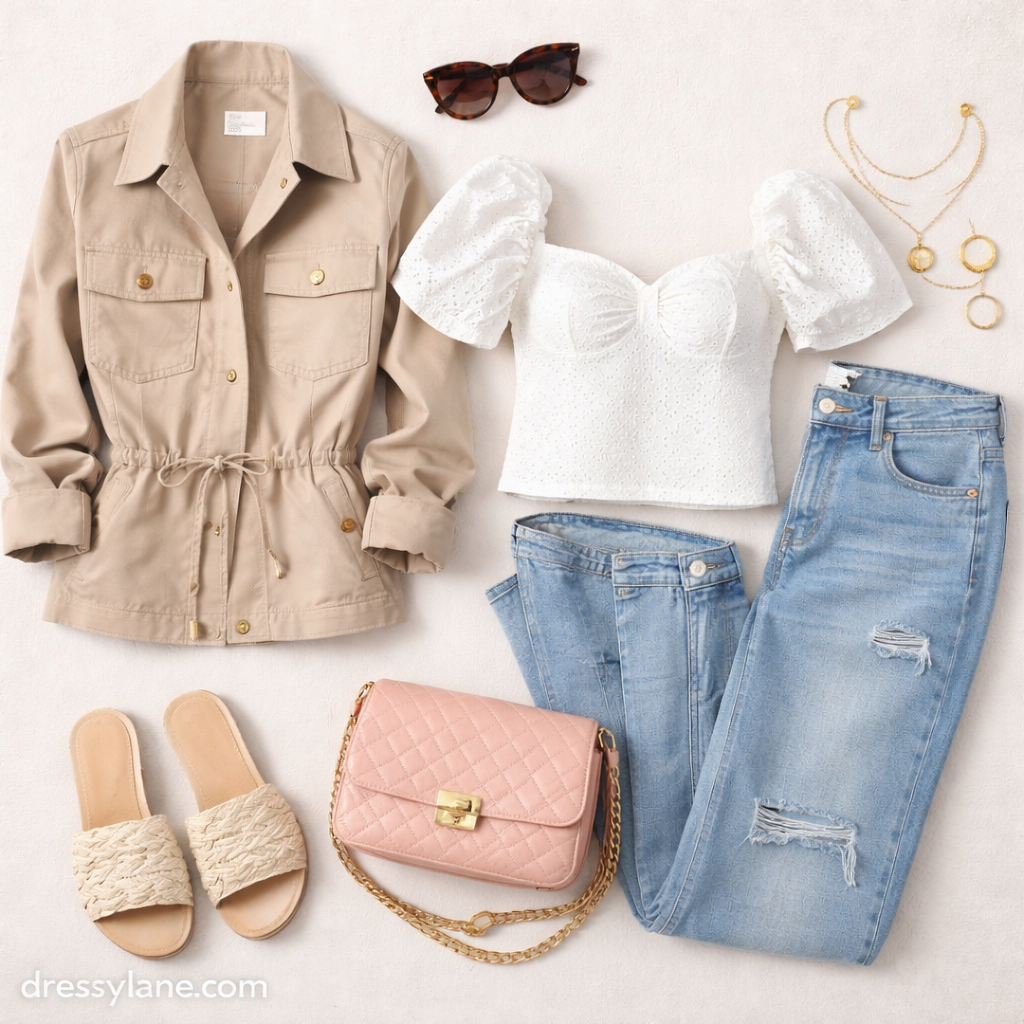
Women’s outfits often feel wrong when they’re overcomplicated or lacking balance.
Common fixes for women:
- Simplify by removing one accessory or layer
- Swap fitted for relaxed pieces, or vice versa
- Adjust hemlines by tucking, cuffing, or belting
- Use shoes or bags to shift the outfit’s formality
Fast fixes that work:
- Add a belt to define the waist
- Switch to cleaner, simpler shoes
- Choose one statement piece instead of many
When an outfit feels off, less is often more.
How to Fix an Outfit for Men
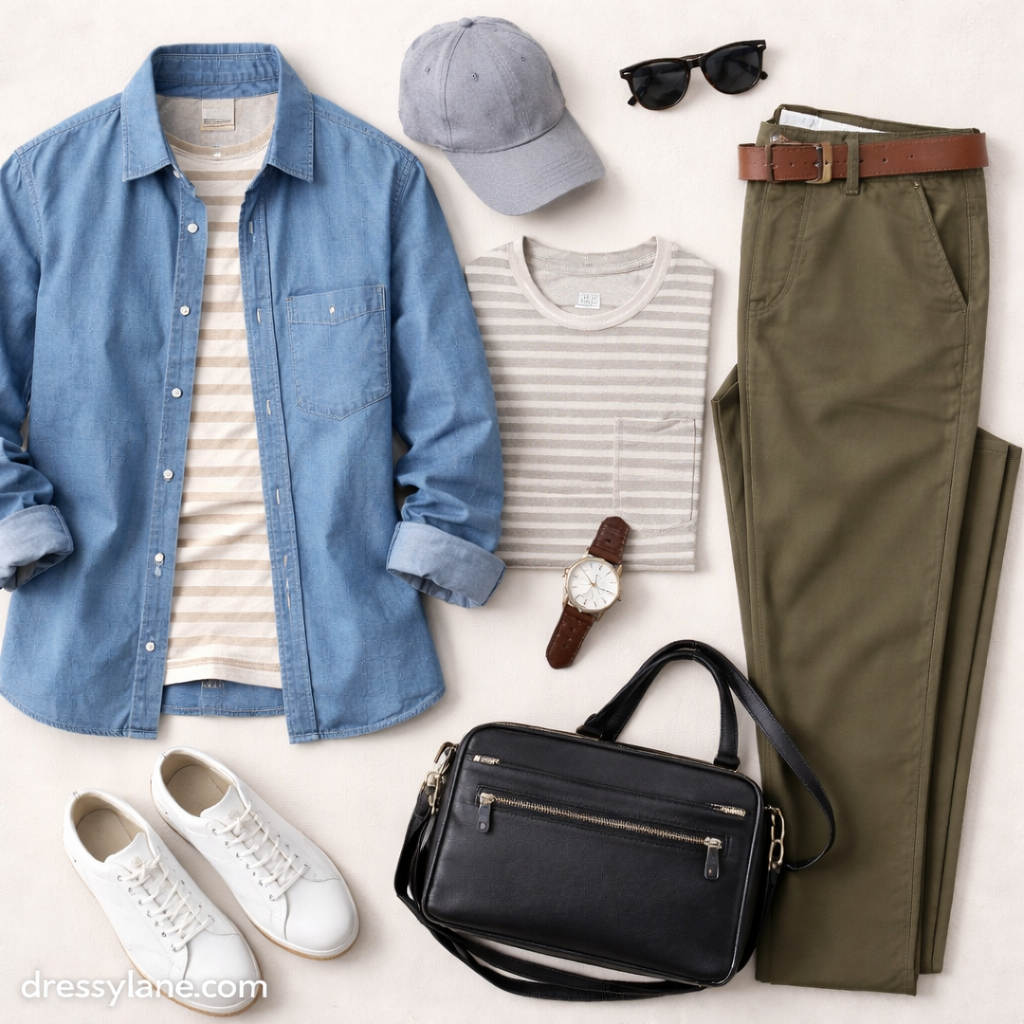
Men’s outfits usually feel wrong due to fit, shoes, or mismatched formality.
Common fixes for men:
- Swap shoes to better match the outfit’s level of polish
- Adjust sleeve or pant length
- Replace oversized or worn items
- Add a structured layer like a jacket or overshirt
Fast fixes that work:
- Roll sleeves slightly for a relaxed look
- Add a watch or belt to finish the outfit
- Stick to two or three colors total
Clean lines and proper fit go a long way.
Use the Mirror Test
Before leaving, try the mirror test.
Ask yourself:
- Does this outfit feel comfortable?
- Would I wear this confidently in public?
- Does it match where I’m going?
If the answer is no, change just one thing and check again. Repeat until the outfit feels right.
Common Outfit Fixing Mistakes
Avoid these habits when correcting outfits:
- Changing everything at once
- Adding more items instead of simplifying
- Ignoring fit in favor of trends
- Over-accessorizing
Intentional changes beat random adjustments every time.
Build a Personal “Fix List”
Over time, you’ll notice patterns in what fixes your outfits.
Your fix list might include:
- Always switching shoes first
- Adding a jacket when unsure
- Removing one accessory before leaving
- Choosing neutral bases when rushed
Knowing your go-to fixes saves time and stress.
Final Thoughts
An outfit that feels wrong doesn’t need a full restart. Most style problems come from fit, proportions, color balance, or shoes—and each of these can be fixed quickly.
By learning how to diagnose the issue and make small, intentional changes, you’ll build confidence in your style and get dressed faster. Whether you’re styling outfits for men or women, the best looks are the ones that feel comfortable, balanced, and true to you.