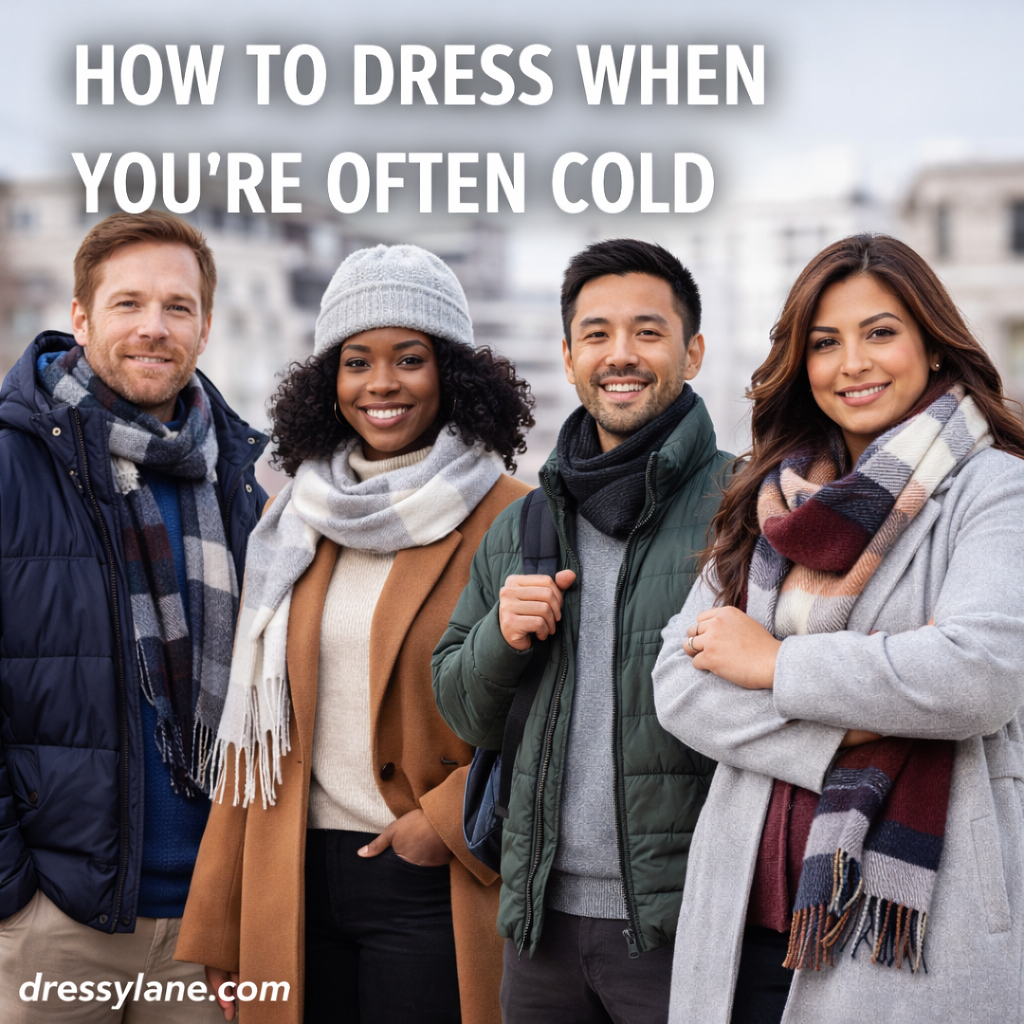
If you’re often cold—even when others seem comfortable—getting dressed can feel like a constant challenge. Chilly offices, drafty homes, seasonal transitions, and long days out can make it difficult to stay warm without overdressing or feeling bulky. The good news is that dressing for warmth doesn’t mean sacrificing style or mobility.
This guide explains how to dress when you’re often cold, focusing on smart layering, fabric choices, and practical outfit strategies for both men and women—so you can stay warm, comfortable, and confident throughout the day.
Why Some People Feel Cold More Often
Feeling cold frequently is more common than many people realize. Contributing factors may include:
- Slower circulation
- Lower body fat percentage
- Hormonal changes
- Medical conditions or medications
- Sedentary work environments
- Poor insulation in clothing
While you may not control the cause, you can control how effectively your clothing retains heat.
Start With the Right Base Layers
Warmth begins with what’s closest to your skin.
Best Base Layer Fabrics
- Merino wool
- Thermal cotton blends
- Silk
- Lightweight fleece
- Heat-retaining synthetics designed for layering
Base layers should fit close to the body without feeling restrictive. Their job is to trap warmth while allowing moisture to escape.
Layer Strategically, Not Excessively
Layering works best when each layer has a purpose.
Smart Layering Structure
- Base layer for heat retention
- Mid-layer for insulation
- Outer layer for protection from wind or cold air
Multiple thin layers are more effective than one bulky piece—and easier to adjust throughout the day.
How to Dress When You’re Often Cold as a Woman
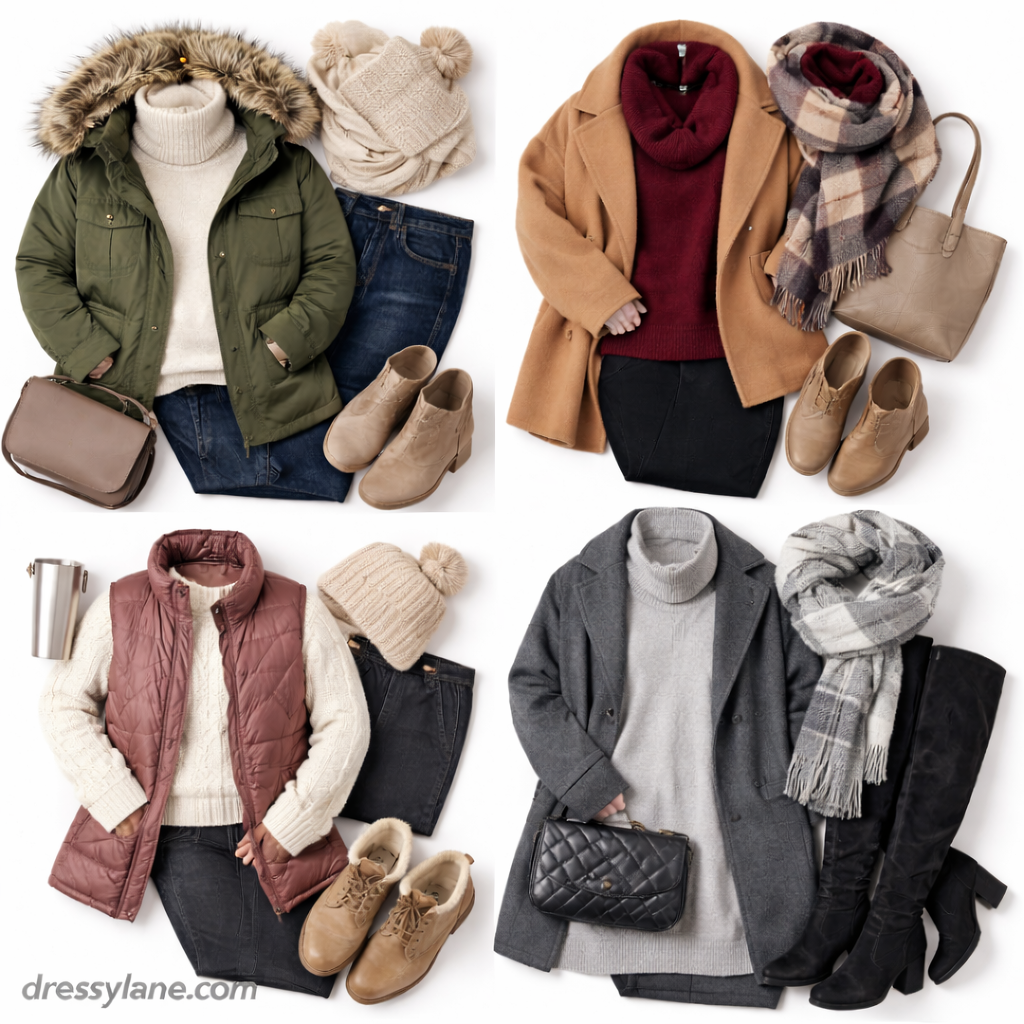
Women who run cold often need warmth without sacrificing comfort or silhouette.
Clothing Strategies for Women
- Long-sleeve tops or thermal undershirts
- Sweaters made from wool or cashmere
- Midi skirts or trousers with lining
- Dresses layered with tights and cardigans
Warmth-Boosting Tips
- Choose high-neck tops or scarves
- Wear insulated tights or leggings
- Add structured layers like blazers or coats
- Avoid thin, unlined fabrics in cold environments
Soft, insulating materials can still look polished when layered intentionally.
How to Dress When You’re Often Cold as a Man
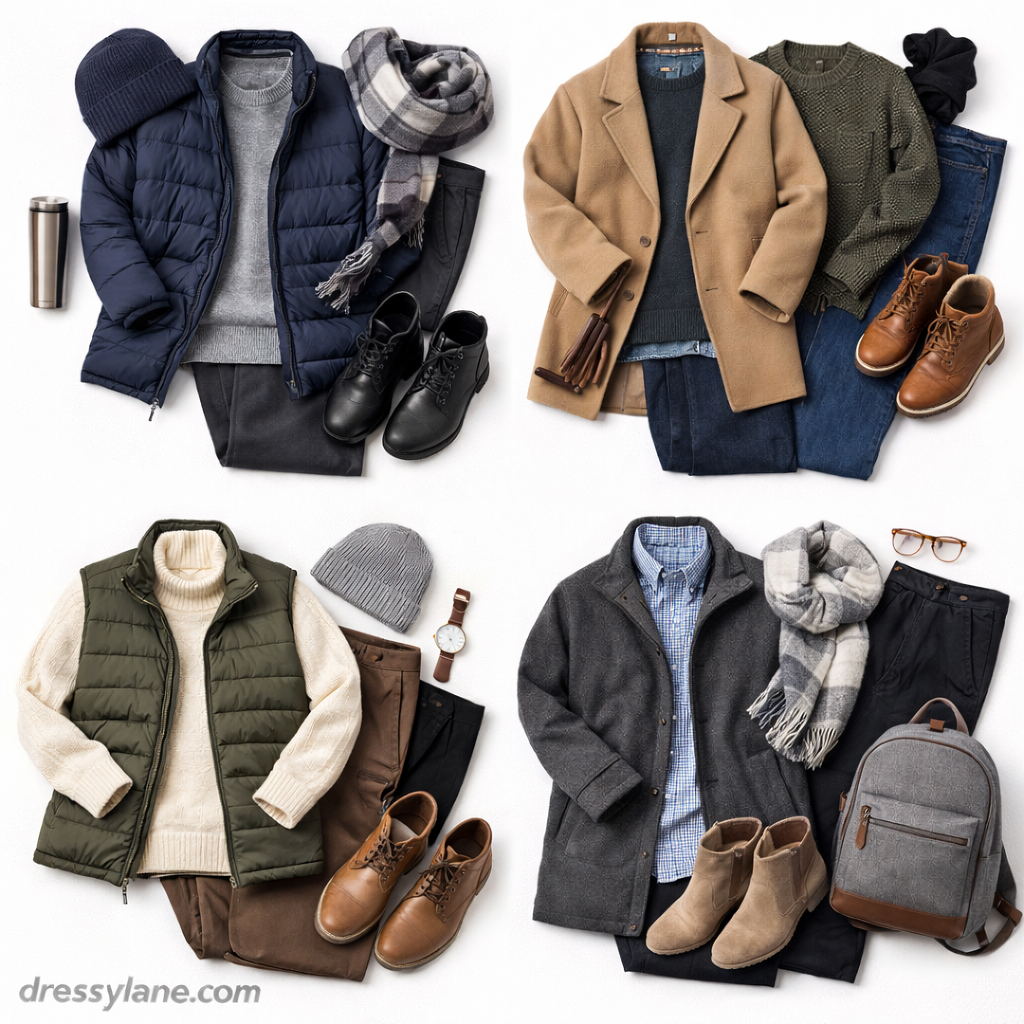
Men’s clothing can trap warmth effectively with the right choices.
Clothing Strategies for Men
- Thermal undershirts beneath dress shirts
- Wool or flannel shirts
- Sweaters layered under jackets
- Lined trousers in colder seasons
Warmth-Boosting Tips
- Layer vests under jackets
- Choose heavier knit sweaters
- Wear socks designed for insulation
- Avoid thin, breathable fabrics when warmth is the goal
Structure and layering are your best tools for staying warm without bulk.
Don’t Ignore Extremities
Cold hands, feet, and necks can make your whole body feel colder.
Key Warm Accessories
- Wool or thermal socks
- Scarves to retain heat around the neck
- Gloves in colder environments
- Hats for outdoor warmth
Keeping extremities warm helps your body maintain overall temperature.
Choose Warm Colors and Textures
Visual warmth doesn’t replace physical warmth—but it helps psychologically and stylistically.
Better choices include:
- Dark neutrals
- Earth tones
- Textured fabrics like knits and tweeds
- Layered looks with depth
These elements create a cozier, season-appropriate appearance.
Dressing for Cold Indoor Environments
Many people feel cold indoors due to air conditioning or poor heating.
Helpful adjustments include:
- Desk-friendly wraps or cardigans
- Lightweight jackets kept nearby
- Insulated footwear
- Layered outfits that look intentional indoors
Planning for the coldest part of your day—often indoors—can dramatically improve comfort.
Common Mistakes That Make You Feel Colder
Avoid these frequent issues:
- Wearing thin fabrics without layering
- Choosing style over insulation
- Ignoring base layers
- Wearing poorly fitted clothing that lets heat escape
- Underestimating indoor temperature drops
Warmth comes from preparation, not piling on random pieces.
Final Thoughts
Learning how to dress when you’re often cold is about building outfits that retain heat efficiently without feeling heavy or restrictive. By choosing the right base layers, layering with intention, and prioritizing insulating fabrics, both men and women can stay warm in any environment.
When your clothing works with your body—not against it—comfort improves, confidence increases, and getting dressed becomes far more enjoyable, even on the coldest days.