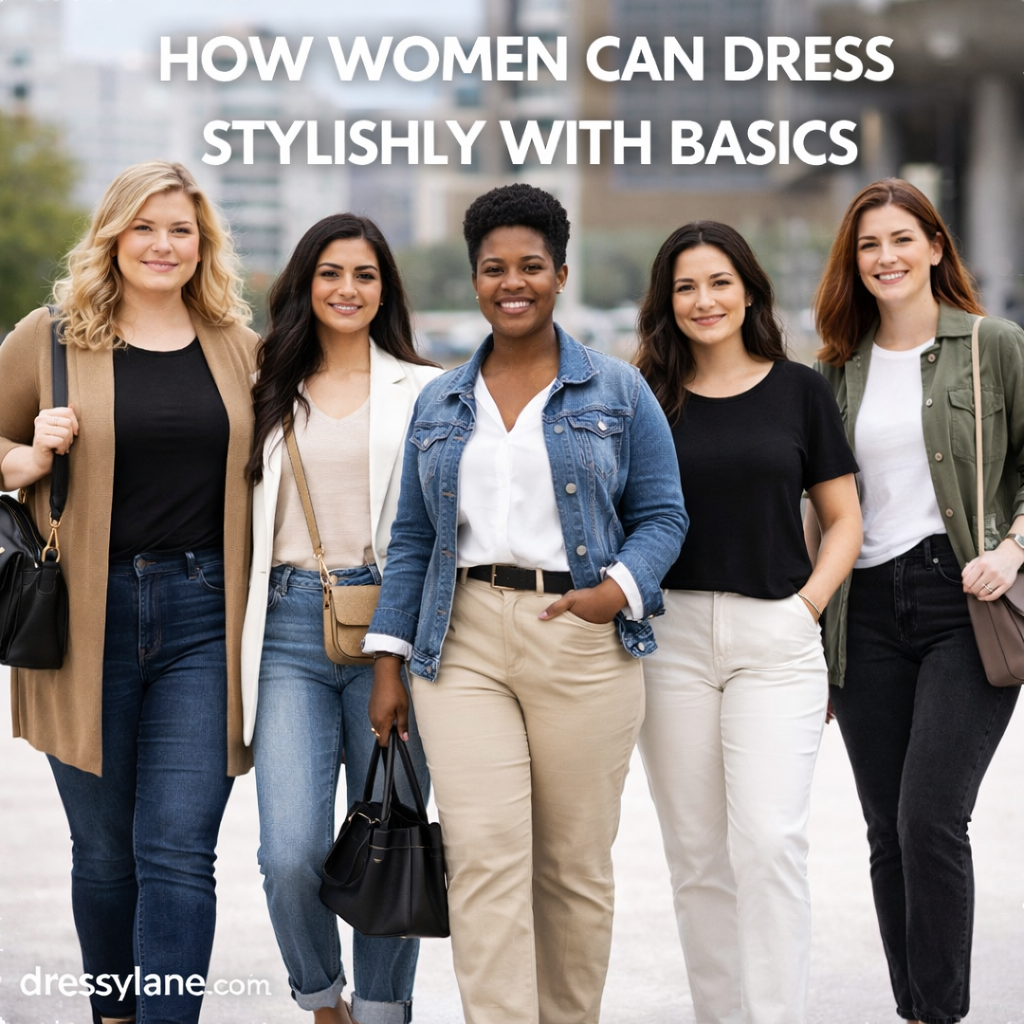

Dressing well doesn’t require overflowing closets or constant shopping. In fact, some of the most polished people rely on a small, intentional wardrobe built around versatile pieces that work together effortlessly. When you focus on fit, quality, and coordination, fewer clothes can actually make getting dressed easier—and more stylish.
This guide shows you how to dress well without a huge wardrobe, using smart strategies that work for everyday life, work, travel, and social events.
Why a Smaller Wardrobe Often Works Better
More clothes don’t always mean better outfits. Too many options can create confusion and decision fatigue.
Benefits of a streamlined wardrobe:
- Faster, easier outfit choices
- Better use of what you already own
- More consistent personal style
- Less clutter and stress
- Smarter spending over time
A smaller wardrobe encourages intention instead of impulse.
Step 1: Build Around Versatile Core Pieces
The foundation of a small but stylish wardrobe is versatility. Core pieces should mix easily with one another and work across multiple settings.
Strong wardrobe basics include:
- Neutral tops that layer well
- Bottoms in classic cuts and colors
- Shoes that balance comfort and polish
- Simple outer layers
These items form the backbone of countless outfits.
Step 2: Choose a Cohesive Color Palette
A limited color palette makes outfit-building effortless.
Tips for choosing a palette:
- Start with 2–3 neutrals (black, navy, beige, gray)
- Add 1–2 accent colors you genuinely like
- Avoid buying pieces that don’t match your existing wardrobe
When colors work together, almost everything pairs naturally.
Dressing Well With Fewer Pieces for Women
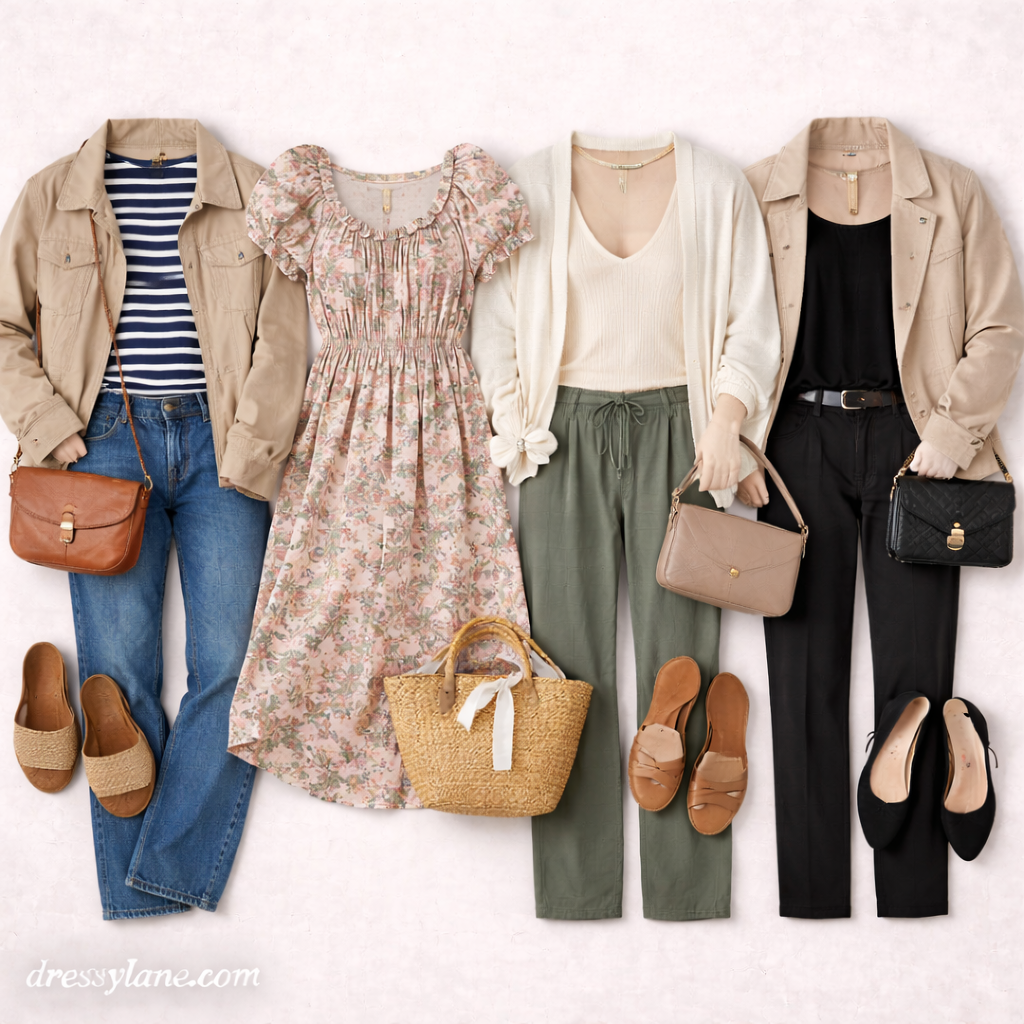
Women can create a wide range of looks with just a few well-chosen items.
Essential women’s wardrobe staples:
- A versatile dress that works day to night
- Well-fitting trousers or jeans
- Neutral blouses or tops
- A structured layer like a blazer or cardigan
- Comfortable, polished shoes
How to maximize outfits:
- Change accessories instead of outfits
- Layer pieces differently for variety
- Focus on fit over trends
Small styling changes create entirely new looks.
Dressing Well With Fewer Pieces for Men
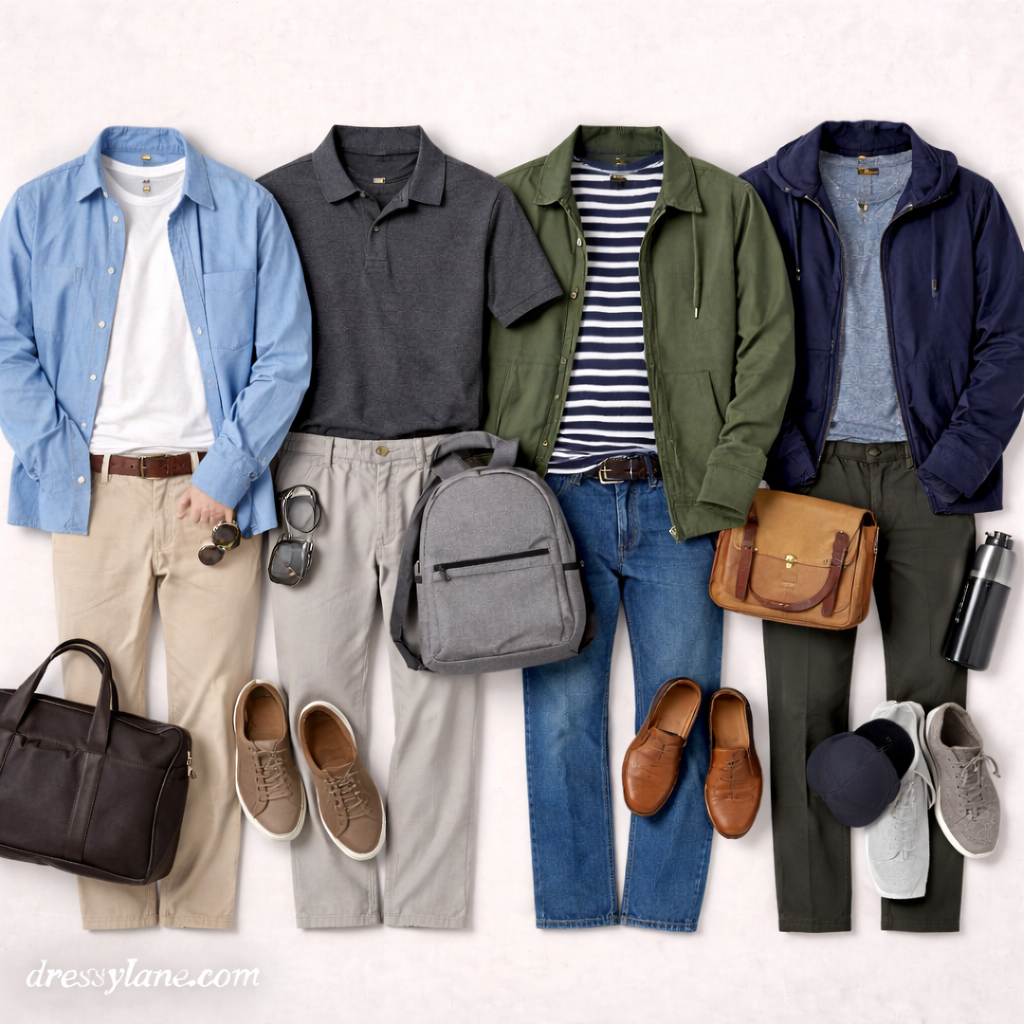
Men’s wardrobes benefit greatly from simplicity and consistency.
Essential men’s wardrobe staples:
- Neutral trousers or dark jeans
- Comfortable, well-fitting shirts
- A versatile jacket or blazer
- Shoes that work for multiple occasions
How to stretch your wardrobe:
- Stick to classic silhouettes
- Use layers to vary outfits
- Keep shoes clean and in good condition
Fit and grooming often matter more than quantity.
Step 3: Prioritize Fit Over Quantity
One well-fitting item outperforms several poorly fitting ones.
Fit-focused tips:
- Tailor key pieces if needed
- Avoid extremes—too tight or too loose
- Choose silhouettes that suit your body
Clothes that fit properly elevate even the simplest outfits.
Step 4: Buy With Purpose, Not Impulse
Every new item should earn its place.
Before buying something new, ask:
- Can I wear this with at least three outfits?
- Does it match my color palette?
- Will I still like it next year?
- Does it replace something I already own?
Intentional buying prevents wardrobe clutter.
Step 5: Use Accessories Strategically
Accessories add variety without adding bulk.
Smart accessory choices:
- Belts, watches, or jewelry
- Scarves or simple layering pieces
- Bags that work across occasions
Accessories refresh outfits without expanding your wardrobe.
Common Mistakes to Avoid
A small wardrobe still needs balance.
Avoid these pitfalls:
- Buying duplicates you don’t need
- Chasing trends that don’t suit your style
- Ignoring fit and fabric quality
- Keeping items you never wear
- Over-accessorizing to compensate
Editing your wardrobe is just as important as adding to it.
Final Thoughts
Dressing well without a huge wardrobe is about clarity, intention, and confidence. When your clothes work together and fit you properly, style becomes simple—not stressful. A smaller wardrobe frees you from constant decisions and helps you show up polished, comfortable, and authentically yourself every day.