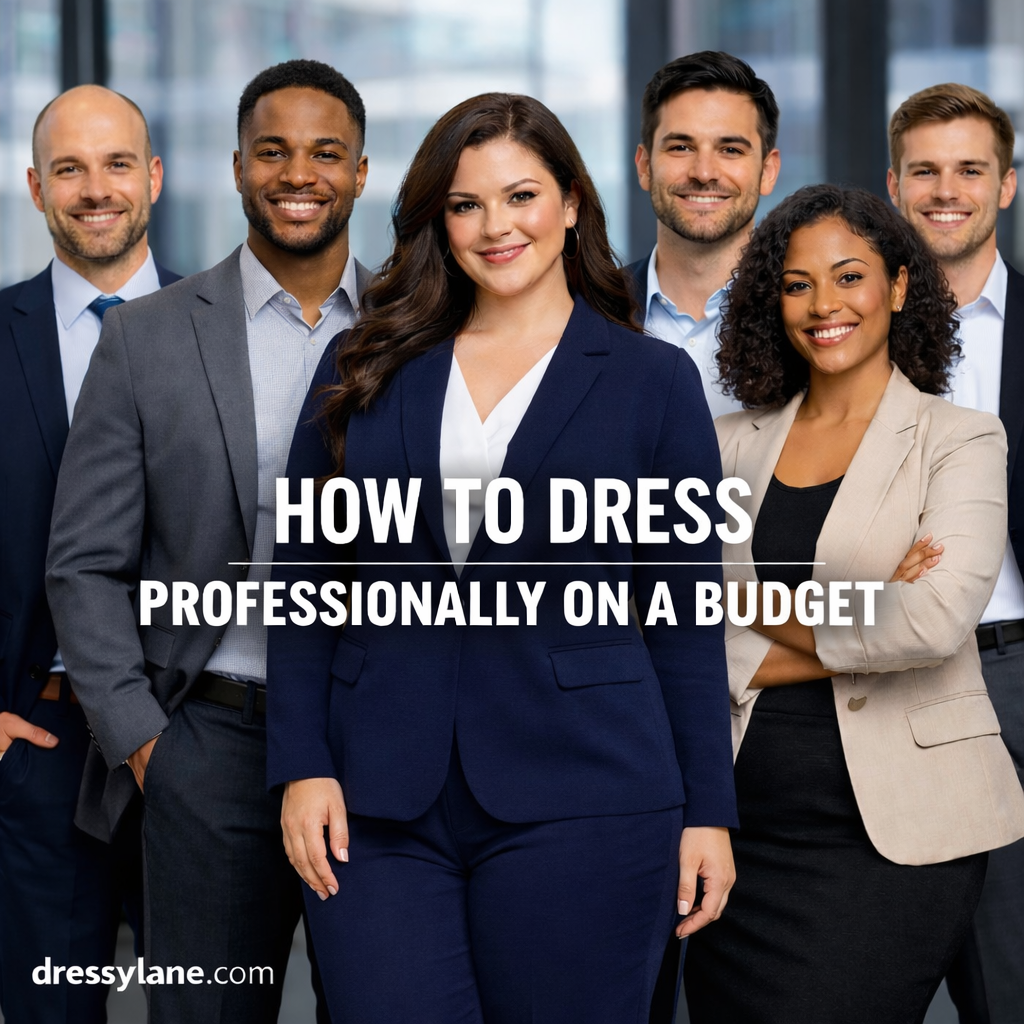
Dressing professionally doesn’t have to mean spending hundreds of dollars every season. With a smart approach, you can build a polished, work-appropriate wardrobe that looks confident and credible without straining your finances. Whether you’re starting a new job, returning to the office, or upgrading your look, this guide will show you how to dress professionally on a budget—without sacrificing style or comfort.
What “Professional” Really Means Today
Professional dress varies by workplace, but the core principles stay the same:
- Clean, well-fitted clothing
- Neutral, coordinated colors
- Minimal distractions or flashy details
- Clothing that looks intentional and put-together
In many modern offices, business casual is the norm, which actually makes budgeting easier. You don’t need a full suit collection—just reliable, versatile staples.
Build a Budget-Friendly Professional Wardrobe Strategy
Before buying anything, plan your wardrobe with intention.
Focus on Versatile Core Pieces
Choose items that can be mixed and matched across multiple outfits:
- Neutral blazers
- Simple trousers or skirts
- Button-down shirts or blouses
- Closed-toe shoes that work with many looks
A small collection of high-utility items goes further than a closet full of random purchases.
Stick to a Neutral Color Palette
Neutral colors make coordination easy and reduce the need for excess items:
- Black
- Navy
- Gray
- Beige
- White
You can add personality later with accessories.
How to Dress Professionally on a Budget for Men
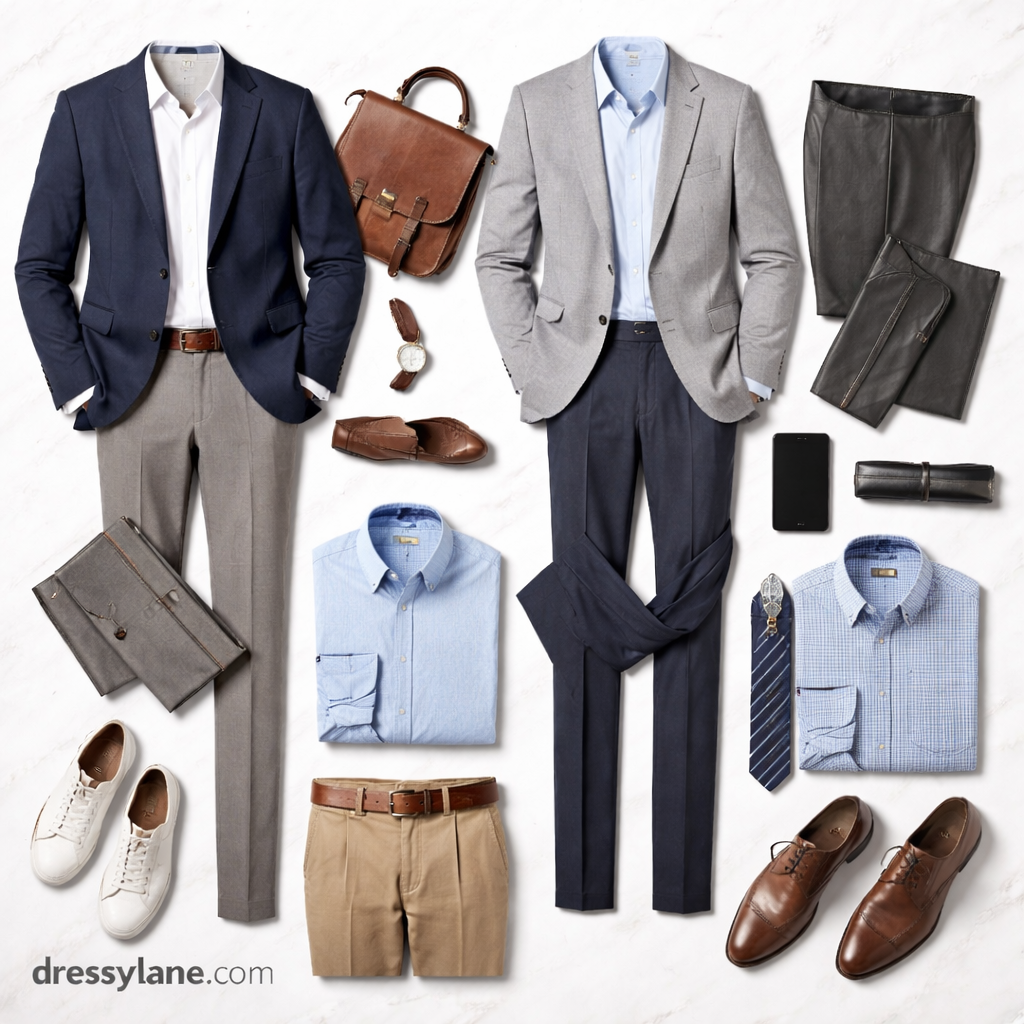
Men can create a sharp, professional look with surprisingly few pieces.
Budget-Friendly Essentials for Men
- One well-fitted blazer in navy or charcoal
- Two to three button-down shirts (white, light blue, subtle patterns)
- One or two pairs of full-length dress pants or chinos
- A simple leather belt
- One pair of dress shoes (black or brown)
Smart Money-Saving Tips for Men
- Prioritize fit over brand—tailoring inexpensive pants can elevate them instantly
- Choose wrinkle-resistant fabrics to reduce dry-cleaning costs
- Avoid trendy cuts that won’t age well
- Rotate shirts to extend their lifespan
A clean, consistent look signals professionalism more than expensive labels.
How to Dress Professionally on a Budget for Women
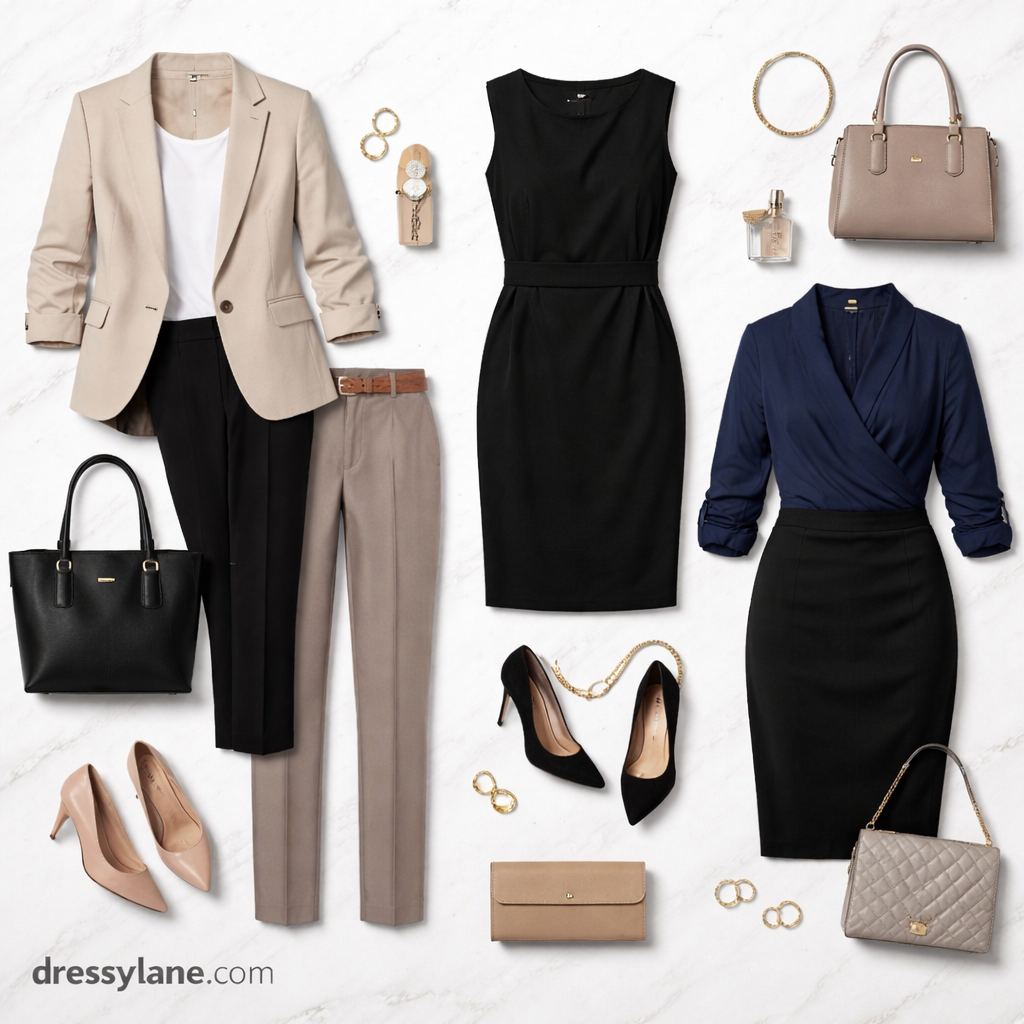
Women have more variety in professional clothing, which makes planning even more important.
Budget-Friendly Essentials for Women
- A structured blazer in a neutral color
- Two to three blouses that layer well
- A knee-length skirt or tailored pants
- A simple dress that works year-round
- Comfortable closed-toe flats or low heels
Smart Money-Saving Tips for Women
- Choose pieces that transition from office to casual wear
- Stick to classic silhouettes instead of fast trends
- Look for stretch fabrics for comfort and durability
- Keep accessories minimal and interchangeable
Building outfits around a few core pieces reduces decision fatigue and spending.
Where to Find Affordable Professional Clothing
You don’t need to rely on high-end stores to look professional.
Best Budget Sources to Check
- Thrift and consignment shops (especially for blazers and trousers)
- Outlet stores for basics
- End-of-season sales
- Online resale platforms
Shopping secondhand can dramatically lower costs while still delivering quality.
The Power of Fit and Presentation
Even inexpensive clothing looks professional when it fits properly.
Simple Fit Improvements That Make a Big Difference
- Hem pants to the correct length
- Ensure shoulders align properly on blazers
- Avoid clothing that pulls, wrinkles excessively, or sags
Presentation matters just as much:
- Keep clothes clean and pressed
- Polish shoes regularly
- Replace worn buttons or loose seams
Small maintenance habits protect your wardrobe investment.
Accessories That Elevate Without Overspending
Accessories can refresh outfits without buying new clothes.
Budget-Friendly Professional Accessories
- Simple watches
- Neutral belts
- Structured bags
- Minimal jewelry
Rotate accessories to create new looks with the same core outfits.
Common Budget Dressing Mistakes to Avoid
Saving money doesn’t mean cutting corners the wrong way.
- Buying trendy pieces that don’t last
- Choosing cheap fabrics that wear out quickly
- Owning too many colors that don’t match
- Ignoring fit in favor of price
Intentional purchases always outperform impulse buys.
Final Thoughts
Learning how to dress professionally on a budget is about strategy, not sacrifice. By focusing on versatile staples, neutral colors, proper fit, and thoughtful maintenance, you can look polished and confident every day without overspending. A professional wardrobe isn’t built overnight—but with smart choices, it doesn’t have to be expensive either.