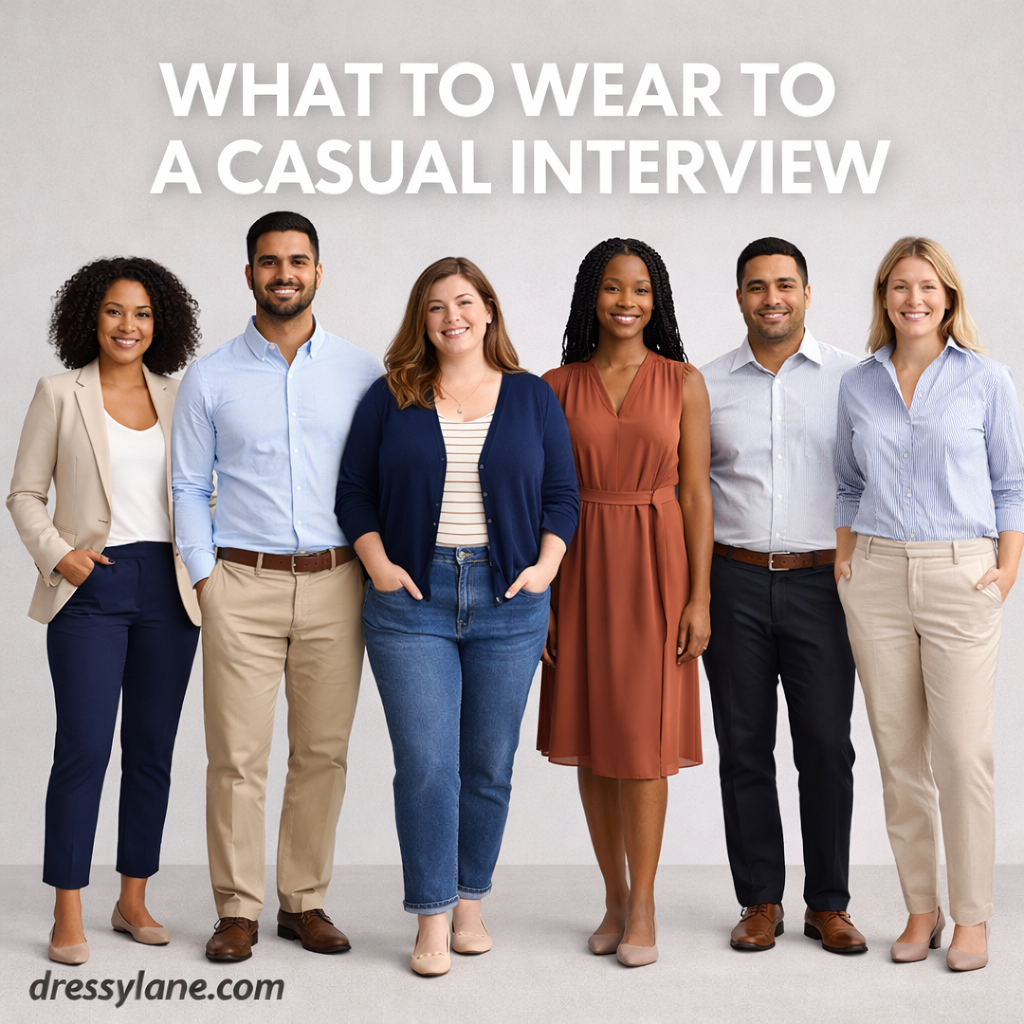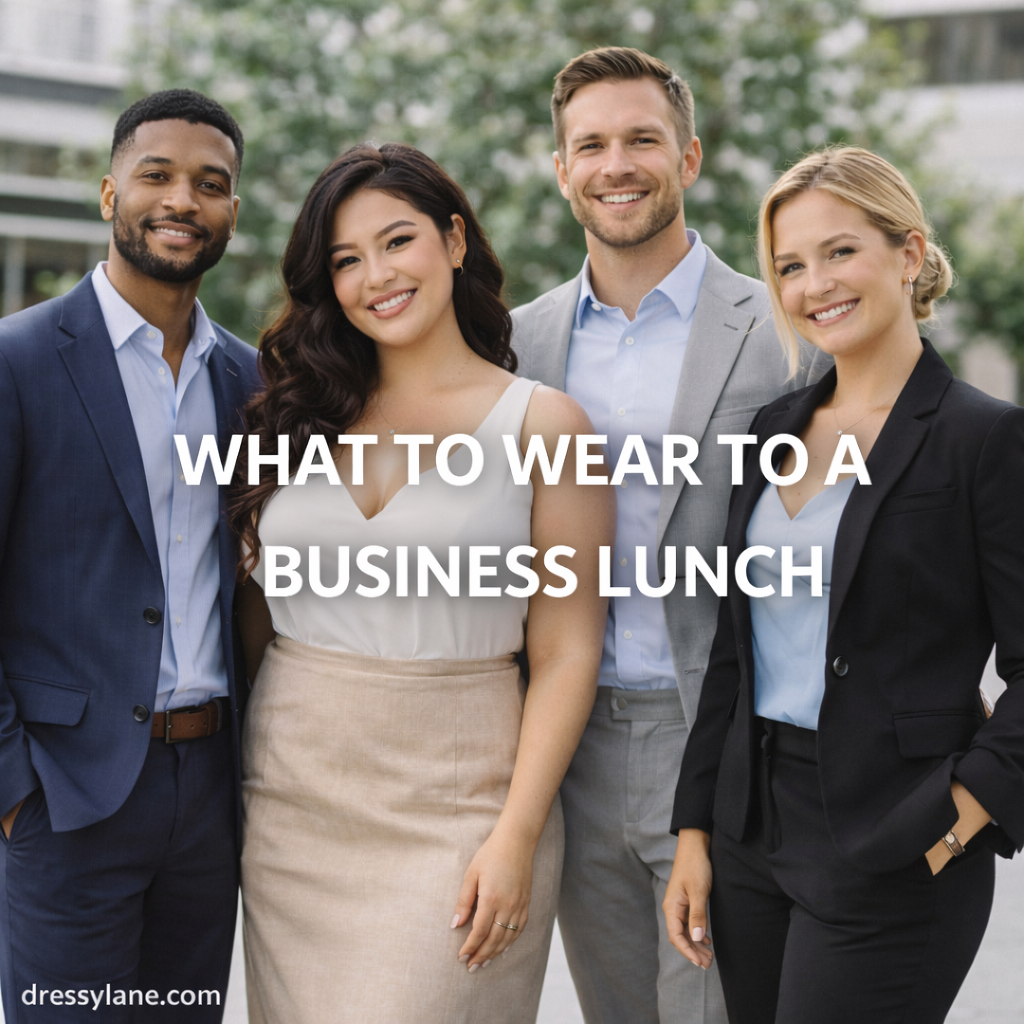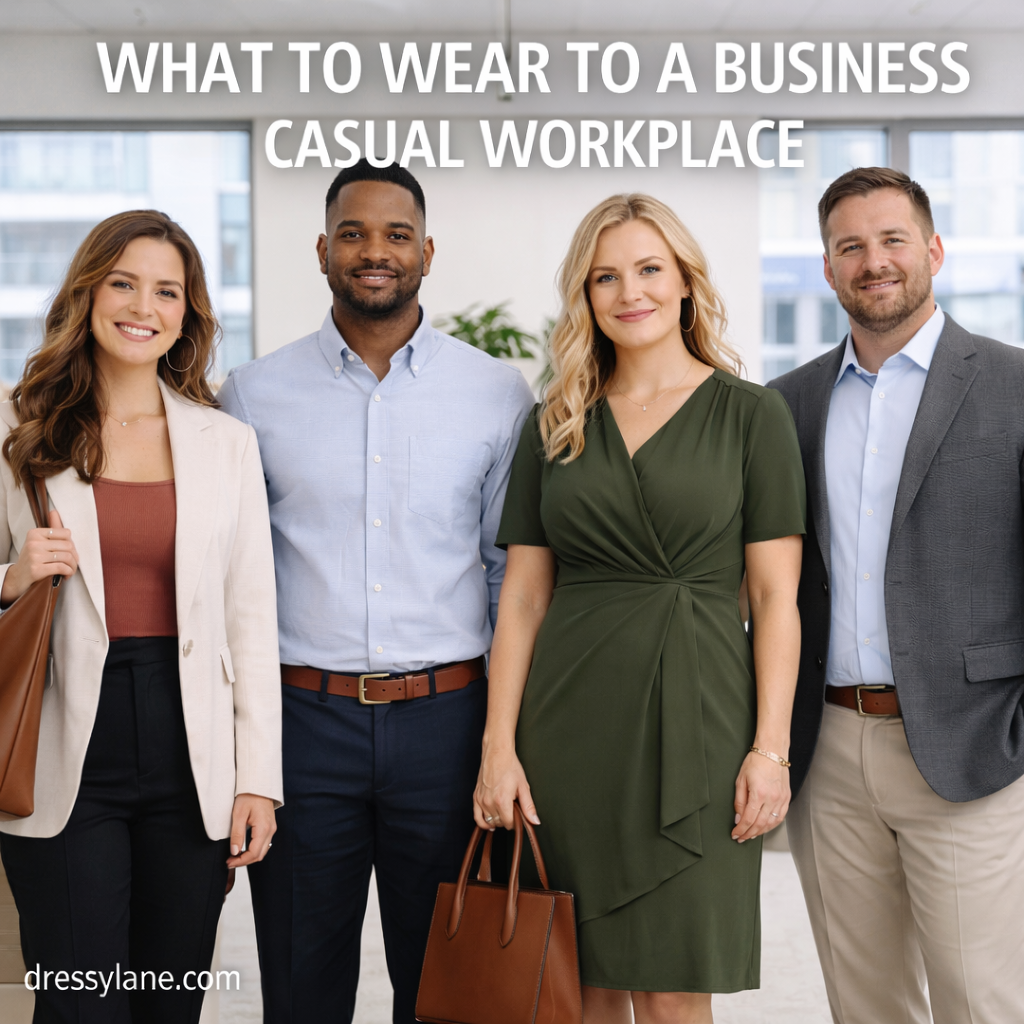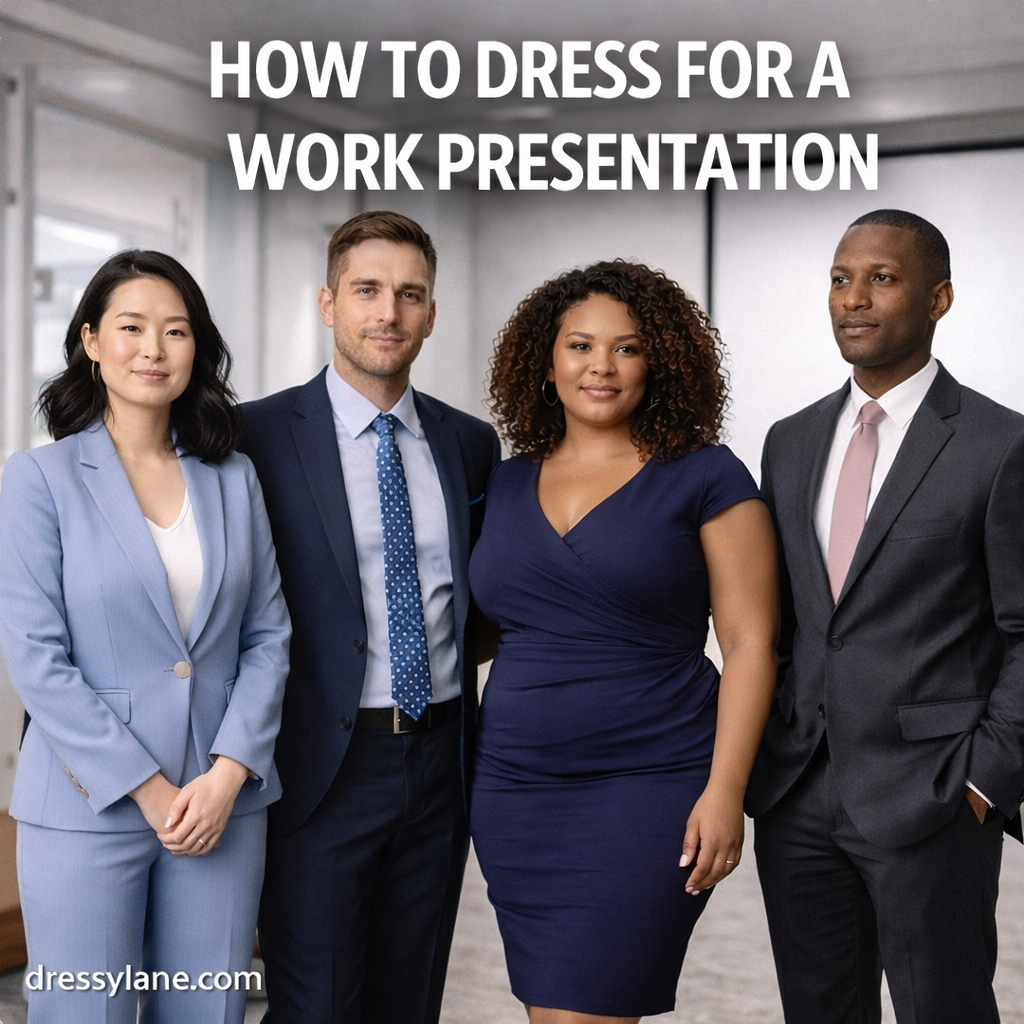
Introduction
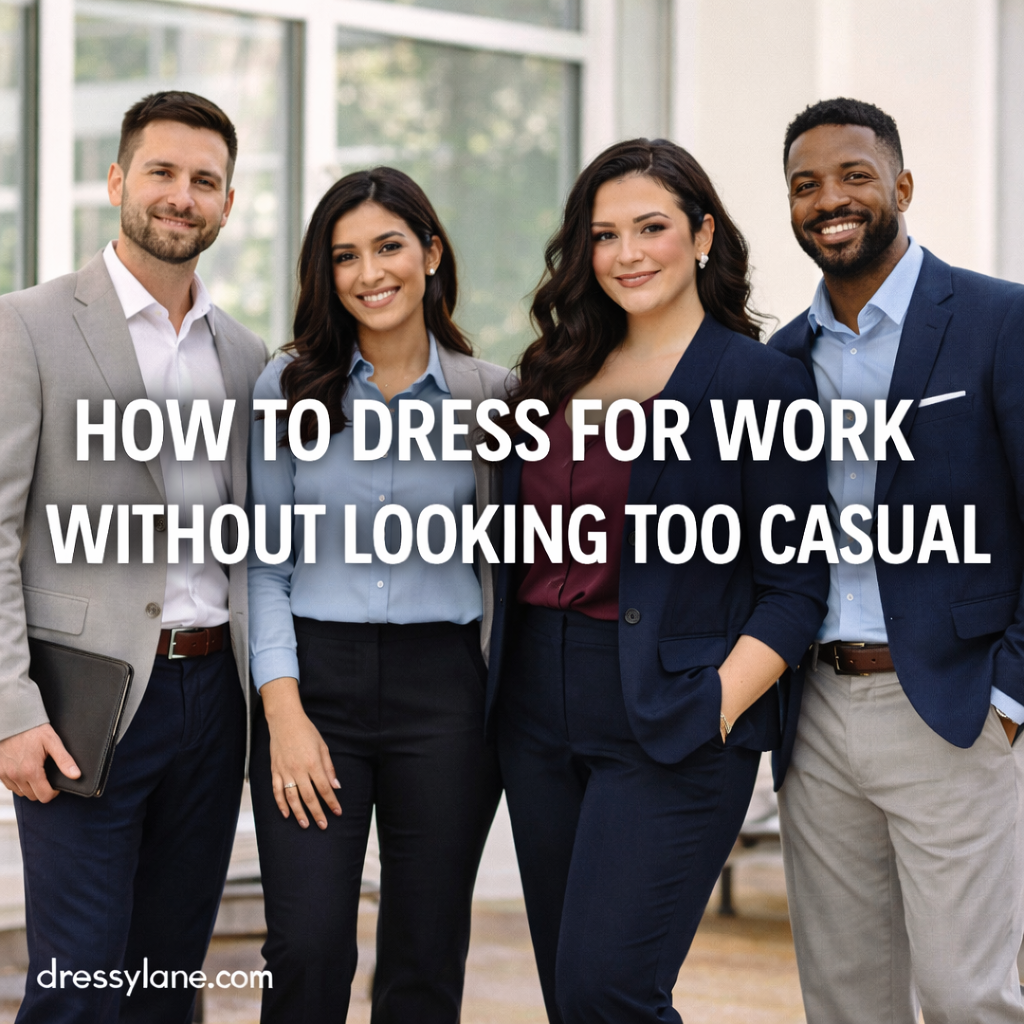
Finding the right balance between comfort and professionalism can be tricky. Many workplaces allow relaxed dress codes, but dressing too casually can undermine credibility and confidence. This guide explains how to dress for work without looking too casual, helping you maintain a polished, professional appearance while still feeling comfortable and modern.
What “Too Casual” Means in a Work Setting
Casual doesn’t always equal unprofessional, but certain elements can quickly push an outfit into overly relaxed territory.
Work outfits often look too casual when they include:
- Slouchy or worn-out fabrics
- Athletic or lounge-style clothing
- Overly distressed denim
- Flip-flops or overly casual footwear
- Unstructured layers with no shape
The goal is refinement—not stiffness.
Focus on Structure First
Structure is the easiest way to elevate everyday clothing.
Simple ways to add structure include:
- Choosing tailored silhouettes over loose ones
- Adding a blazer, jacket, or structured cardigan
- Opting for crisp fabrics instead of soft knits head to toe
- Ensuring proper fit at shoulders, waist, and hems
Even casual pieces look professional when they have shape.
Choose Elevated Basics Over Trendy Pieces
Workwear benefits from timeless, understated choices.
Better alternatives to casual staples include:
- Polished trousers instead of leggings or joggers
- Blouses or clean shirts instead of graphic tees
- Dark or structured denim instead of ripped jeans
- Simple knits instead of oversized hoodies
When basics look intentional, outfits feel work-appropriate.
How to Dress for Work Without Looking Too Casual (Women)
Tops That Feel Professional but Relaxed
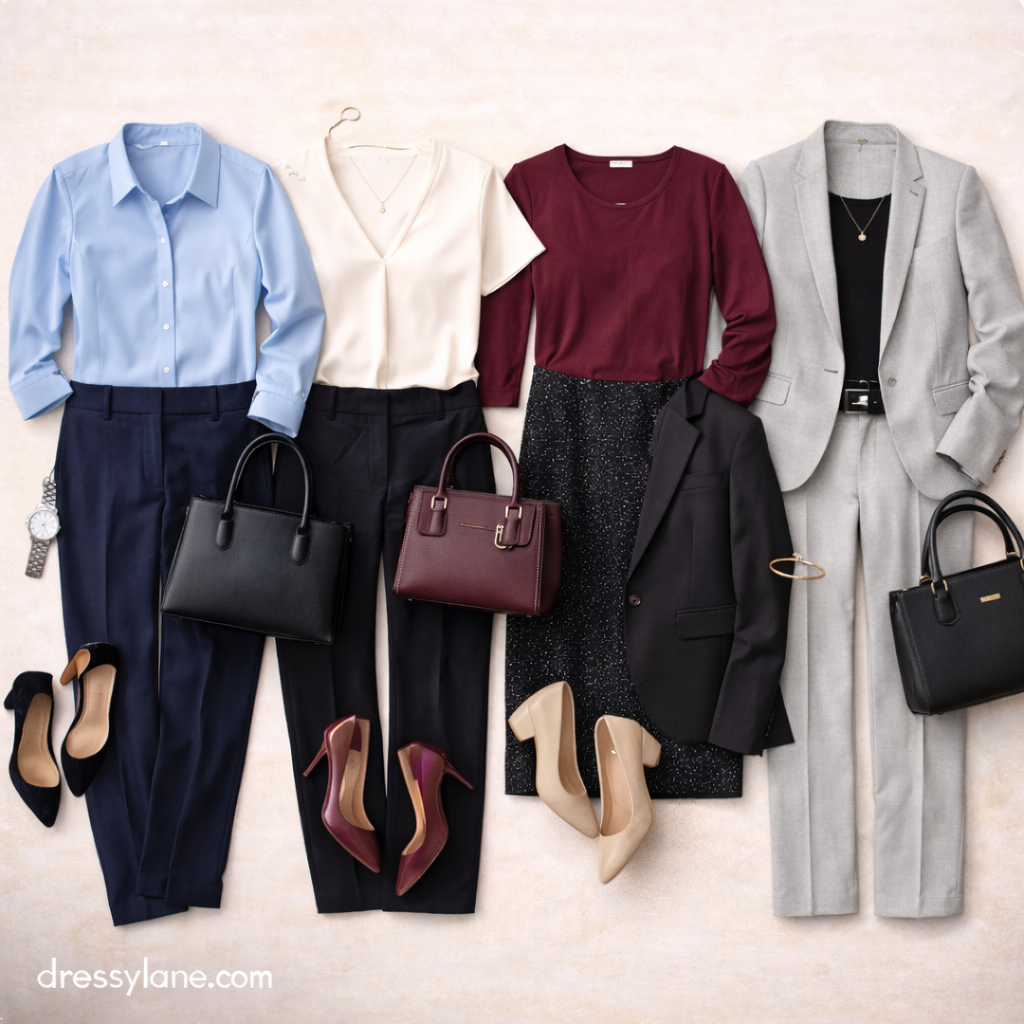
Women can avoid overly casual looks by upgrading their tops.
Strong work-appropriate options include:
- Soft blouses with clean lines
- Fine-gauge sweaters
- Button-down shirts in breathable fabrics
- Shell tops layered under jackets
Avoid sheer fabrics, novelty prints, or anything that reads like loungewear.
Pants and Skirts That Elevate the Outfit
Bottoms anchor the entire look.
Better choices include:
- Tailored trousers
- Ankle-length pants with clean hems
- Midi skirts with structure
- Dark, polished denim where permitted
Skip leggings or overly relaxed silhouettes unless styled very intentionally.
Shoes That Signal Professionalism
Footwear often determines how casual an outfit feels.
Work-friendly shoe options include:
- Loafers or flats with structure
- Low heels or block heels
- Clean ankle boots
Avoid overly casual sneakers or sandals unless your workplace explicitly allows them.
How to Dress for Work Without Looking Too Casual (Men)
Shirts That Look Intentional
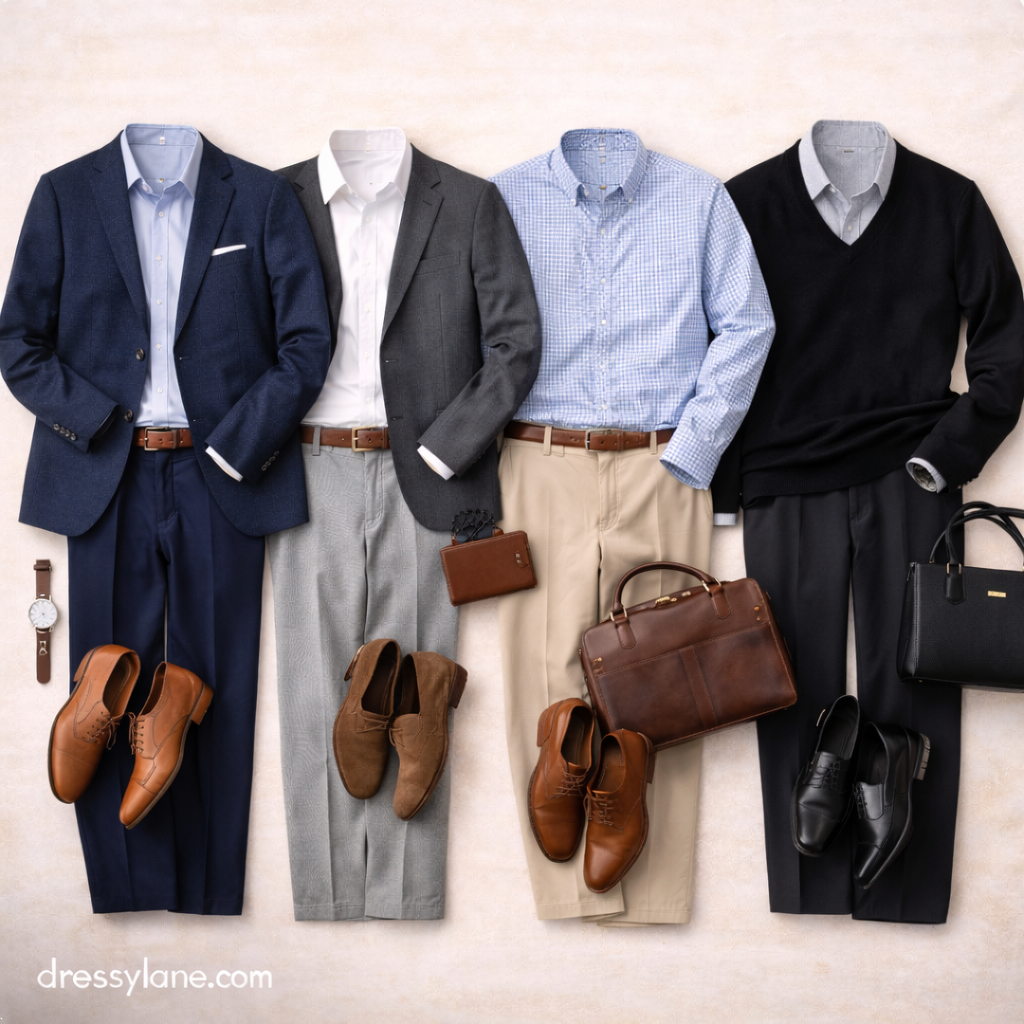
Men can elevate their look simply by choosing the right tops.
Good options include:
- Button-down shirts in solid or subtle patterns
- Knit polos with clean collars
- Lightweight sweaters layered over shirts
Avoid graphic tees or overly worn fabrics.
Pants That Balance Comfort and Polish
Casual pants can still look professional with the right fit.
Better options include:
- Chinos with structure
- Tailored trousers
- Dark, clean denim where appropriate
Avoid overly baggy fits or heavy distressing.
Shoes That Pull the Outfit Together
Footwear should match the level of professionalism.
Smart choices include:
- Leather loafers or dress shoes
- Clean, minimal sneakers (if allowed)
- Casual boots with polished finishes
Shoes should look intentional, not like an afterthought.
Use Color and Fabric to Stay Polished
Color and material choices strongly affect how casual an outfit appears.
More professional-friendly options include:
- Neutral tones like navy, gray, beige, or black
- Matte fabrics over shiny or worn textures
- Subtle patterns instead of bold graphics
Consistency in color and fabric helps outfits look cohesive.
Small Details That Make a Big Difference
Minor upgrades can dramatically change how an outfit is perceived.
Helpful finishing touches include:
- Neatly tucked or half-tucked shirts
- Pressed or wrinkle-free clothing
- Simple accessories like belts or watches
- Coordinated shoes and bags
These details signal professionalism without extra effort.
Common Mistakes That Make Work Outfits Too Casual
Avoiding these pitfalls helps maintain the right balance.
Common mistakes include:
- Relying too heavily on athleisure
- Wearing overly relaxed footwear
- Ignoring fit and tailoring
- Mixing too many casual elements at once
If in doubt, elevate one part of the outfit.
Final Thoughts
Dressing for work without looking too casual is about intention and balance. By focusing on structure, fit, and elevated basics, you can look professional without feeling stiff or outdated. Thoughtful choices in clothing, shoes, and accessories help you show up polished, confident, and ready for the workday—no matter your office environment.