Introduction
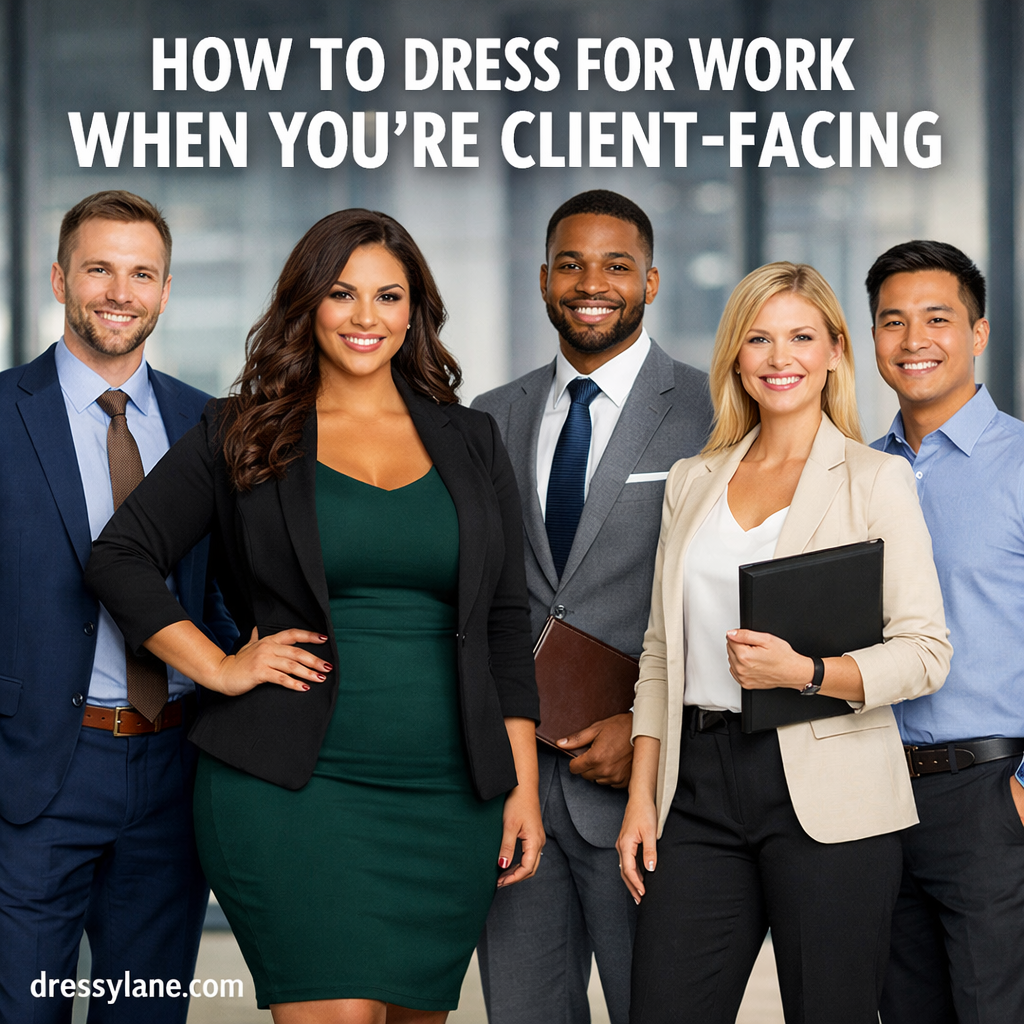
When your role involves interacting directly with clients, how you dress becomes part of your professional communication. Before you speak, your appearance already signals credibility, attention to detail, and respect for the people you’re meeting. The goal of client-facing workwear isn’t to look flashy or trendy — it’s to look polished, dependable, and appropriate for your industry.
This guide breaks down how to dress for client-facing roles in a way that feels confident, professional, and adaptable. You’ll learn core principles that apply across industries, plus practical outfit guidance for both men and women.
Why Client-Facing Attire Matters
Client-facing roles place you in a position of trust. Your clothing helps reinforce that trust by shaping first impressions and ongoing perceptions.
Well-chosen workwear can:
- Build credibility before a conversation even starts
- Signal professionalism and preparedness
- Reduce distractions so clients focus on your expertise
- Align your personal image with your company’s brand
- Help you feel more confident and composed
Even in relaxed industries, intentional dressing shows respect for the client relationship.
General Rules for Dressing in Client-Facing Roles
Regardless of gender or industry, these foundational principles apply.
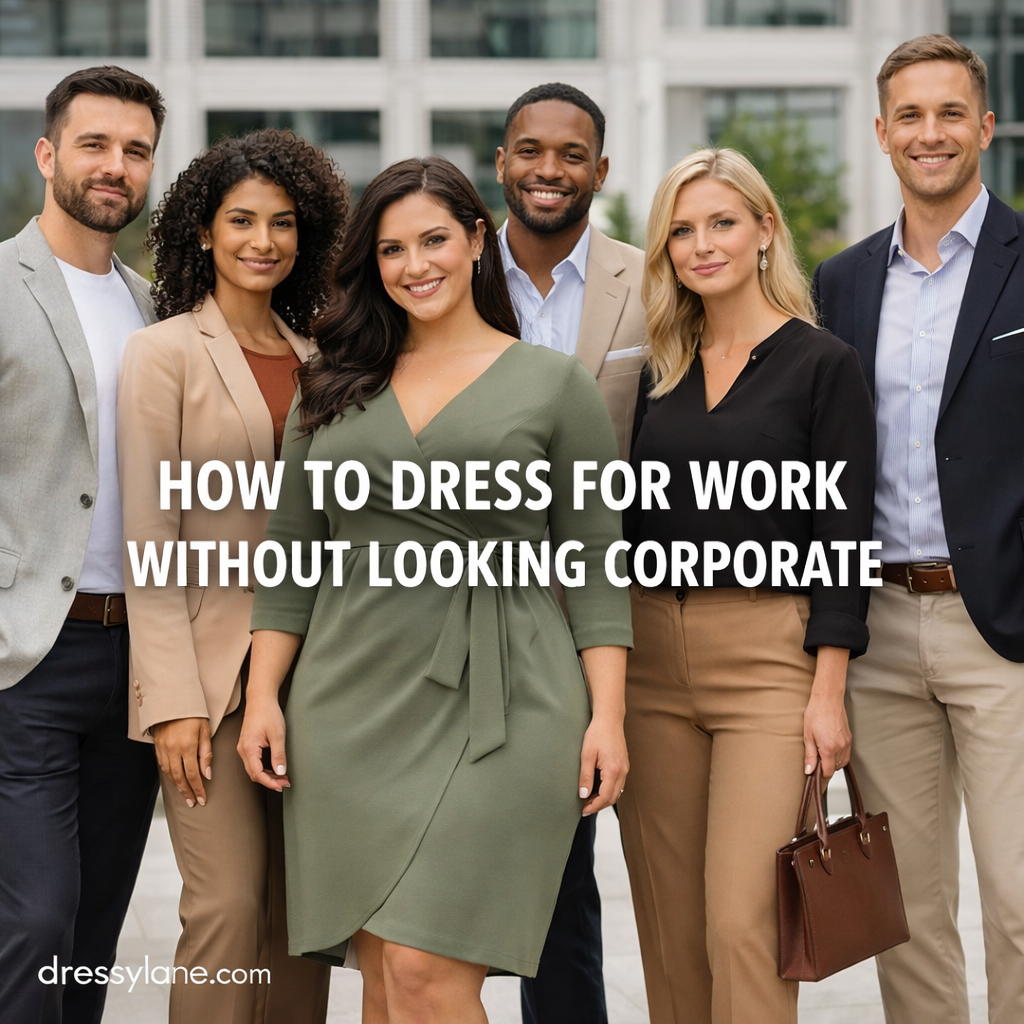
Dress One Level More Polished Than Required
If your workplace is business casual, aim for elevated business casual when meeting clients. Being slightly overdressed is almost always safer than being underdressed.
Fit Comes Before Fashion
Clothing should fit comfortably without being tight or sloppy. Proper fit instantly makes even simple outfits look more professional.
Keep It Clean and Pressed
Wrinkled, stained, or worn clothing undermines credibility. Freshly laundered and well-pressed garments are essential.
Choose Neutral, Reliable Colors
Stick primarily to:
- Navy
- Gray
- Black
- Beige
- White
- Soft blues
These colors photograph well, age well, and feel trustworthy across cultures and industries.
Avoid Distracting Elements
Skip anything that pulls attention away from the conversation, such as:
- Loud patterns
- Flashy logos
- Overly bold accessories
- Strong fragrances
Your client should remember your ideas, not your outfit.
How Industry and Client Type Affect Dress Codes
Client-facing attire isn’t one-size-fits-all. Consider:
- Industry norms (finance vs. creative vs. tech)
- Client expectations and demographics
- Meeting format (in-person, video, on-site visits)
- Geographic location and culture
When in doubt, mirror the client’s level of formality while maintaining your professional standards.
How to Dress for Client-Facing Roles: Men
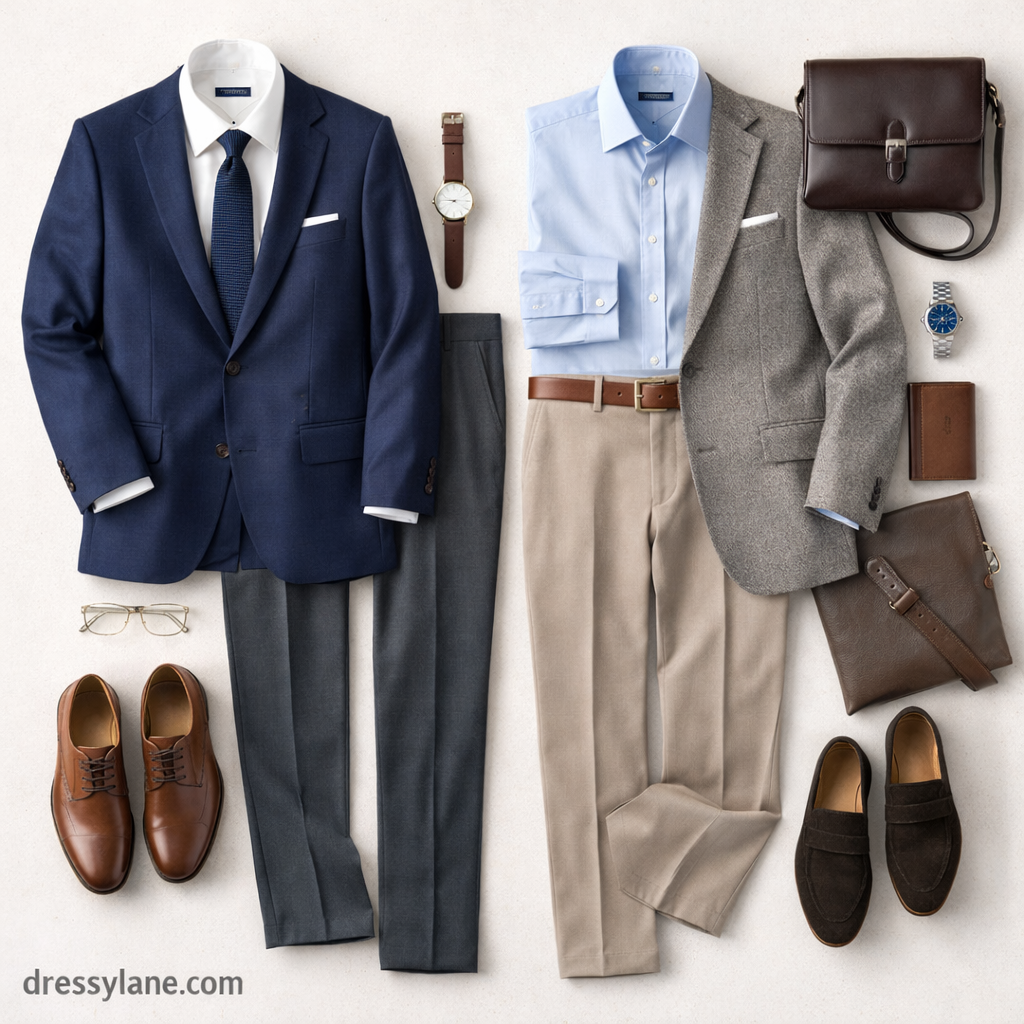
Men’s client-facing outfits should project structure, cleanliness, and quiet confidence.
Core Clothing Pieces for Men
- Well-fitted dress shirts in neutral or light colors
- Tailored trousers or chinos
- Structured blazers or sport coats
- Leather dress shoes or clean loafers
- Matching belt and shoes
Business Professional Settings
Ideal for finance, law, consulting, and high-level corporate meetings.
Recommended outfits:
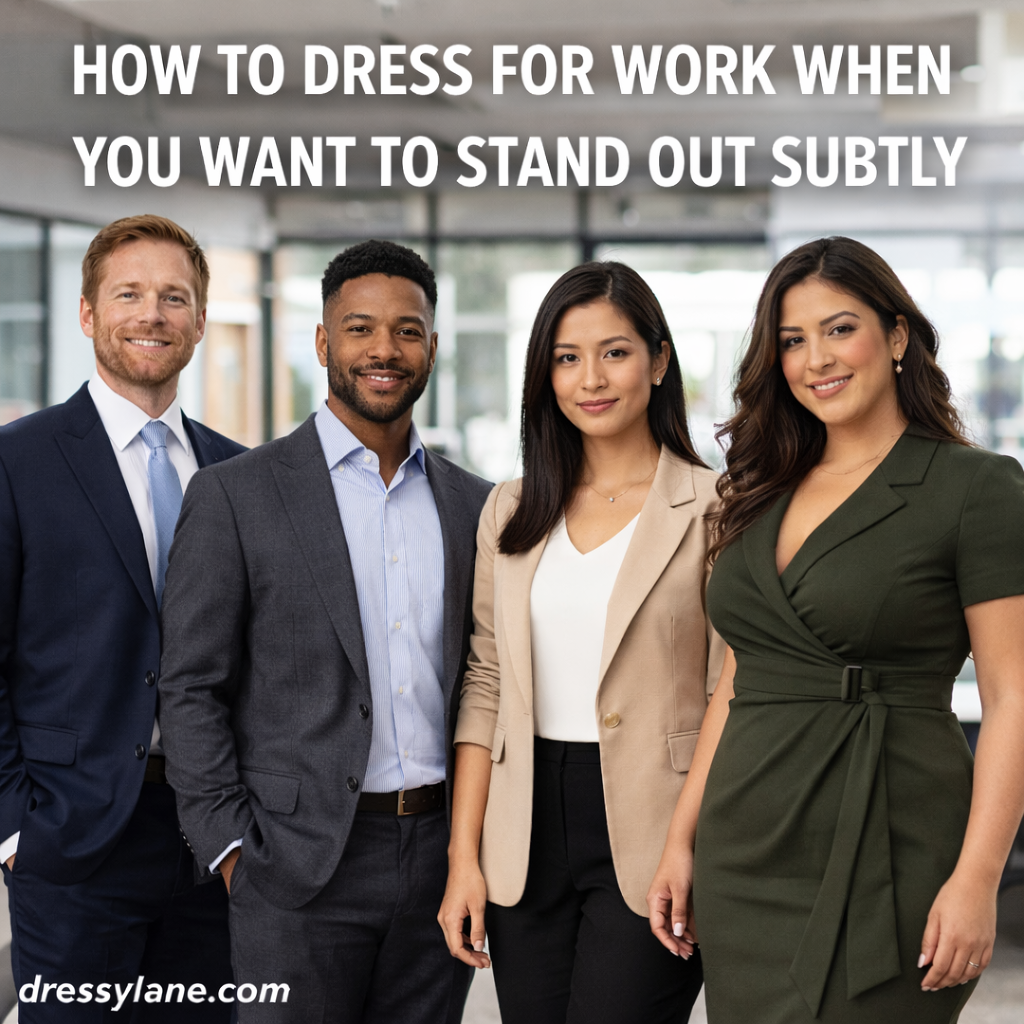
- Navy or charcoal suit
- Crisp white or light blue dress shirt
- Conservative tie
- Polished leather dress shoes
- Minimal accessories
This look communicates authority and reliability without saying a word.
Business Casual Client Meetings
Common in tech, marketing, real estate, and modern corporate offices.
Recommended outfits:
- Tailored chinos or dress trousers
- Button-down shirt or subtle pattern
- Blazer or structured jacket
- Loafers or clean leather shoes
Ties are optional but can be added for more formal client interactions.
Grooming and Presentation Tips for Men
- Hair neatly styled and trimmed
- Facial hair intentional and well-groomed
- Shoes clean and polished
- Clothing free of wrinkles and lint
Small grooming details often make the biggest difference.
How to Dress for Client-Facing Roles: Women
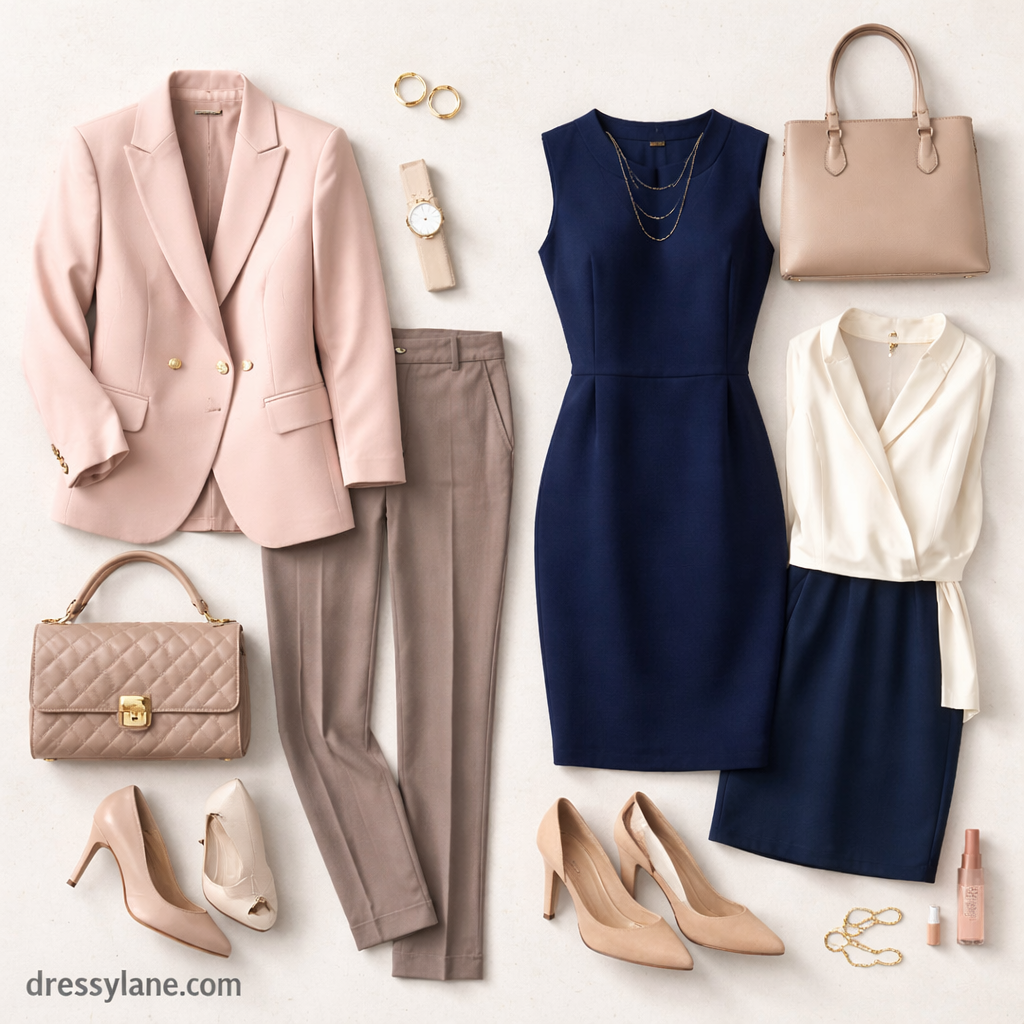
Women’s client-facing attire should balance professionalism, comfort, and confidence.
Core Clothing Pieces for Women
- Tailored blazers
- Blouses in neutral or soft tones
- Dress trousers or knee-length skirts
- Structured dresses
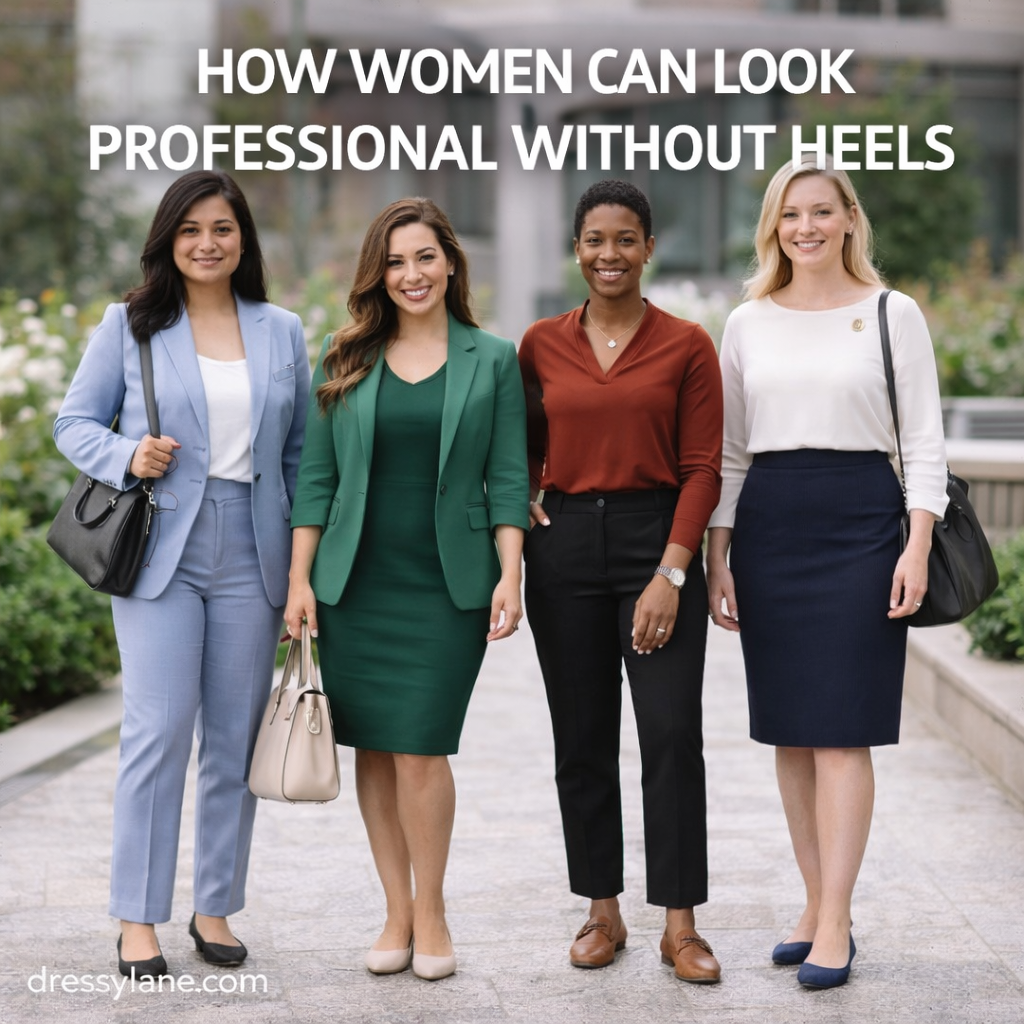
- Closed-toe flats, low heels, or professional boots
Business Professional Settings
Best for formal industries or high-stakes meetings.
Recommended outfits:
- Tailored suit (pants or skirt)
- Neutral blouse
- Closed-toe heels or flats
- Minimal jewelry
- Structured handbag
Stick to clean lines and classic silhouettes that feel authoritative.
Business Casual Client Meetings
Suitable for most modern offices and recurring client interactions.
Recommended outfits:
- Blazer with tailored trousers
- Professional dress with structured fit
- Blouse paired with a midi skirt
- Low heels, flats, or ankle boots
The goal is polished but approachable.
Grooming and Presentation Tips for Women
- Hair styled neatly and kept out of the face
- Makeup, if worn, kept natural and professional
- Jewelry understated and minimal
- Shoes clean and comfortable enough for long days
Confidence comes from feeling put-together, not overdone.
Dressing for Video Calls with Clients
Remote meetings still require professional presentation.
Best practices:
- Wear solid colors that contrast with your background
- Avoid busy patterns that distort on camera
- Choose structured tops (collared shirts, blouses, blazers)
- Sit upright and ensure good lighting
Even when working from home, dressing professionally helps maintain authority and focus.
Common Client-Facing Outfit Mistakes to Avoid
- Casual footwear like sneakers or flip-flops
- Overly trendy pieces that date quickly
- Clothing that is too tight, short, or revealing
- Excessive accessories or jewelry
- Clothing with visible wear or damage
If you’re unsure about an item, it’s usually better to leave it out.
Building a Reliable Client-Facing Wardrobe
You don’t need a large closet — just smart staples.
Focus on:
- Interchangeable neutral pieces
- High-quality basics over fast fashion
- Tailoring for better fit
- Shoes that work across multiple outfits
A small, intentional wardrobe saves time and reduces daily decision fatigue.
Final Thoughts
Dressing for client-facing work is about respect — for yourself, your role, and the people you serve. When your clothing aligns with your professionalism, it reinforces trust and confidence before you ever speak.
Whether your environment is formal or relaxed, intentional dressing helps you show up prepared, credible, and comfortable in your role. When clients feel confident in you, your work can truly shine.