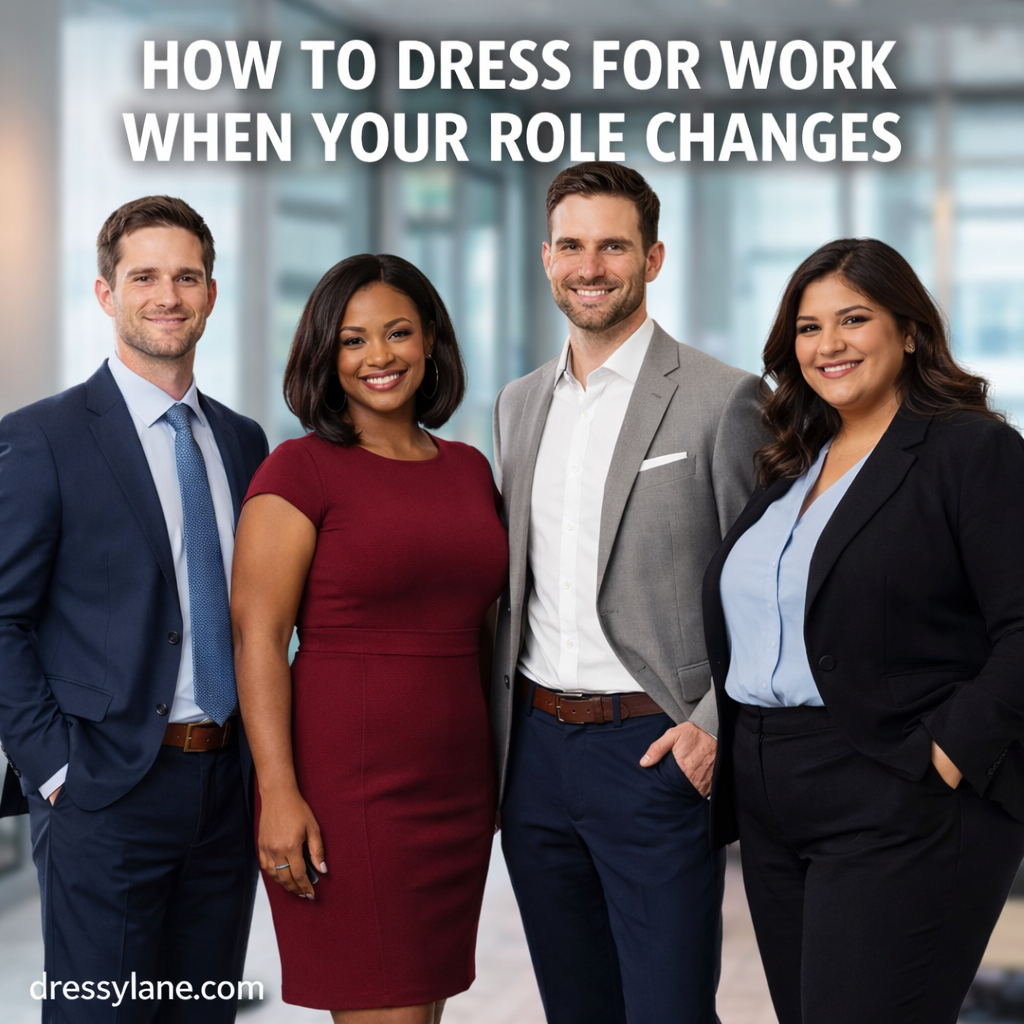
A role change at work—whether it’s a promotion, department shift, or move into leadership—often comes with new expectations that go beyond responsibilities. One of the first questions many people face is how their appearance should evolve. Dressing appropriately for your new role helps you feel confident, signals professionalism, and aligns how others perceive you with your updated position.
This guide explains how to adjust your work wardrobe when your role changes, with practical advice for both men and women.
Why Your Work Style Matters During a Role Change
Your clothing is part of your professional communication. When your role changes, your appearance should subtly reinforce that shift.
Dressing appropriately can:
- Support your credibility in a new position
- Help colleagues adjust to seeing you in a different role
- Increase personal confidence during a transition
- Reflect leadership, expertise, or authority when needed
You don’t need a complete wardrobe overhaul—small, intentional updates are often enough.
Assessing the Expectations of Your New Role
Before buying anything new, observe the environment you’re stepping into.
Consider:
- How managers or leaders at your level typically dress
- Whether your role is client-facing or internal
- The company’s formal or casual culture
- Industry norms and expectations
Take note of patterns rather than copying one person exactly.
How Men Can Adjust Their Work Wardrobe
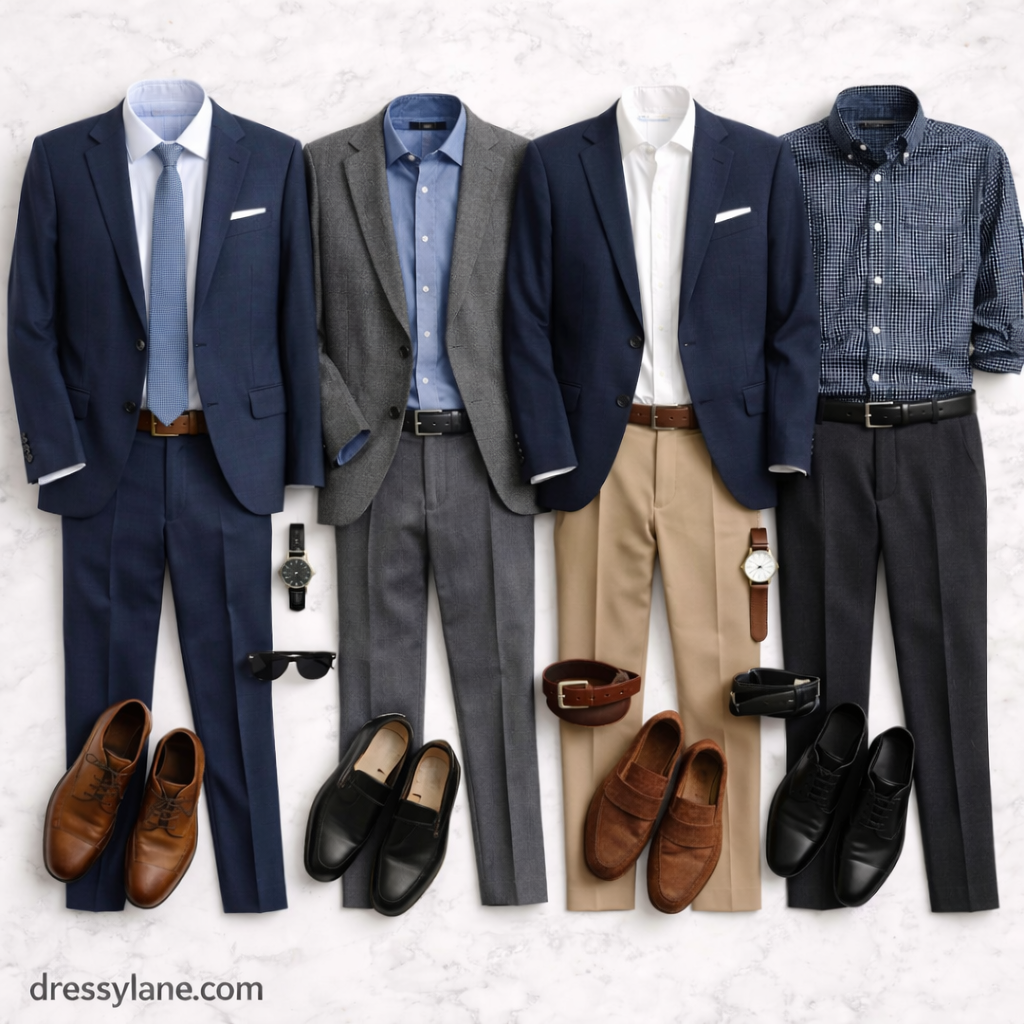
For men, role changes often call for more structure, polish, or consistency.
Key Upgrades for Men
- Move from casual shirts to crisp button-downs
- Add blazers or structured jackets
- Upgrade shoes to leather dress shoes or refined loafers
- Choose tailored trousers over casual pants
If you were previously casual, introducing layers like blazers or sharper footwear can make a big difference without feeling forced.
Color and Fit Considerations
- Neutral colors project professionalism
- Well-fitted clothing communicates confidence
- Avoid overly trendy pieces in leadership roles
- Stick to clean lines and simple patterns
Fit is more important than labels or price.
How Women Can Adjust Their Work Wardrobe
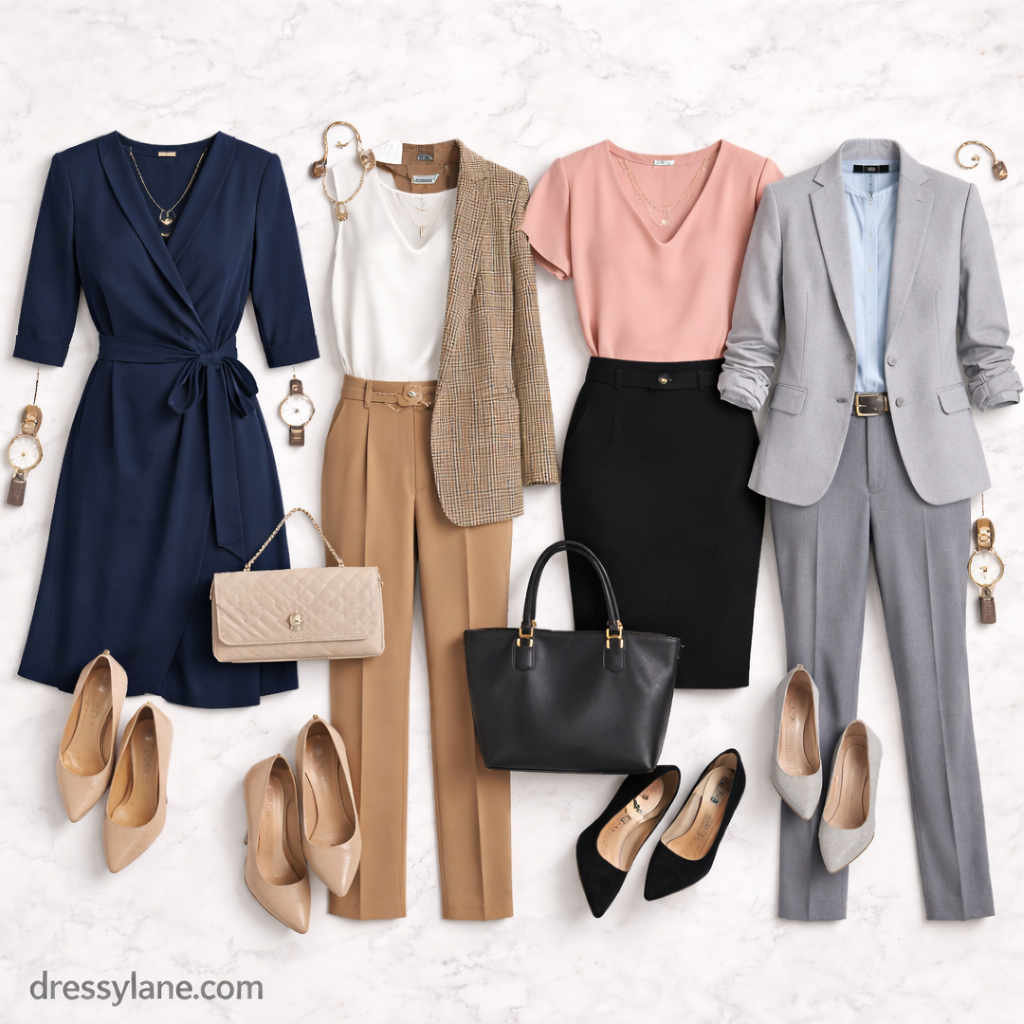
Women often navigate broader style options, but clarity and consistency become more important with seniority.
Smart Updates for Women
- Structured dresses, blouses, and tailored pants
- Blazers or polished cardigans
- Closed-toe shoes, refined flats, or low heels
- Minimal, intentional accessories
If your previous role allowed more casual pieces, elevating fabric quality and structure helps signal the shift.
Balancing Authority and Personal Style
- Choose silhouettes that feel confident, not restrictive
- Avoid overly casual or overly flashy details
- Let one signature element reflect your personality
- Prioritize comfort for long workdays
Professional doesn’t have to mean boring—it means intentional.
Dressing for Different Types of Role Changes
Not all role changes are the same. Adjust based on the direction of your move.
Moving Into Leadership
- Dress slightly more polished than your team
- Consistency builds authority
- Avoid extremes—neither too casual nor too formal
Switching Departments
- Match the culture of your new team
- Observe before making big changes
- Blend your style gradually
Client-Facing or External Roles
- Prioritize classic, neutral pieces
- Choose attire that builds trust
- Keep grooming and details sharp
Common Wardrobe Mistakes During Transitions
Role changes can make people overcorrect. Avoid these pitfalls:
- Dressing dramatically different overnight
- Ignoring comfort and practicality
- Over-accessorizing to “look important”
- Holding onto clothing that no longer fits the role
Subtle evolution feels more natural and sustainable.
Building Confidence Through Consistency
Confidence comes from alignment—when your role, behavior, and appearance match.
Helpful tips:
- Prepare outfits the night before
- Rotate a few reliable, polished looks
- Keep shoes, grooming, and accessories consistent
- Reassess your wardrobe every few months
Consistency helps others—and you—adjust smoothly.
Final Thoughts
When your role changes, your wardrobe should evolve with it—not to impress, but to support confidence and clarity. By making thoughtful updates and aligning your style with your responsibilities, you reinforce your new position naturally. Dressing well during a transition isn’t about reinventing yourself—it’s about stepping fully into who you’ve become at work.