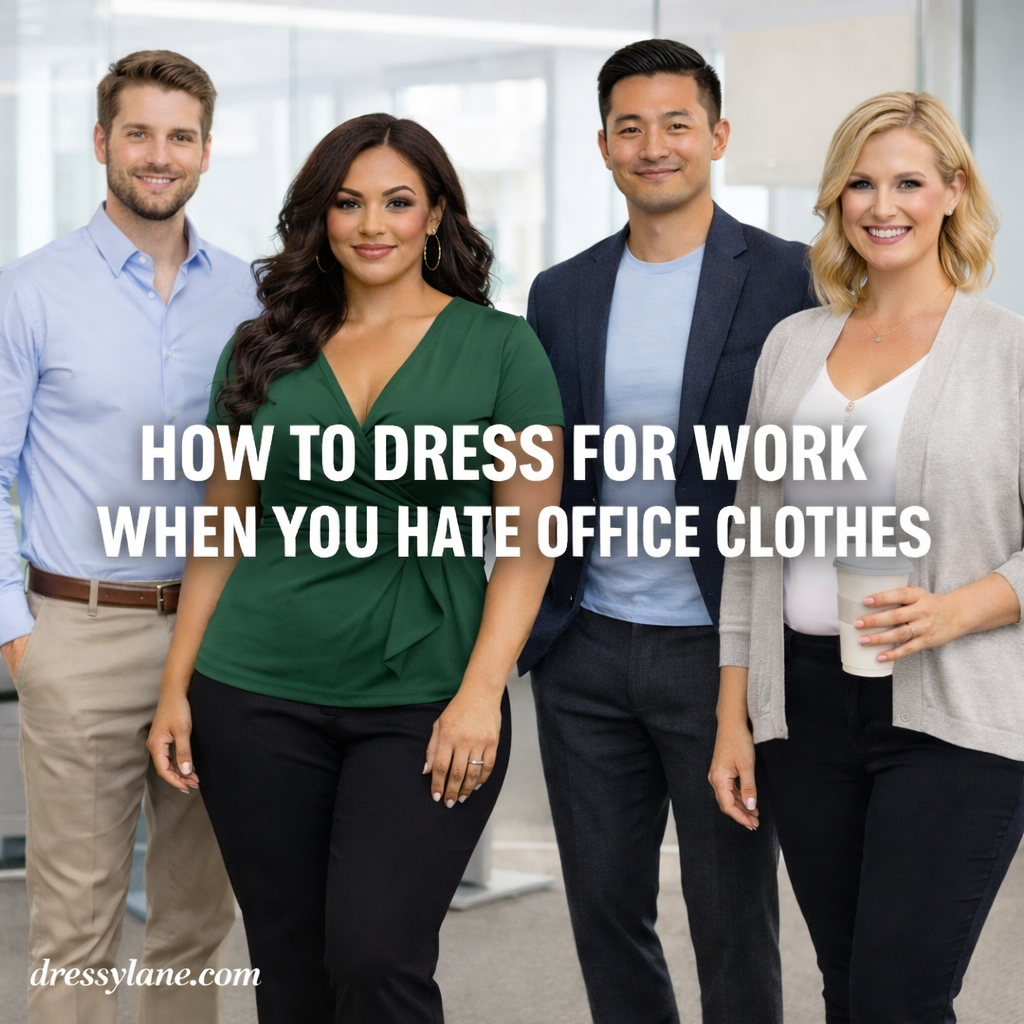
If you dread getting dressed for work because office clothes feel stiff, boring, or unlike “you,” you’re not alone. Many professionals struggle with traditional workwear that feels restrictive or disconnected from their personal style. The good news is that dressing for work doesn’t have to mean sacrificing comfort or authenticity.
This guide shows you how to build work-appropriate outfits that feel natural, comfortable, and wearable—without forcing yourself into clothes you hate.
Why Office Clothes Feel So Uncomfortable
Understanding the problem helps you solve it more effectively.
Common reasons people dislike office wear:
- Fabrics feel stiff or itchy
- Clothes feel overly formal or outdated
- Fit doesn’t match real body movement
- Styles don’t reflect personal identity
- Pressure to “look professional” feels artificial
The solution isn’t dressing sloppier—it’s choosing smarter pieces that bridge comfort and professionalism.
Step 1: Redefine What “Professional” Means Today
Workwear standards have evolved. Many offices now prioritize polish over formality.
Modern professional style focuses on:
- Clean lines and intentional outfits
- Neutral or cohesive color palettes
- Well-fitted clothing rather than rigid structure
- Comfort that still looks put-together
Looking professional is more about effort and consistency than wearing a suit every day.
Step 2: Start With Comfortable Base Pieces
Build outfits from pieces that already feel good on your body.
Comfort-first work basics include:
- Soft trousers with stretch or elastic waistbands
- Knit blazers or unstructured jackets
- Breathable button-downs or elevated tees
- Loafers, flats, or low-profile sneakers (office-appropriate)
If a piece feels uncomfortable when you put it on, you’re less likely to wear it confidently.
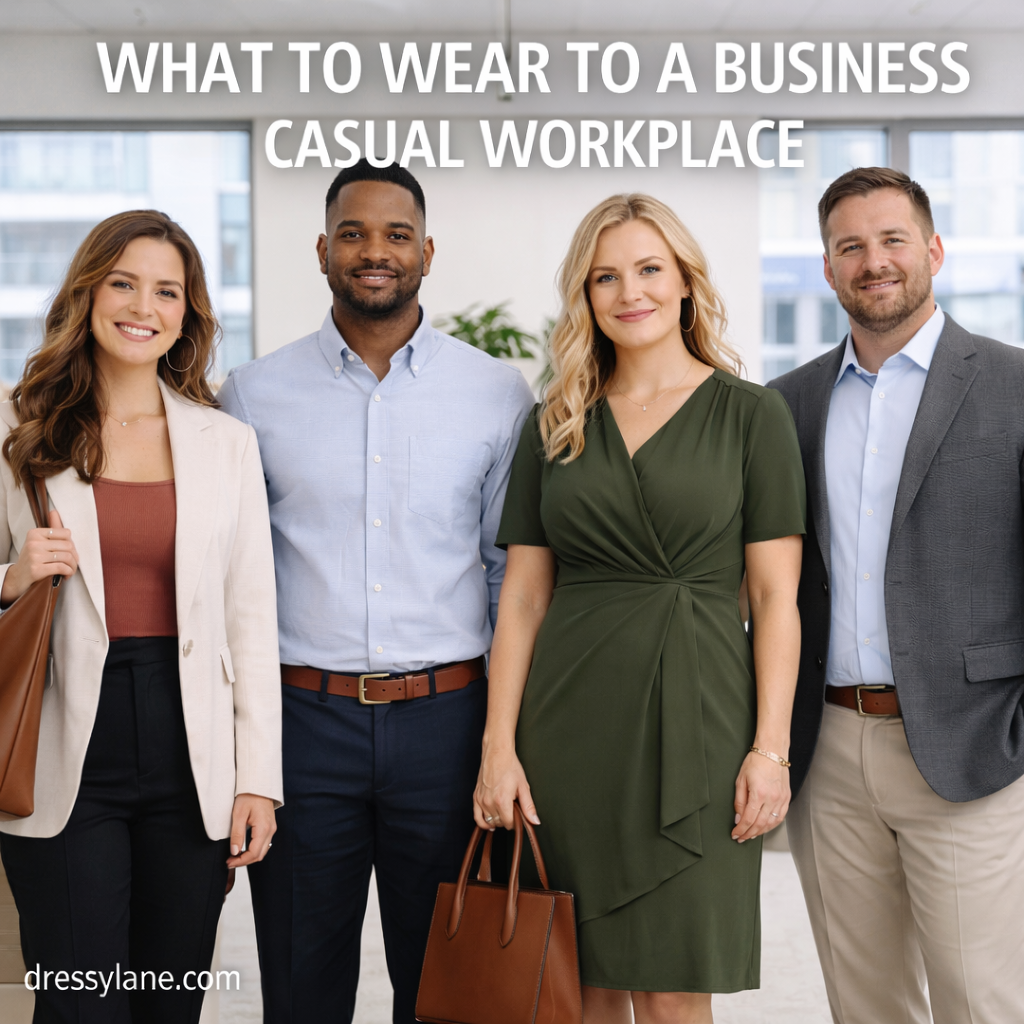
Work Outfit Ideas for Women
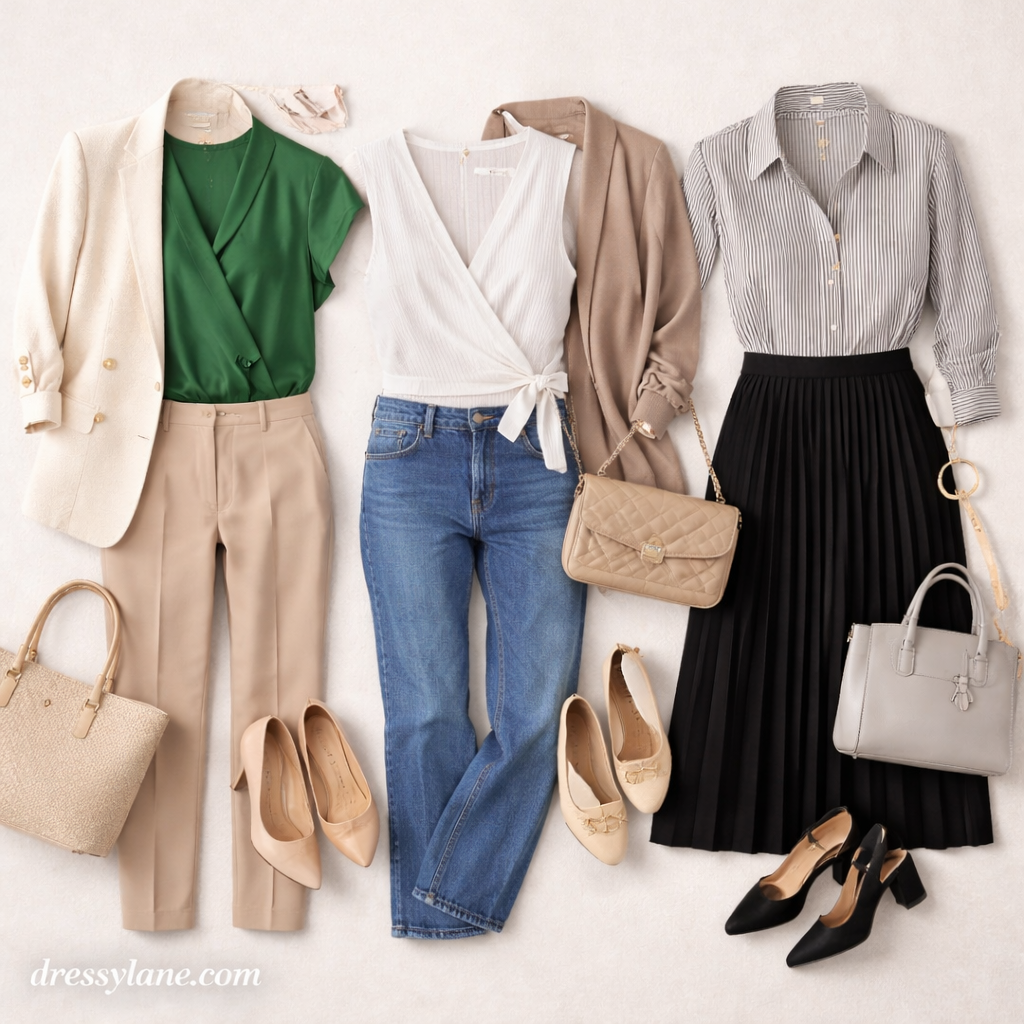
Women often feel boxed in by traditional office expectations. The key is choosing flexible silhouettes that still read professional.
Comfortable work staples for women:
- Midi dresses in jersey, ponte, or crepe
- Tailored trousers with stretch
- Soft blouses instead of stiff button-ups
- Knit blazers or refined cardigans
How to make them work-ready:
- Stick to solid colors or subtle patterns
- Balance relaxed pieces with one structured item
- Choose polished shoes over overly casual ones
Footwear tips:
- Loafers, block heels, or pointed flats
- Clean leather sneakers if your office allows
- Avoid anything that feels unstable or painful
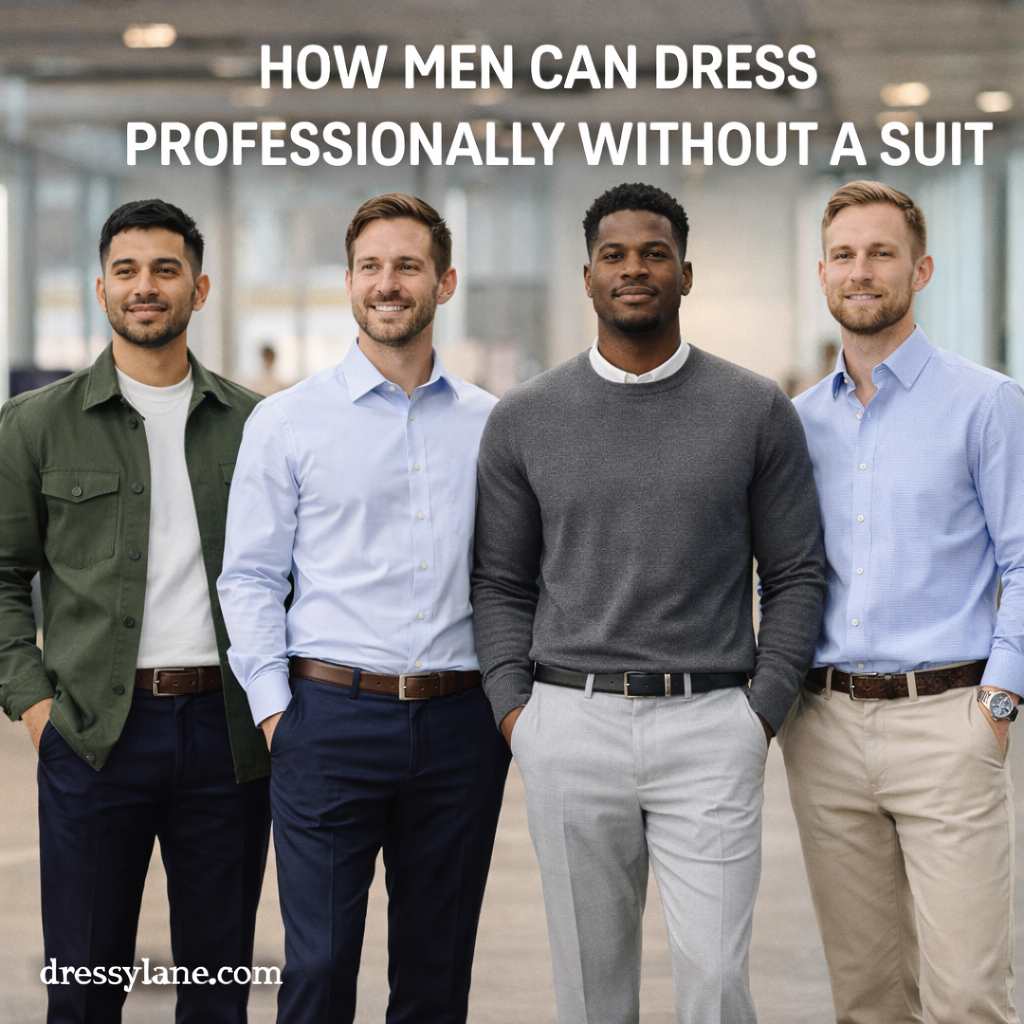
Work Outfit Ideas for Men
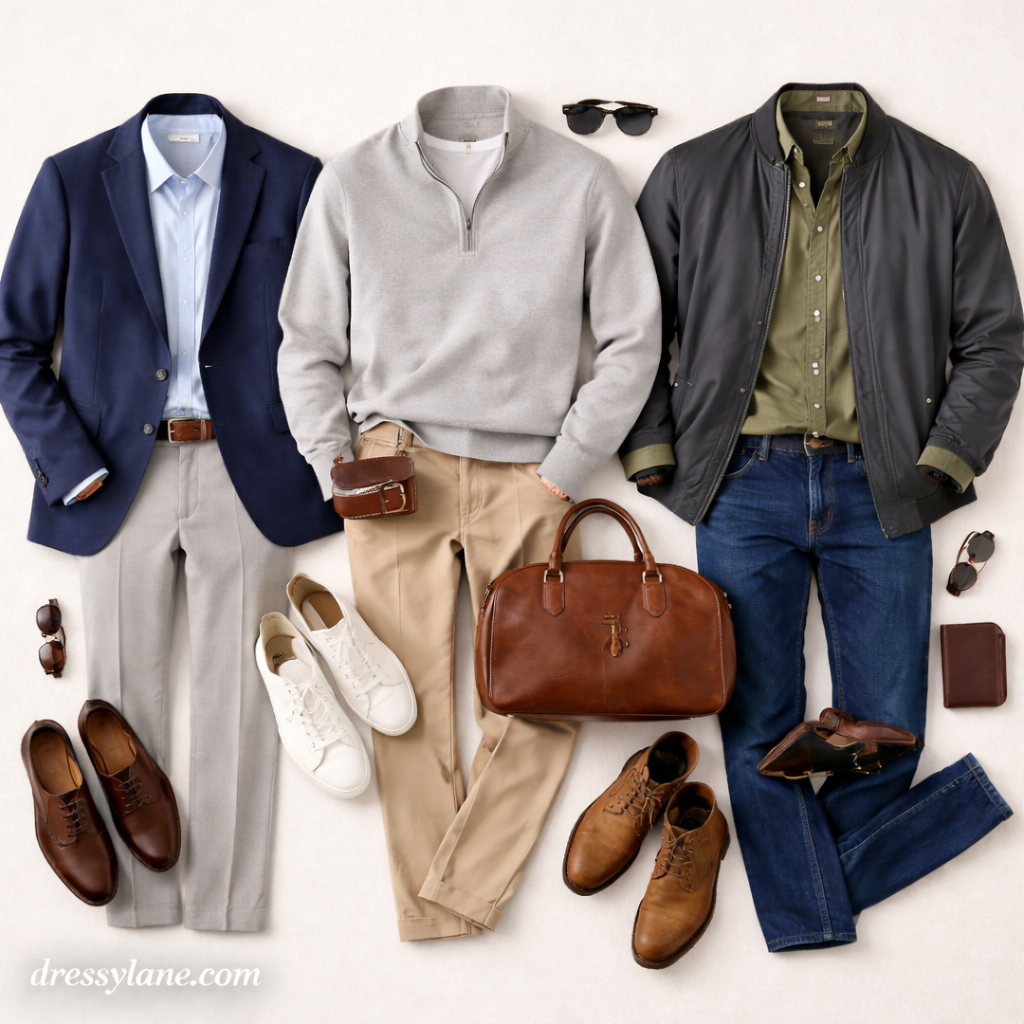
Men who hate office clothes often dislike stiffness, tight collars, or heavy layers.
Comfortable work staples for men:
- Stretch chinos or soft dress trousers
- Unstructured blazers
- Polo shirts or relaxed button-downs
- Lightweight sweaters layered over shirts
How to elevate casual comfort:
- Keep clothes pressed and clean
- Choose neutral tones for easy coordination
- Upgrade shoes to leather or suede options
Footwear tips:
- Loafers, derbies, or minimalist dress sneakers
- Avoid worn-out casual shoes
- Comfort-focused insoles can make a big difference
Step 3: Use Fit Instead of Formality
Fit matters more than labels. A comfortable outfit that fits well always looks more professional than an uncomfortable one that doesn’t.
Fit-focused tips:
- Tailor your favorite comfortable pieces
- Avoid overly tight or oversized silhouettes
- Make sure shoulders, waist, and hems sit correctly
When clothes fit your body, they feel less like a costume and more like your own style.
Step 4: Build a “Work Uniform” You Actually Like
Creating a repeatable outfit formula removes daily stress.
Examples of simple work uniforms:
- Comfortable trousers + soft top + lightweight jacket
- Dress + structured shoes + simple accessories
- Chinos + polo + casual blazer
Rotate colors and textures while keeping the formula consistent.
Common Mistakes to Avoid
Even comfort-focused workwear can miss the mark.
Avoid these pitfalls:
- Dressing too casually without balance
- Wearing wrinkled or worn clothing
- Ignoring footwear quality
- Forcing trends that don’t feel natural
- Over-accessorizing to compensate for discomfort
Comfort should enhance confidence—not undermine professionalism.
Final Thoughts
You don’t have to love traditional office clothes to dress well for work. By prioritizing comfort, fit, and modern styling, you can build a work wardrobe that feels authentic and still meets professional expectations. When your clothes stop fighting you, showing up confidently becomes much easier.