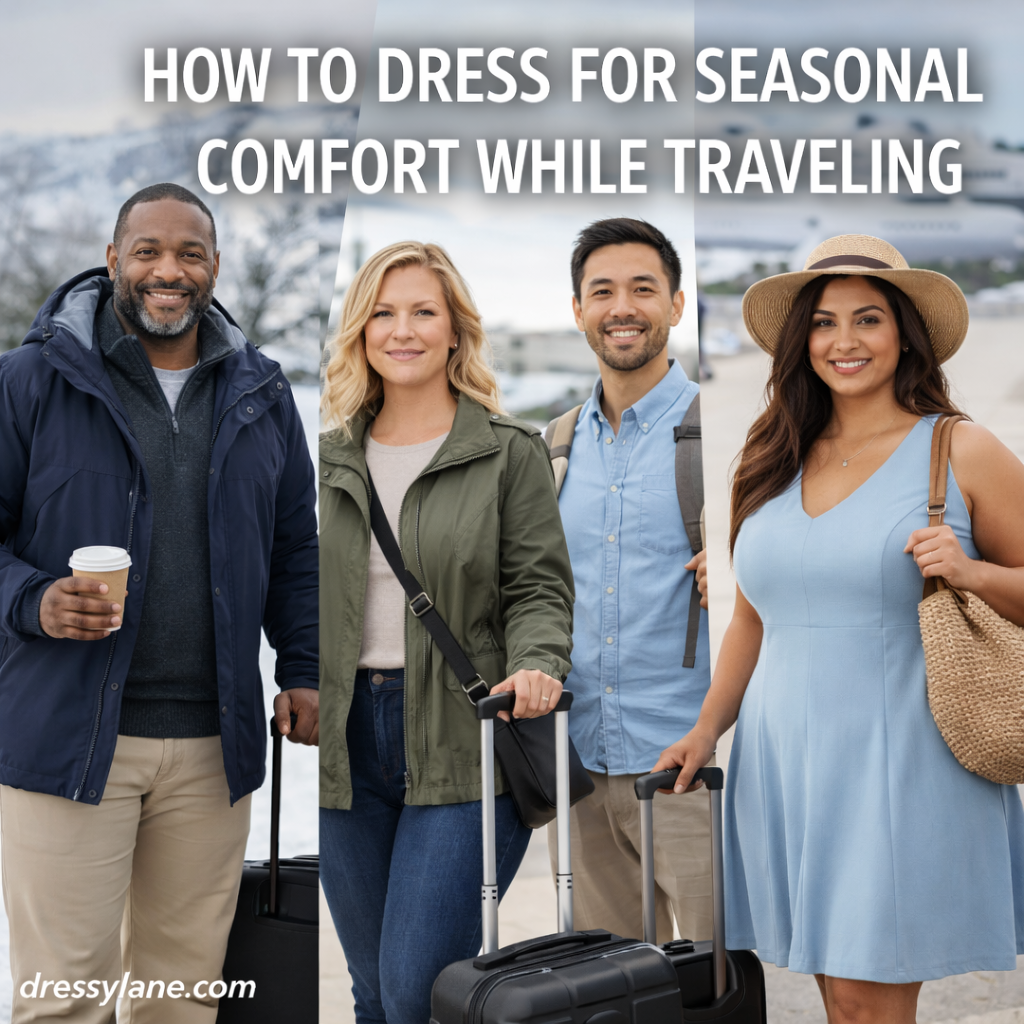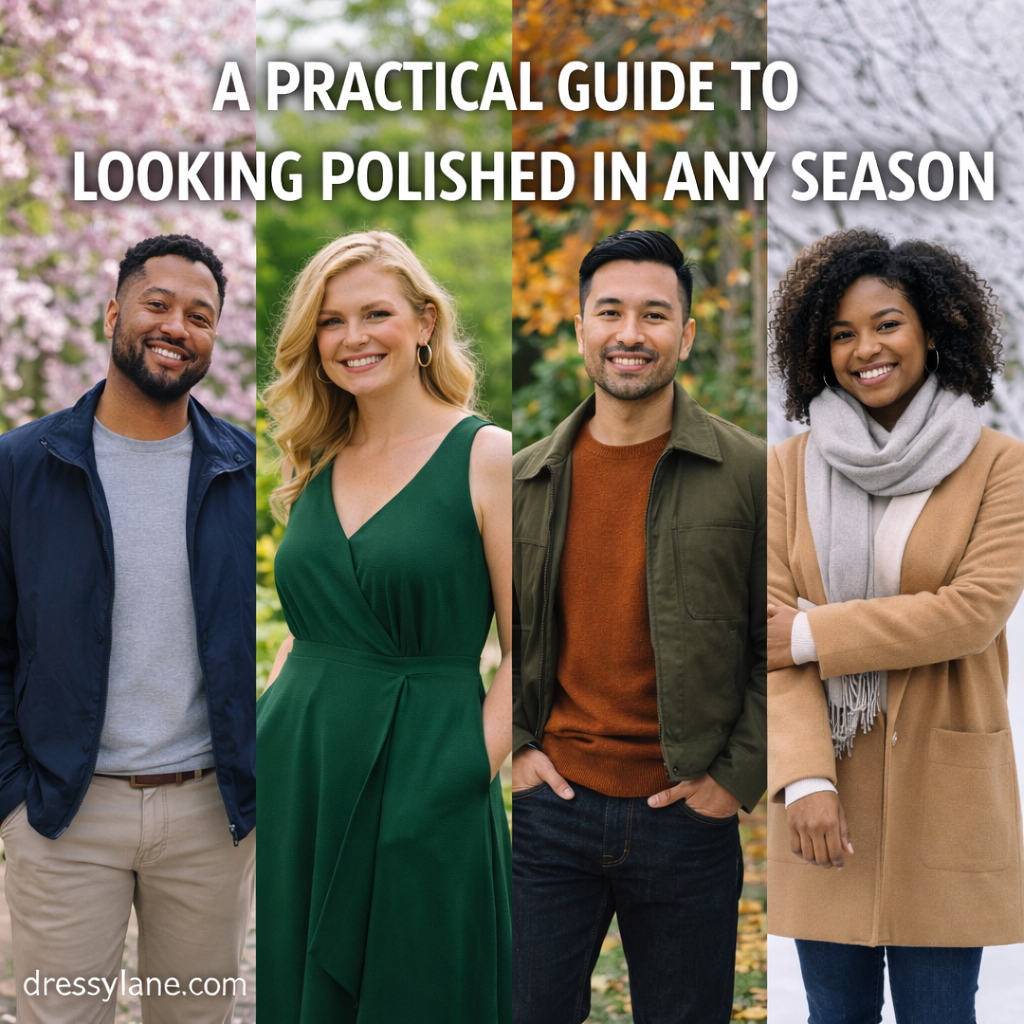
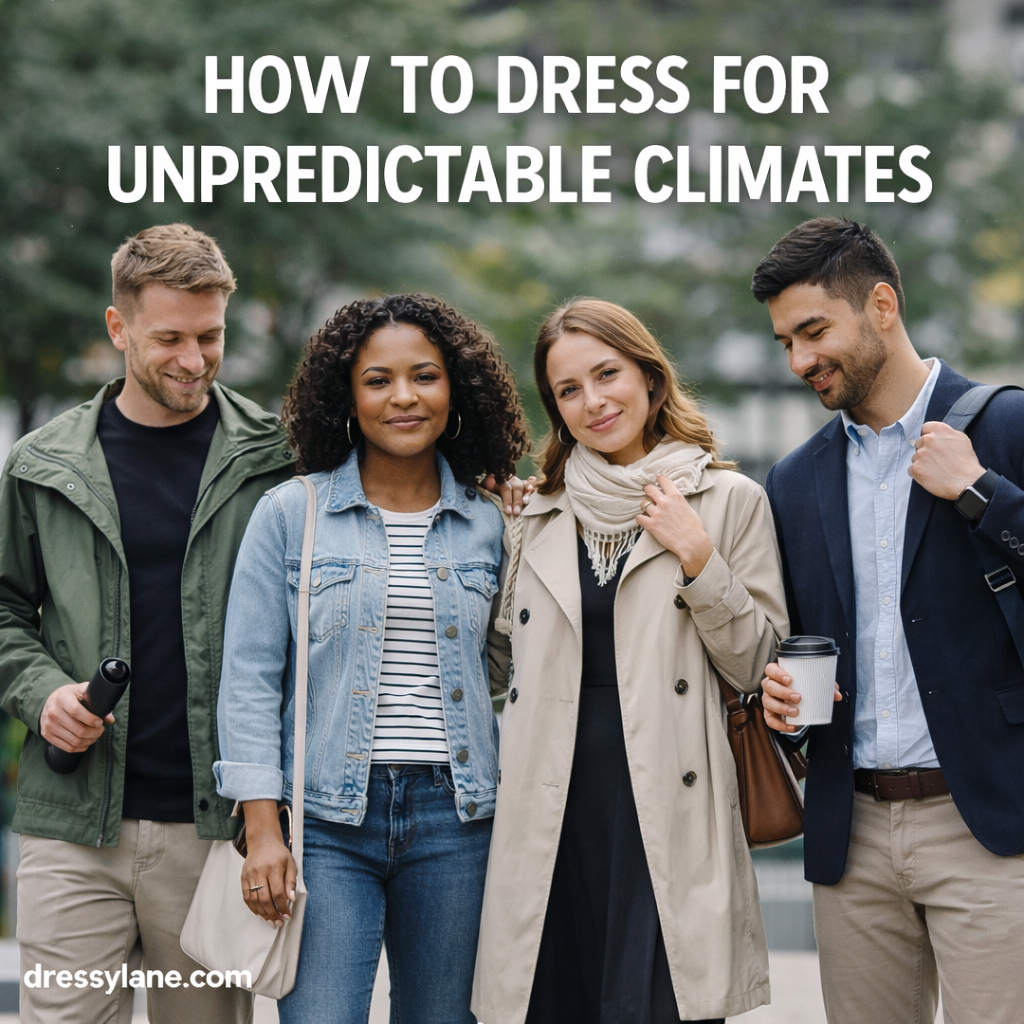
Unpredictable climates can make getting dressed feel like a guessing game. One moment it’s cool and breezy, the next it’s warm and humid—or suddenly rainy. Whether you’re dealing with fluctuating daily temperatures, changing seasons, or variable regional weather, the key to staying comfortable is dressing with flexibility in mind.
This guide explains how to dress for unpredictable climates using adaptable layers, versatile fabrics, and practical outfit strategies for both women and men.
Why Unpredictable Climates Are So Challenging
In unpredictable climates, you might experience:
- Cool mornings and warm afternoons
- Sudden rain or wind
- Rapid temperature shifts indoors and outdoors
- Seasonal overlap where weather patterns blur
Dressing for just one condition often leaves you uncomfortable later in the day.
The Core Strategy: Flexible Layering
Layering is the most effective way to manage unpredictable weather.
A well-balanced outfit usually includes:
- A breathable base layer
- A versatile mid-layer
- A lightweight outer layer
Each piece should work on its own and together, allowing you to adapt as conditions change.
Best Fabrics for Unpredictable Weather
Fabrics That Adapt Well
- Merino wool
- Cotton blends with stretch
- Lightweight knits
- Technical performance fabrics
- Soft denim or twill
Fabrics to Use Carefully
- Heavy wool
- Thick fleece
- Rigid synthetics
- Linen without layering support
Choosing the right fabrics can prevent overheating or sudden chills.
Outerwear That Works in Multiple Conditions
Your outer layer should offer protection without bulk.
Look for:
- Lightweight jackets
- Trench coats
- Packable rain jackets
- Windbreakers
- Unlined blazers
Avoid heavy coats unless cold weather is consistent all day.
How to Dress for Unpredictable Climates: Women’s Guide
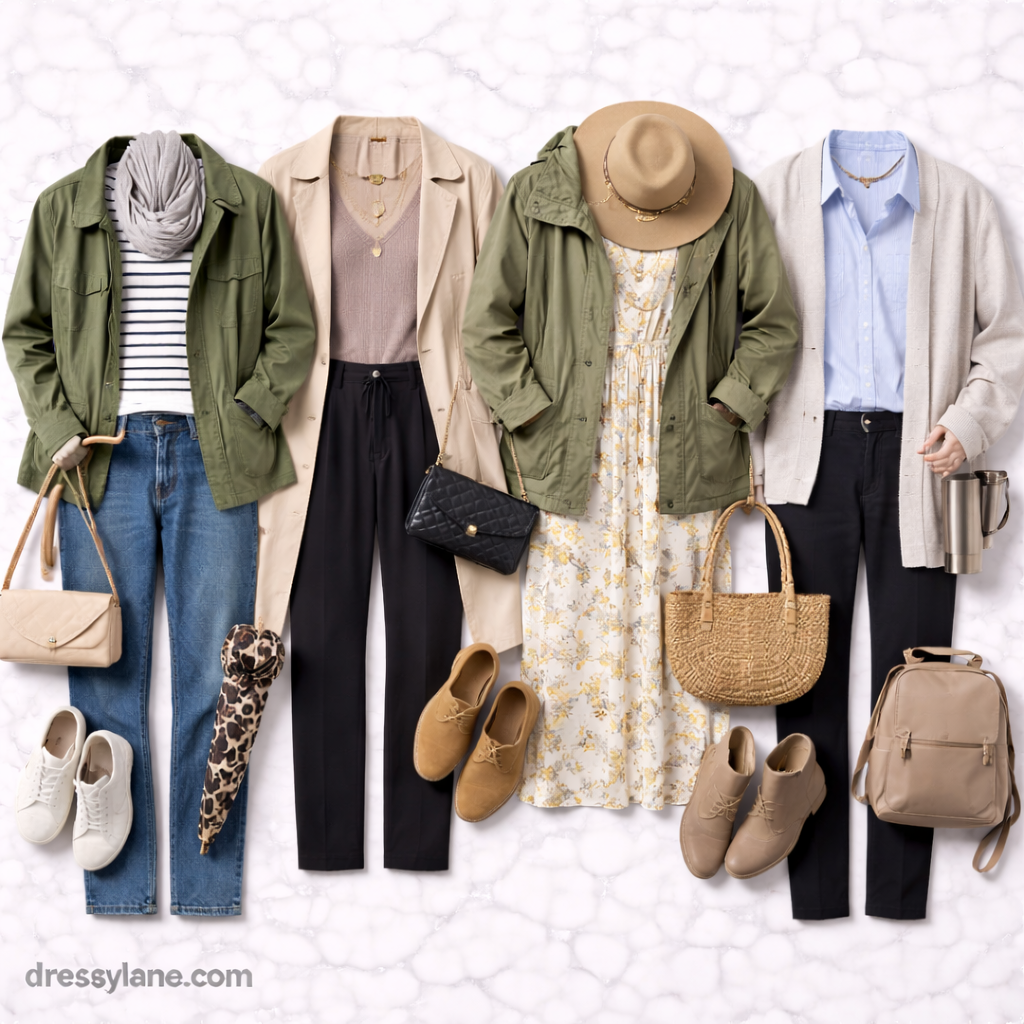
Versatile Base Layers
- Fitted long-sleeve tops
- Breathable t-shirts
- Lightweight dresses
Base layers should feel comfortable in both cool and warm temperatures.
Adaptable Mid-Layers
- Cardigans
- Denim jackets
- Lightweight sweaters
- Casual blazers
Choose layers that still look good when removed.
Bottoms That Adjust Well
- Stretch trousers
- Midi skirts
- Lightweight jeans
- Dresses with tights as optional layers
Avoid overly heavy fabrics that trap heat.
Shoes for Changing Conditions
- Closed-toe flats
- Loafers
- Ankle boots
- Comfortable sneakers
Footwear should handle both wet and dry conditions when possible.
How to Dress for Unpredictable Climates: Men’s Guide
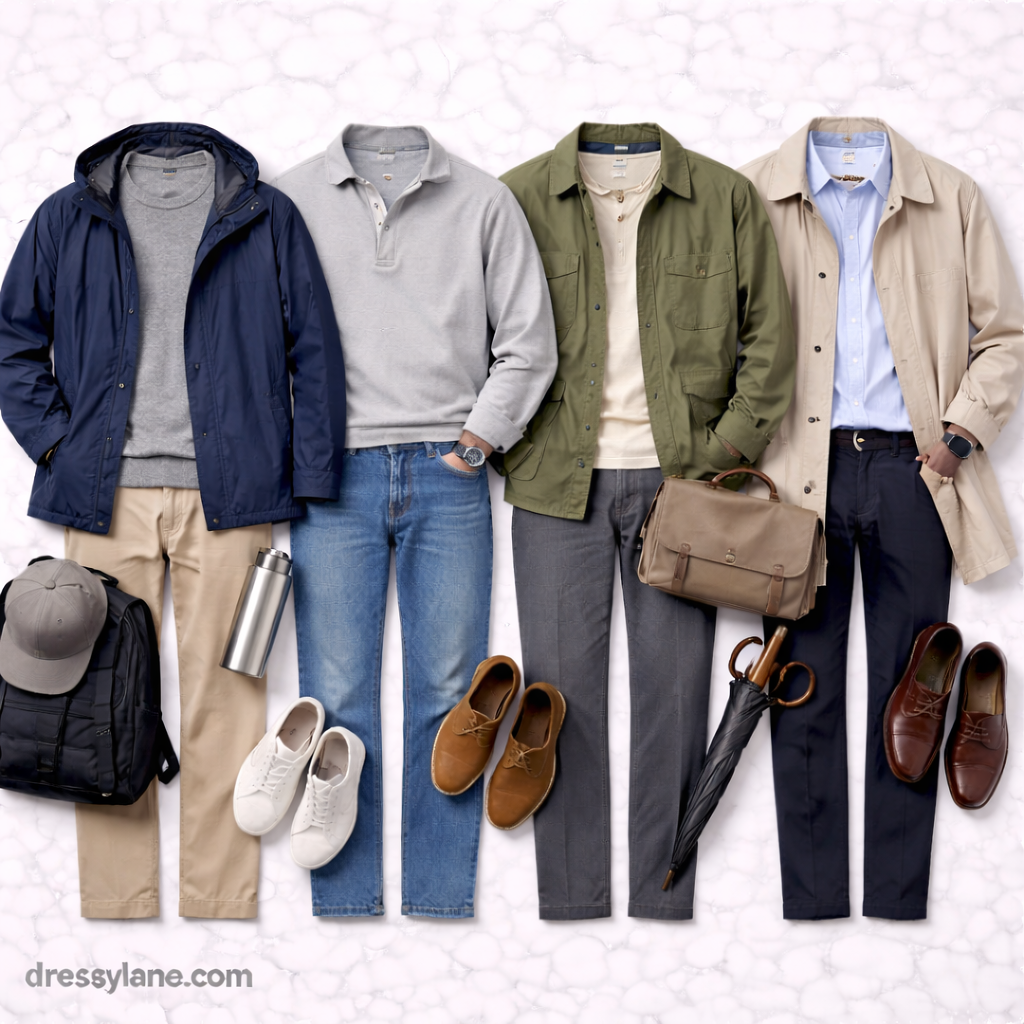
Reliable Base Pieces
- Breathable t-shirts
- Lightweight button-downs
- Performance polos
These help regulate temperature without bulk.
Functional Mid-Layers
- Quarter-zip sweaters
- Overshirts
- Casual blazers
- Lightweight knits
Mid-layers should be easy to remove and carry.
Pants That Work Across Temperatures
- Stretch chinos
- Lightweight denim
- Tech fabric trousers
Avoid stiff fabrics that restrict movement.
Shoes for Variable Weather
- Leather sneakers
- Loafers
- Chukka boots
- Weather-resistant casual shoes
Versatile shoes reduce the need for backups.
Accessories That Make a Big Difference
Small accessories can dramatically improve comfort:
- Lightweight scarves
- Sunglasses
- Compact umbrellas
- Hats for sun or rain
- Thin gloves for cooler moments
These items are easy to carry and quick to use.
Color Choices for Flexible Outfits
Neutral and layered colors are easiest to manage.
Reliable color options include:
- Navy
- Gray
- Beige
- Olive
- Black
- Soft earth tones
These shades mix easily and hide minor weather-related wear.
Common Mistakes to Avoid
- Dressing for the extreme instead of the range
- Wearing bulky layers you can’t remove
- Ignoring wind and rain forecasts
- Choosing non-breathable fabrics
- Over-accessorizing
Flexibility is more important than perfection.
Build a Climate-Ready Wardrobe
A small set of dependable pieces makes dressing easier:
- Neutral base layers
- Lightweight outerwear options
- Shoes that handle multiple conditions
- Fabrics that adapt to temperature changes
A climate-ready wardrobe reduces daily guesswork.
Final Thoughts
Dressing for unpredictable climates doesn’t require constant outfit changes—just smarter planning. By focusing on flexible layers, adaptable fabrics, and versatile pieces, you can stay comfortable and confident no matter how the weather shifts.
When your clothes work with the climate instead of against it, getting dressed becomes easier, faster, and far less stressful.