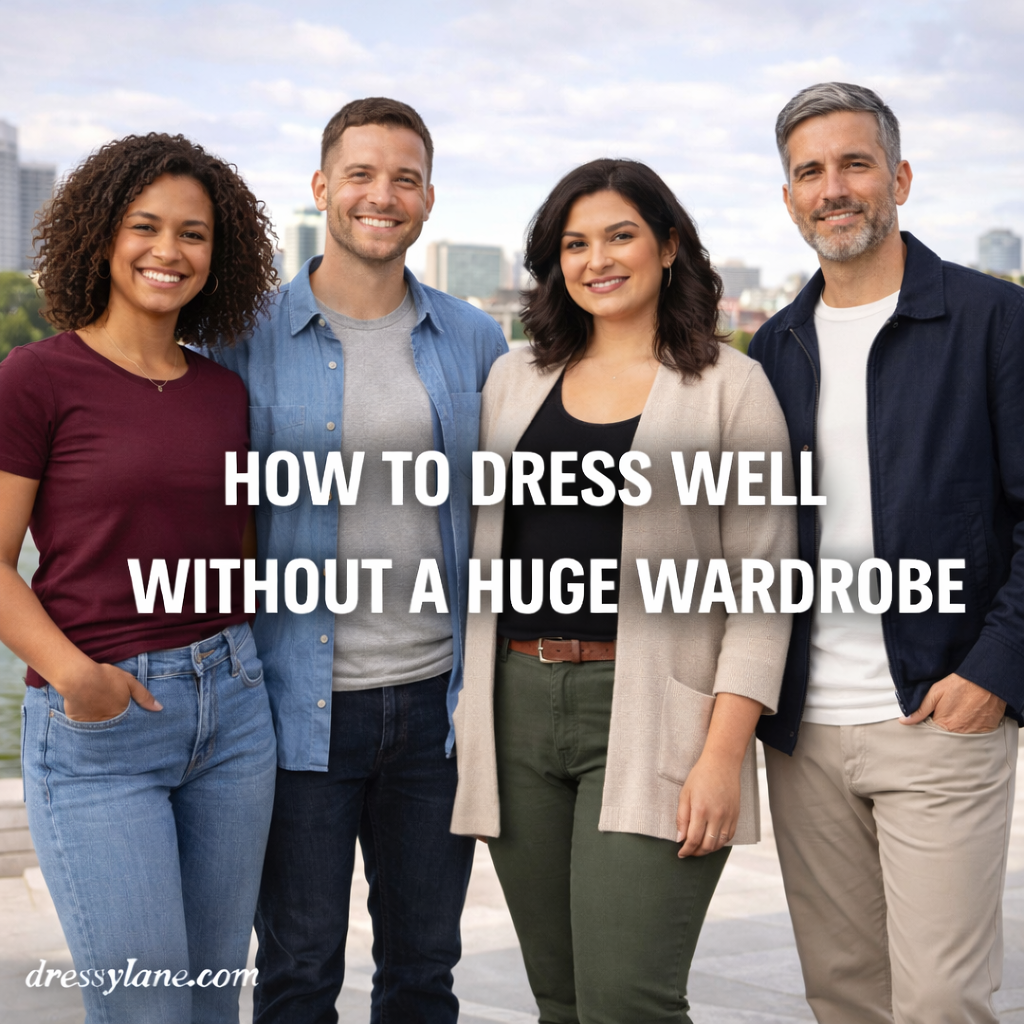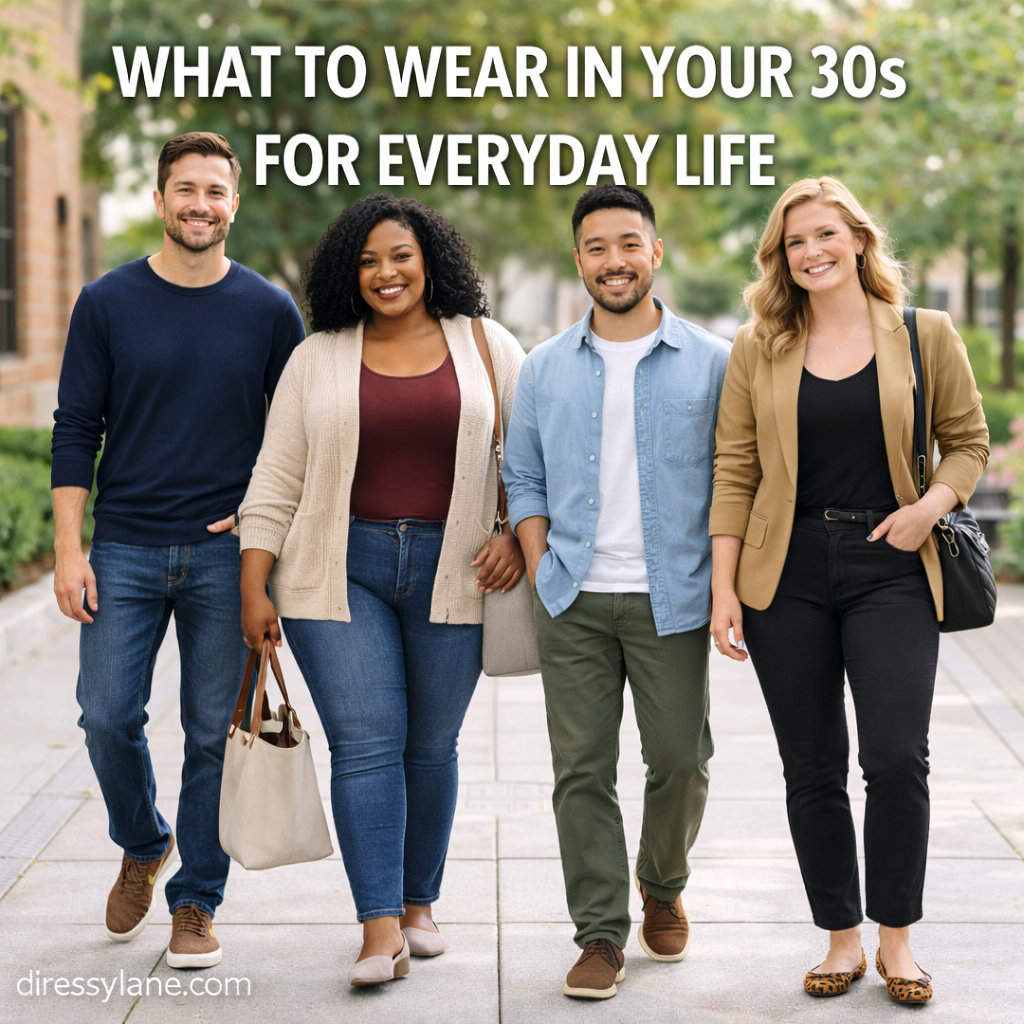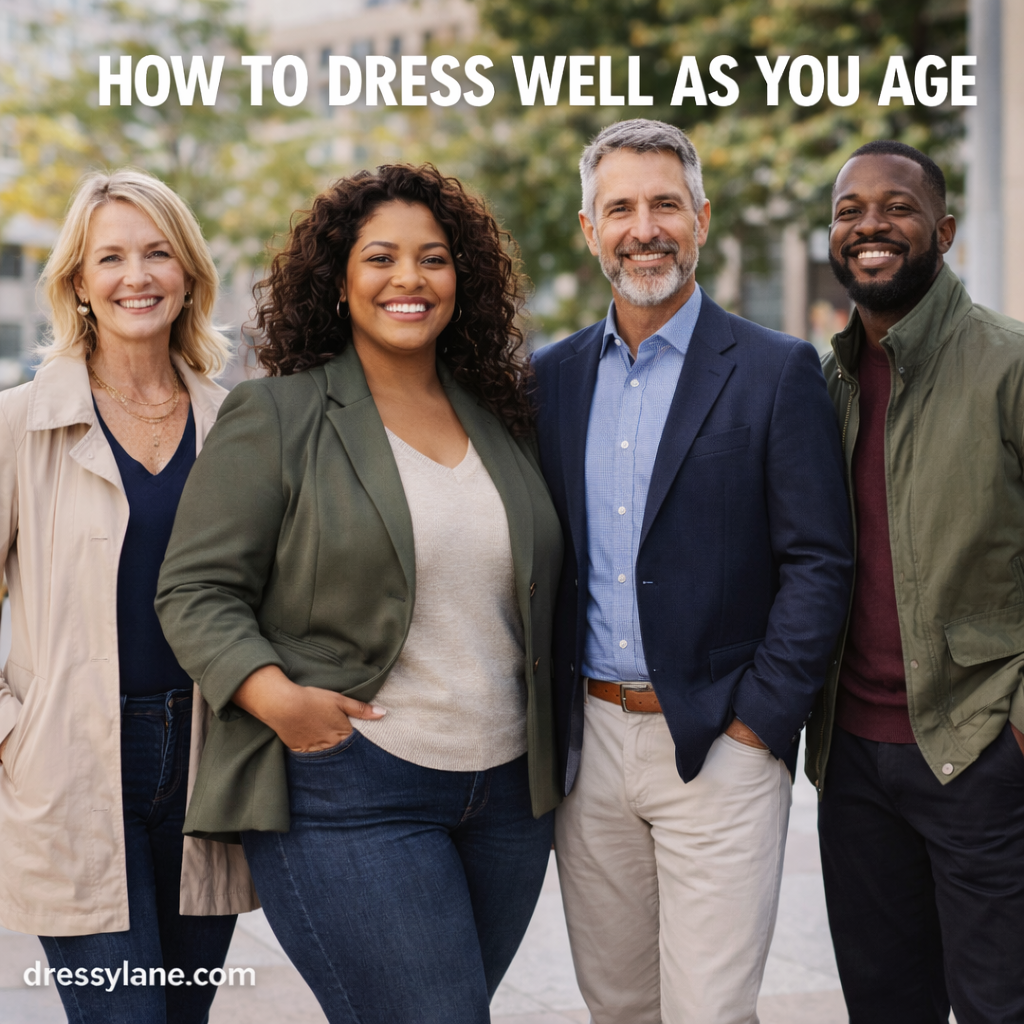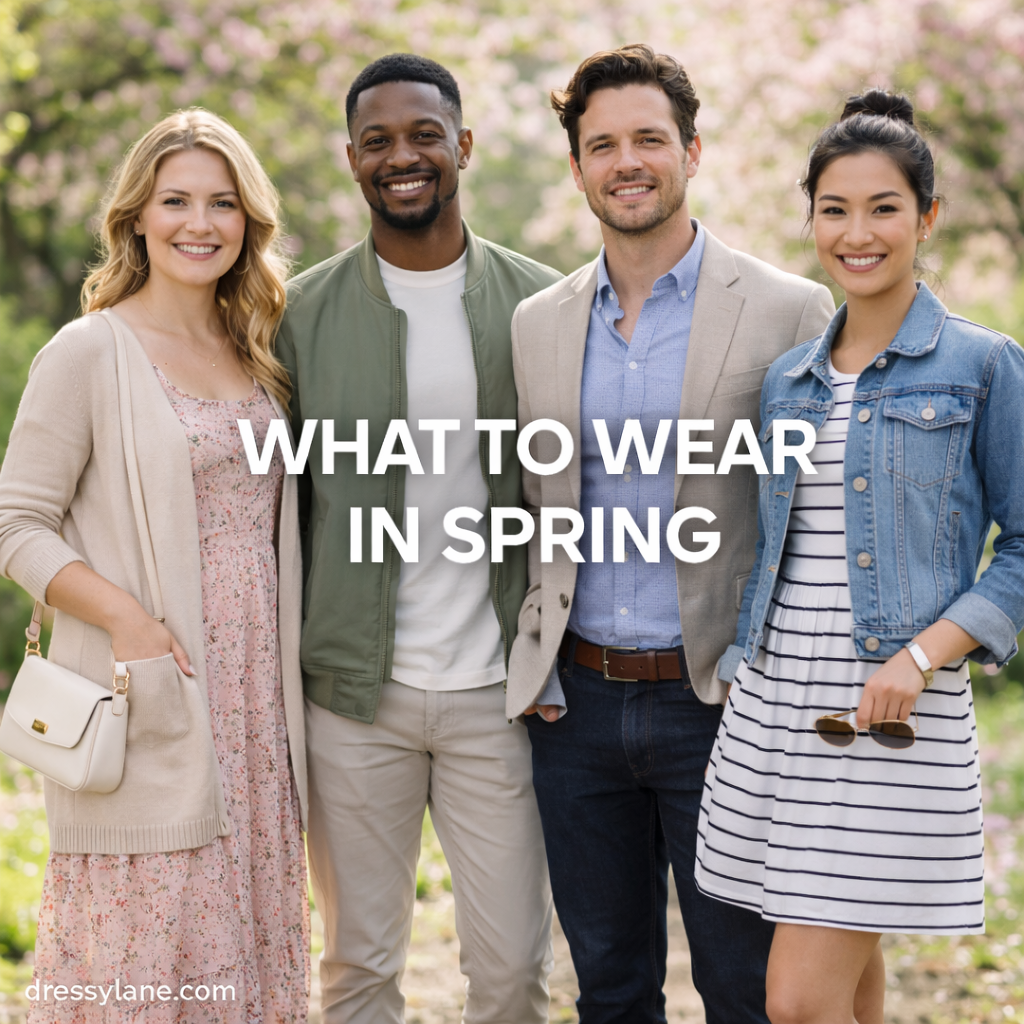
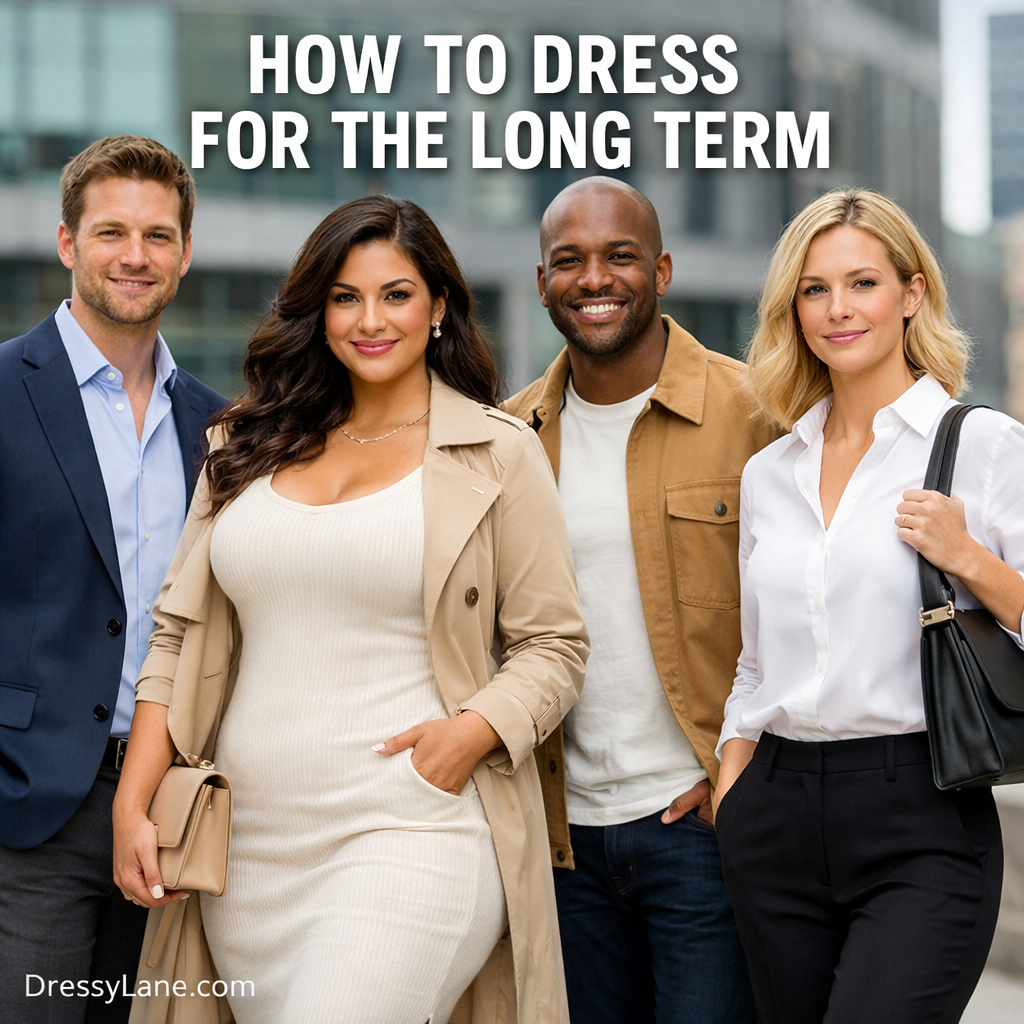
Dressing for the long term isn’t about chasing trends or rebuilding your wardrobe every season. It’s about choosing clothes that age well, adapt to life changes, and continue to look appropriate years from now. A long-term approach to style saves money, reduces decision fatigue, and creates a consistent personal image that grows with you.
This guide breaks down how to build a wardrobe that lasts—practically, visually, and emotionally—while including clear guidance for both men and women.
What “Dressing for the Long Term” Really Means
Long-term dressing focuses on durability, versatility, and timeless appeal rather than novelty.
It means:
- Buying fewer but better-made pieces
- Choosing silhouettes that won’t feel outdated quickly
- Prioritizing comfort and fit as your body and lifestyle evolve
- Creating outfits that work across seasons, settings, and years
Instead of asking “Is this in style right now?” the better question is “Will I still want to wear this five years from now?”
Why a Long-Term Wardrobe Matters
Fast fashion encourages constant replacement. A long-term wardrobe does the opposite.
Benefits include:
- Lower lifetime clothing costs
- Less clutter and easier outfit decisions
- A more consistent and confident personal style
- Reduced environmental impact
When your wardrobe is intentional, getting dressed becomes simpler—and more satisfying.
Core Principles of Long-Term Style
Prioritize Fit Over Trends
Clothes that fit your body well will always look better than trendy pieces that don’t.
Focus on:
- Proper shoulder alignment
- Comfortable waist and rise
- Sleeve and pant lengths that suit your proportions
Tailoring simple items often delivers more value than buying new clothes.
Choose Timeless Colors First
Neutral and classic colors last longer visually and are easier to mix.
Reliable long-term colors:
- Black, navy, gray, beige
- White, off-white, cream
- Olive, brown, camel
You can always add accent colors later, but a neutral foundation gives flexibility.
Invest in Quality Where It Counts
Not every item needs to be premium—but some do.
Worth investing in:
- Shoes
- Outerwear
- Everyday bags
- Workwear staples
Quality fabrics and construction age better and often become more comfortable over time.
Build Around Versatility
Long-term pieces should work in multiple settings.
Look for items that can:
- Dress up or down
- Layer easily
- Transition between seasons
If something only works in one narrow scenario, it may not earn a long-term place in your closet.
Long-Term Wardrobe Essentials for Men
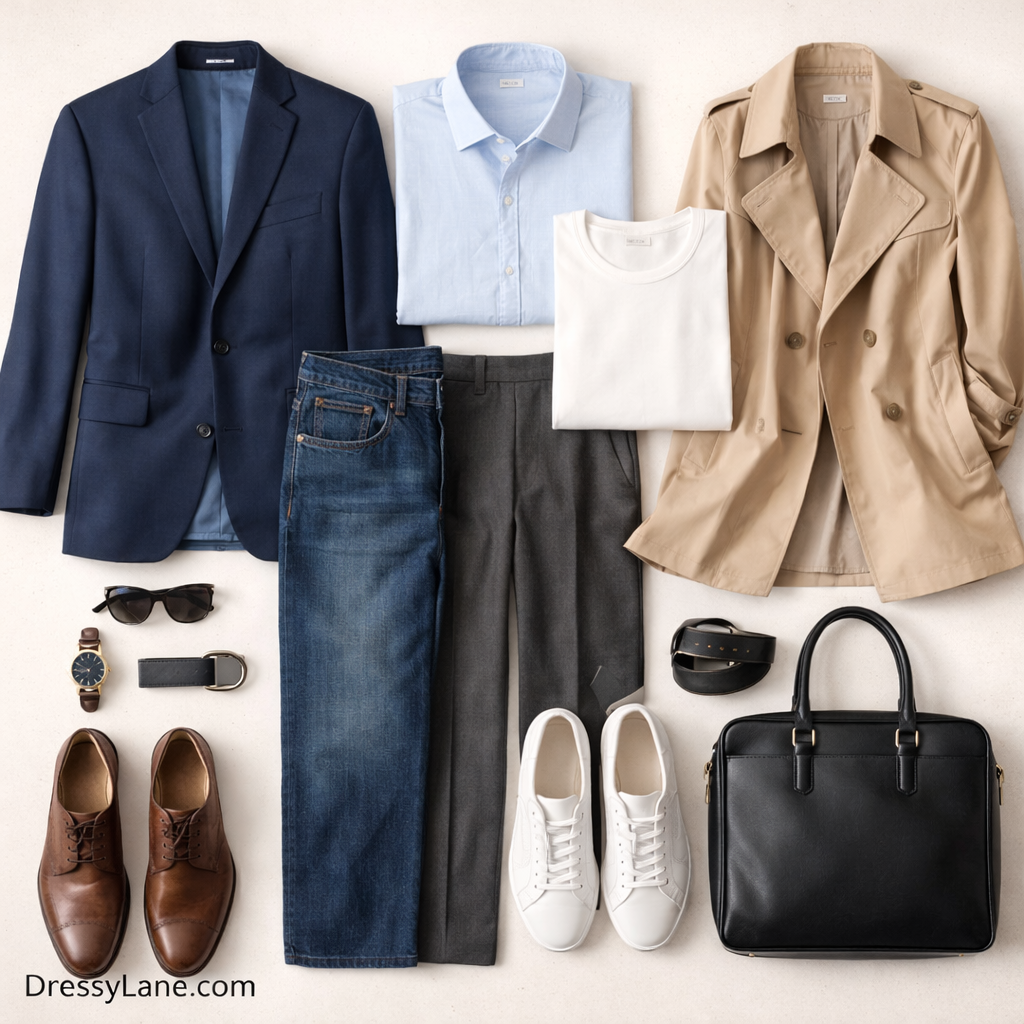
Men benefit greatly from a streamlined, repeatable wardrobe structure.
Key long-term pieces:
- Well-fitted neutral t-shirts or polos
- Button-down shirts in solid or subtle patterns
- Dark denim and tailored trousers
- A classic blazer or structured jacket
- Quality leather or minimalist sneakers
- Weather-appropriate outerwear (coat, jacket, or parka)
Long-term men’s style works best when pieces can be mixed without overthinking.
Long-Term Wardrobe Essentials for Women
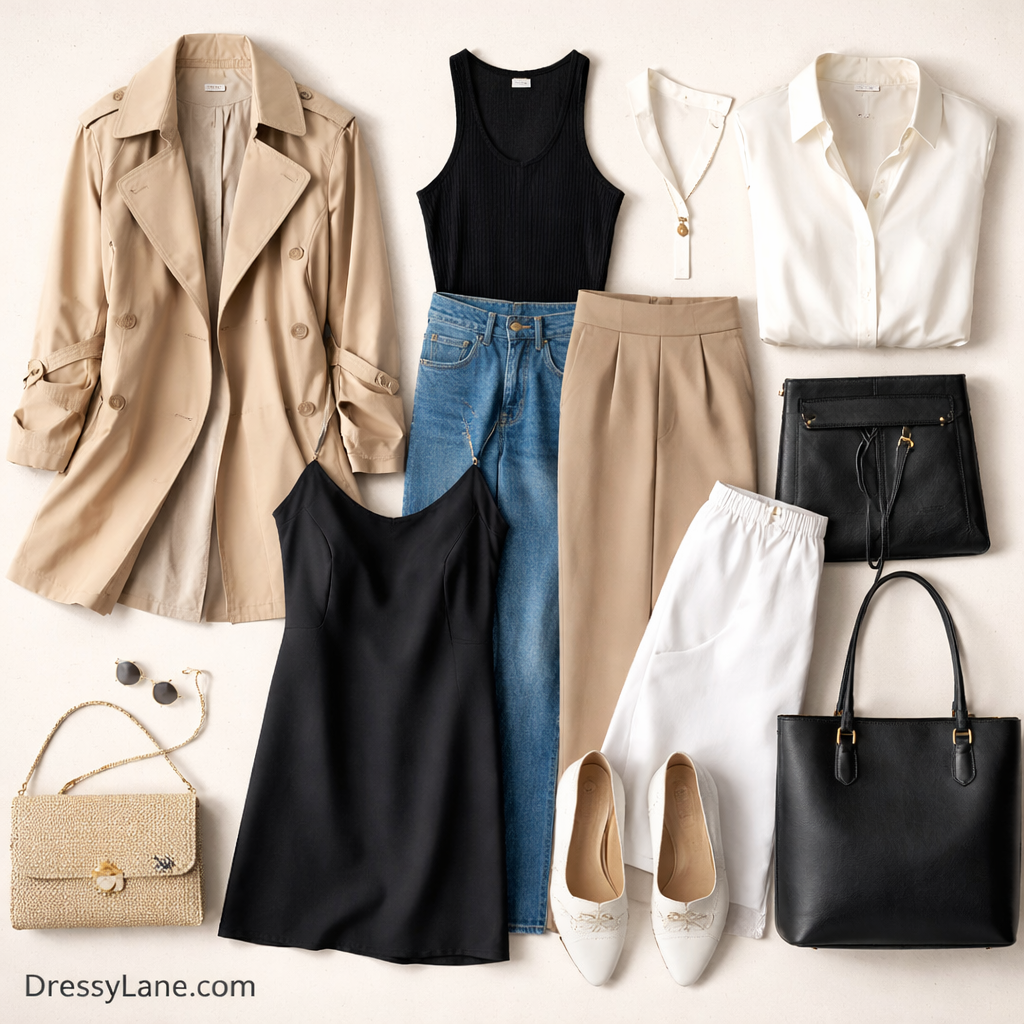
Women’s long-term wardrobes focus on adaptable silhouettes and layering.
Key long-term pieces:
- Neutral tops that layer well
- Structured dresses that work with flats or heels
- High-quality denim and versatile trousers
- A timeless coat or jacket
- Comfortable but polished footwear
- Simple accessories that don’t overpower outfits
Pieces that can shift from casual to professional settings offer the greatest long-term value.
Dressing for Life Changes
Bodies, careers, and lifestyles change—and your wardrobe should support that.
Plan for:
- Weight fluctuations by avoiding overly restrictive fits
- Career shifts by favoring adaptable clothing
- Climate or location changes with layering options
Long-term dressing doesn’t mean locking yourself into one look—it means staying flexible without starting over.
Common Mistakes That Shorten Wardrobe Lifespan
Avoiding these habits keeps your style relevant longer:
- Buying trend-heavy items as “basics”
- Ignoring fabric quality
- Overloading on statement pieces
- Keeping clothes that don’t fit in hope they will someday
- Neglecting care instructions
Maintenance matters just as much as selection.
How to Maintain a Long-Term Wardrobe
Clothes last longer when treated well.
Simple habits that help:
- Follow washing instructions carefully
- Use proper hangers and folding methods
- Rotate shoes to reduce wear
- Repair small issues early
These small actions significantly extend the life of your wardrobe.
Final Thoughts
Dressing for the long term is about intention, not limitation. When your wardrobe is built on fit, quality, and versatility, style becomes effortless rather than exhausting. You don’t need endless options—you need the right ones.
A thoughtful wardrobe supports who you are today while staying relevant for who you’ll become tomorrow.